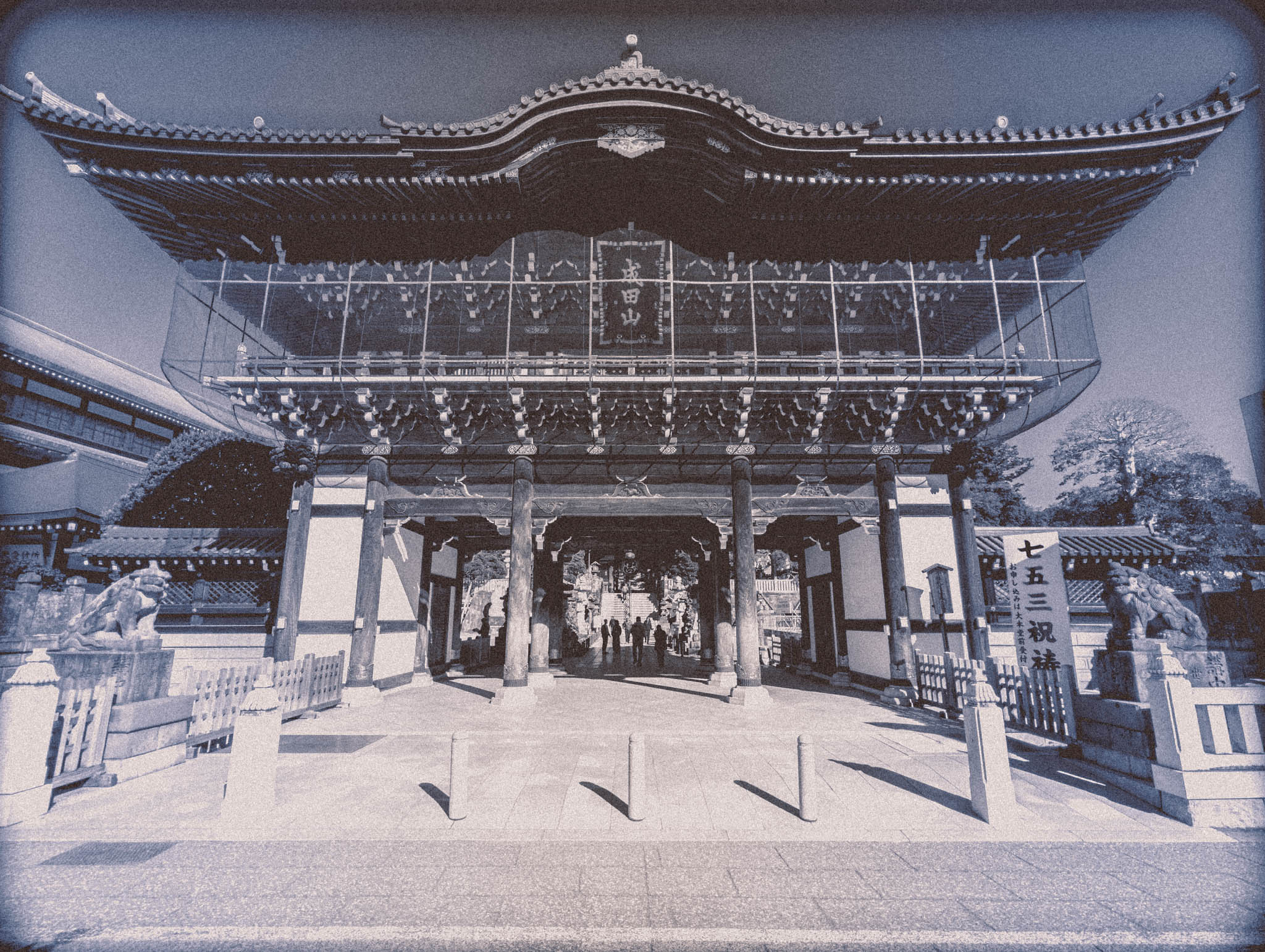
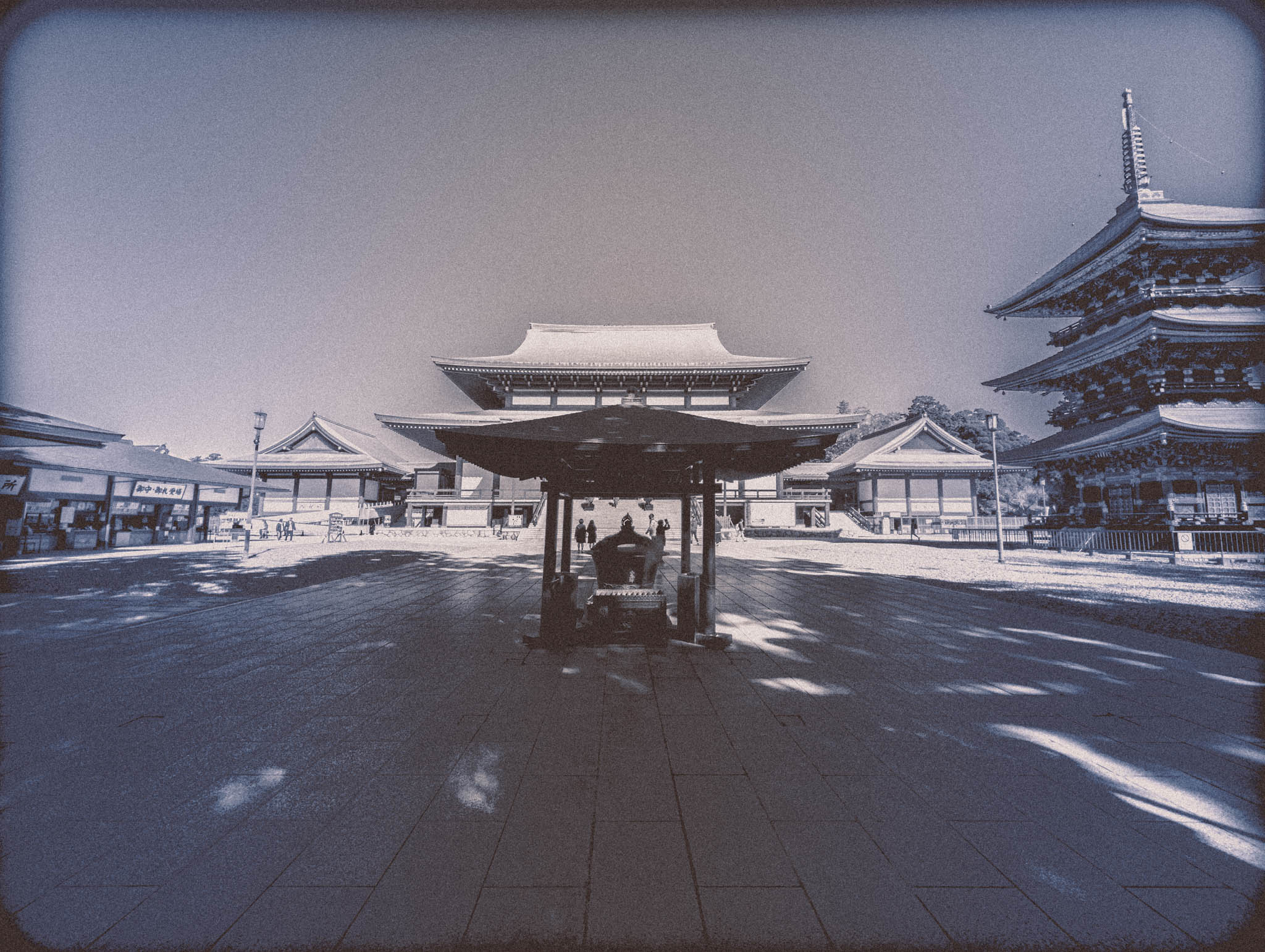
I have three quarters of a day to kill before leaving Japan, so a quick bus ride from the airport hotel after breakfast and I find myself on Omotesando, which the cheerful woman at the concierge desk described as “the only one street we have” (with historic and scenic interest to the traveler, I presume she meant. The turn of phrase struck me as rather odd.)
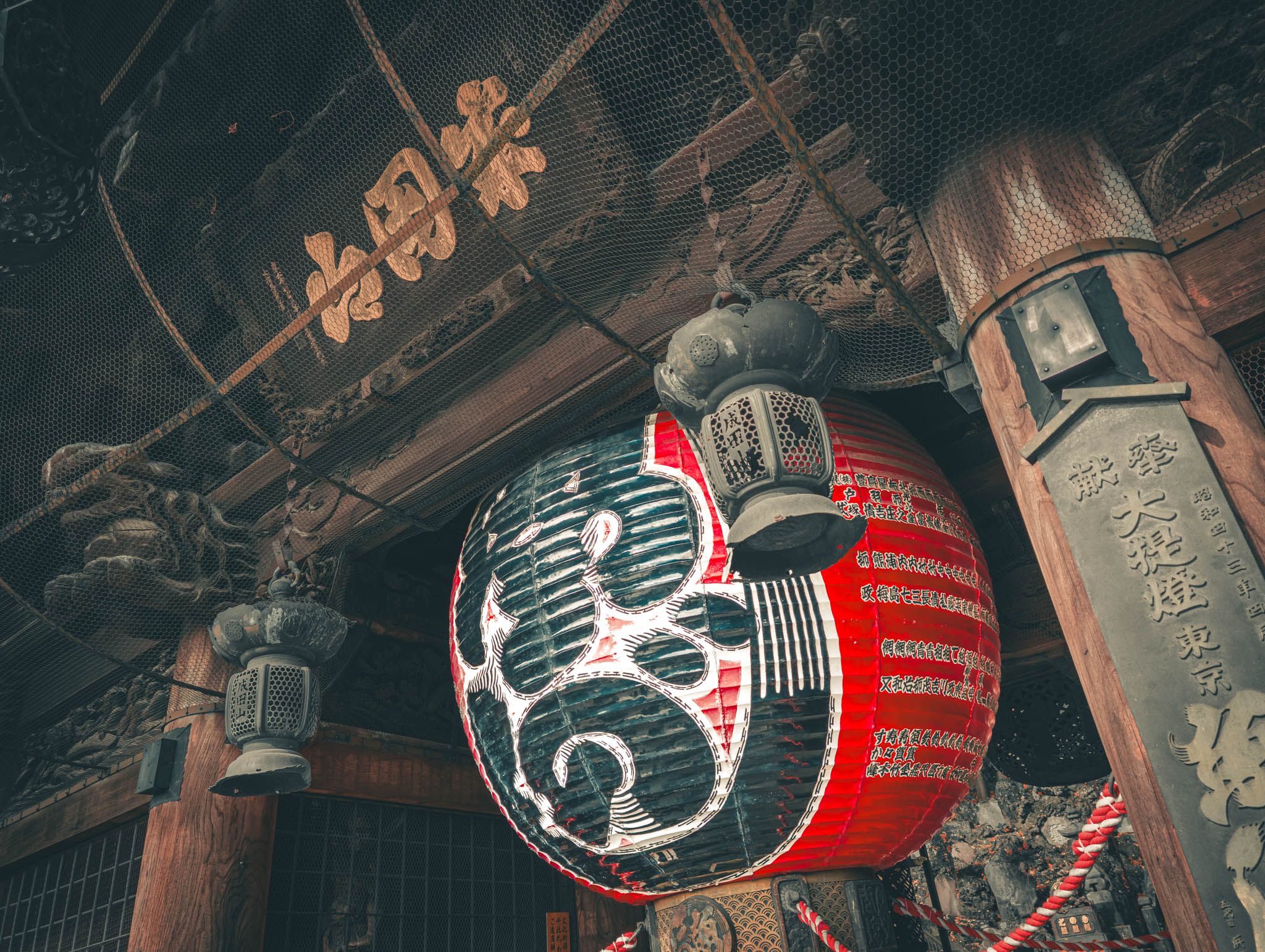
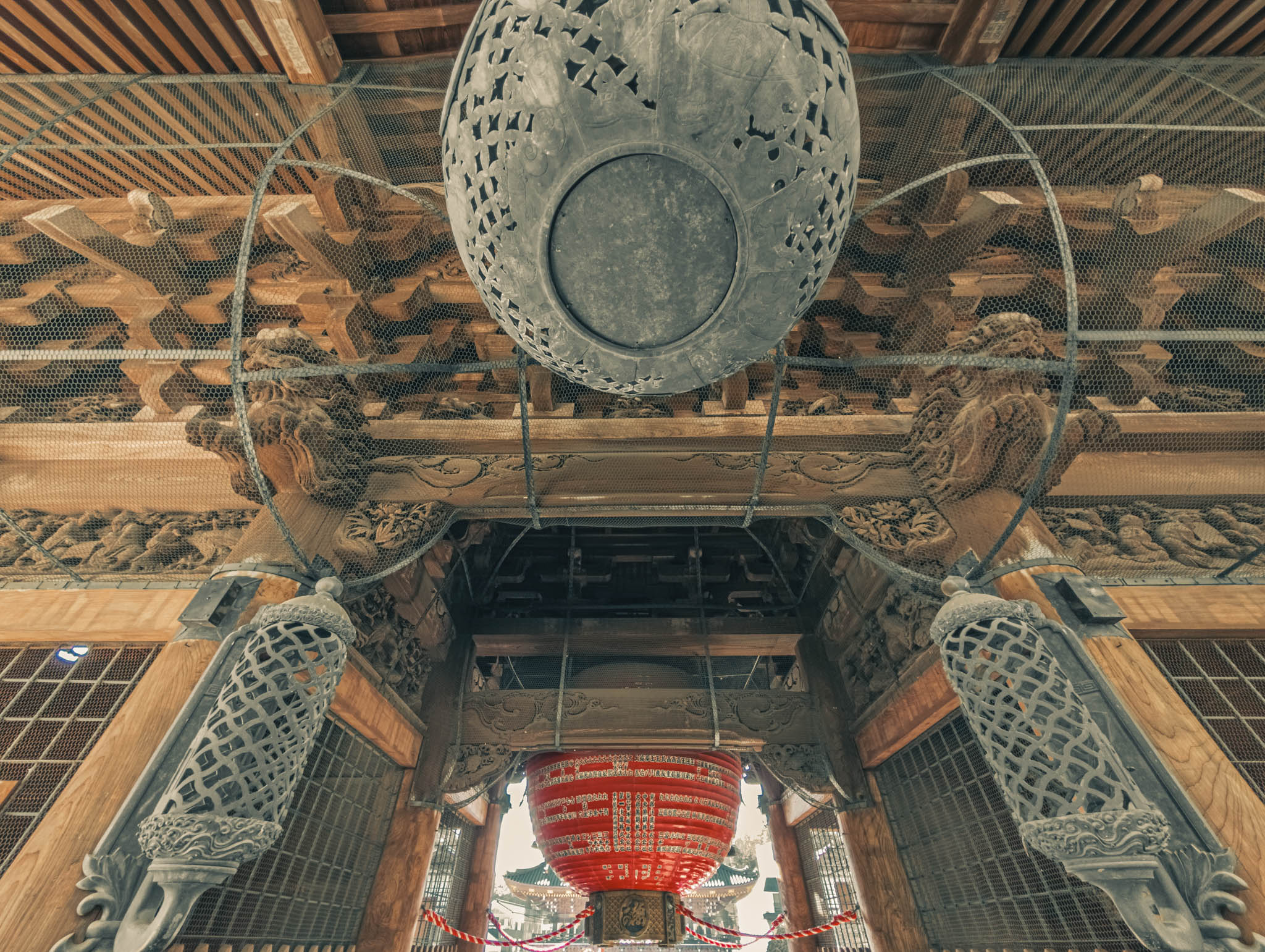
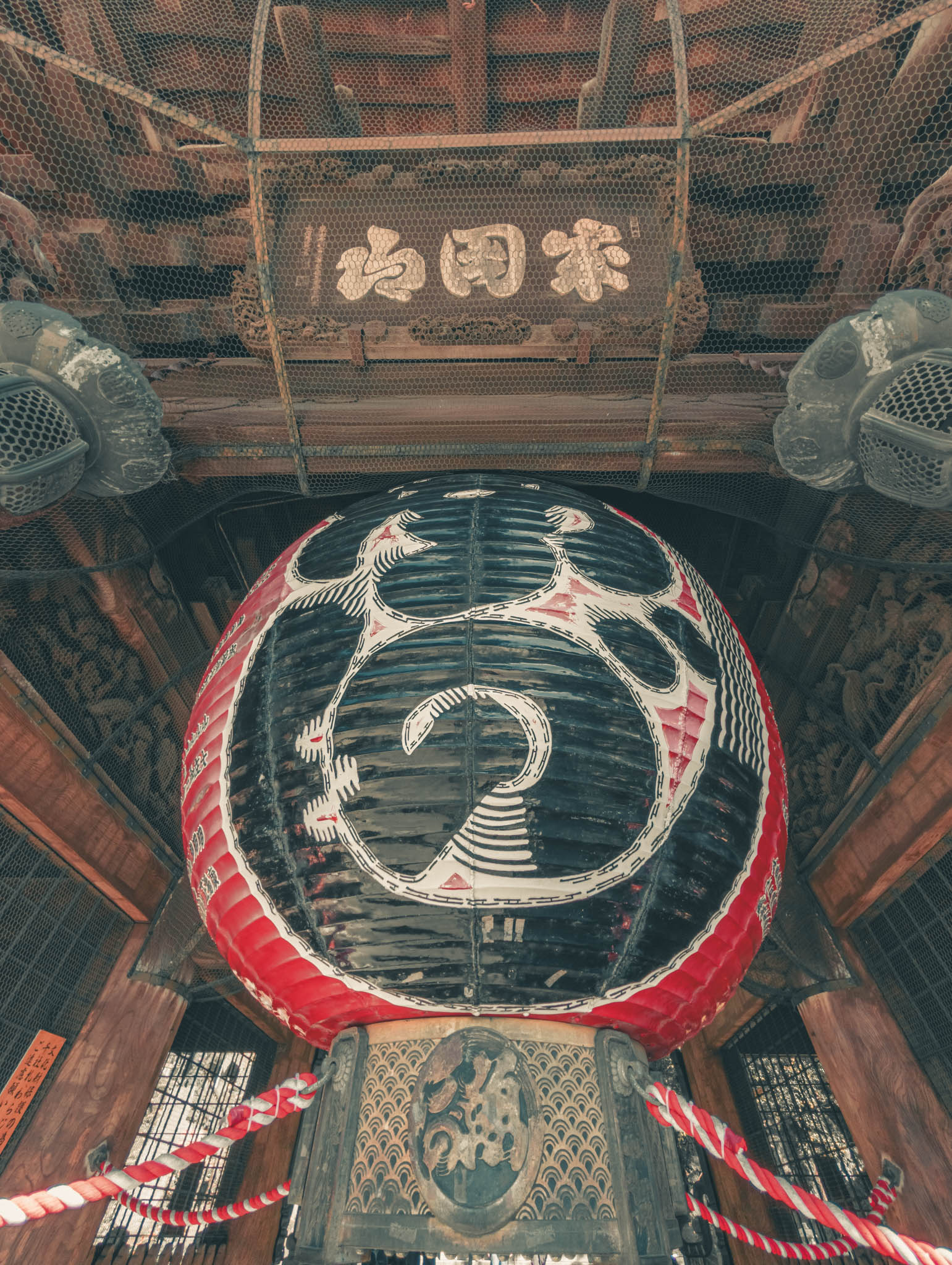
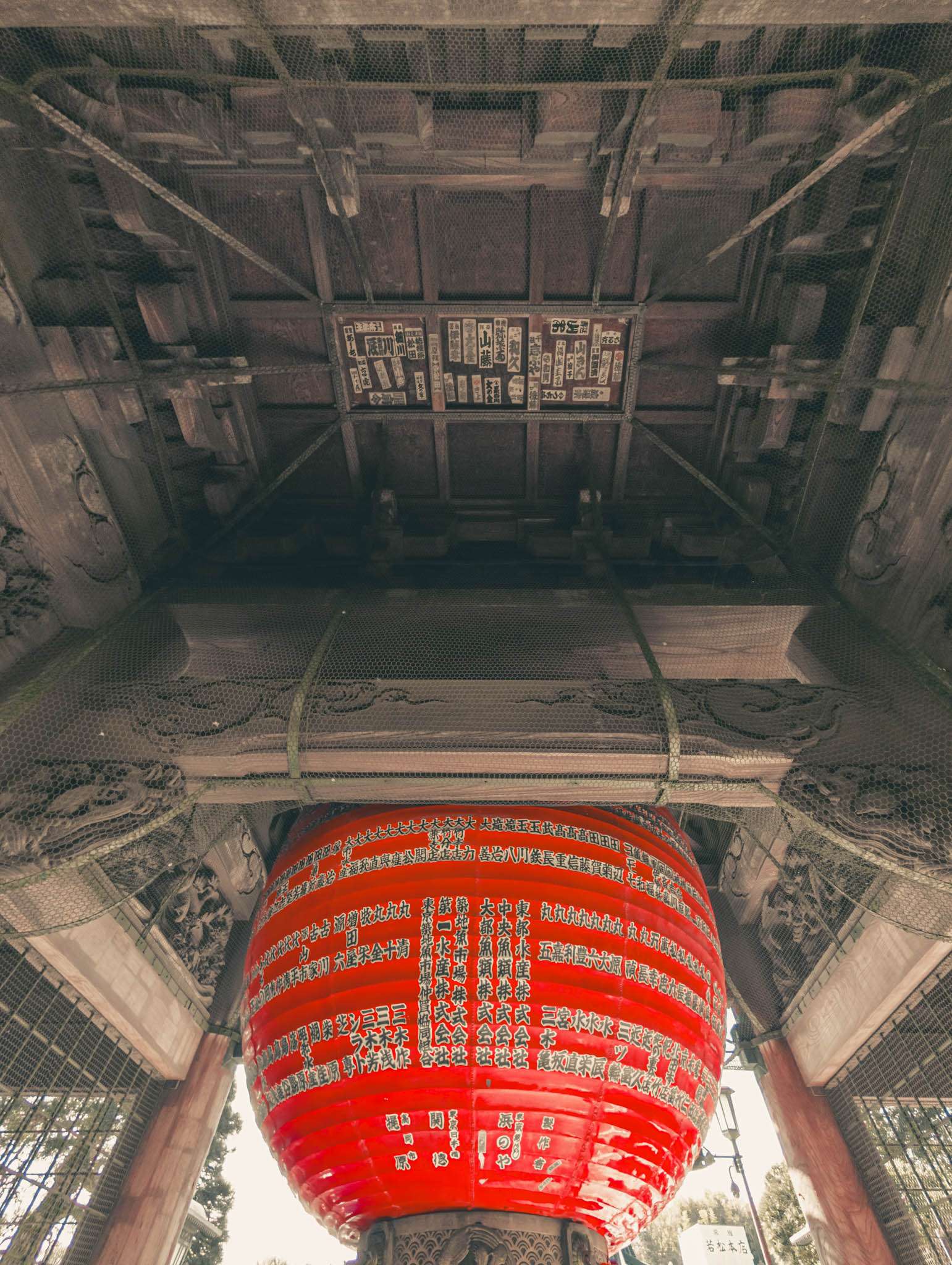
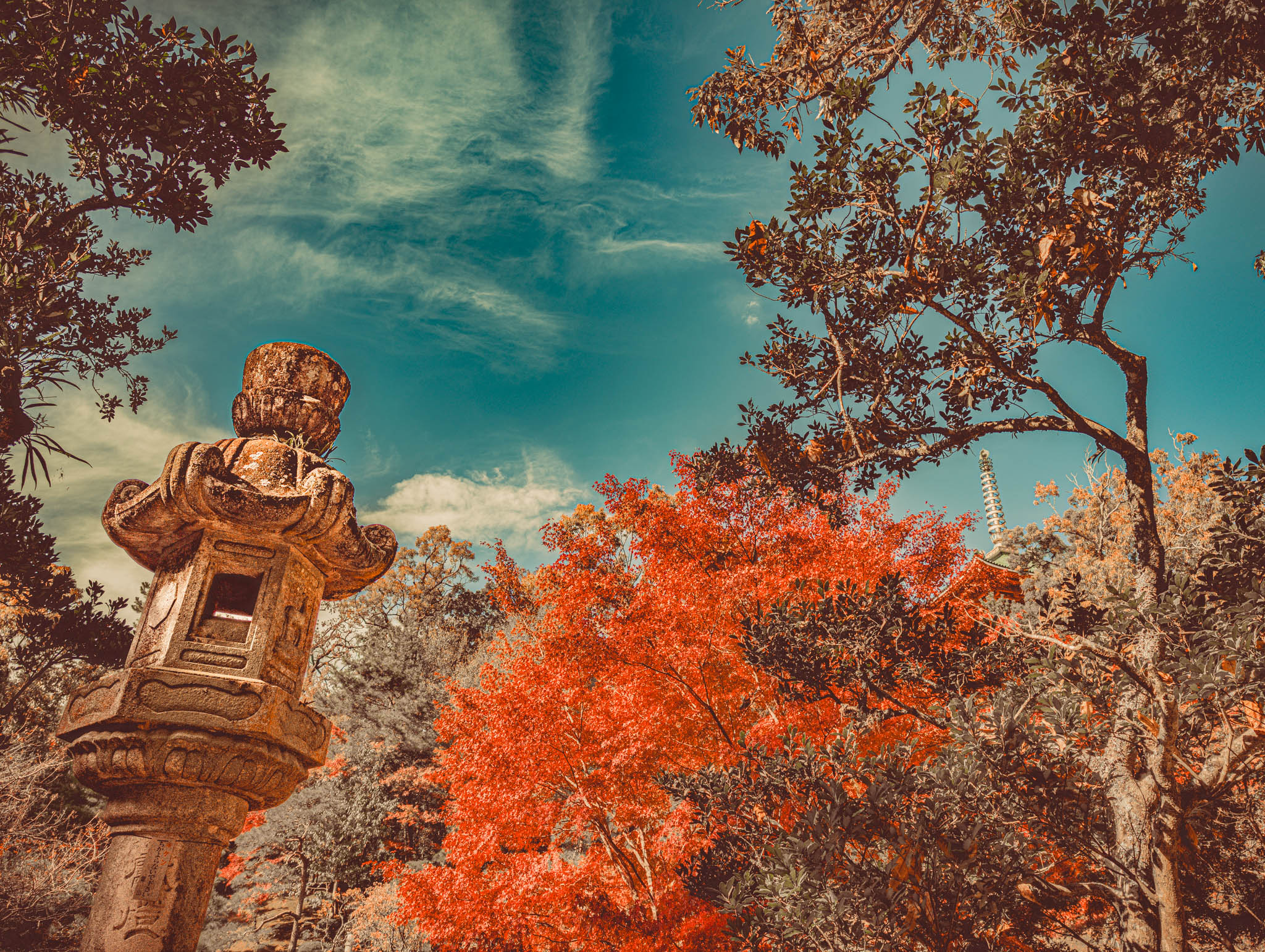
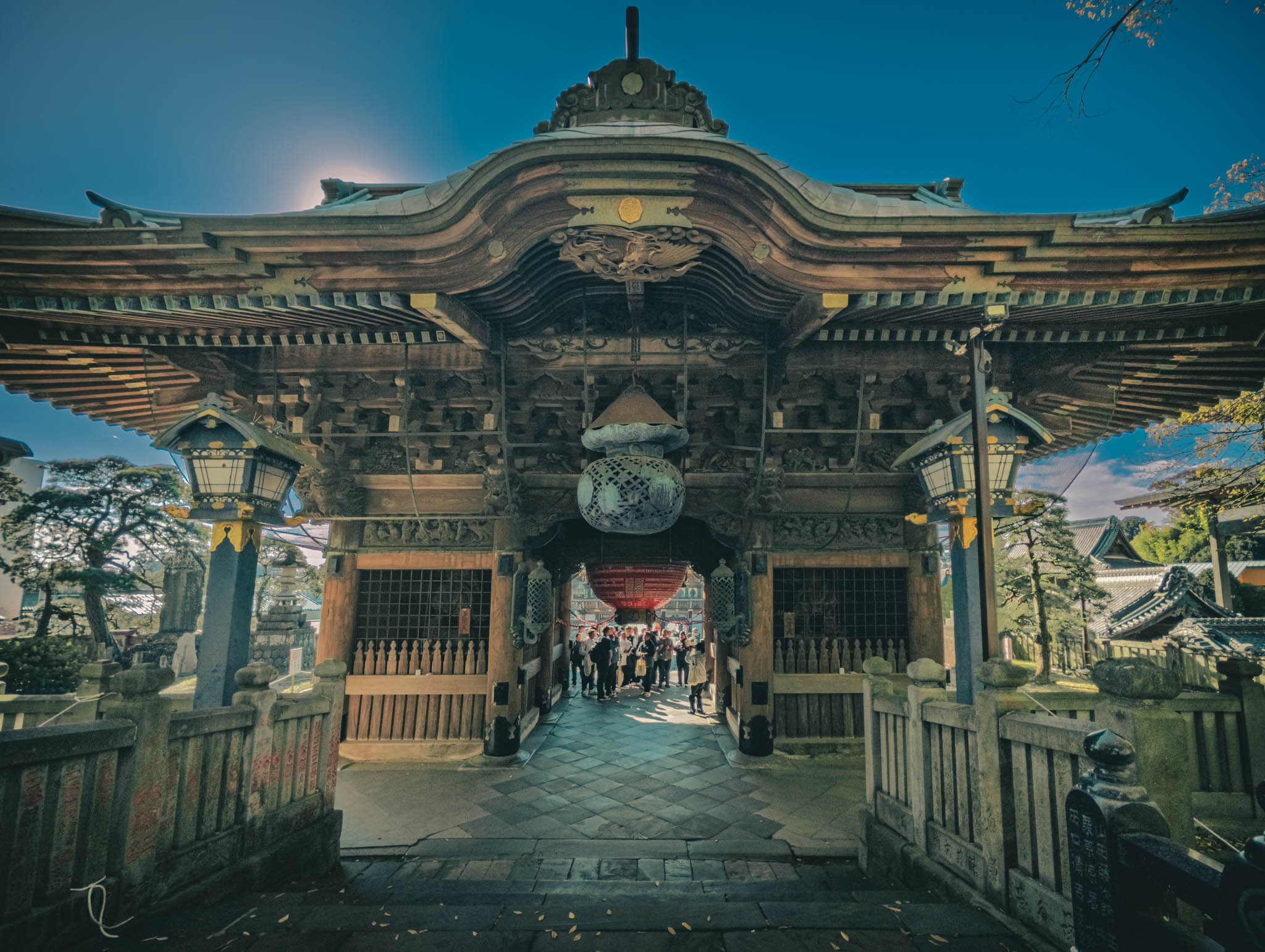
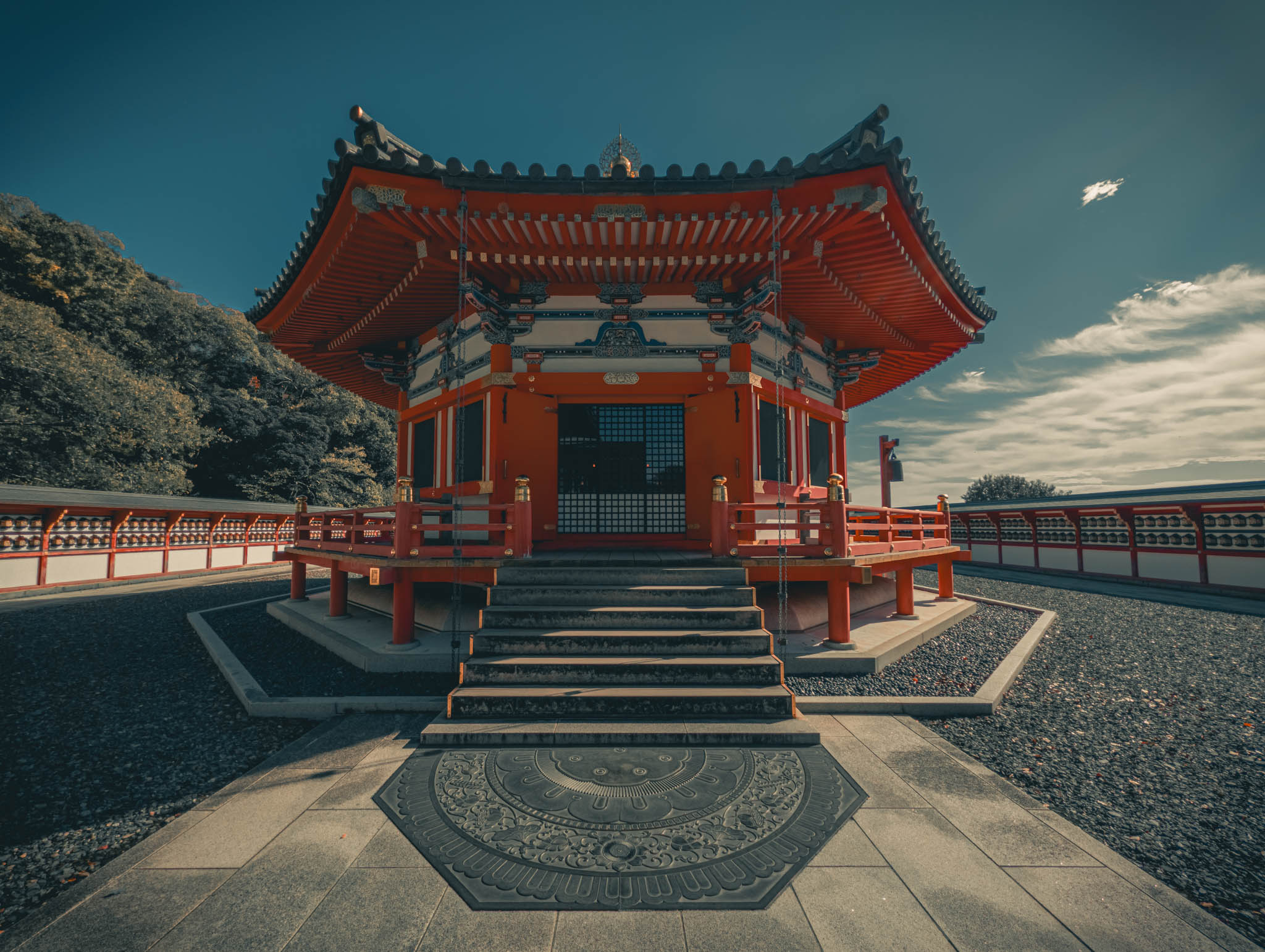
And of course past the little shops and eel restaurants and strange stone zodiac creatures that line the street is Shinshoji, blessedly uncrowded with tourists compared to other sites I have recently visited. Yet another temple, of course, and more legitimately historic than the post-WWII-firebomb edifices in Tokyo proper.
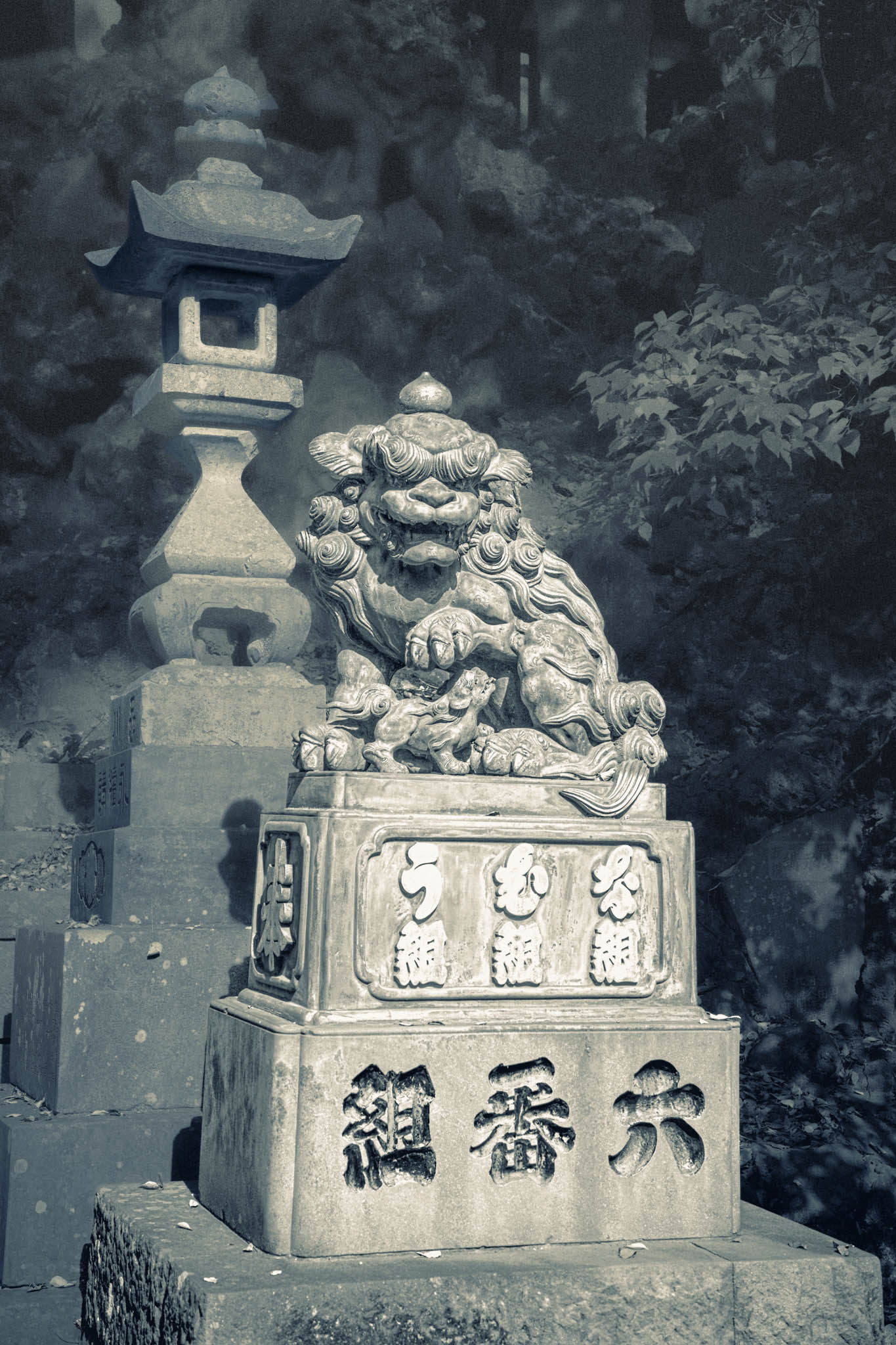
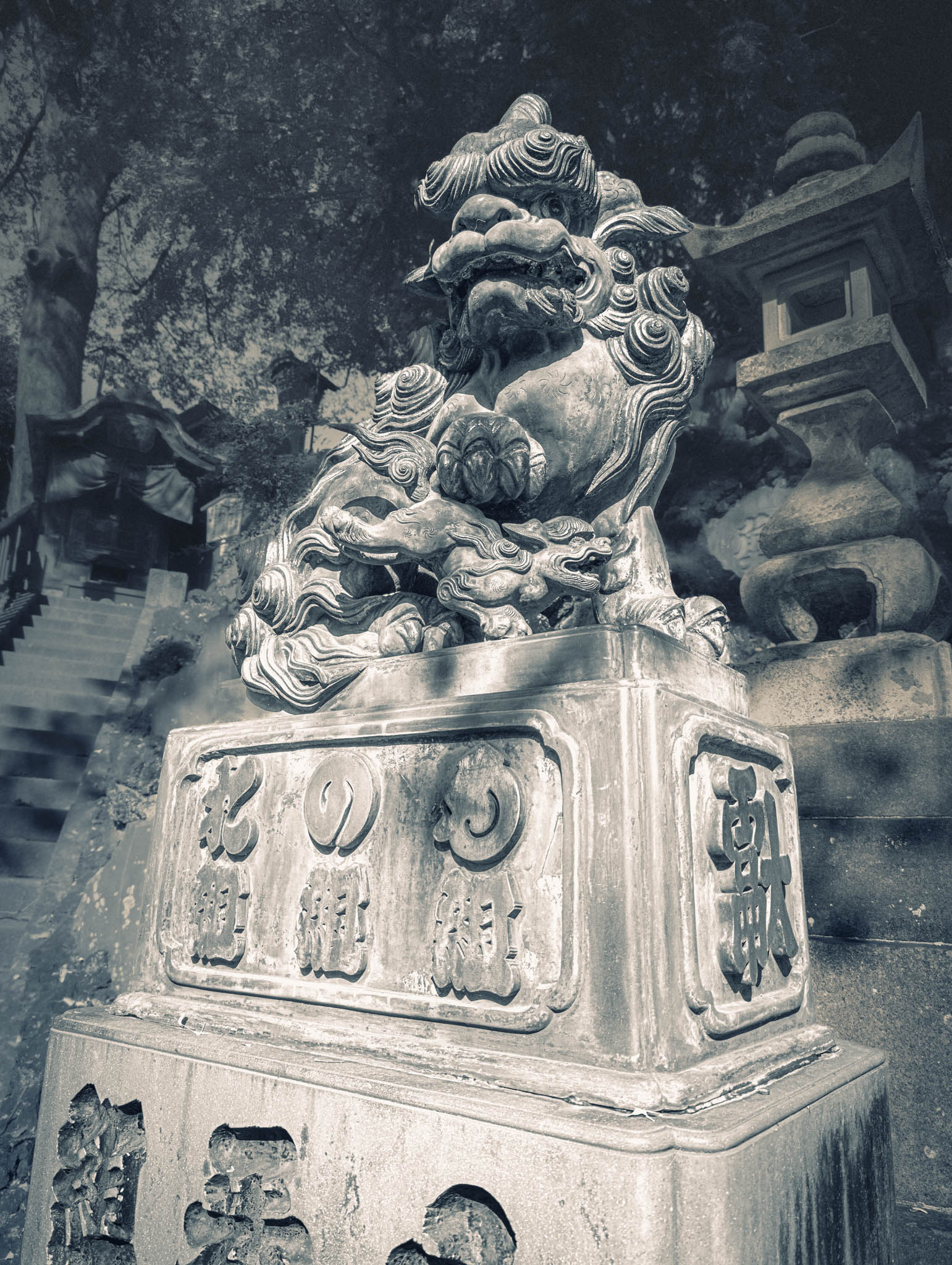
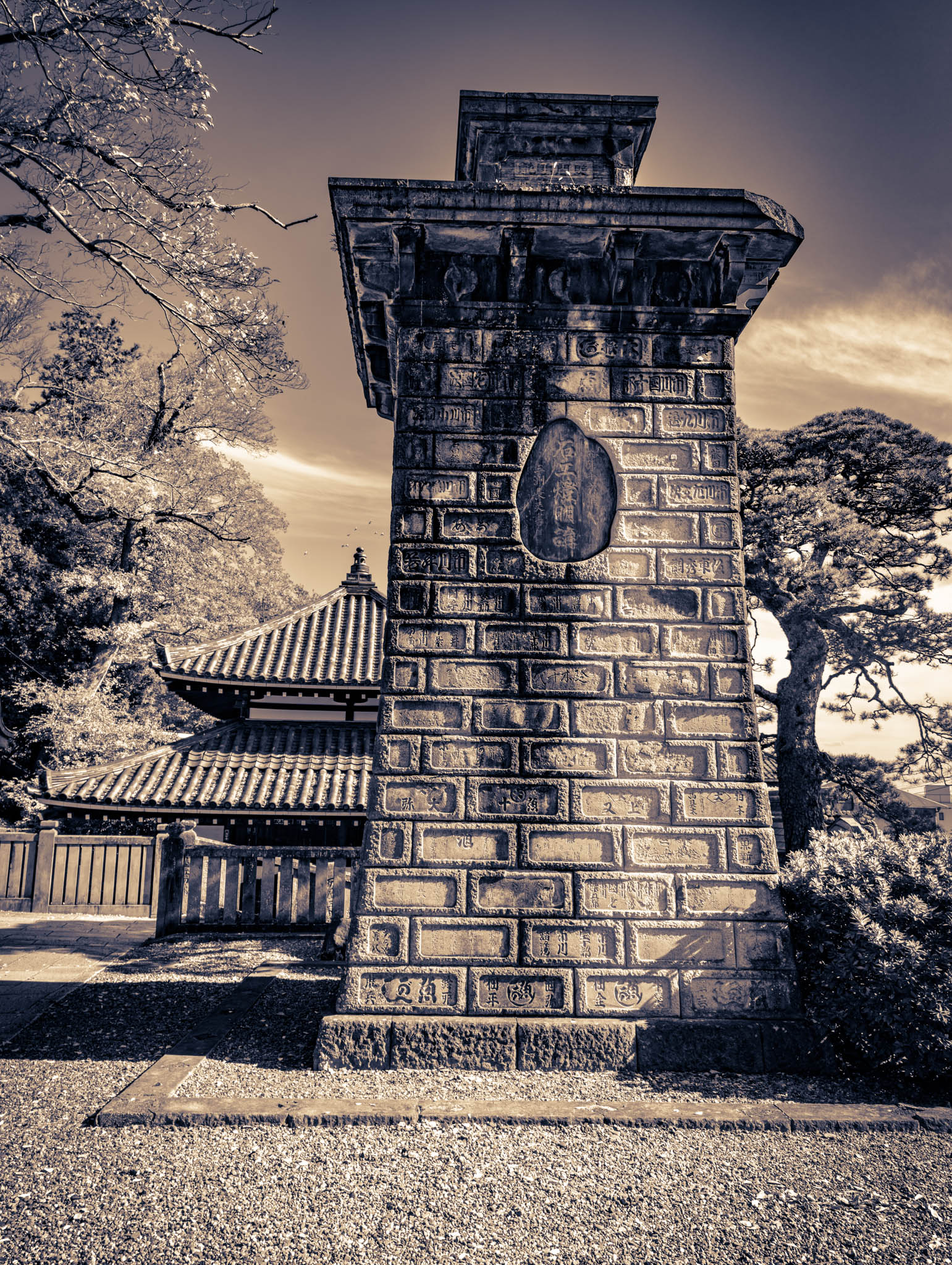
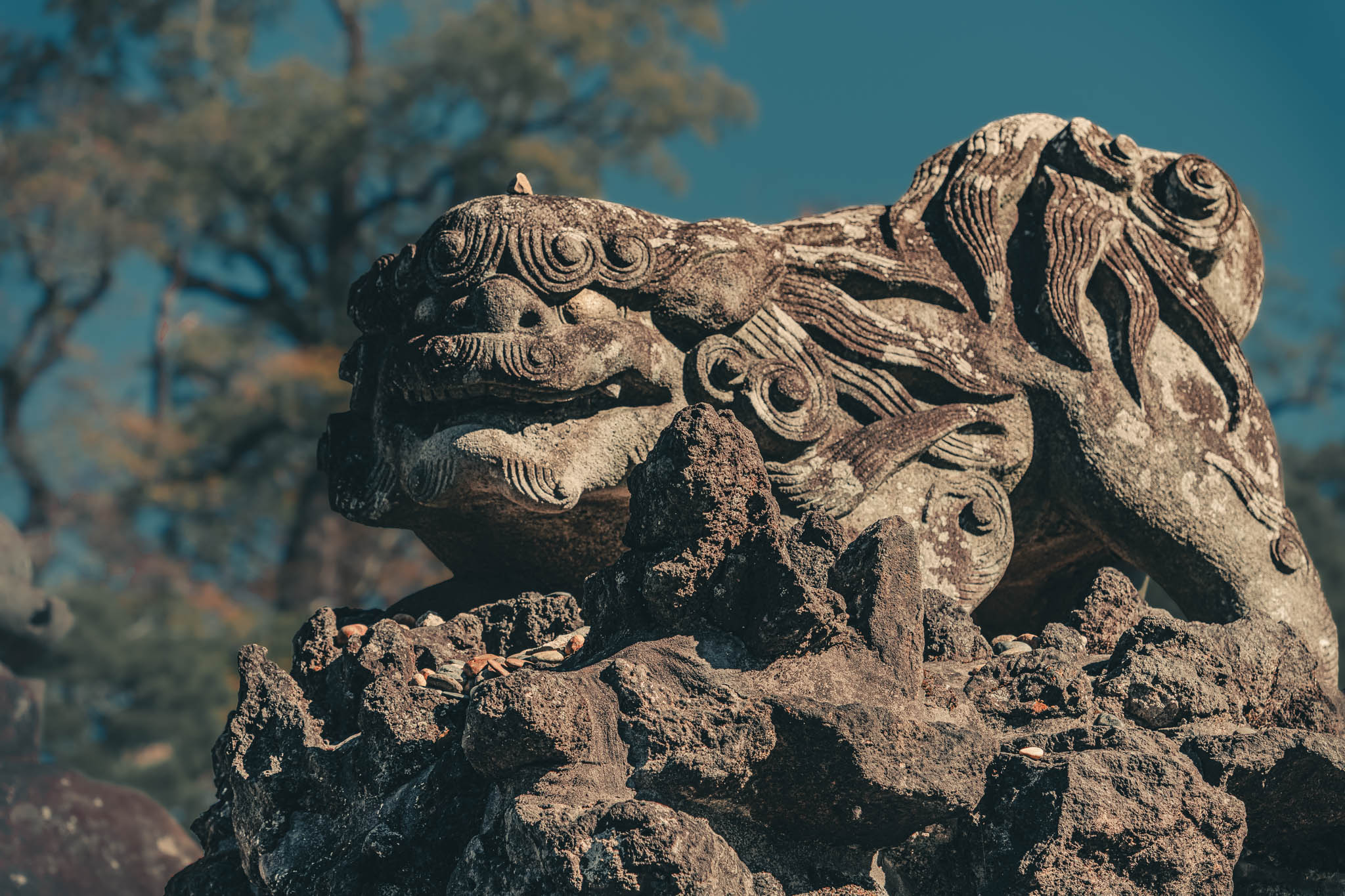
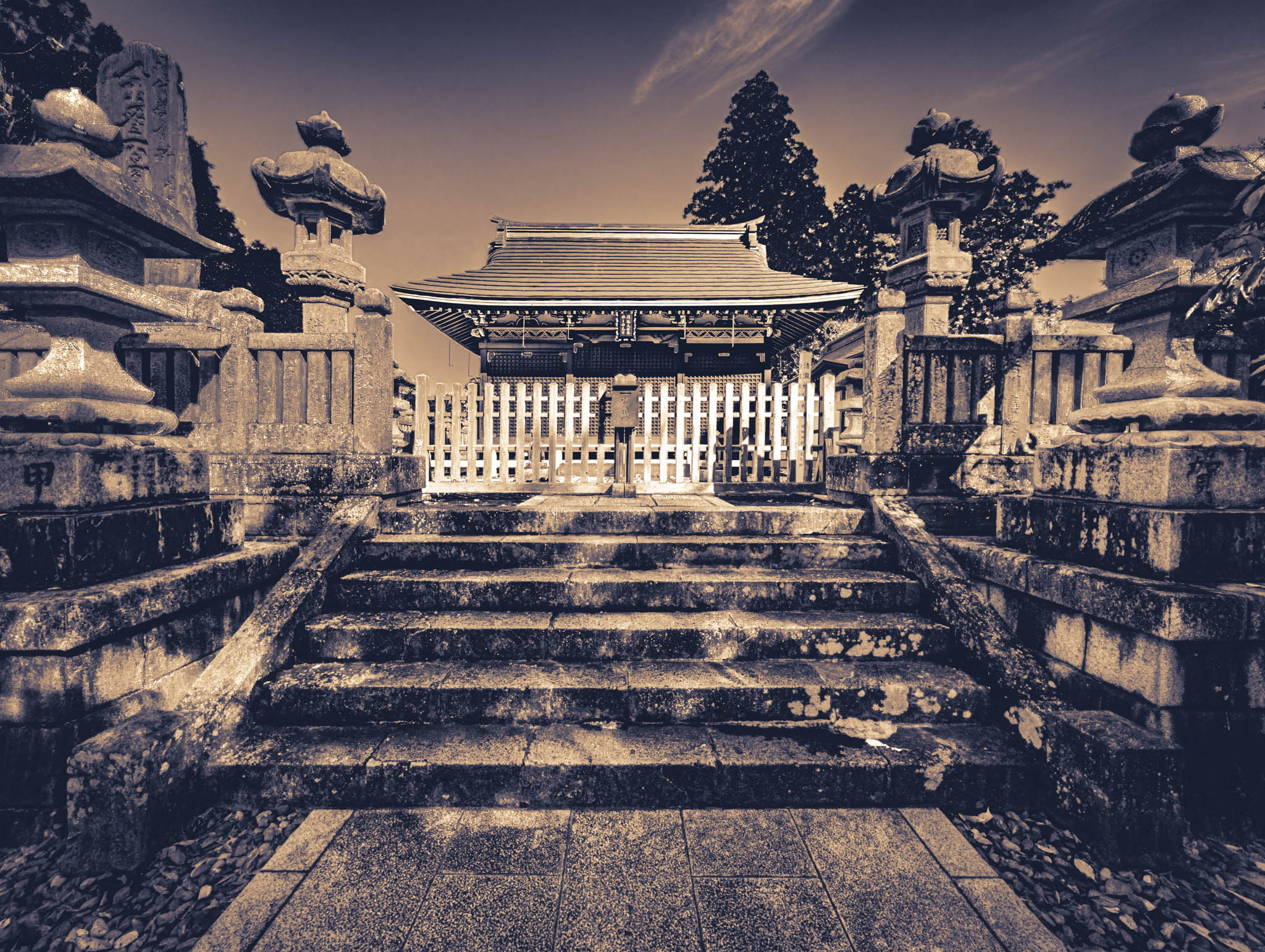
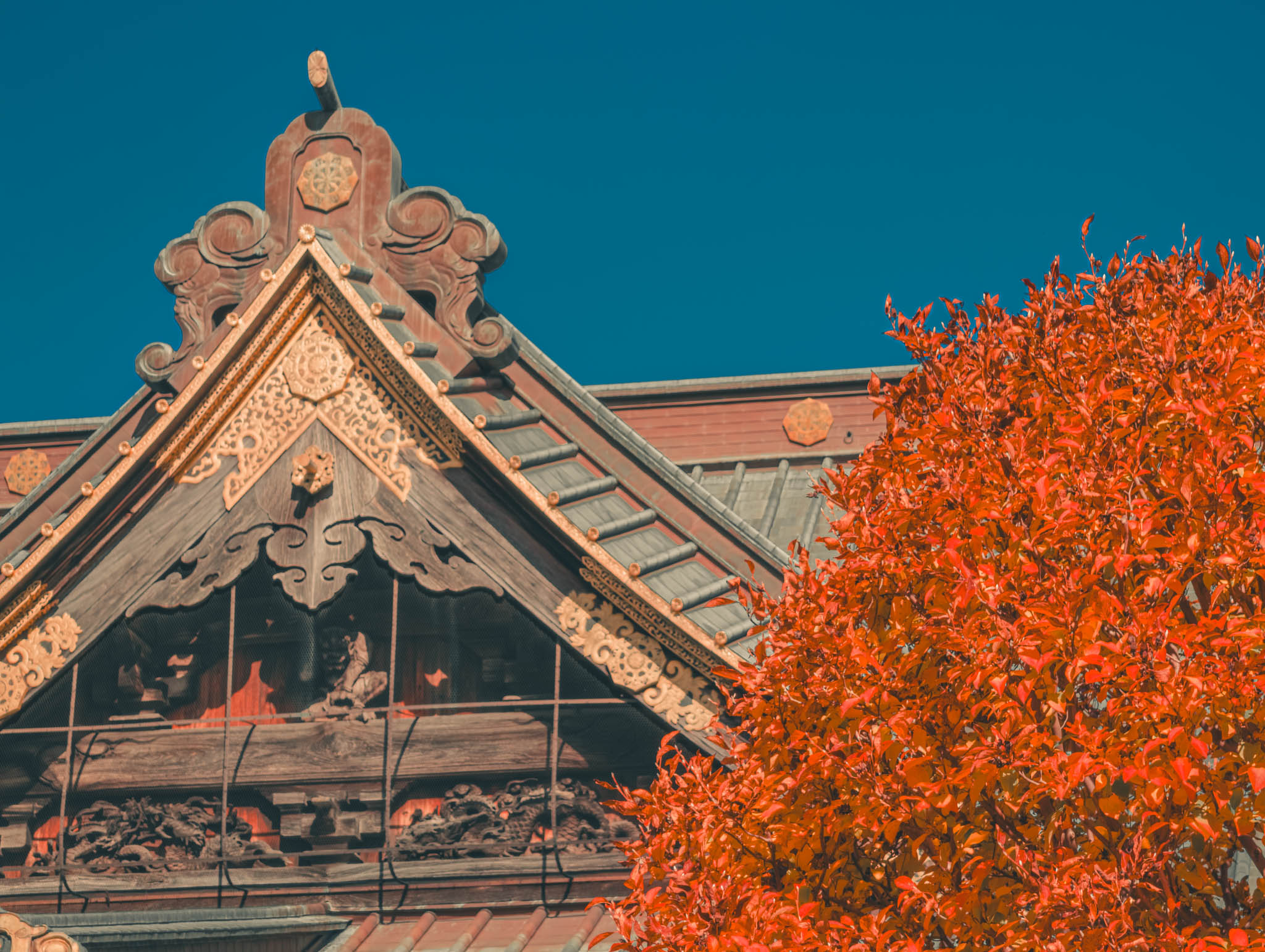
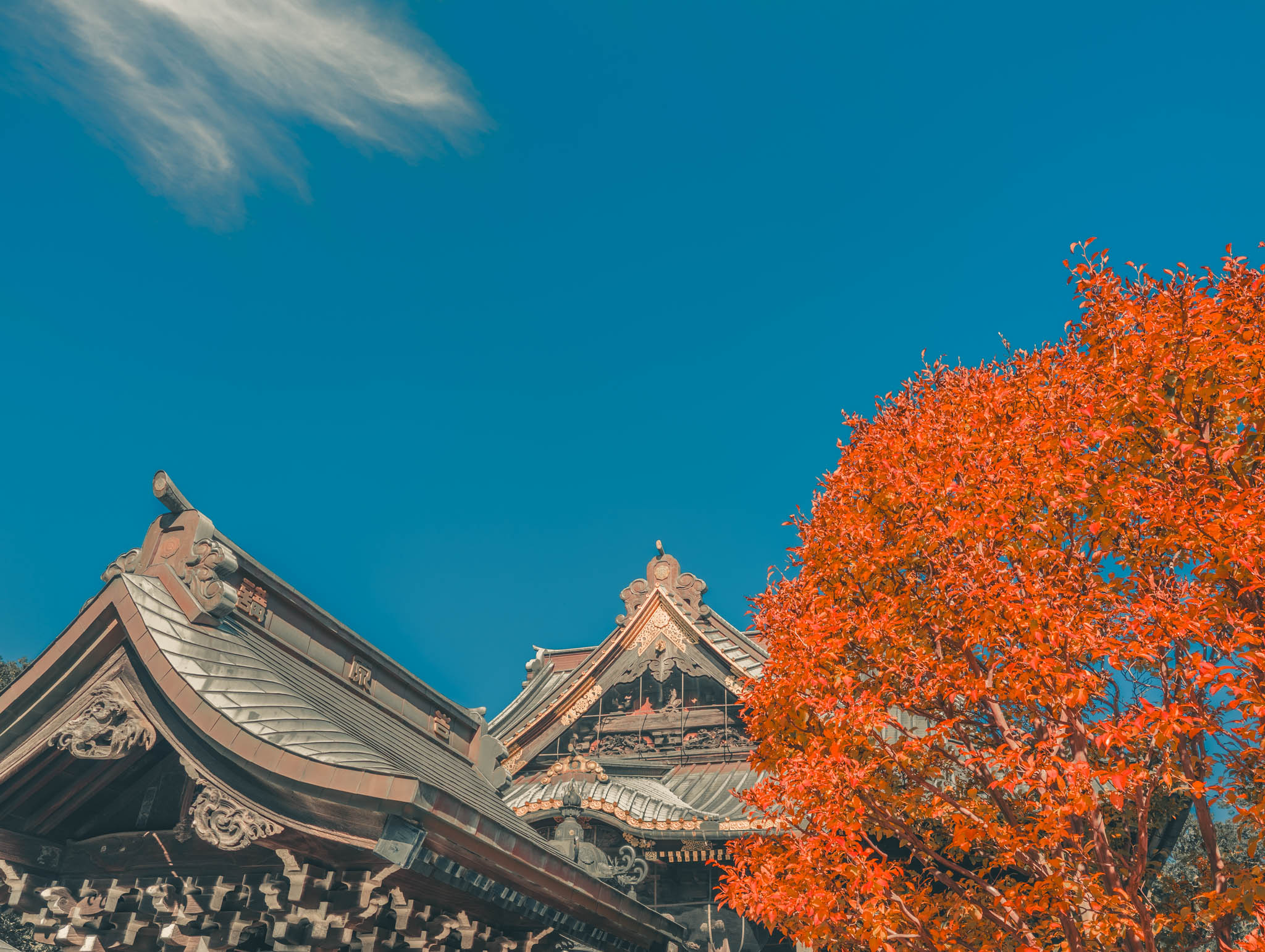
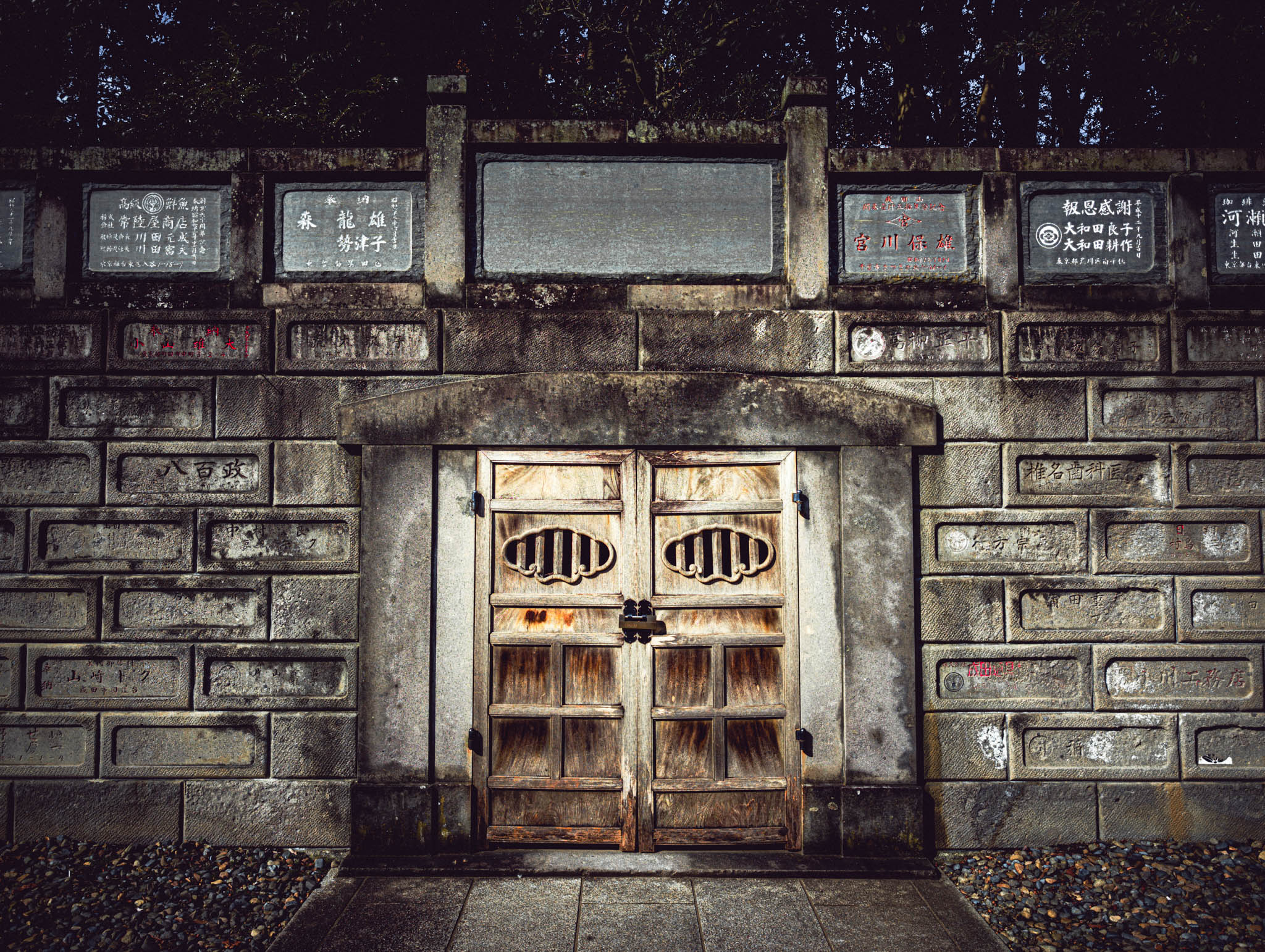
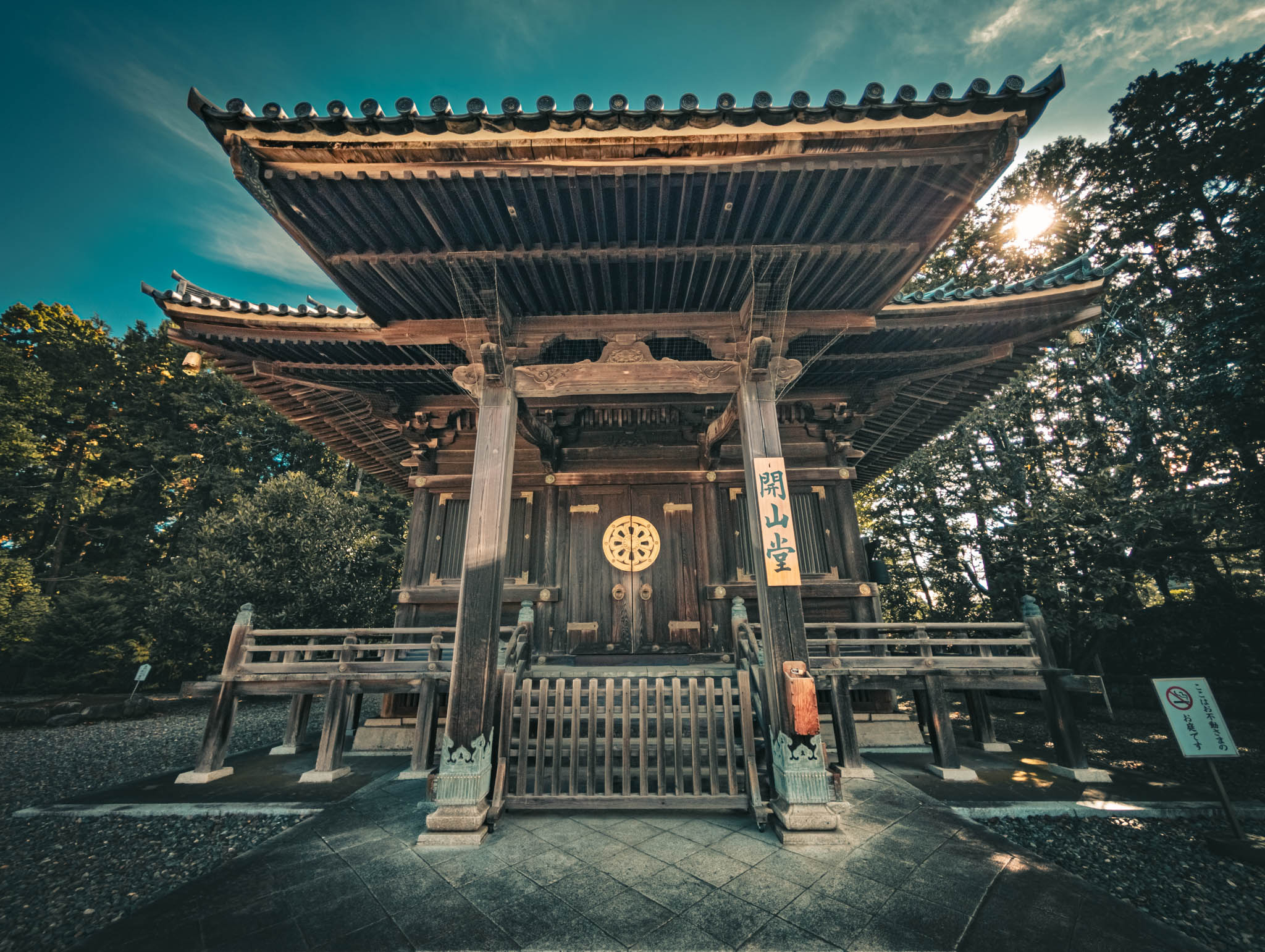
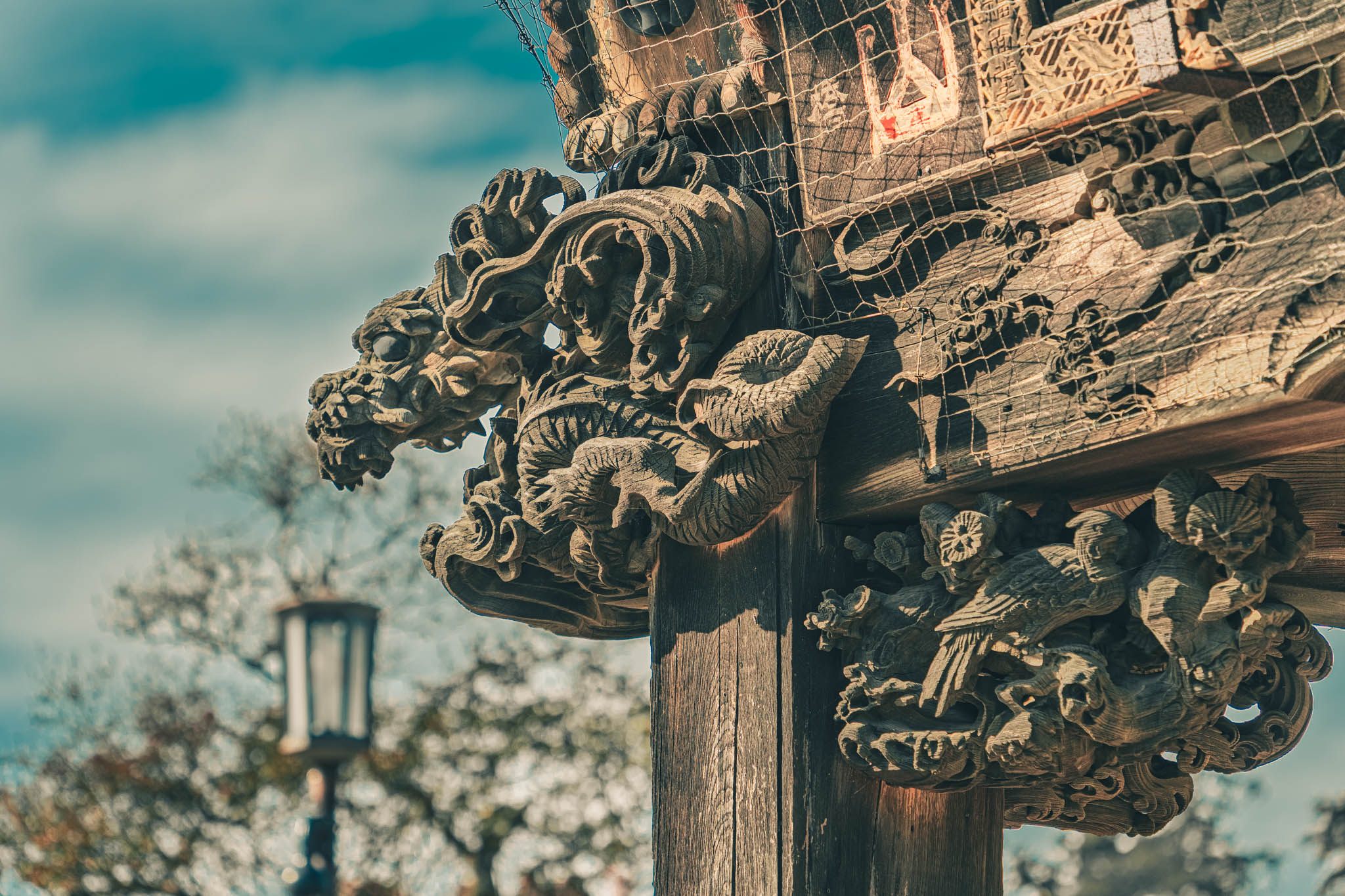
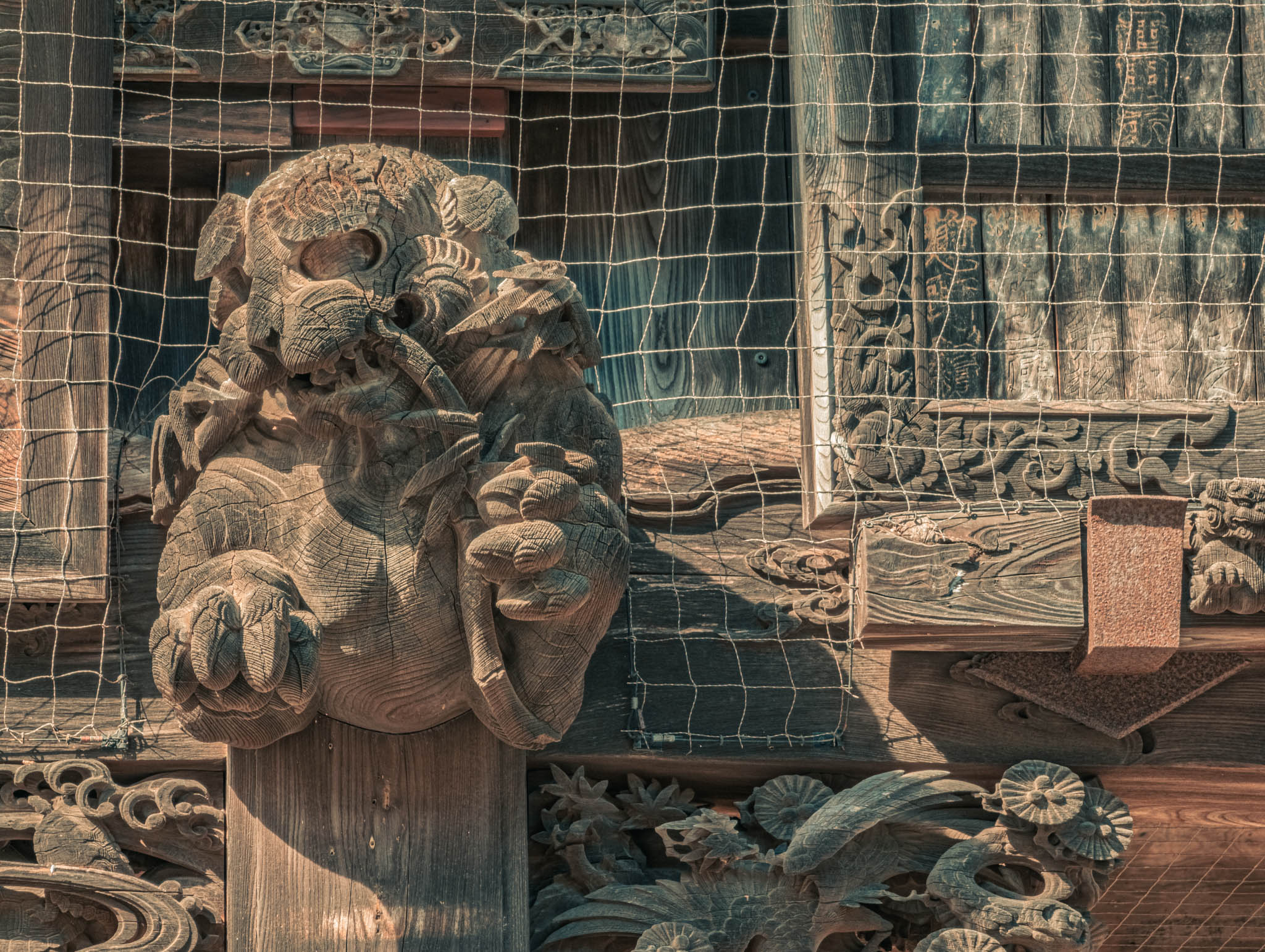
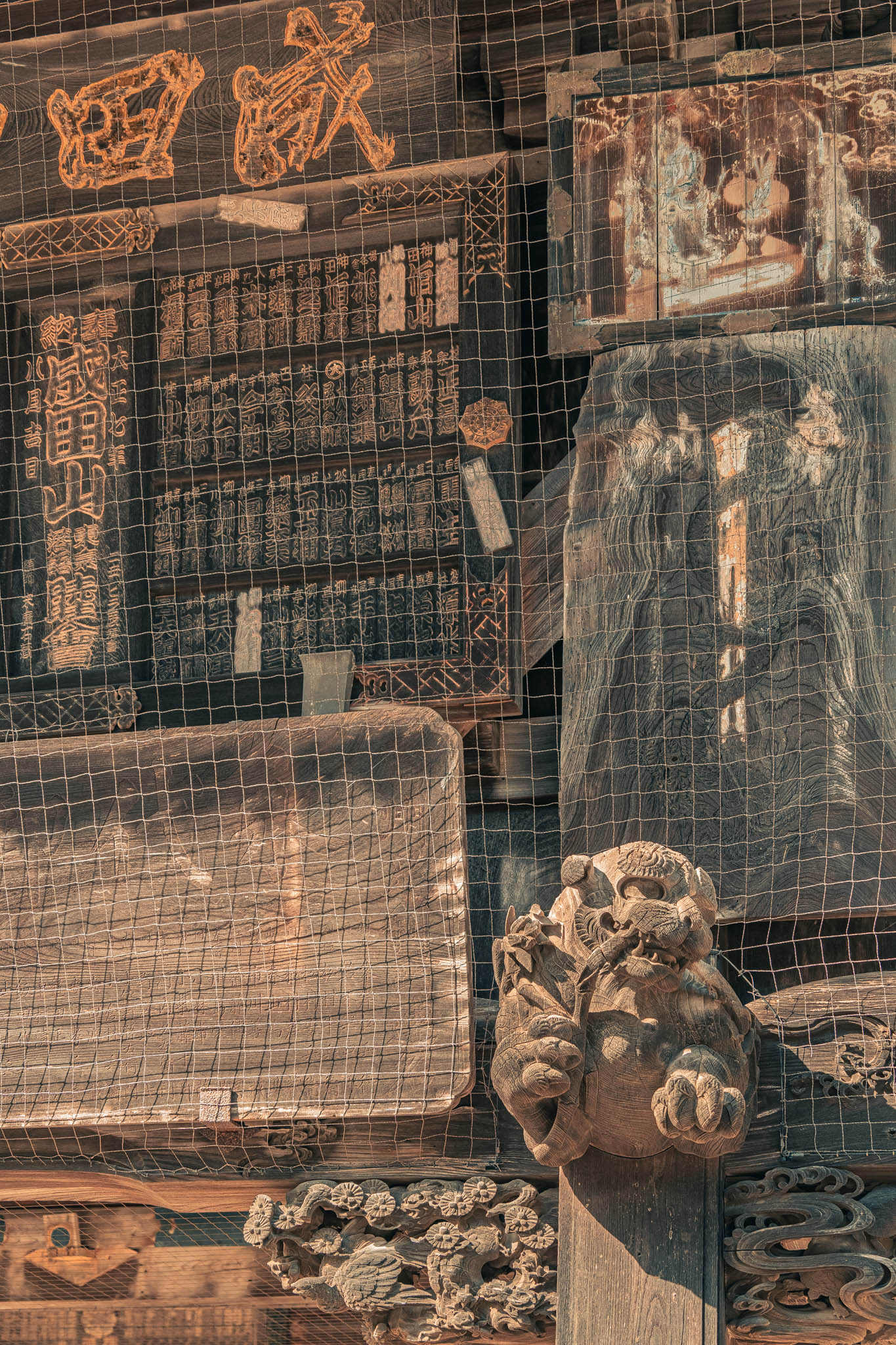
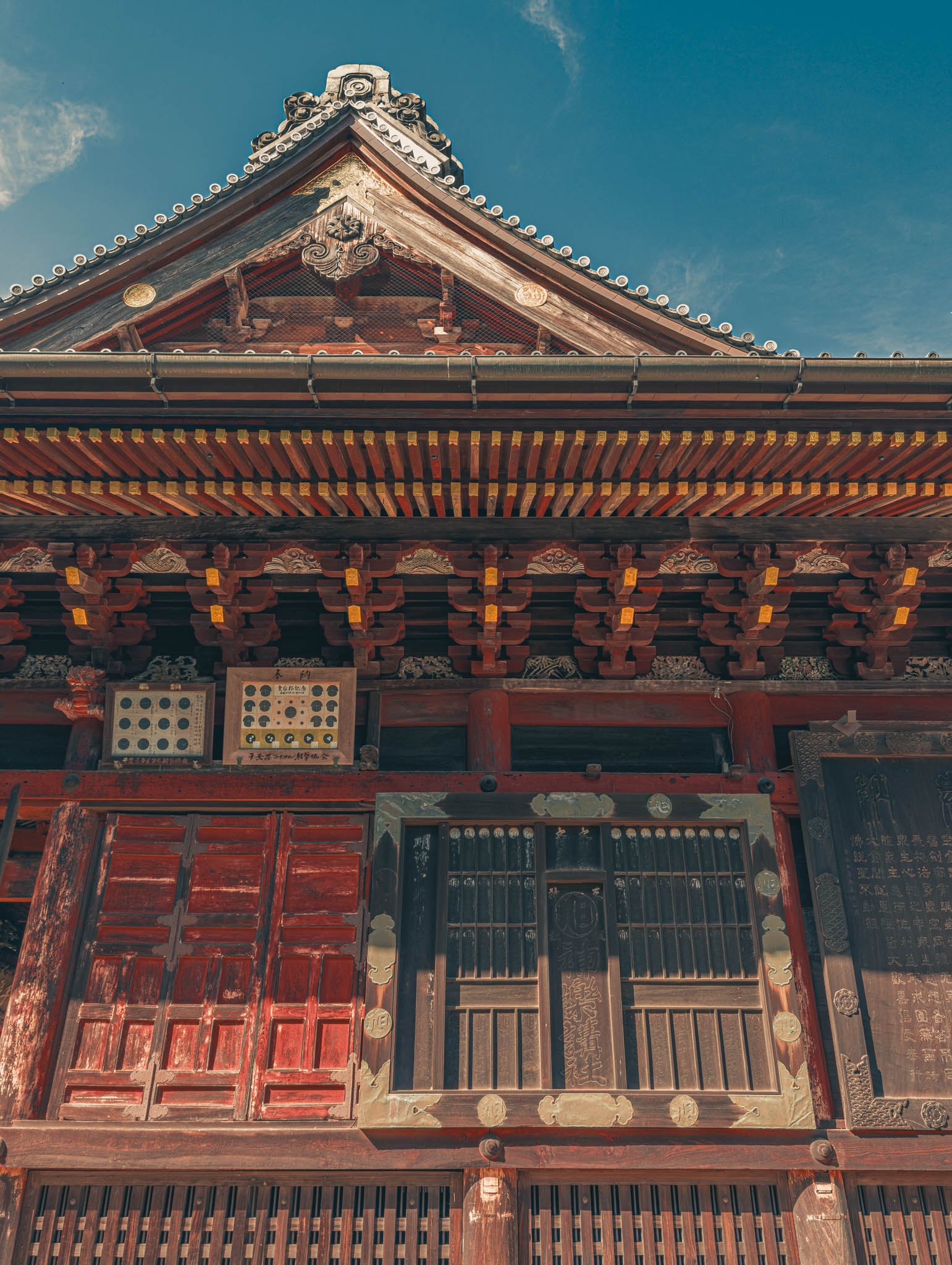
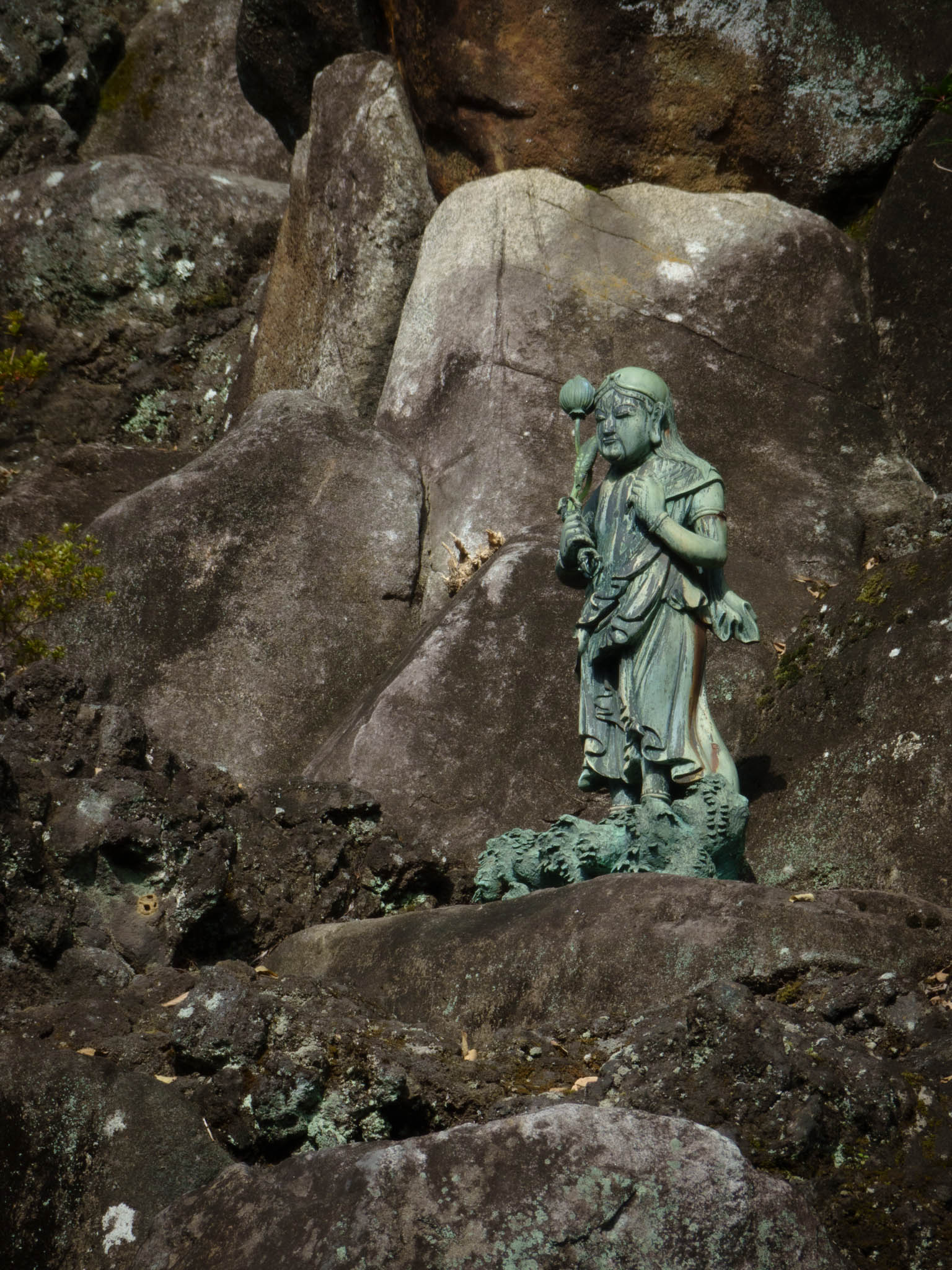
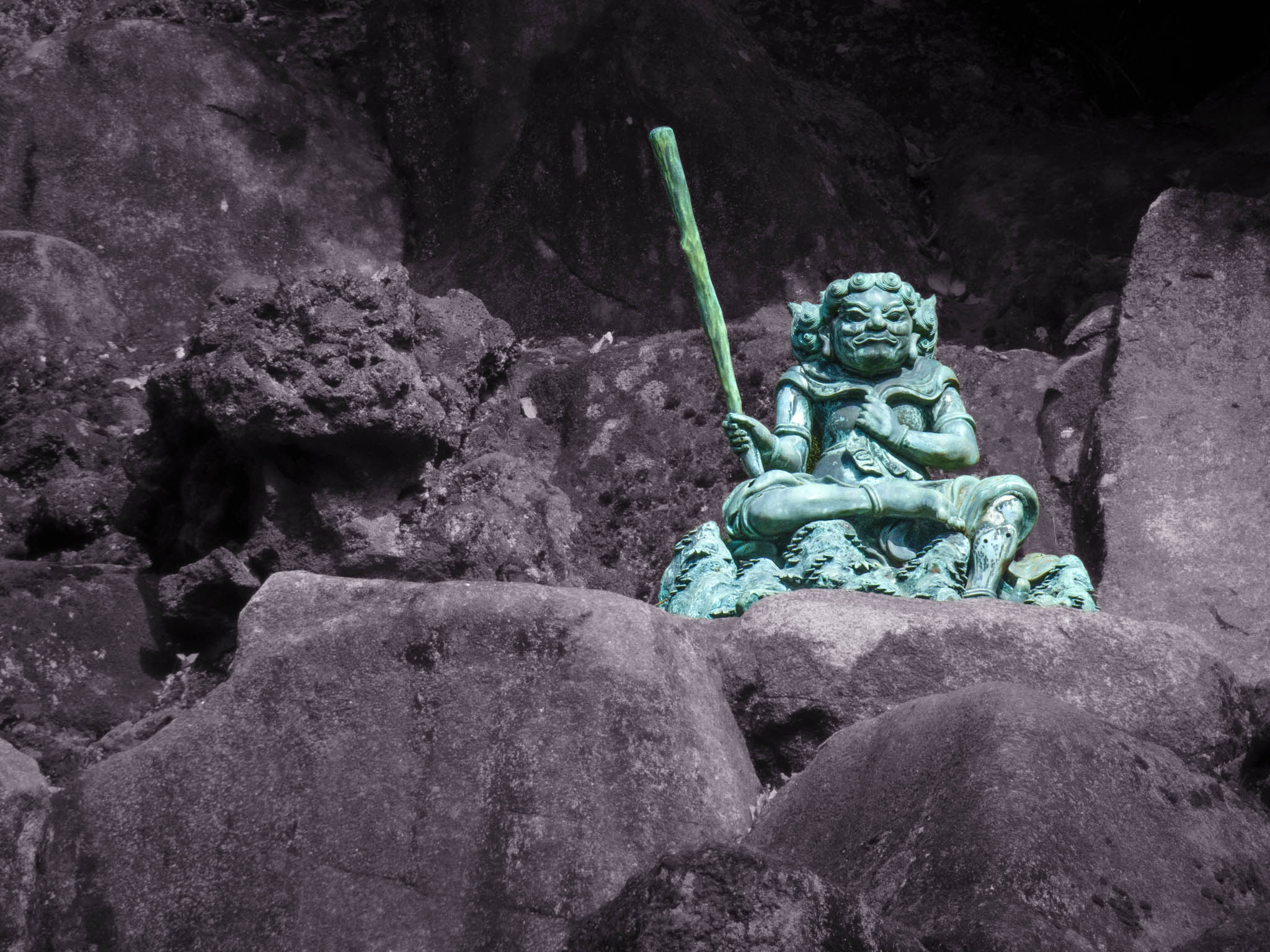
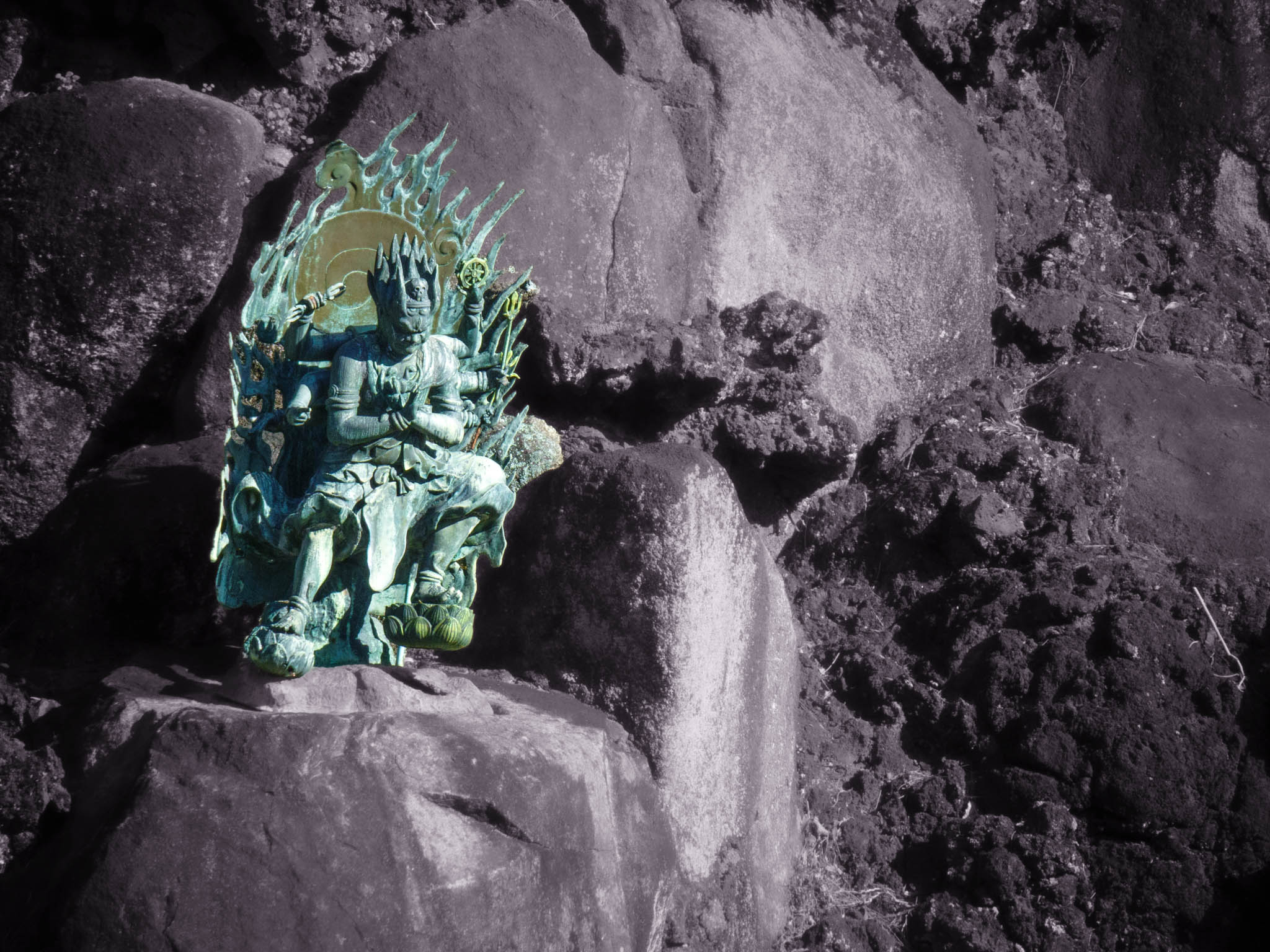
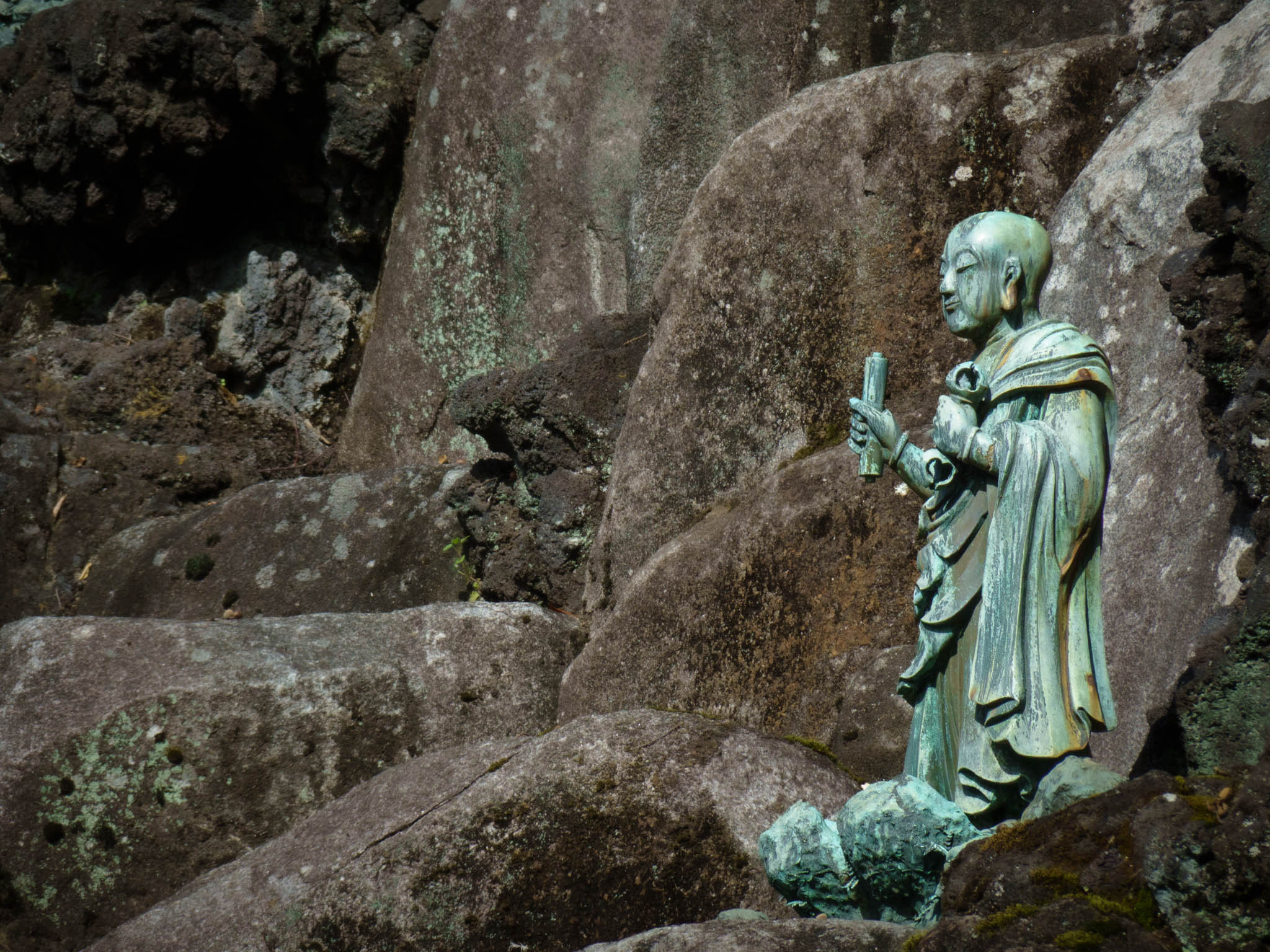
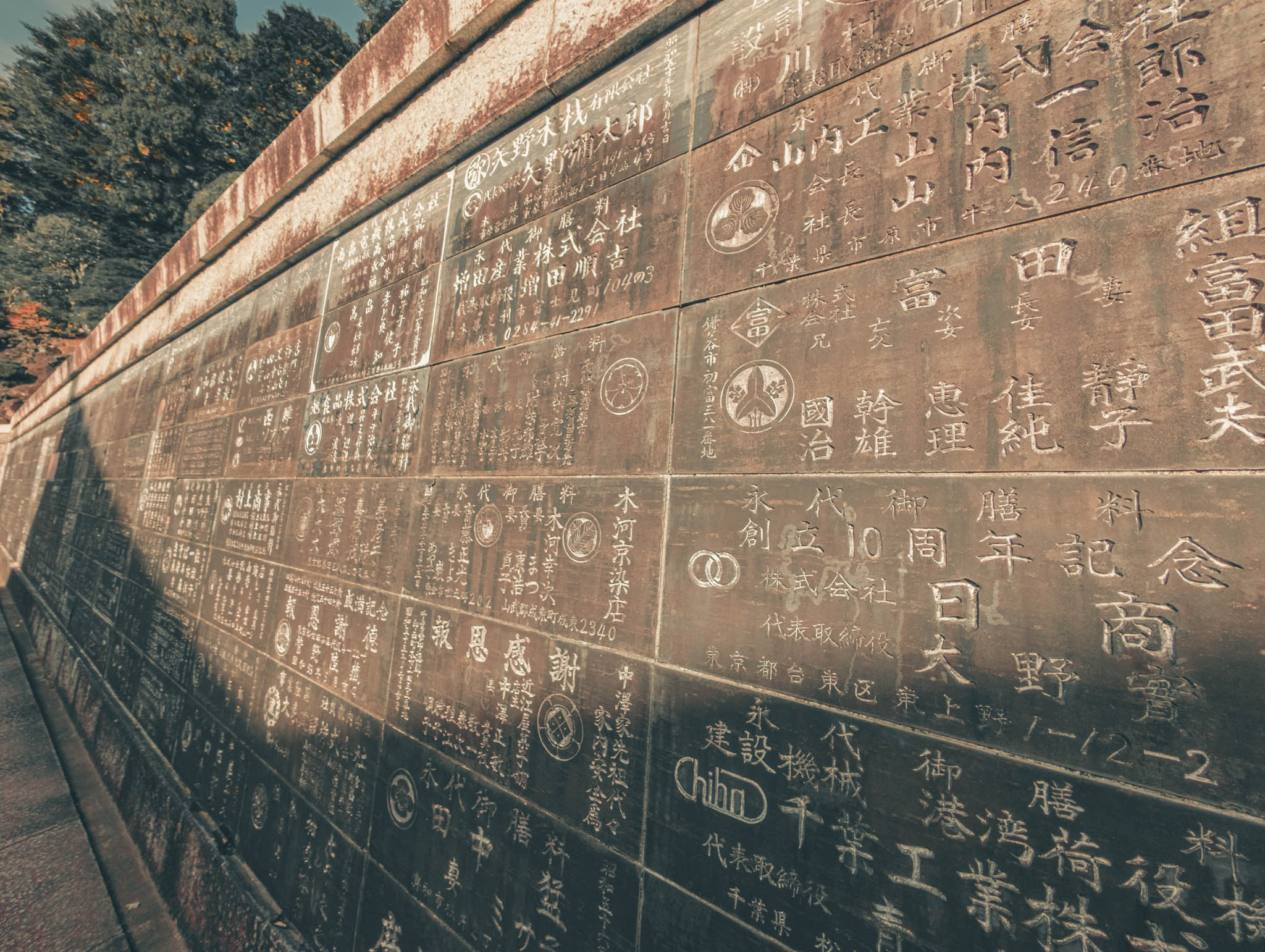
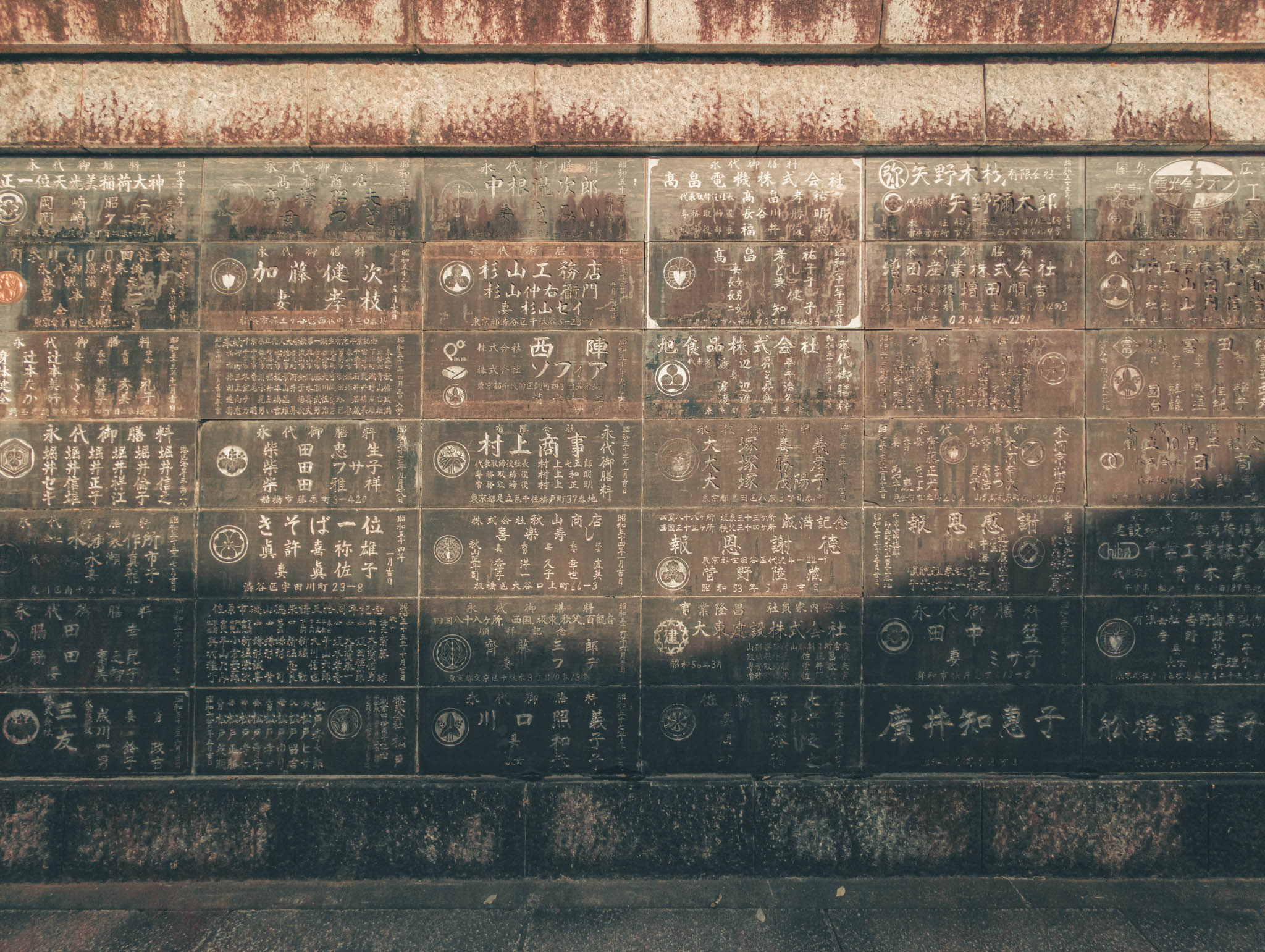
Despite its exuberance, this is of course a funeral complex. The other dominant religious element in Japan, Shintoism with its inscrutable but transactional myriad divinities (which I persist in mentally picturing as giant anthropomorphic mustelids, cramped and crouched over mysterious glowing artifacts behind the locked and barred doors of their tiny dark shrines), has no truck with the end of this life or whatever comes next.
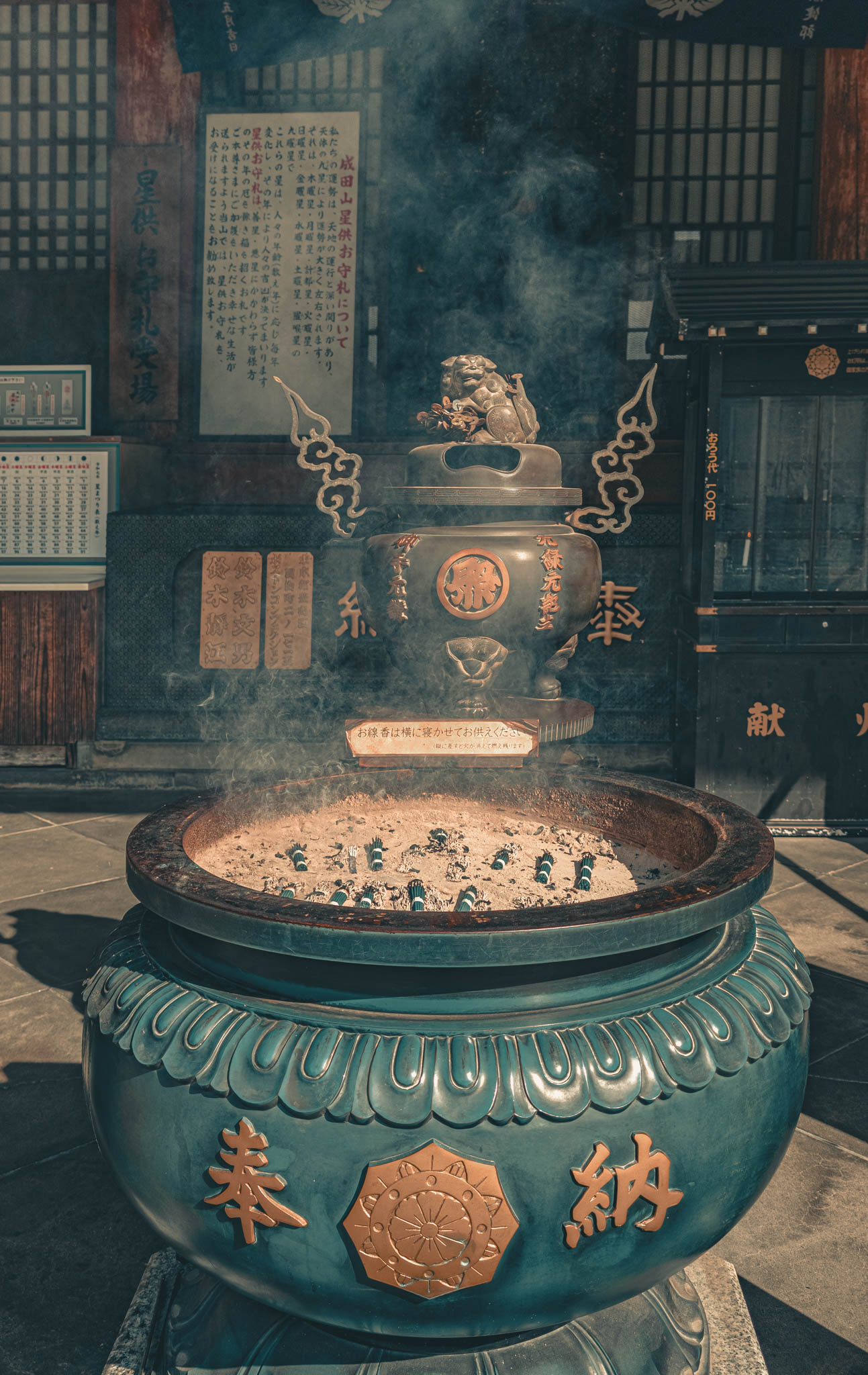
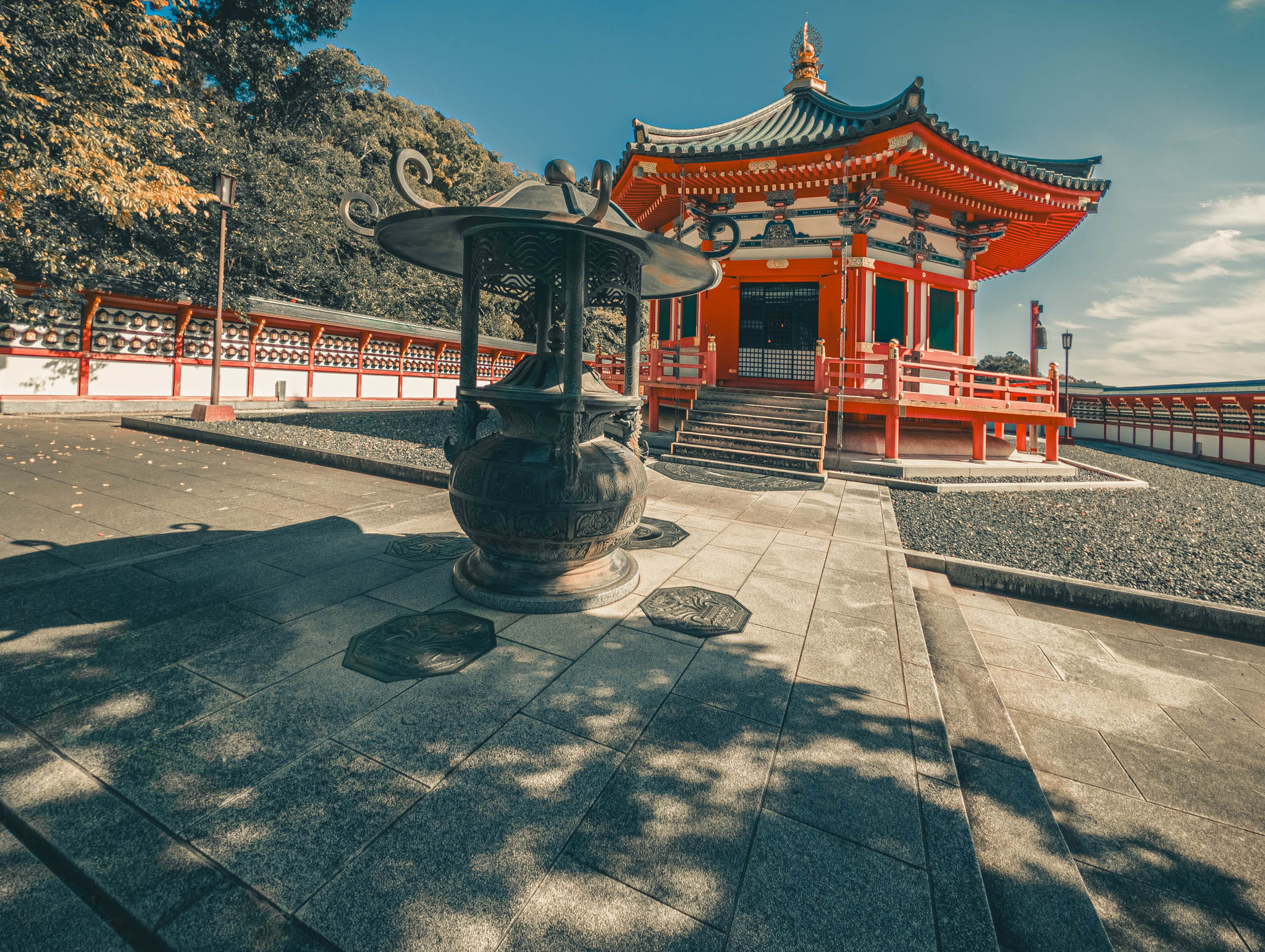
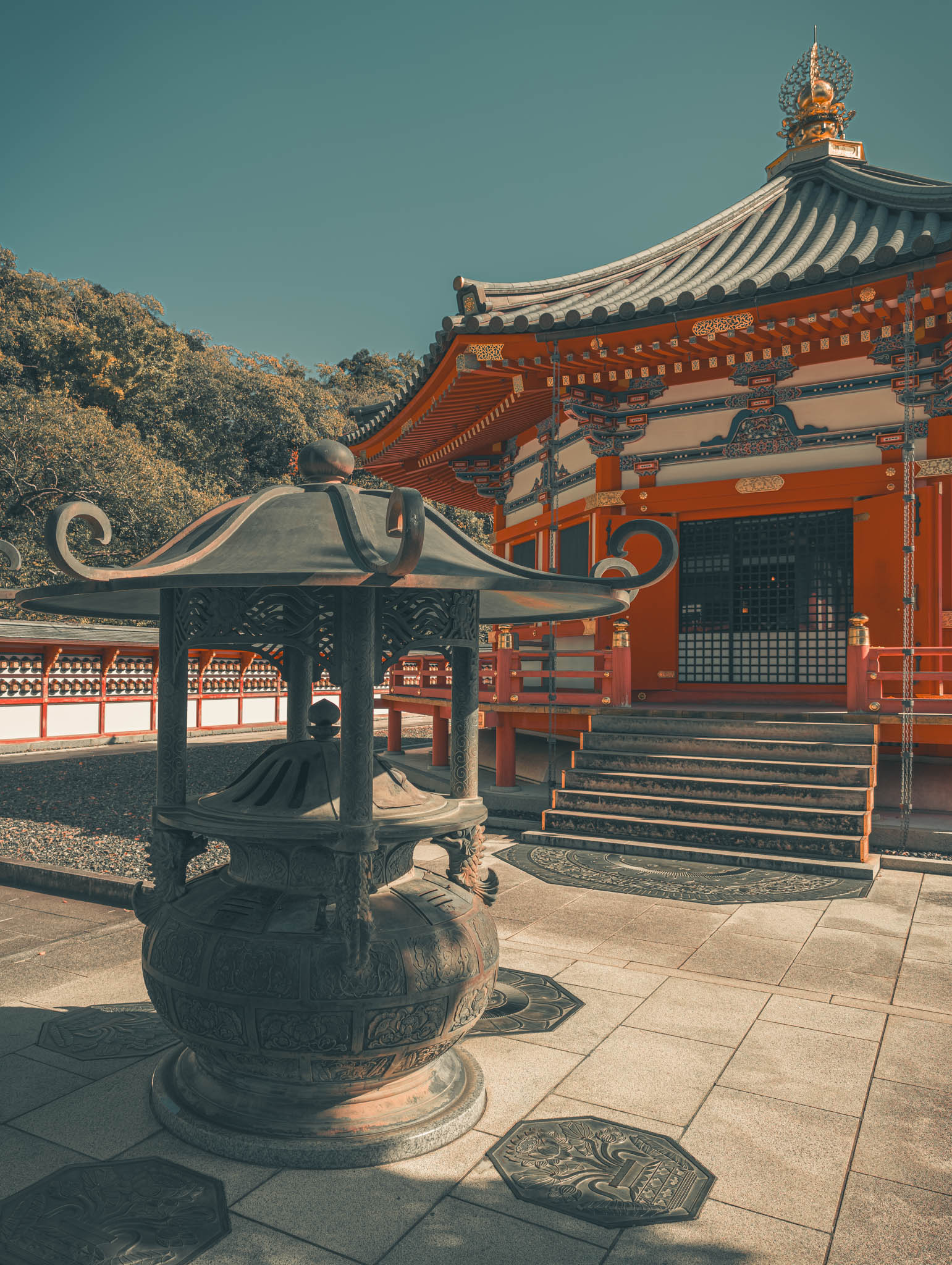
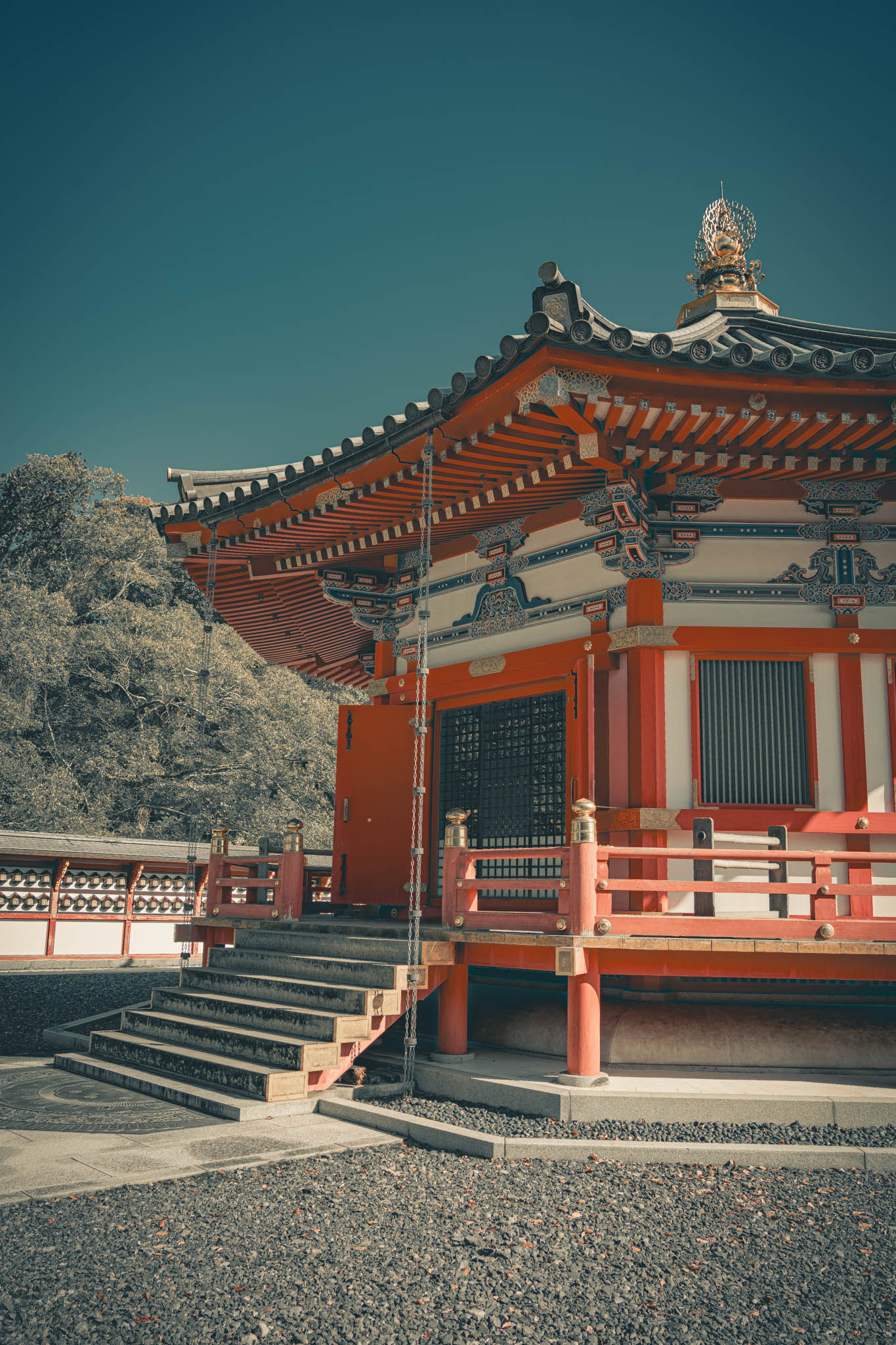
It might be, in origin, a radically nihilistic response to the issues created by a theodicy (the concept of karma) very particular to the Vedic culture where it was formulated, but in Japan people seem solely to depend on Mahayana Buddhism for their exequies.
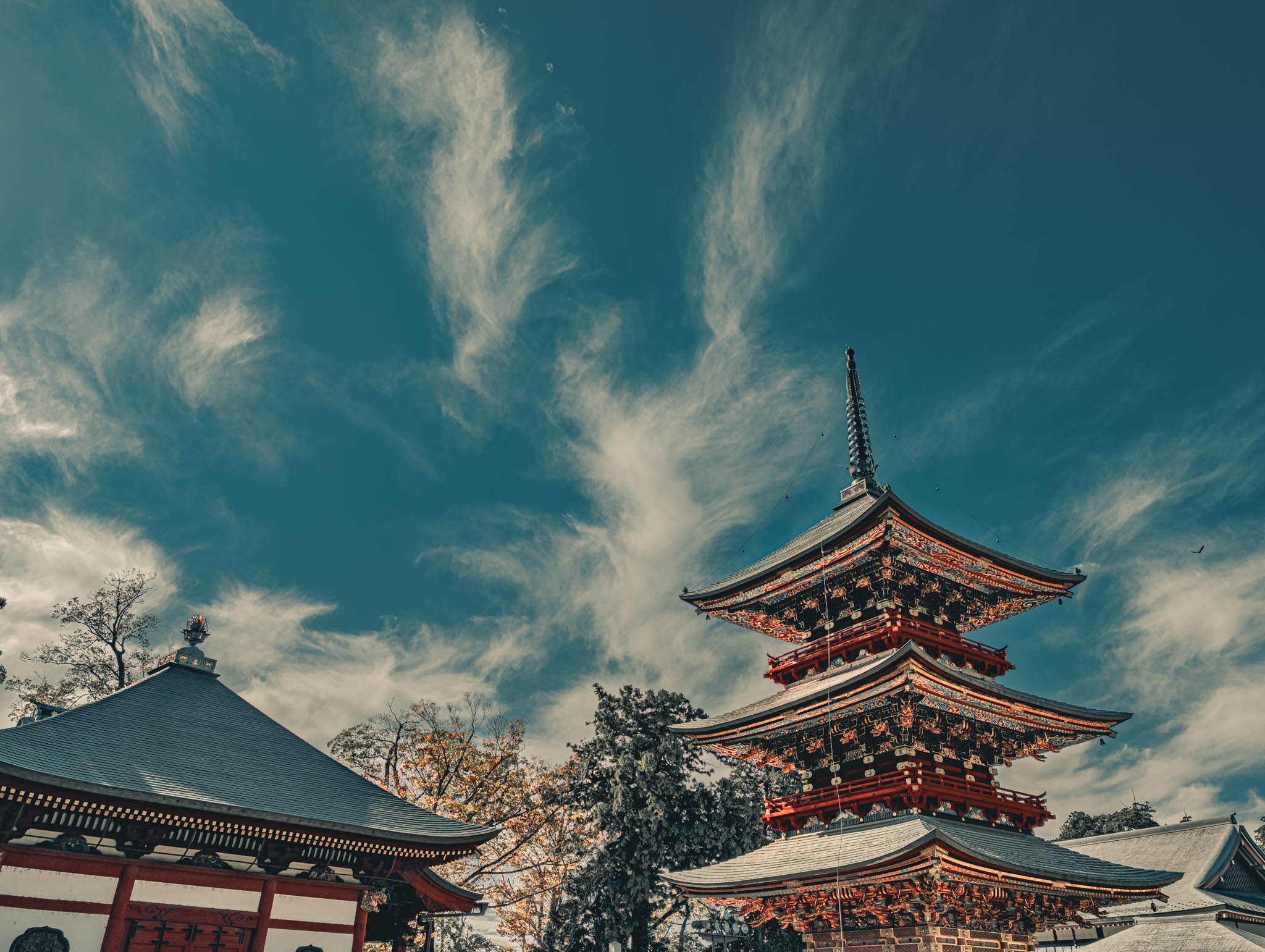
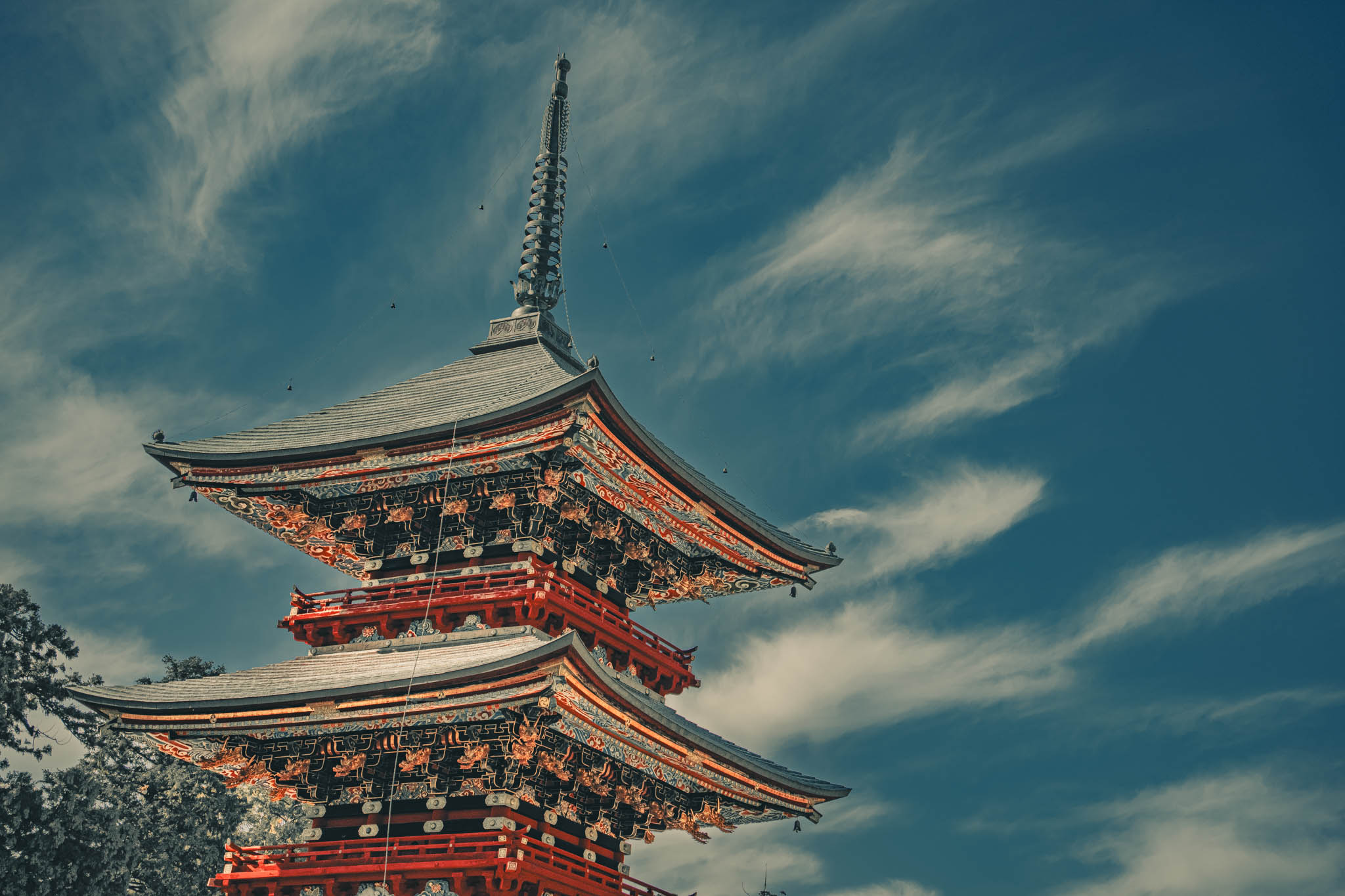
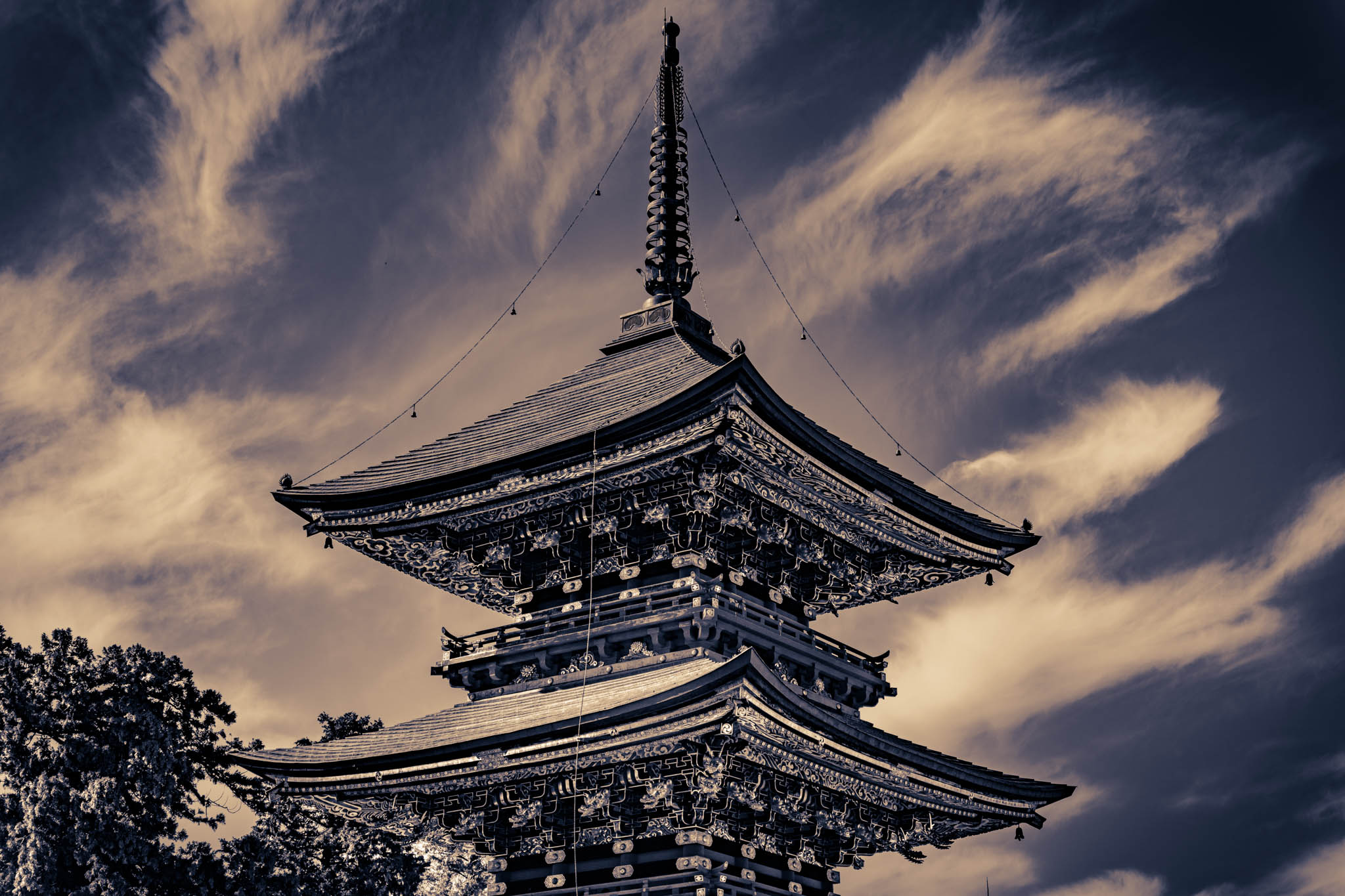
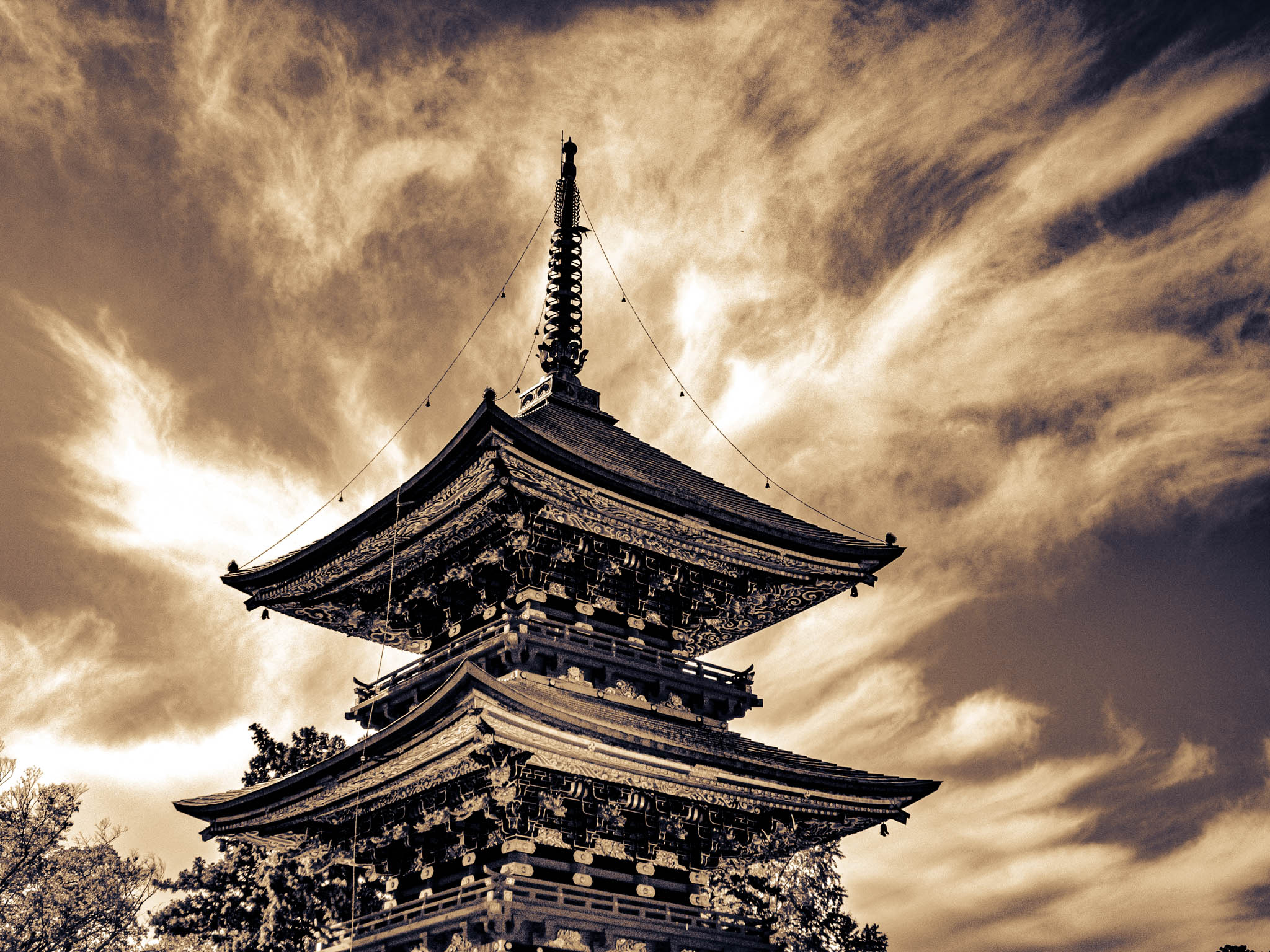
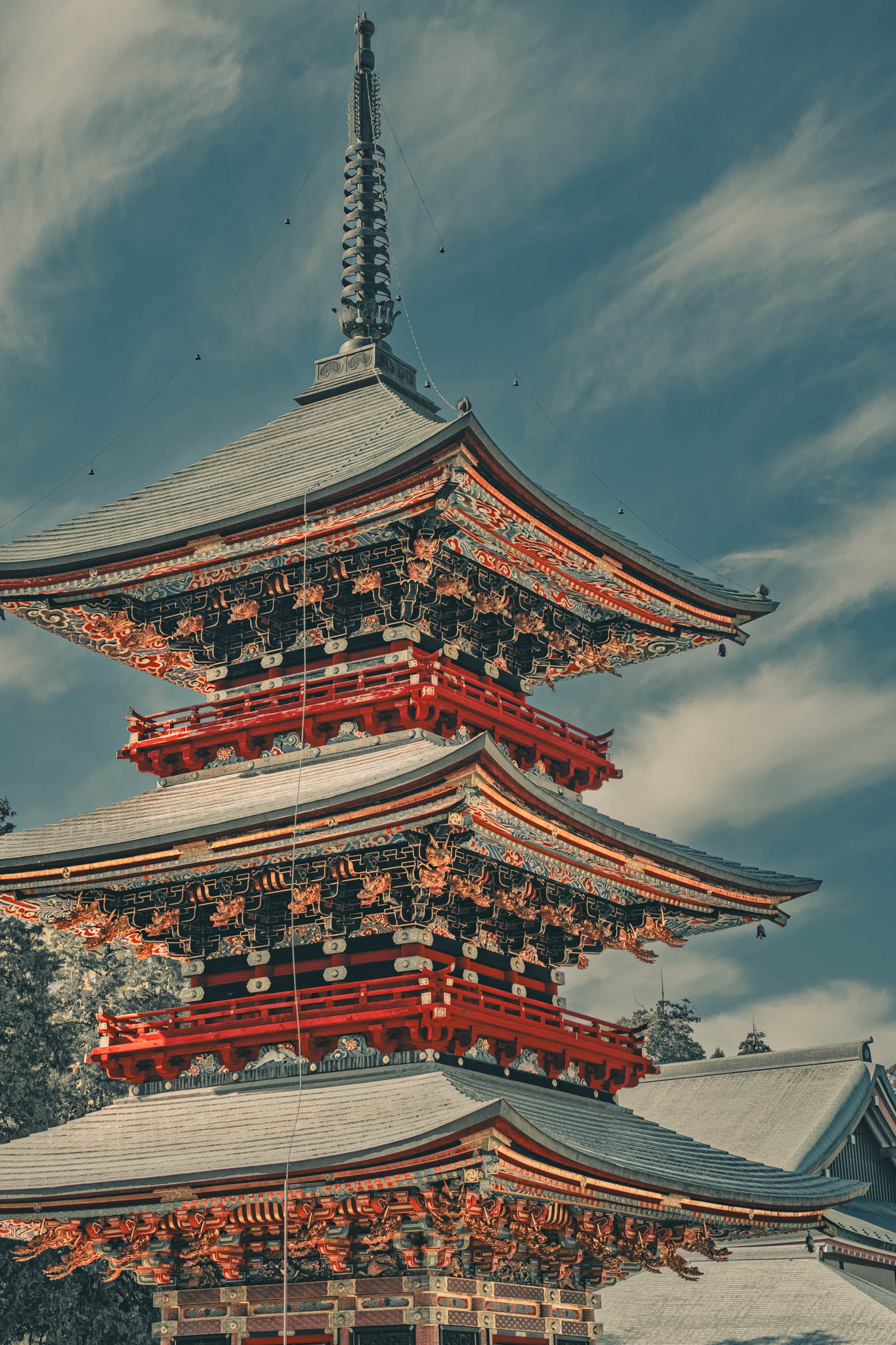
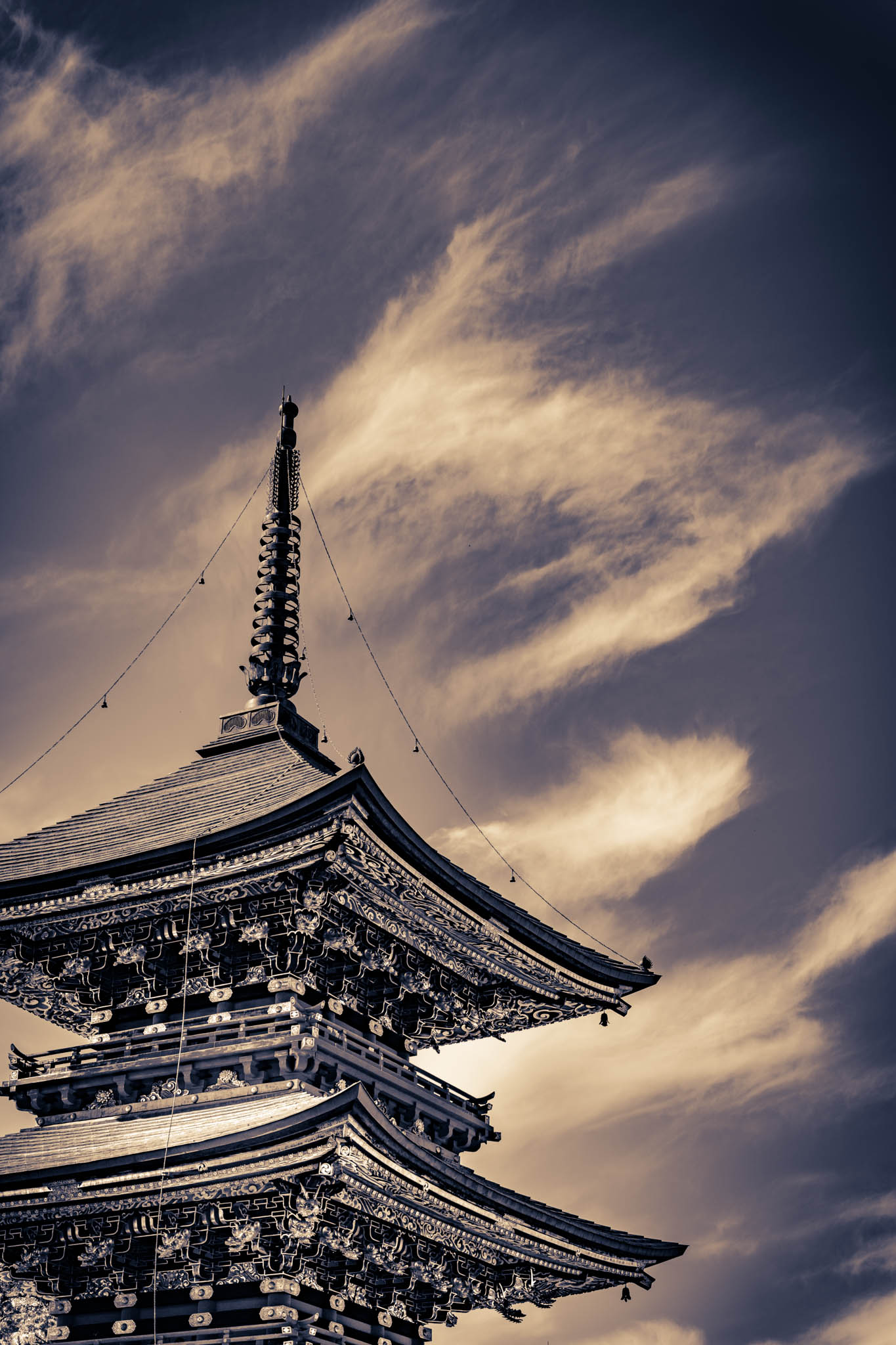
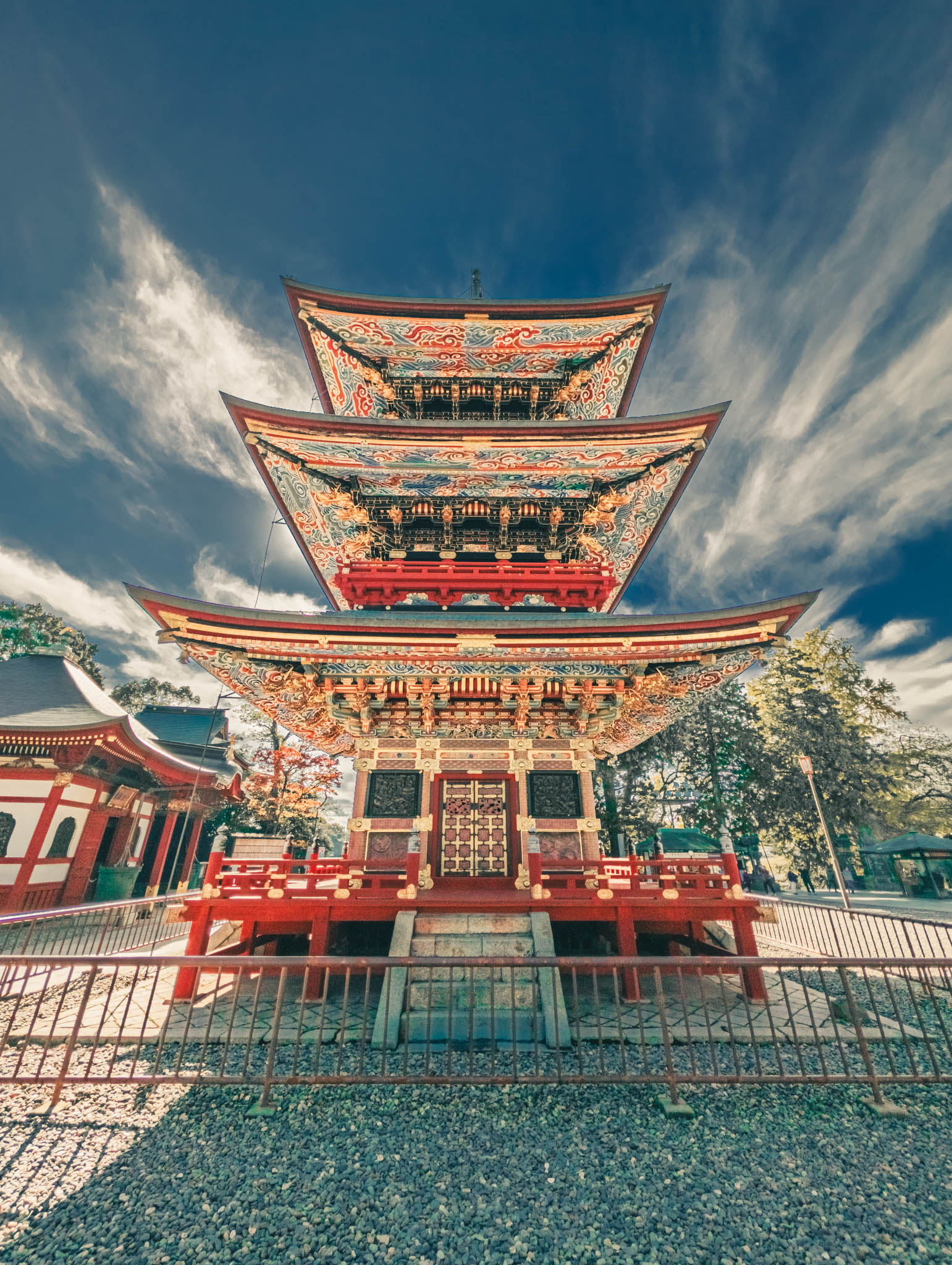
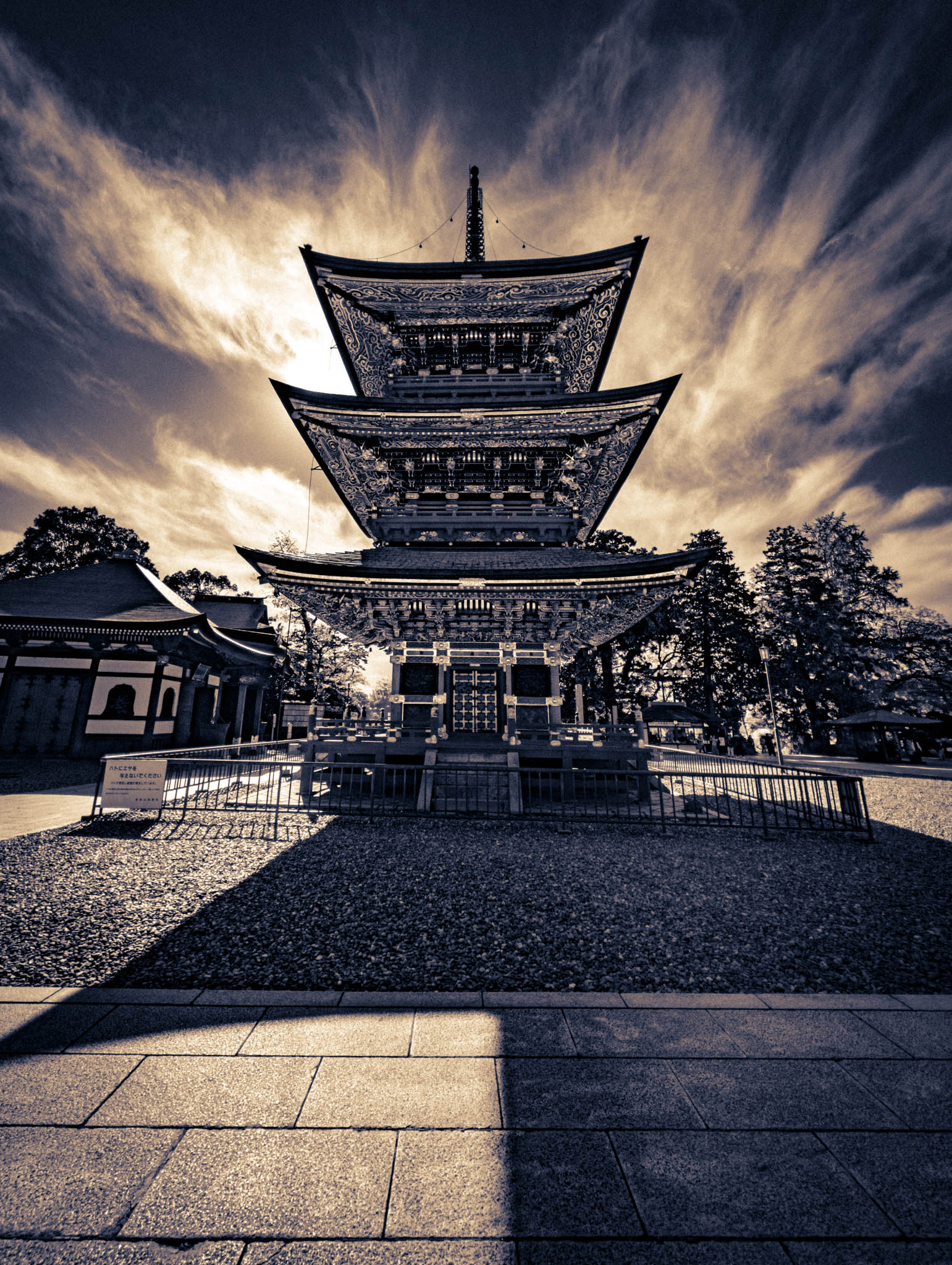
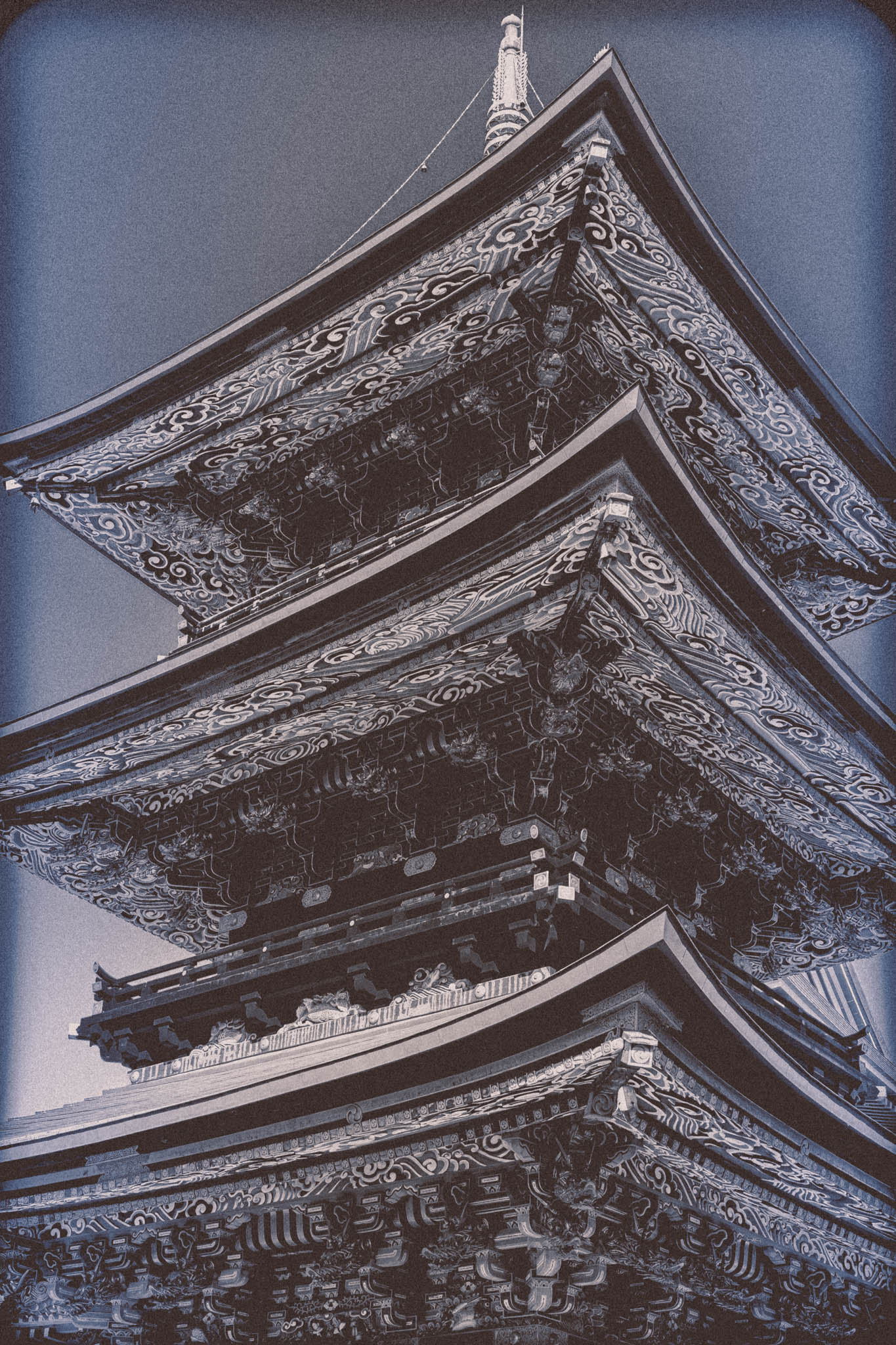
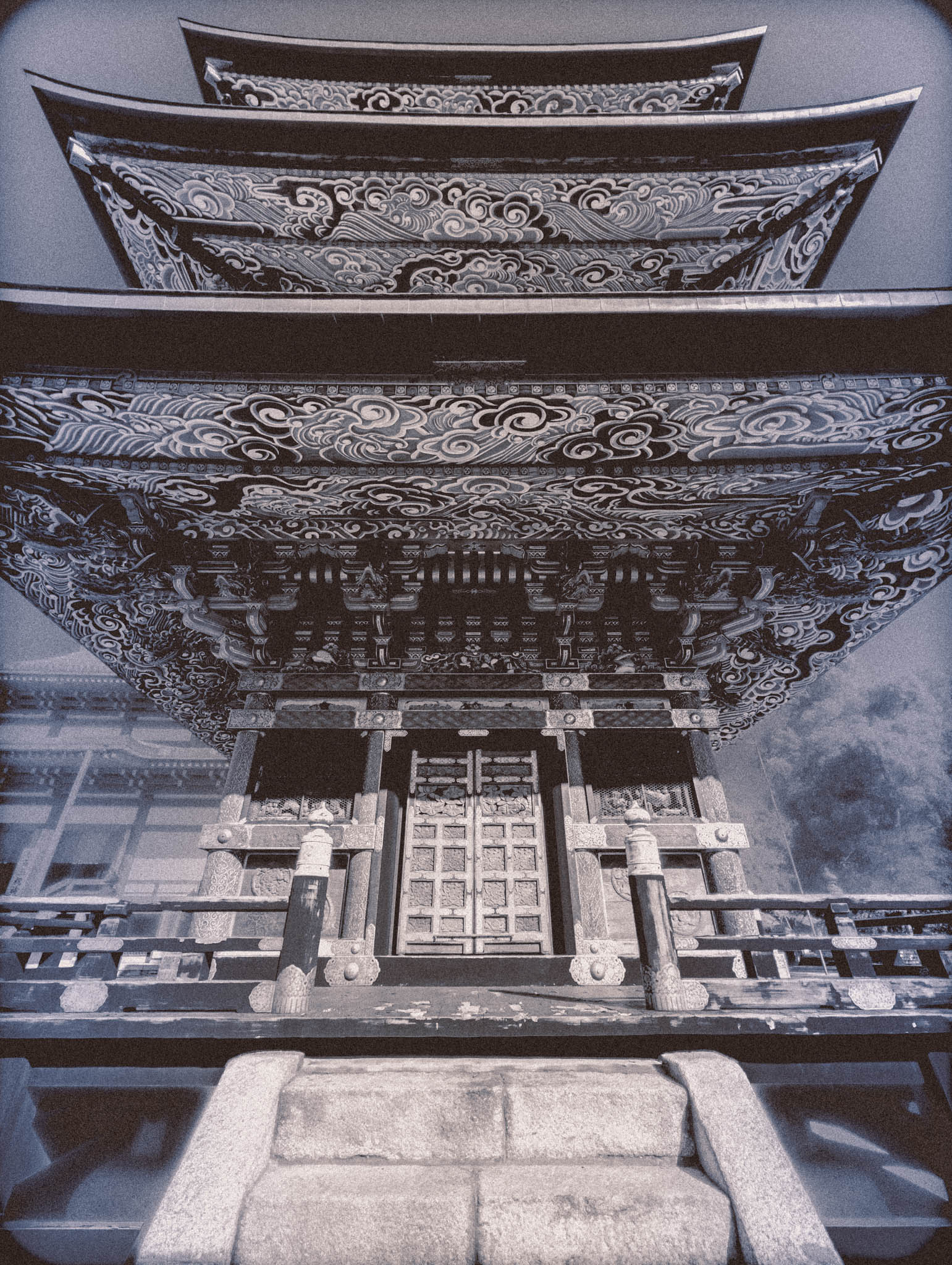
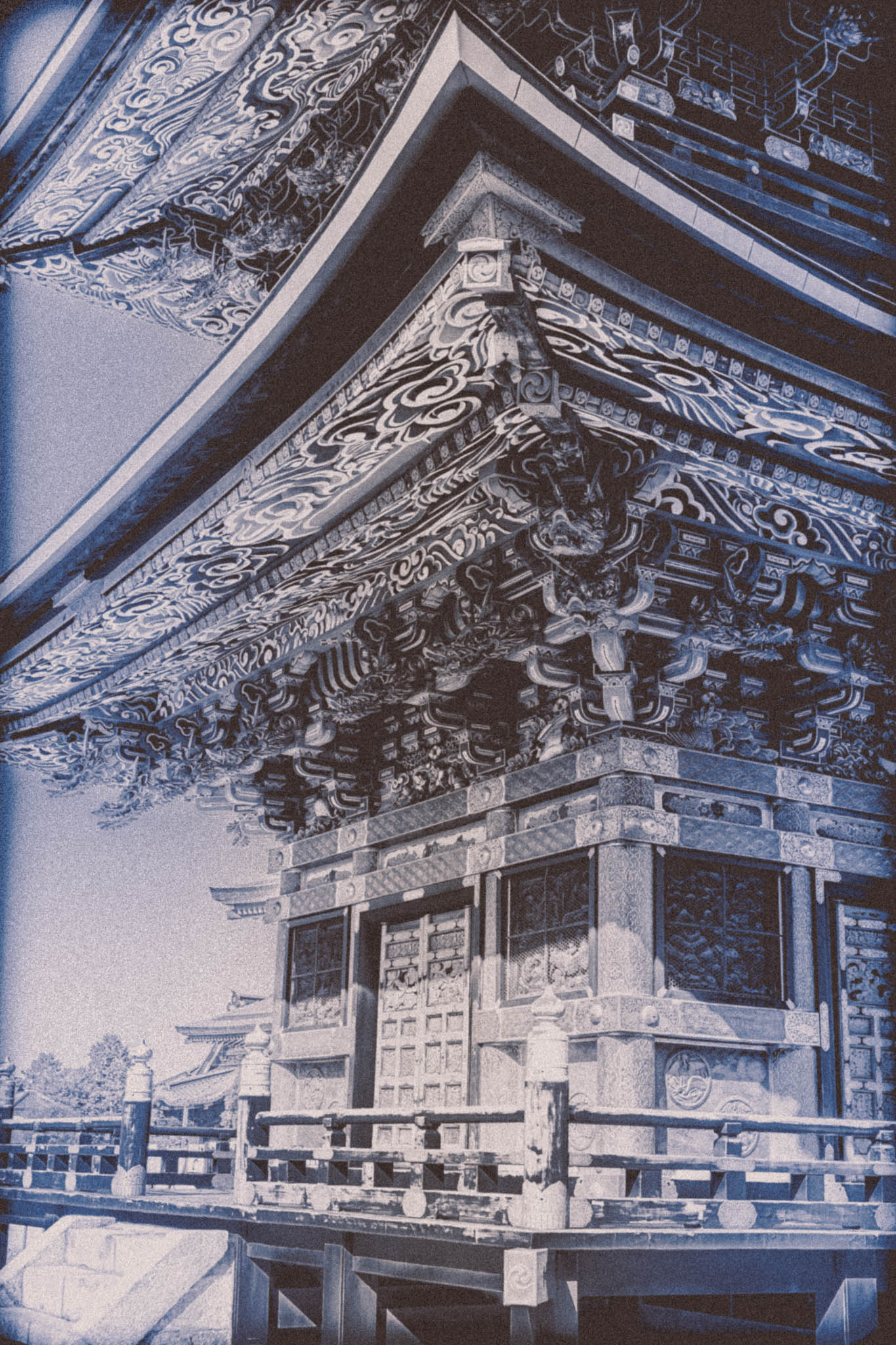
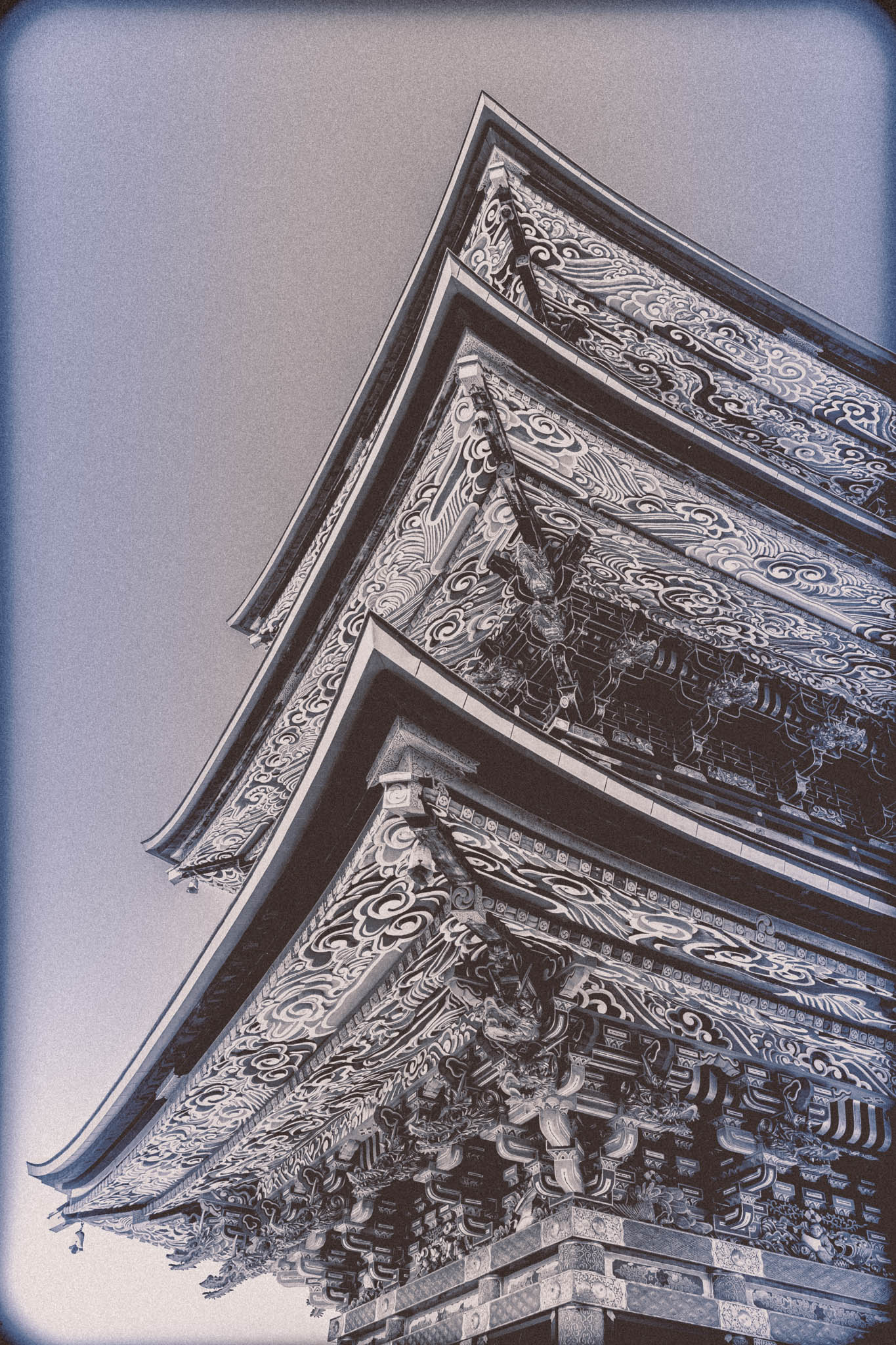
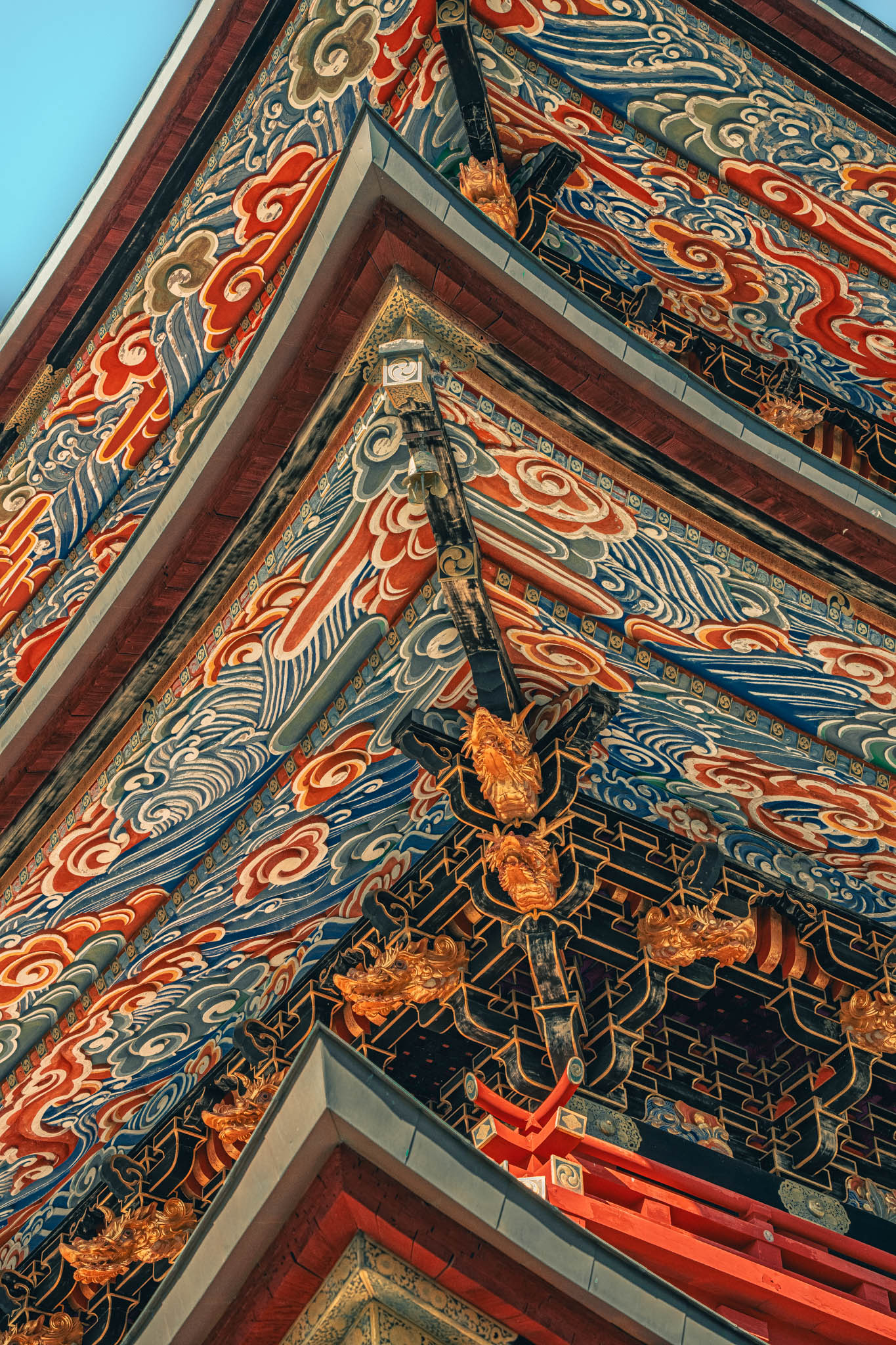
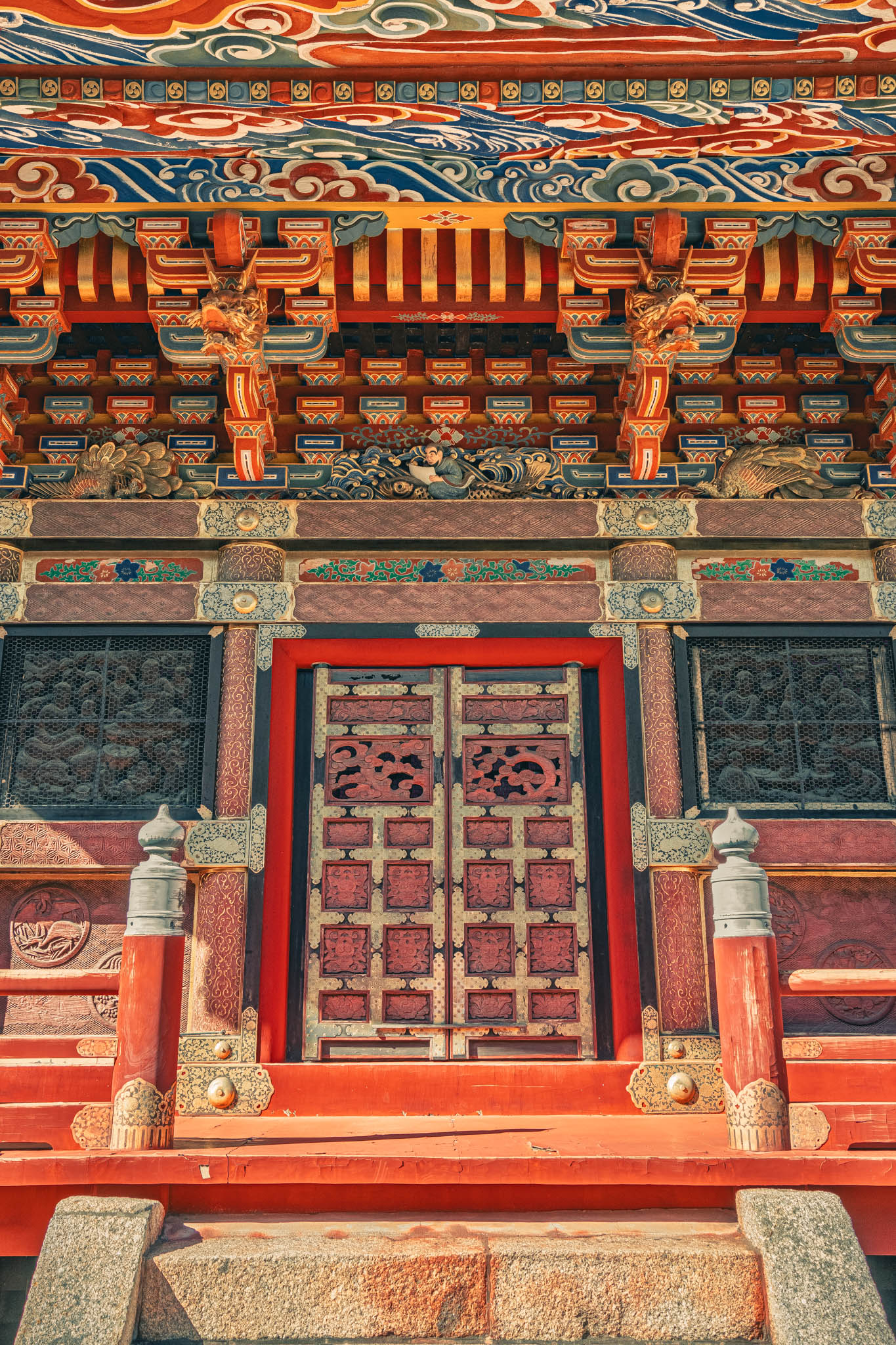
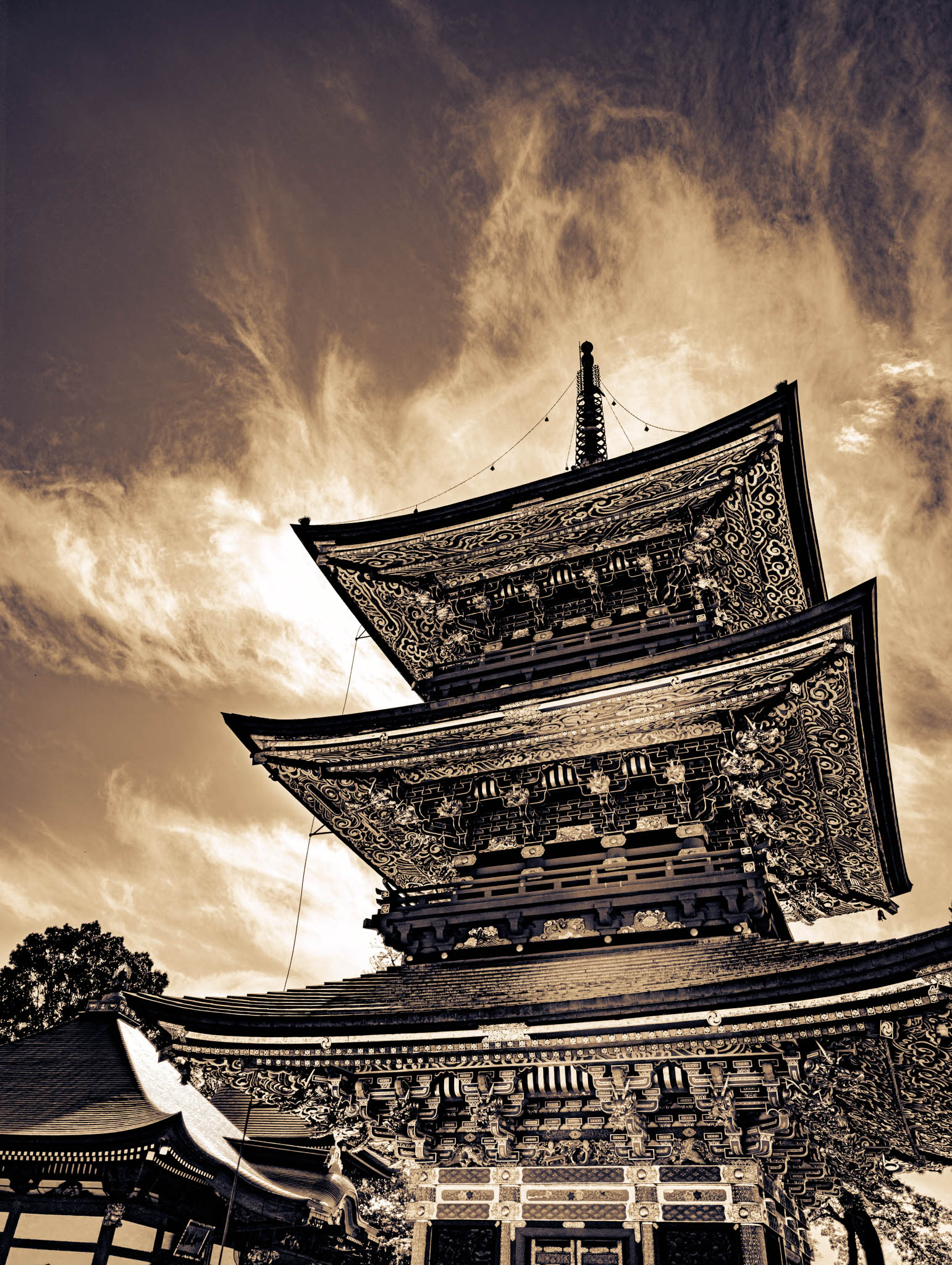
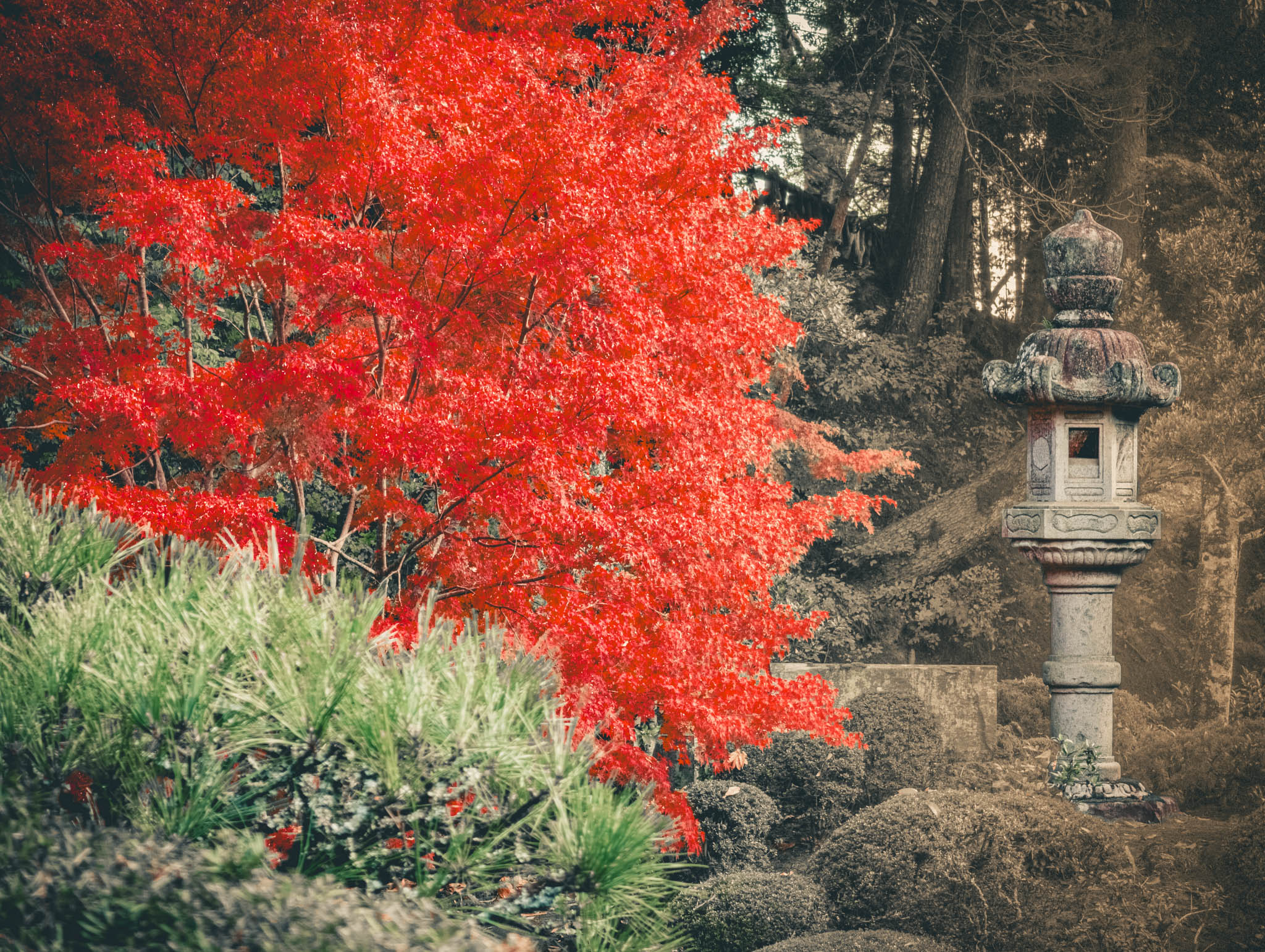
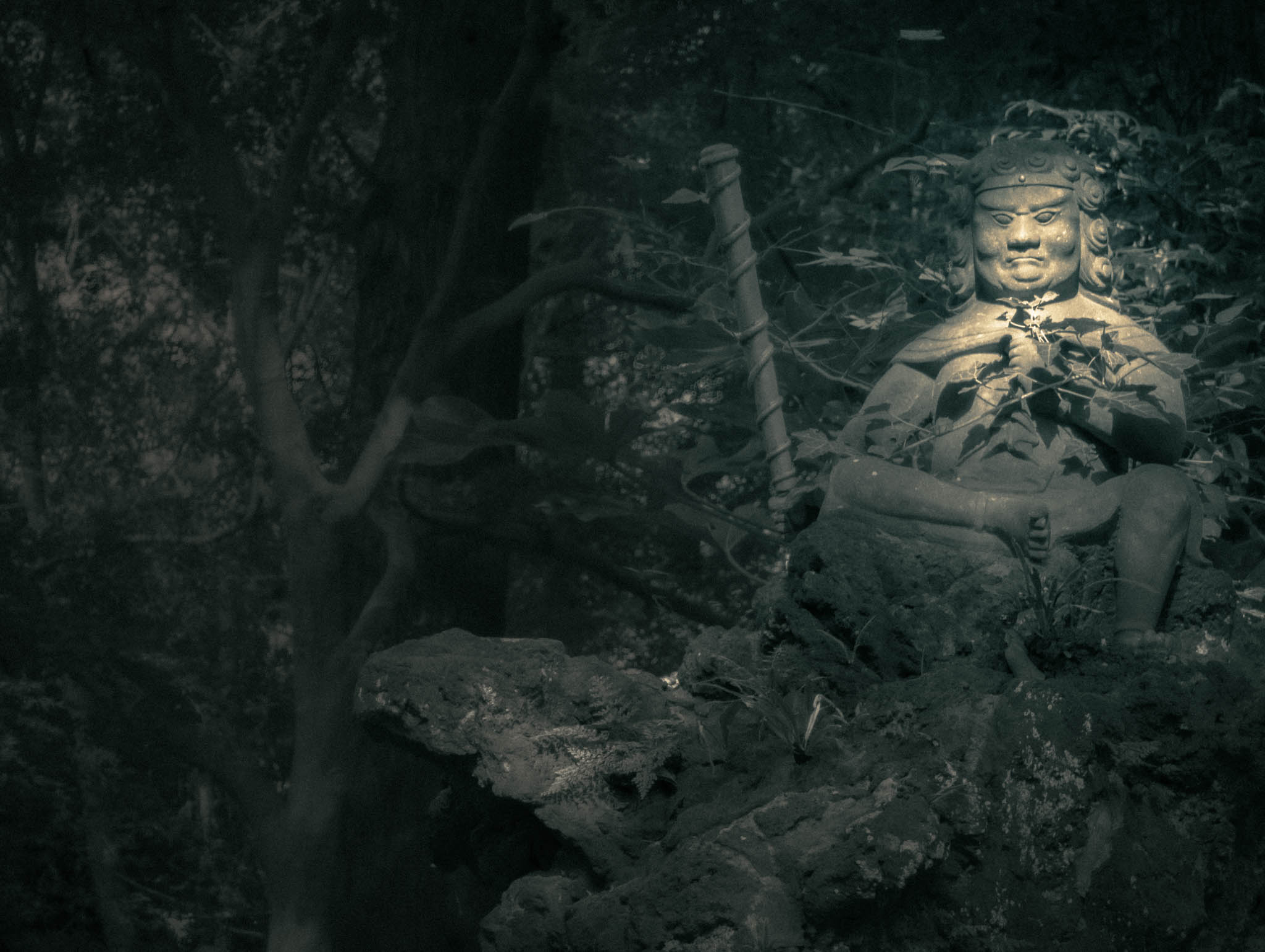
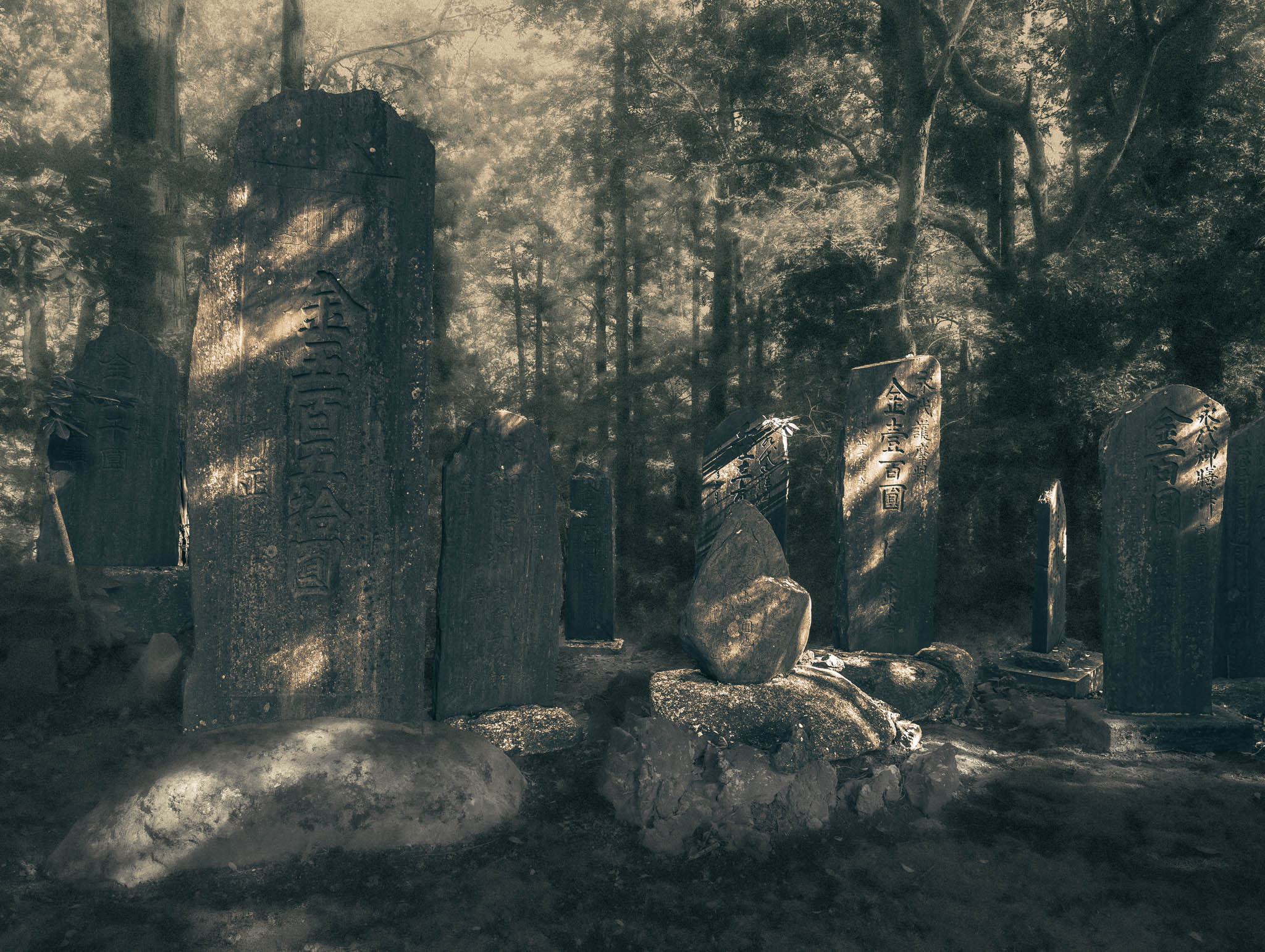
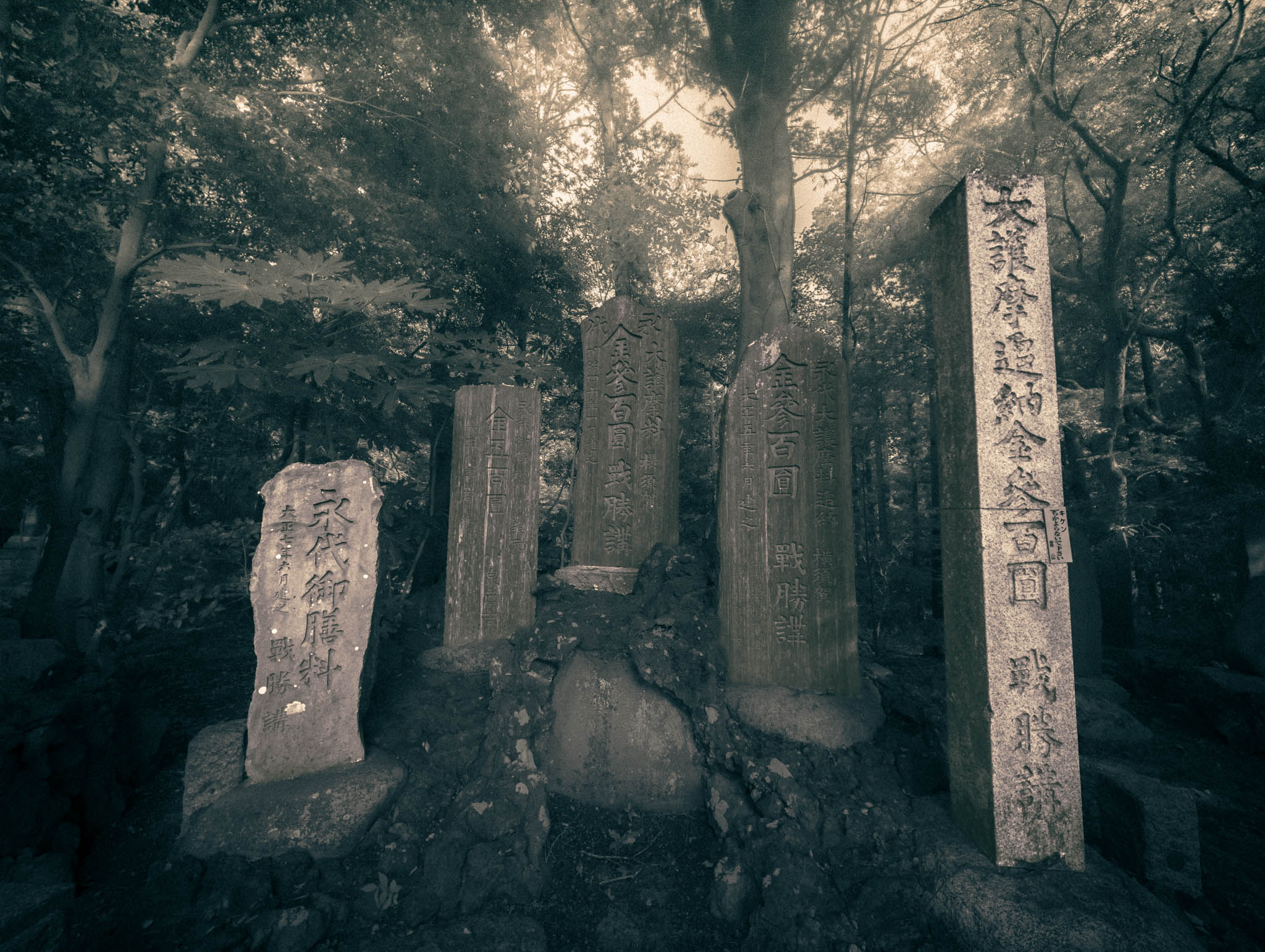
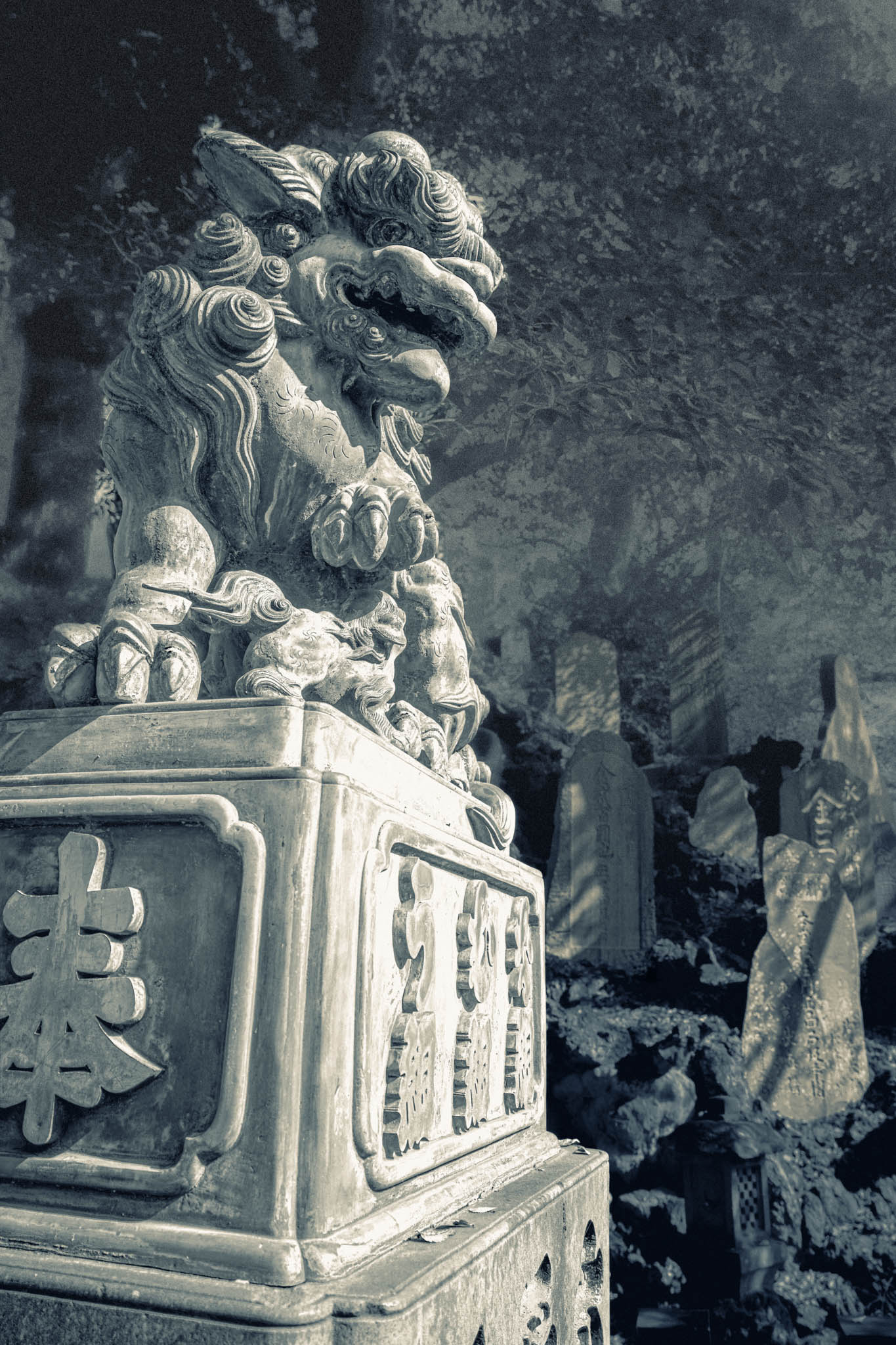
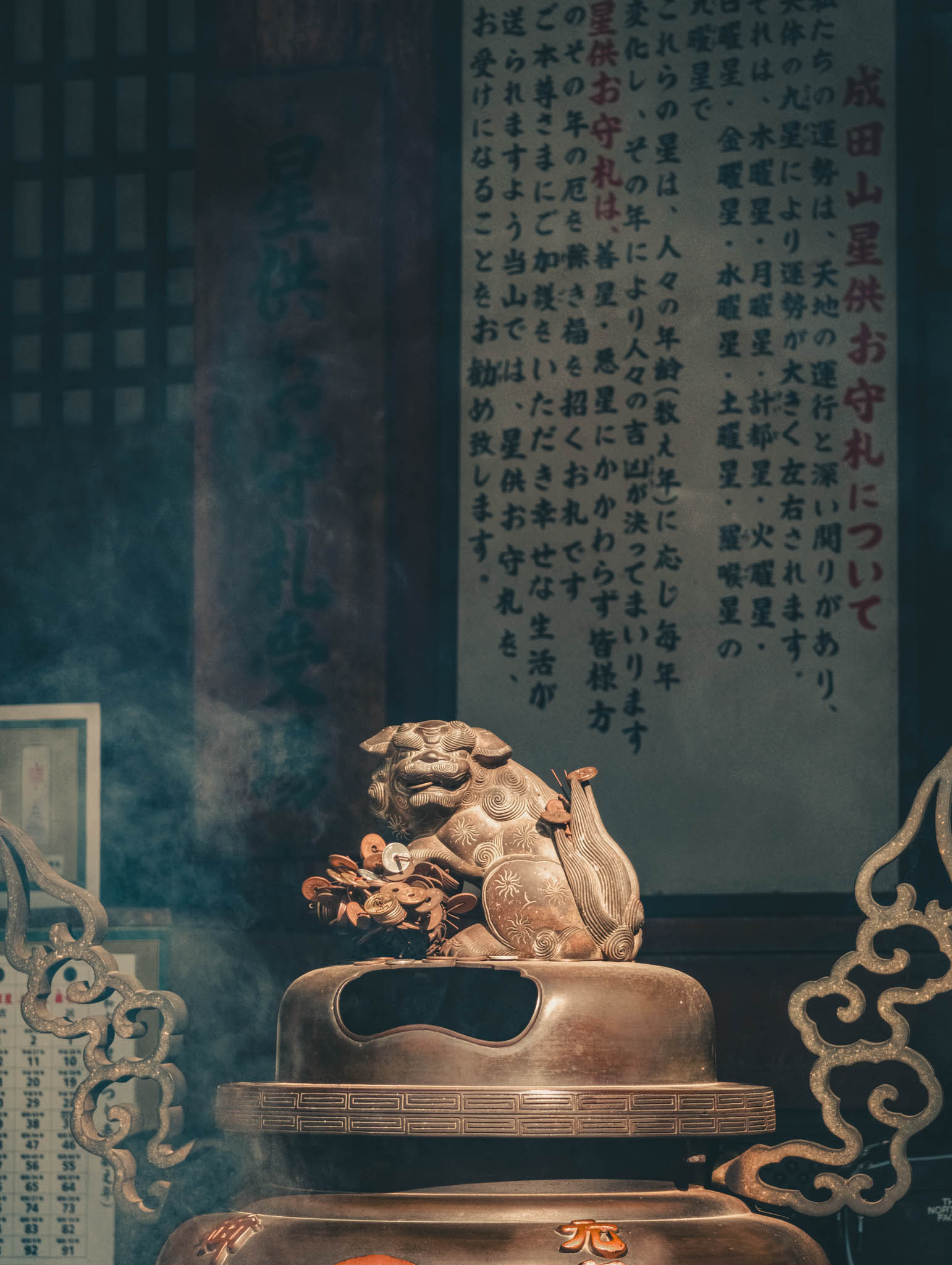
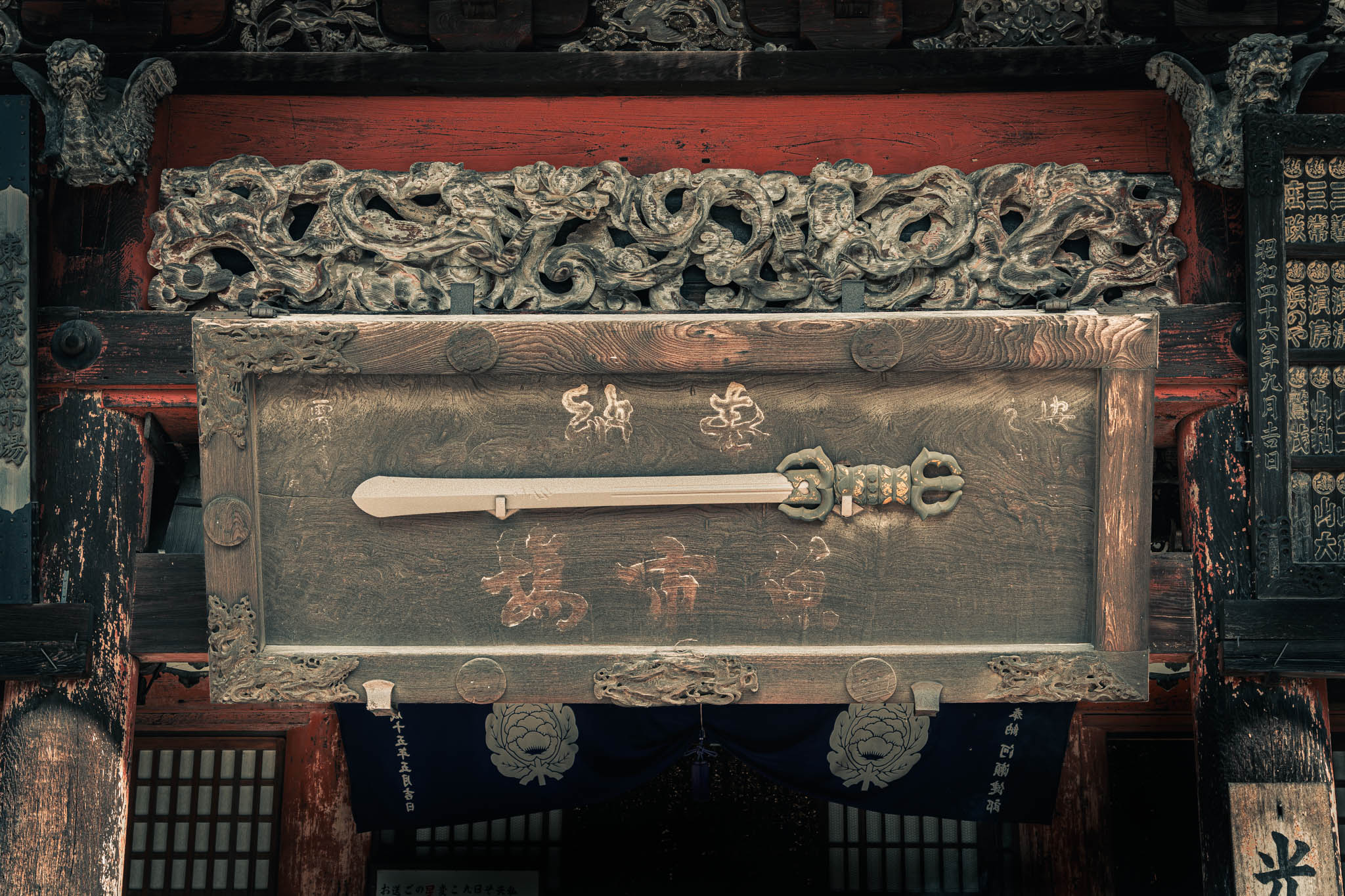
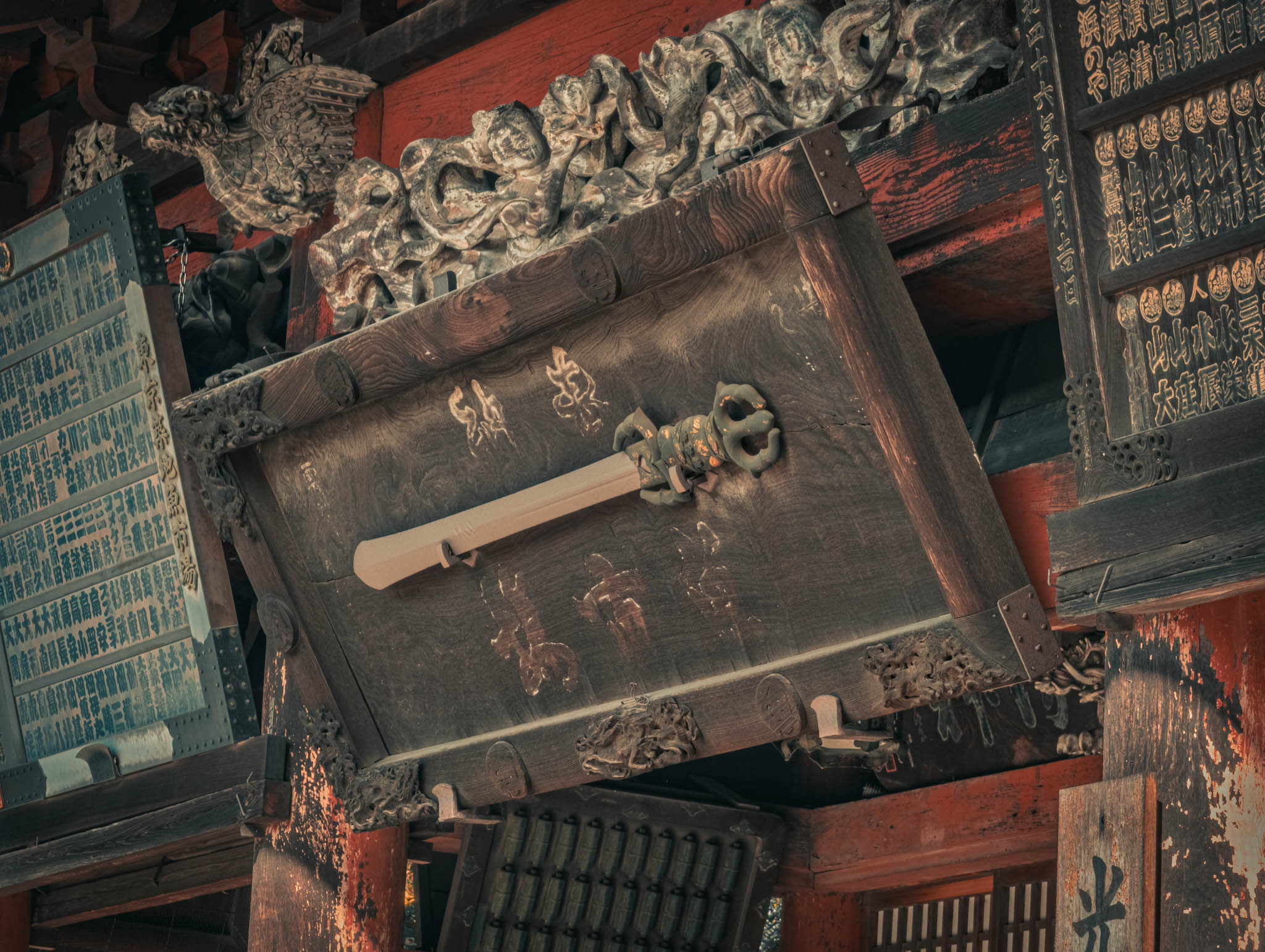
Stone komainu lion-dogs petrified in mid-growl, coiling dragons in splitting grey wood, fearsome and fanged sword-wielding fire gods pretending to be arhants, stele with elegant kanji inscriptions, and all — it’s all just mortuary decor.
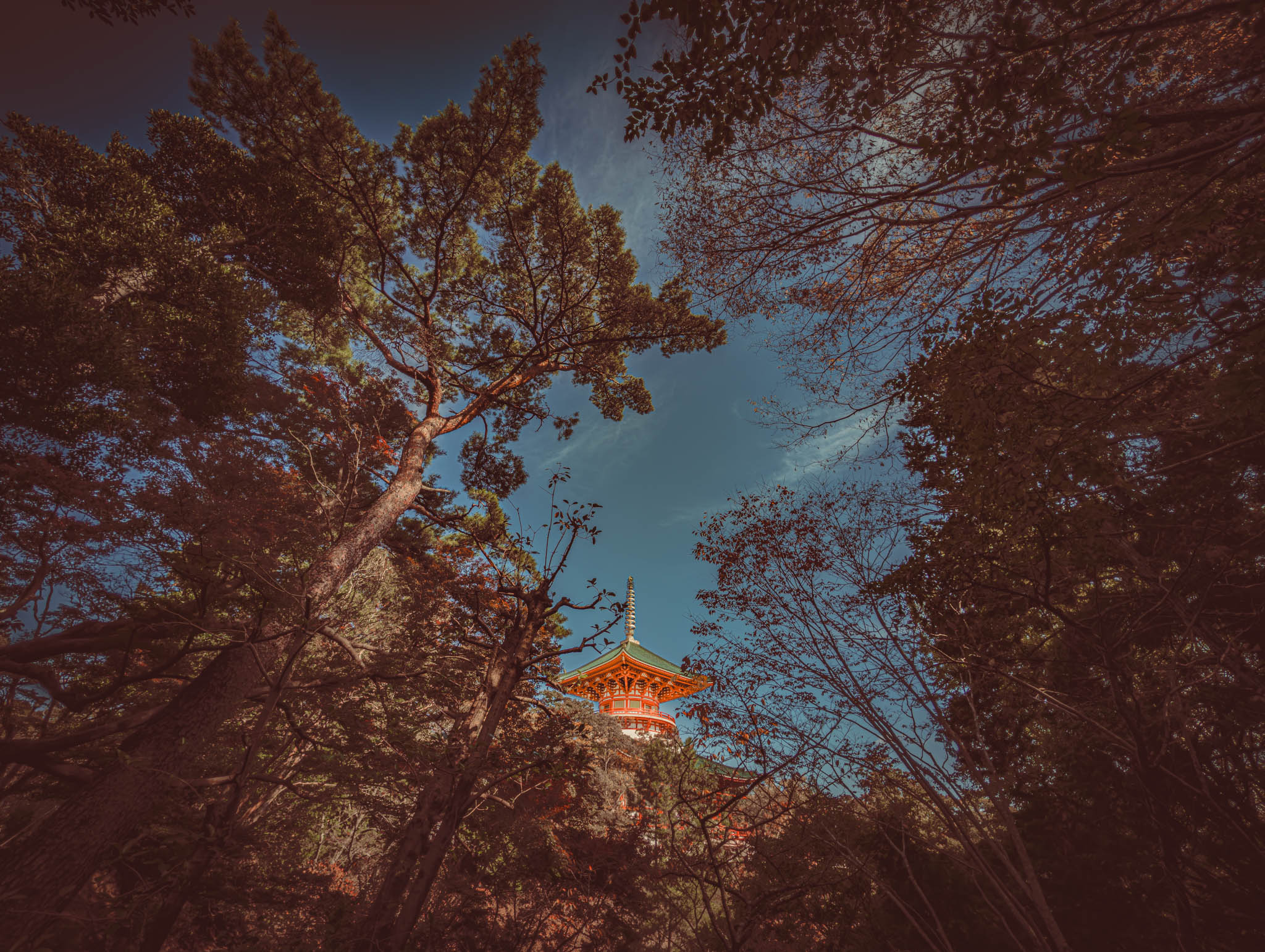
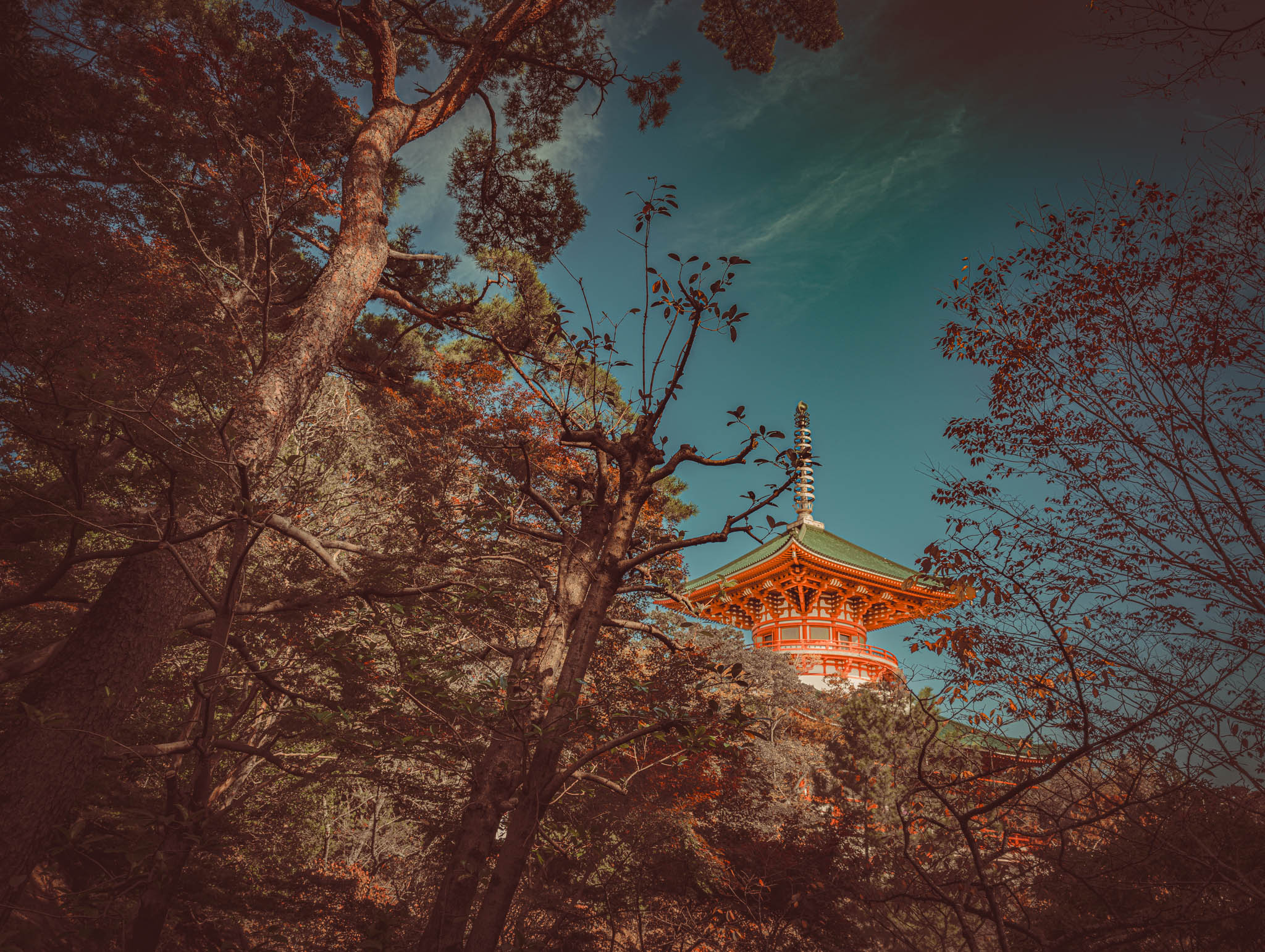
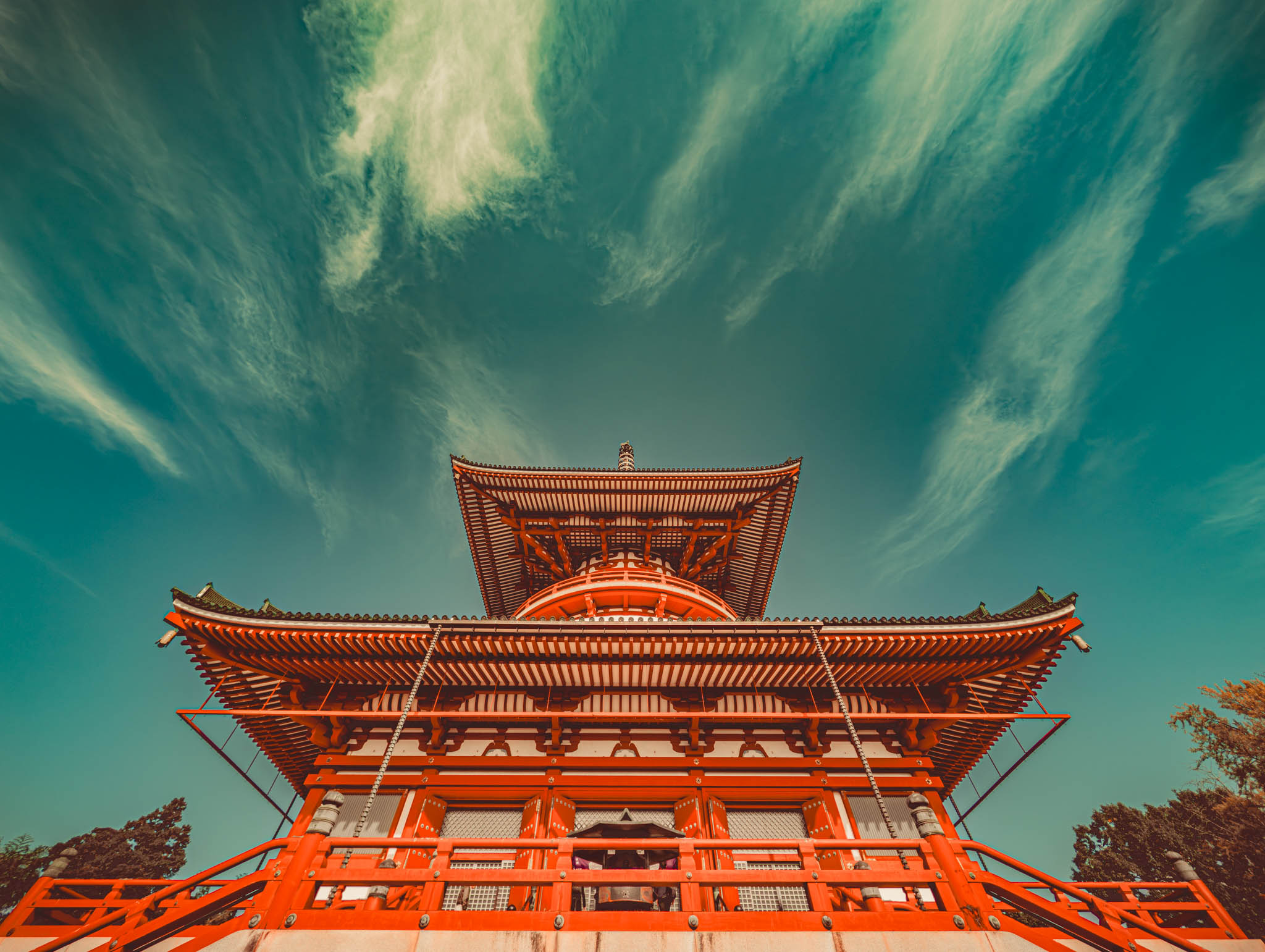
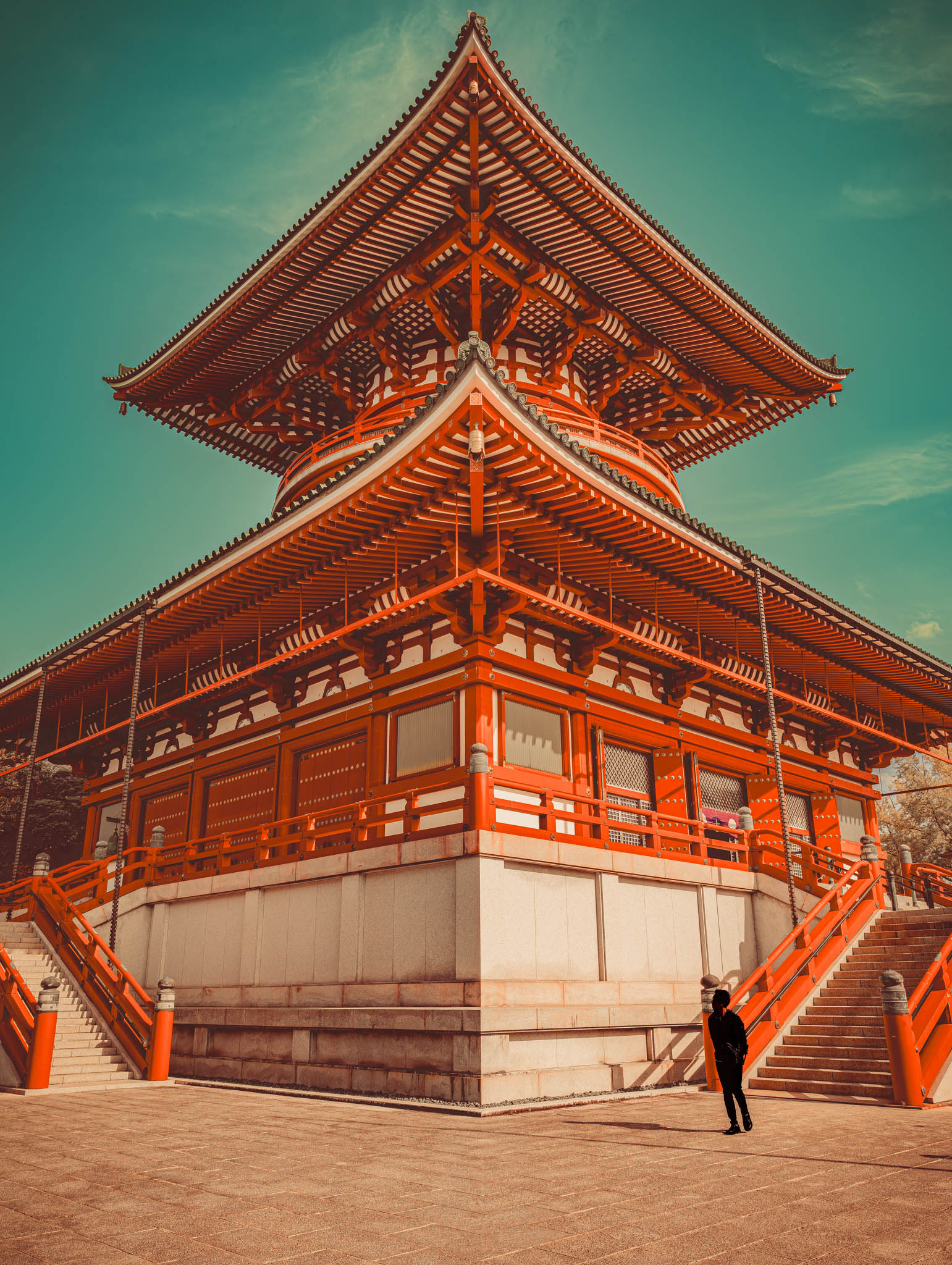
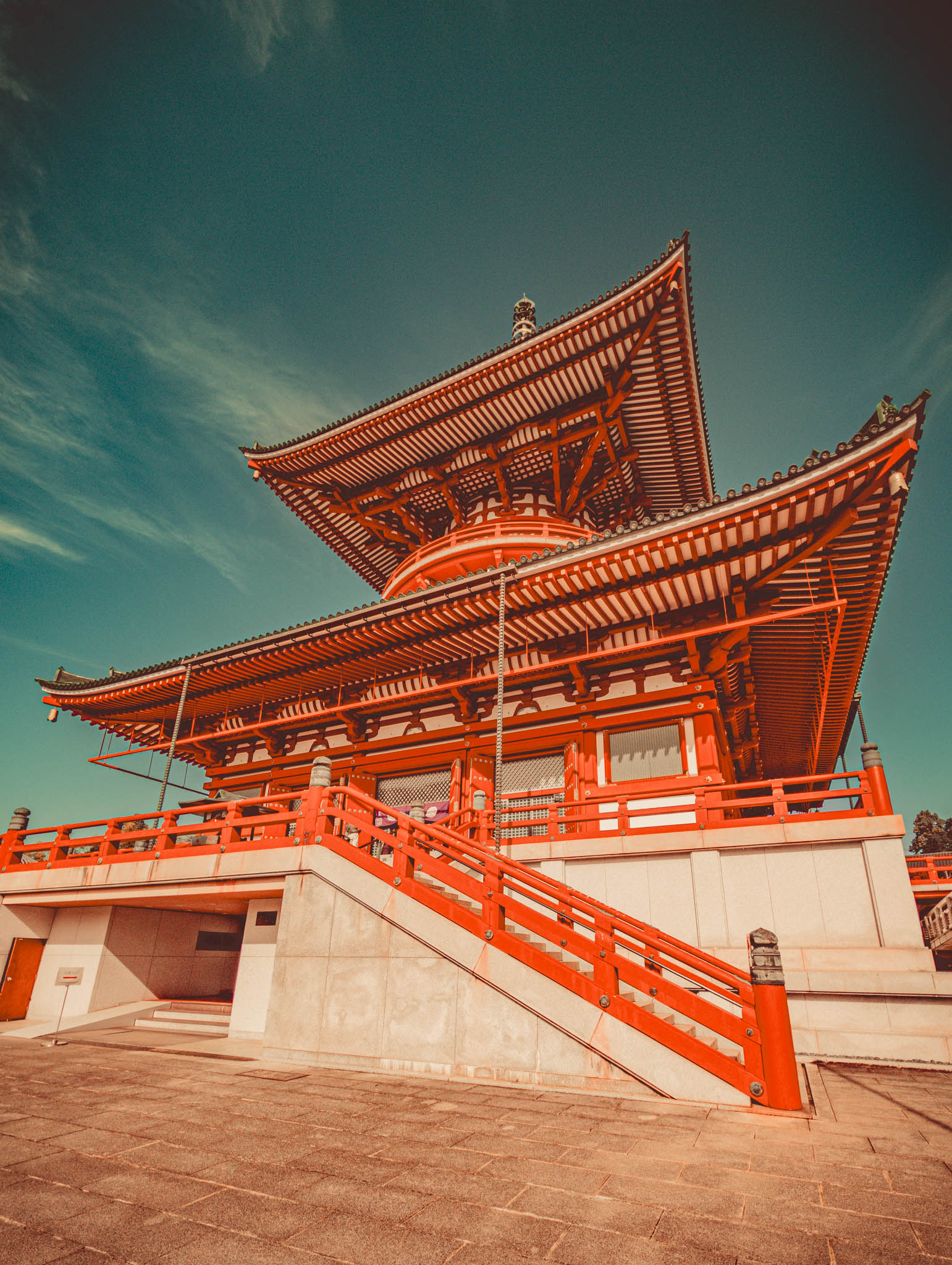
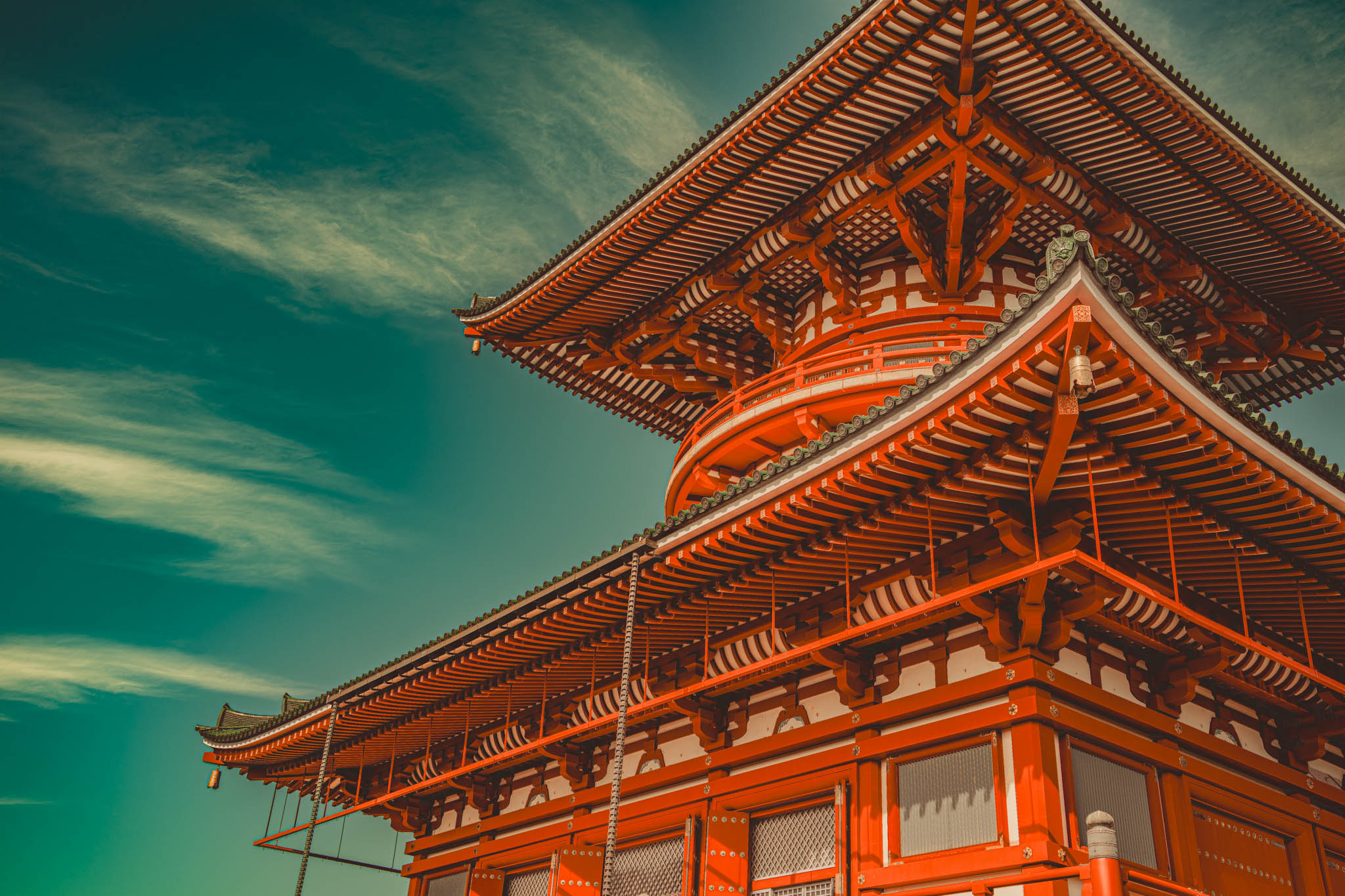
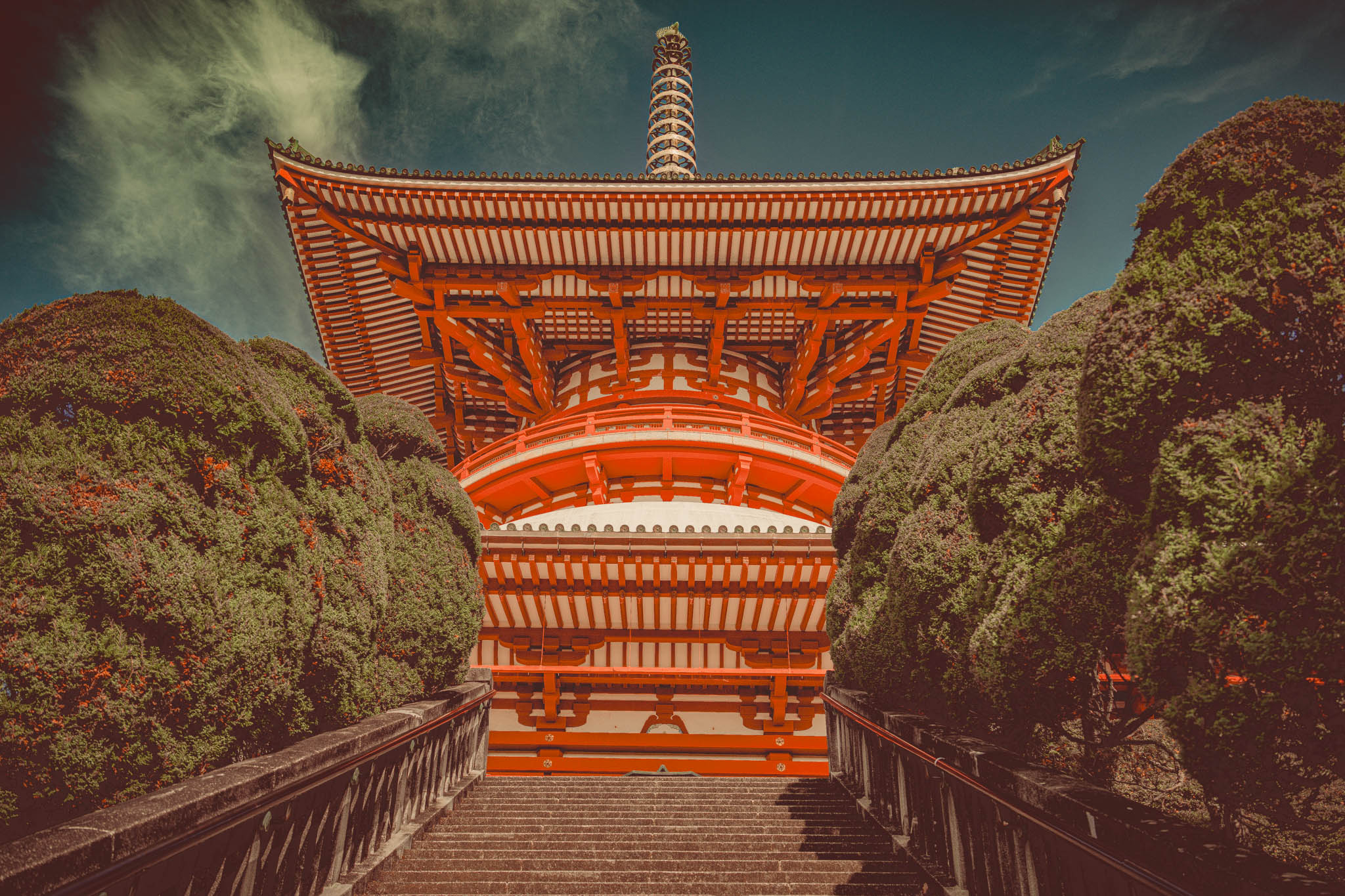
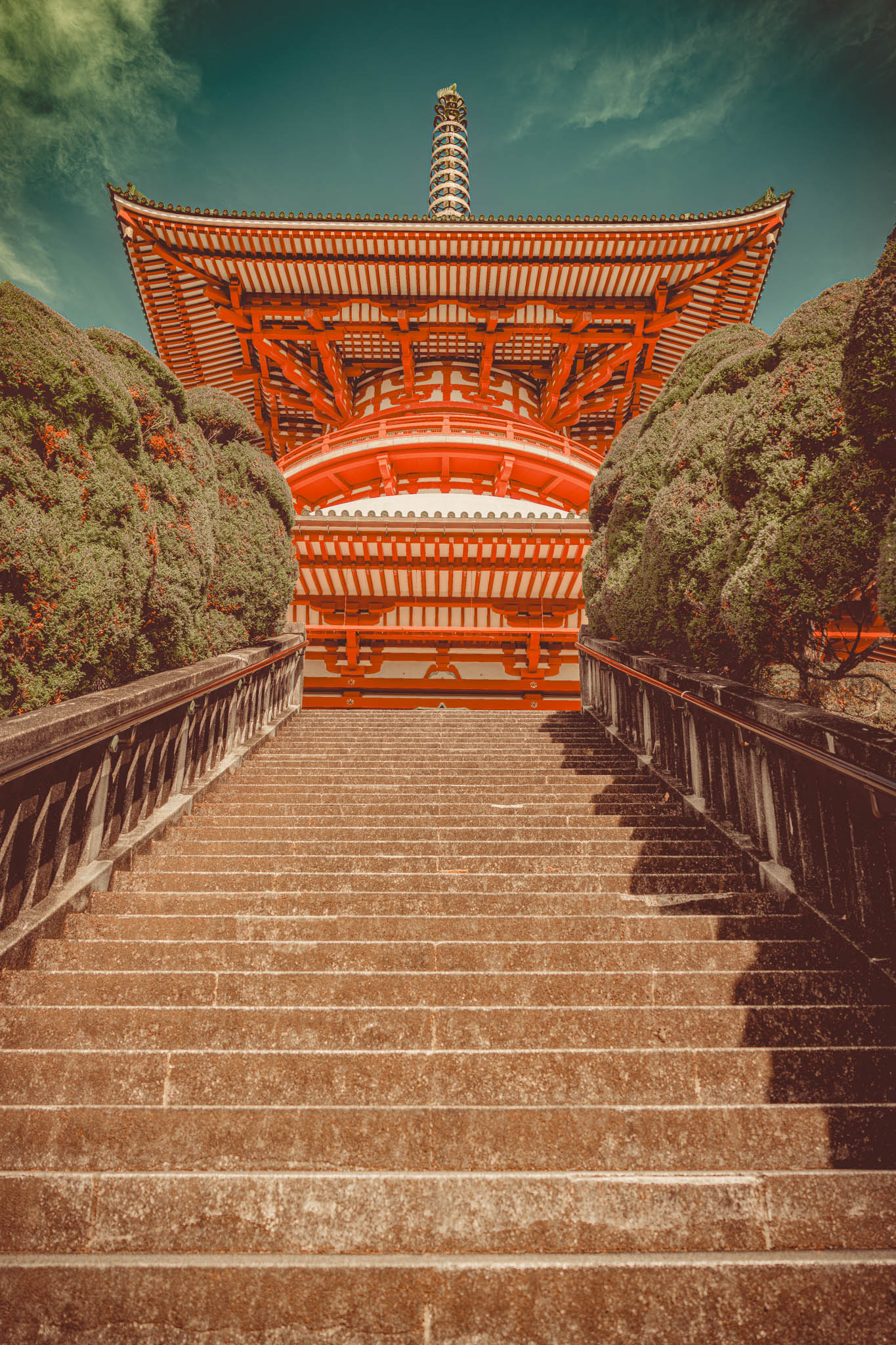
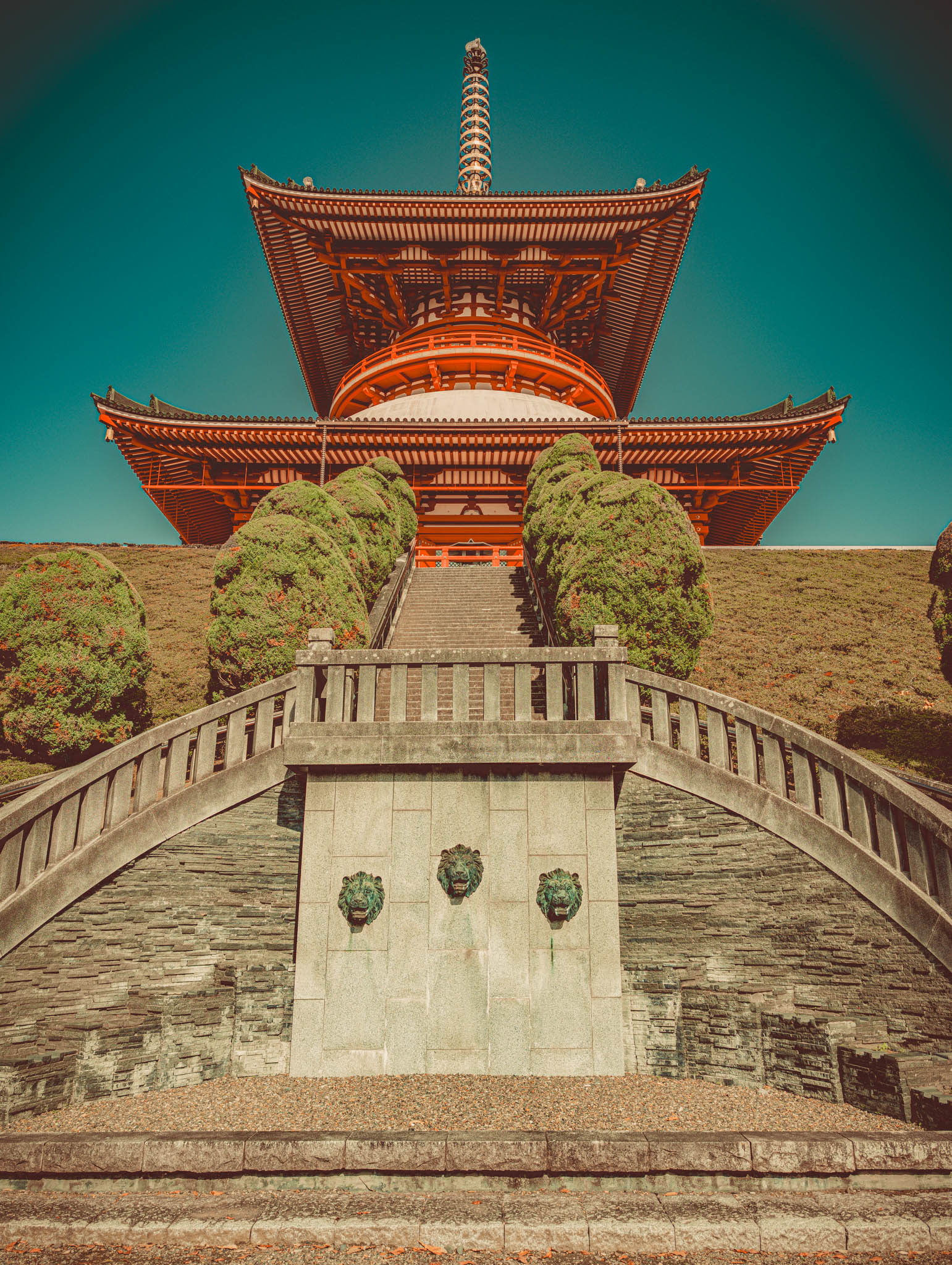
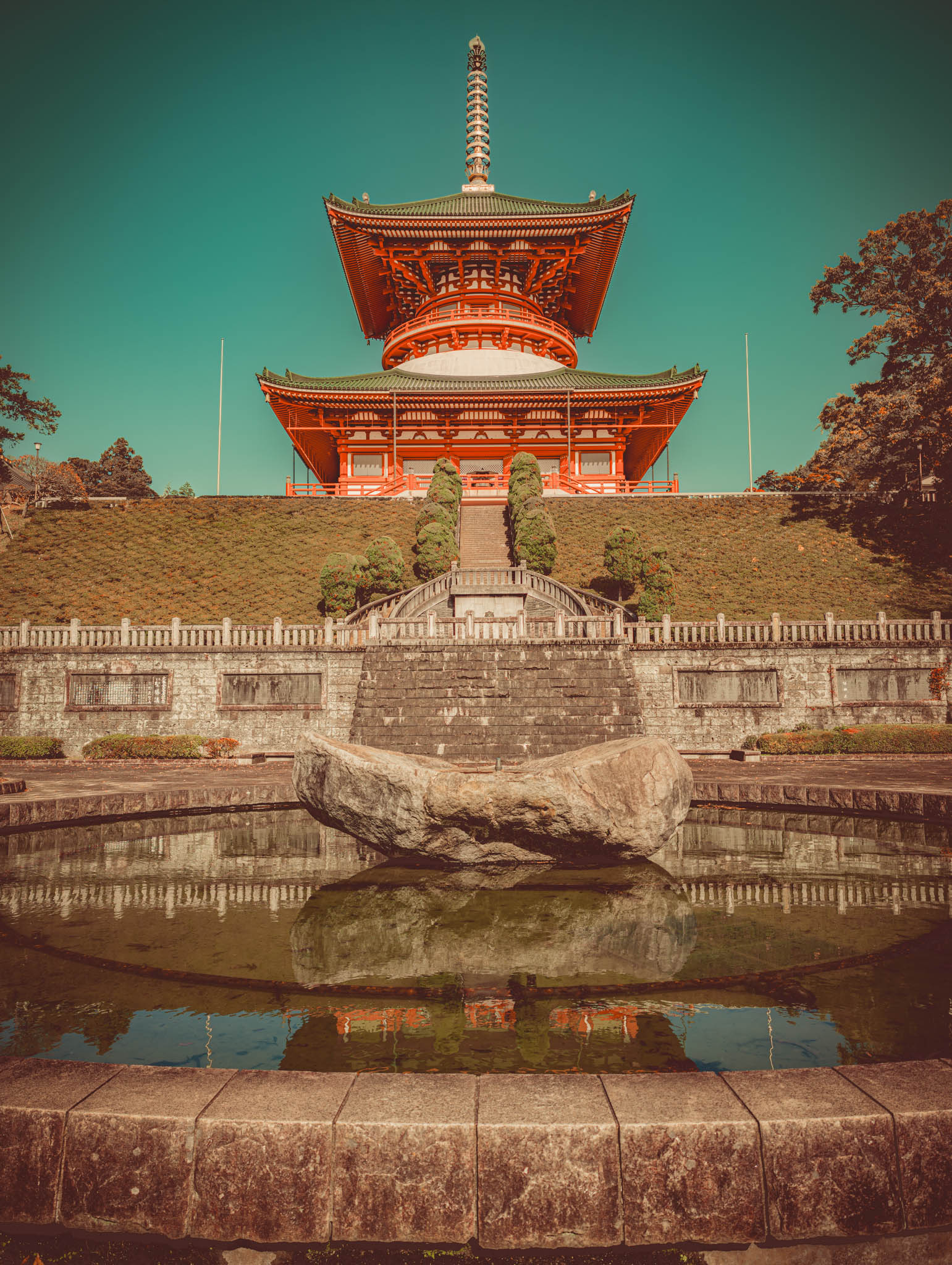
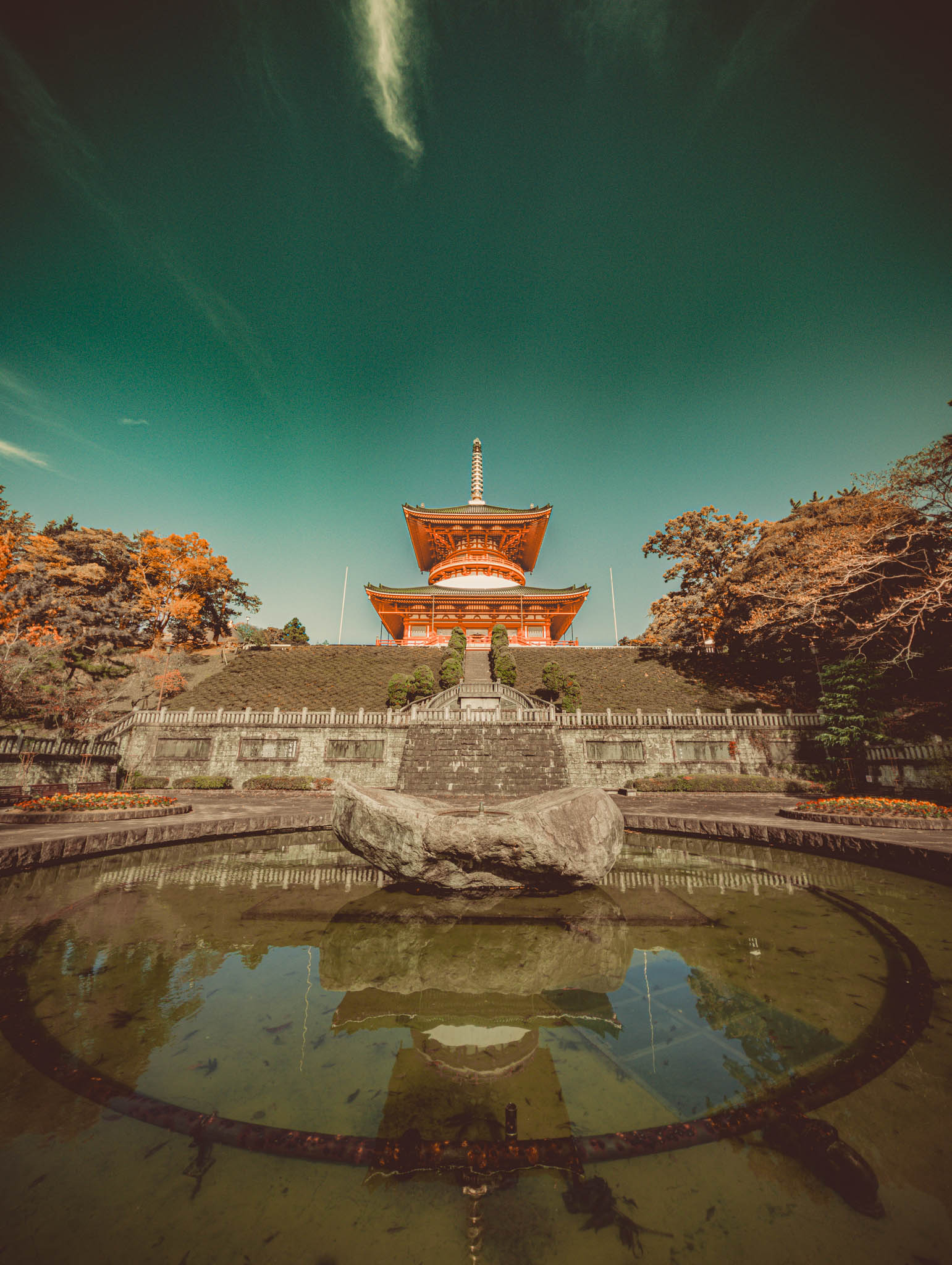
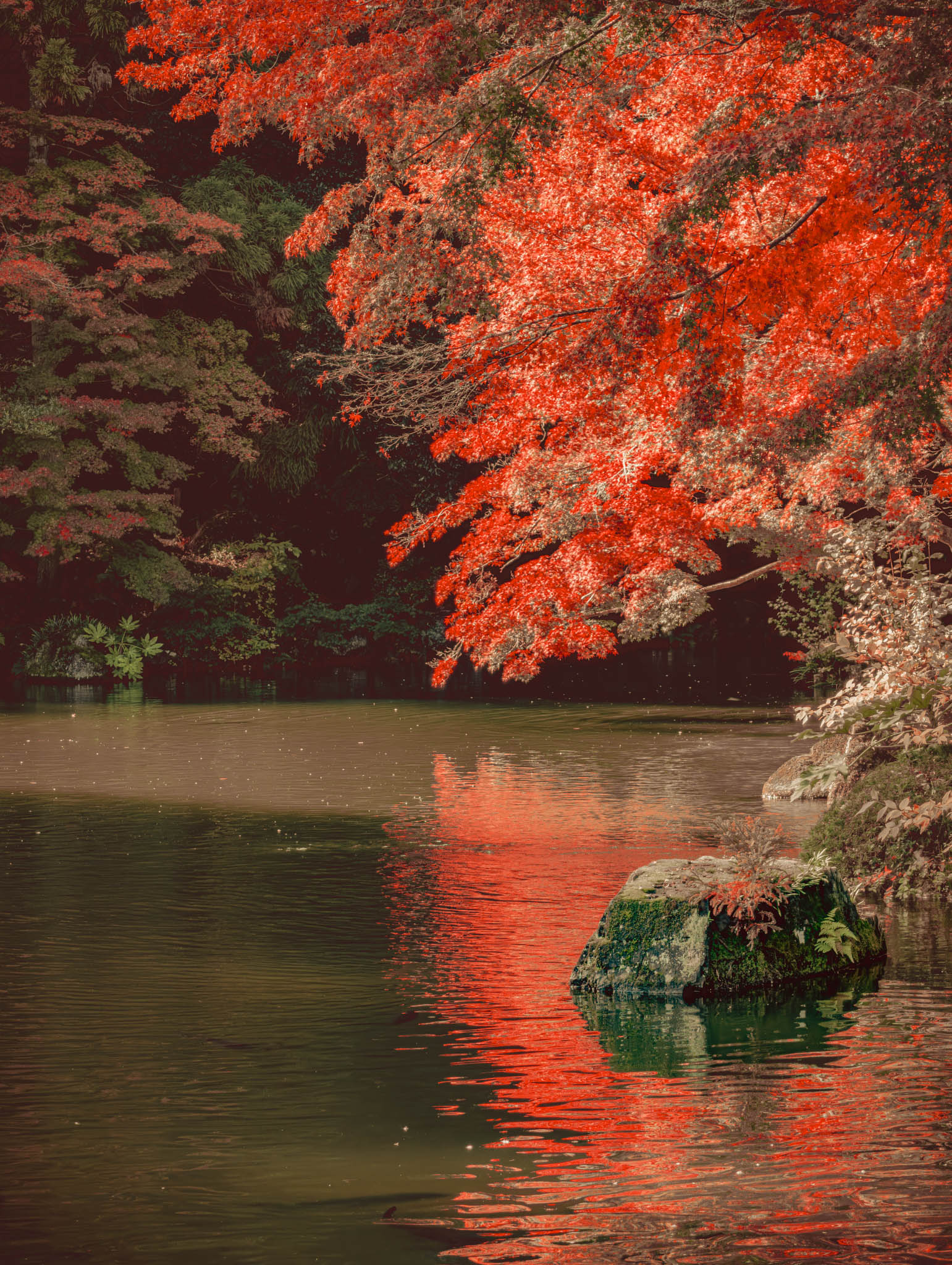
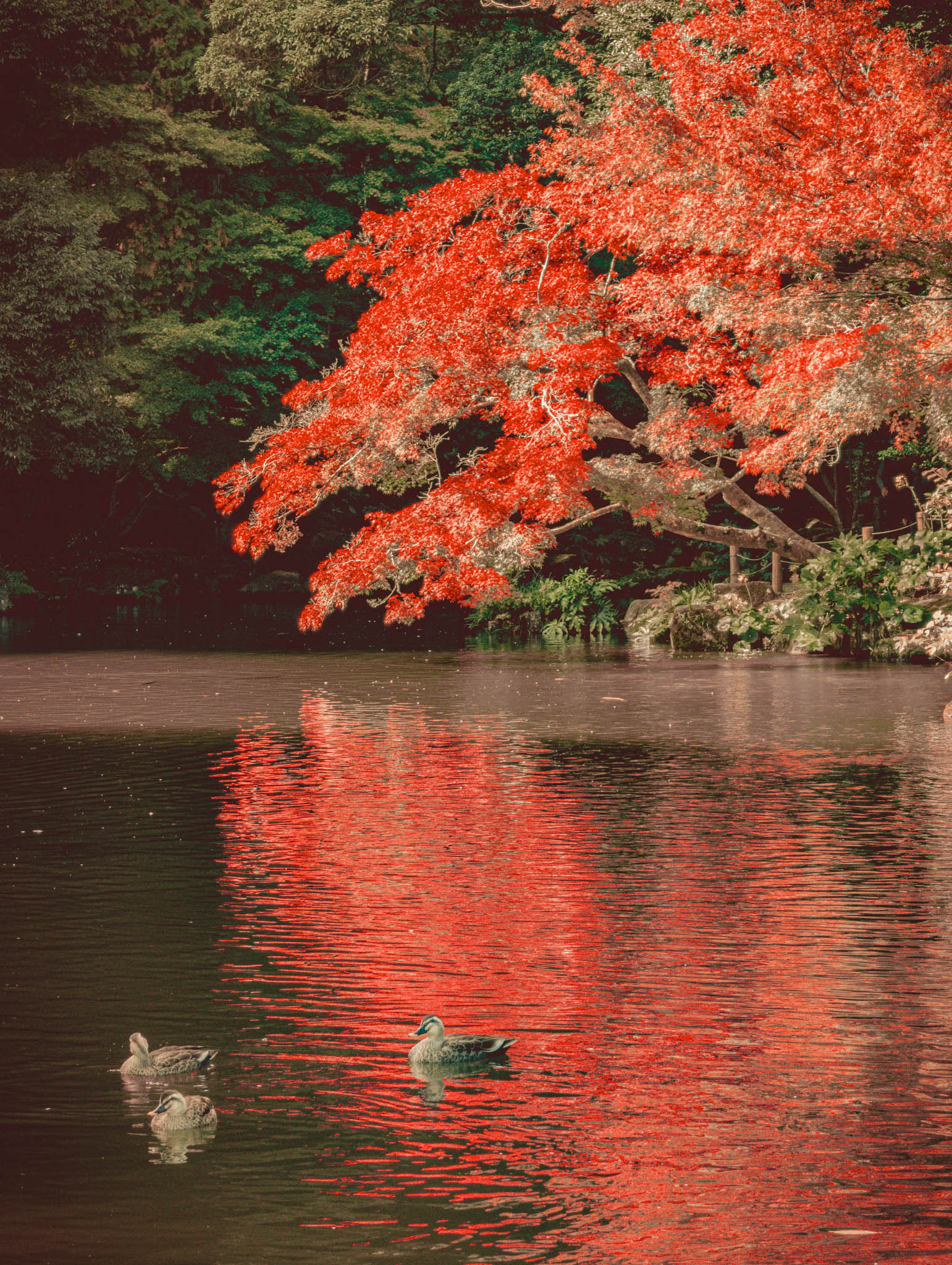
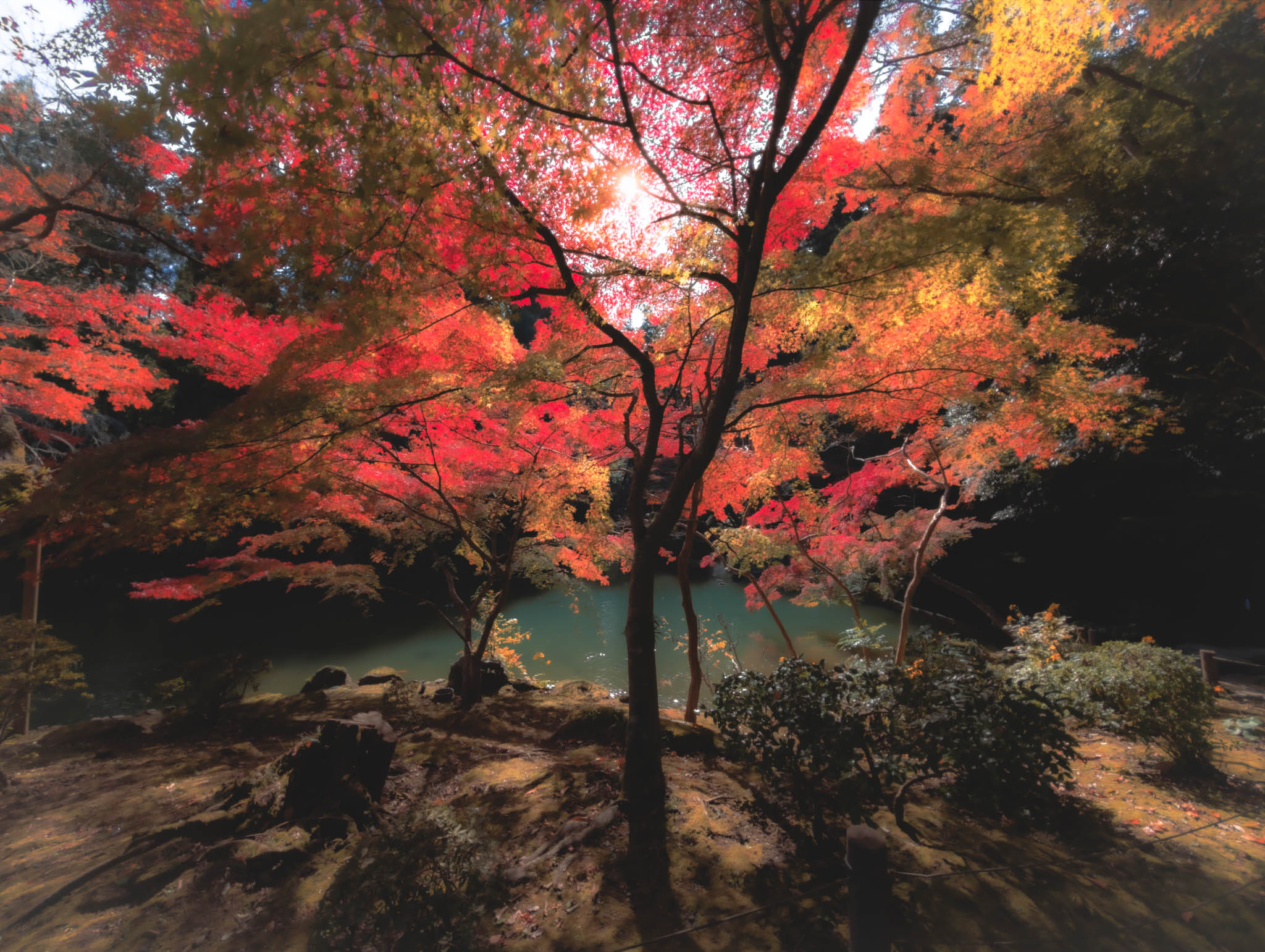
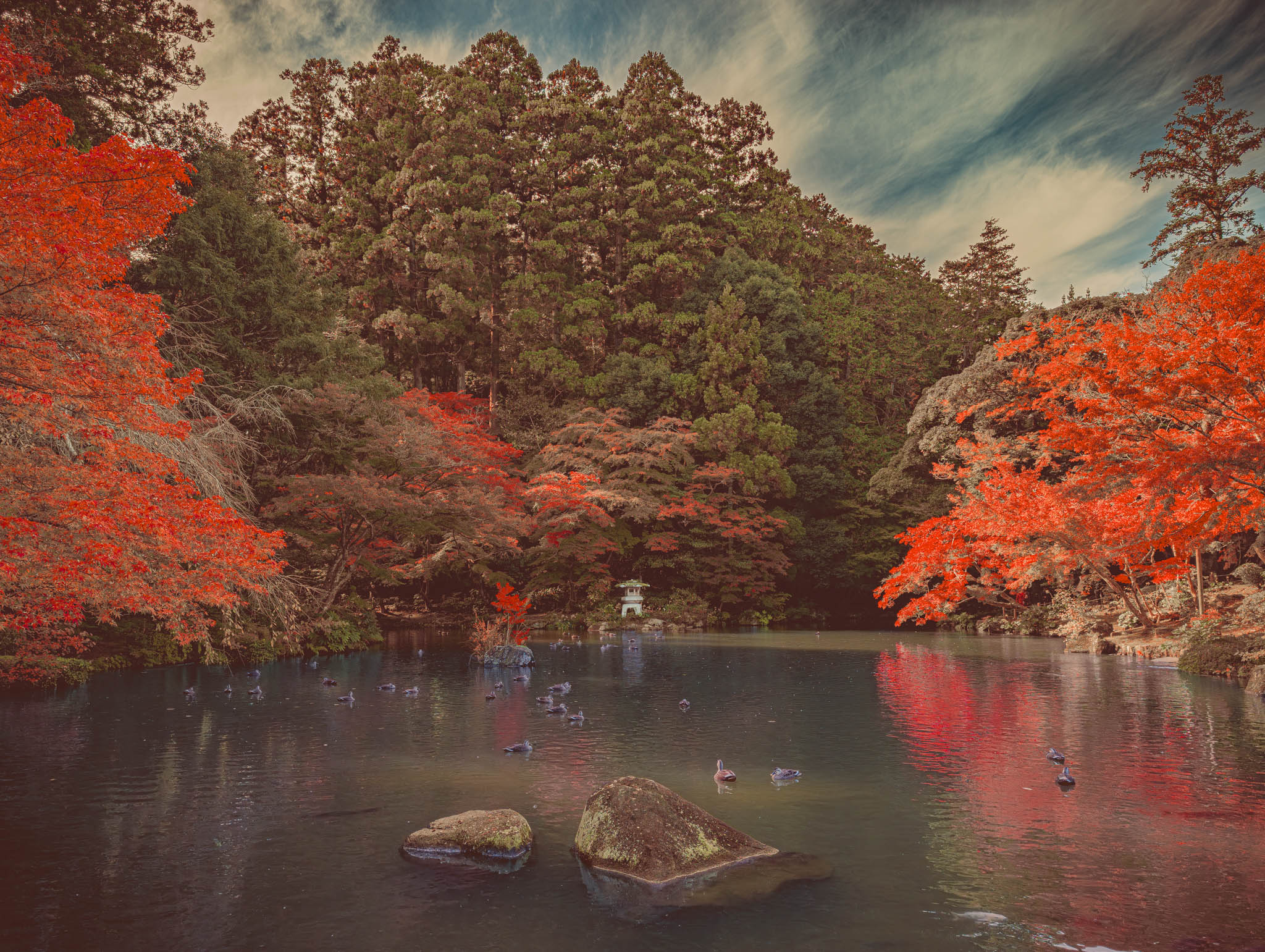
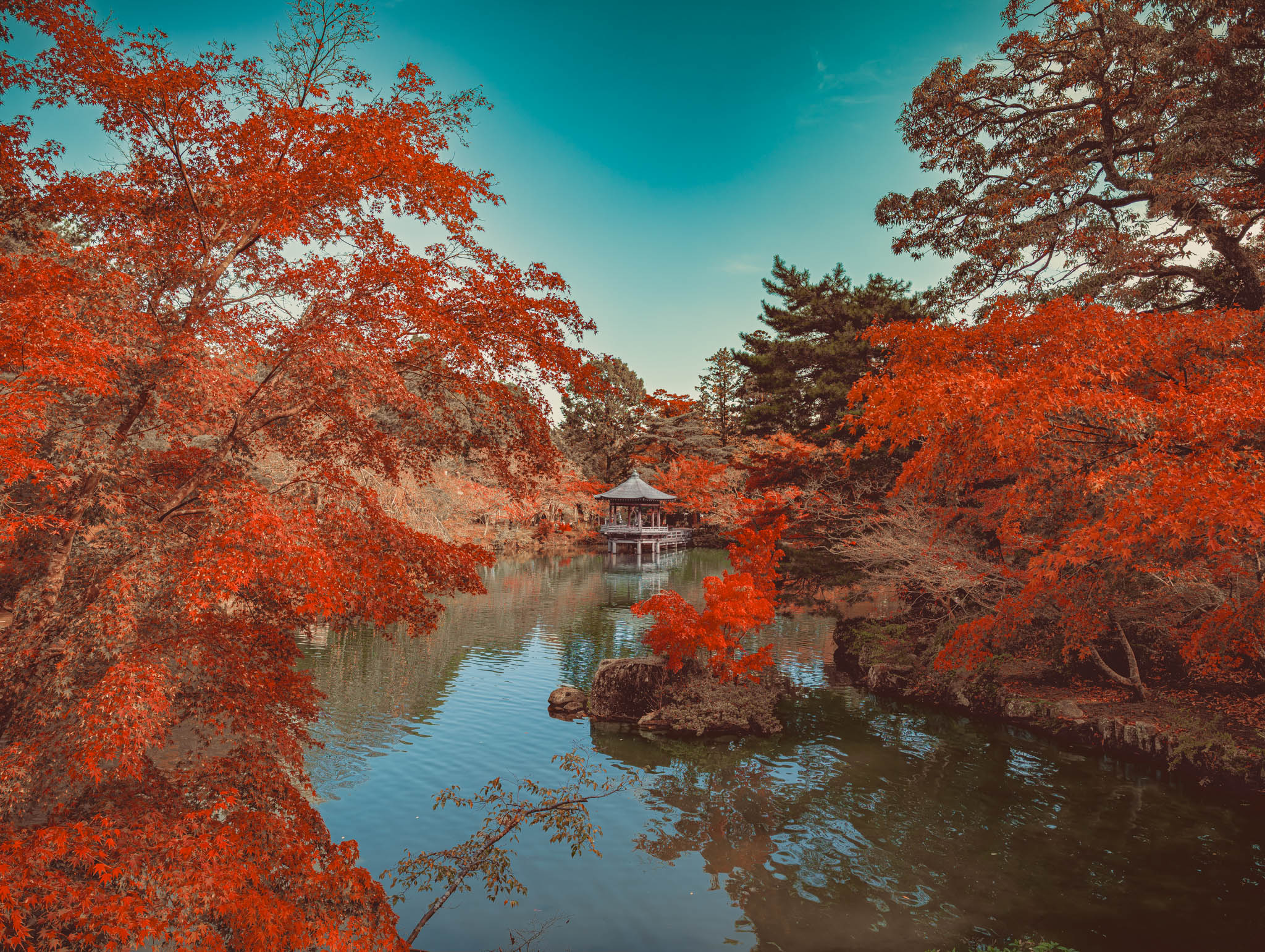
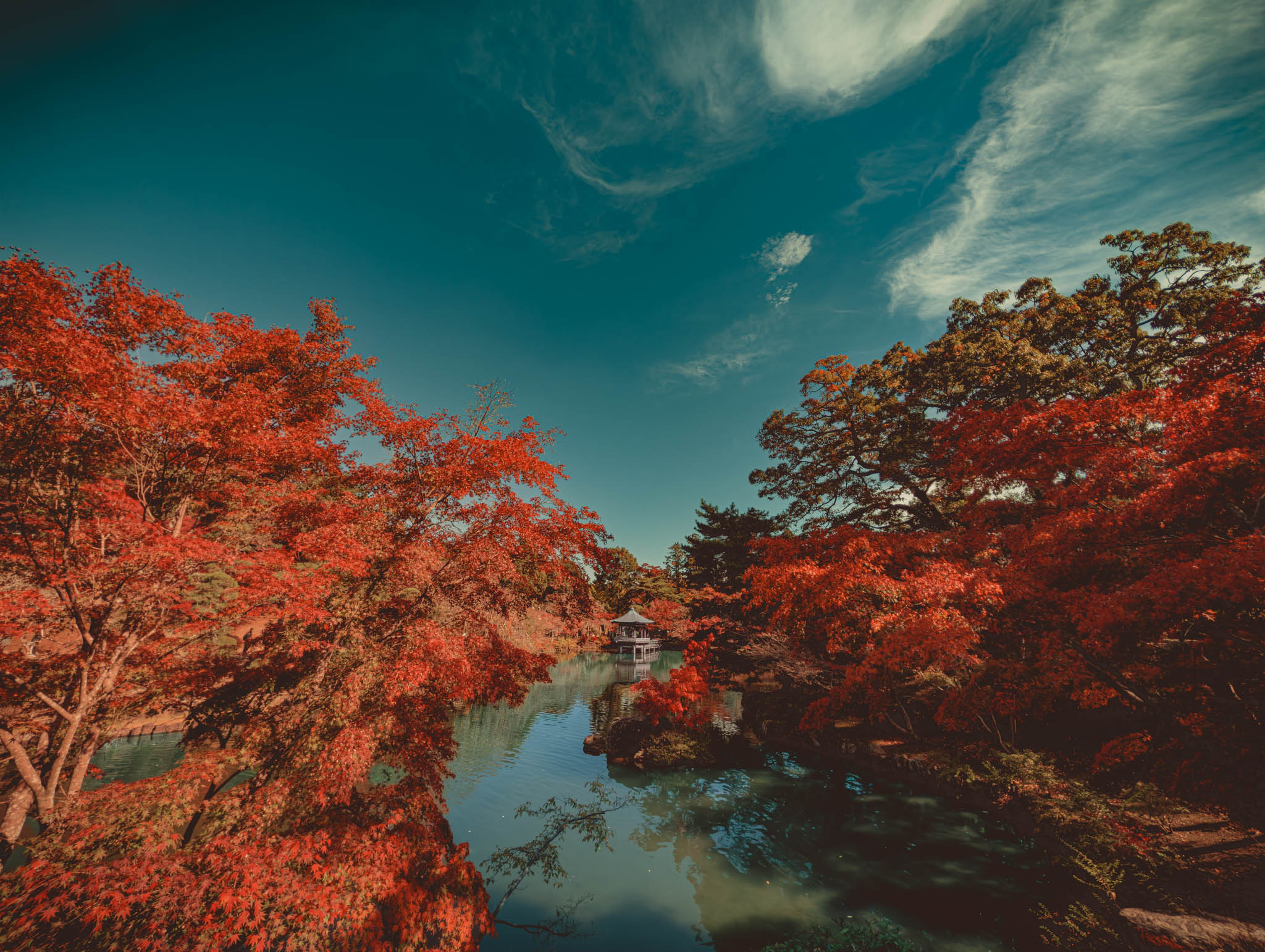
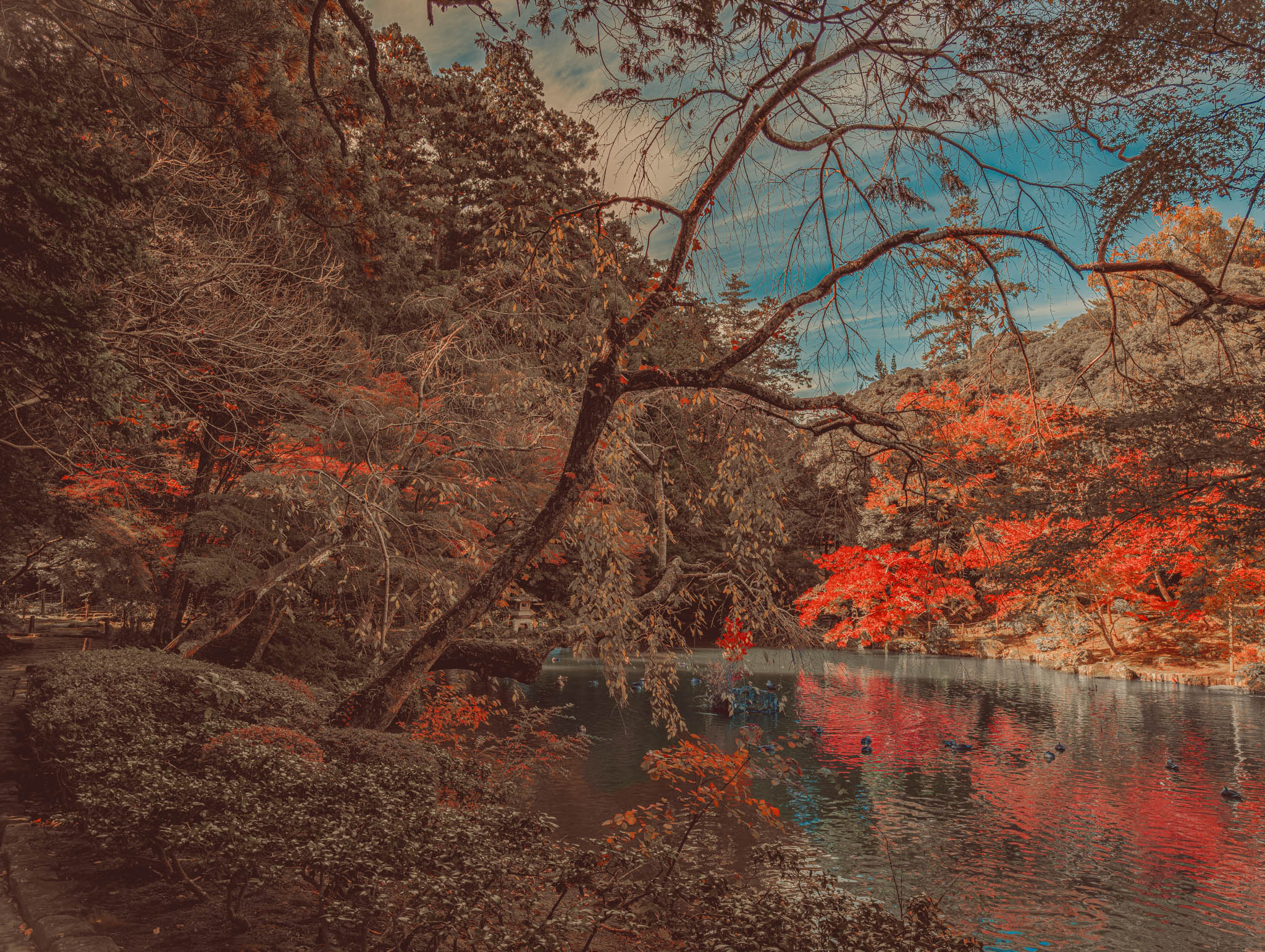
The sepulchral ambience must be affecting me. It’s a beautiful fall day, and the Japanese maples are living up to their chromatic reputation. But I find myself dwelling on the fact that I recently turned a year older, 五十八歳. I’m almost an old man — 老翁 — by my own unrealistic standards. Tonight I will spend fifteen restless hours in a constricted airliner cabin, something like a pressurized version of the bardo, before I can return to my American life. I’ve been studying Japanese for almost a year. I’m leaving again; what have I learned and why?
And will I return again? Will I live to return again?