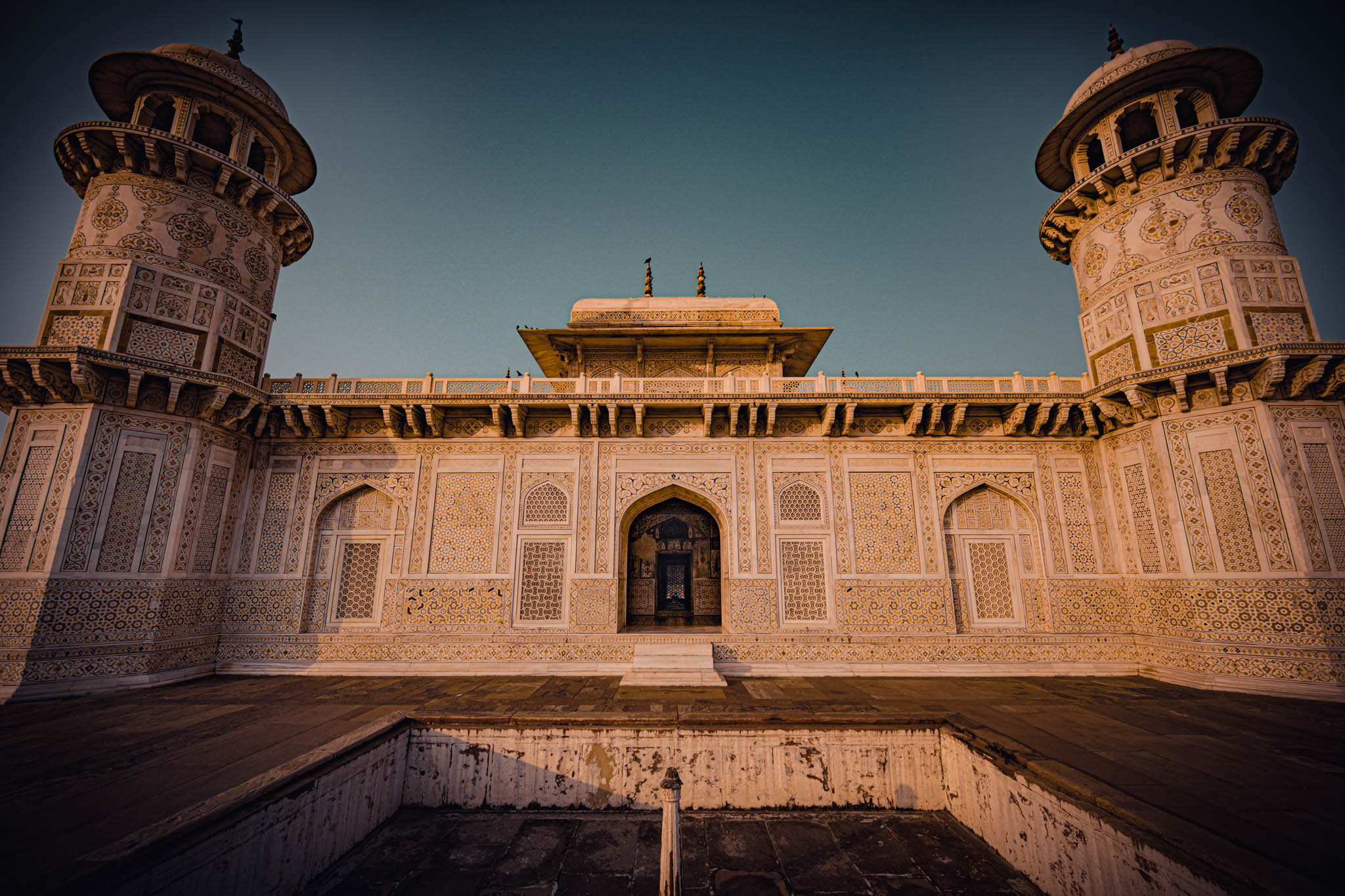
Bachcha Taj. Bacha Taj. Baby Taj.
After our guide used that term for the third time this afternoon, I “docked” him a few more points on the mental scorecard that I was keeping of his efforts. There was a note of contempt in his use of the specious diminutive. During the coach ride from Delhi he had told us all about his family’s suffering and the shelling of his childhood home during Partition; it seems obvious that all Muslims, including the long-gone Timurids, were the same as far as he was concerned. And why did the foreigners obsess over their historic piles of stone when there were “real” Indian sites to visit? At least I didn’t have to browbeat him today into taking us to the mausoleum, as I did with Humayun’s Tomb when he attempted to eliminate the latter from our itinerary yesterday in Delhi.
Irritated, I find myself returning in memory to an unnerving conversation I had at the last hotel, while buying some rupees at the front desk before we departed. The concierge was casually — as if discussing a forecast for pleasant weather — going on about how wonderful it was that some new Indian WMD has just come on-line, as the press had enthusiastically reported.
Now India would show the Pakistani something, the next time they cause problems in Kashmir!
It took all of my willpower to keep smiling normally and resist the impulse to back away slowly — at least until I had my cash.
Maybe I should dock the whole country a few points.
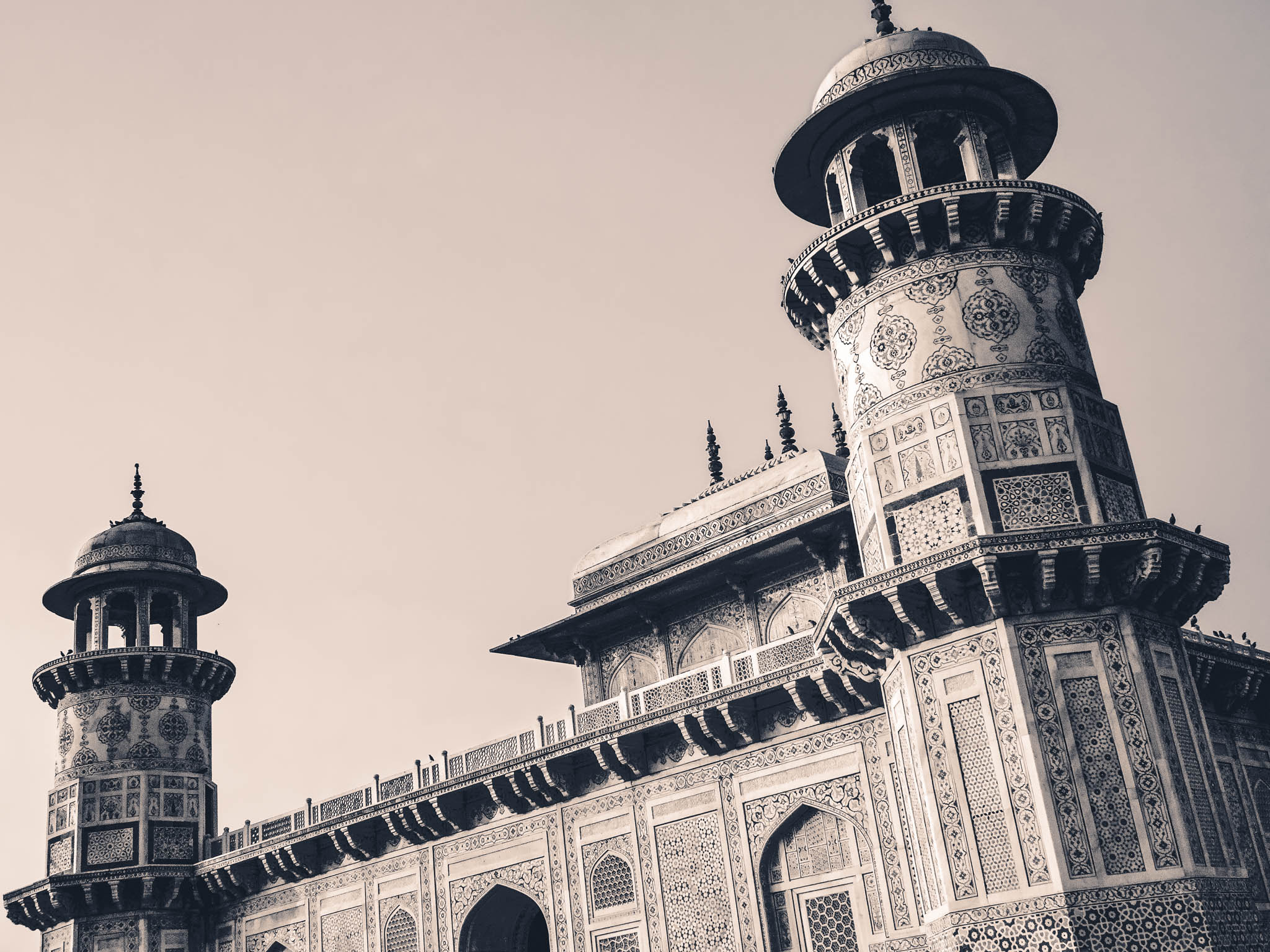
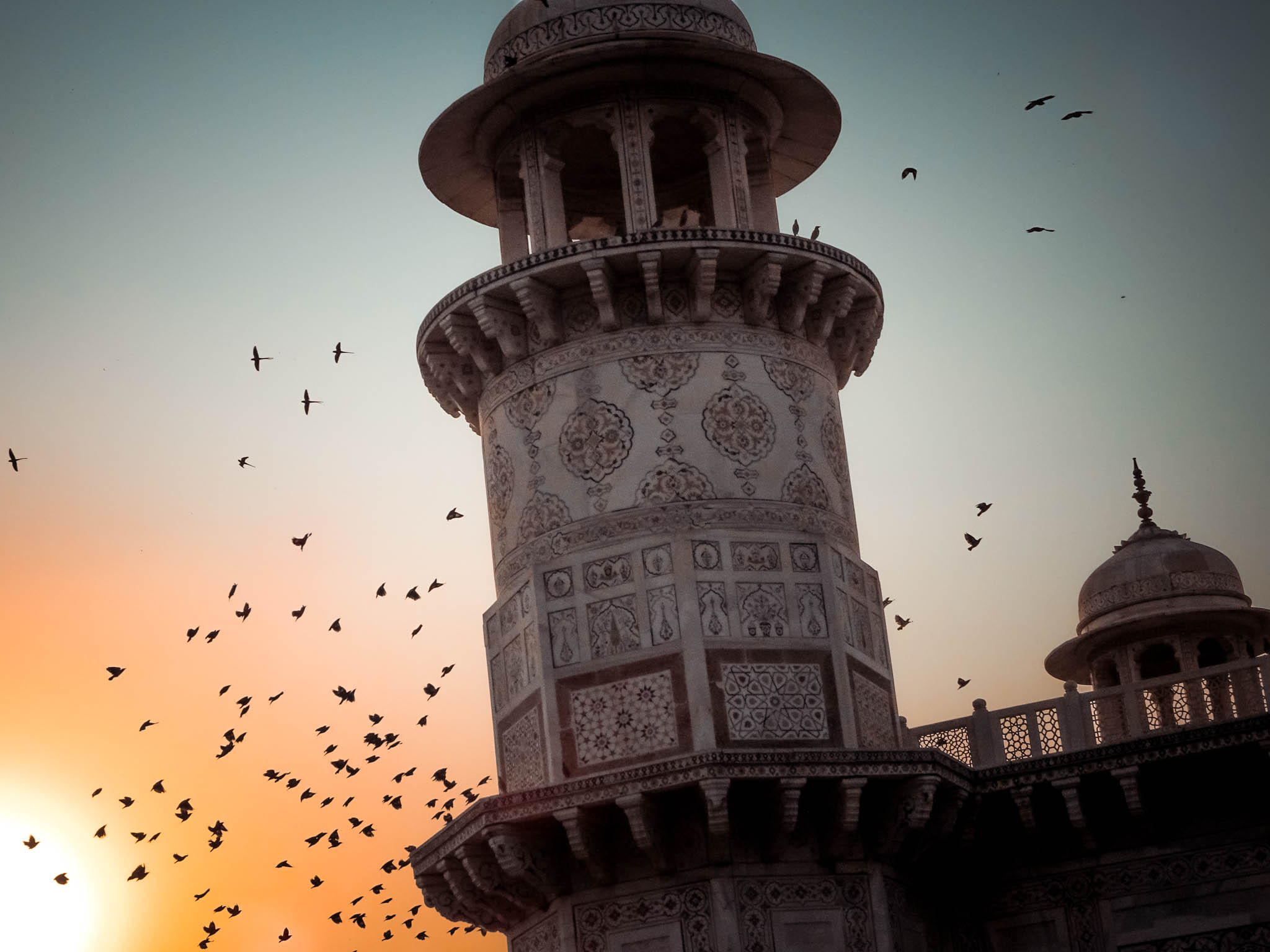
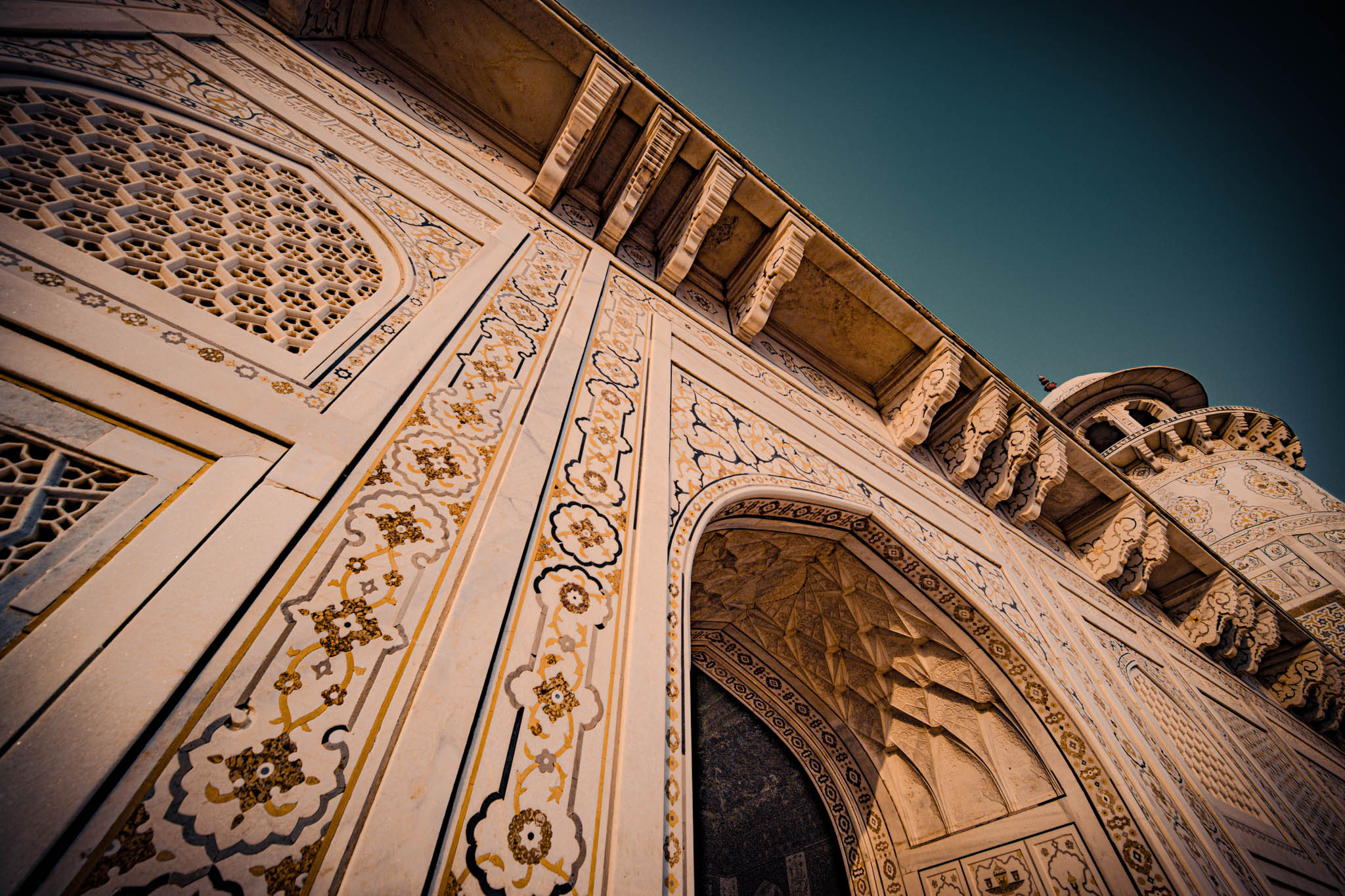
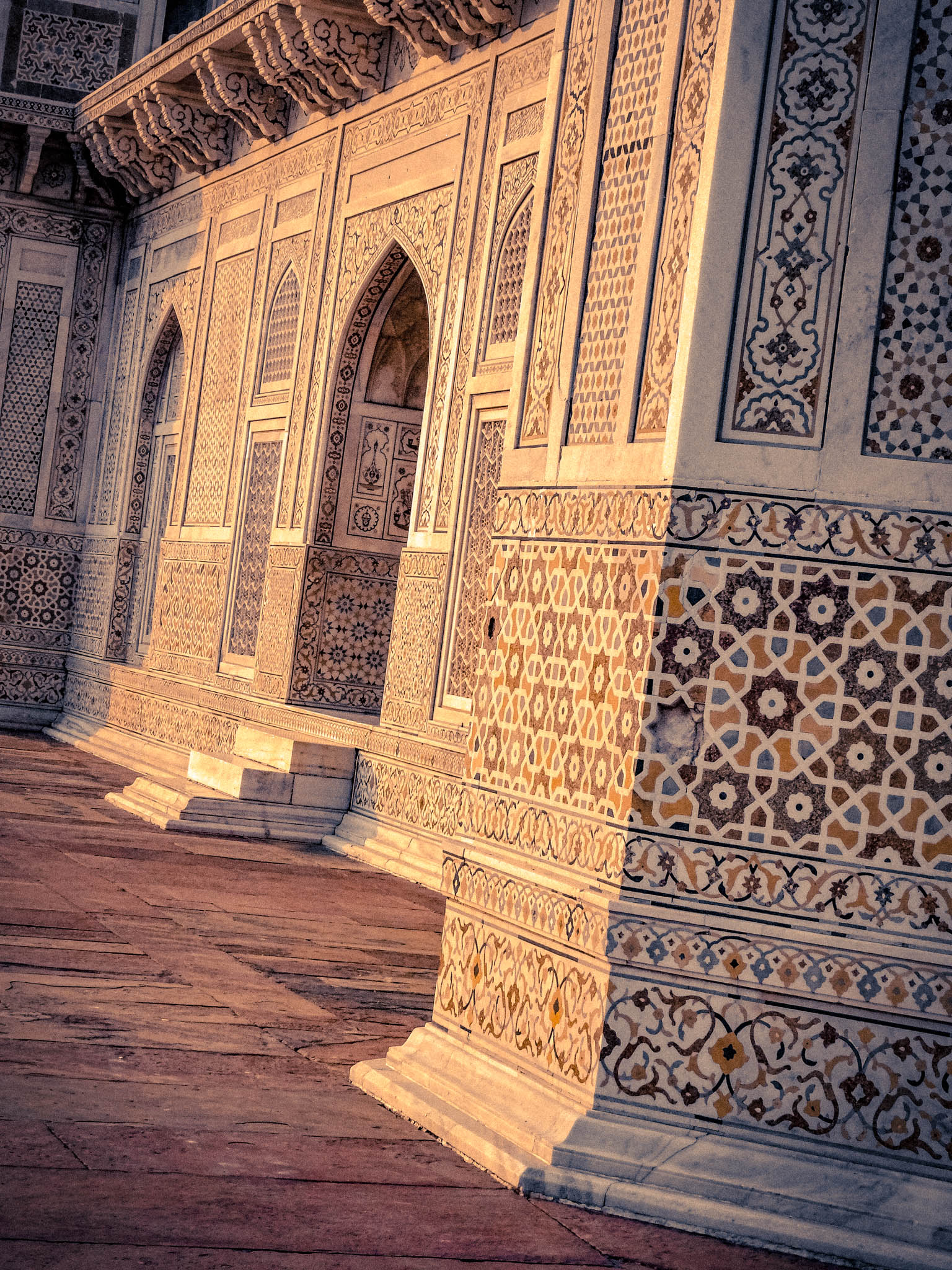
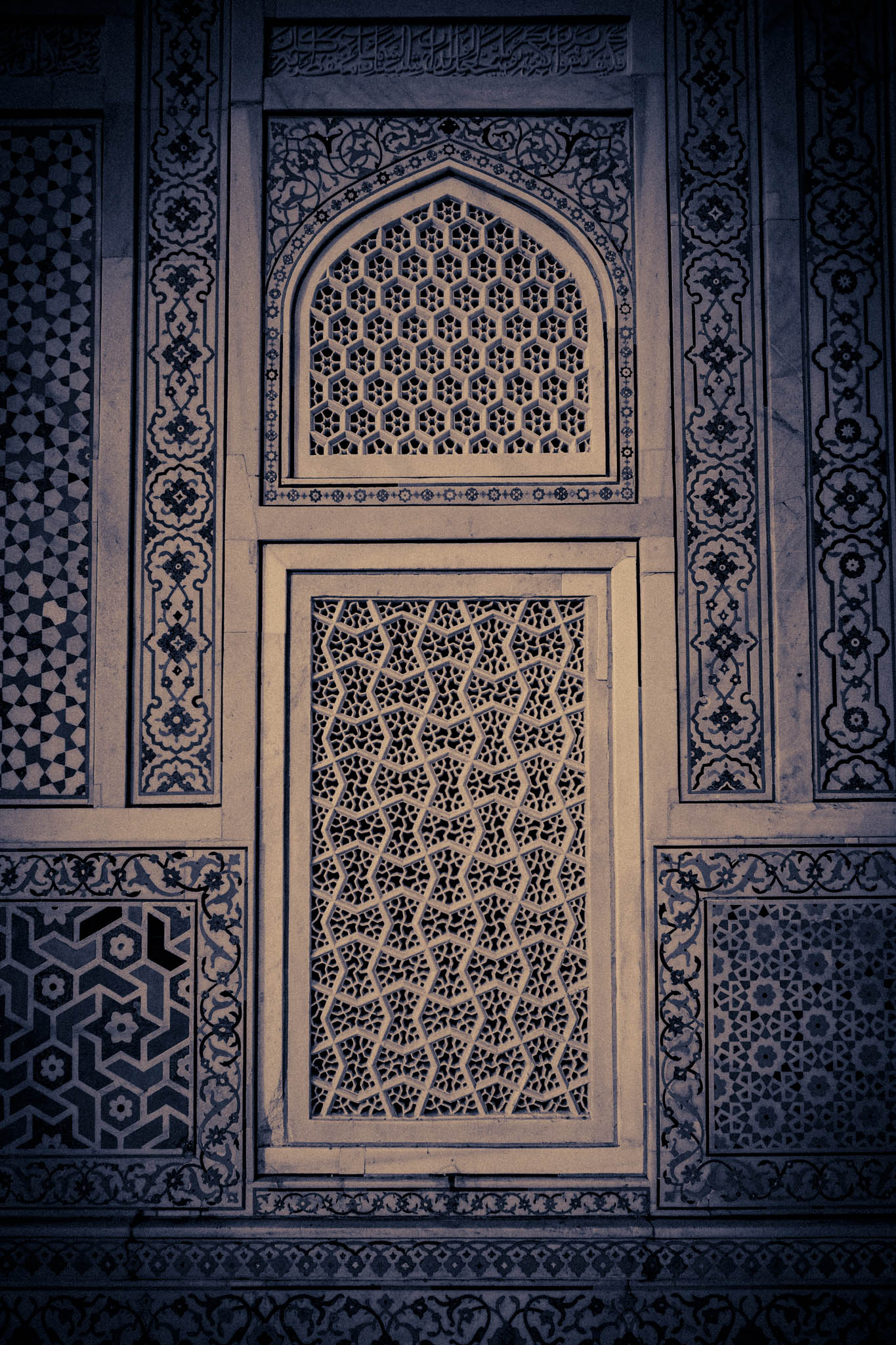
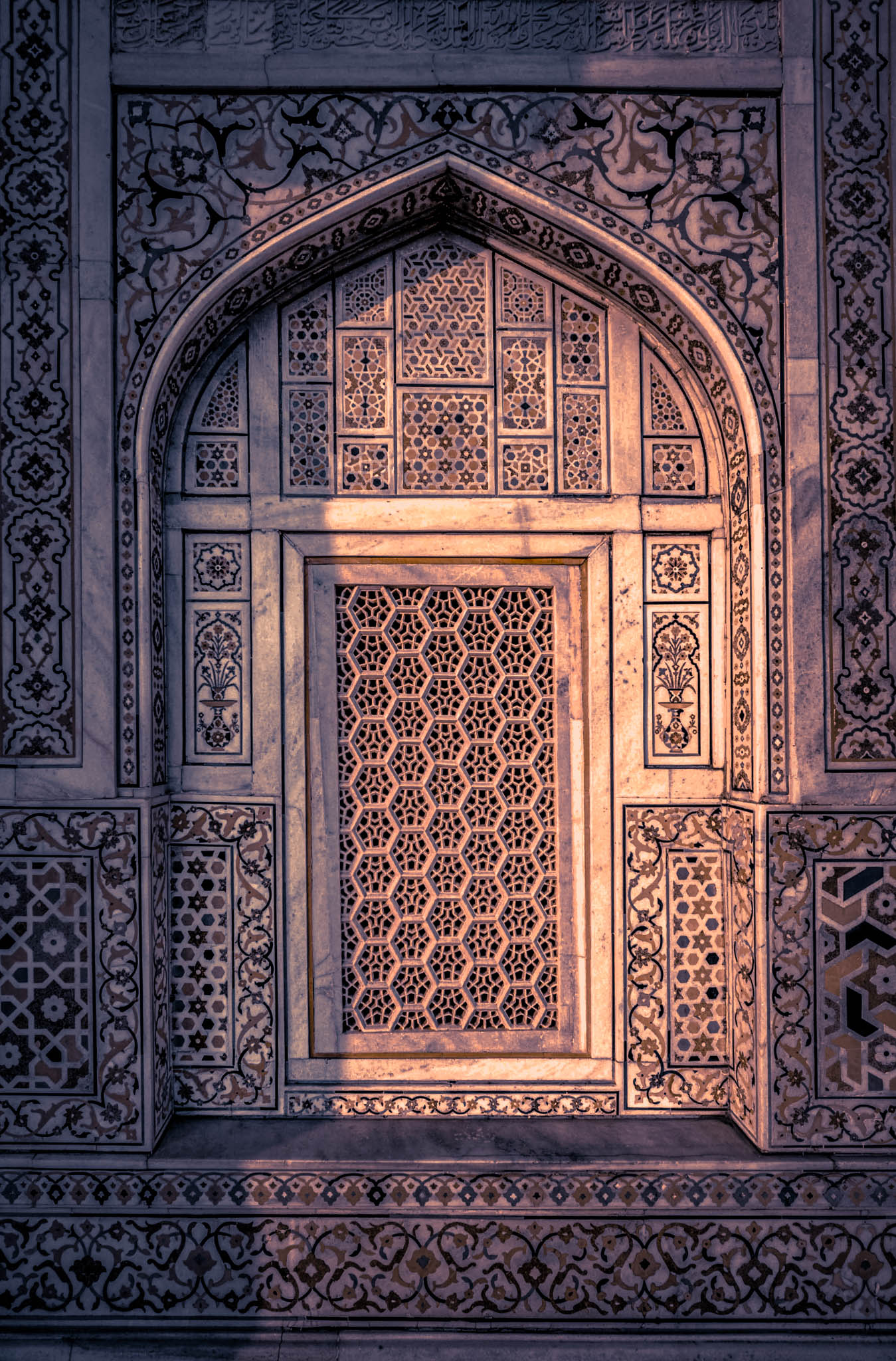
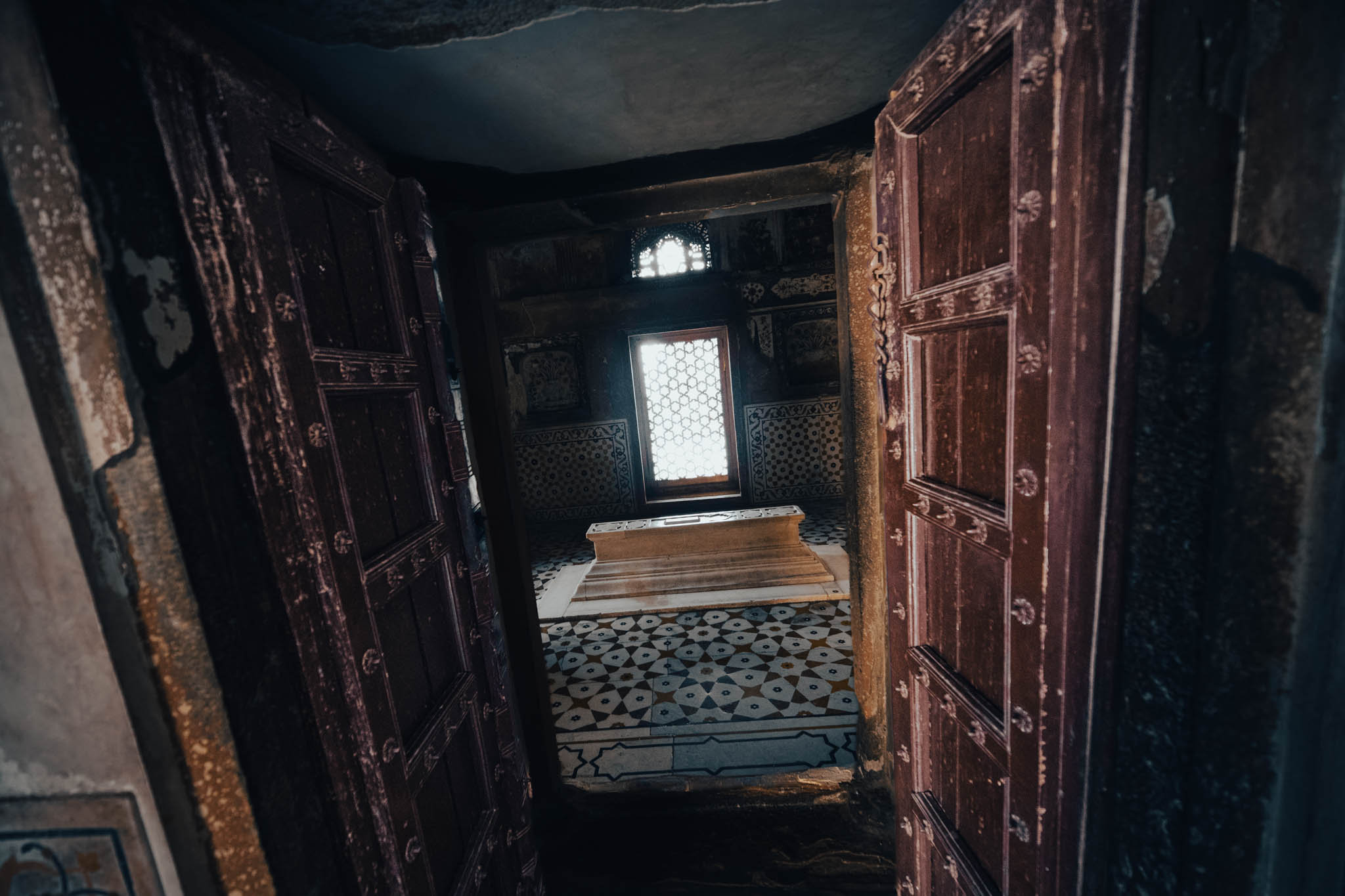
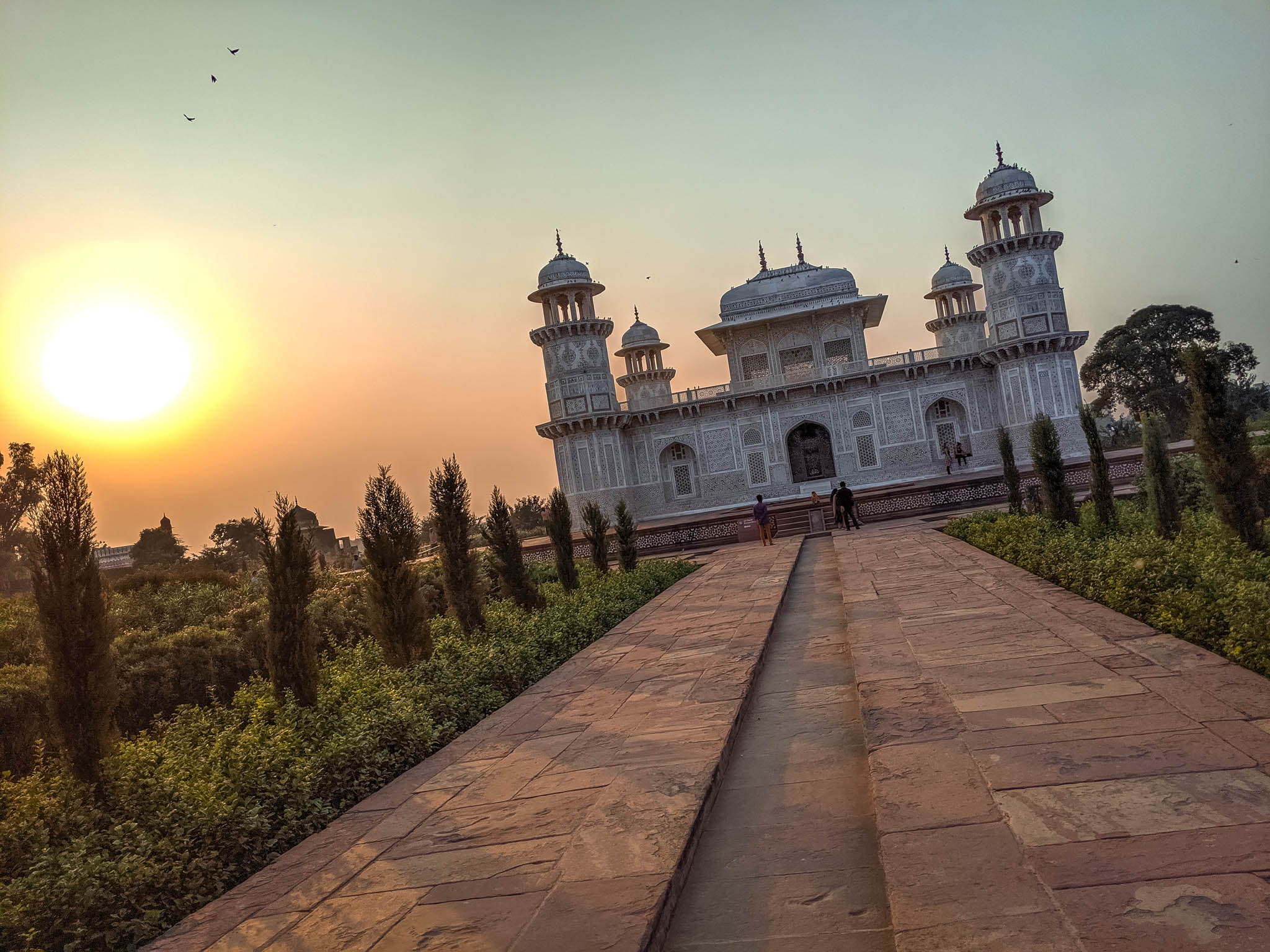
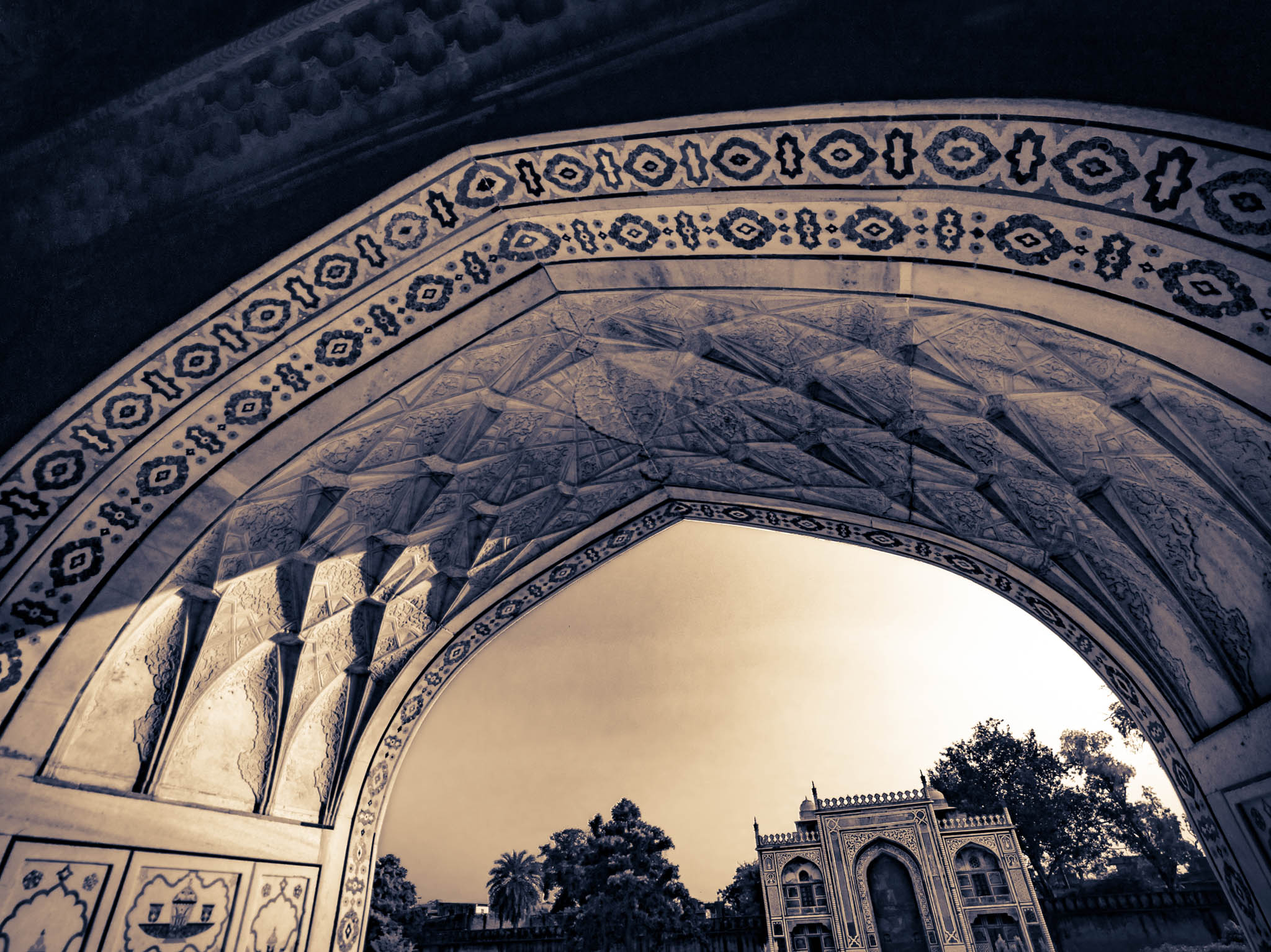
The Agra mausoleum (maqbara) of Mirza Ghiyas Beg (whom the Emperor Akbar titled Itimad-ud-Daula, the Pillar of the State) and his wife Ismat Begum — the parents of the celebrated and behind-the-scenes-powerful empress Nur Jahan — did not and does not aspire to grow up to be a Taj Mahal. In fact, it was completed in 1628 only three years before the death of Mumtaz Mahal and six years before her grieving Padishah commissioned the Taj on the other side of the river. I can’t see Shah Jahan consciously taking any inspiration from the achievements of his estranged and semi-exiled stepmother after she backed his brother in the inevitable Mughal internecine war for the throne following the death of his father.
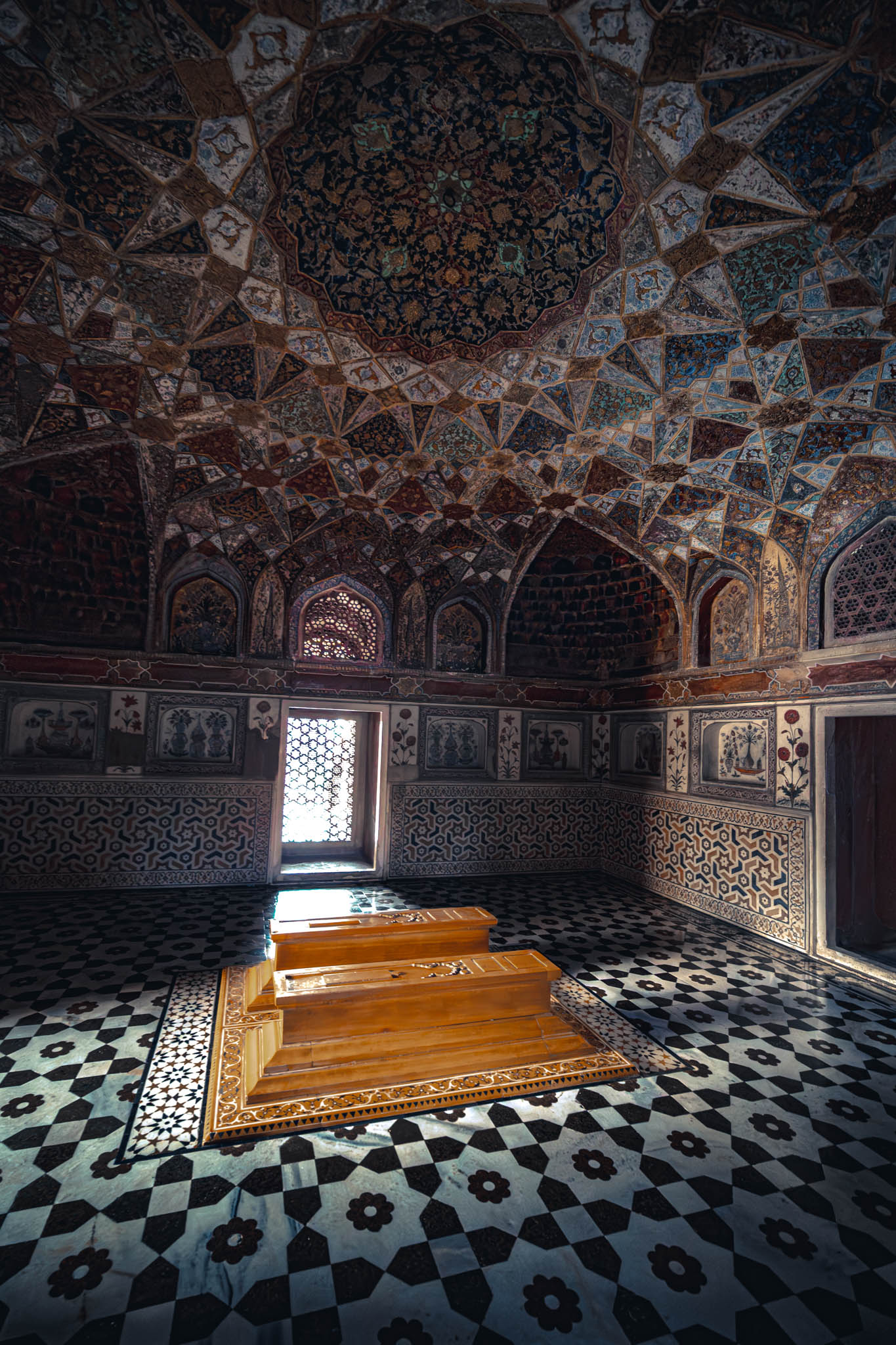
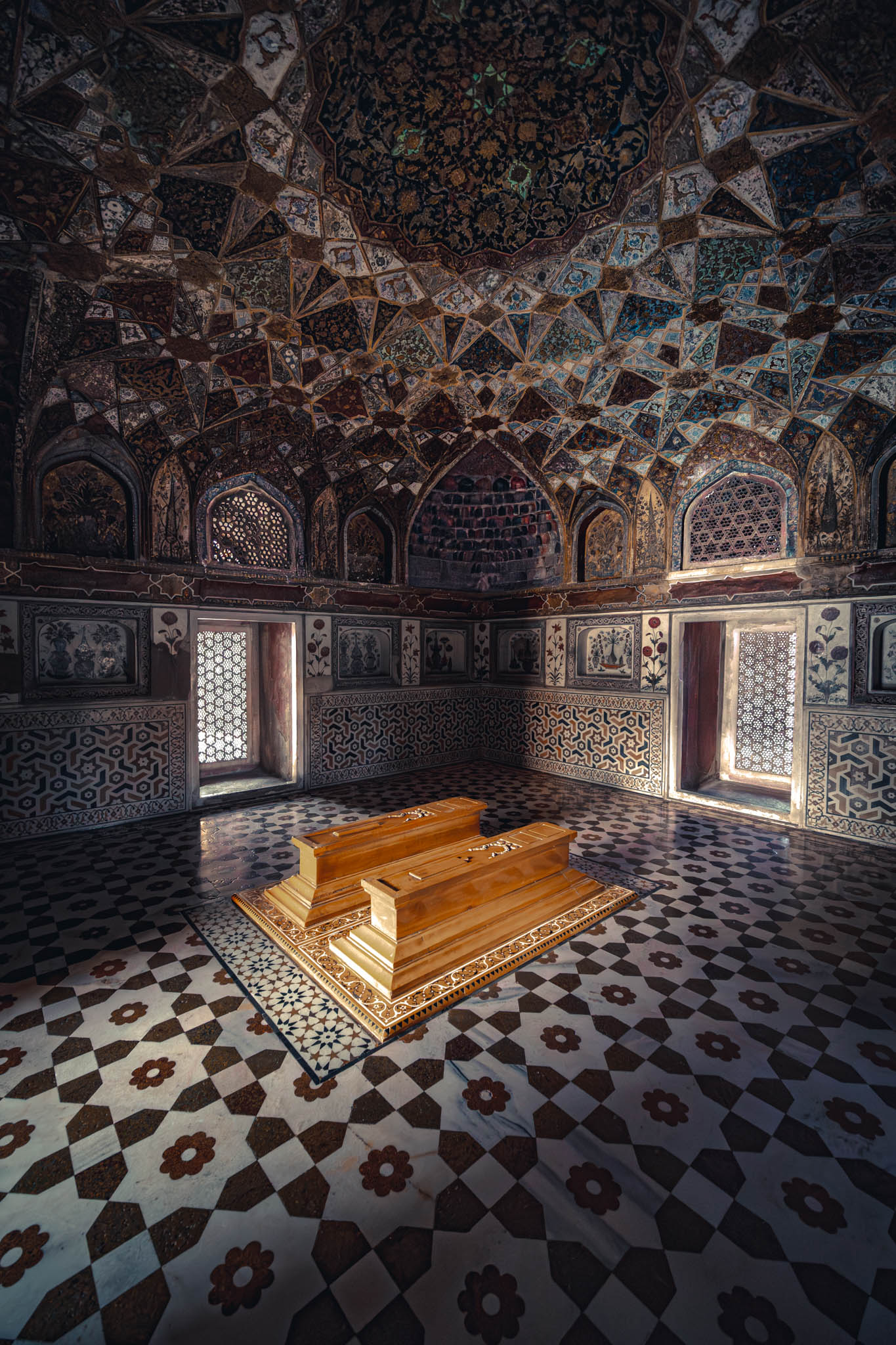
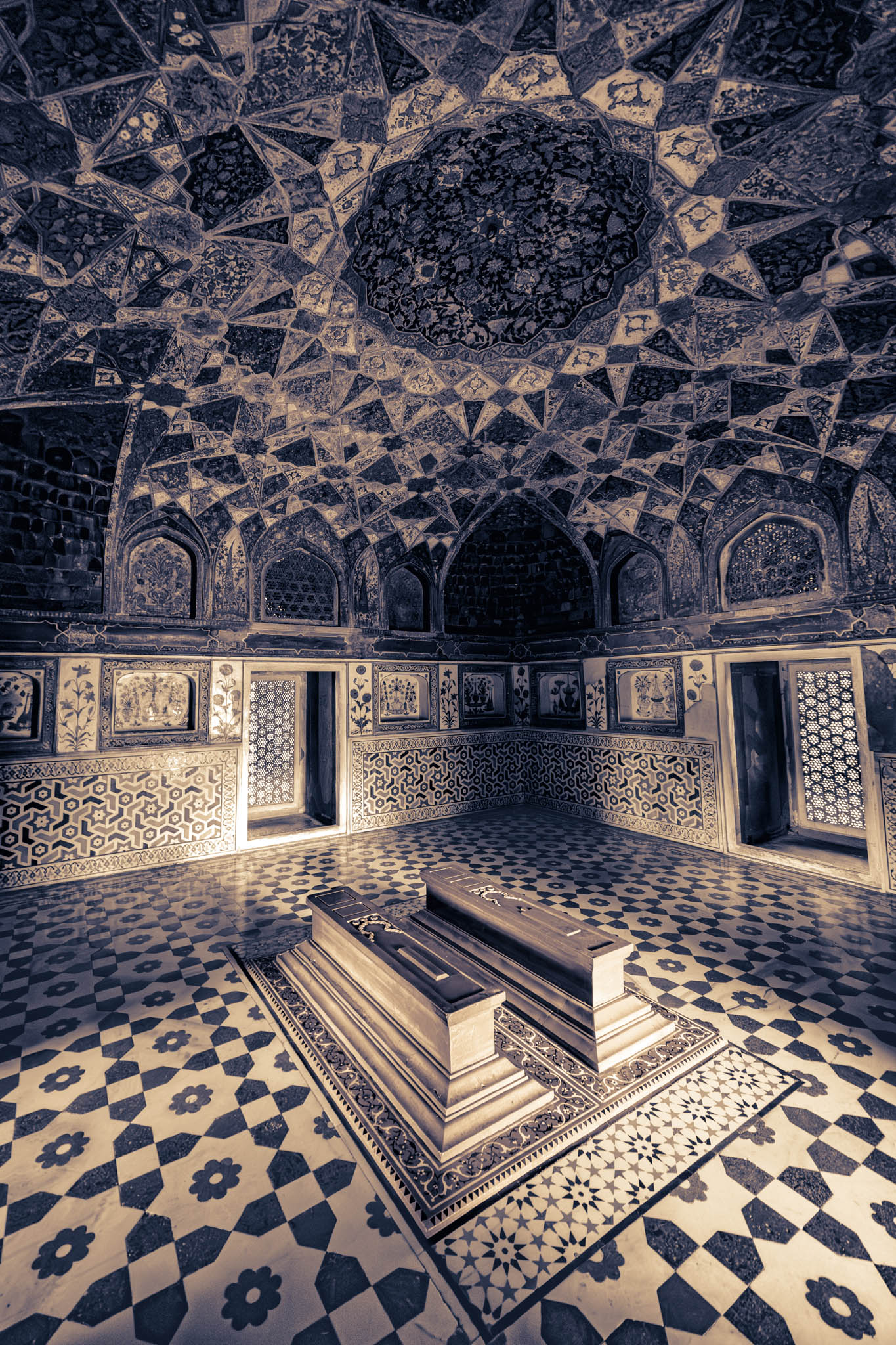
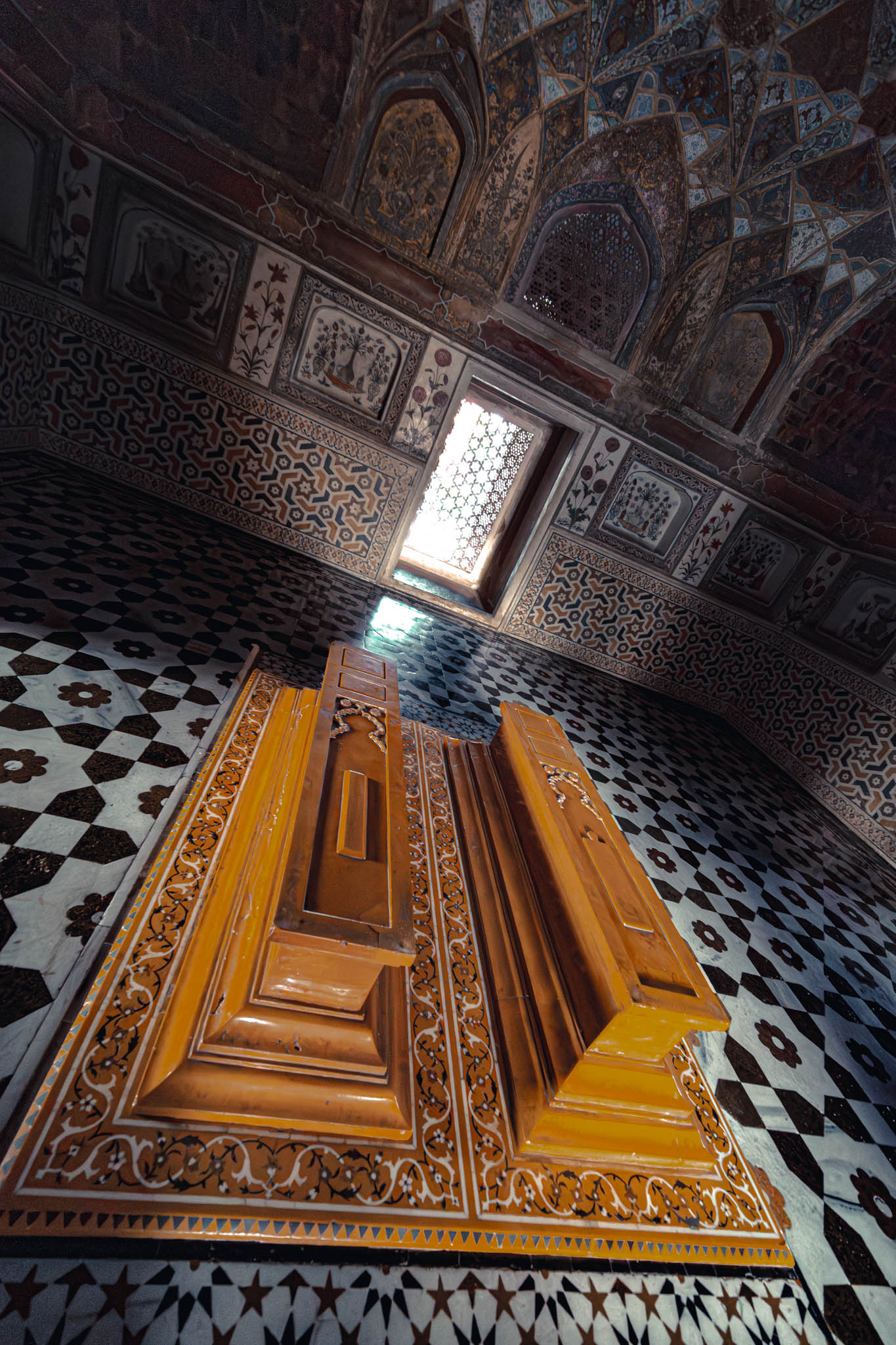
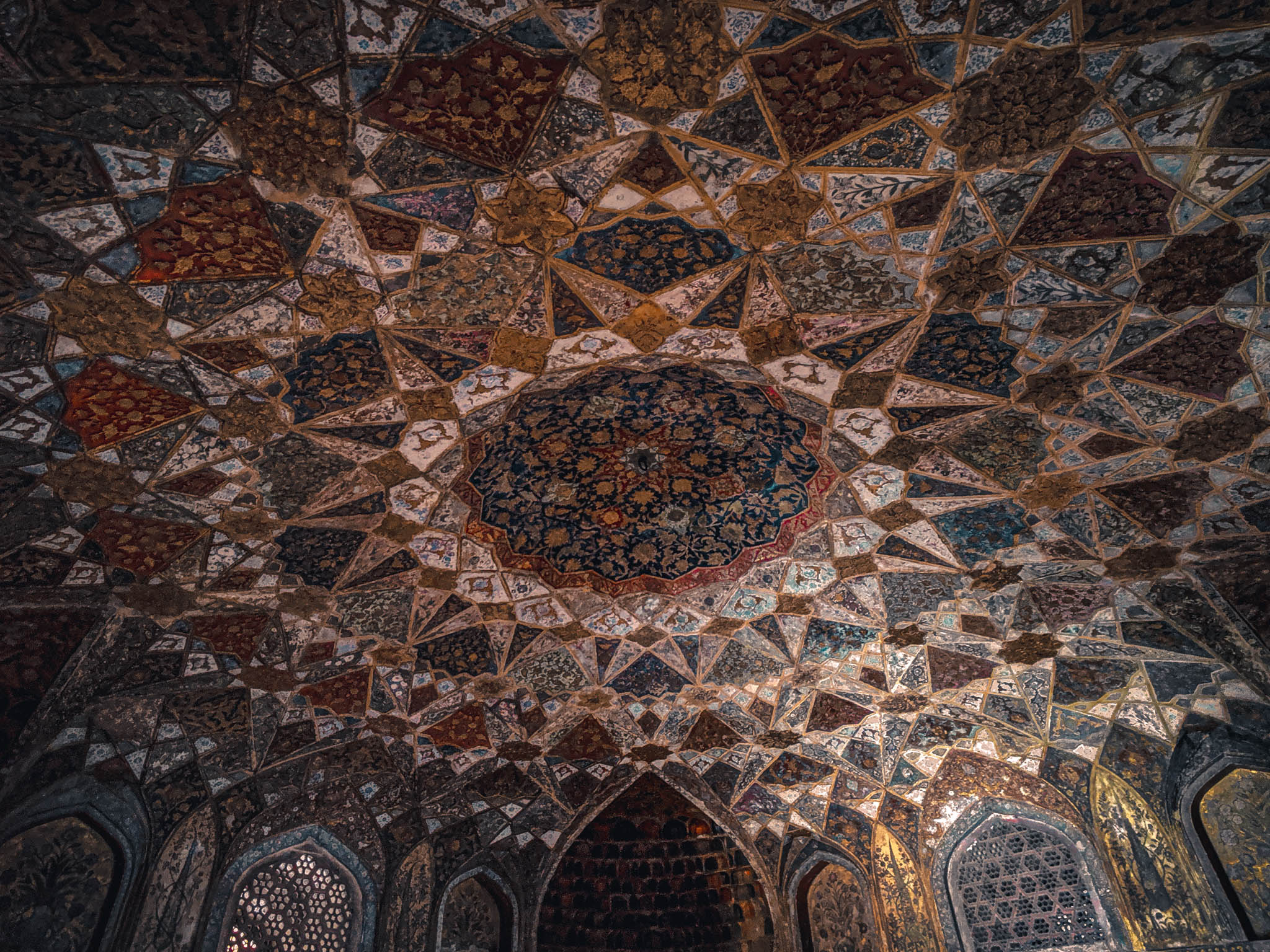
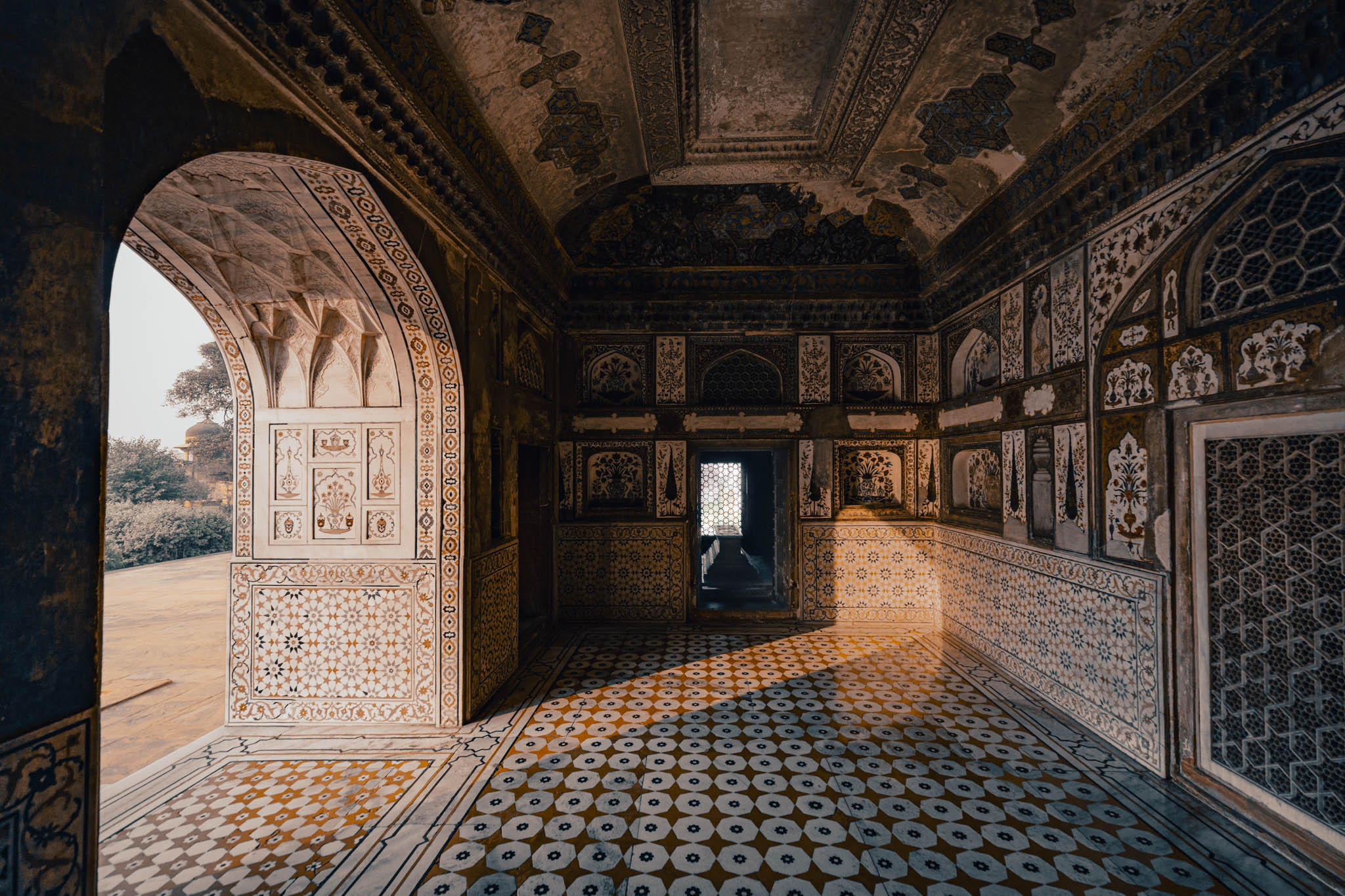
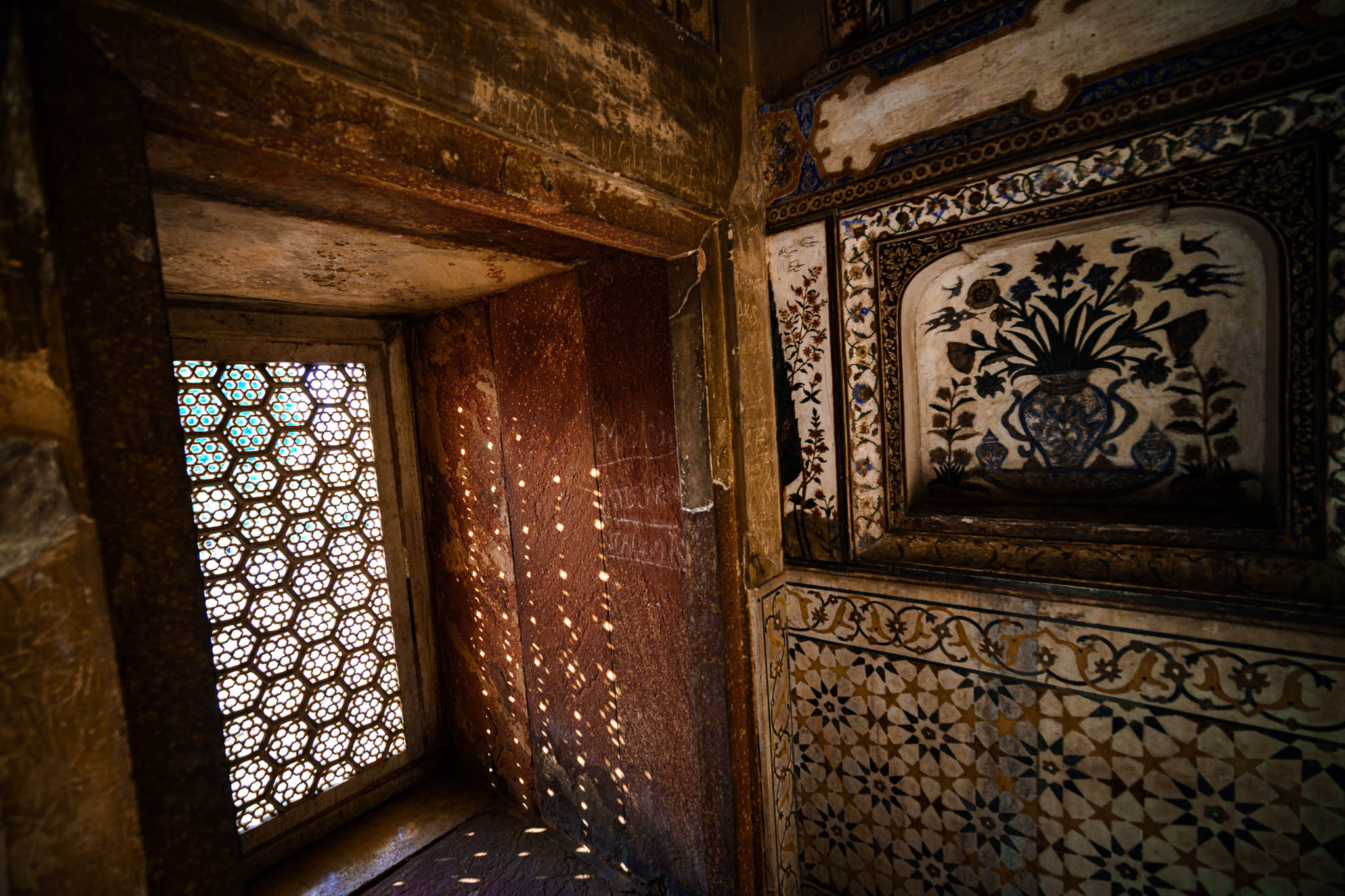
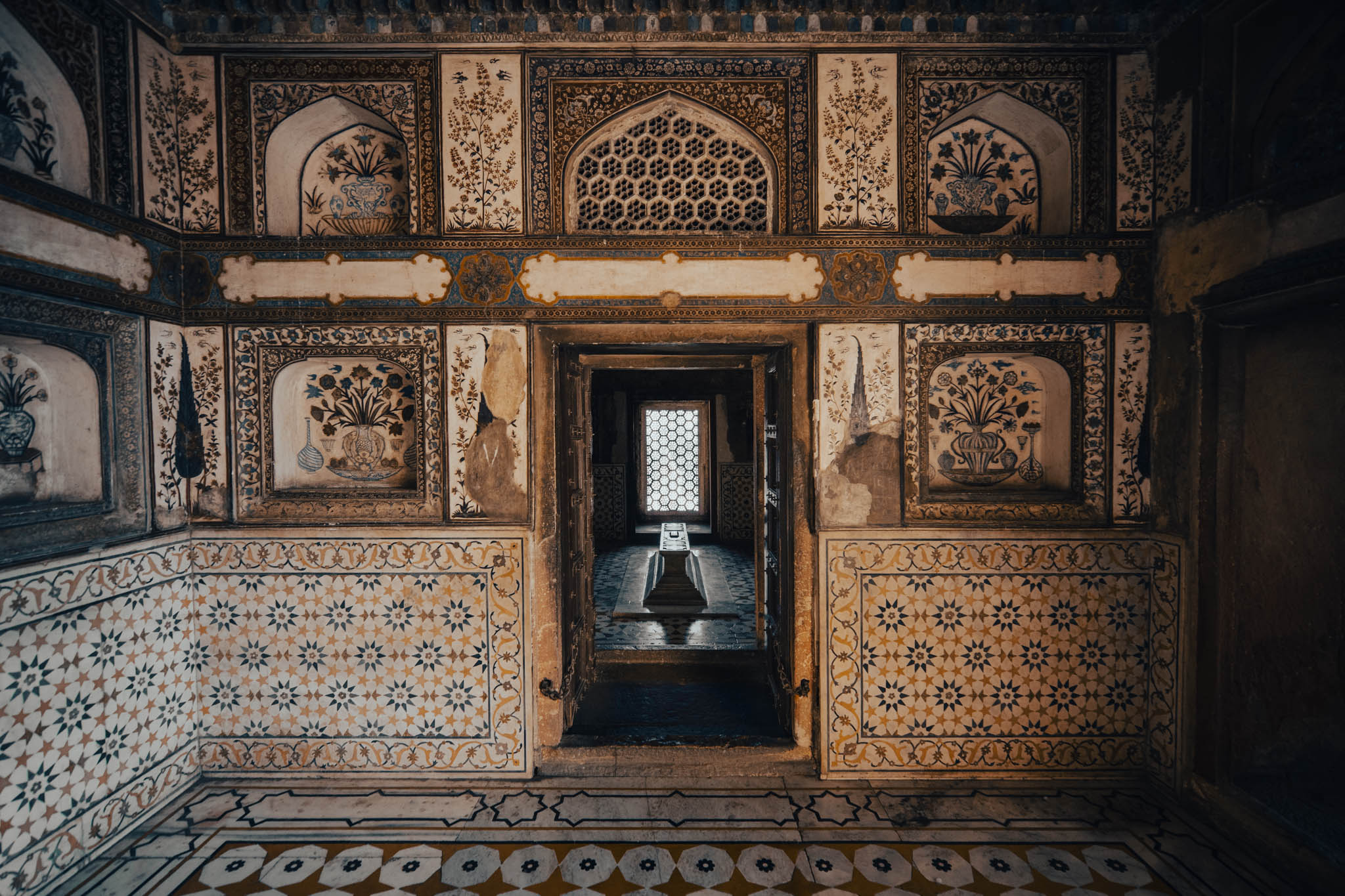
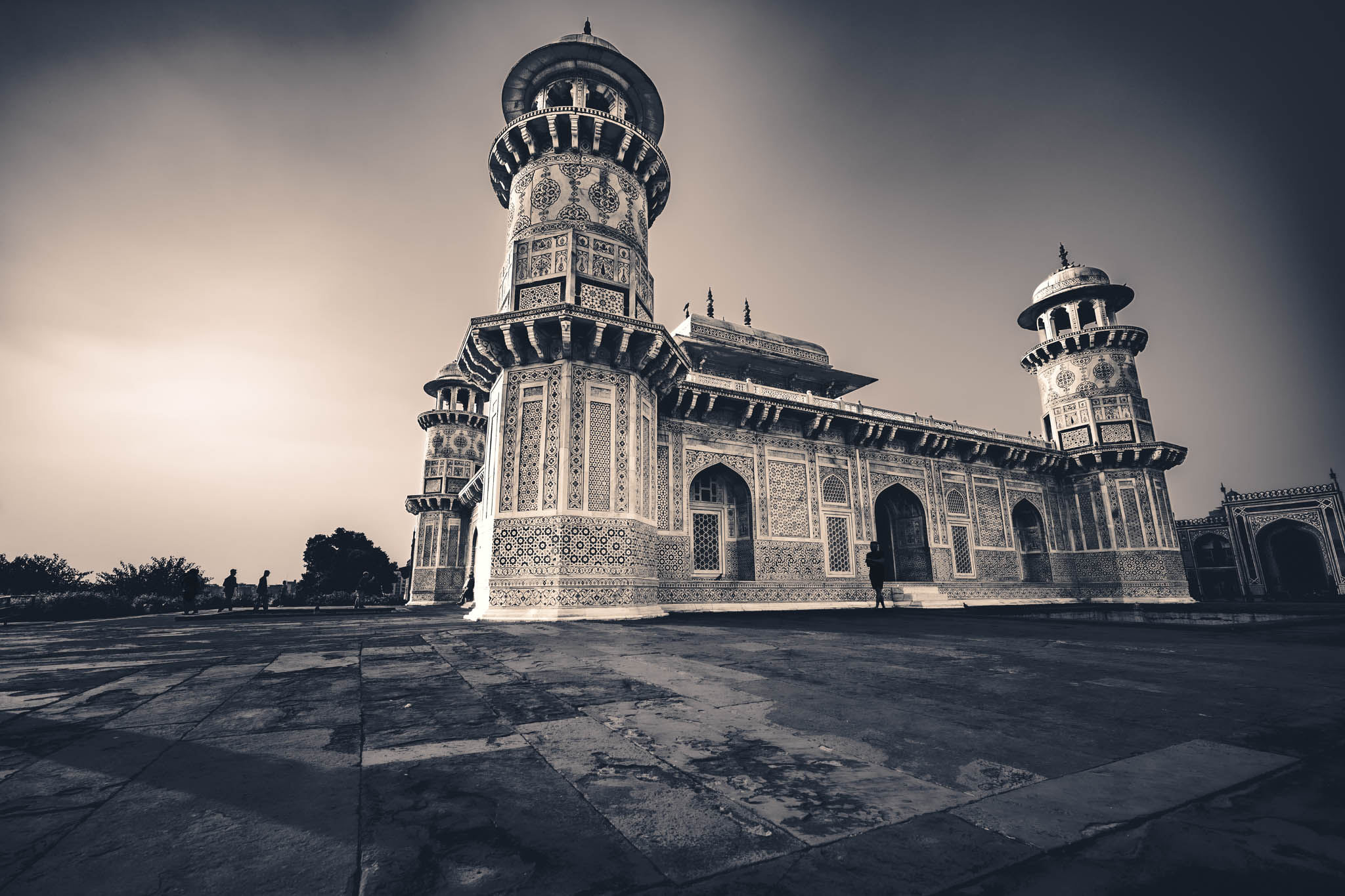
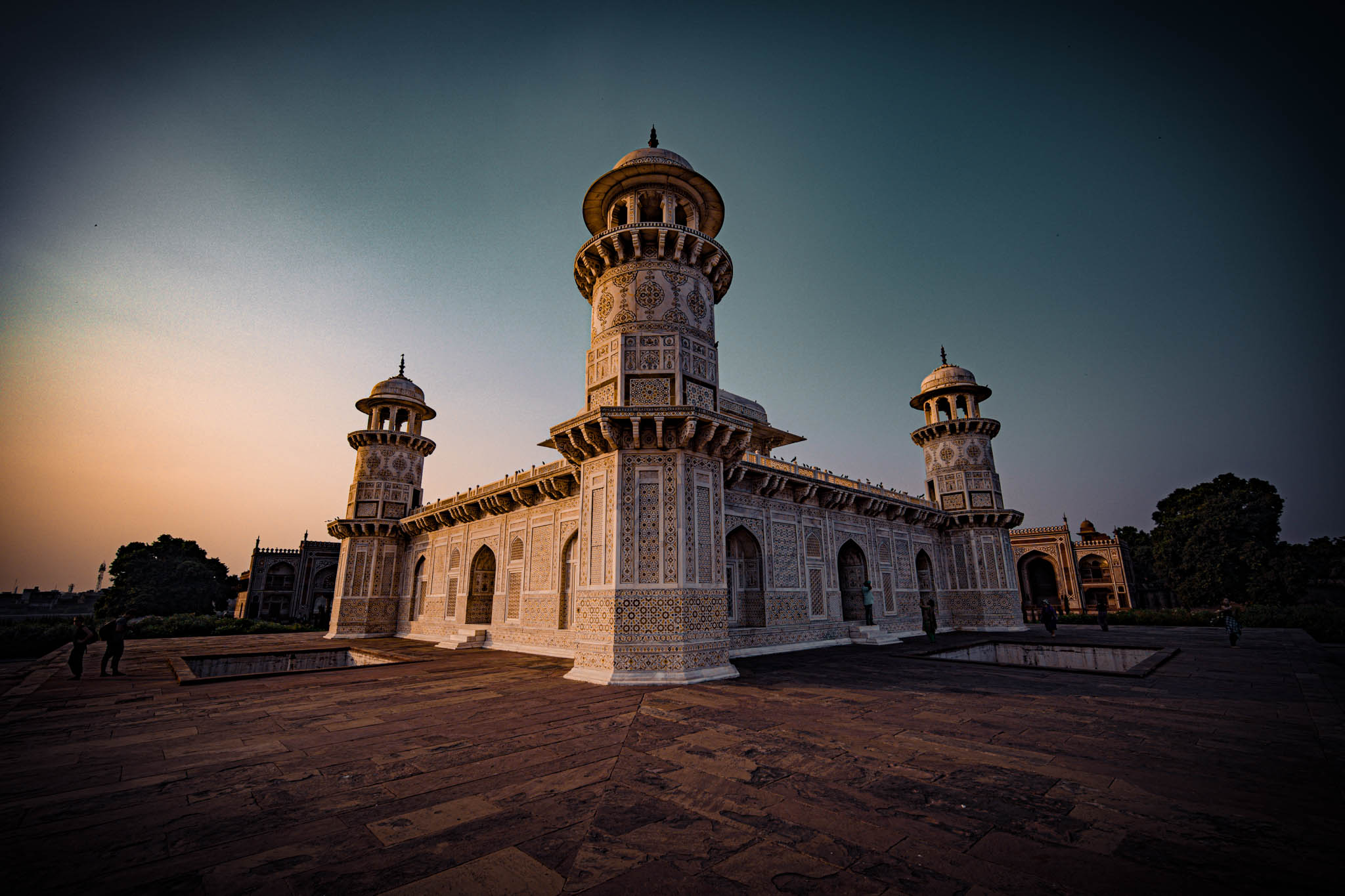
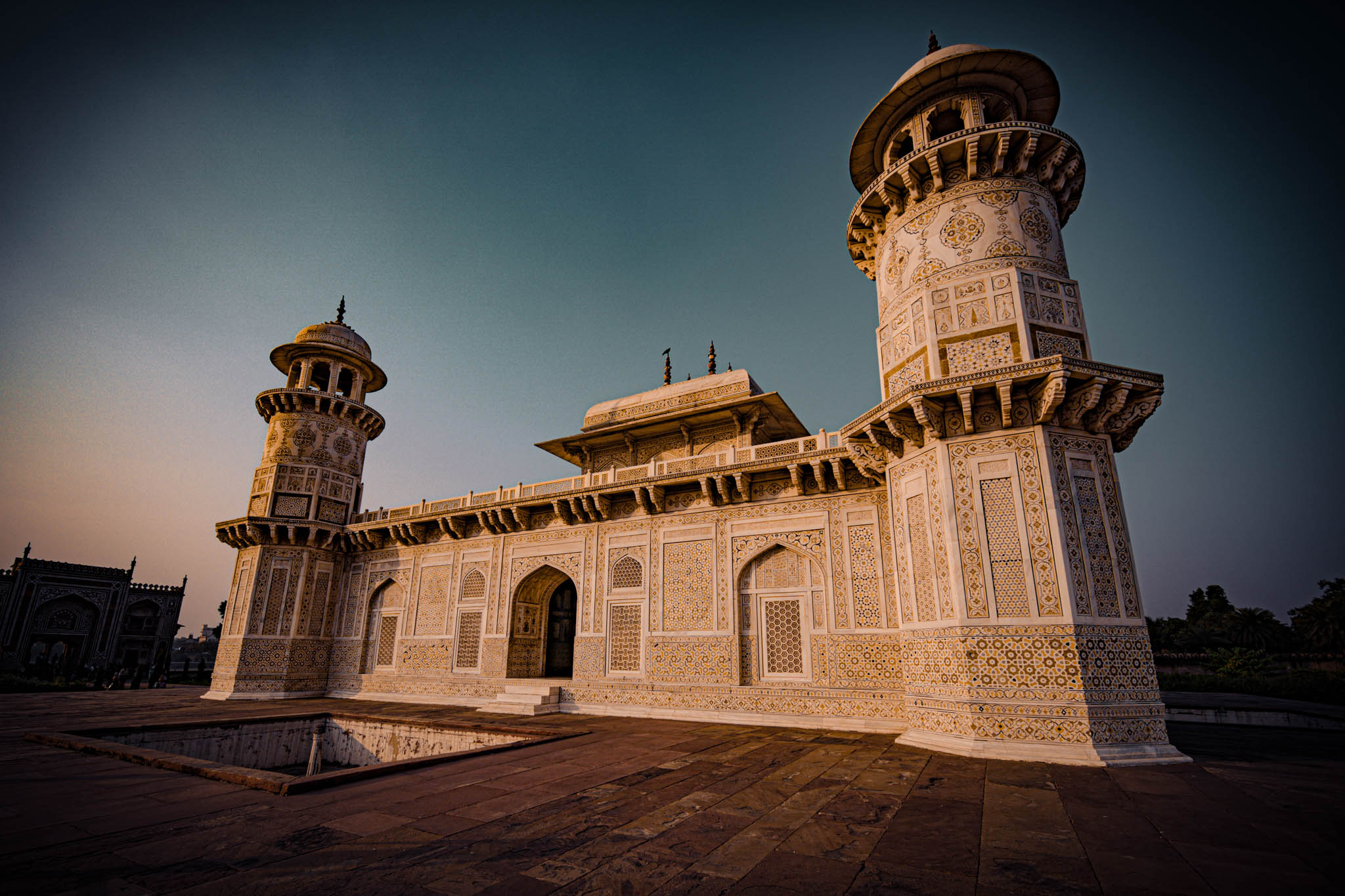
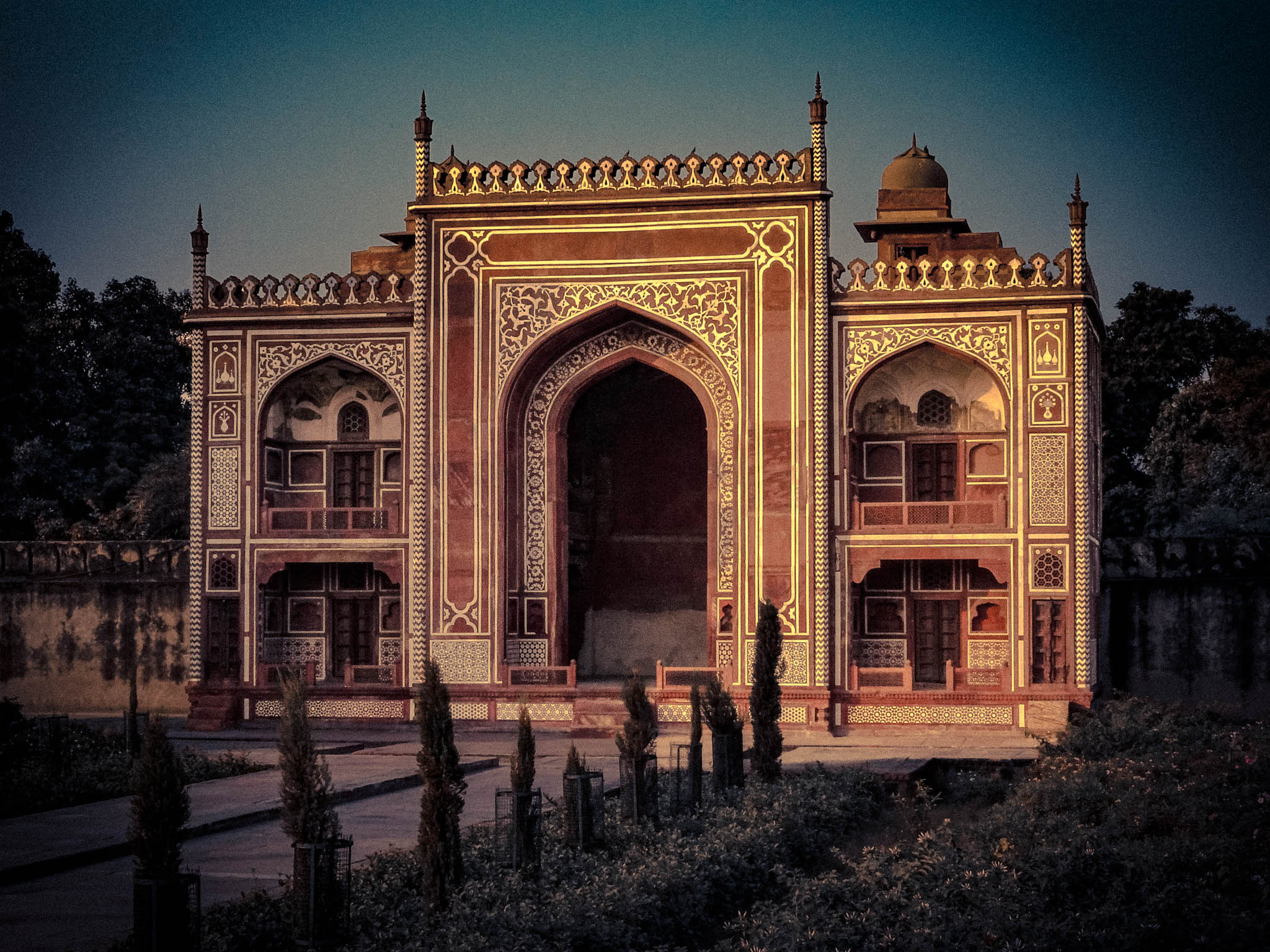
Of course, the Itimad and the Taj do have certain obvious traits in common: the four-square charbargh landscape partitioning and waterworks (the last, representing the rivers of Paradise, unfortunately dry due to the falling modern water levels of the nearby Yamuna River); the rigidly-symmetrical hasht bihisht floor plan of the mausoleum, eight rooms around a central chamber, representing the eight Heavens surrounding the Throne; and of course the nearly-abstract web of pietra dura patterning on the white Makrana marble facades. There seems to be a populist trend these days to deny the European origins (in Renaissance Florence and descending from ancient Roman opus sectile) of the last feature in favor of an independent Indian parallel decorative development known as parchinkari. But in any case, all of these trends were part of the elite decorative milieu of the Mughal seventeenth century court, as I understand it.
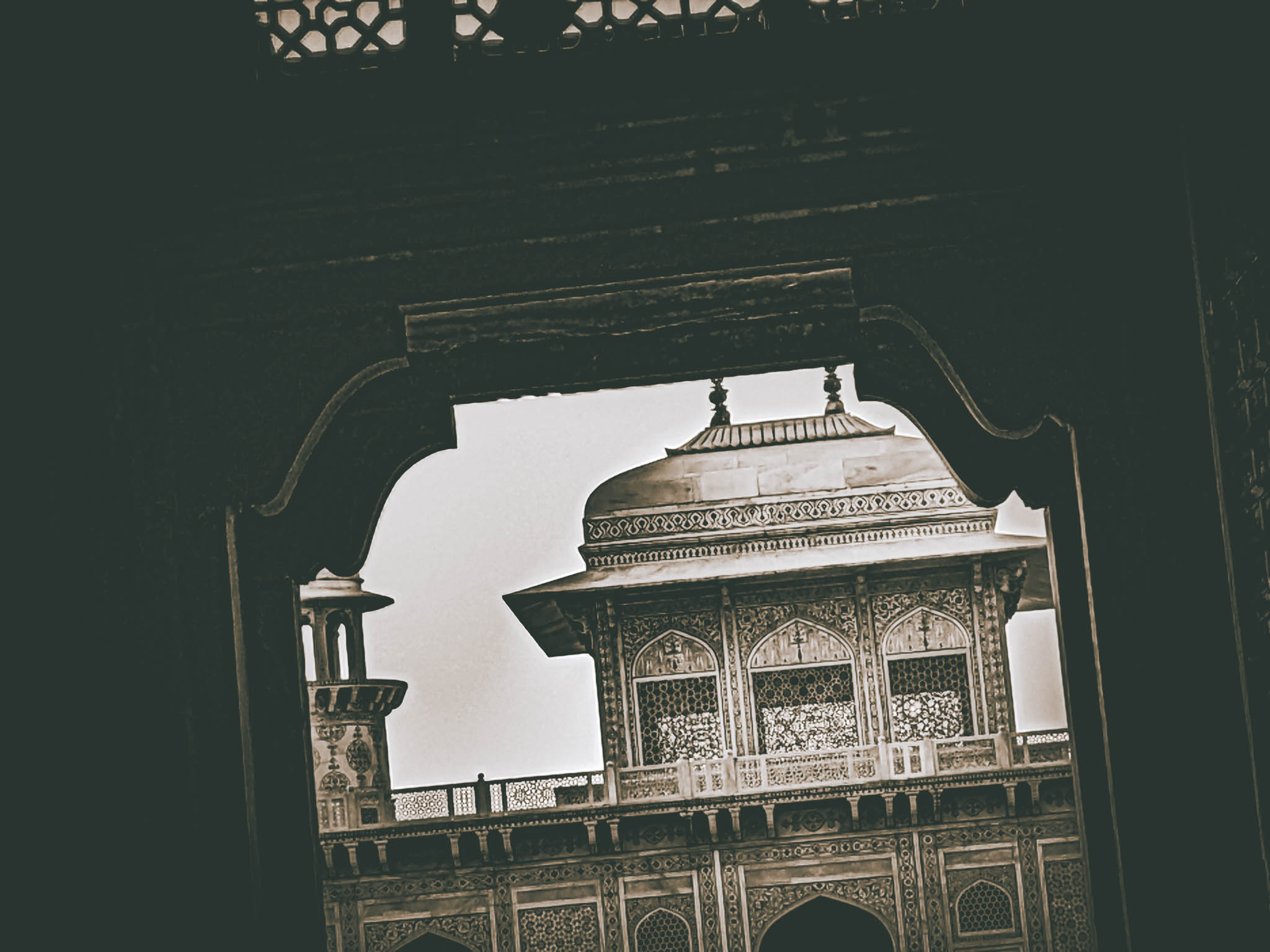
The jewelry-box intricacy and intimacy of the Itimad is completely distinct from the sublime austerity of the much-larger Taj. It’s approachable and comprehensible, not overwhelming like the younger tomb complex. I think I like it better, although we will see how I feel after I visit the Taj for the first time in the flesh tomorrow. I wonder if, as with the Taj, there is a traditional true tomb below the Itimad’s central cenotaphs, with room for the deceased to sit up when the Angels of Judgement arrive to ask the Three Questions. But the stone jali-screened pavilion on the inaccessible second level of the Itimad with its own duplicate cenotaphs for Nur Jahan’s parents is largely unique among royal Mughal funeral monuments. I can find almost no photos of it. Is it really as airy and bright — representative of another, more-abstract theory of the Empyrean — as my Indian architecture books lead me to believe?