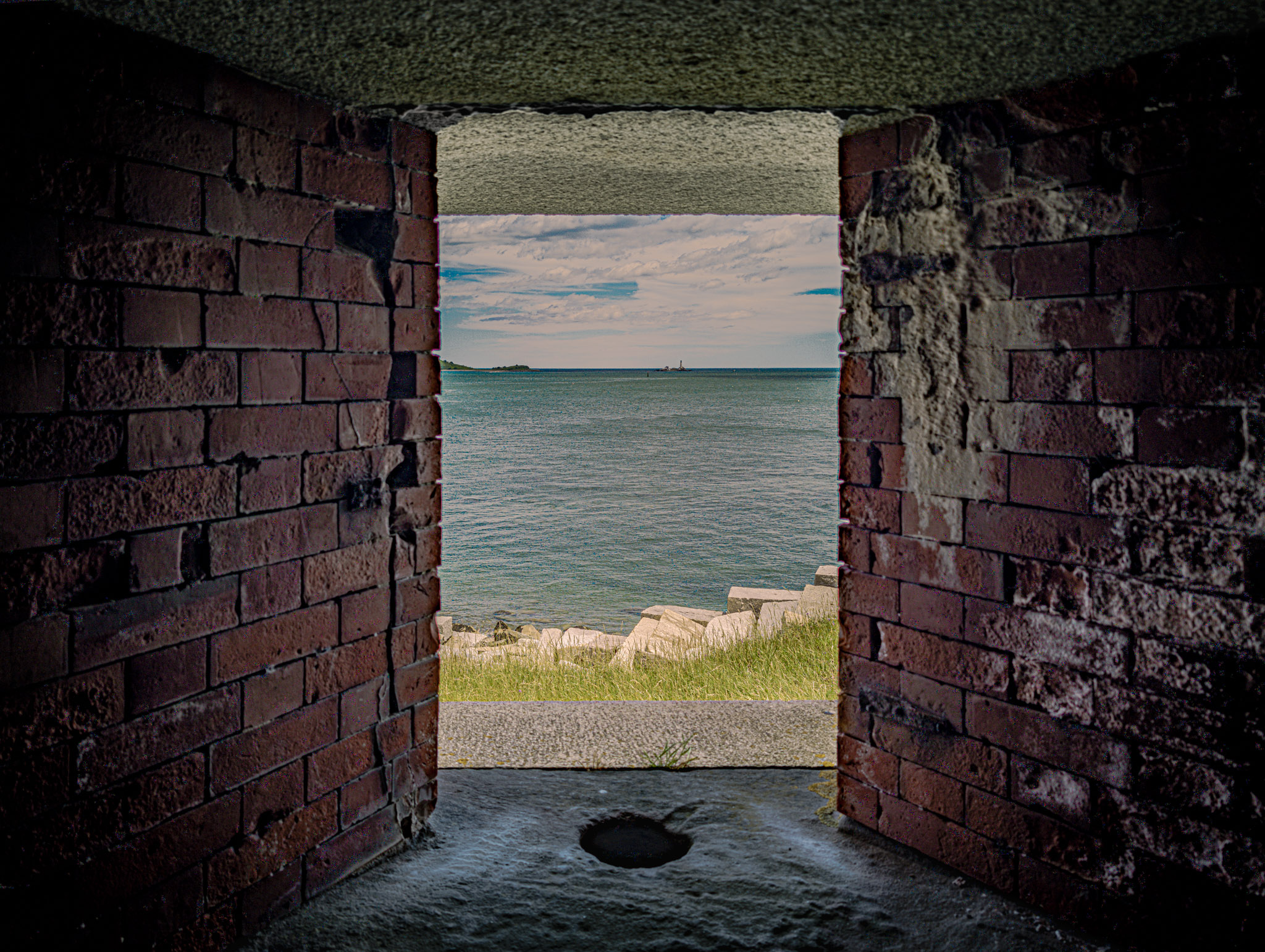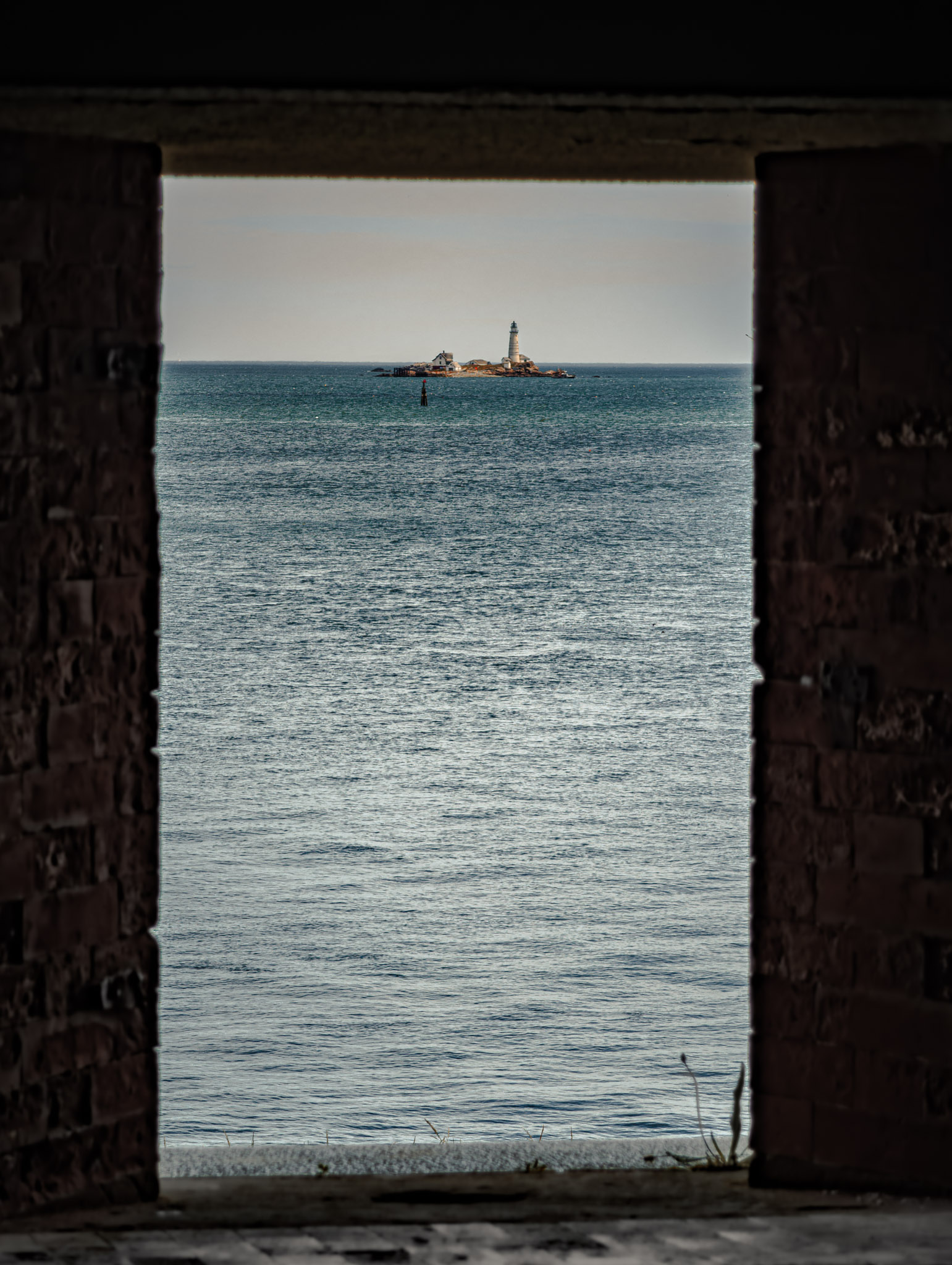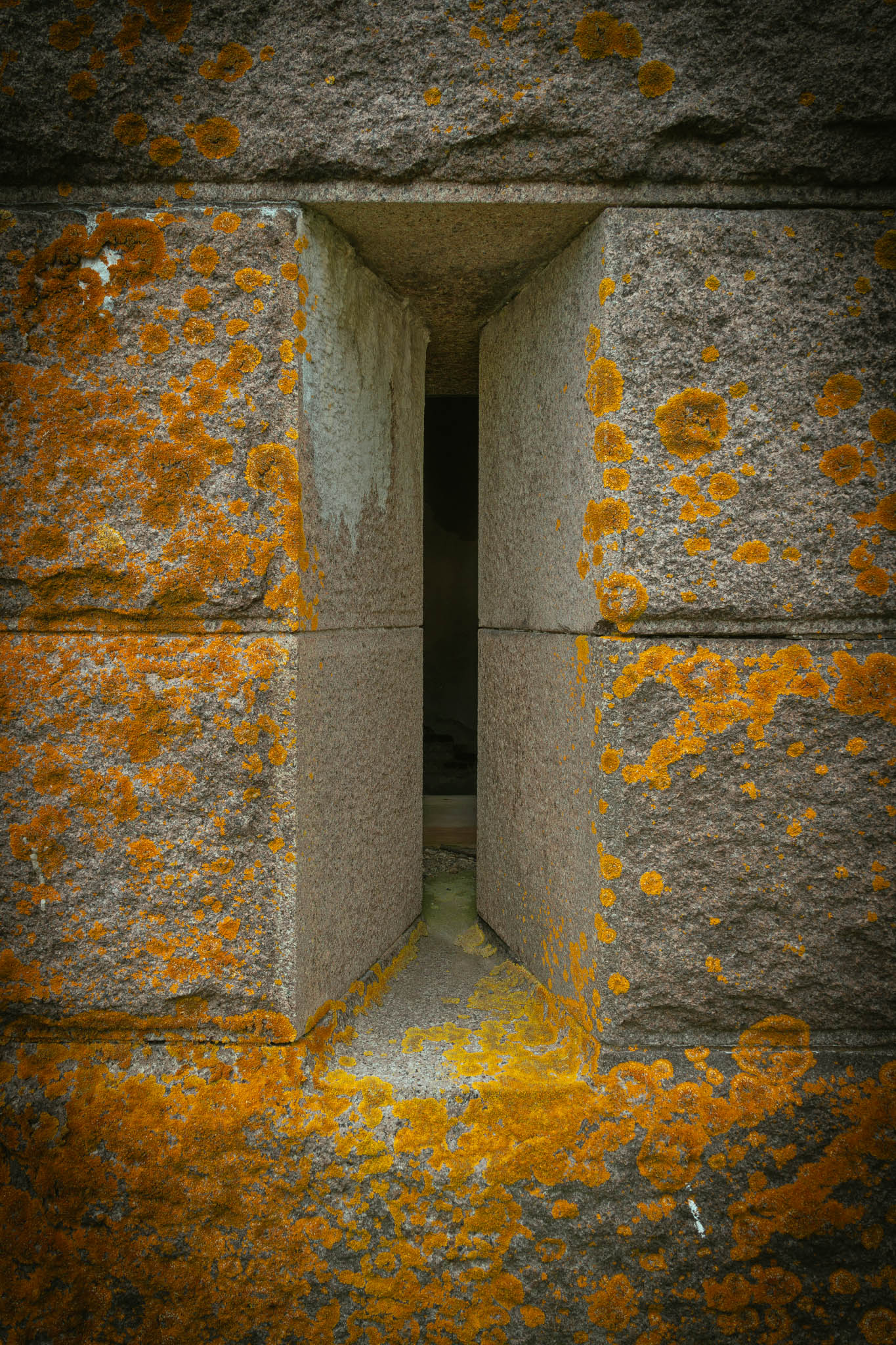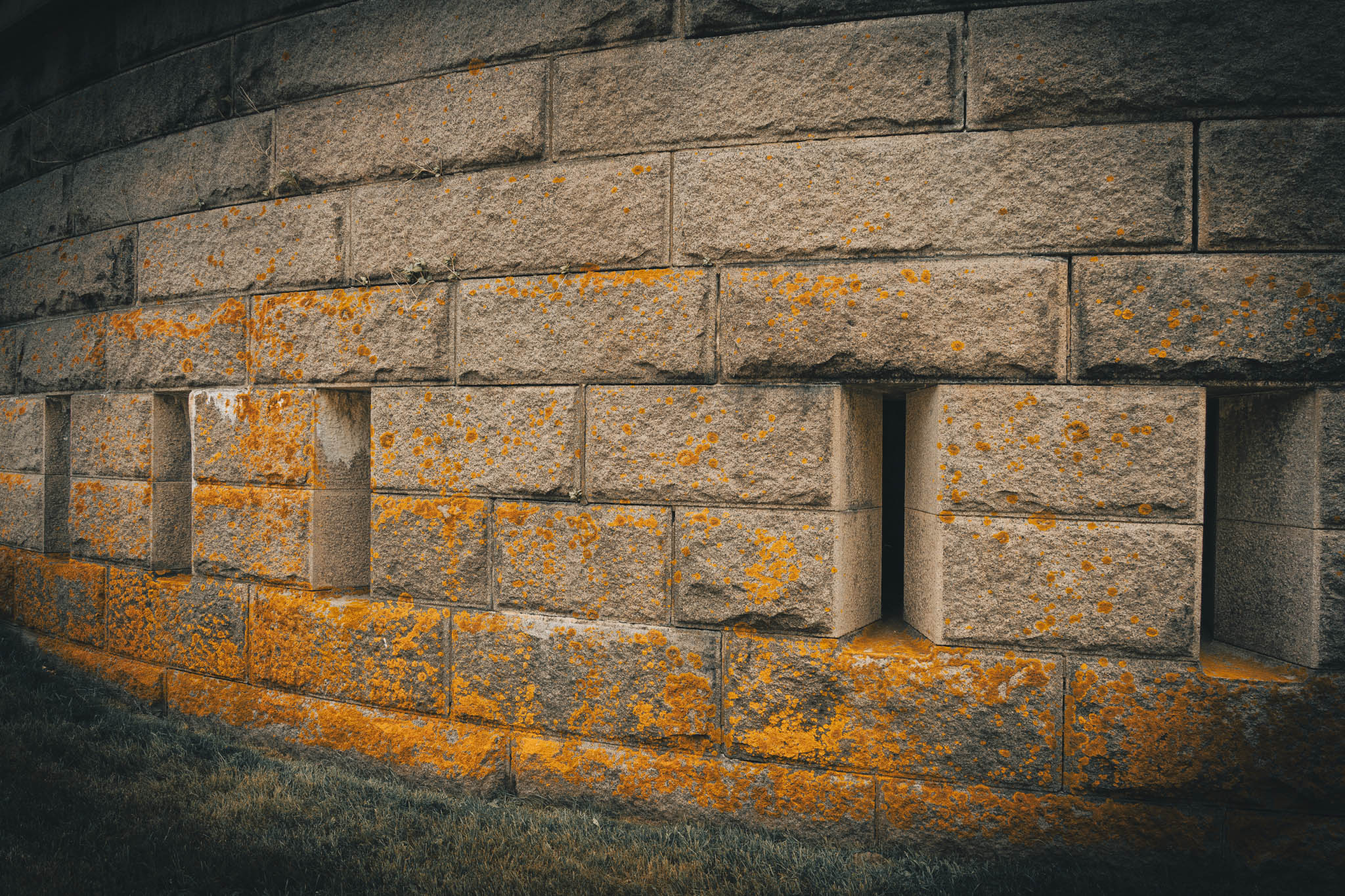

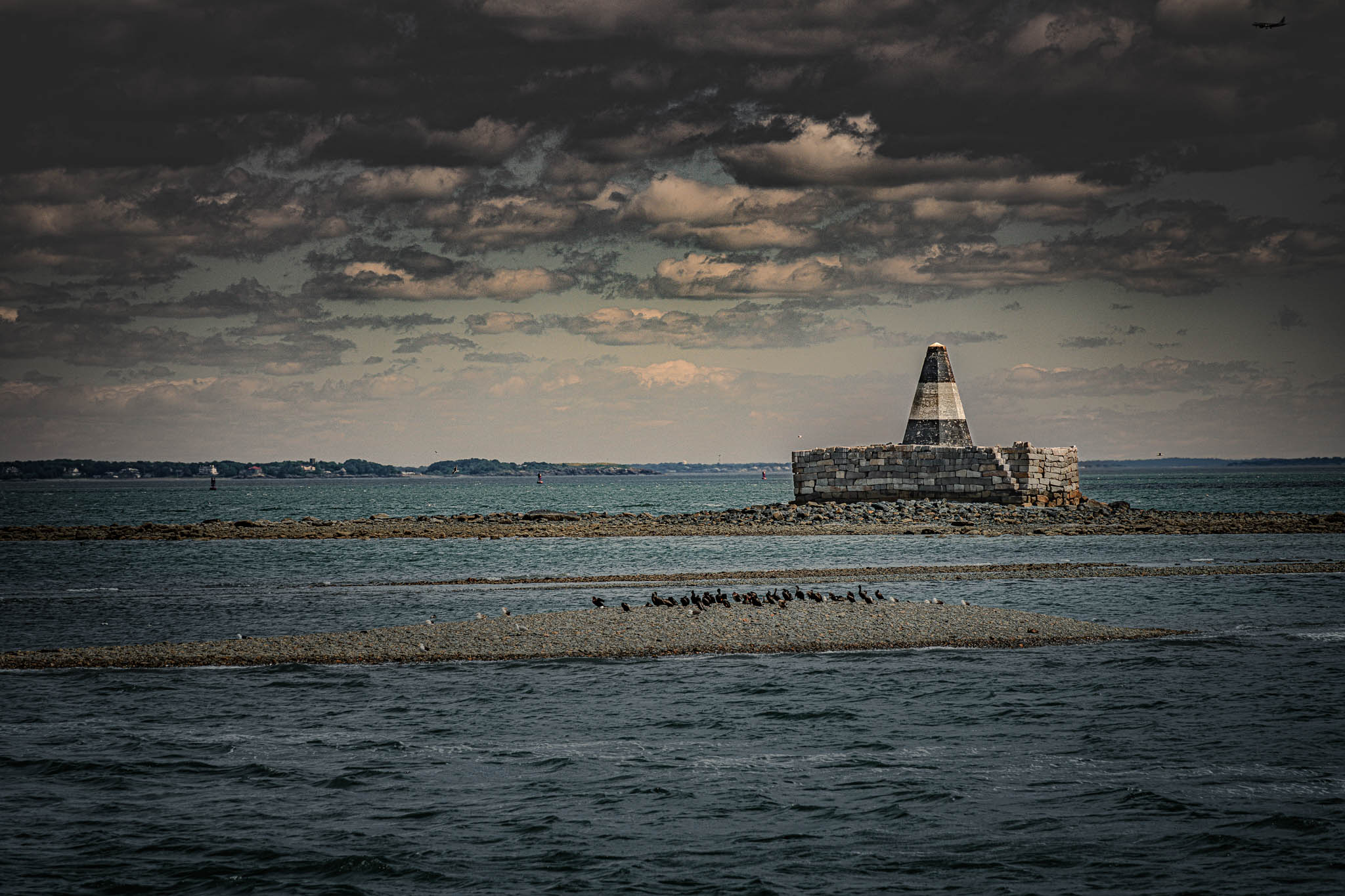
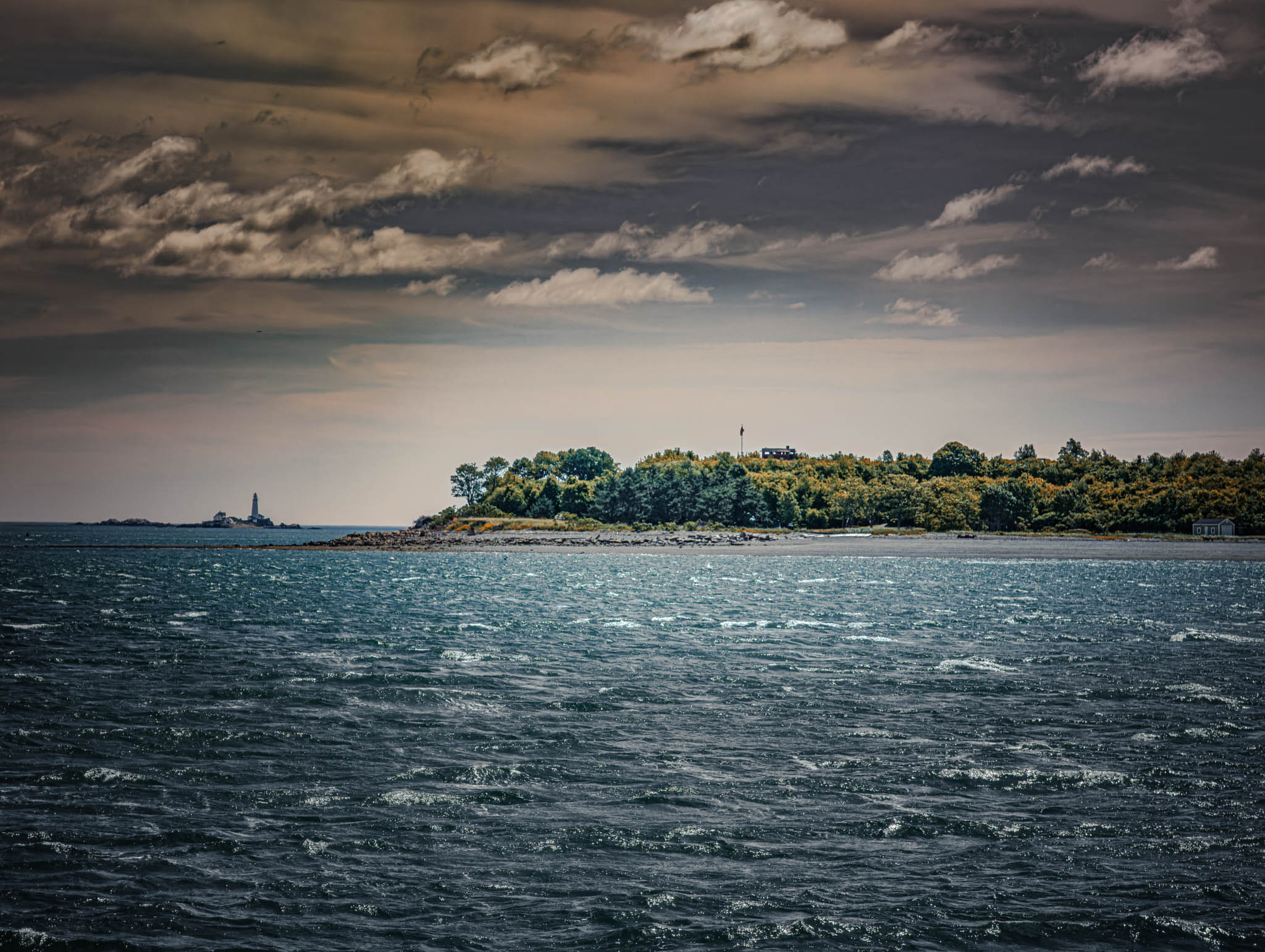
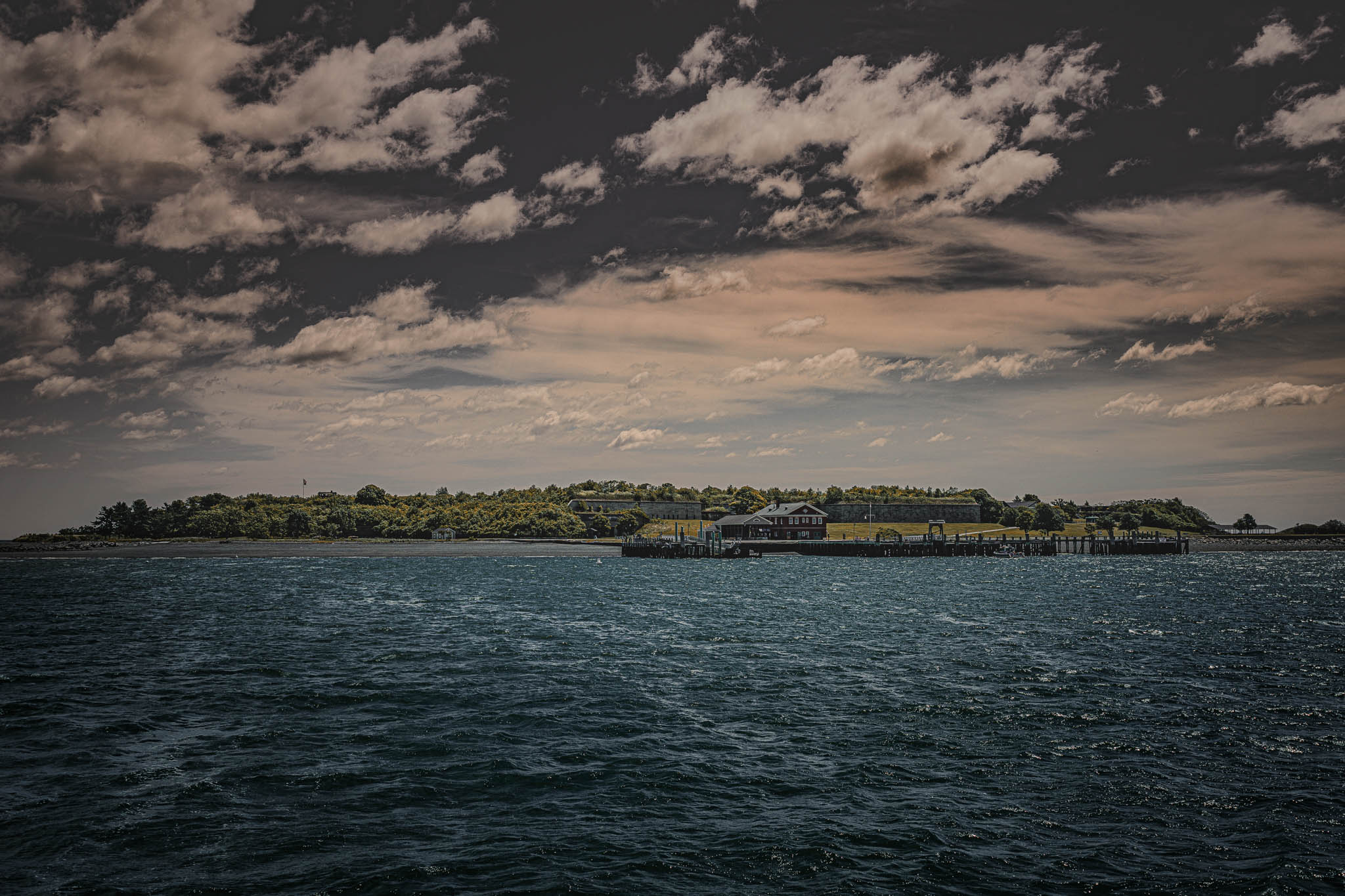
Yesterday was rough, and the week was rough for me after my yearly doctor’s visit. It’s not a “medical death sentence” or even a firm “expiration date” — more like a “sell by” recommendation — that they handed out to me, at least this time. But there will be a lot of exams and tests in my near future. And, as the great guitarist and balladeer Richard Thompson sings in his song Gethsemane:
Better get it seen to, it's going to be bad news.
It seems unfair. Was there anything I should have done differently with my life? I have regrets. But what should I have done instead?
When I got up this morning (and I felt fine, despite what those future tests might find), it came to me: I wish had traveled more. But I’m not much of a traveler — no Richard Francis Burton or Colin Thubron or Anthony Bourdain — just a middling photographer who struggles with foreign languages and takes a great many photos on his tours and holidays, making notes and writing them up later for nobody to read on a website that no one visits. But I wish I had done more of that, even that.
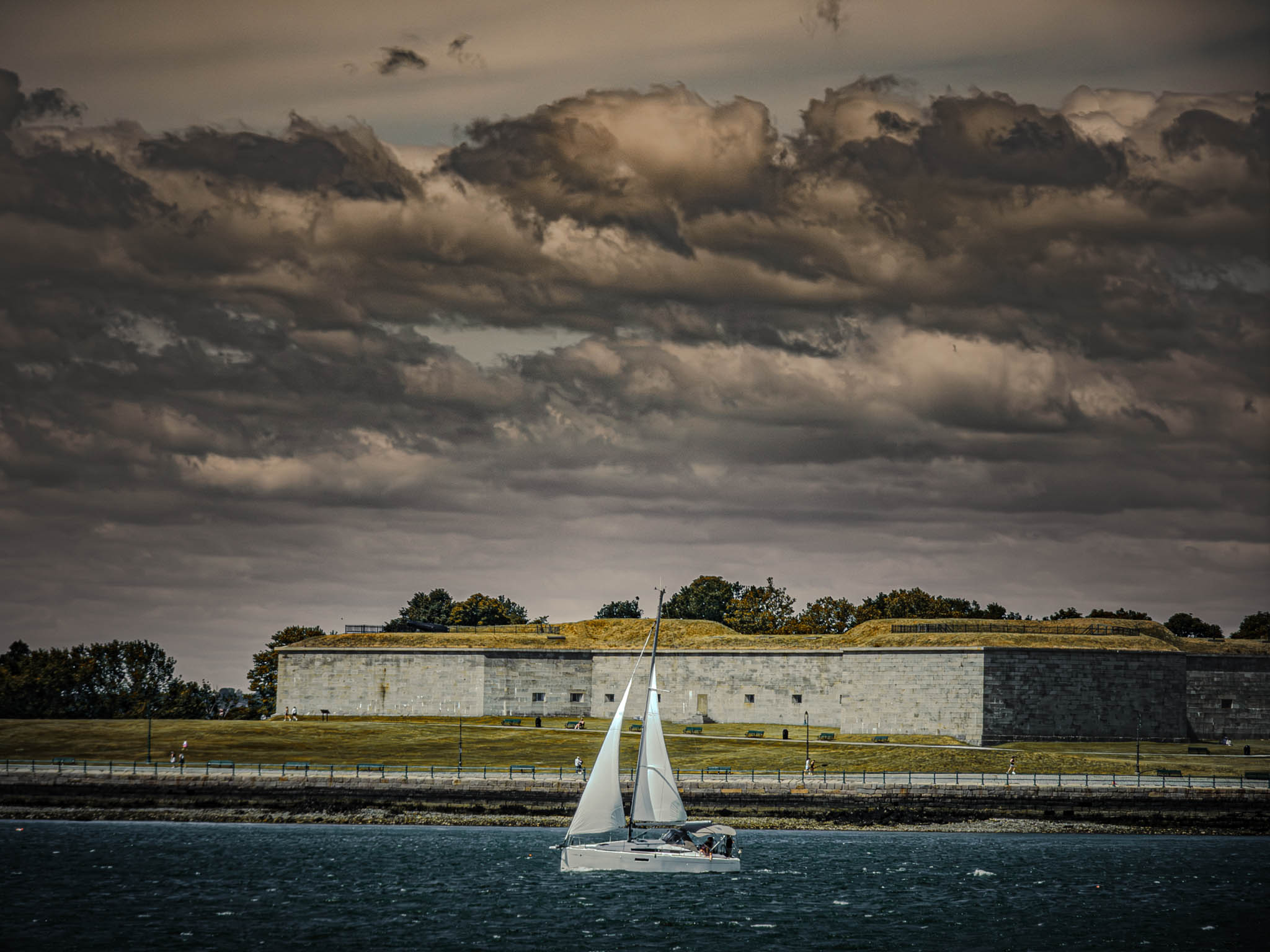
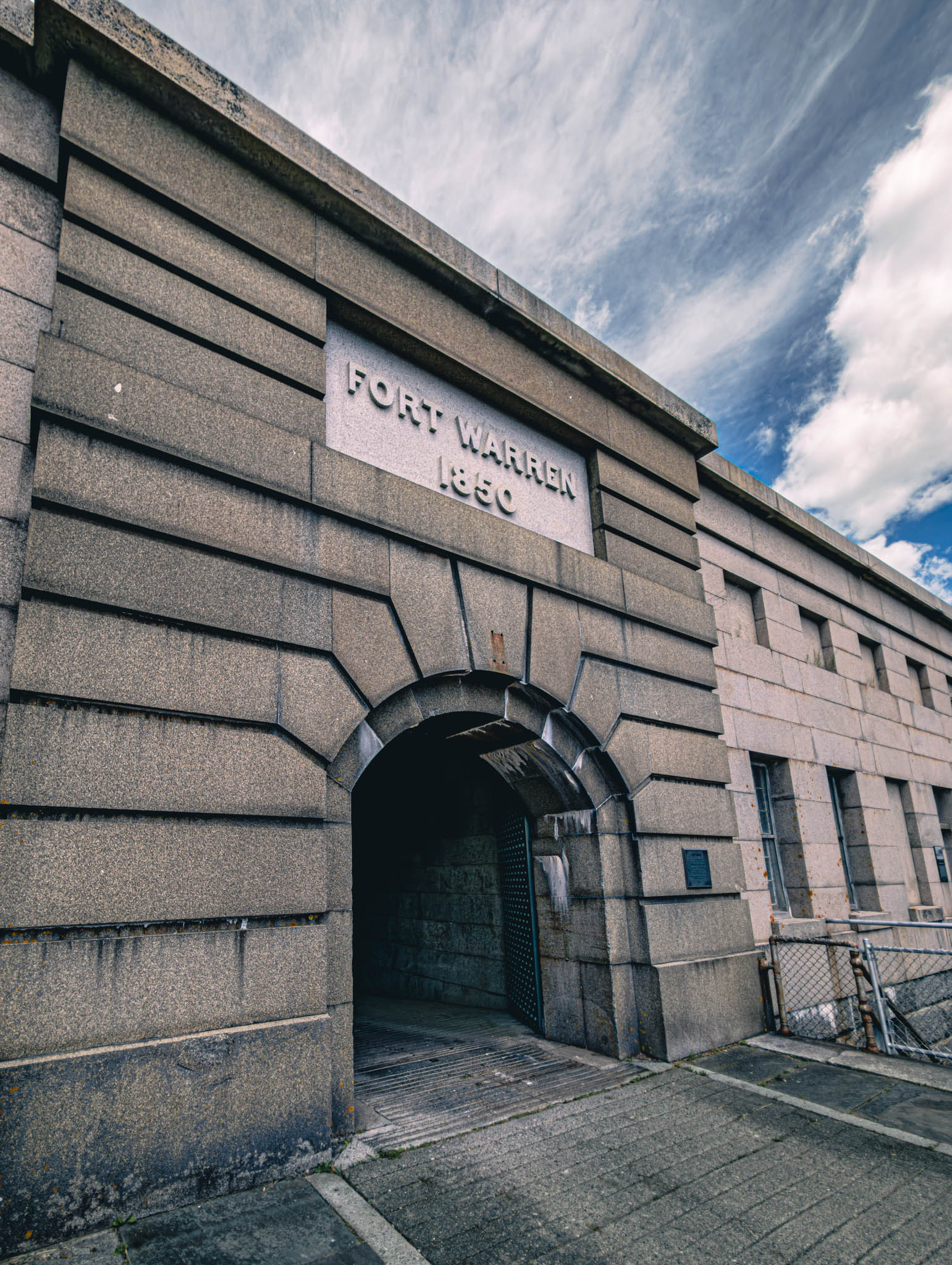
In a blur of uncharacteristic efficiency, I found myself reserving a ticket online, wolfing my breakfast and coffee, slapping on sunscreen and a hat (as if I really have to worry about skin cancer at this point!), and rushing downtown to Long Wharf to catch the ferry to old Fort Warren on Georges Island in the outer harbor.
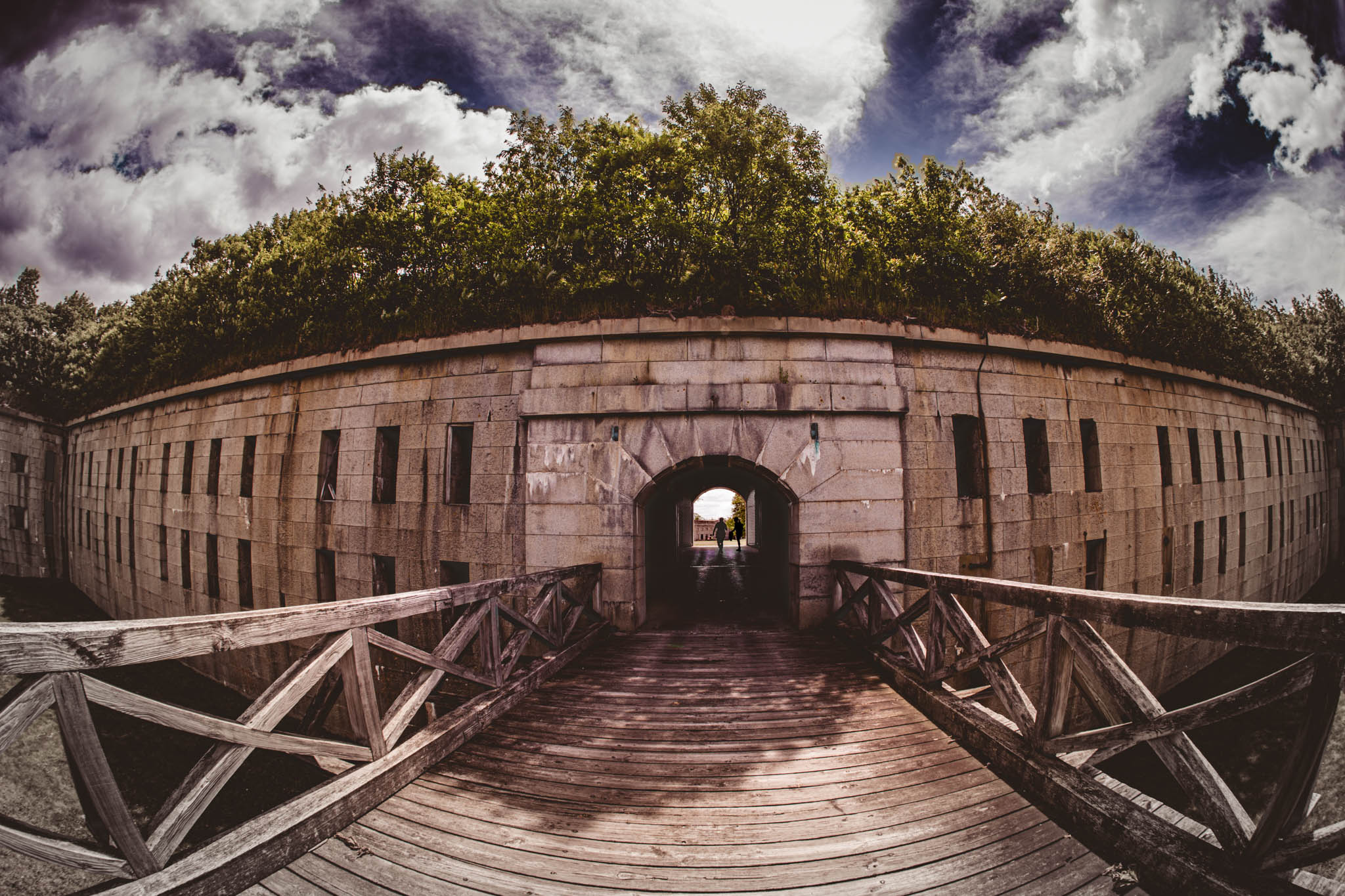
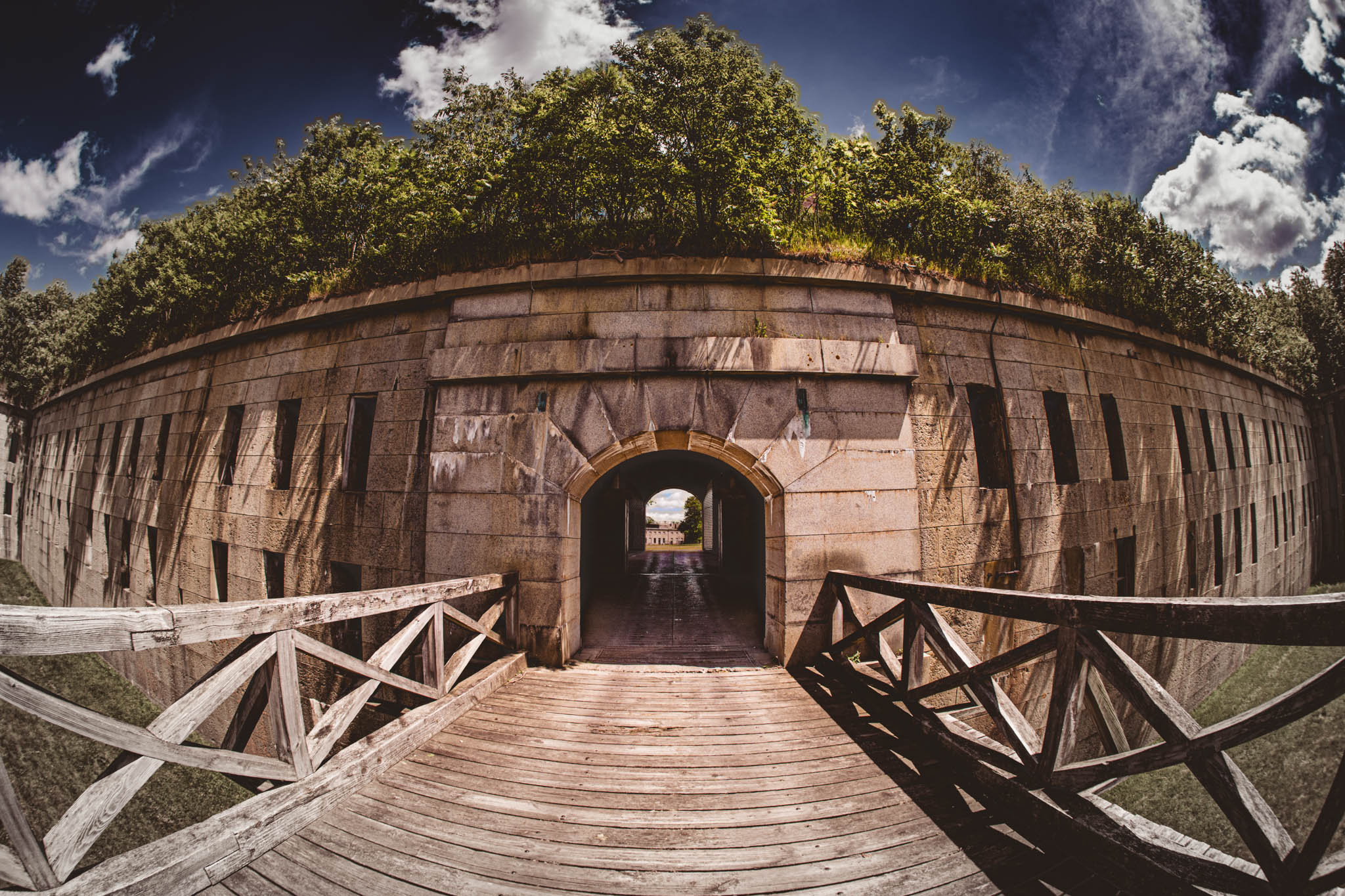
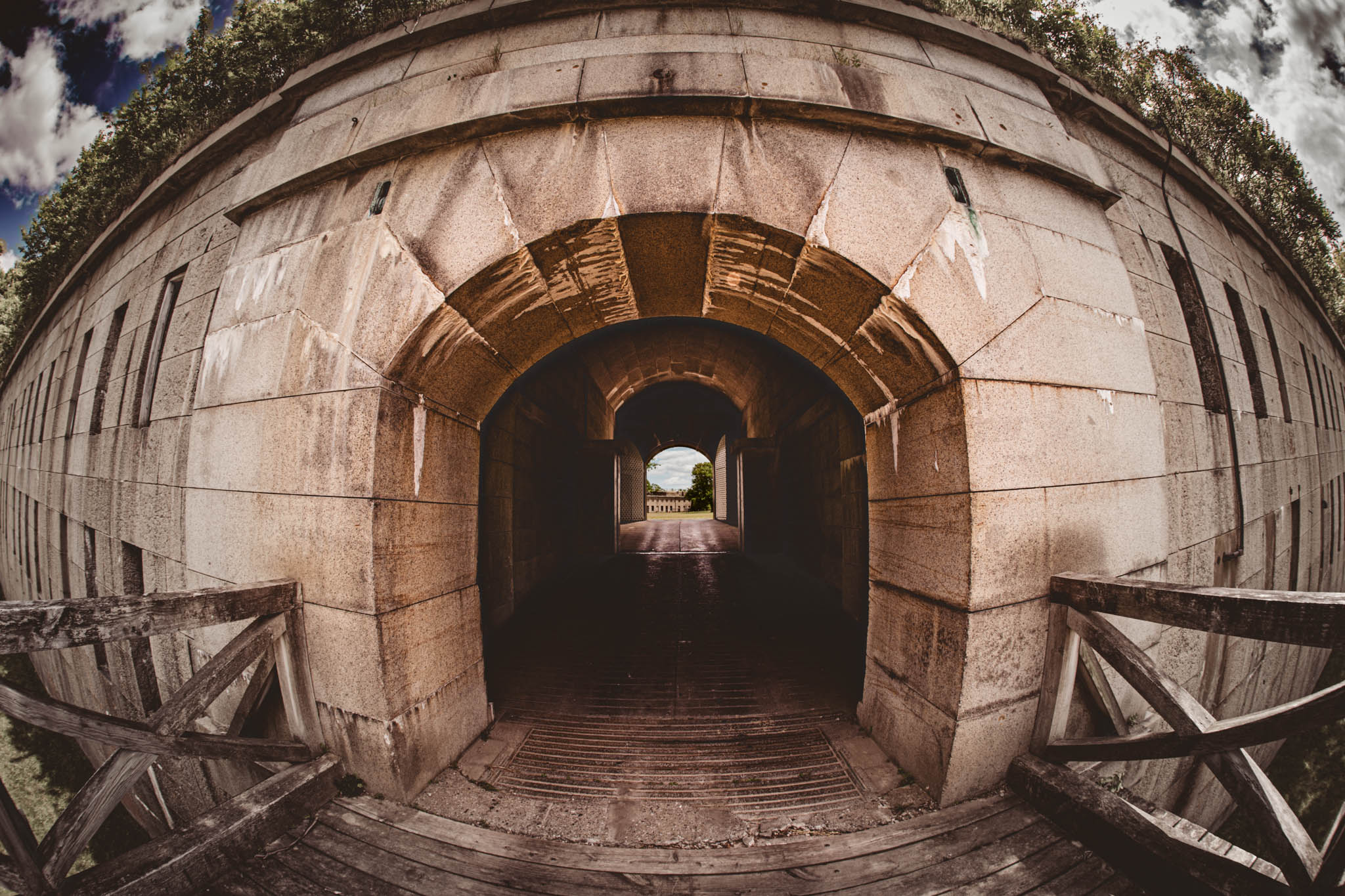
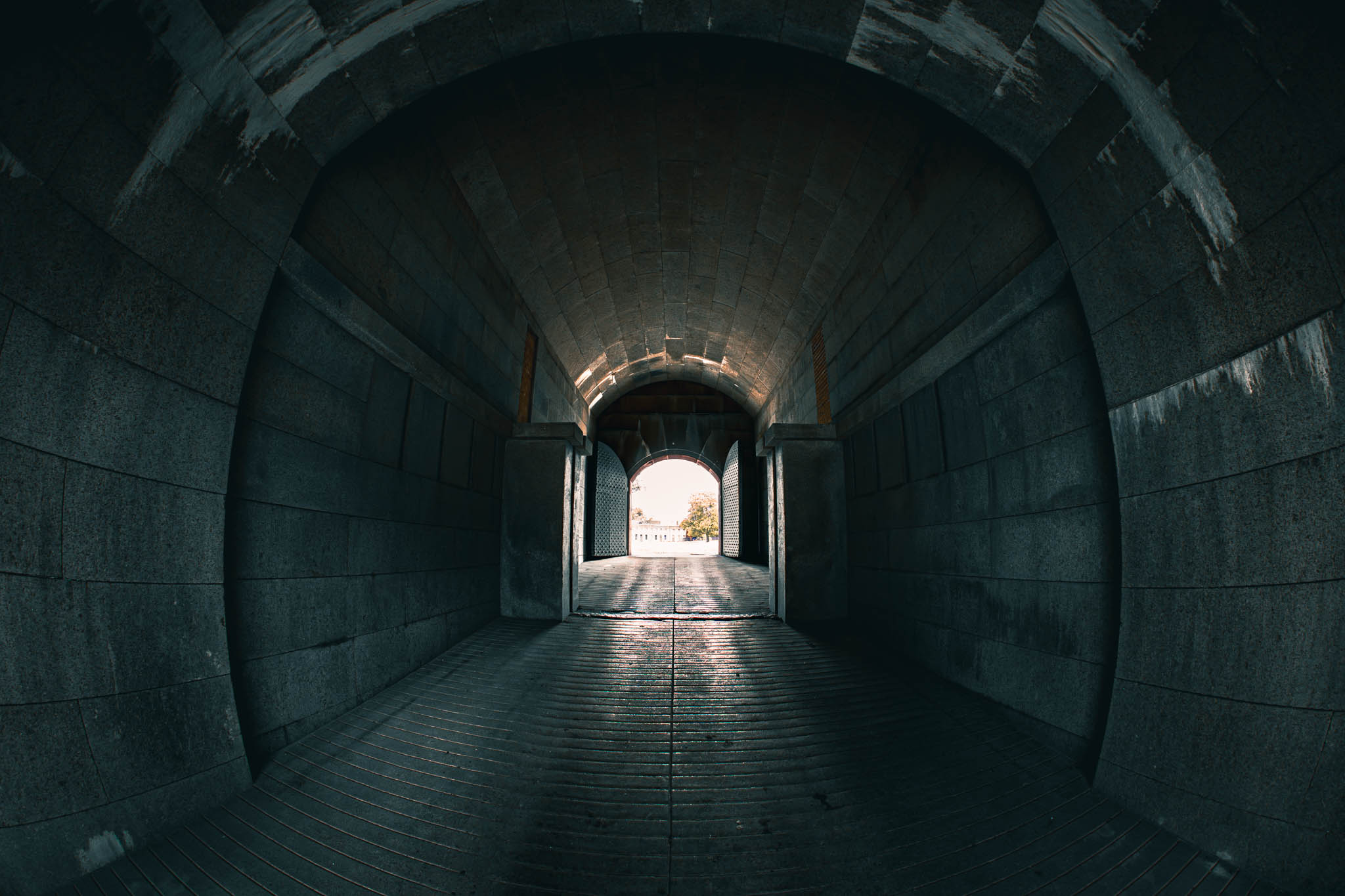
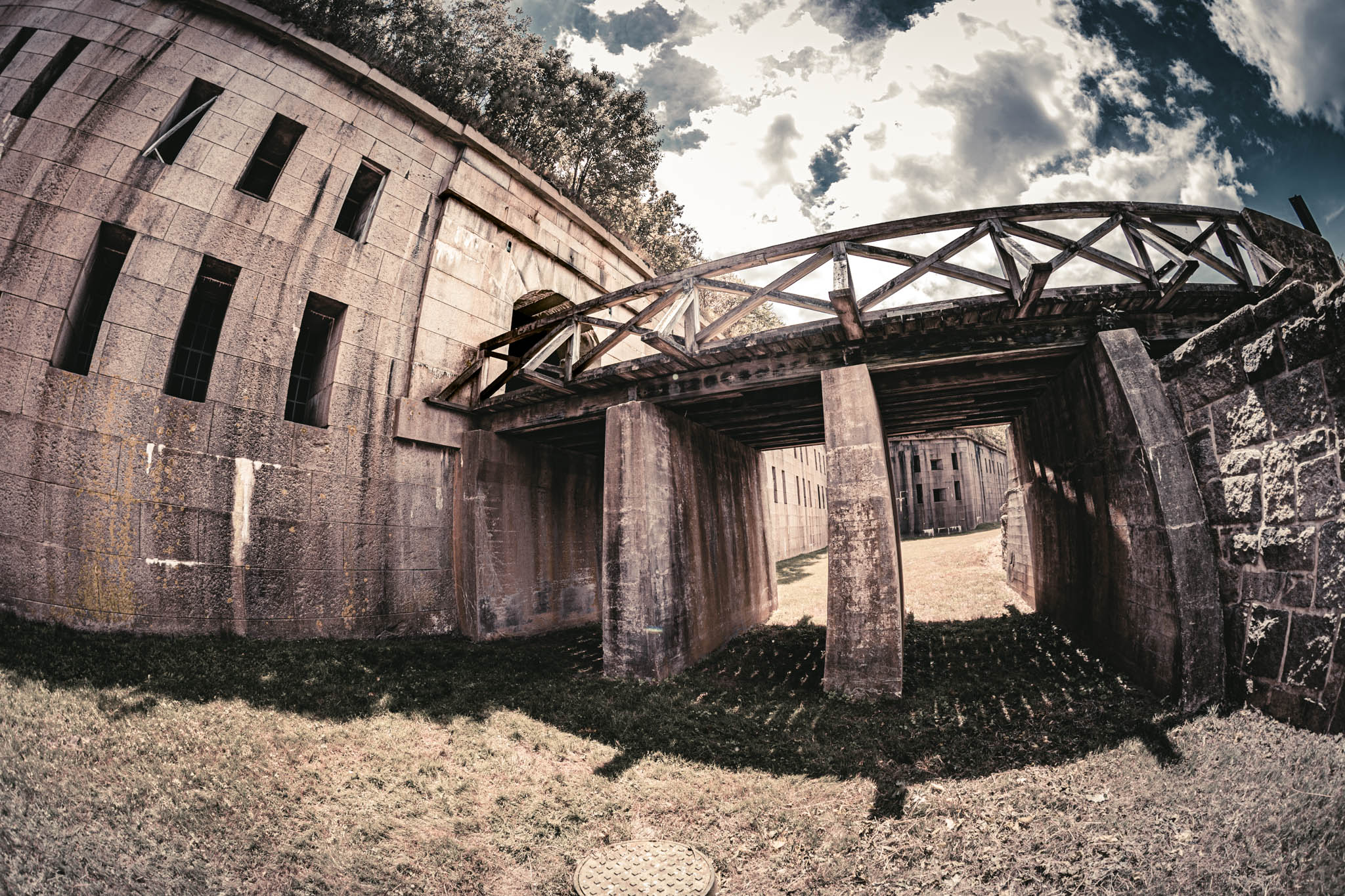
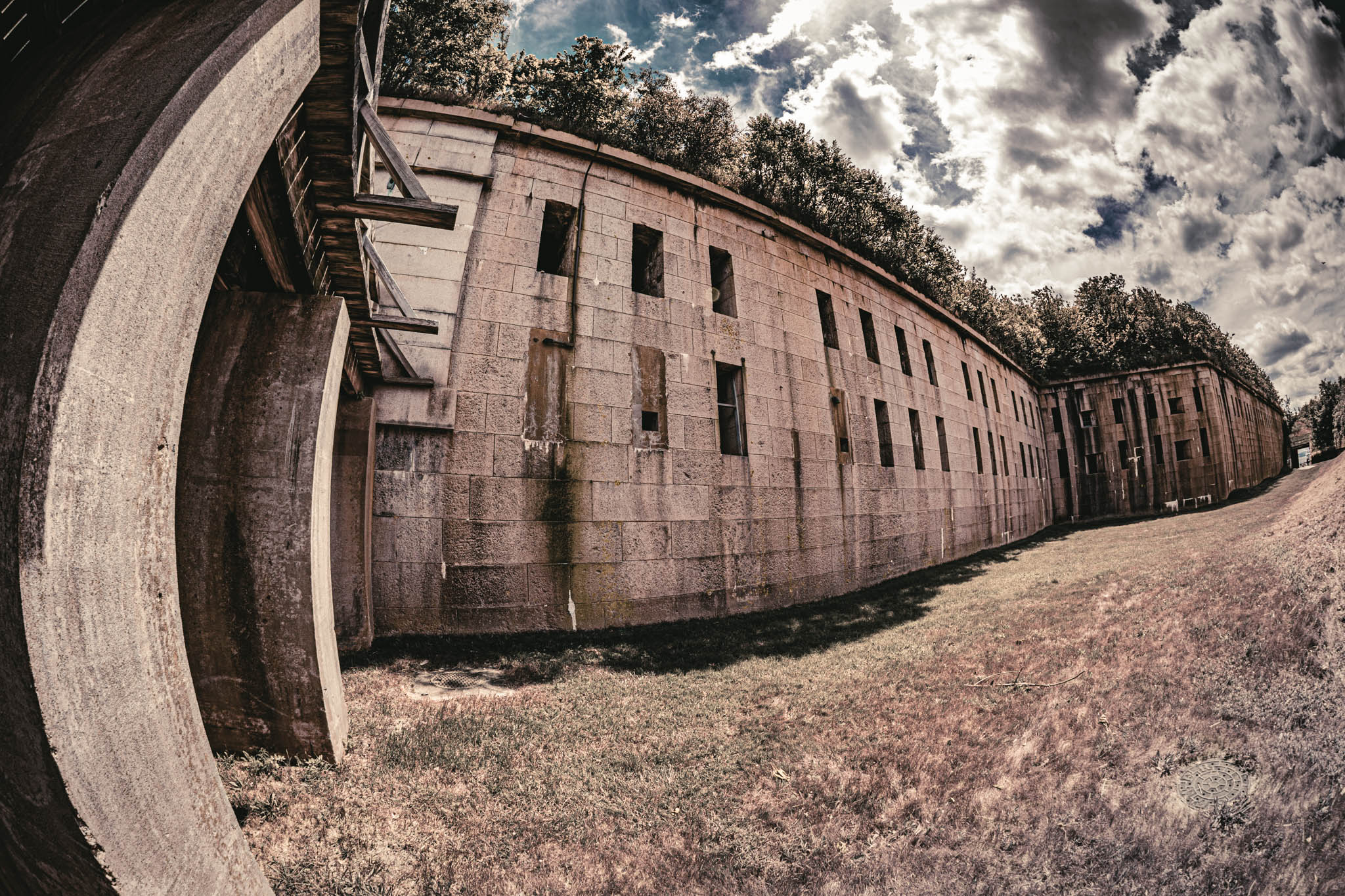
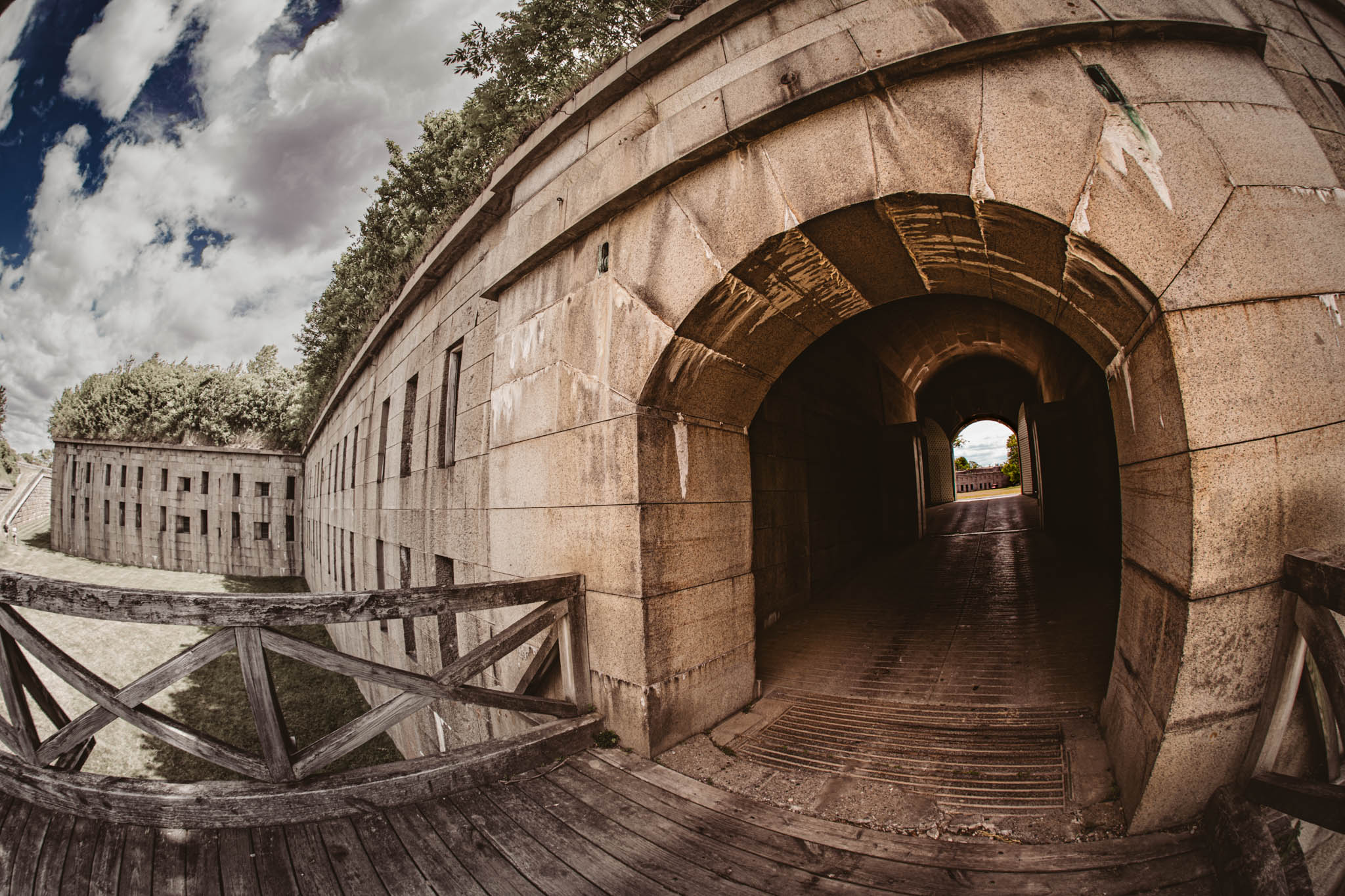
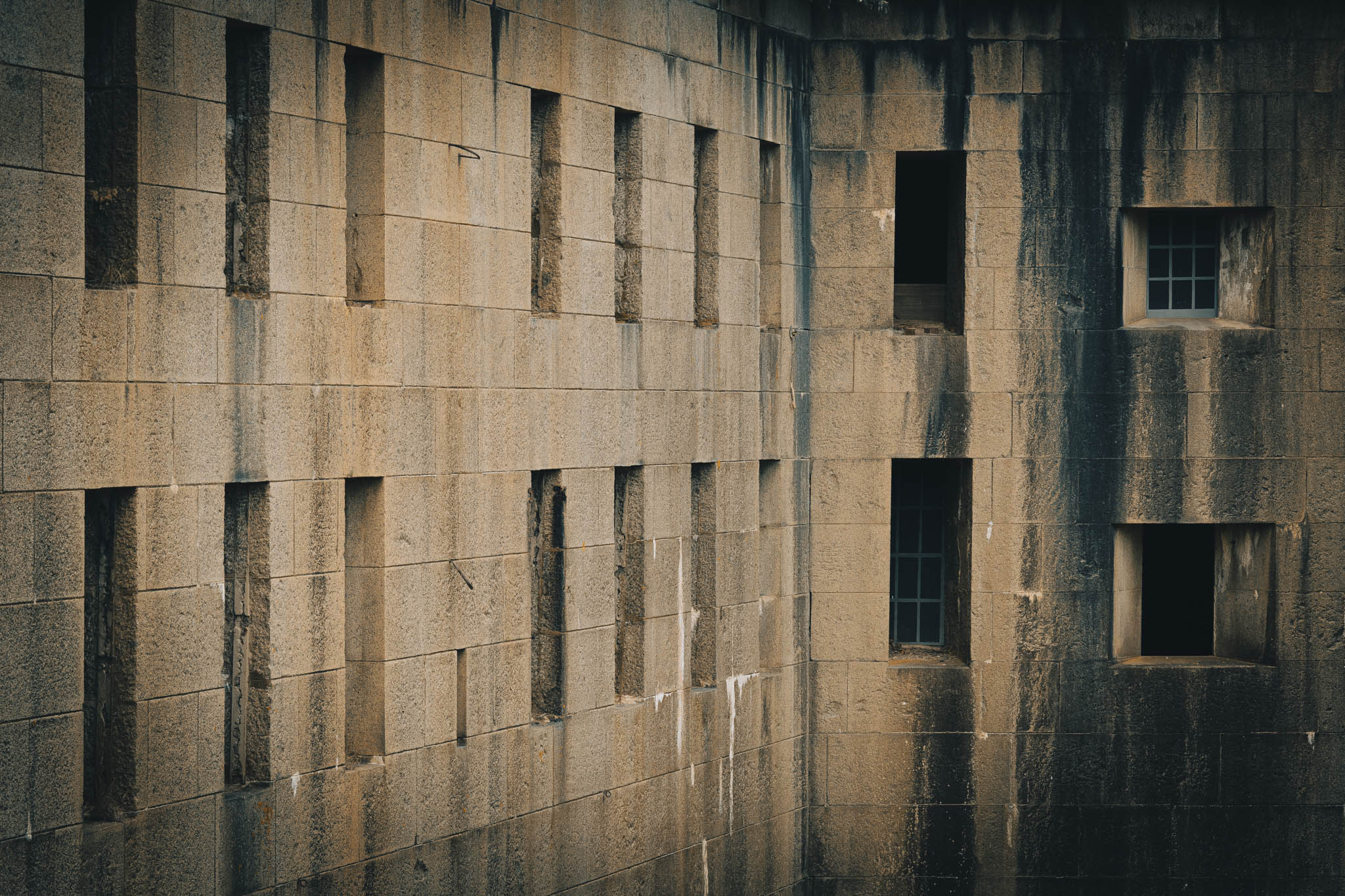
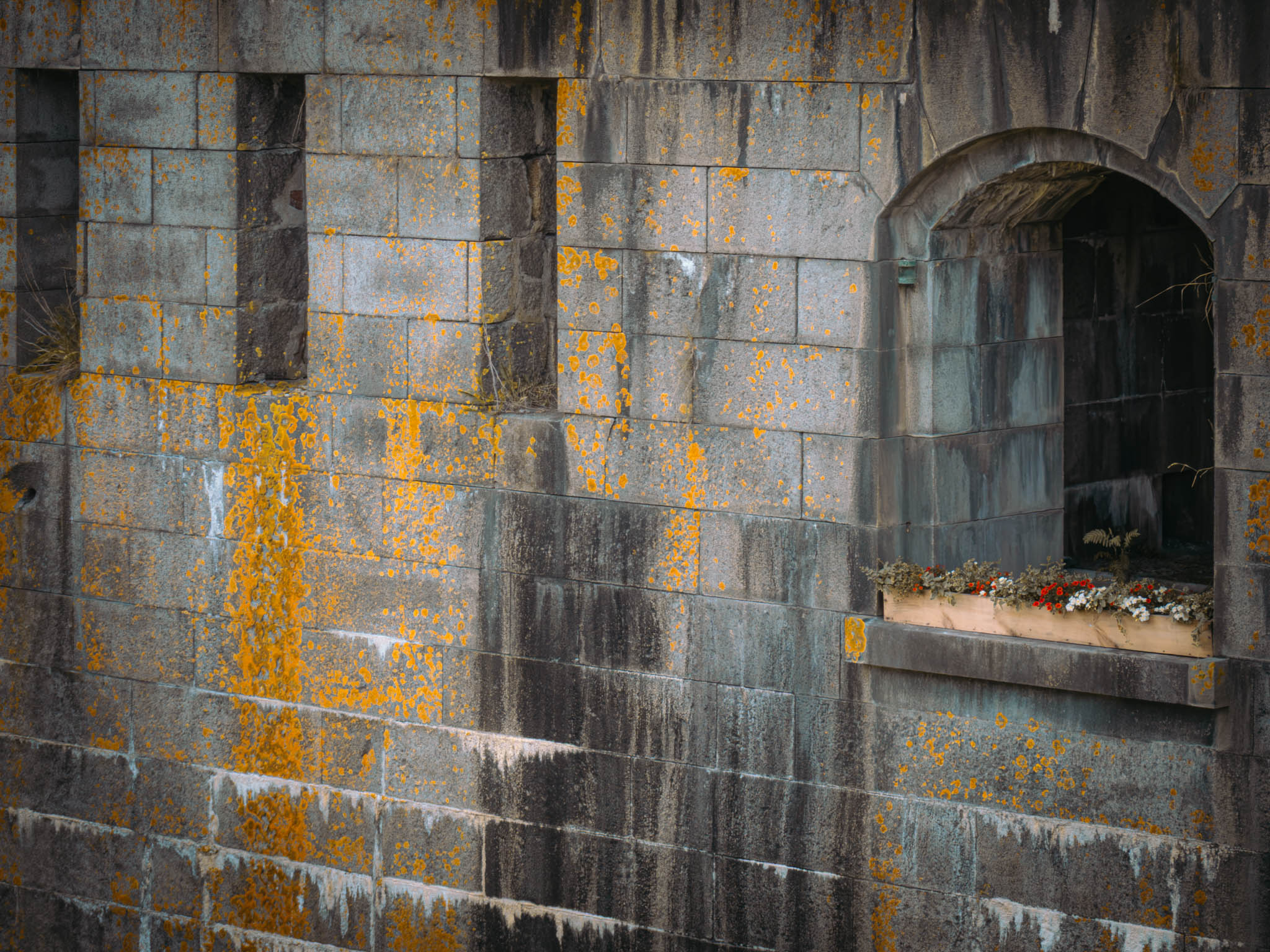
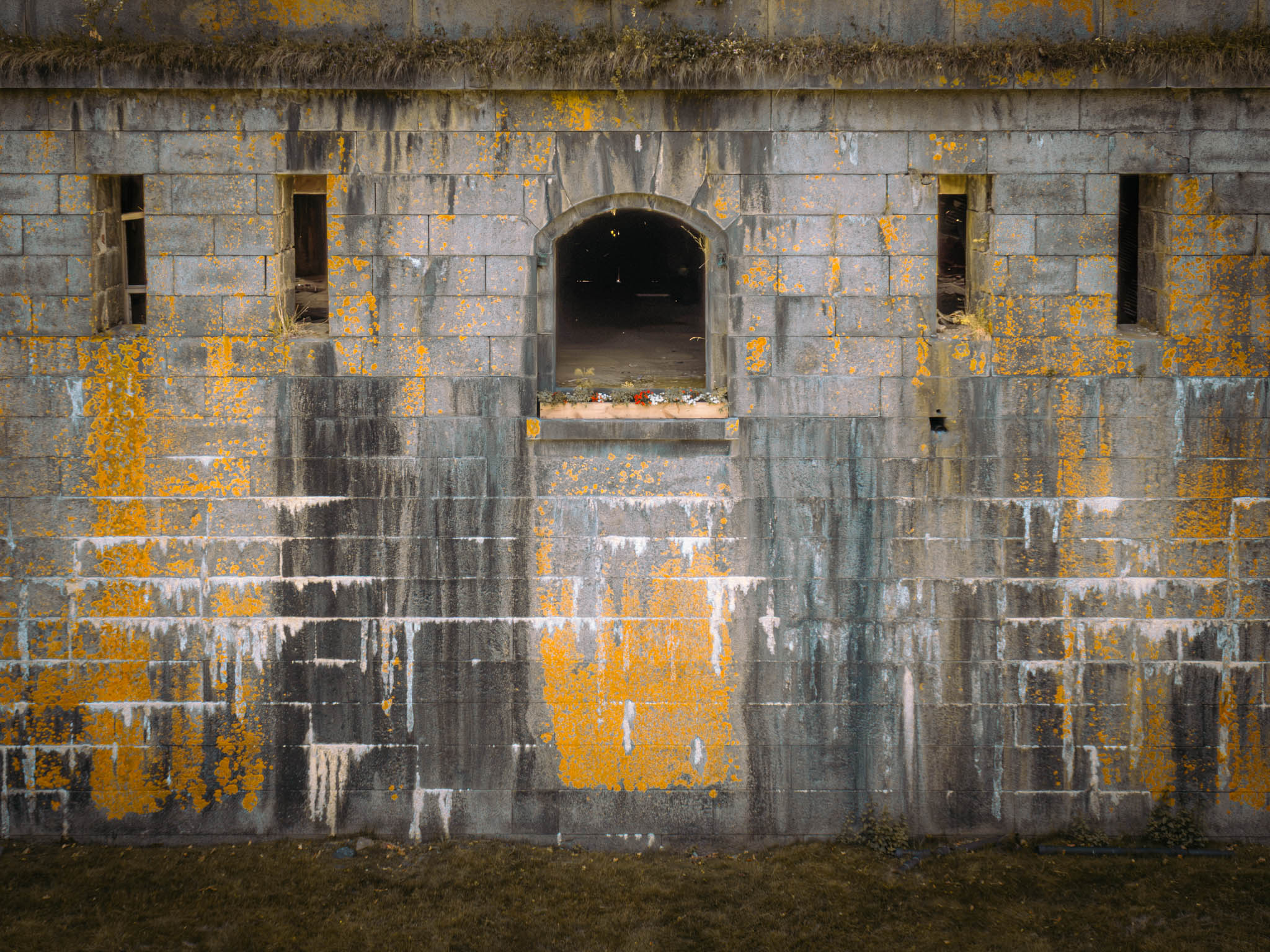
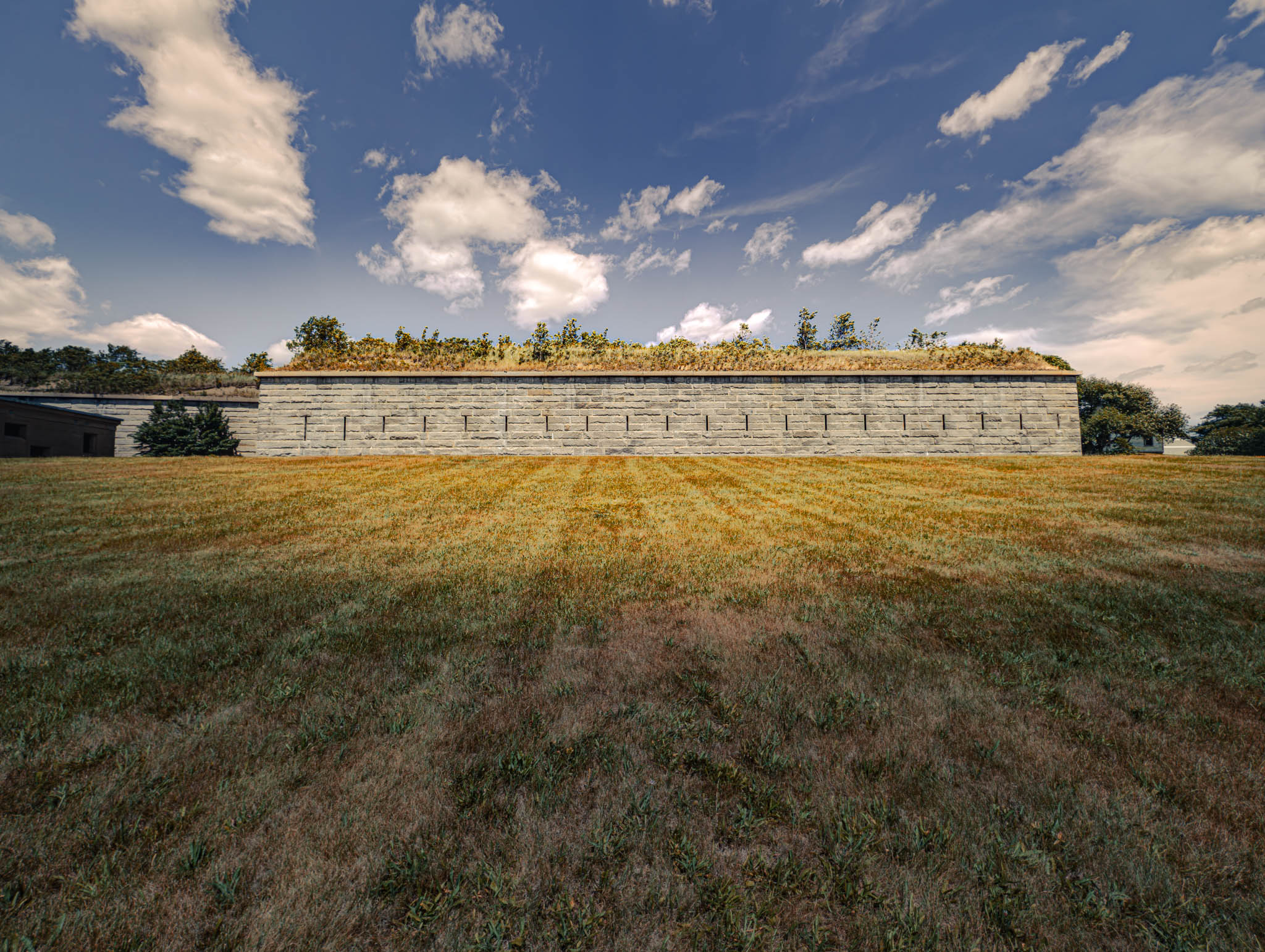
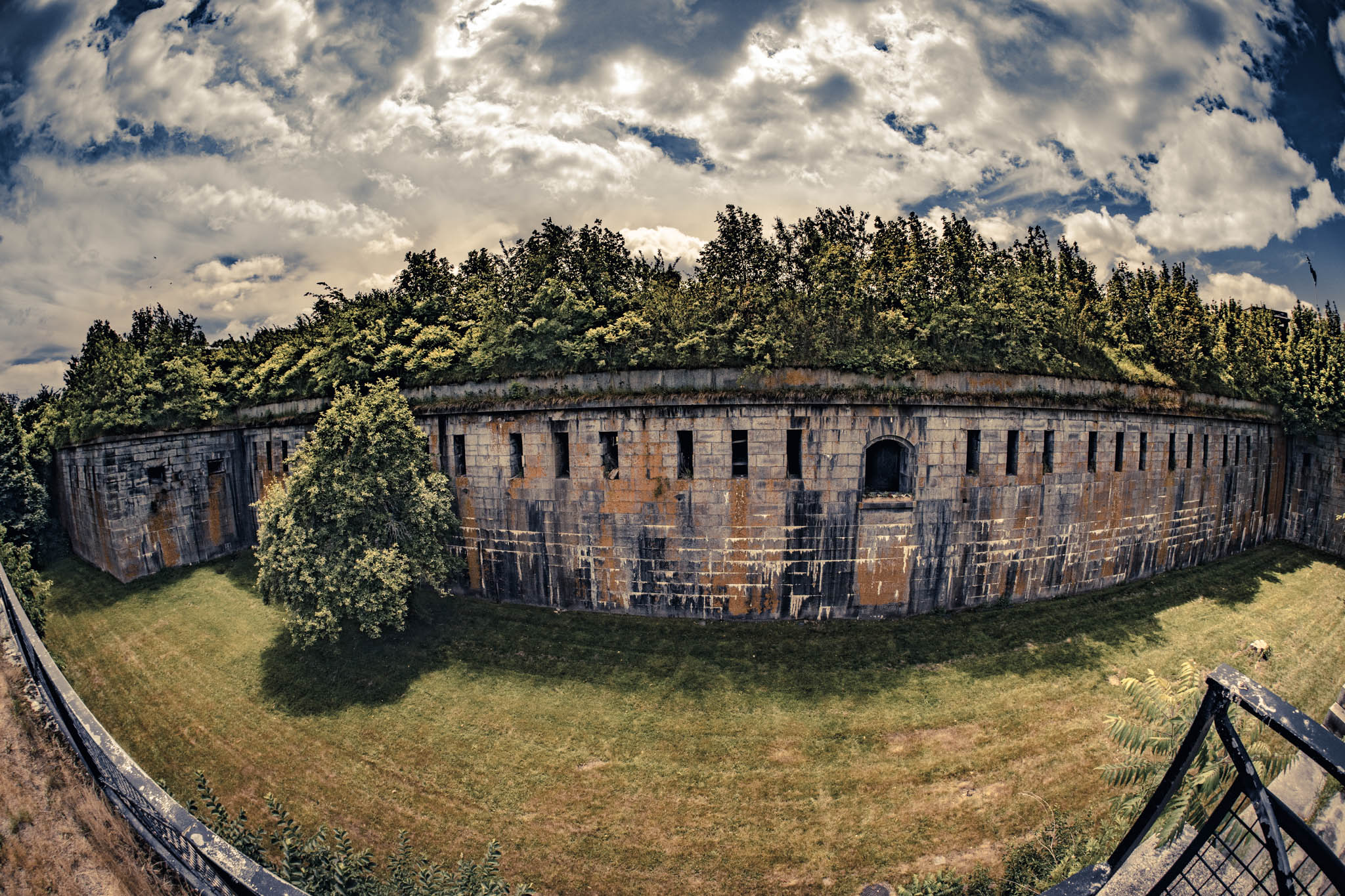
I’ve been meaning to visit it for years, having noticed it from the window of an airplane returning to Logan Airport. There’s always an appeal, for me at least, in this sort of obsolete military fortification. It’s an austere and pragmatic architecture without architect (mostly designed as it was by military engineers), shorn of any unnecessary flourishes or decoration and laid out with absolutely concrete programmatic goals in mind — quite a refreshing change from the foolish sort of thing on which I have spent much of my career.
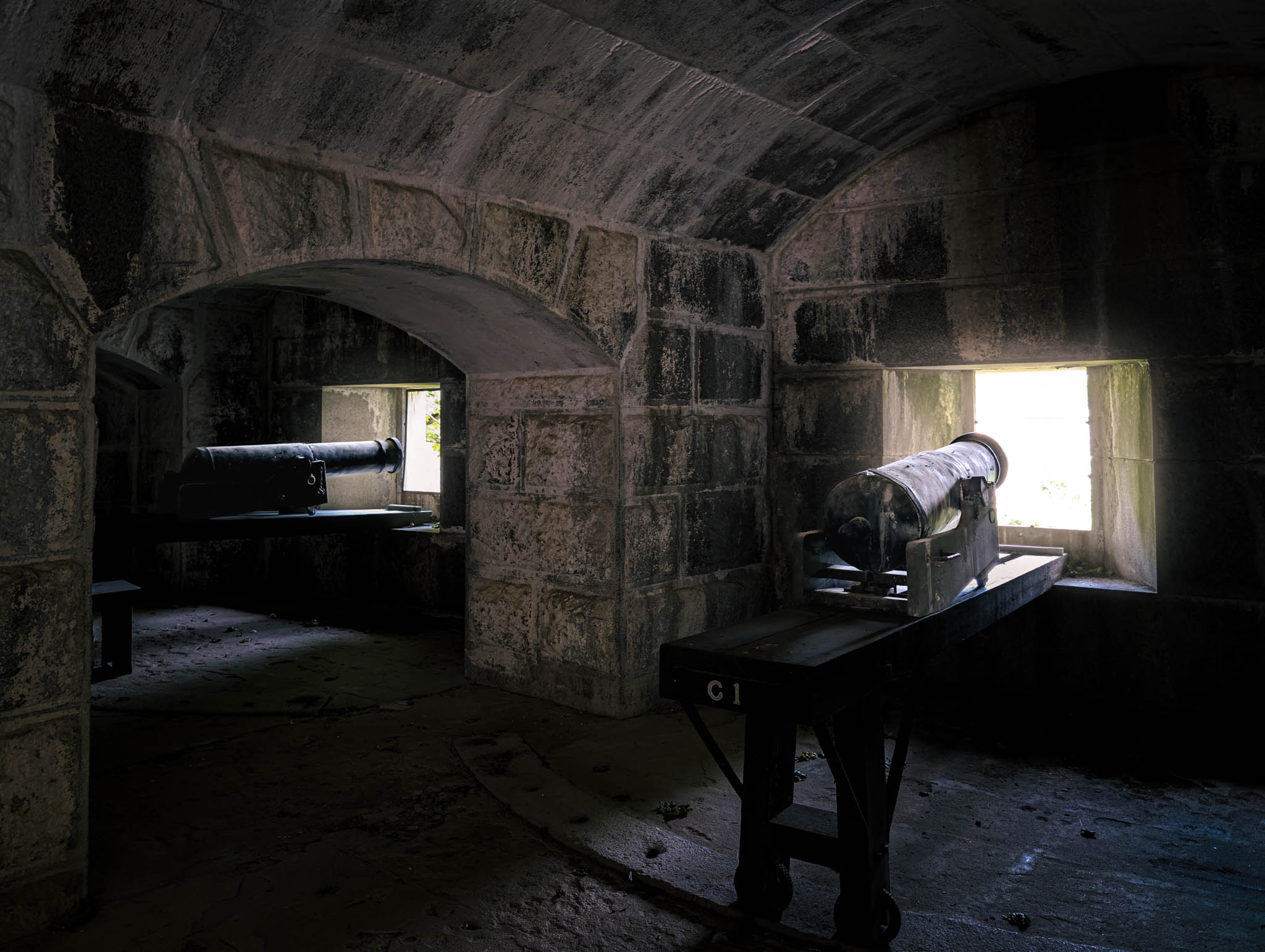
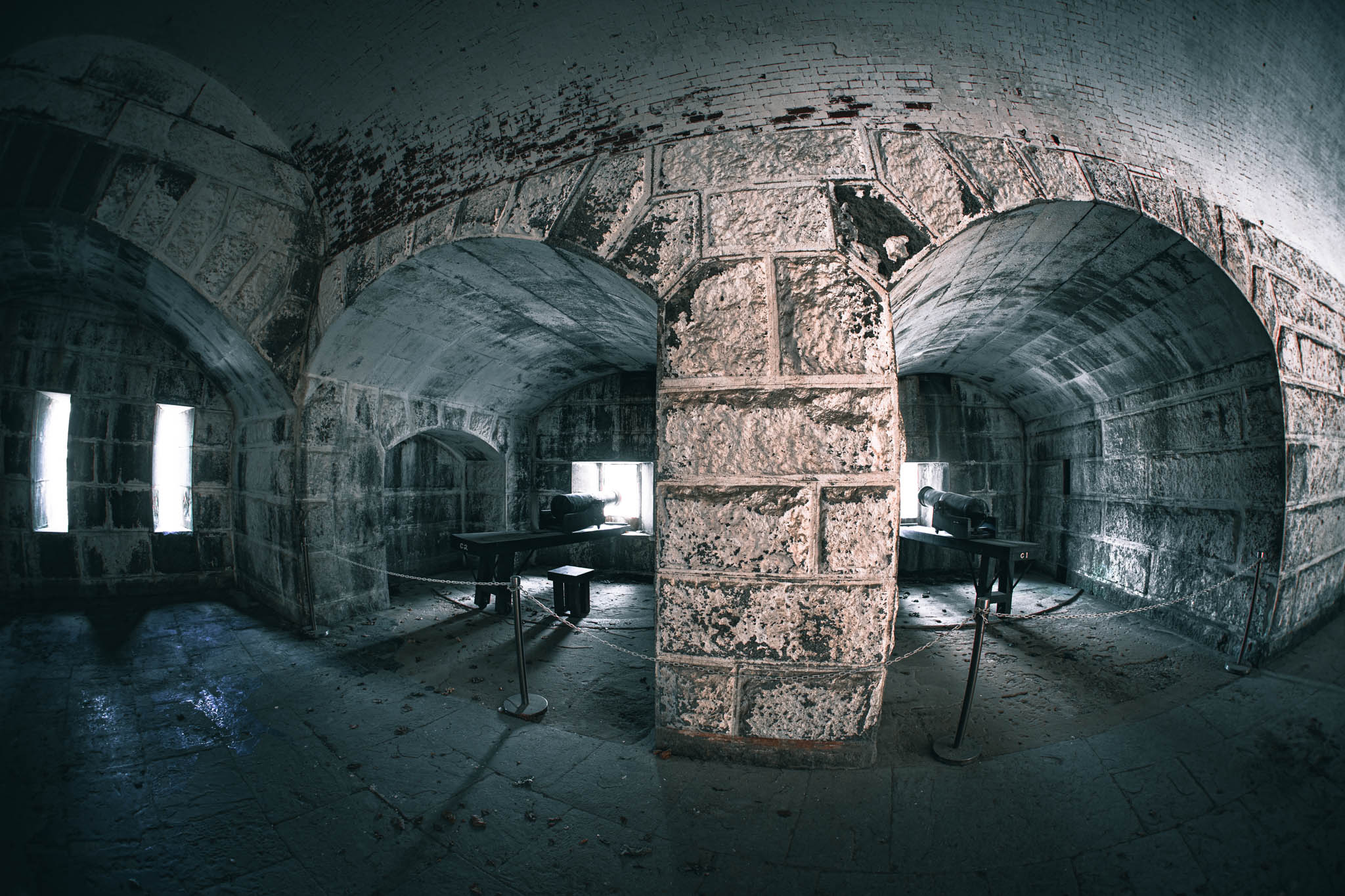
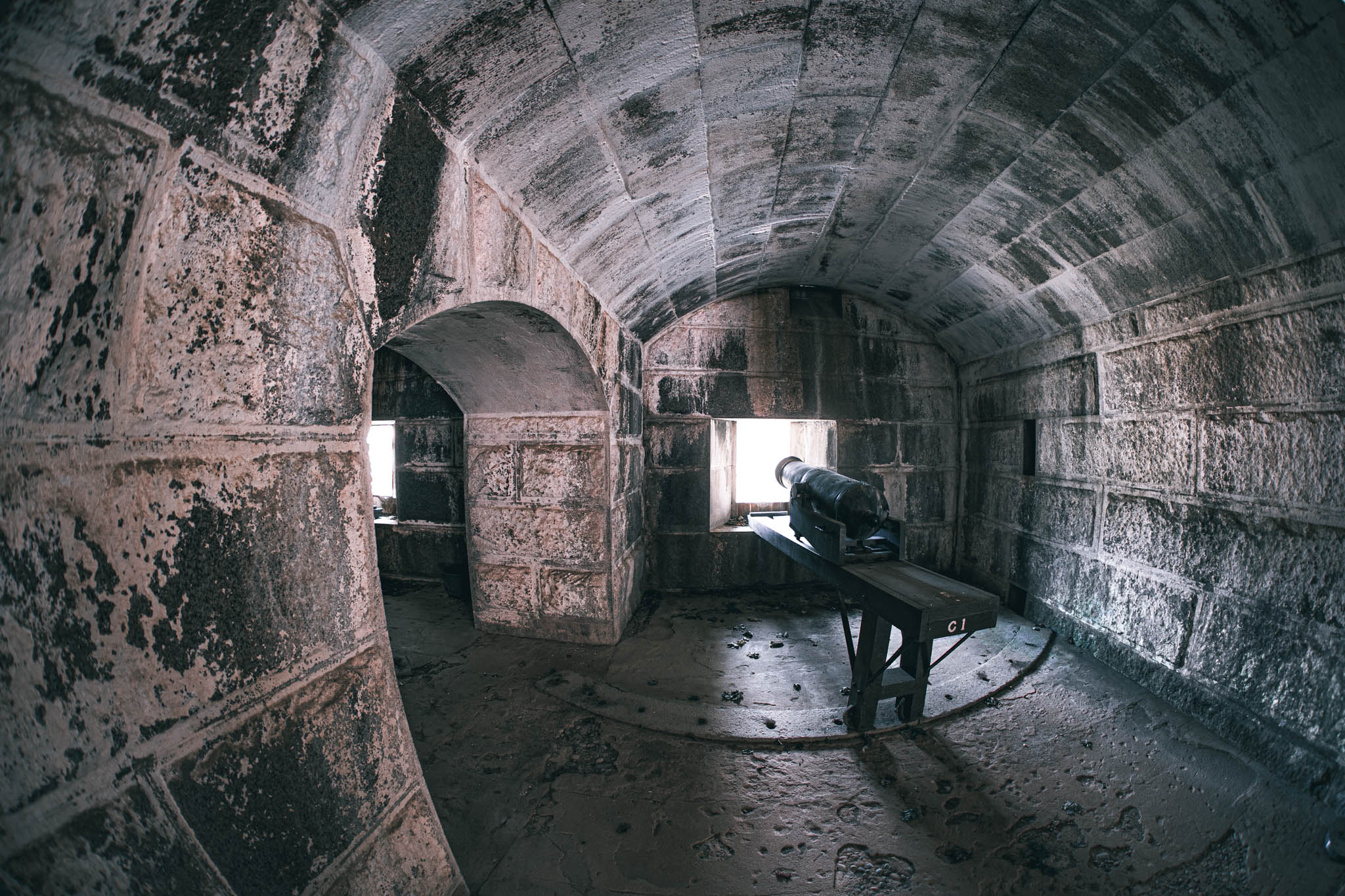
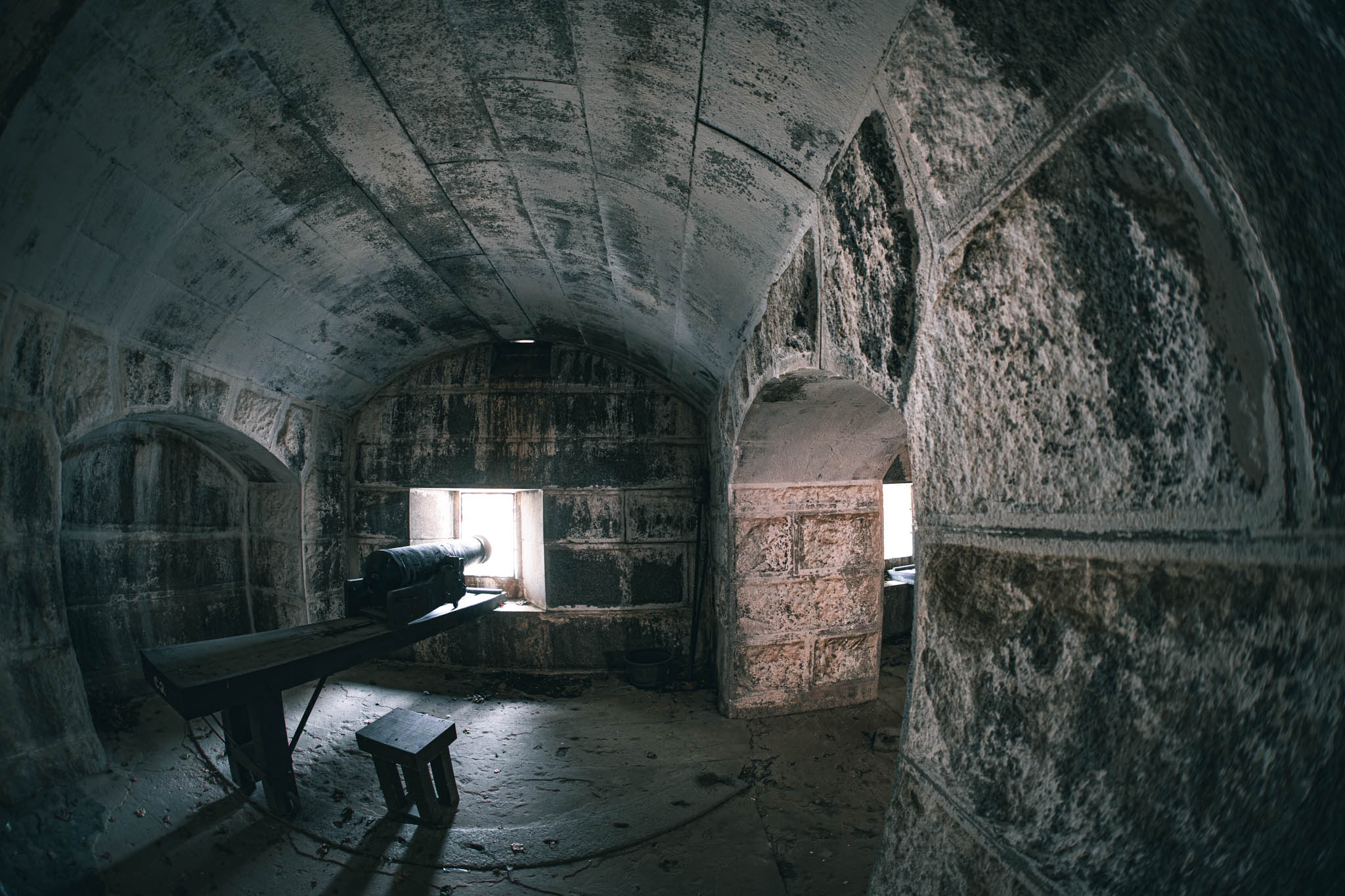
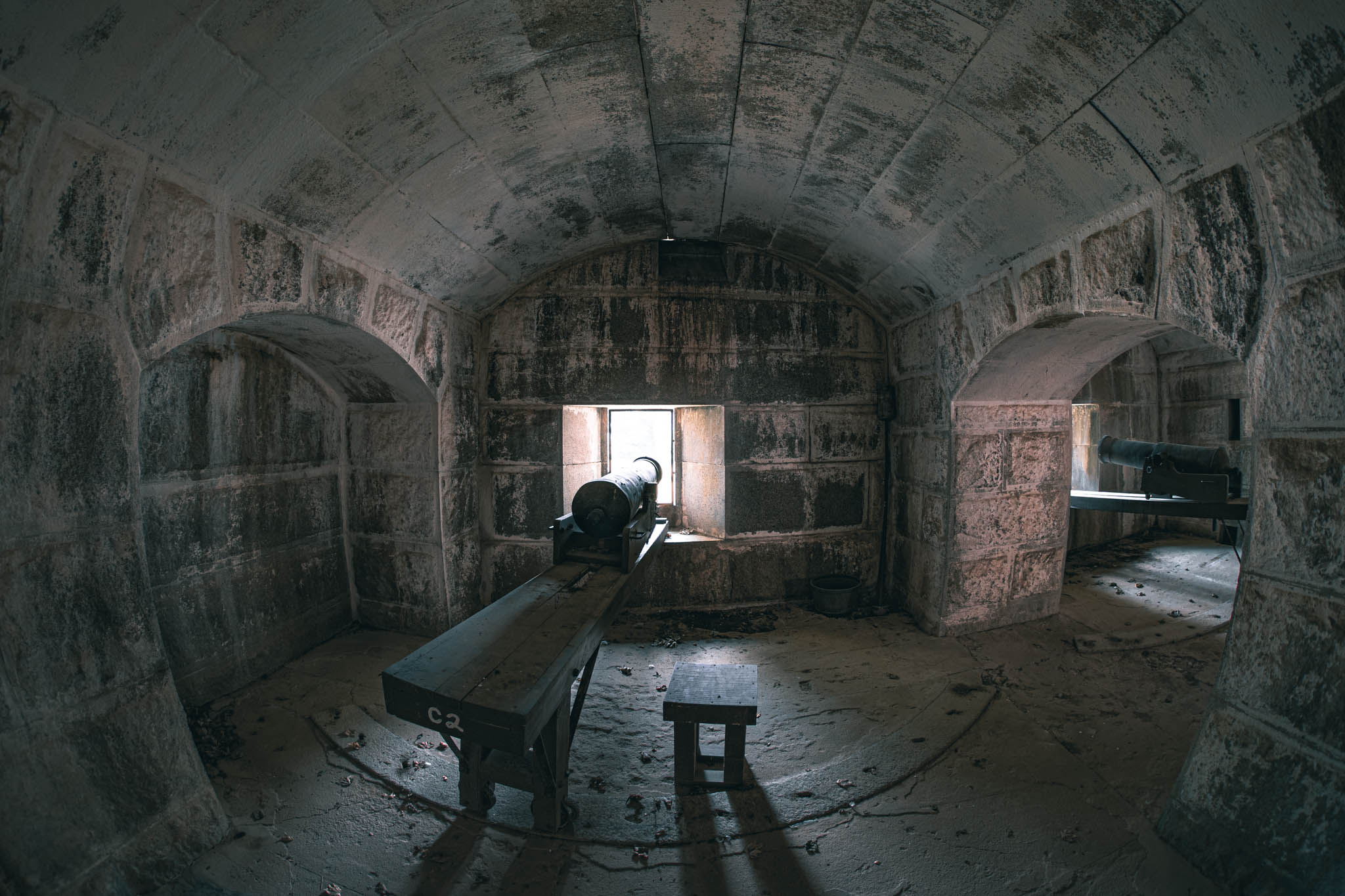
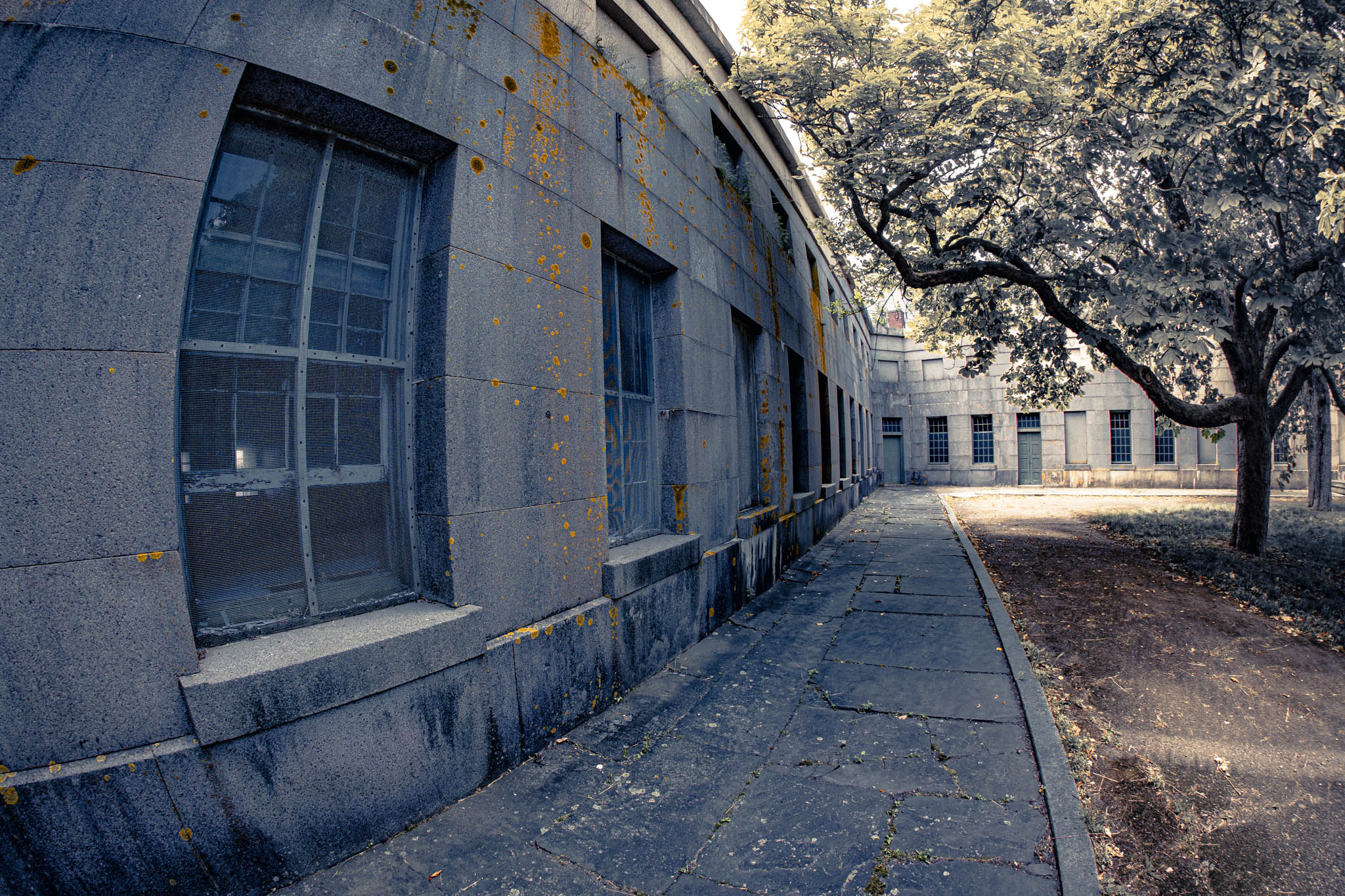
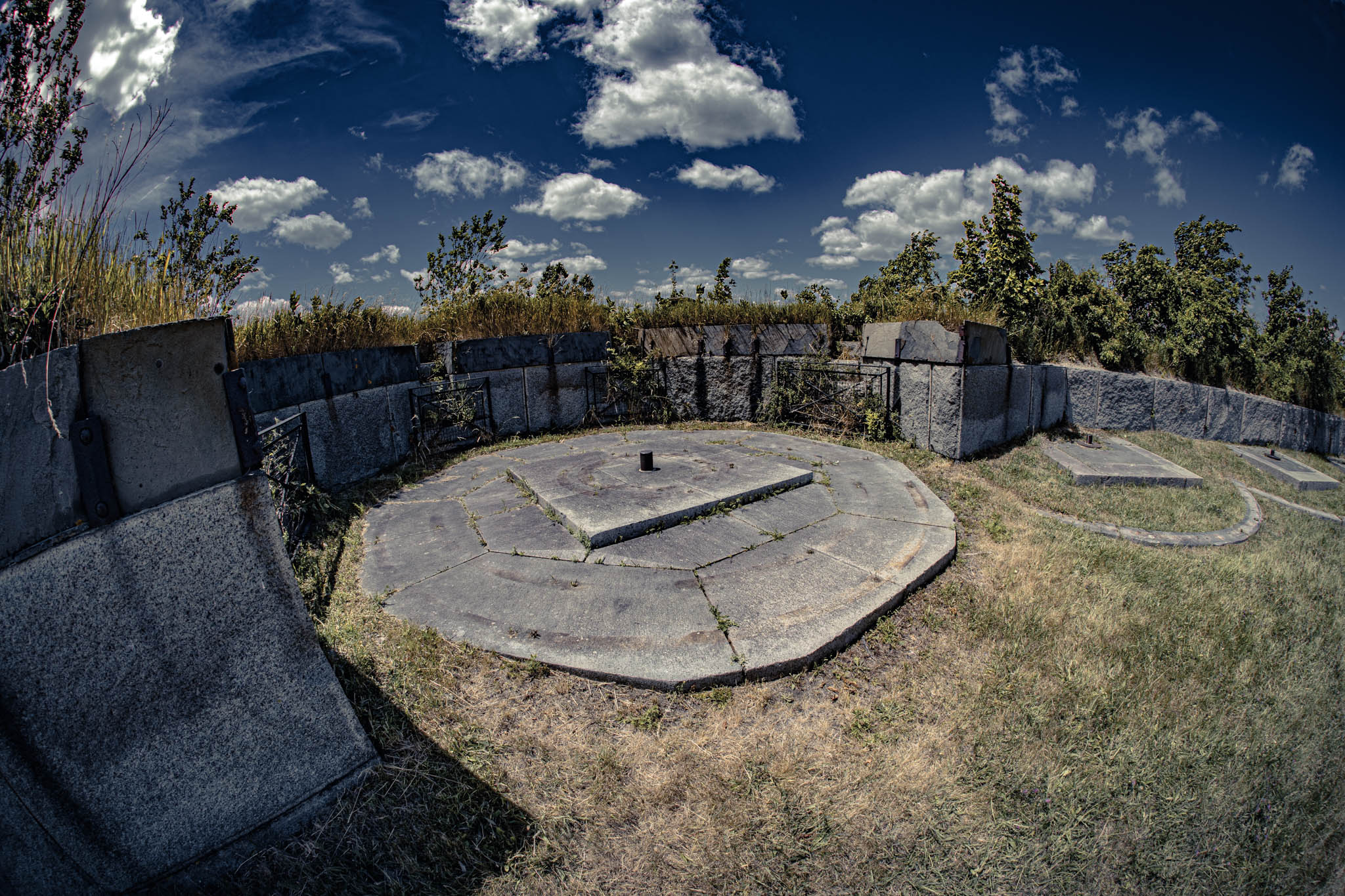
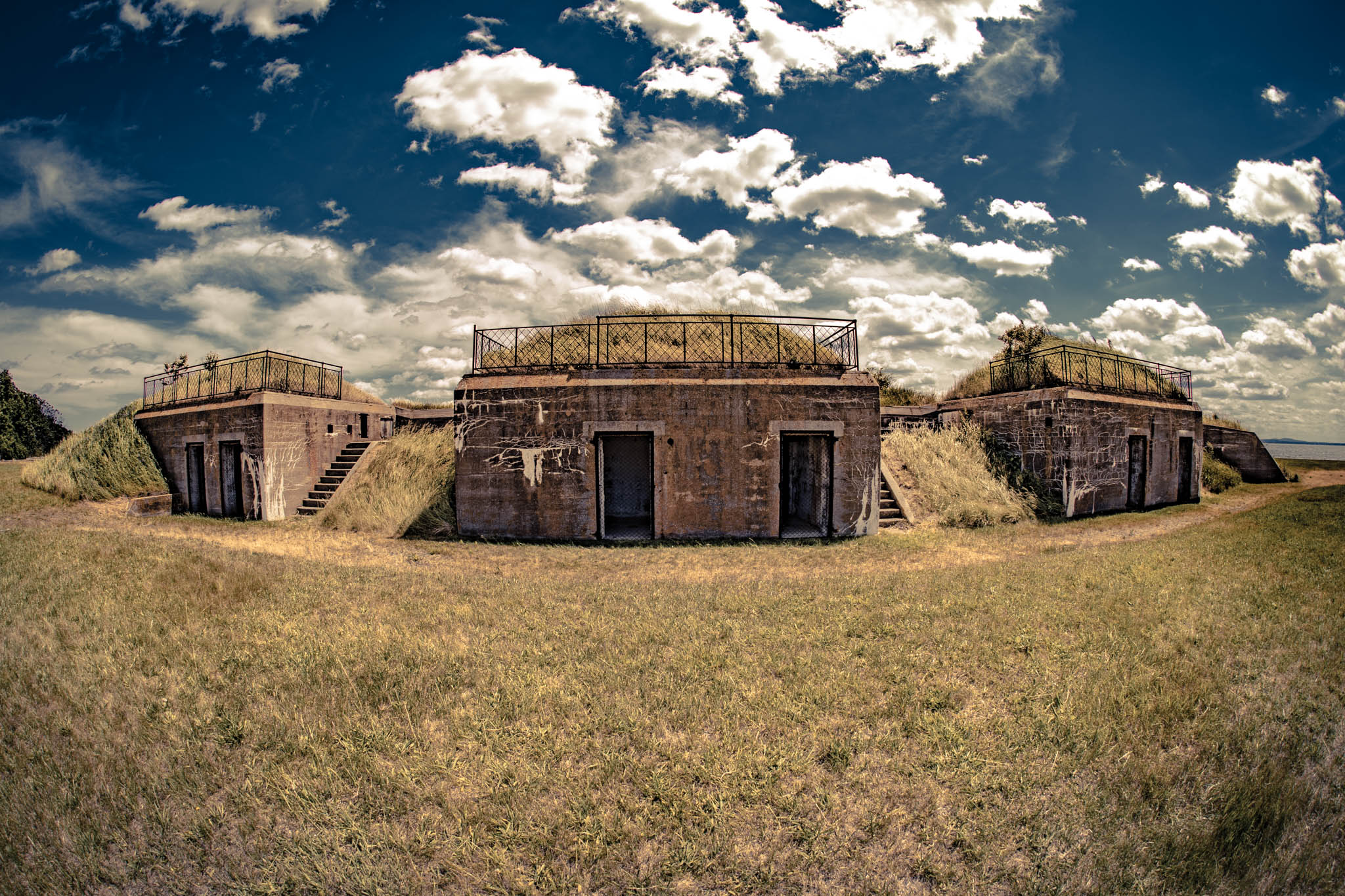
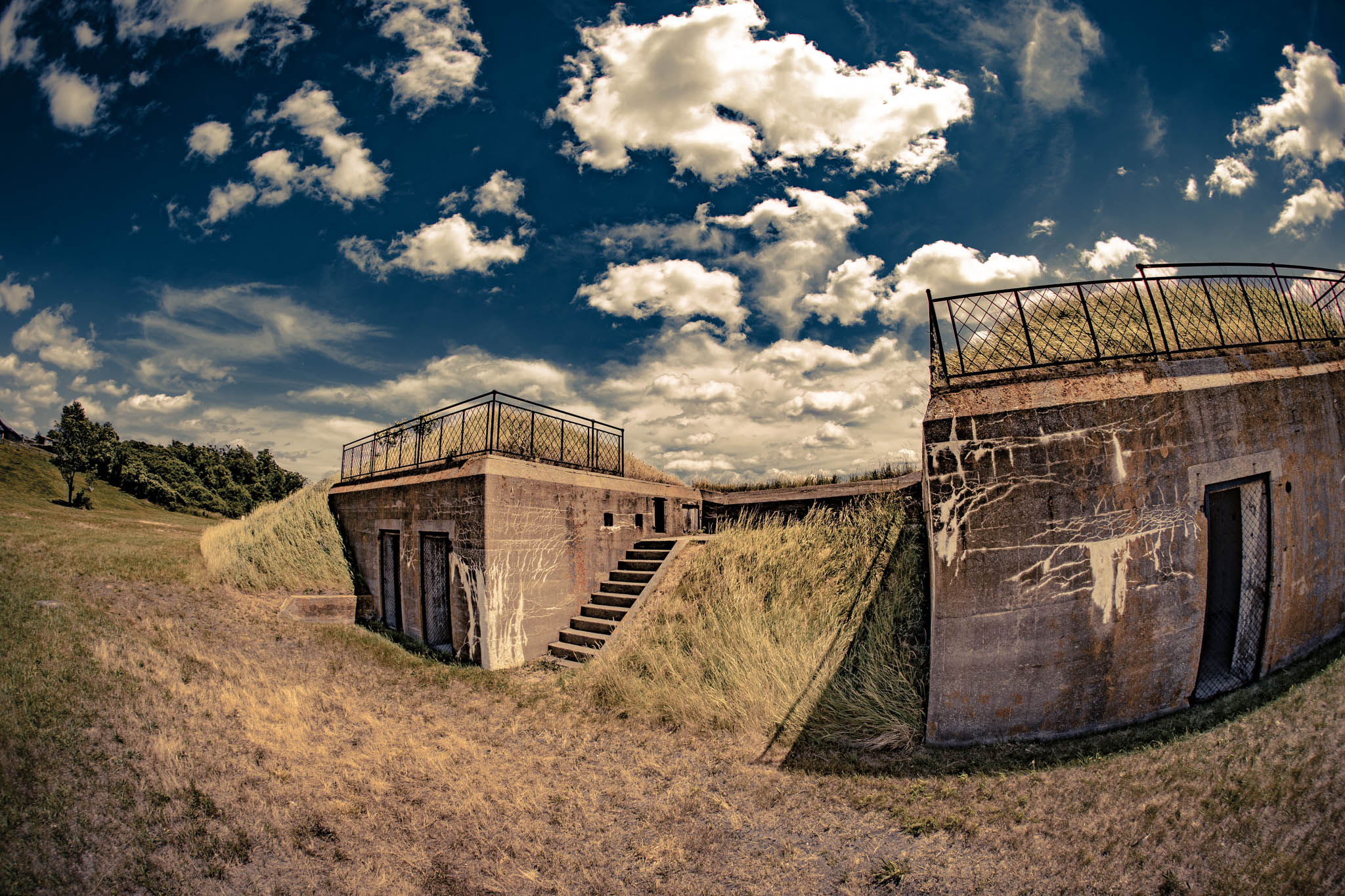
But I didn’t prepare for visiting the fortress as thoroughly as I typically do for my pretend-expeditions, and it didn’t occur to me until I joined a young NPS ranger’s brief tour of the historic highlights that — despite the complex Third System fortifications and the fearsome examples of nineteenth-century artillery left left rusting at parapets or positioned dramatically in dim casemates against the bright glare of embrasures opening onto the Narrows or Nantasket Roads — the great guns were never fired in anger, in desperate defense against foreign warships attempting to storm the sea gates of old Boston. The fortress’ historical significance principally lays in its impromptu use as a prison during and immediately after the Civil War for captured Confederate soldiers and officials.
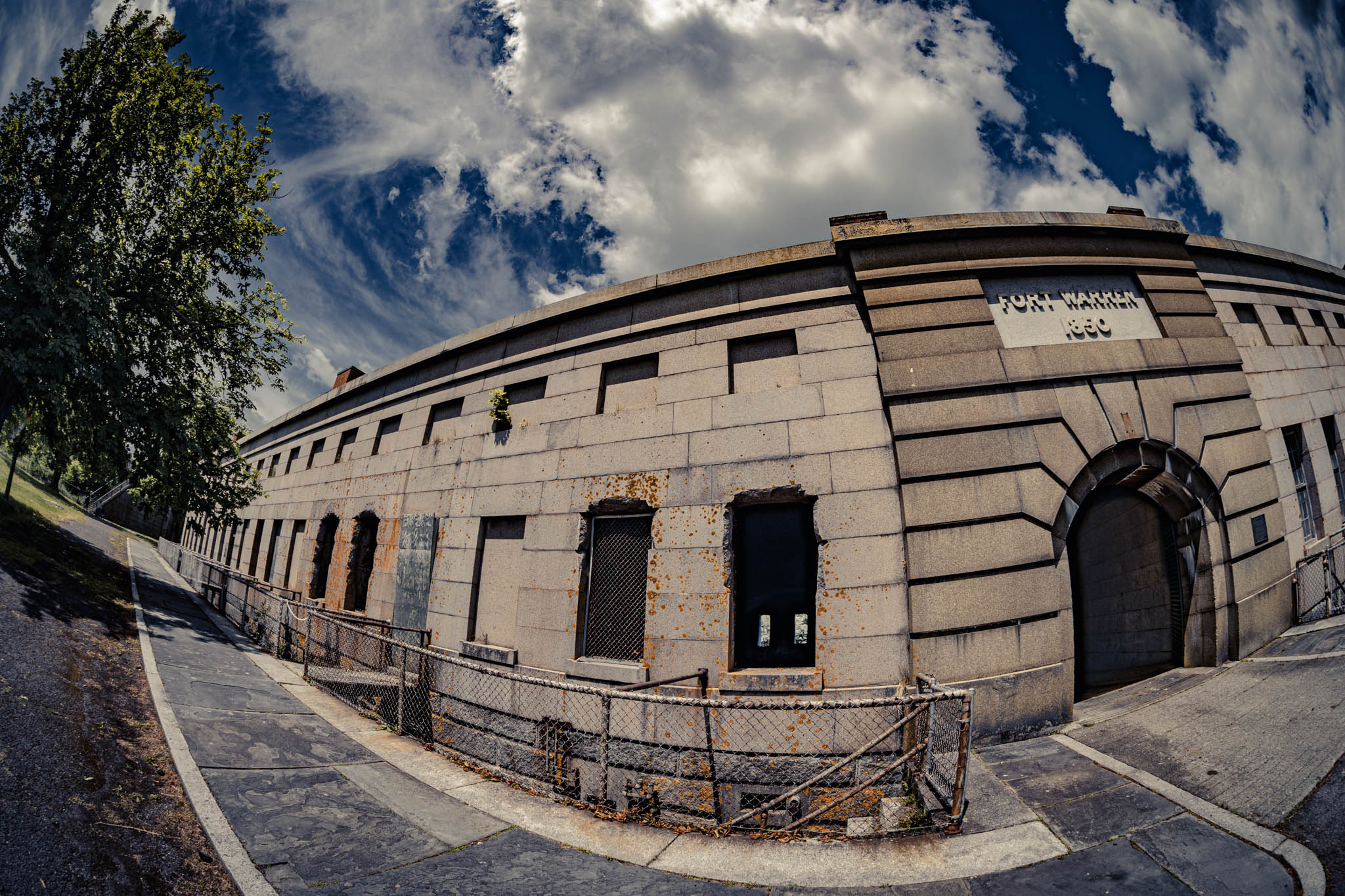
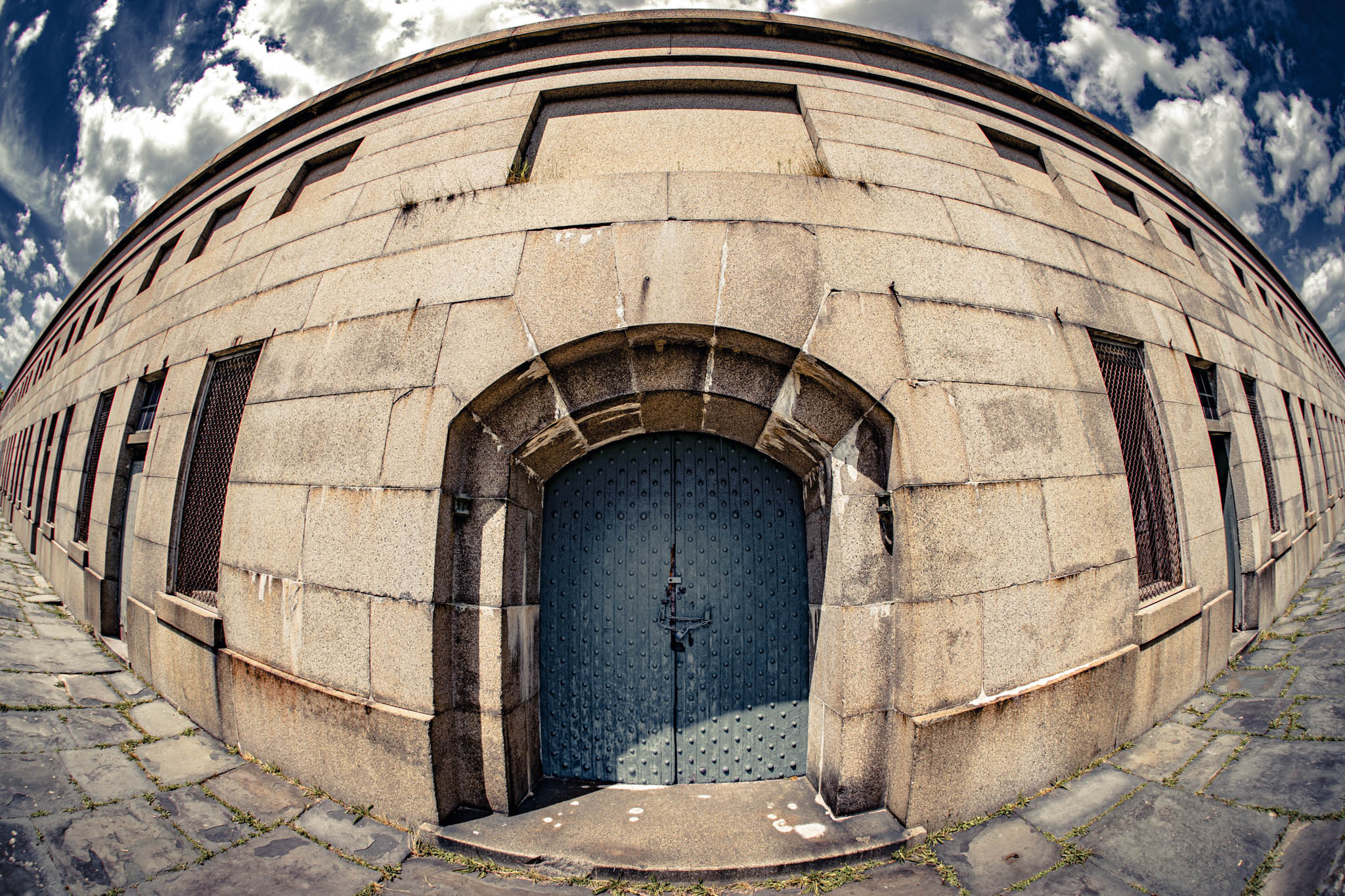
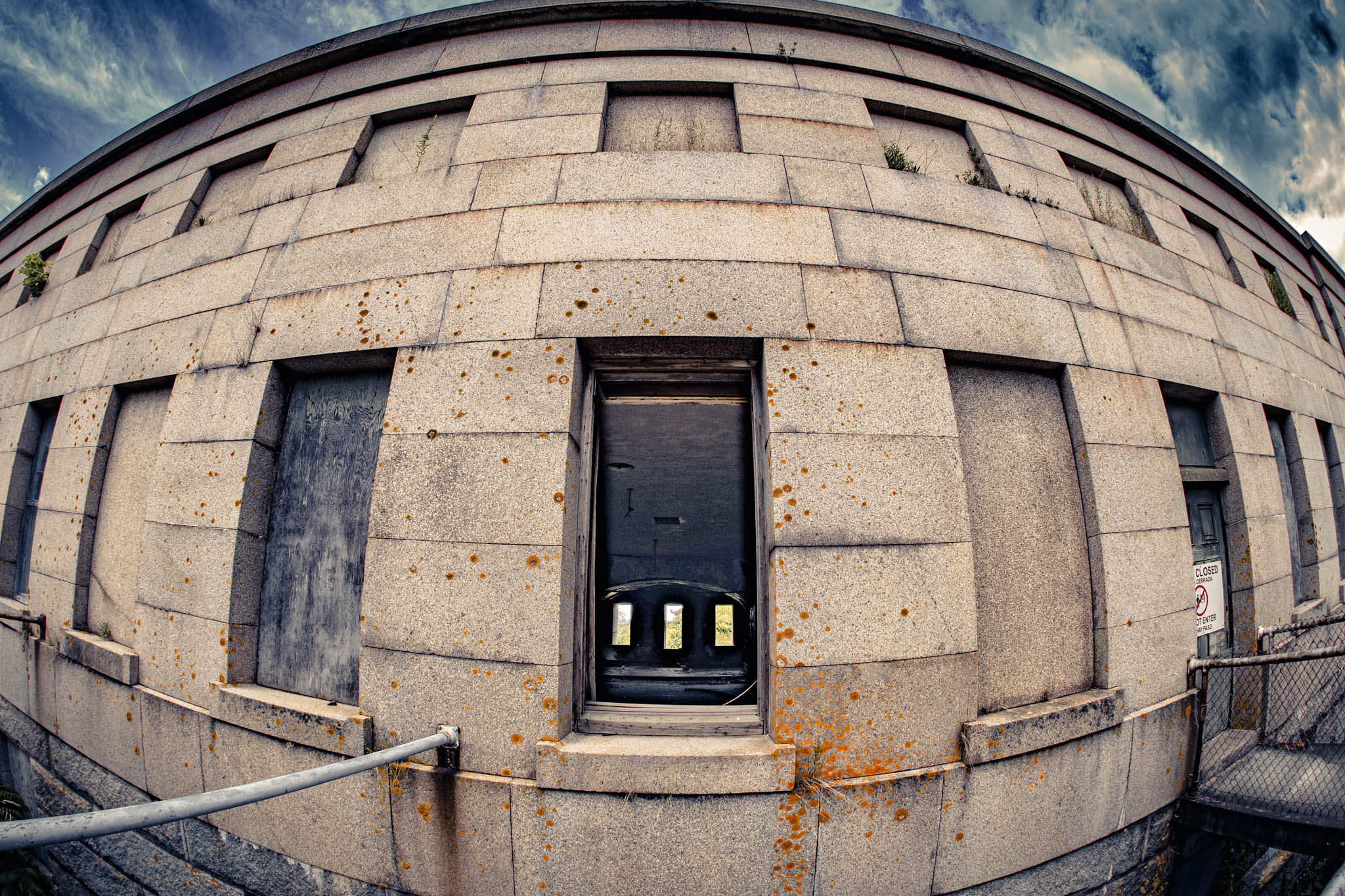
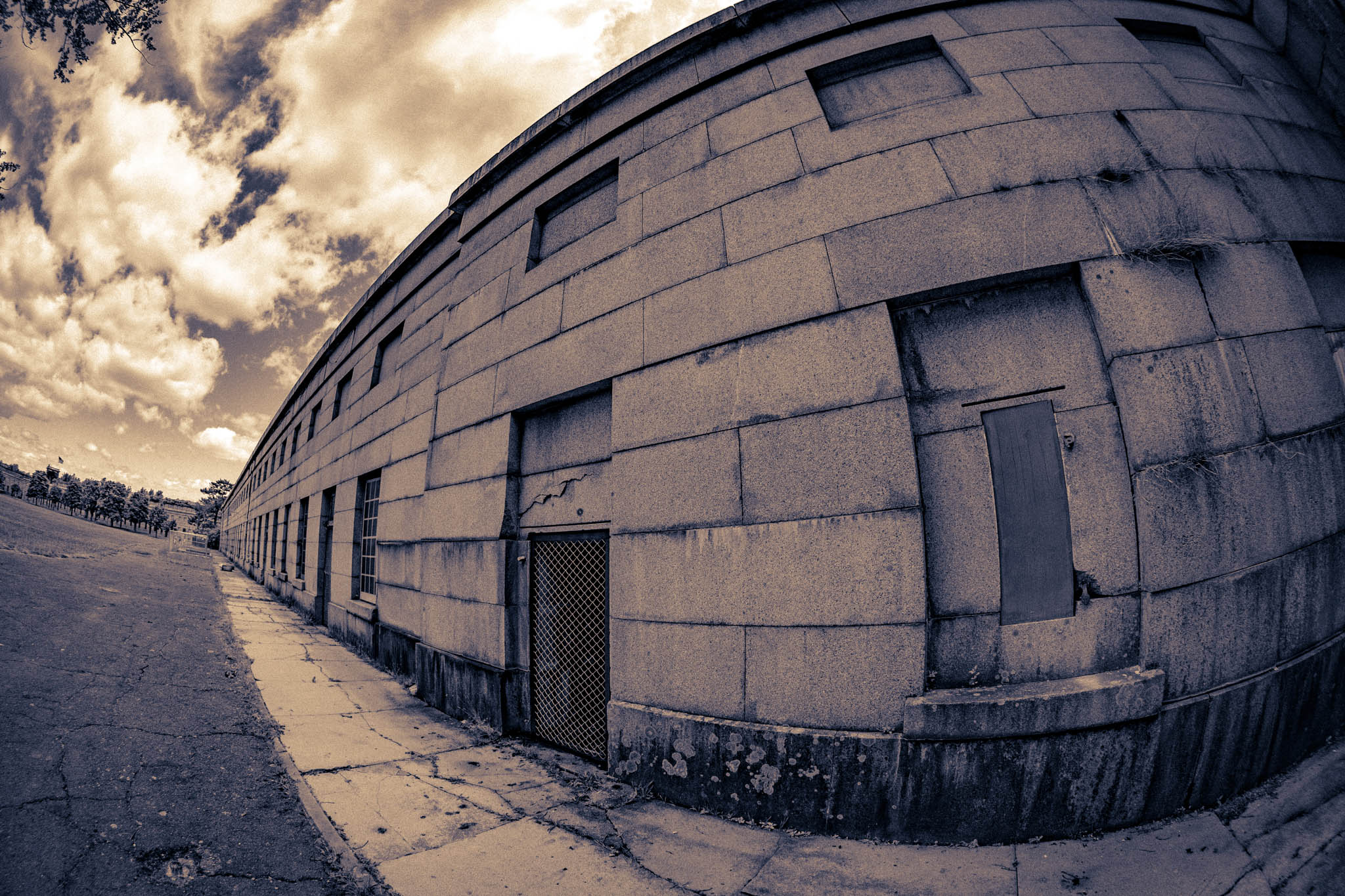
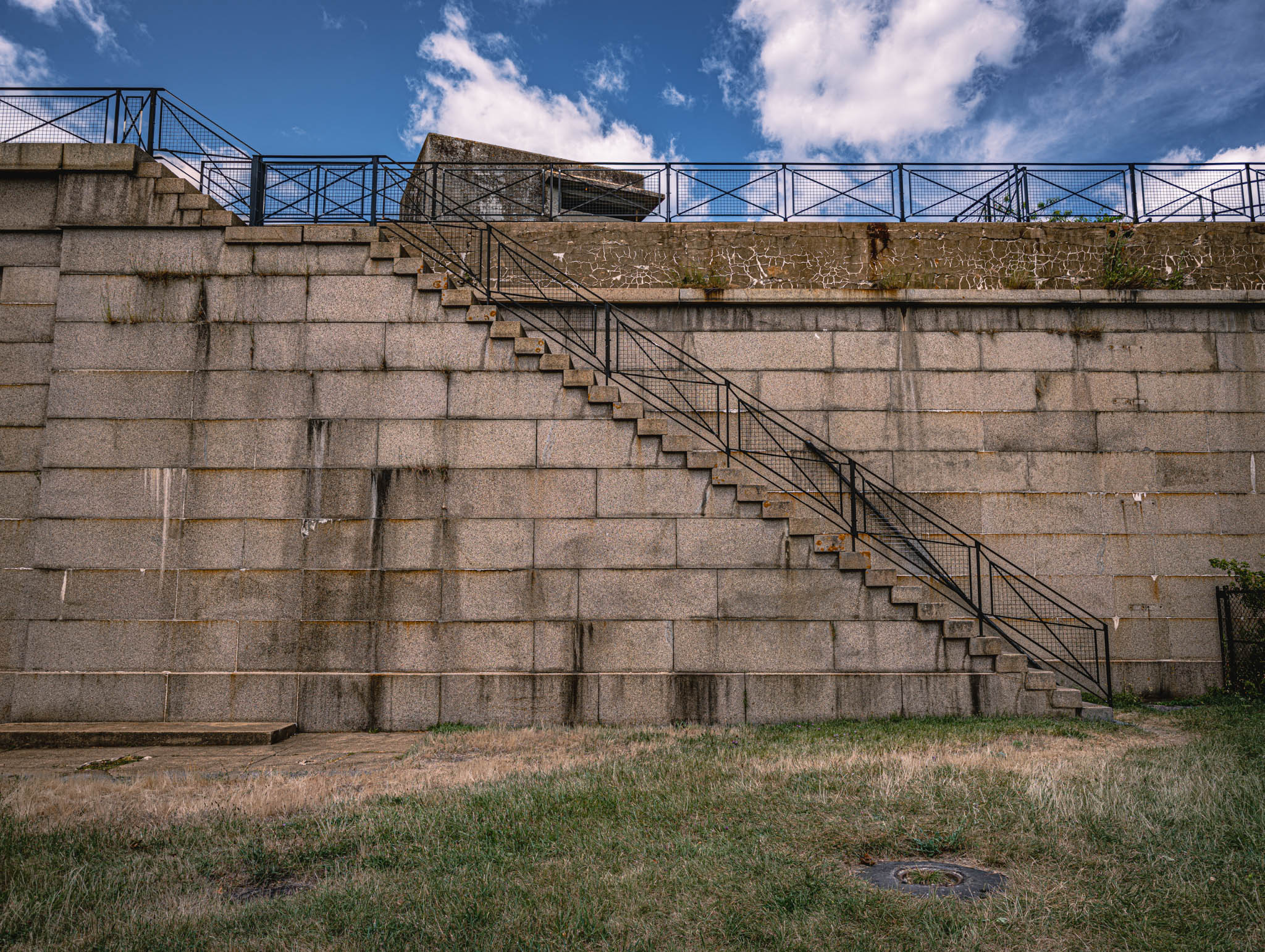
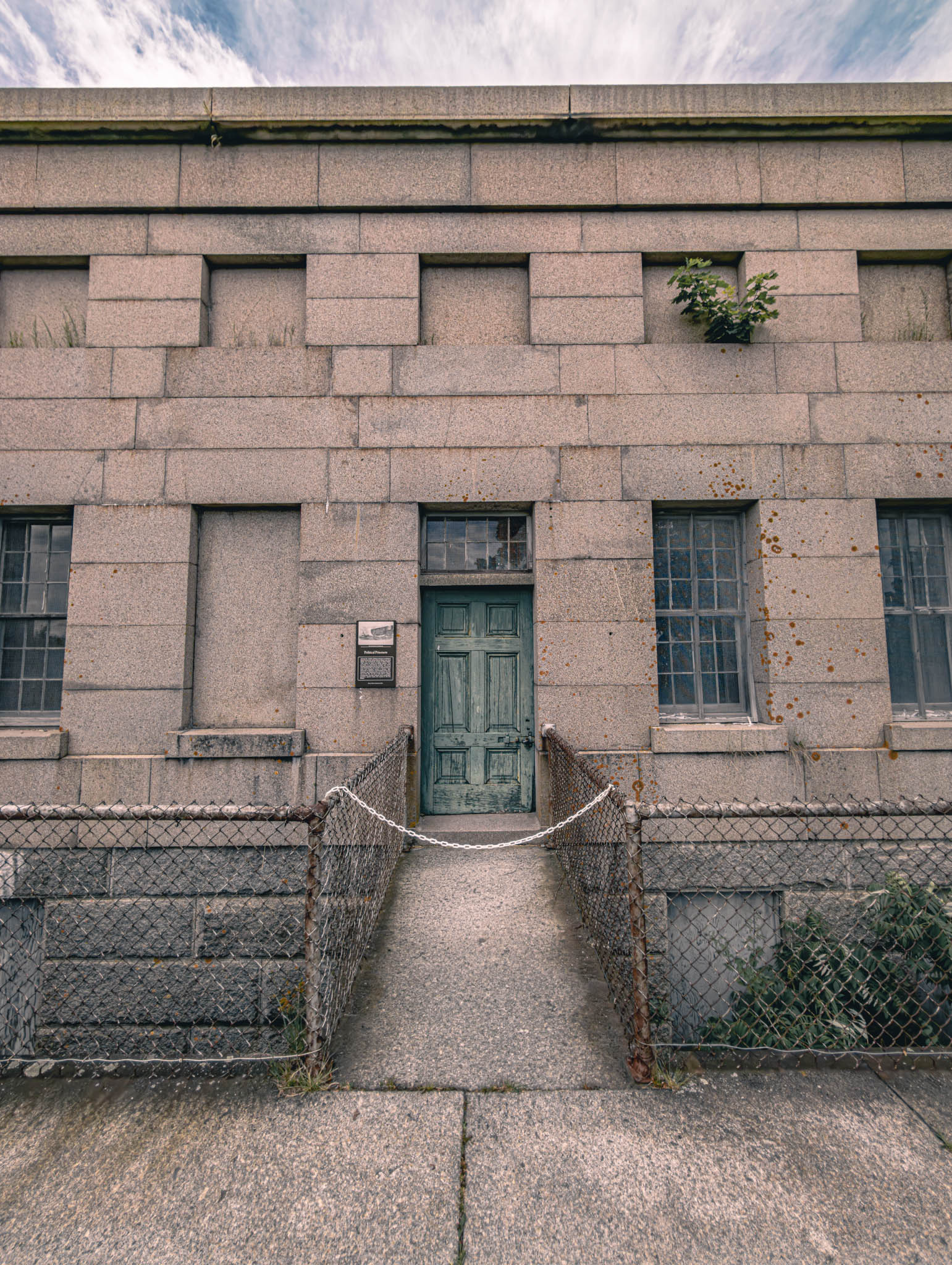
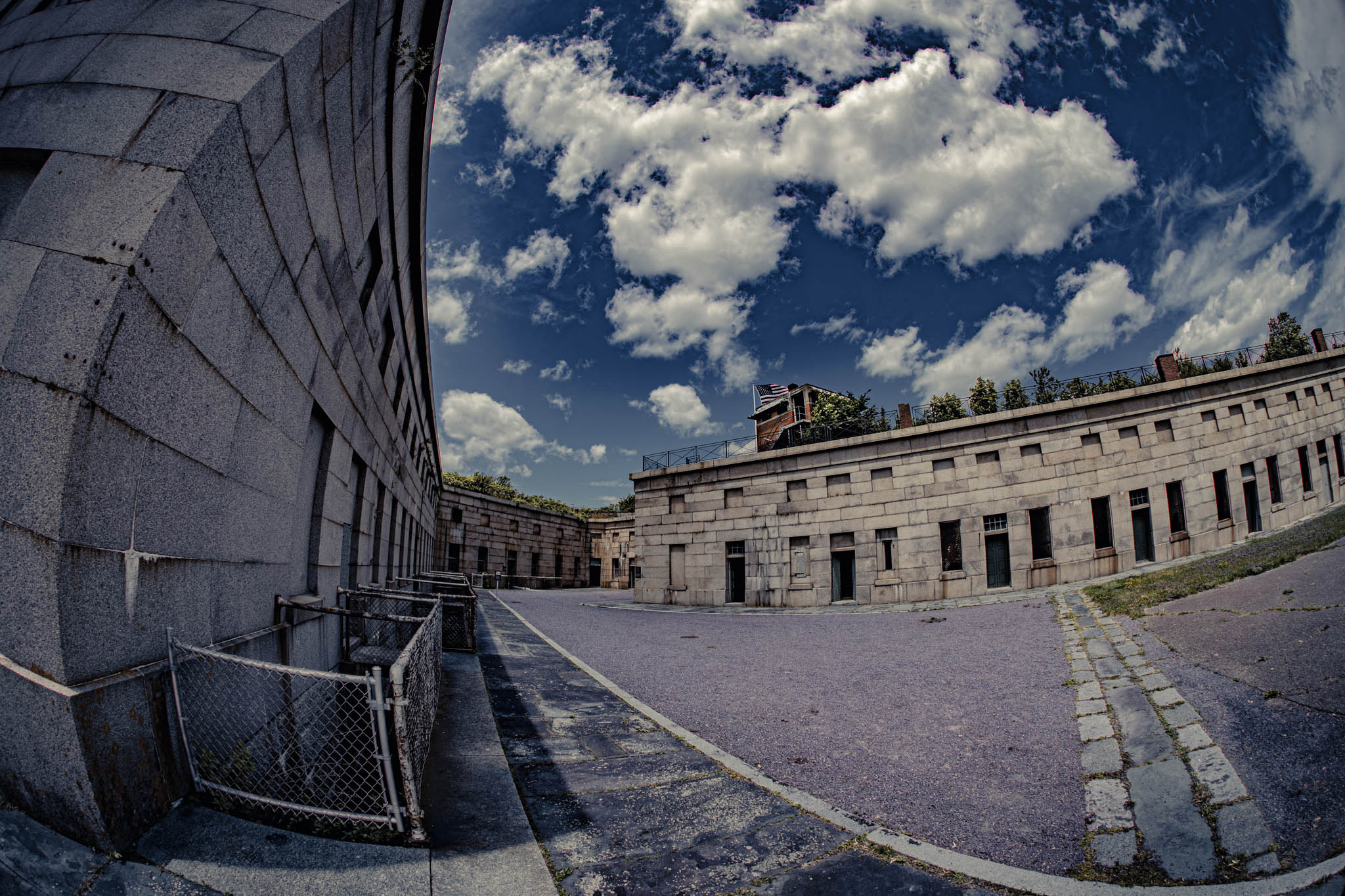
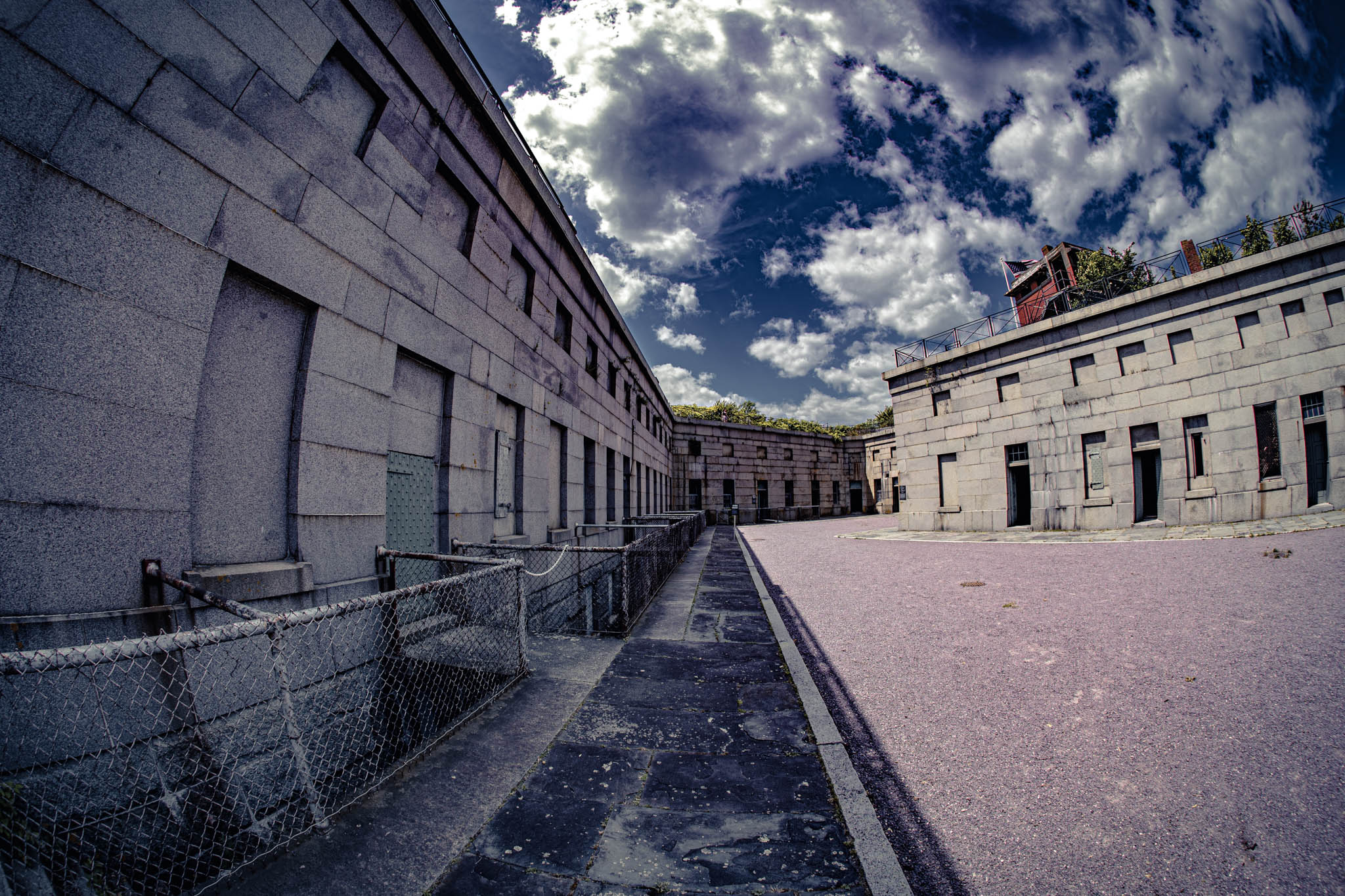
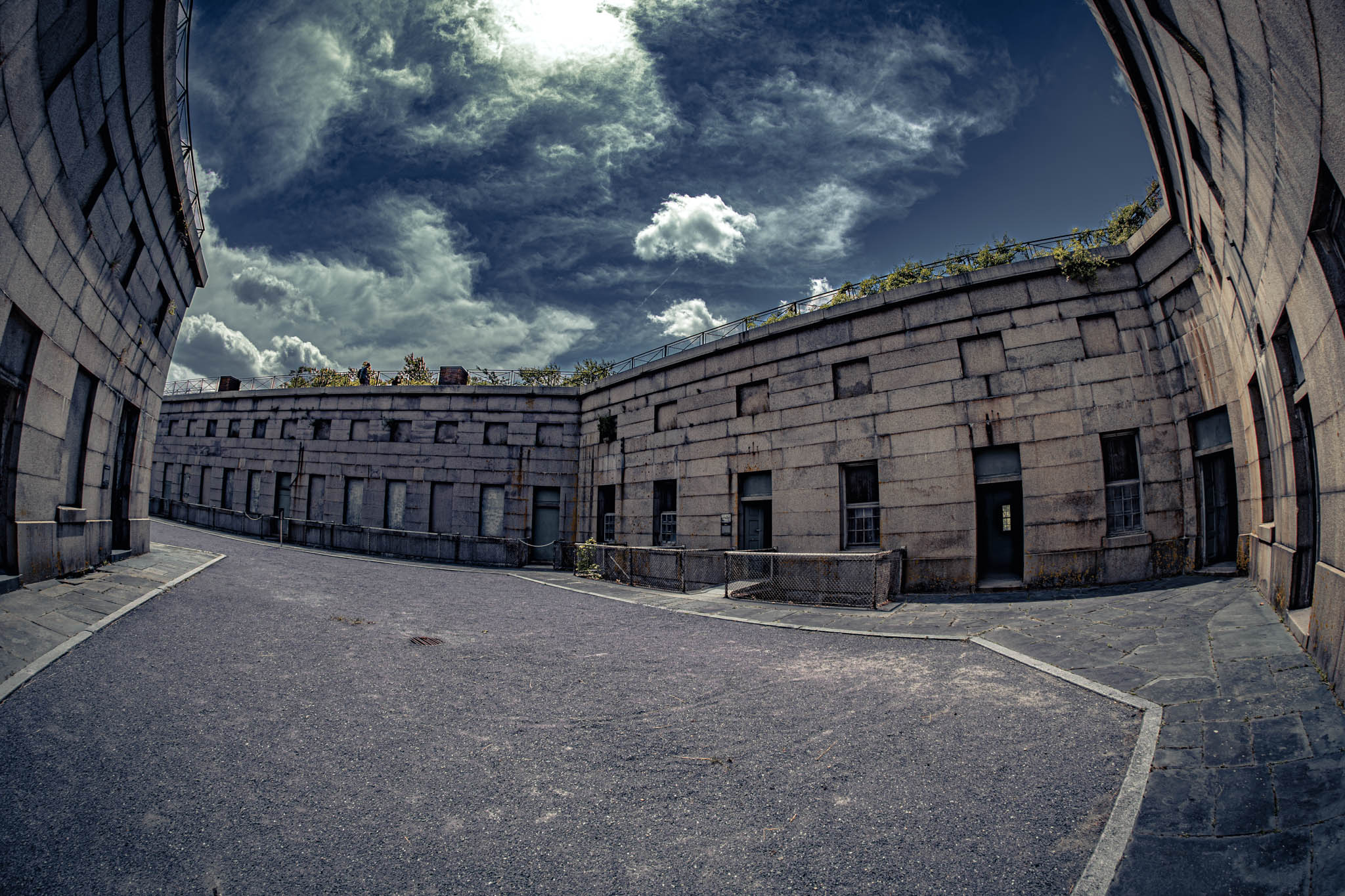
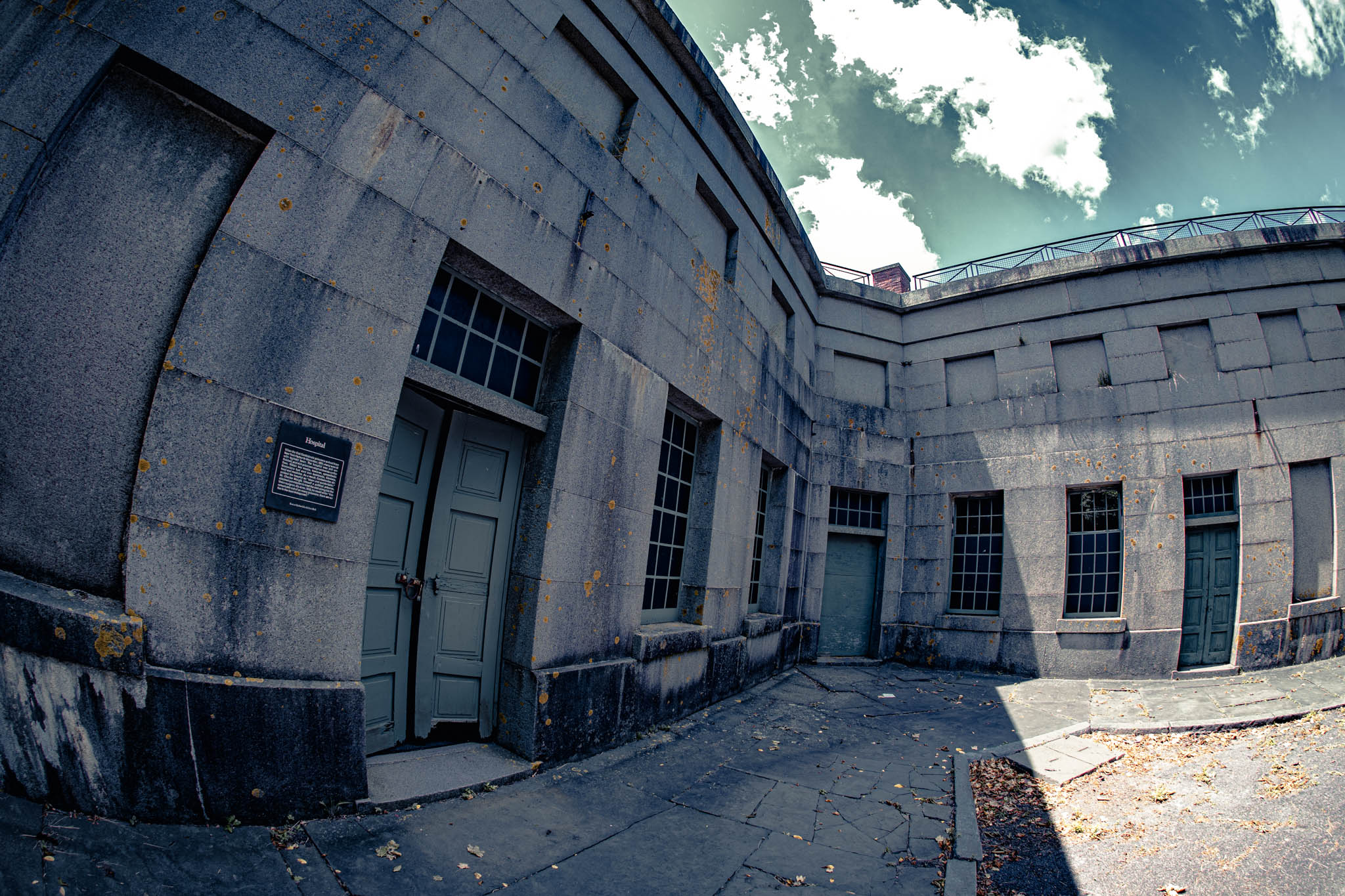
At one point we stopped in front of the blue-green door onto the Parade Ground that led to the chambers where Alexander Hamilton Stephens, the once-and-only vice president of the Confederacy, was held from May 24 to October 12, 1865, with the first two months in solitary confinement. The ranger read a few lines from Stephens’ diary (available here <link>):
The horrors of imprisonment, close confinement, no one to see or to talk to, with the reflection of being cut off for I know not how long — perhaps for ever — from communication with dear ones at home, are beyond description. Words utterly fail to express the soul’s anguish. This day I wept bitterly.
I couldn’t help but marvel at Stephens’ inability to relate this short stint (in actuality, in well-provisioned converted officer’s quarters) to the the life-long and hopeless imprisonment he and his countrymen had imposed (and had they been able, would have continued to impose) on the black inhabitants of the South, including the thirty-four souls that would have been considered the vice president’s personal chattels before Emancipation was enforced by occupying Northern troops.
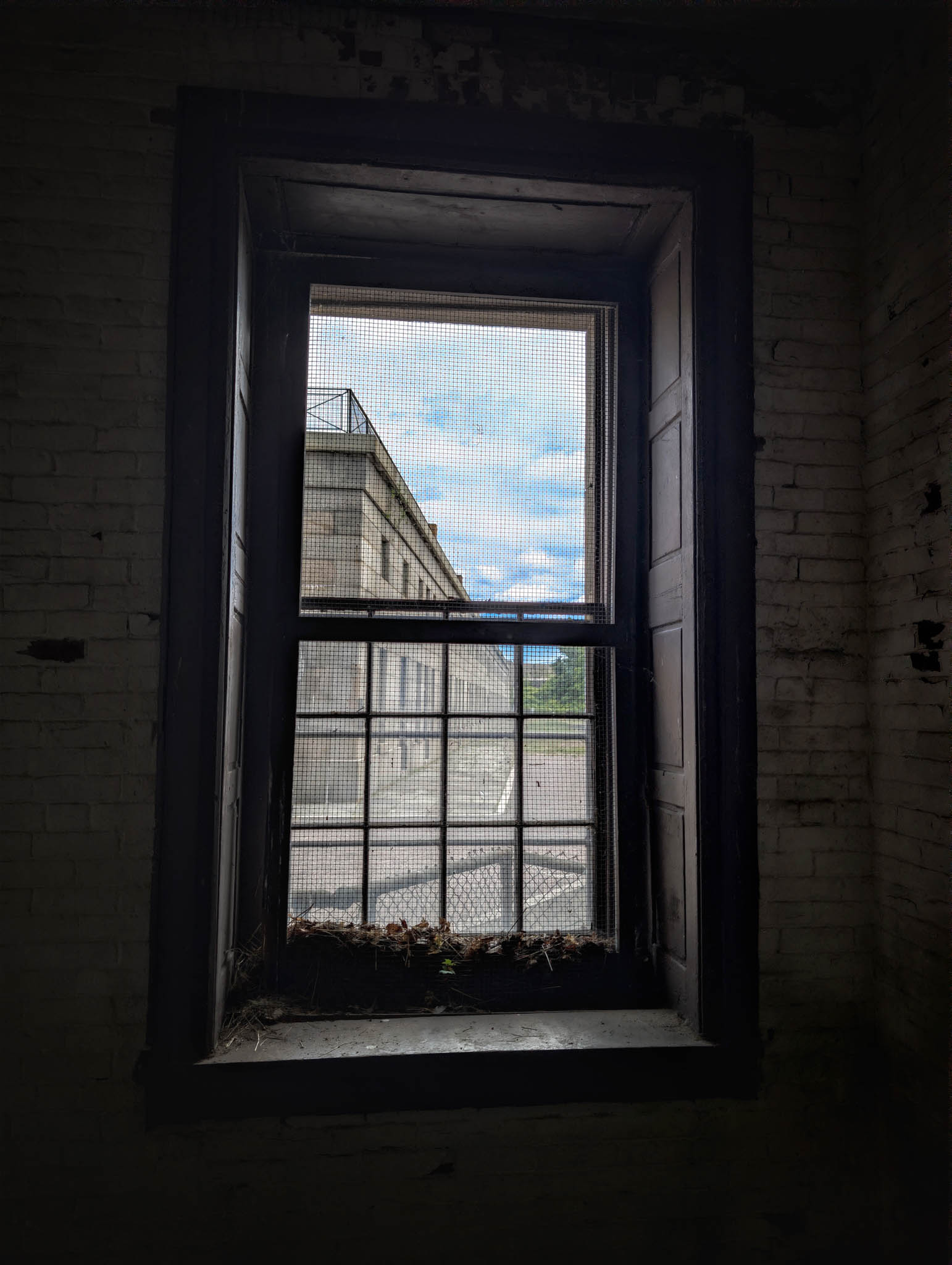
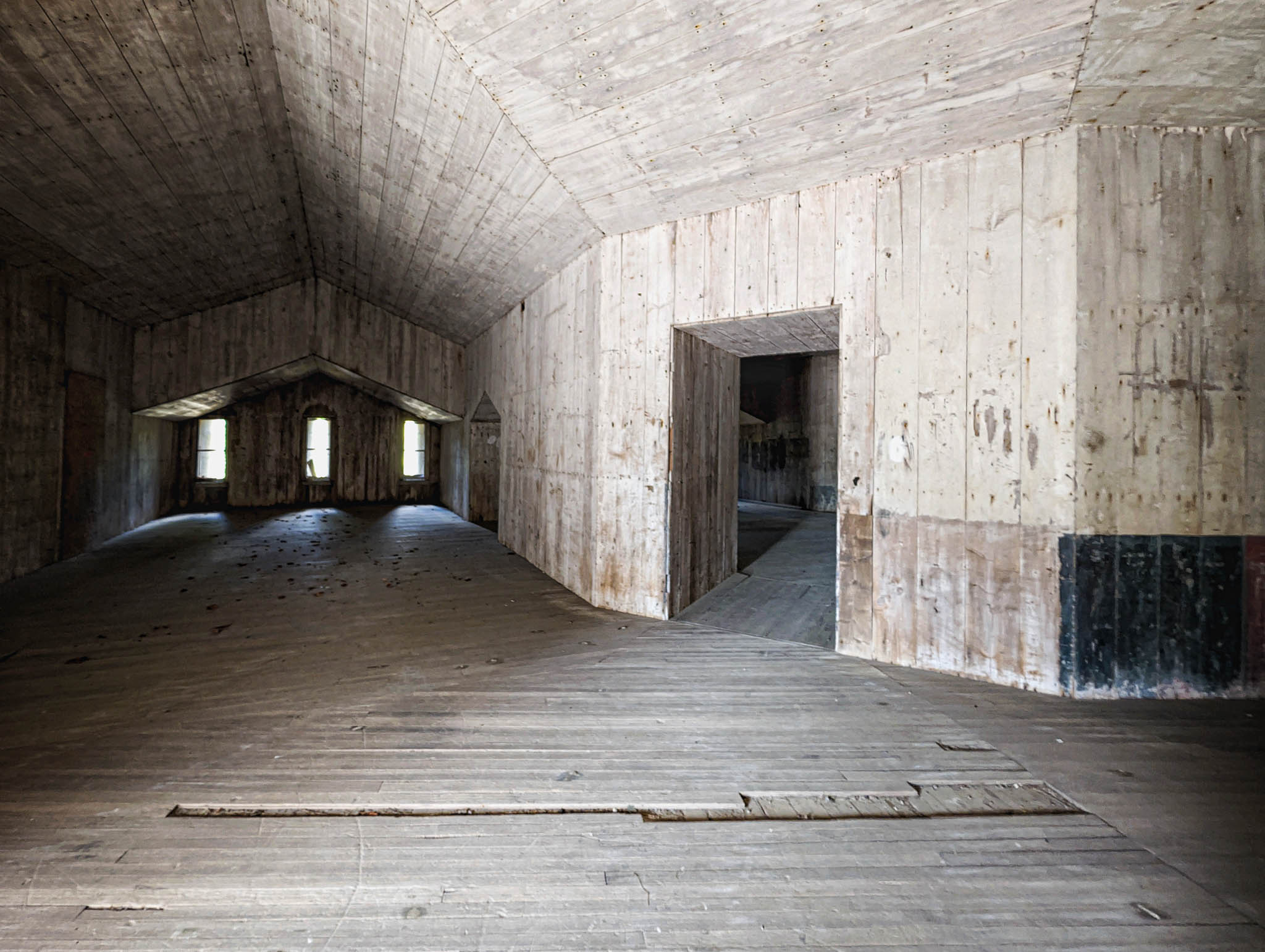
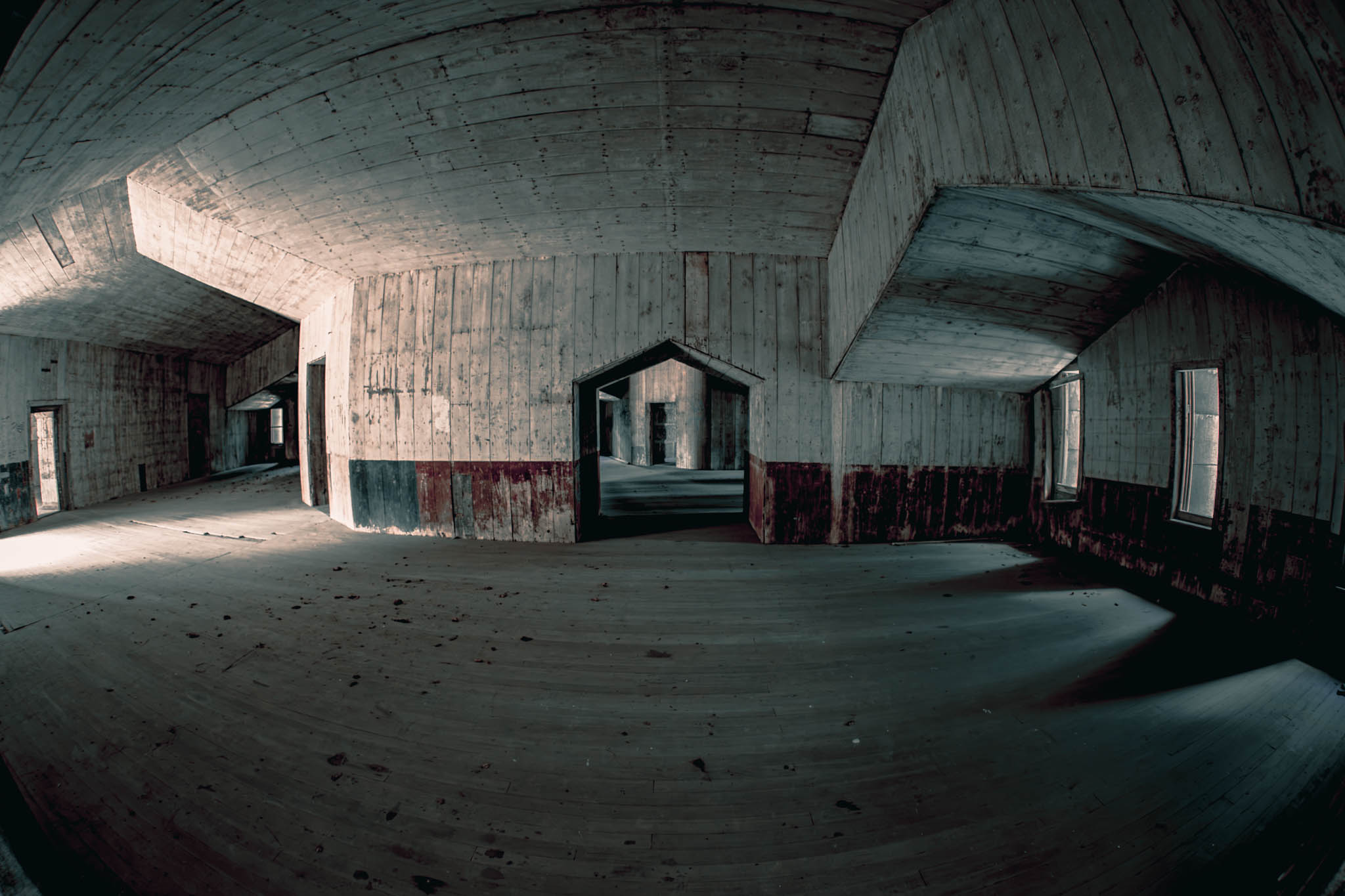
Am I so certain that I have avoided similar cognitive dissonance? After all, at least two of my great great grandfathers were also Confederate prisoners of the Union. Burton Daniel Wadsworth seems to have been captured relatively early in the War, before he was paroled in exchange for some Union soldier and then went back to his rich wife and a long career as a Jim Crow politician in post-Reconstruction Florida; Benjamin Hill Lassiter, a sort of Confederate hero who survived eleven major battles including Pickett’s Charge at Gettysburg, spent less than six months at the end of the War on a New York island prison off of the Bronx in the Sound, before returning home to North Carolina for a long life, many children, and some success as a respected land-owning farmer.
They were brave men in pursuit of a fundamentally evil cause — and who don’t seem to have particularly paid for it. In this they had much in common with Stephens, who eventually returned to power as a Congressman and then governor of Georgia. Am I so certain that I shouldn’t have made amends for their prosperity (which undoubtedly contributed to my own, down the generations)? Is it too late?
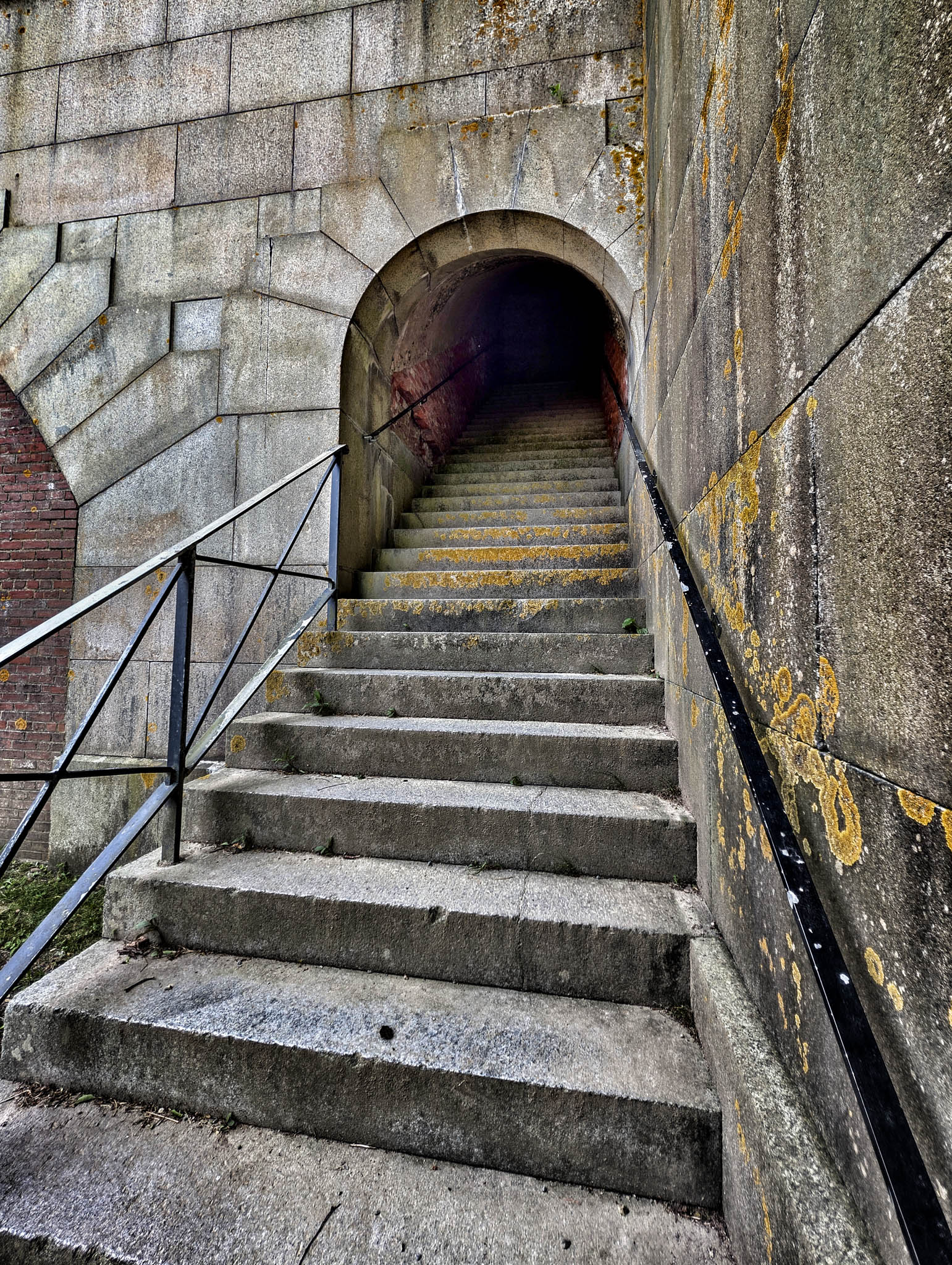
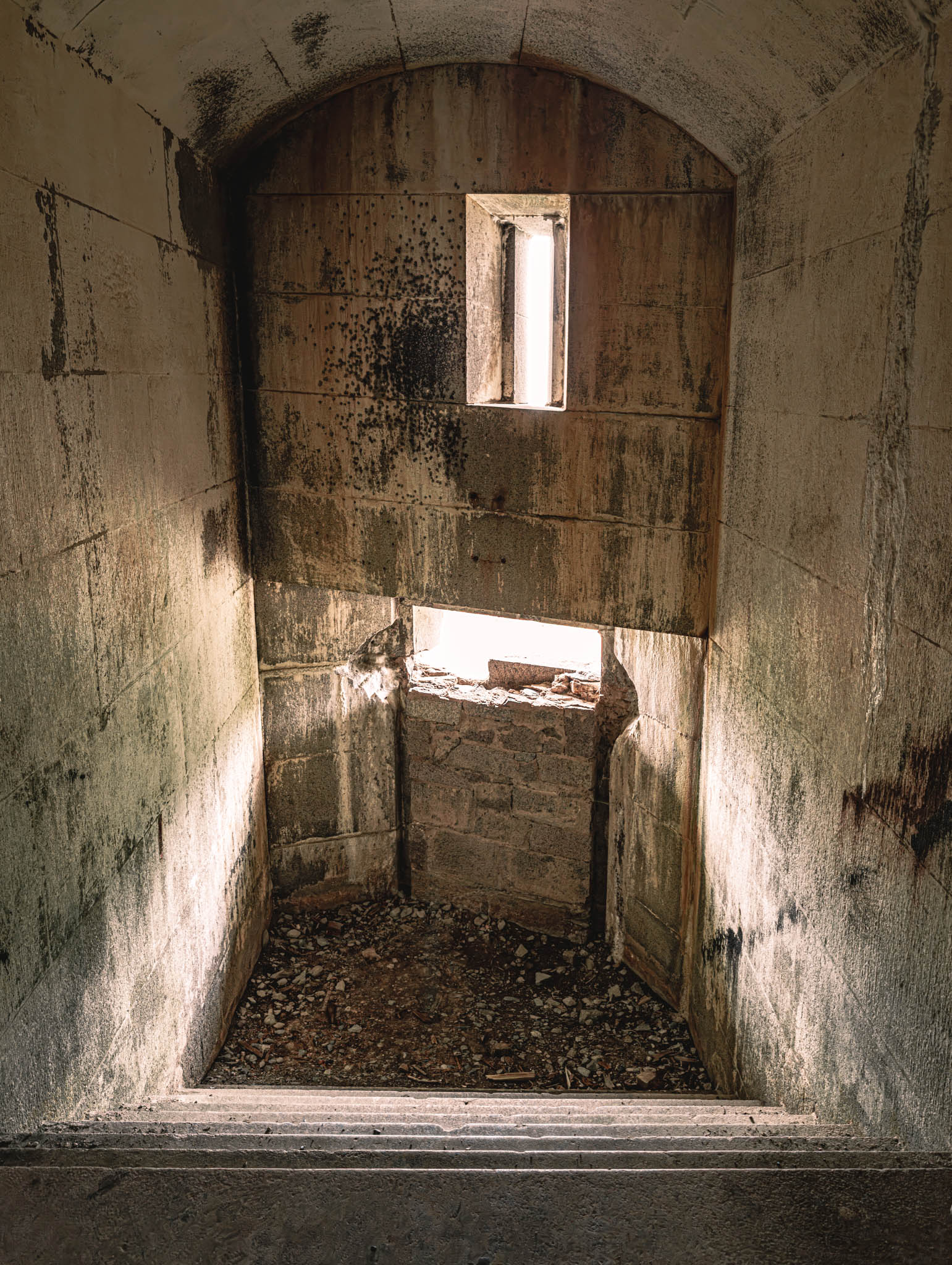
I thought I was escaping for the day from questions like this, from my personal eschatological musing.
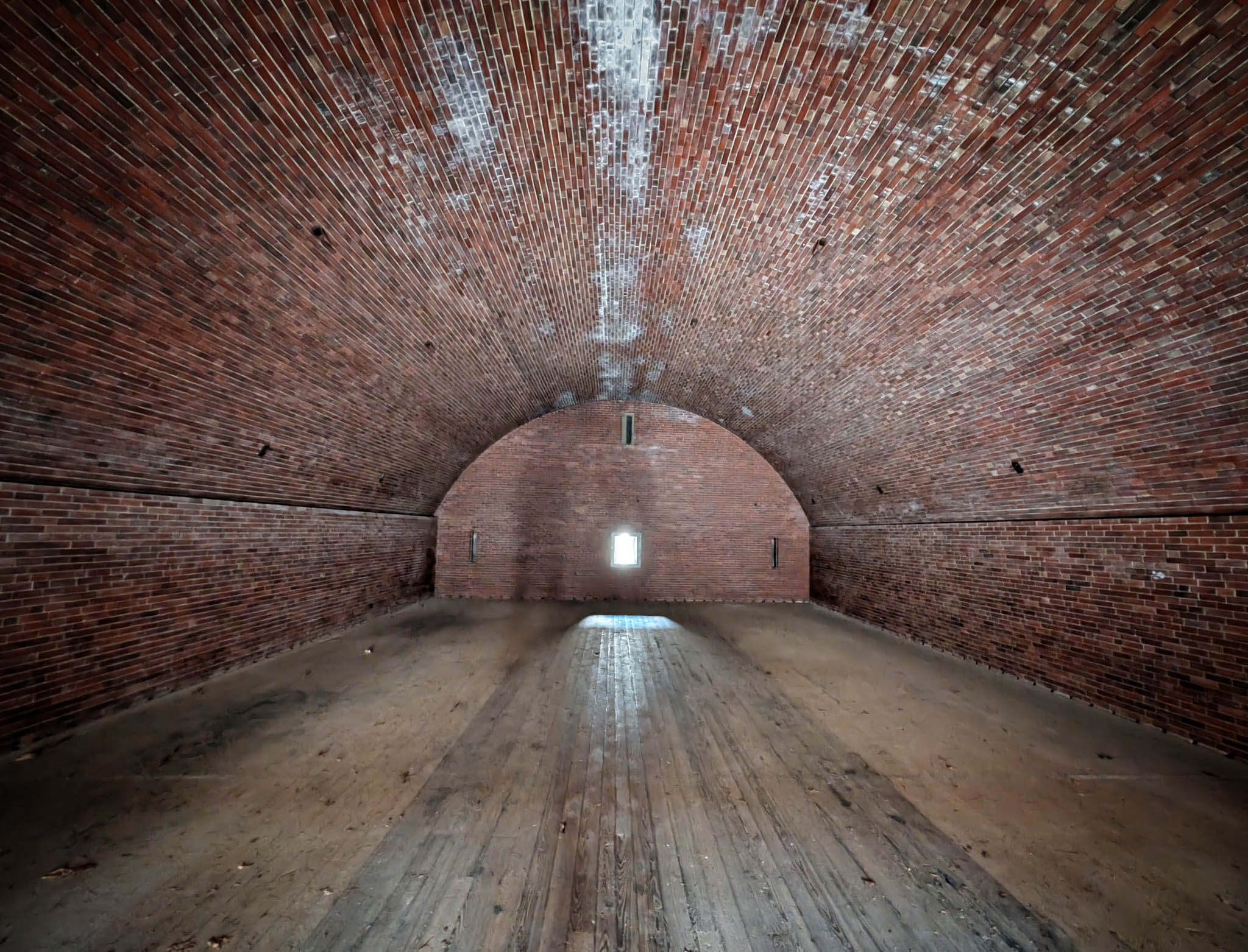
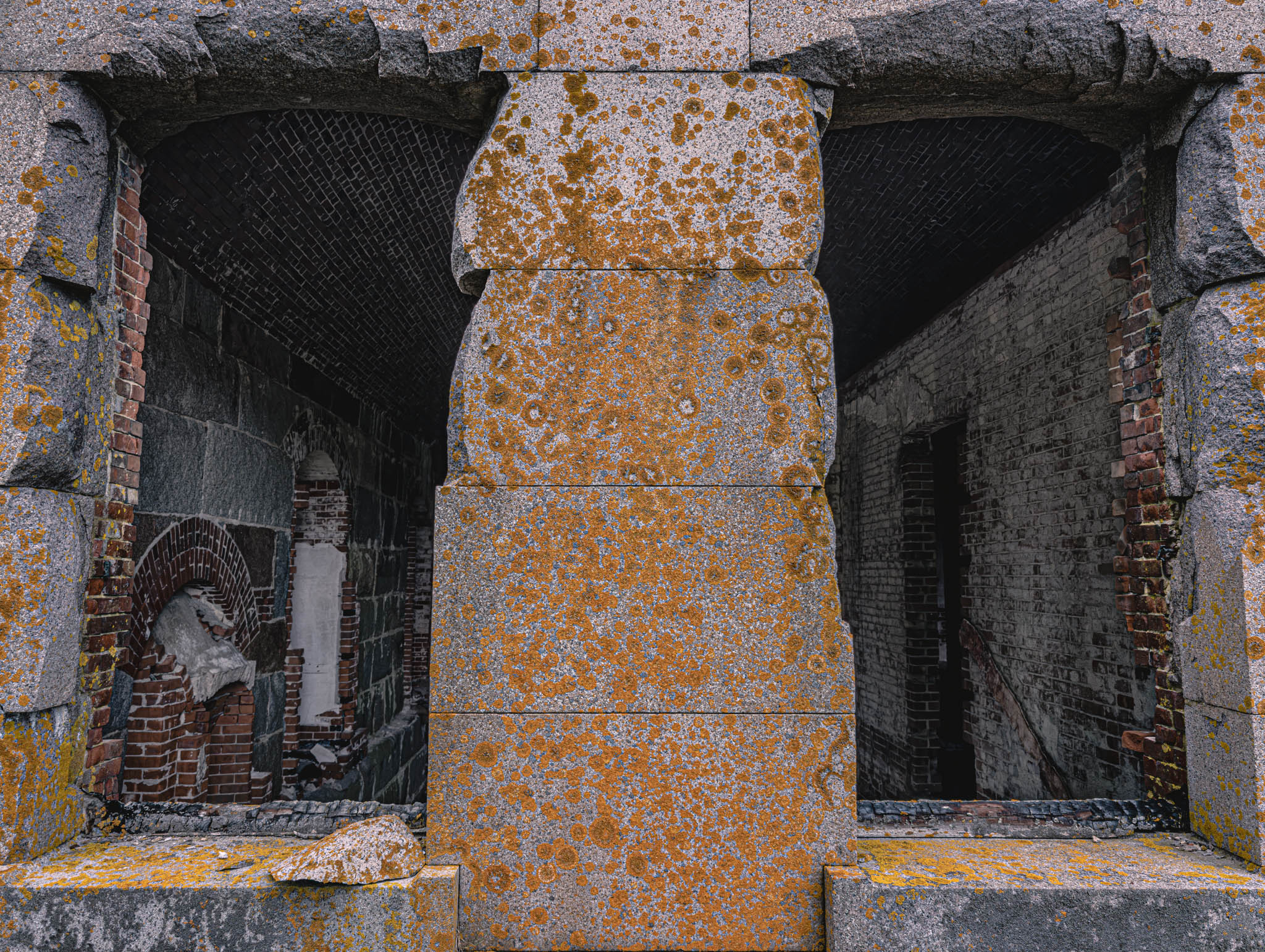
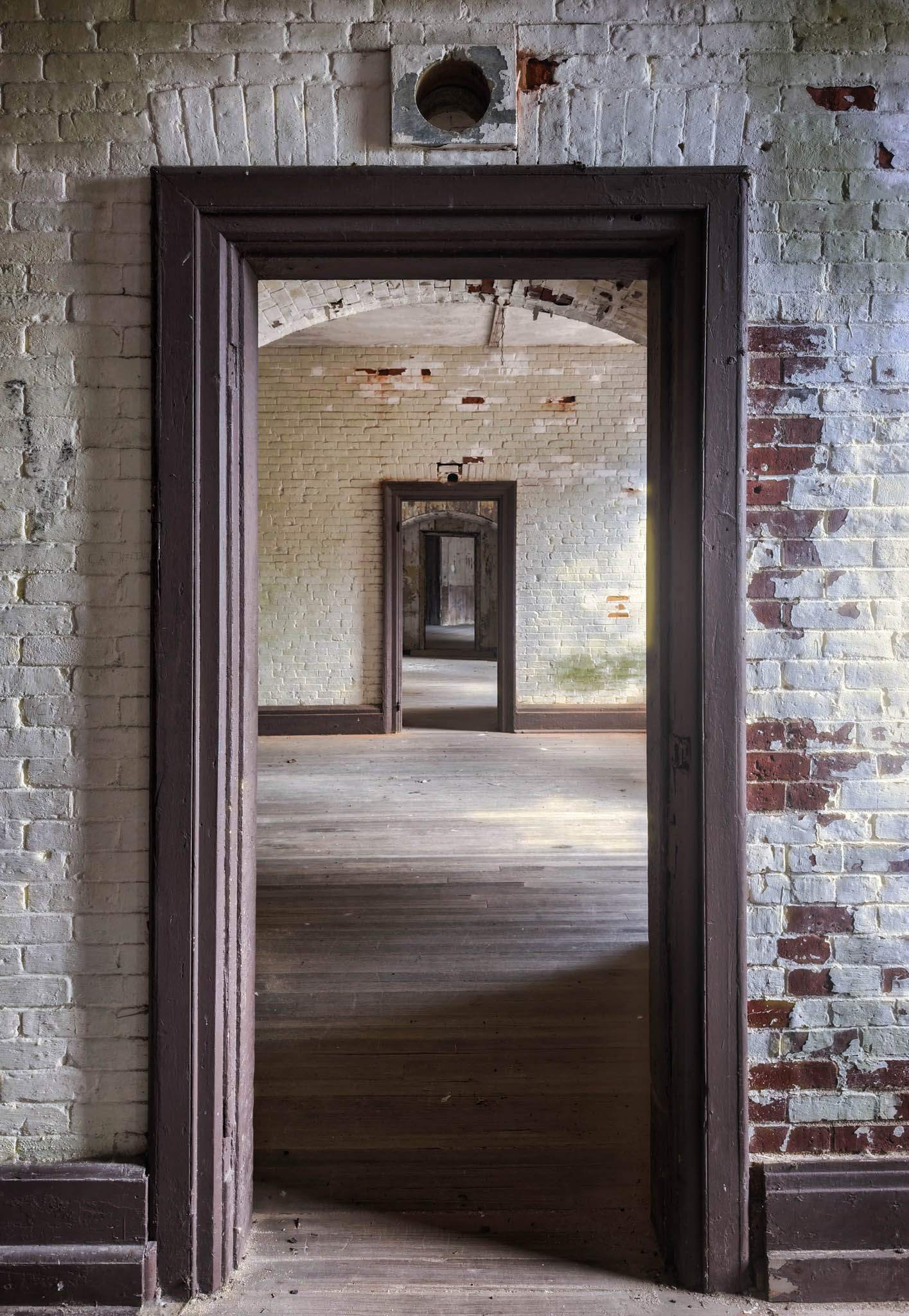
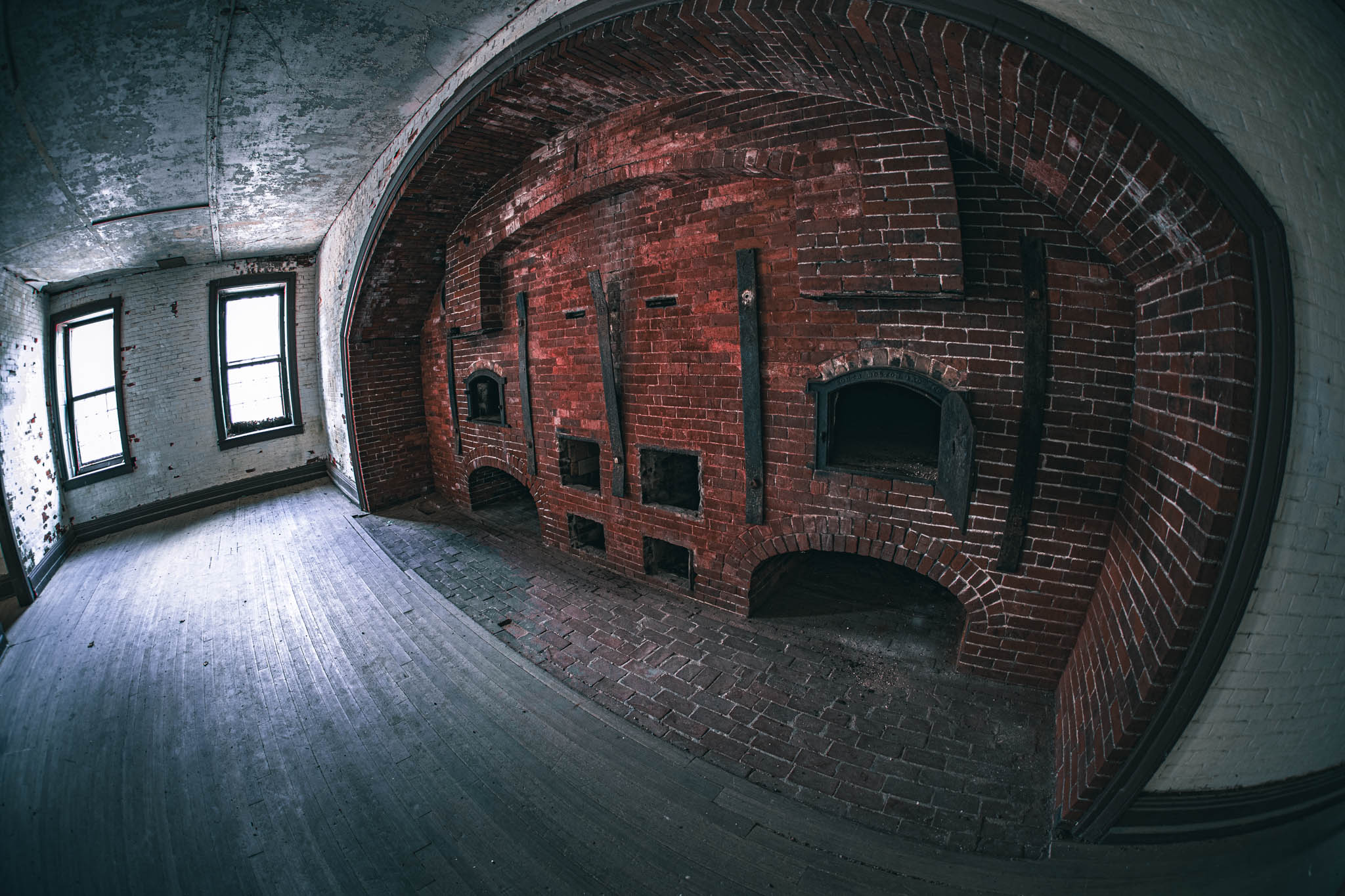
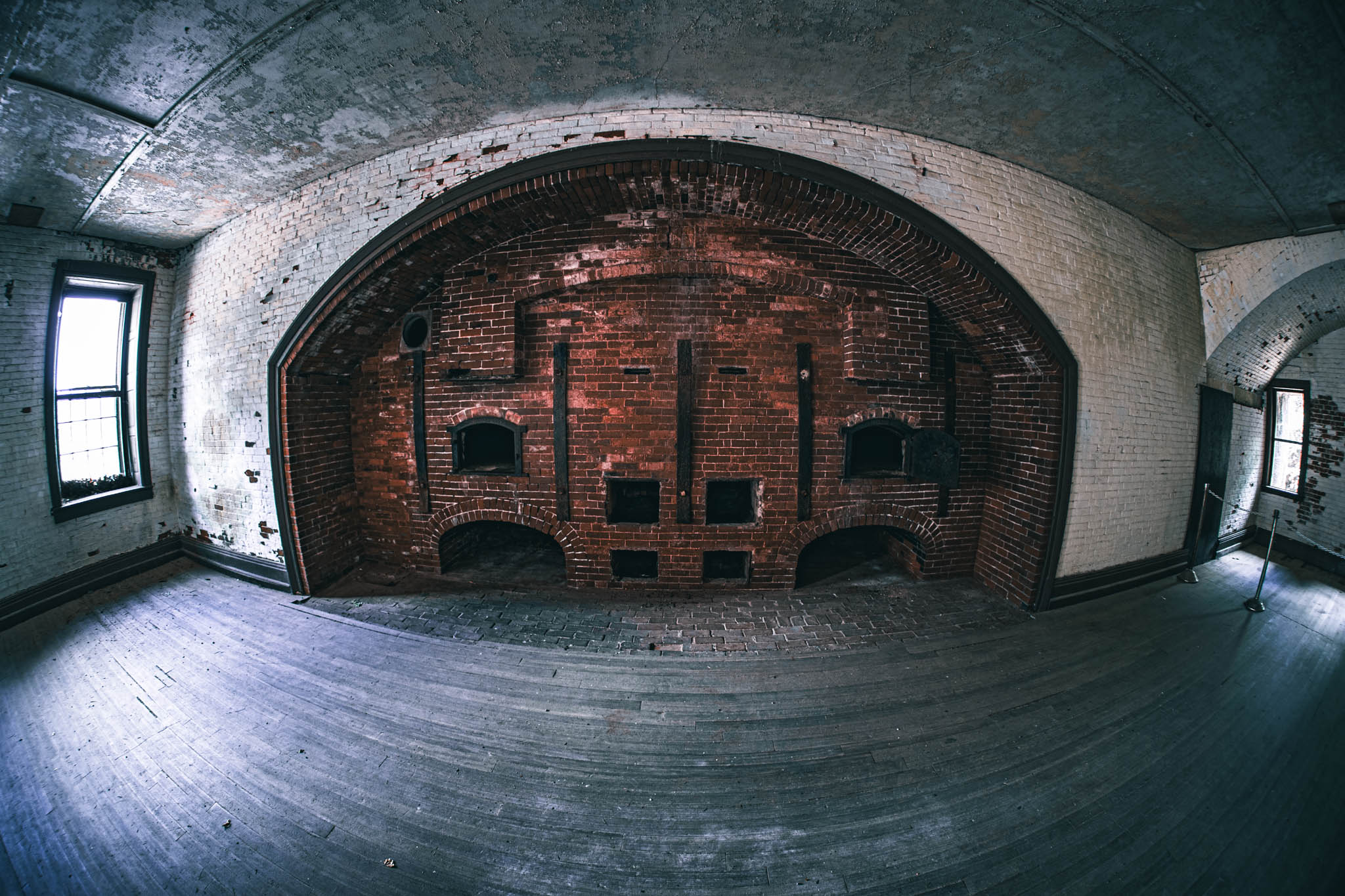
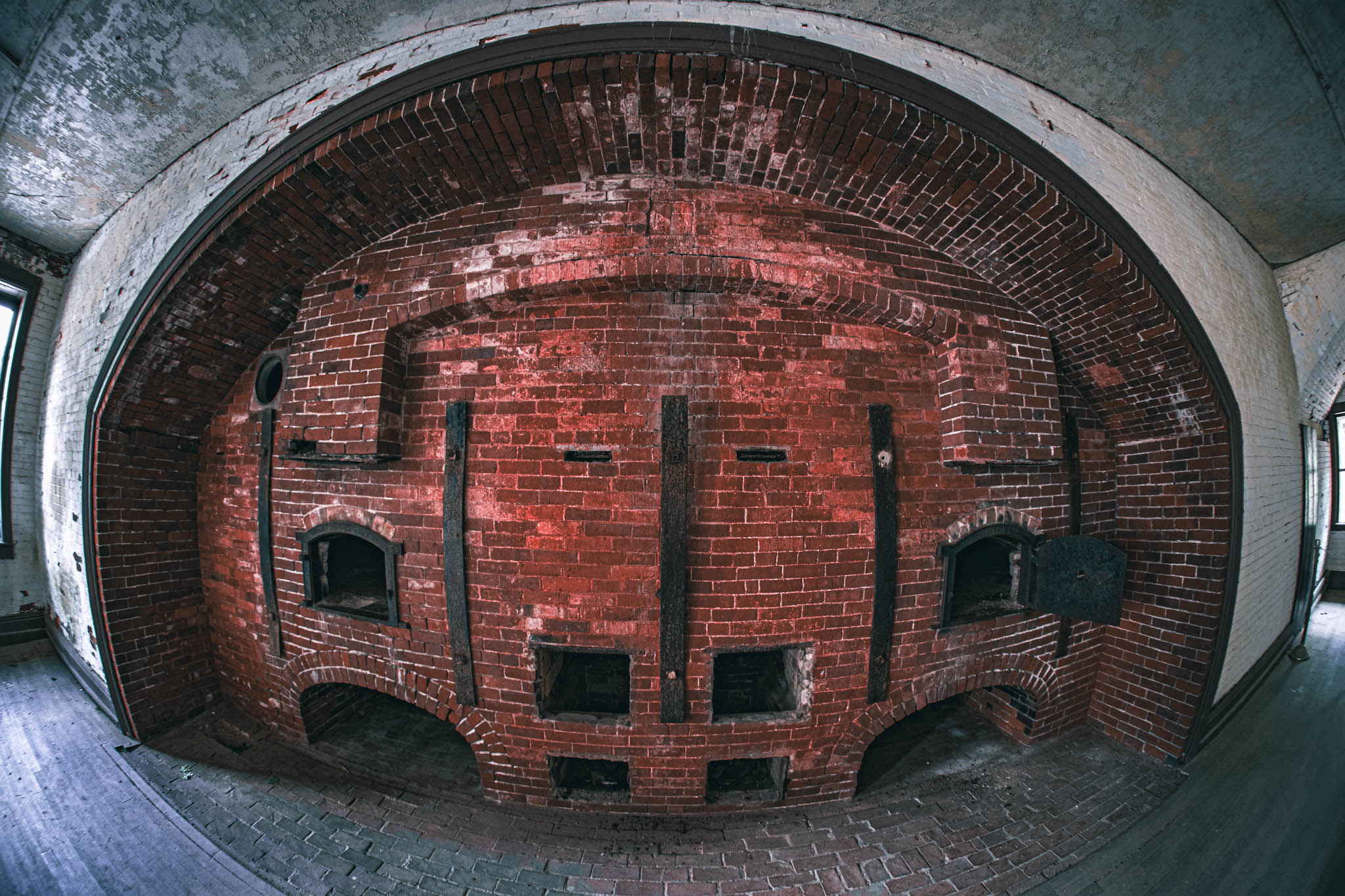
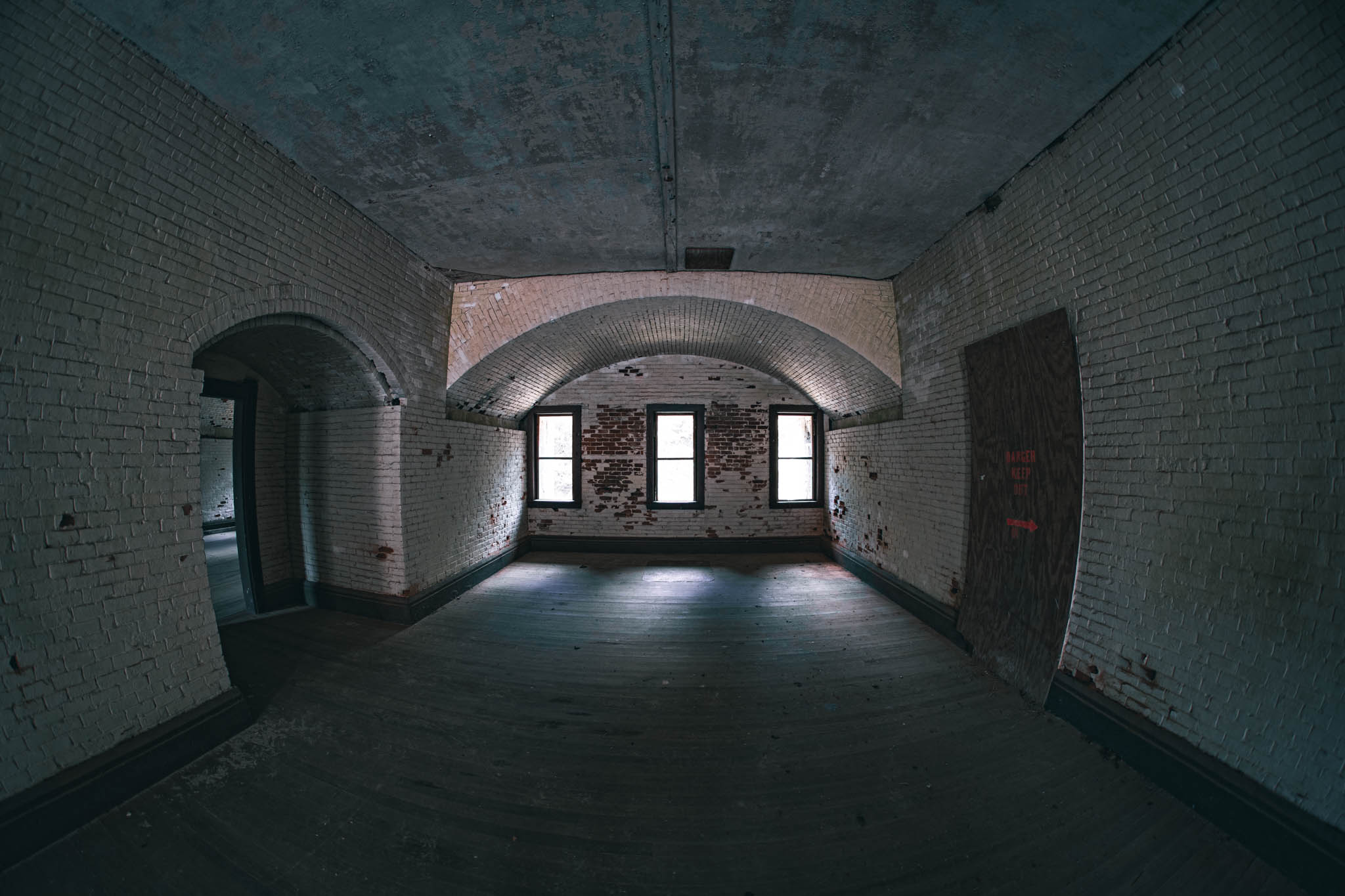
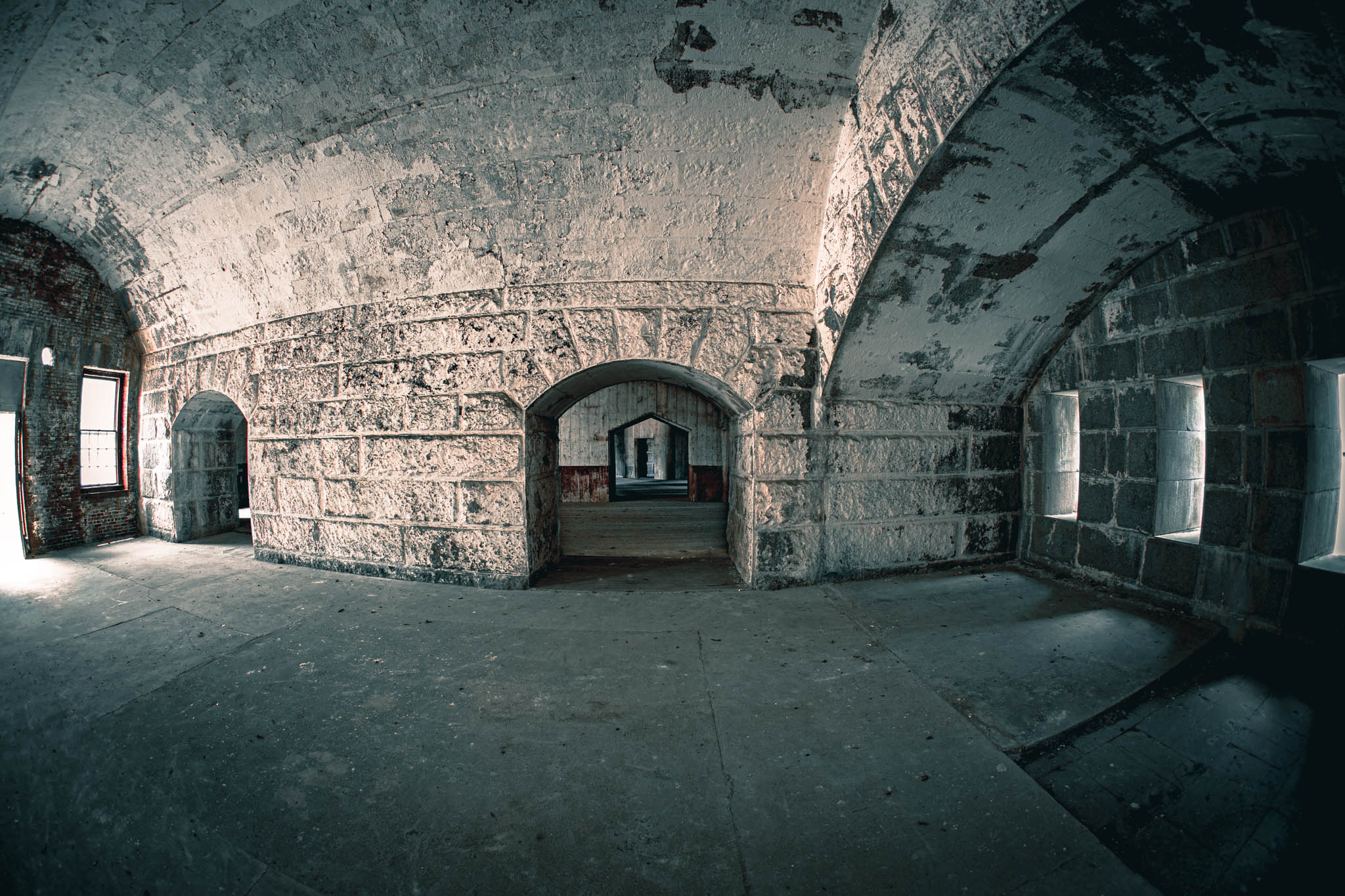
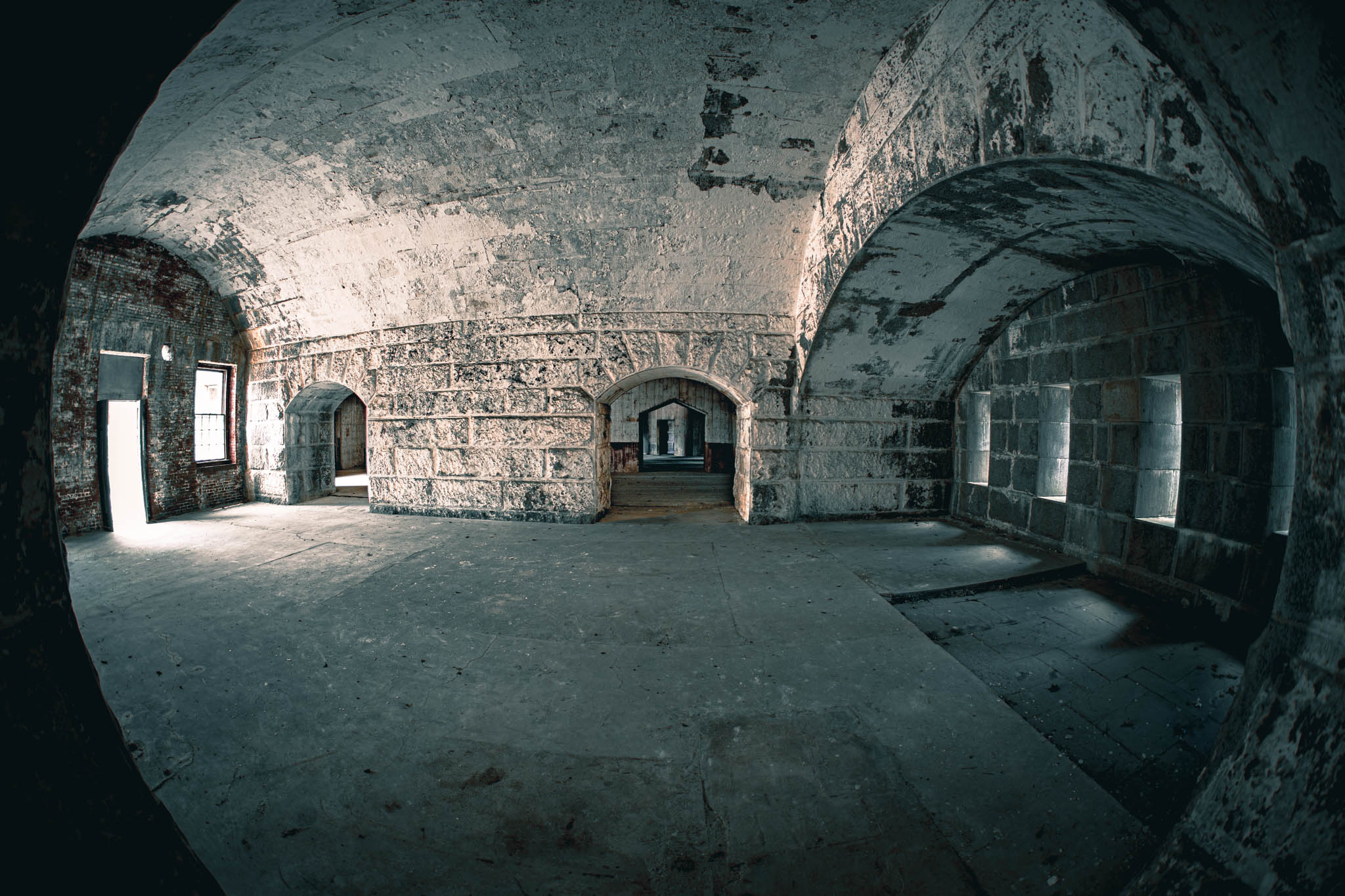
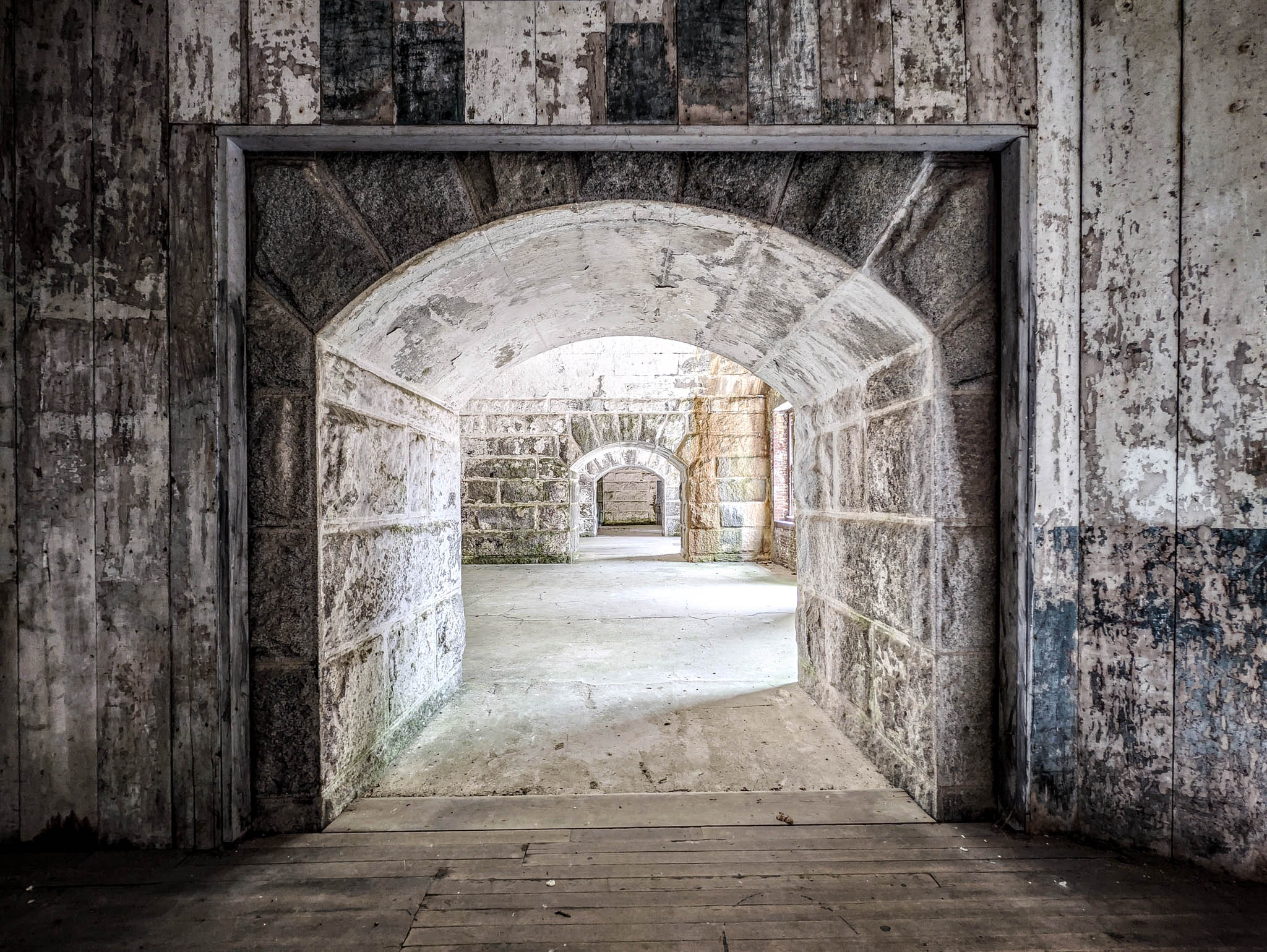
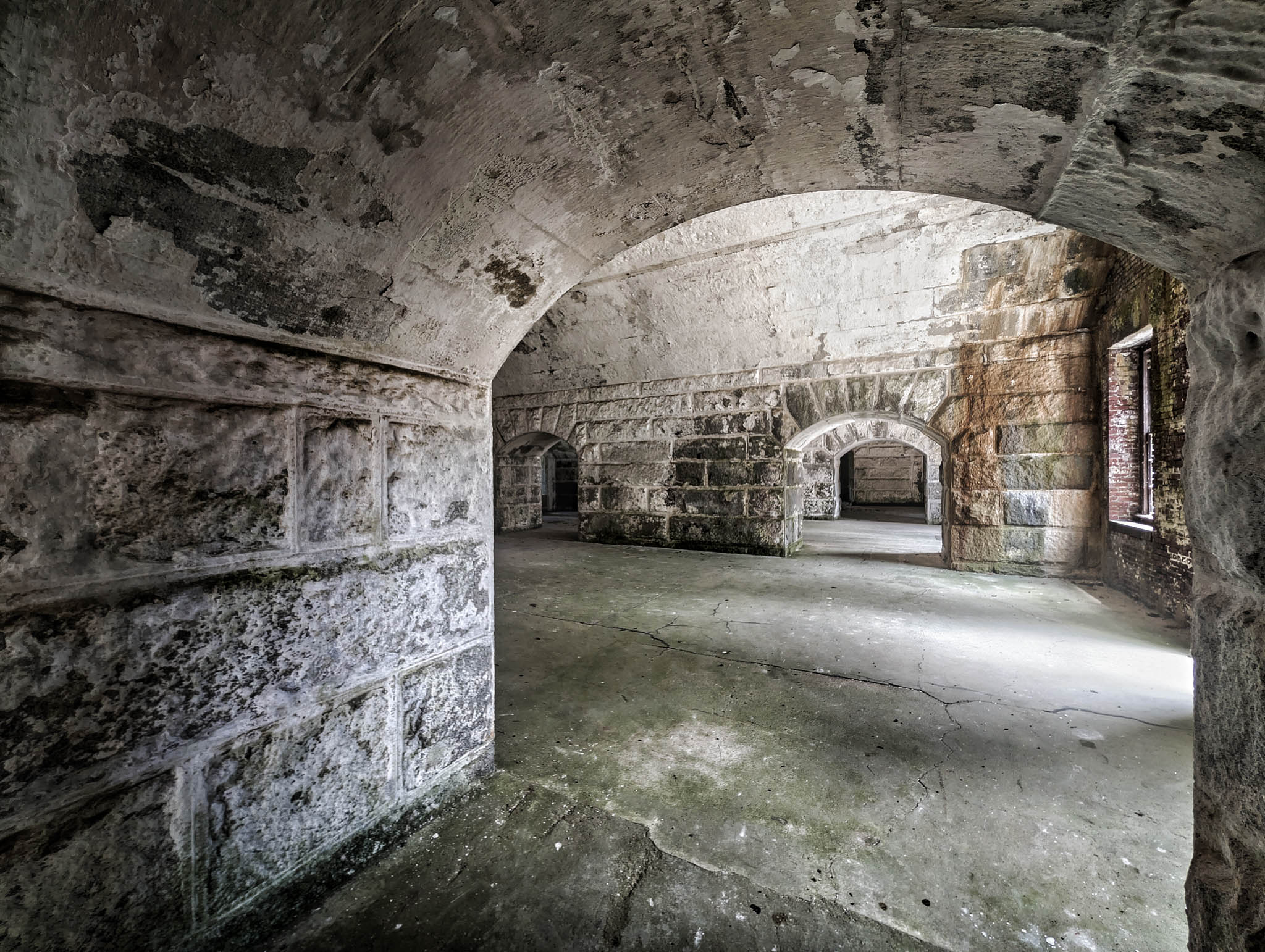
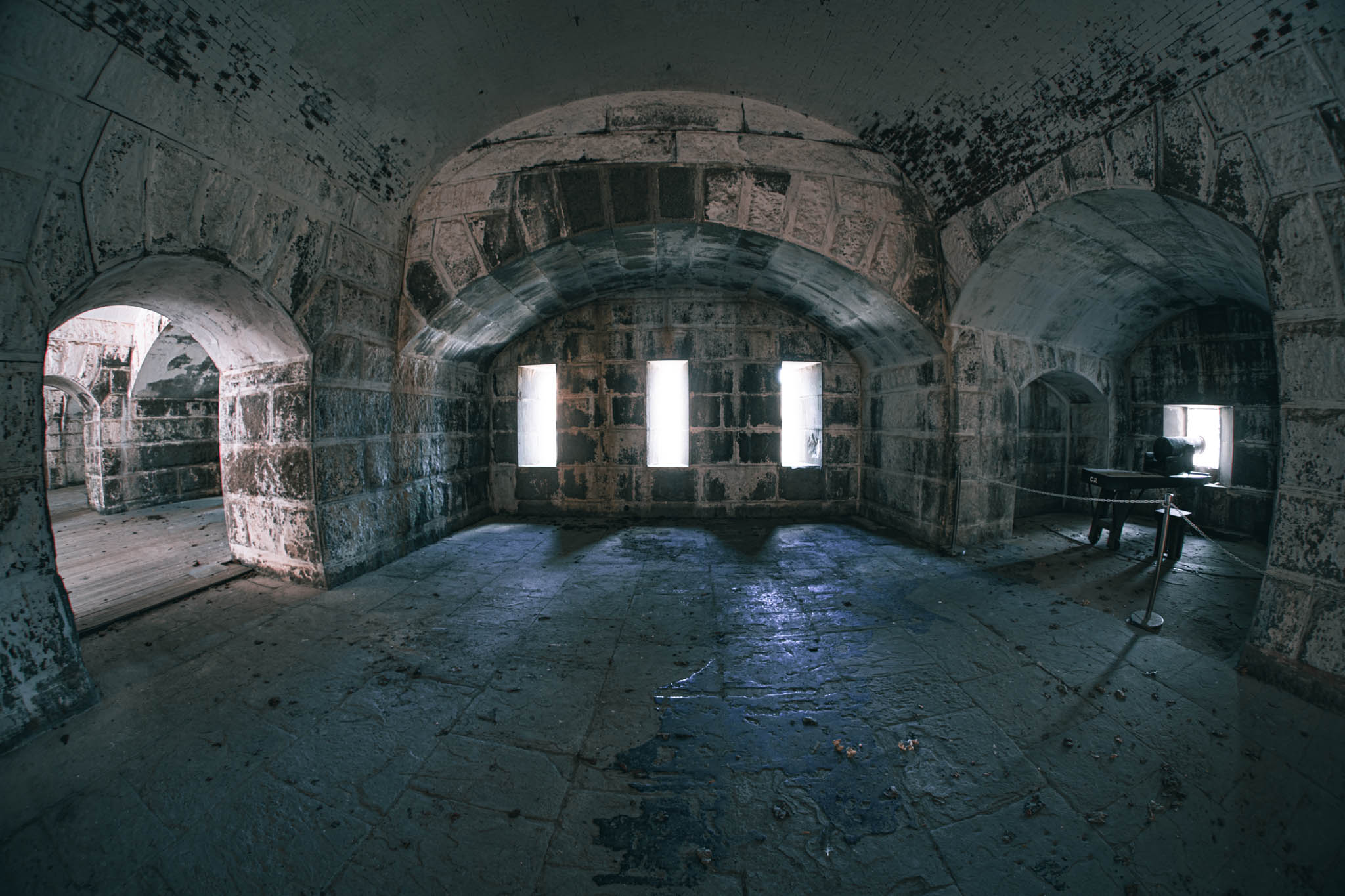
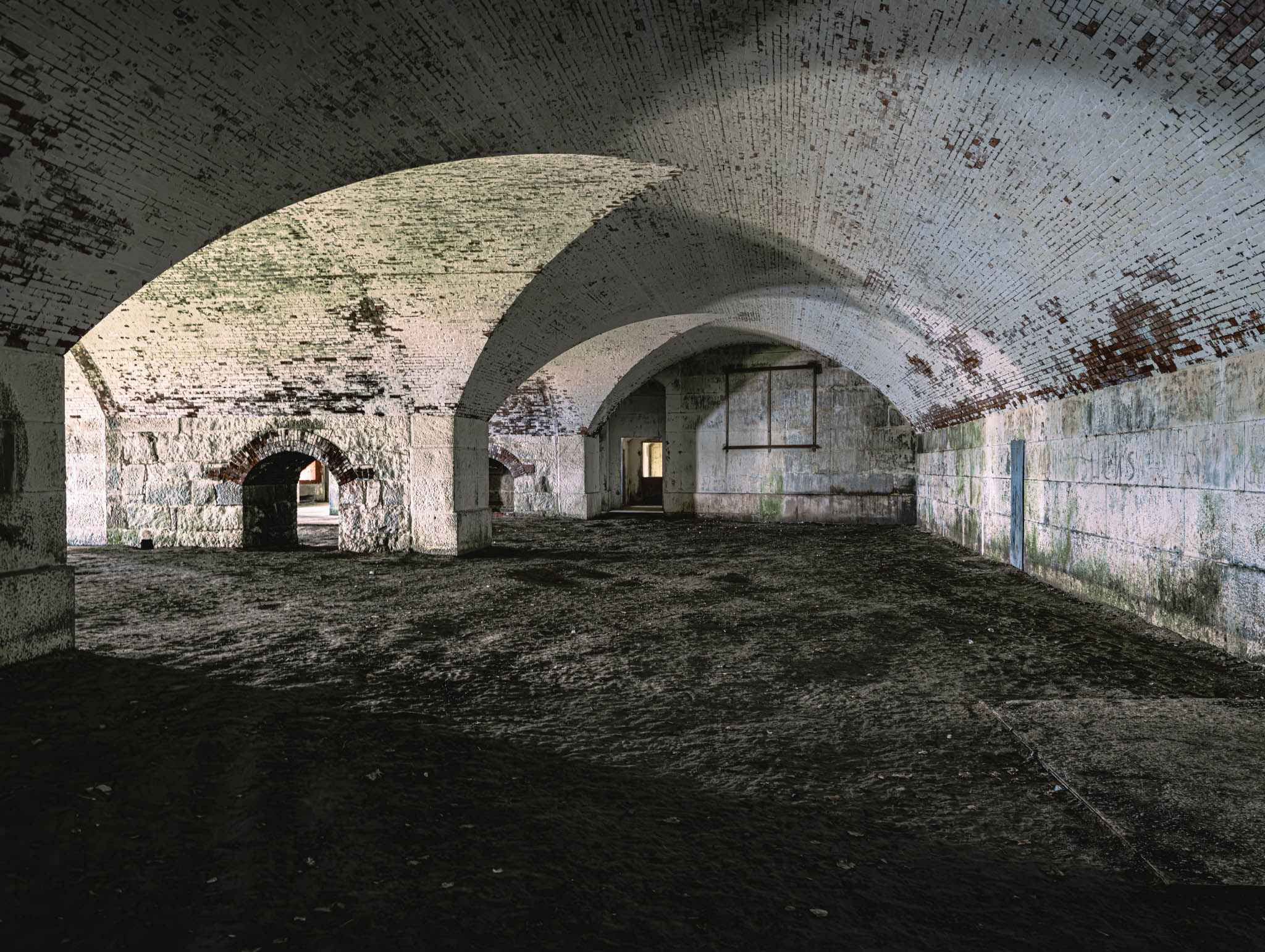
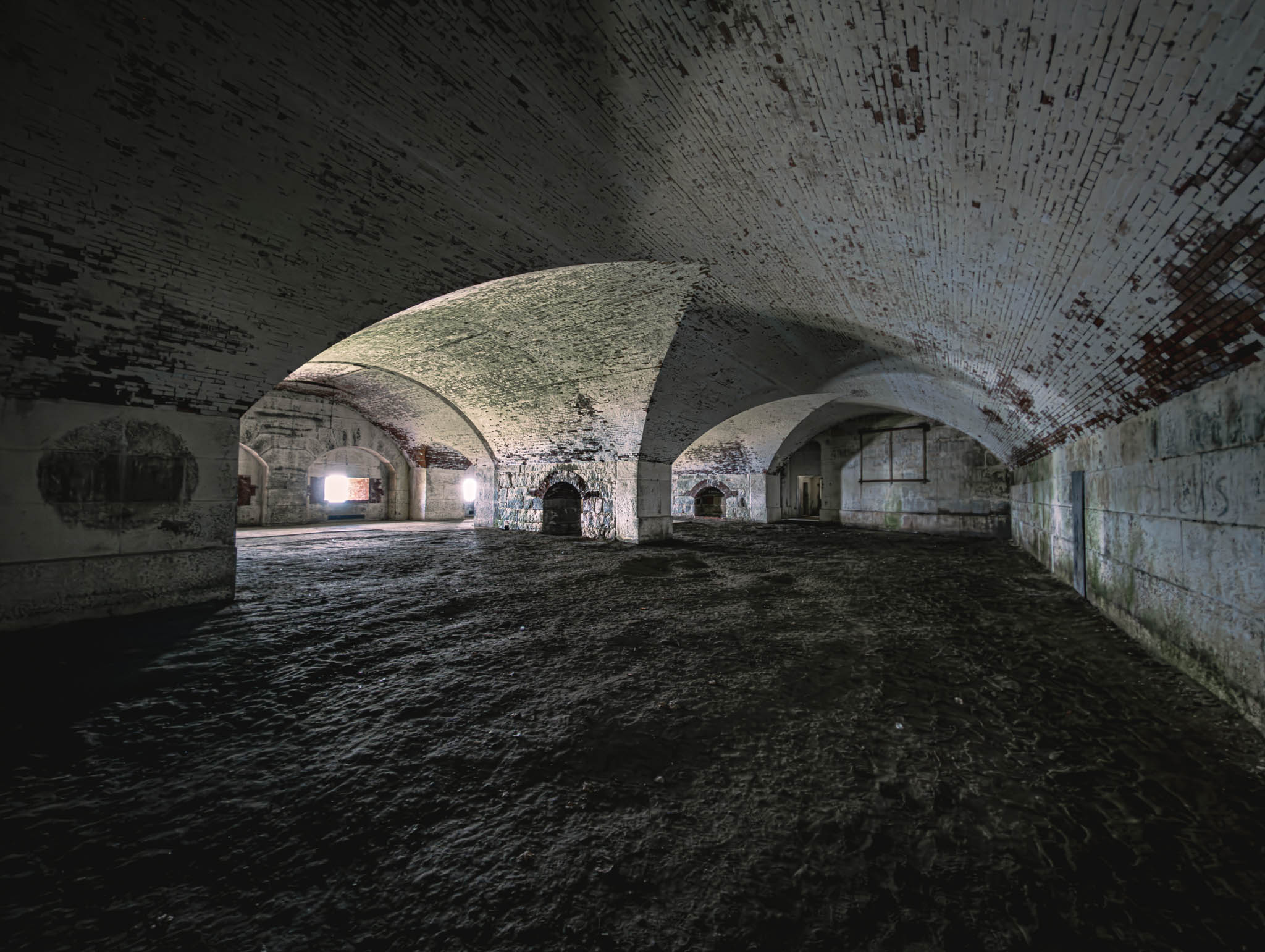
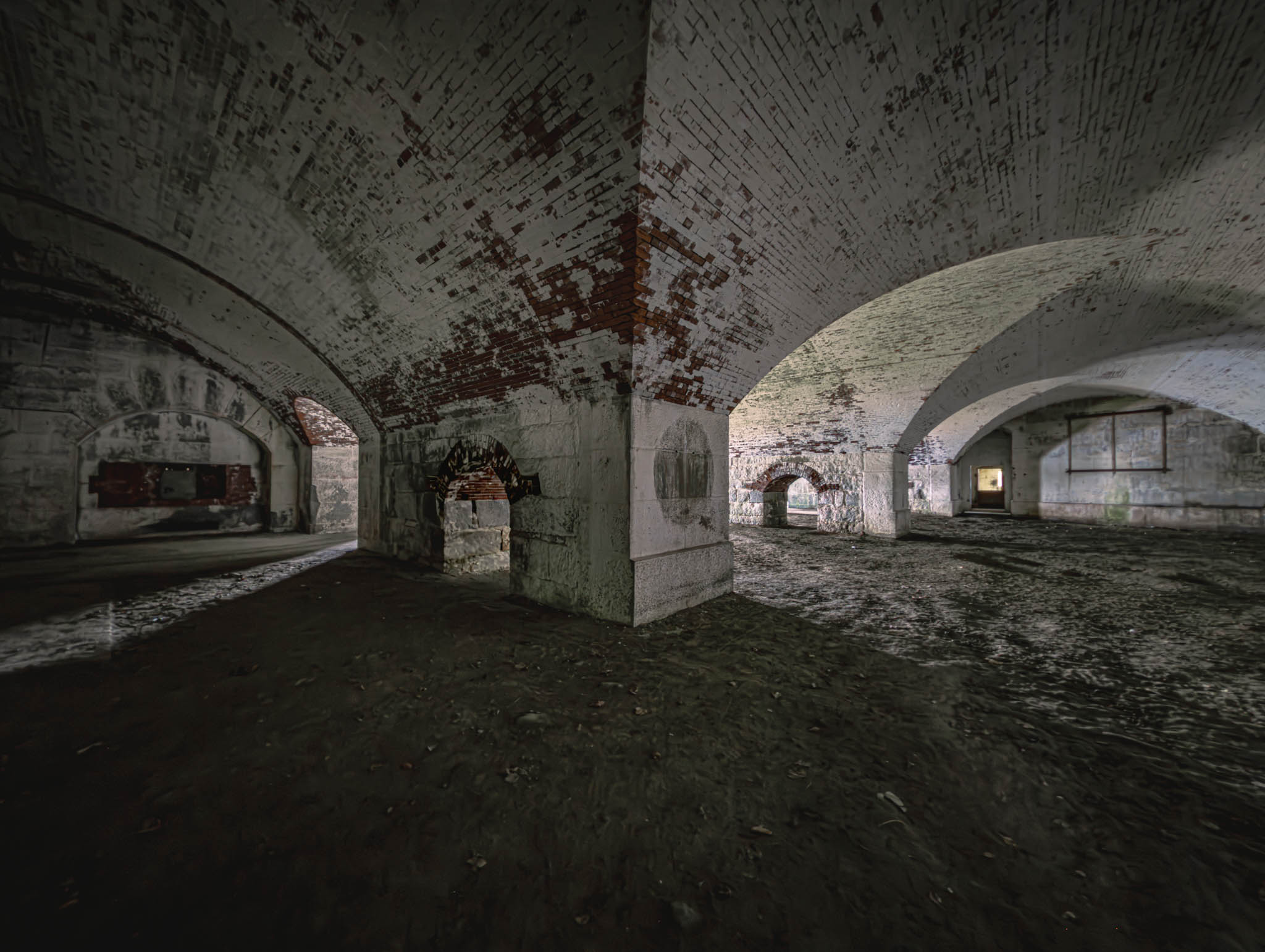
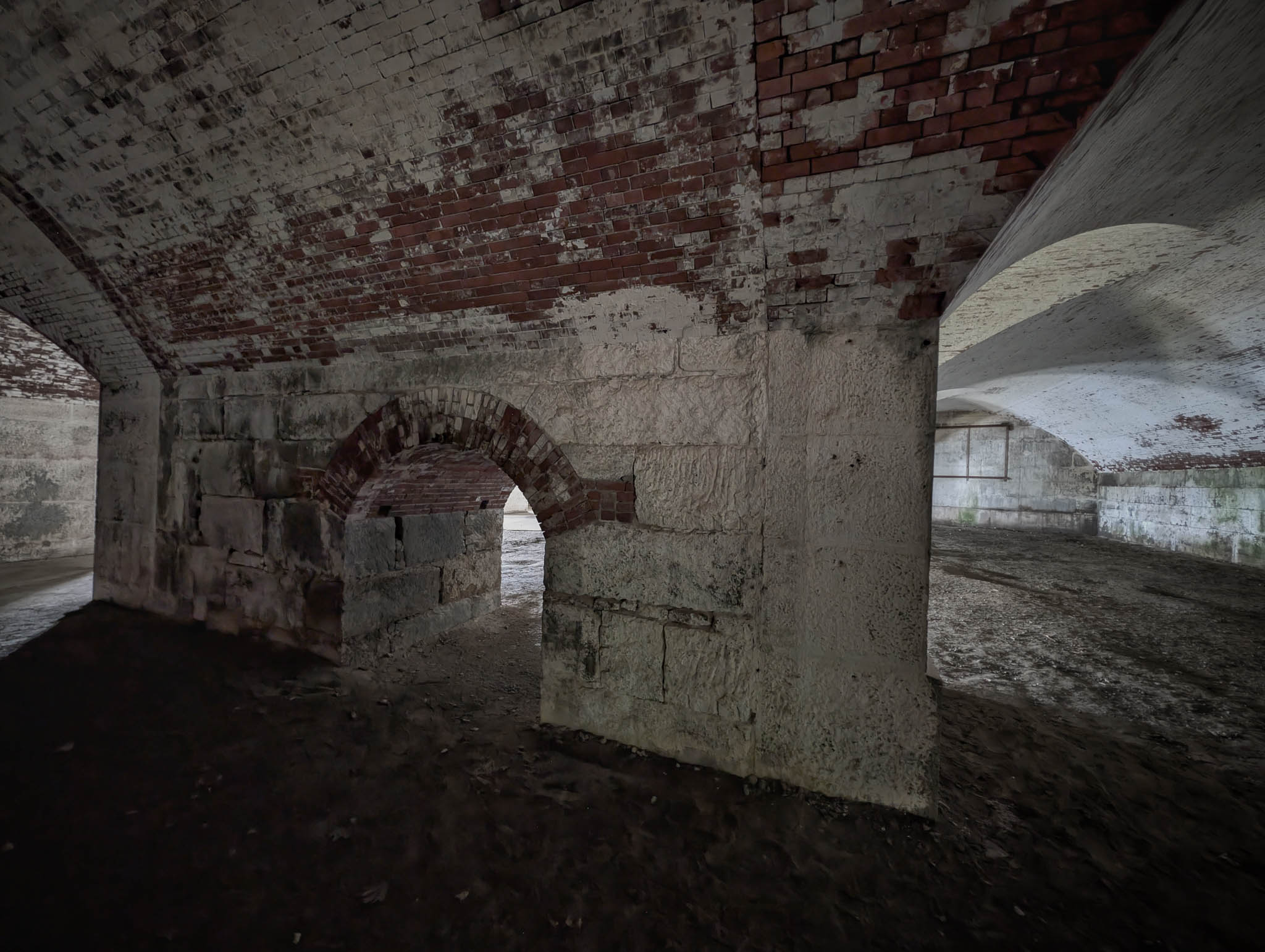
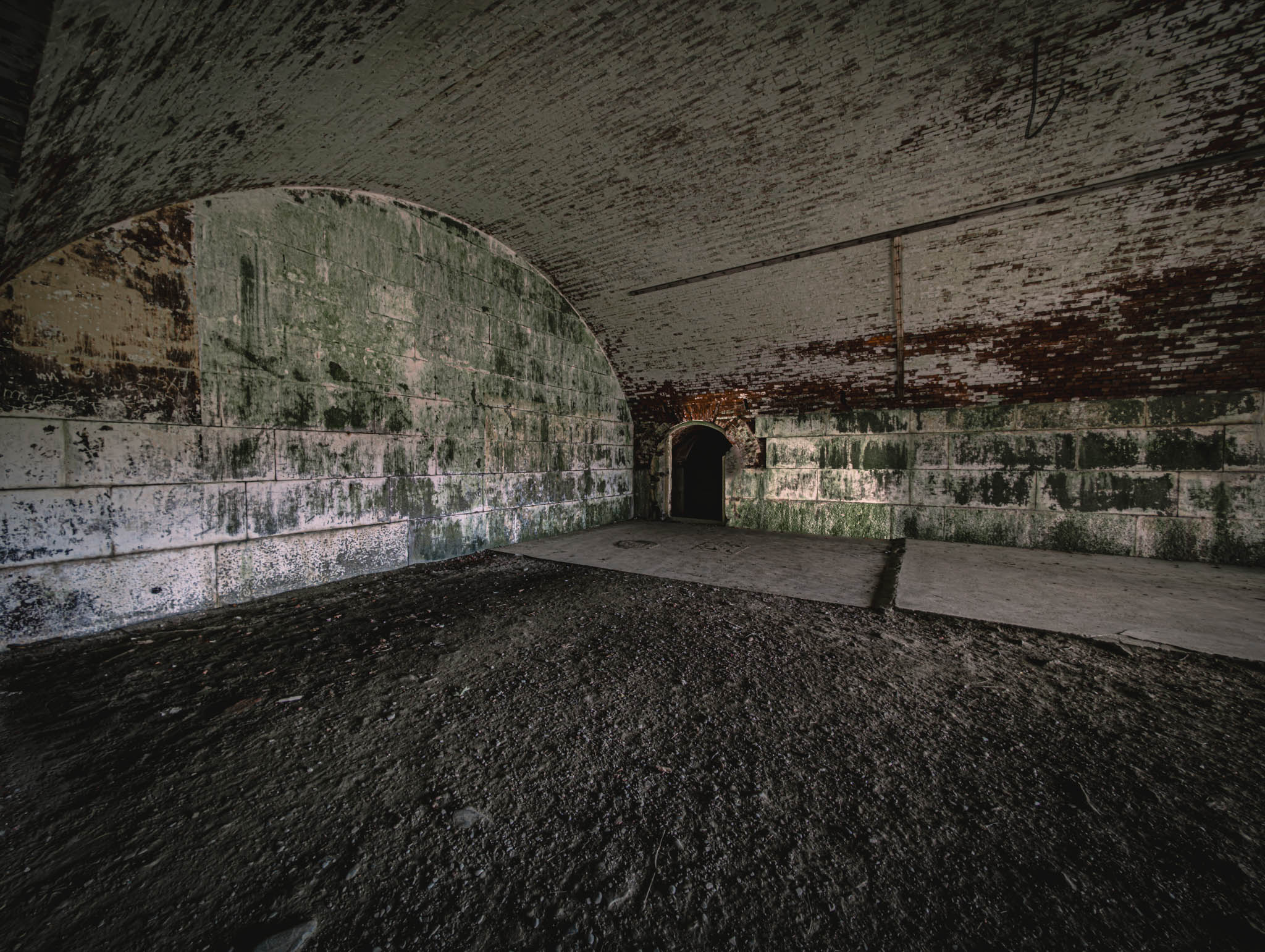
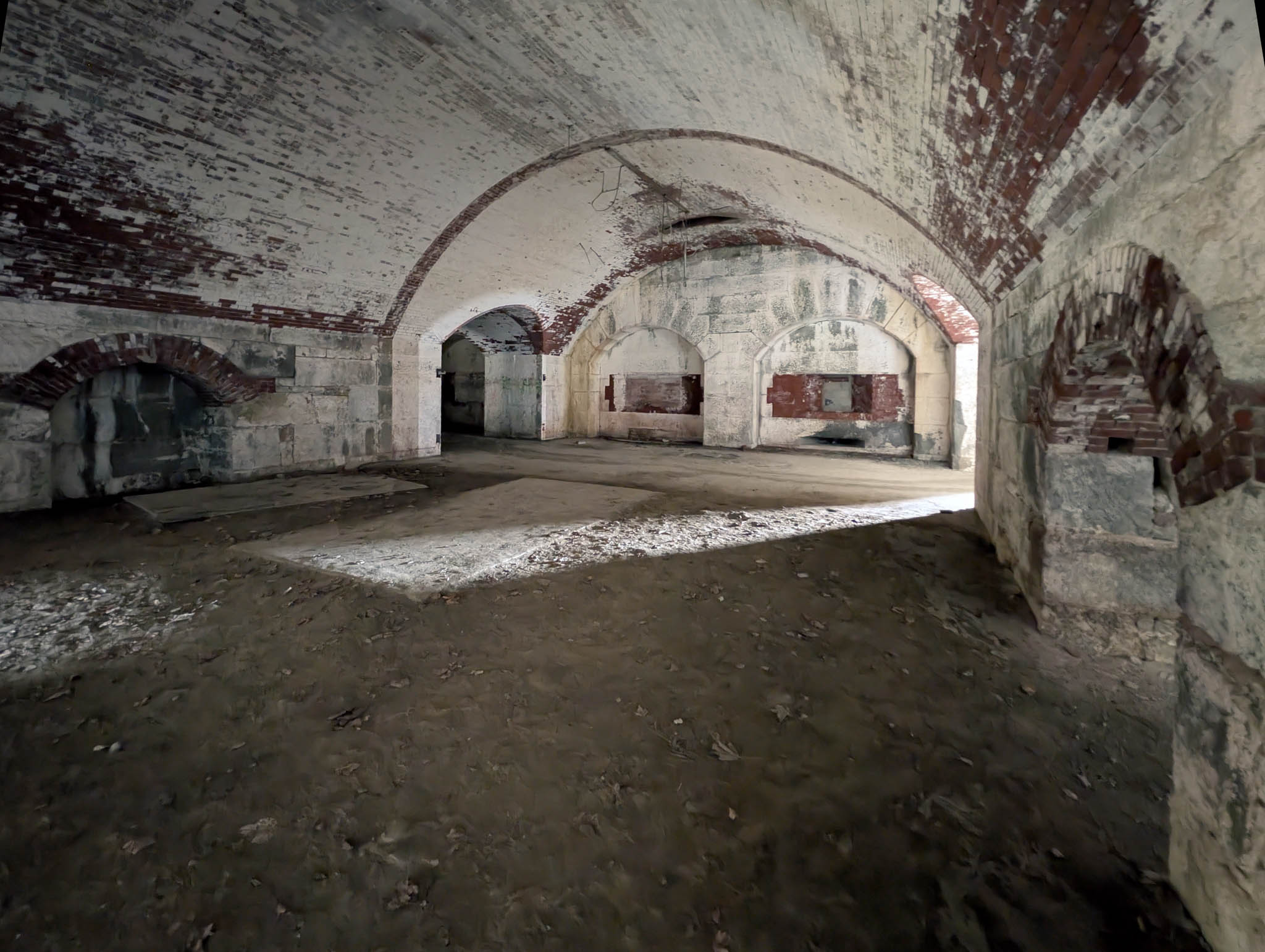
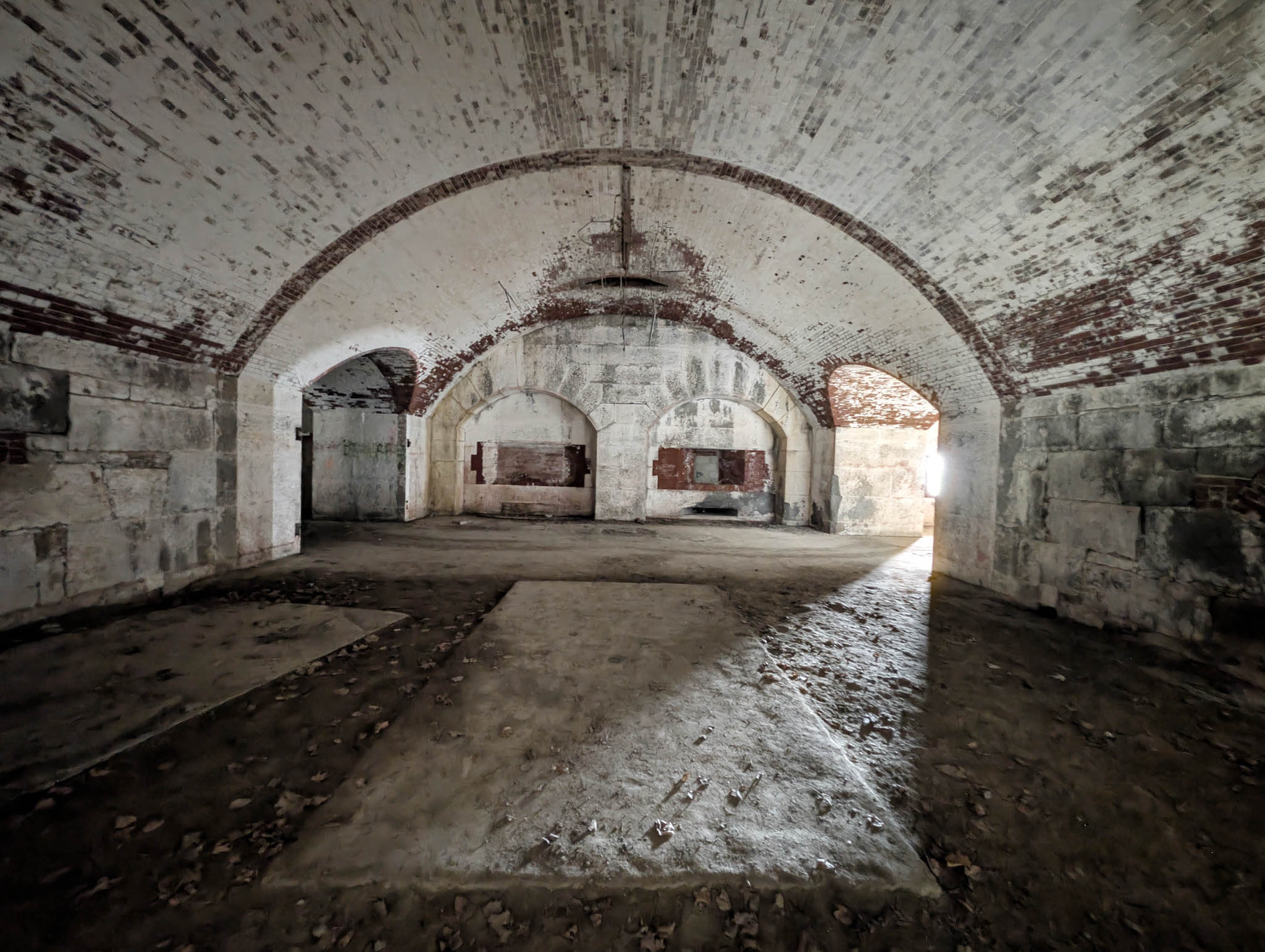
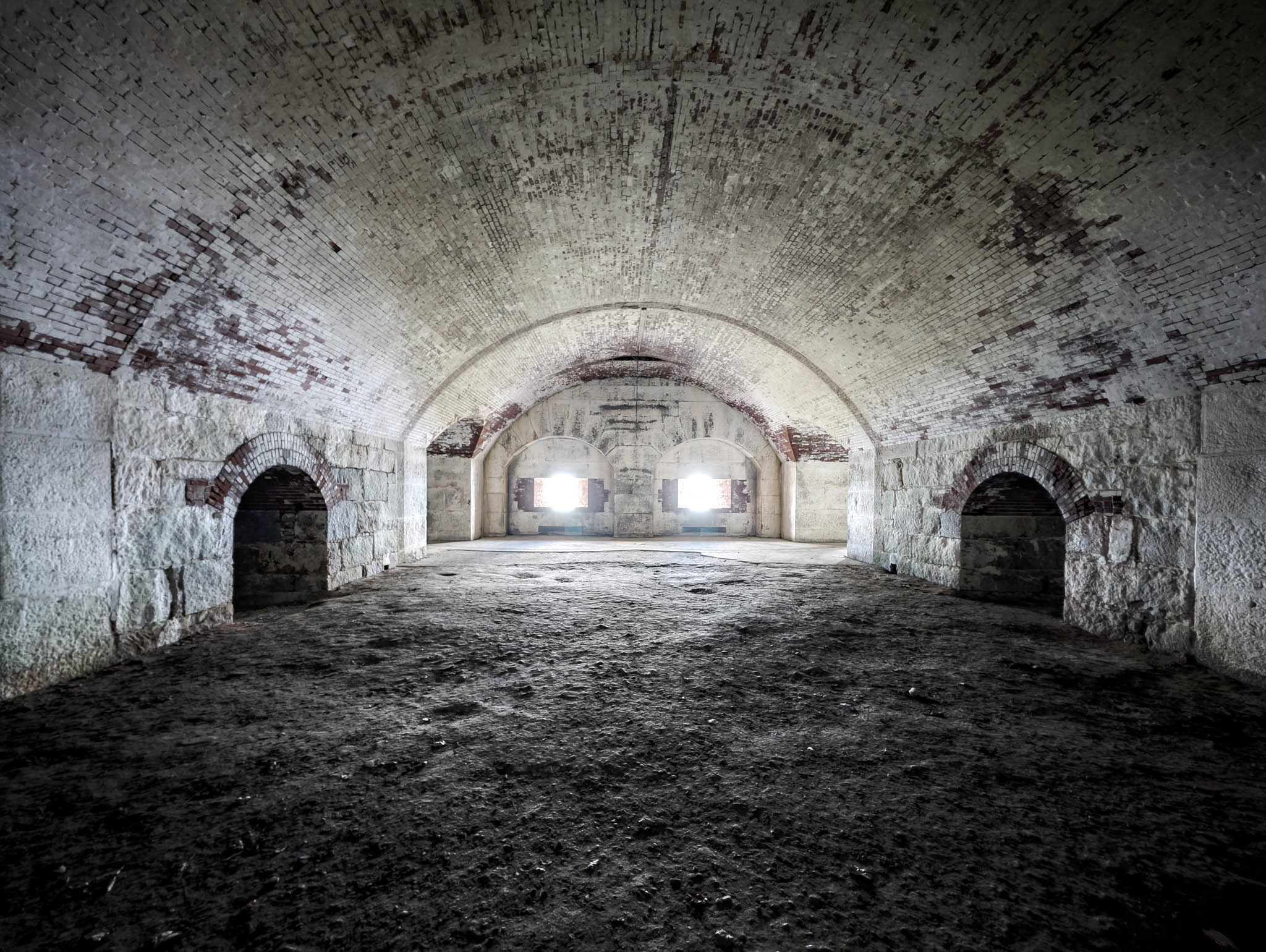
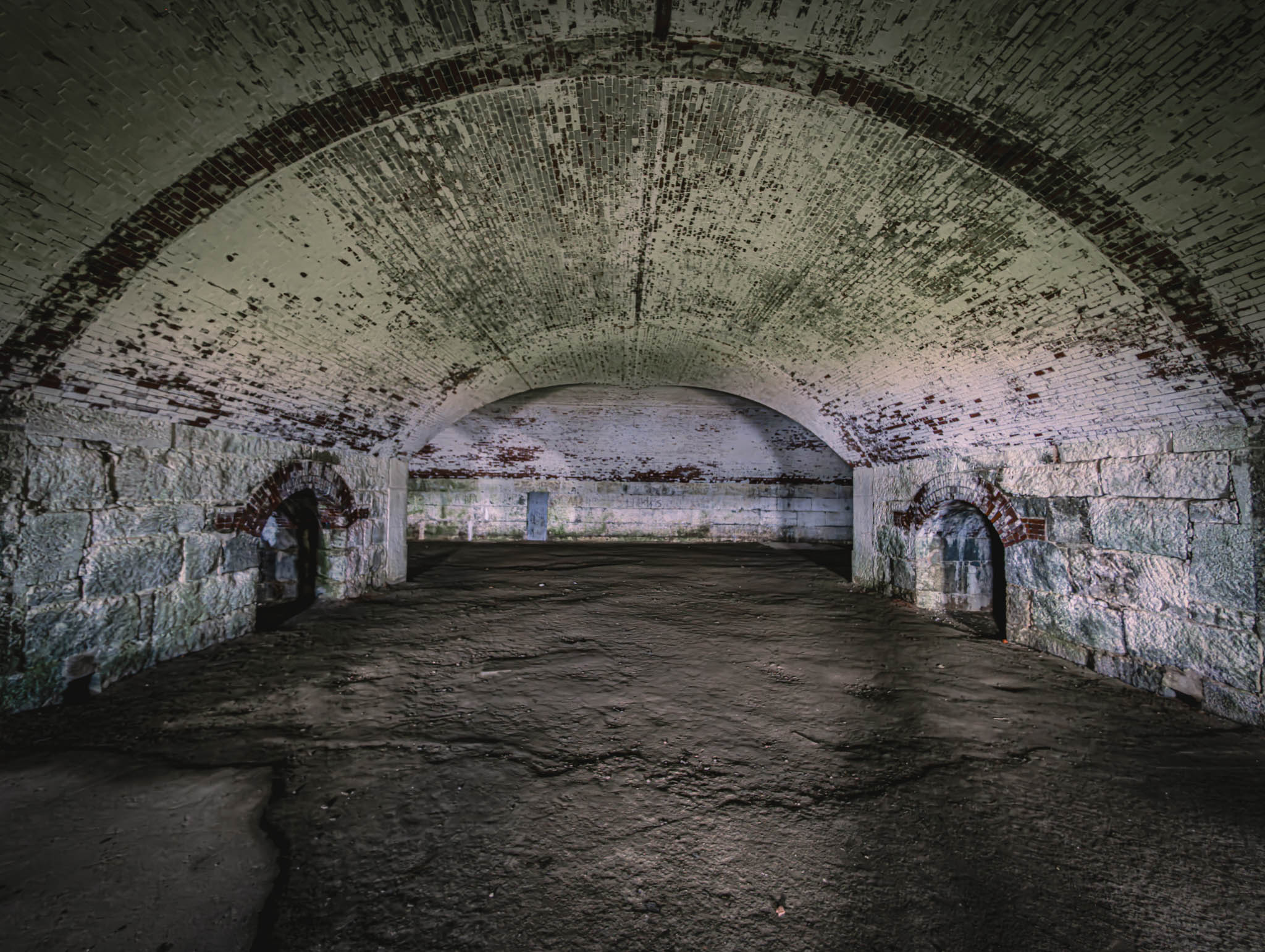
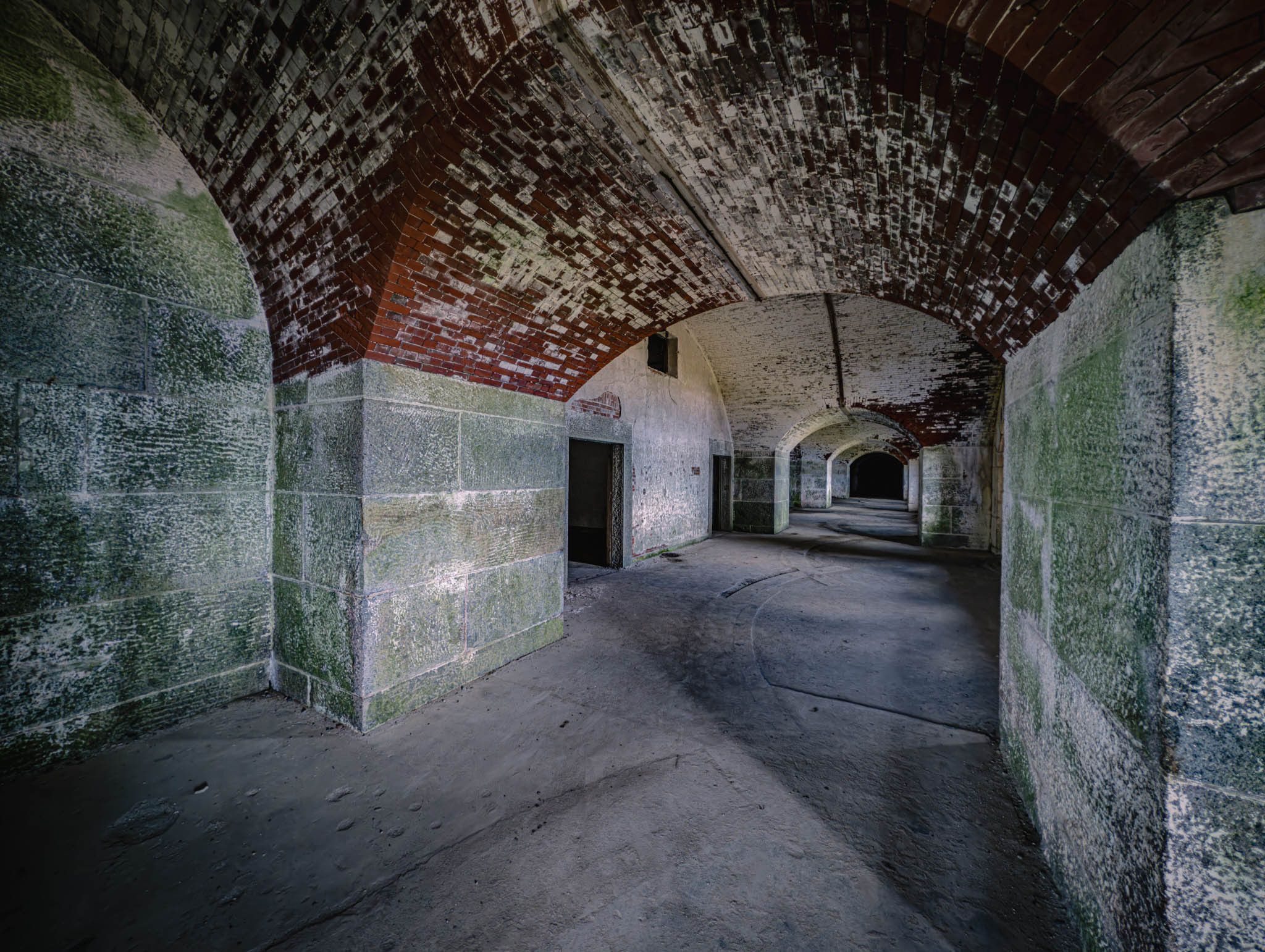
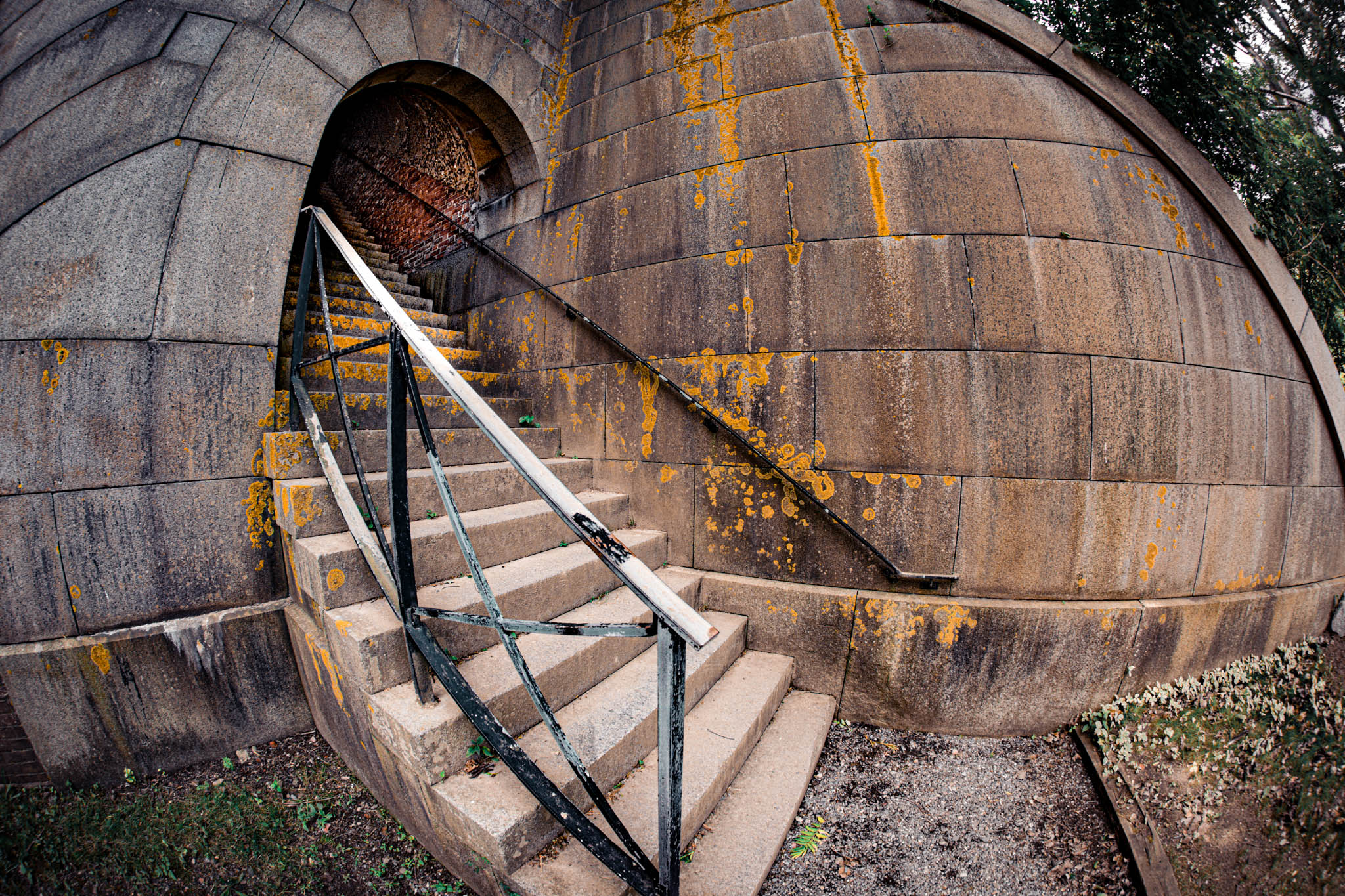
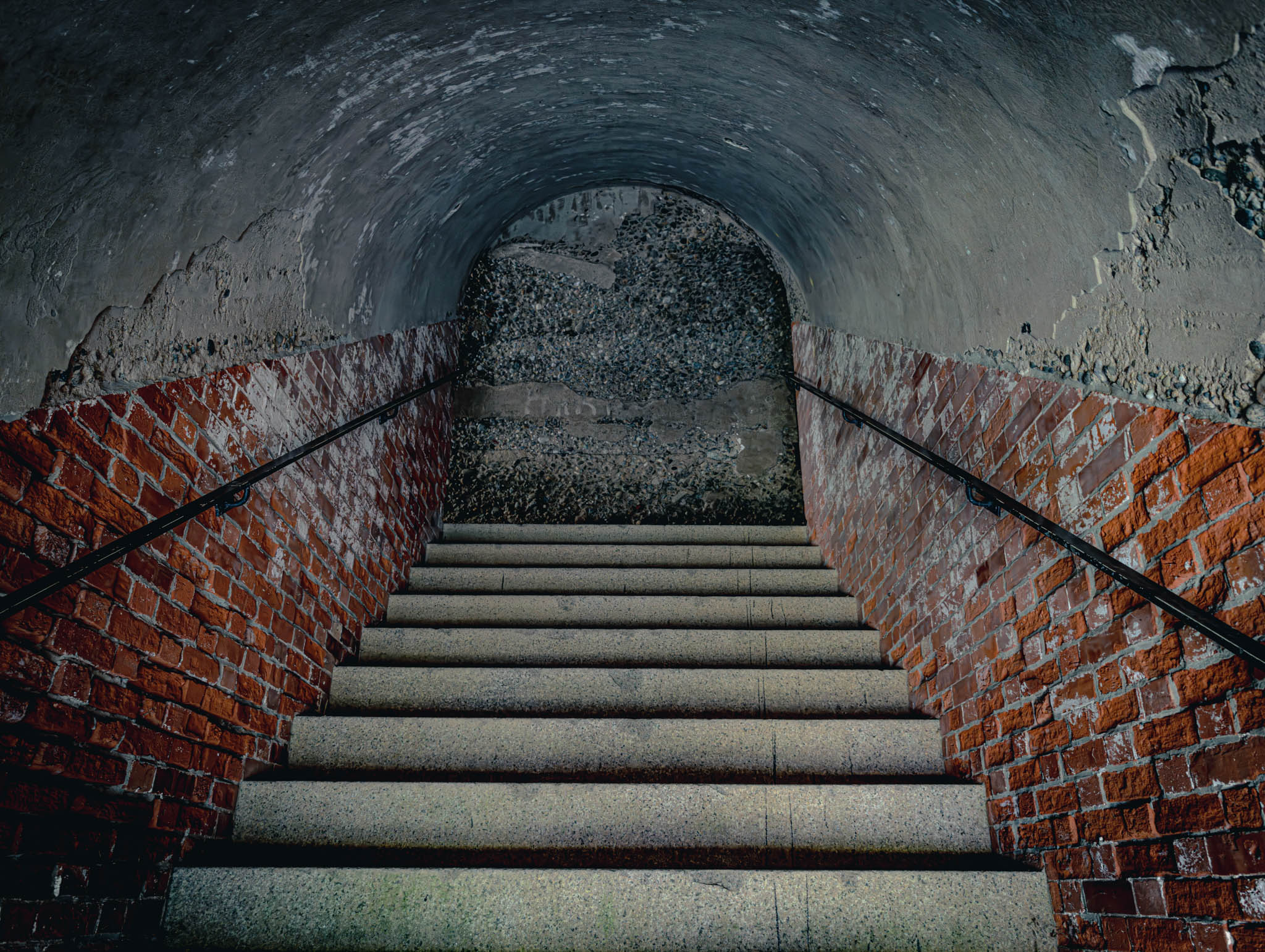
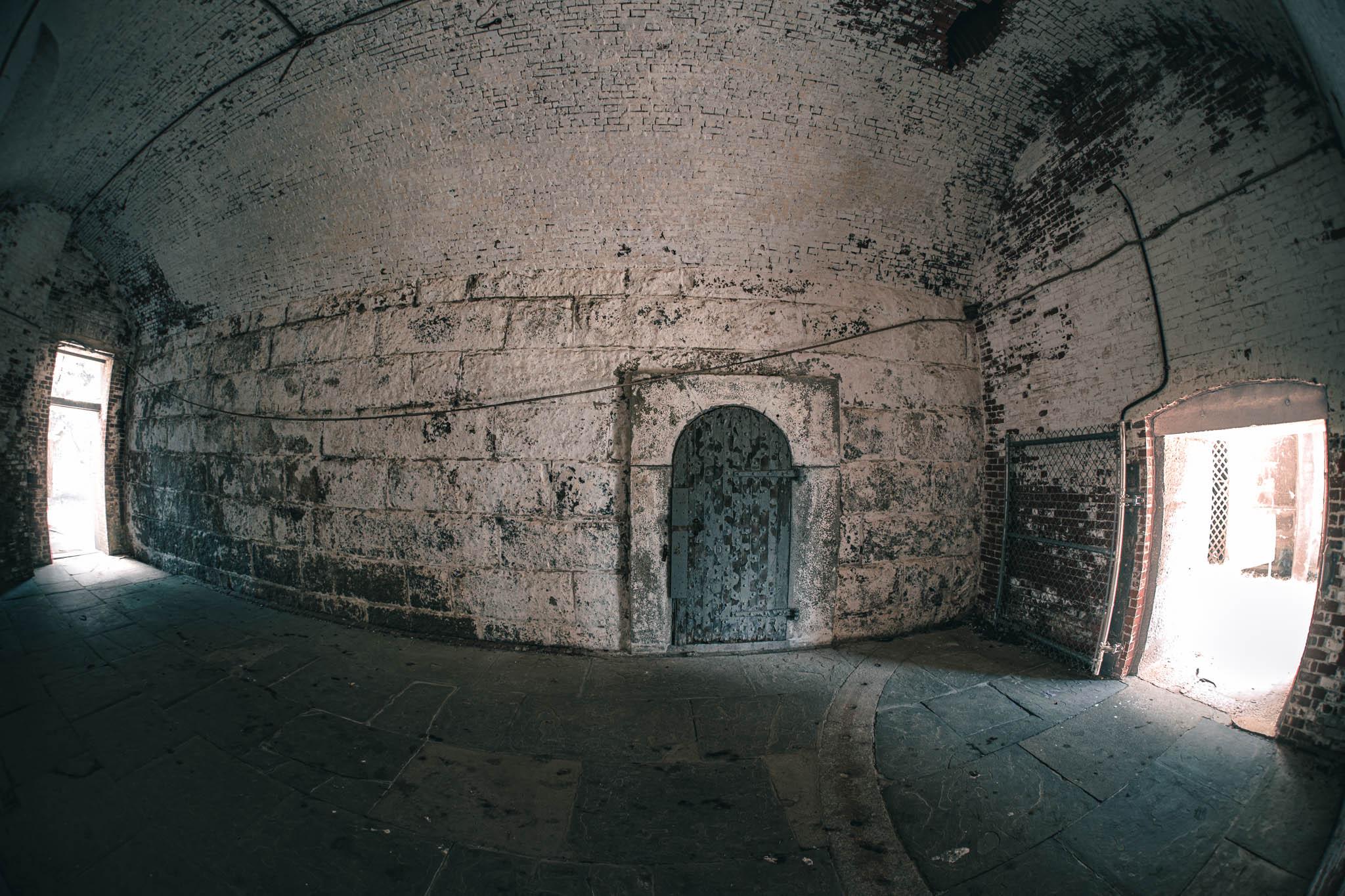
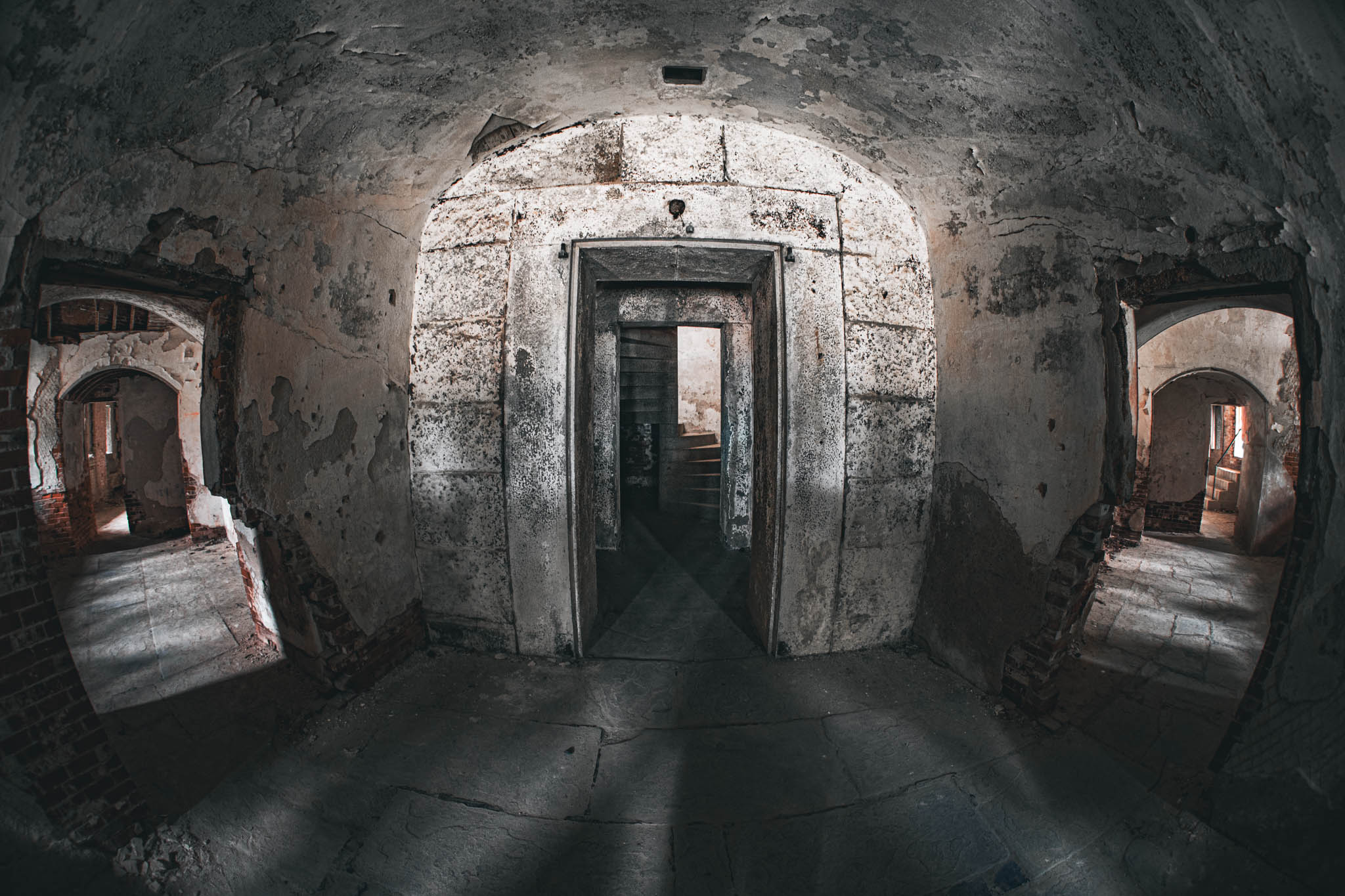
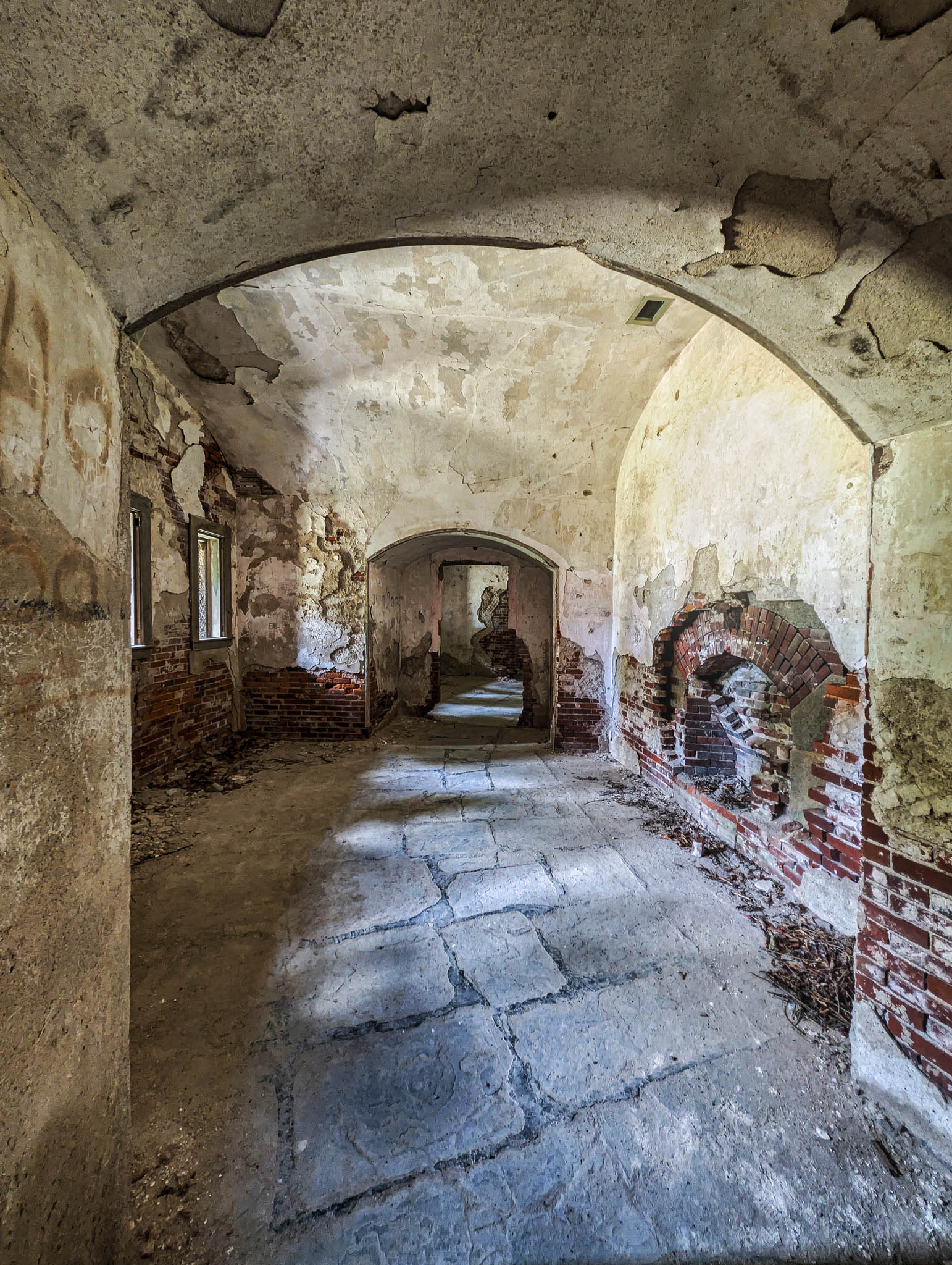
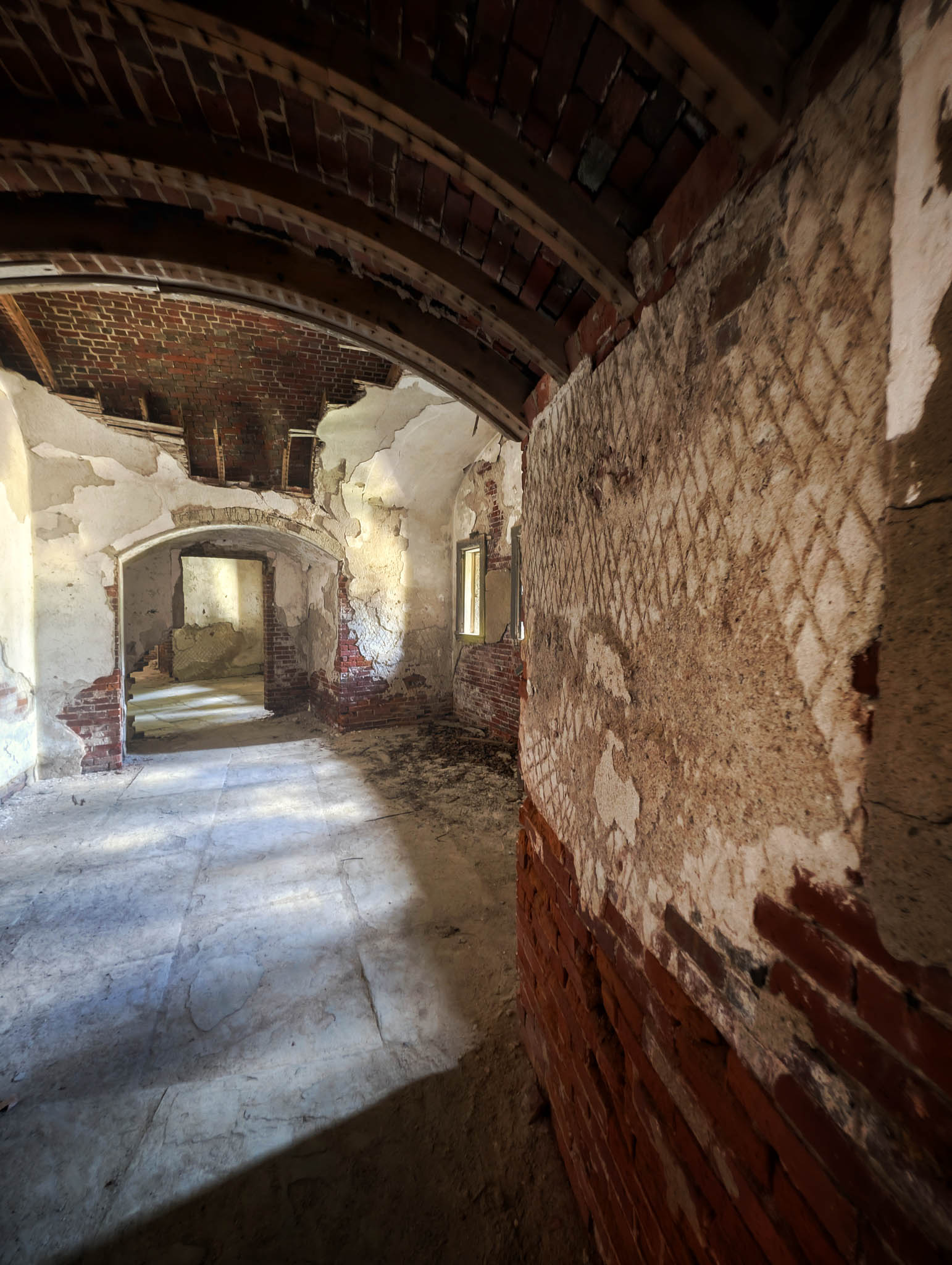
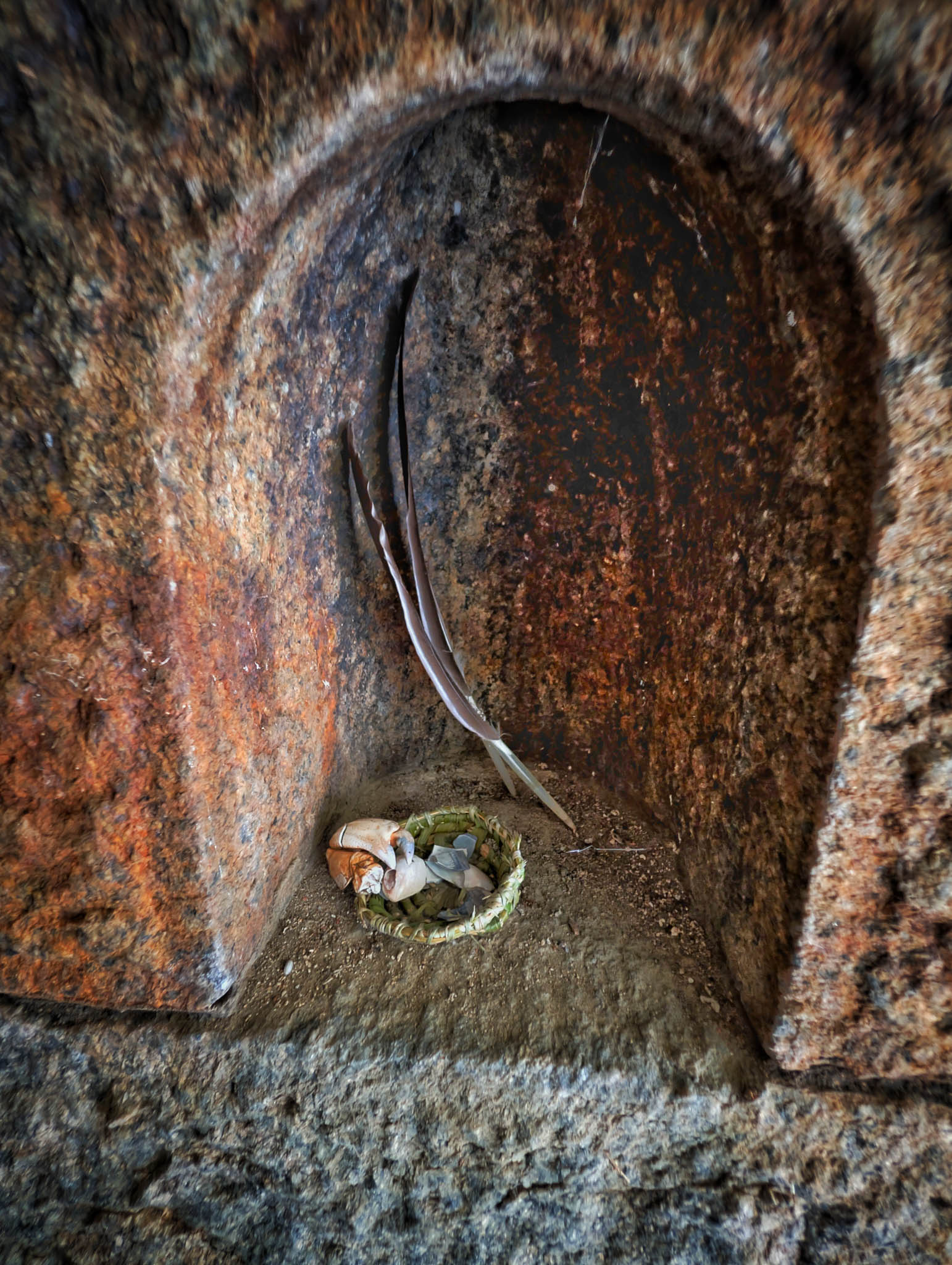
The ranger’s tour of Fort Warren ended, appropriately enough, just through “the Dark Arch”: the entrance from the Fort’s parade ground into the eerie and catacomb-like casemates of “Bastion A”. These sepulchral vaulted chambers were prepared after the Civil War to shelter improved long-range artillery. Now they only house shadows and the sort of darting, noisy little birds that live in such cave-like environments.
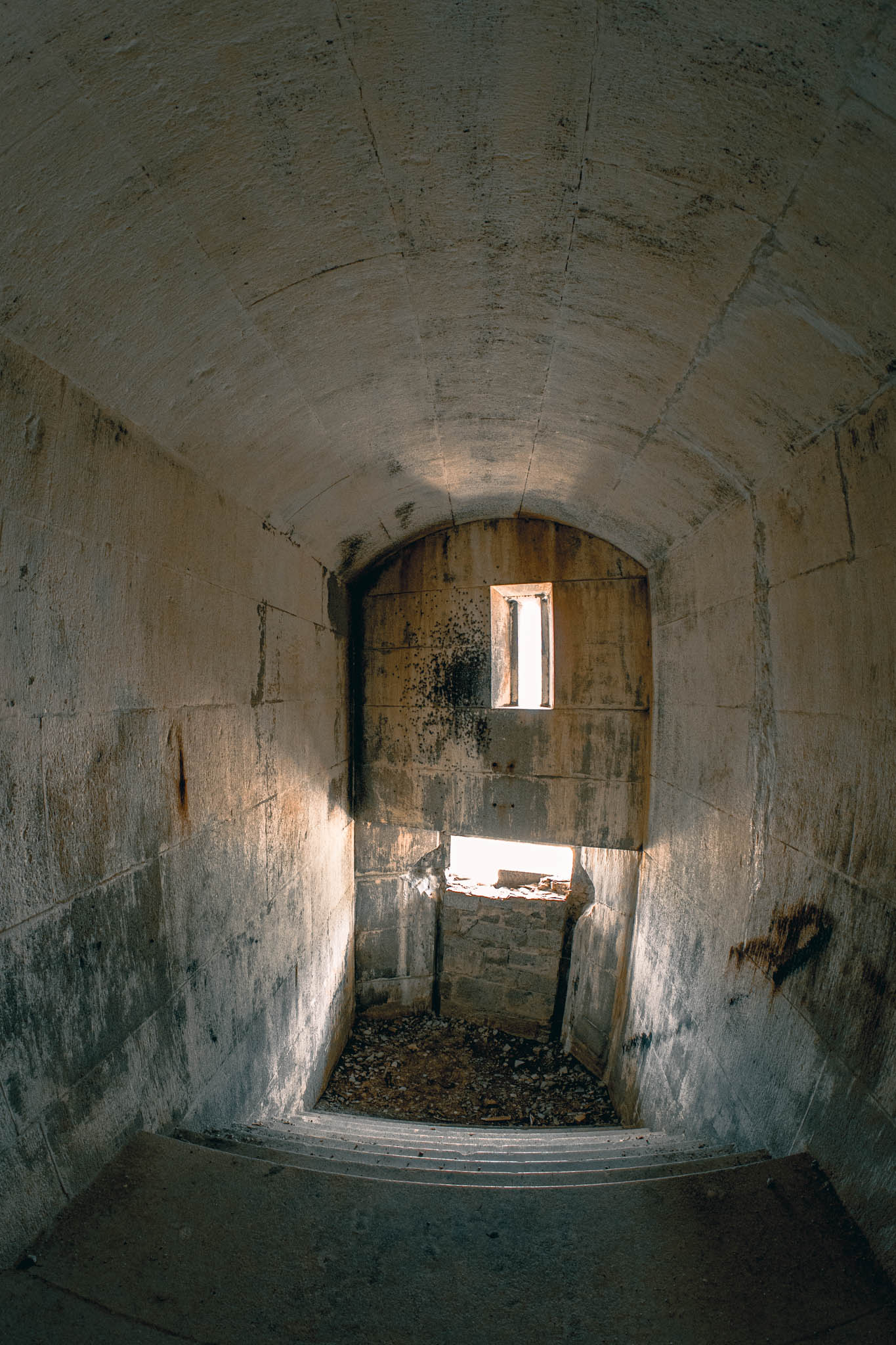
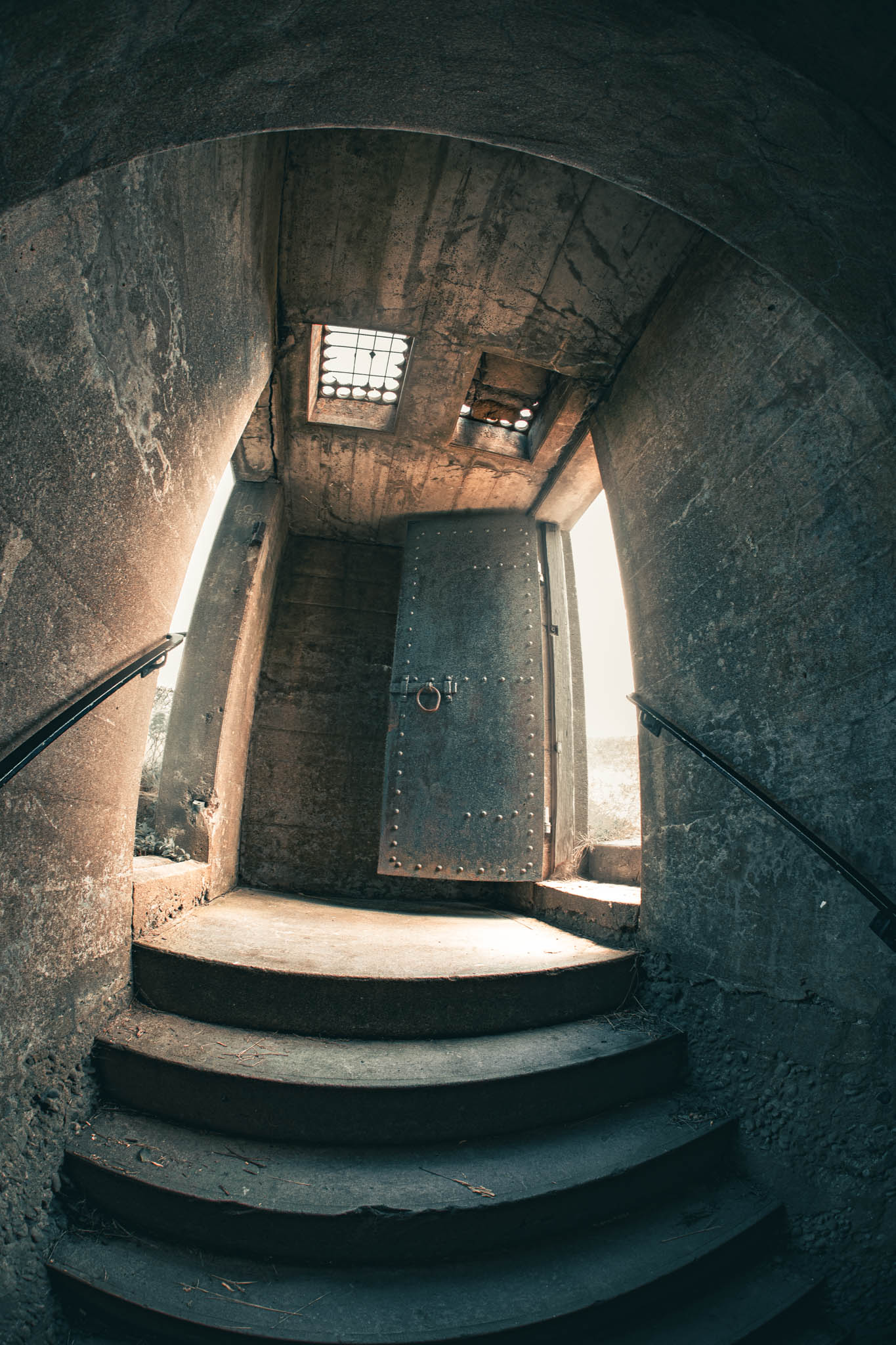
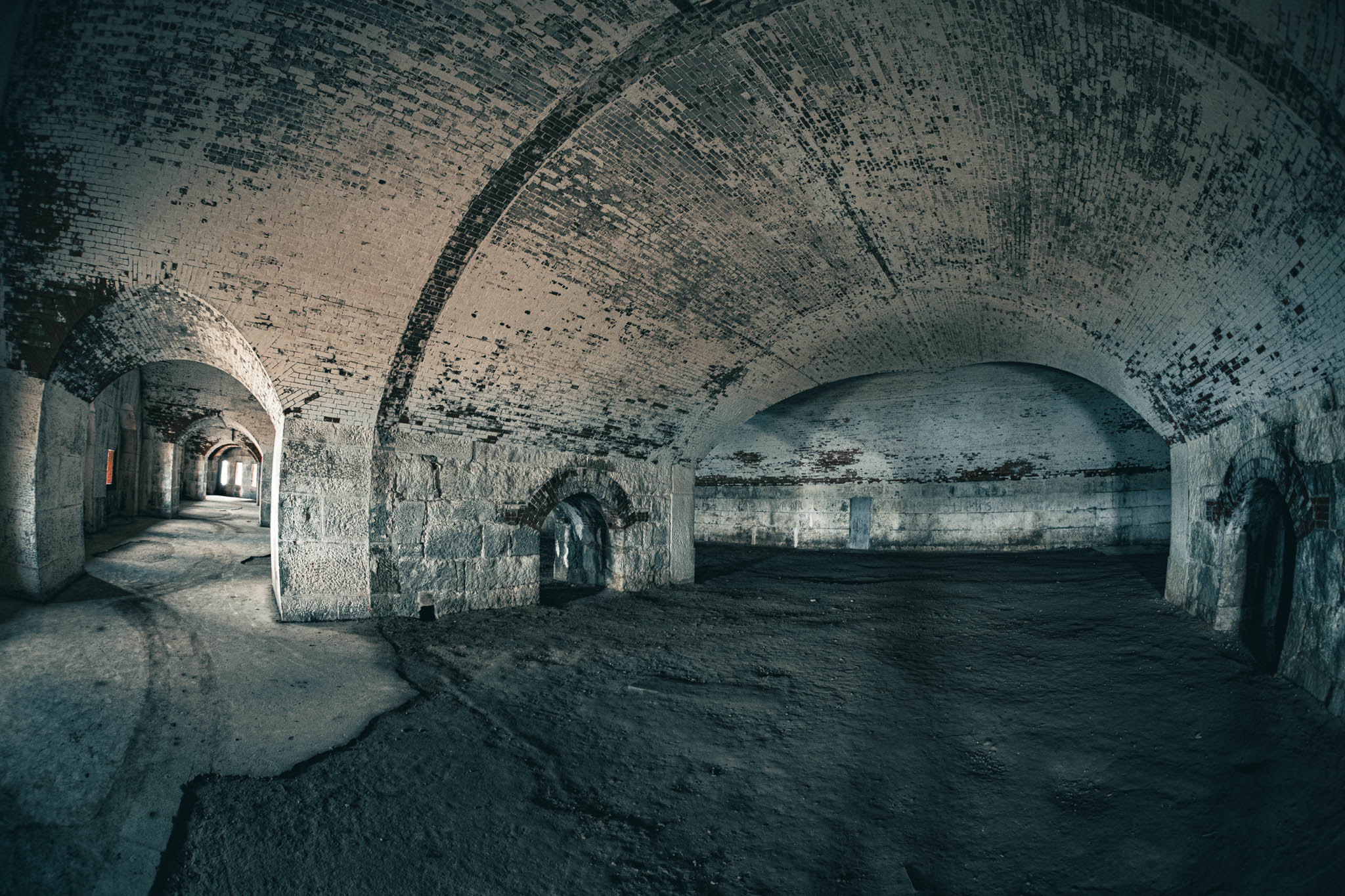
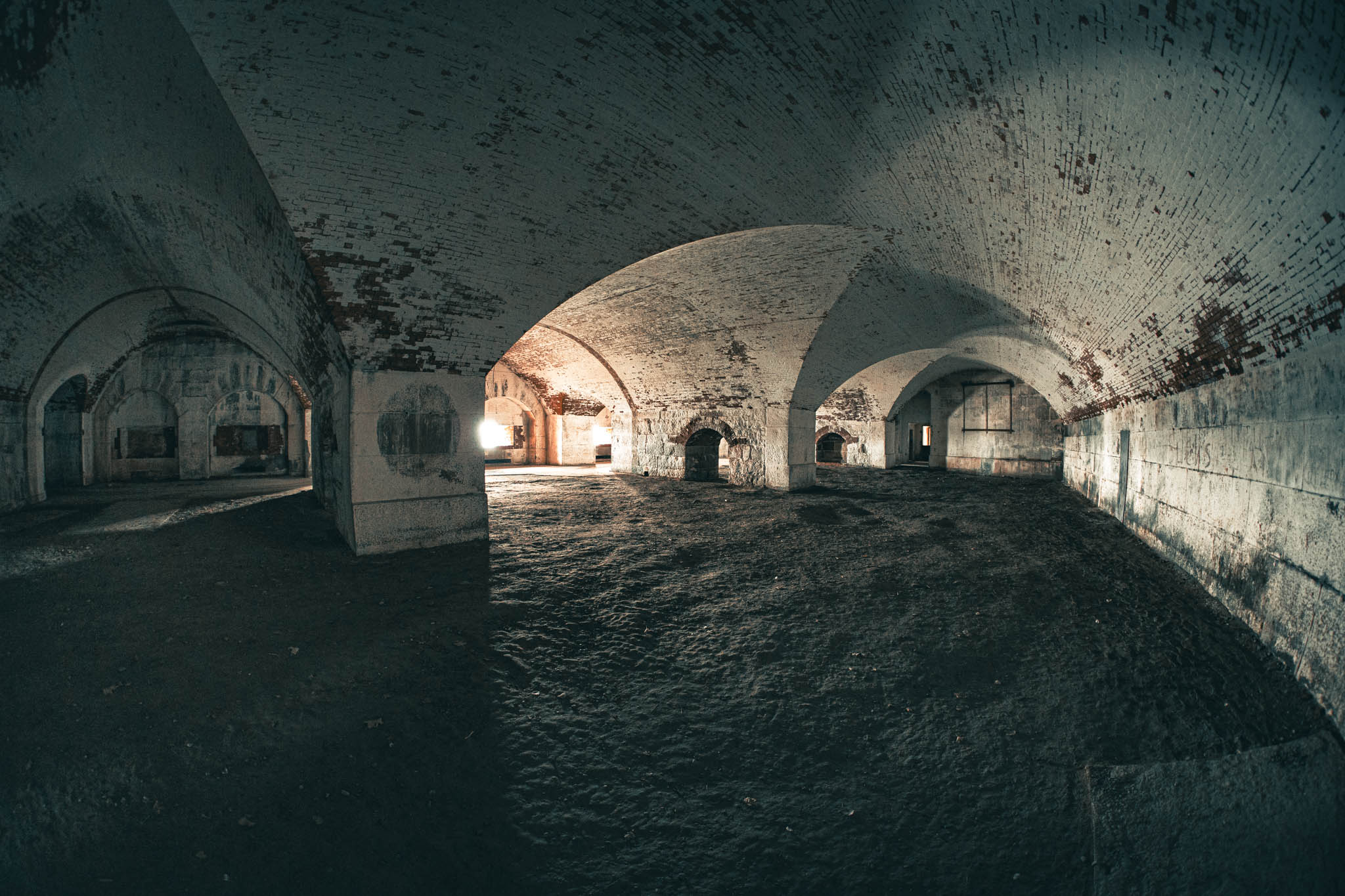
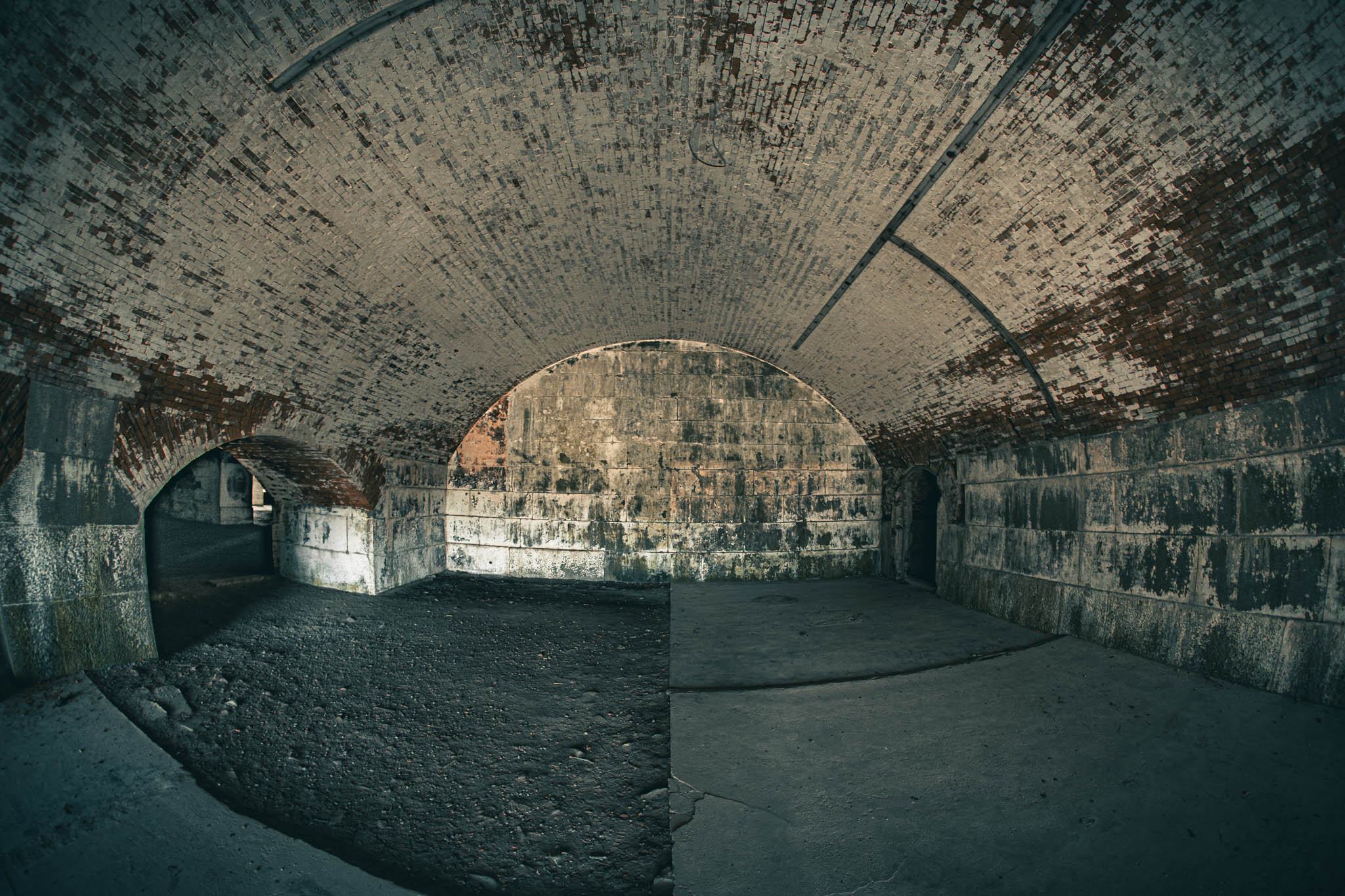
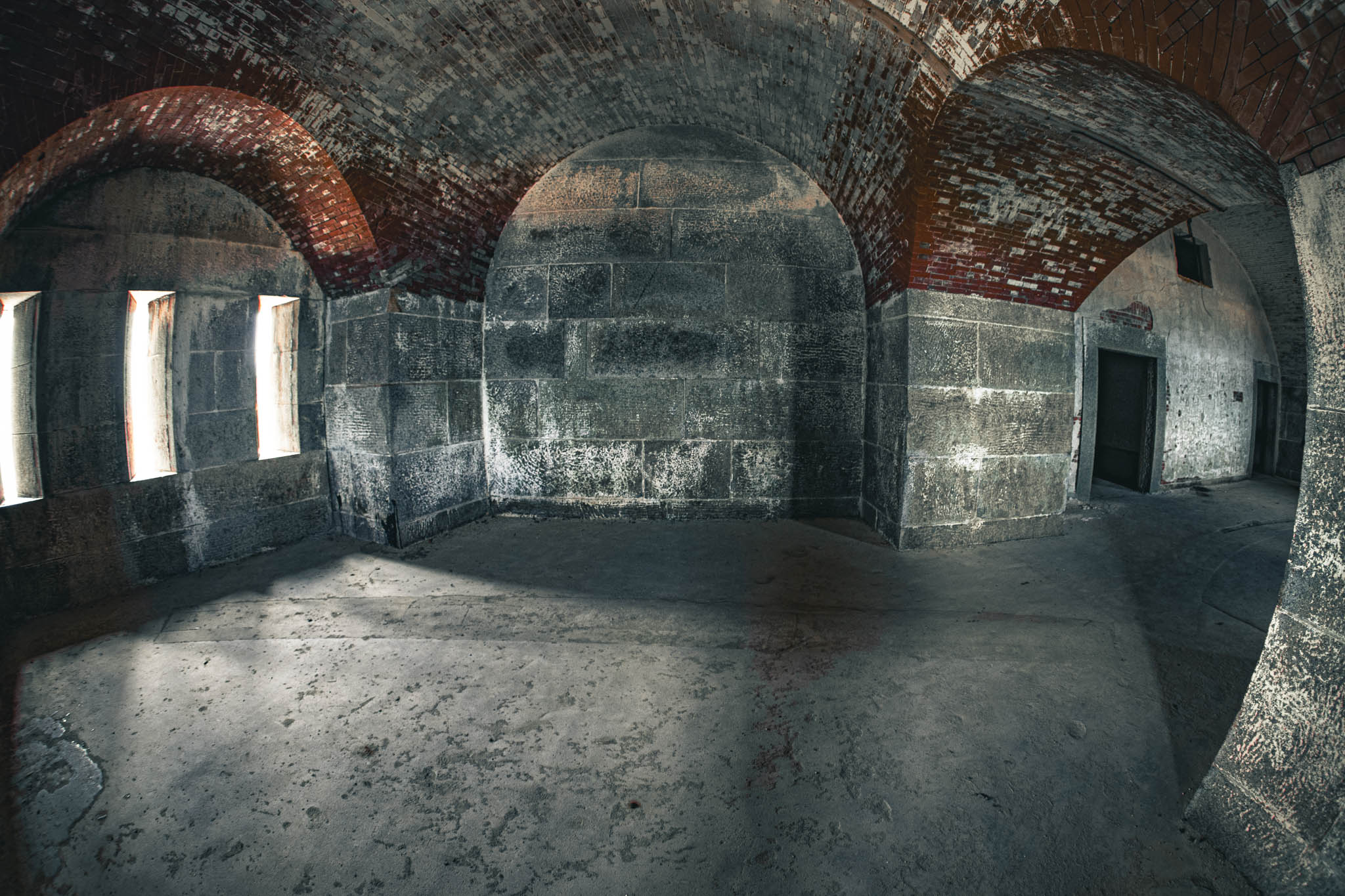
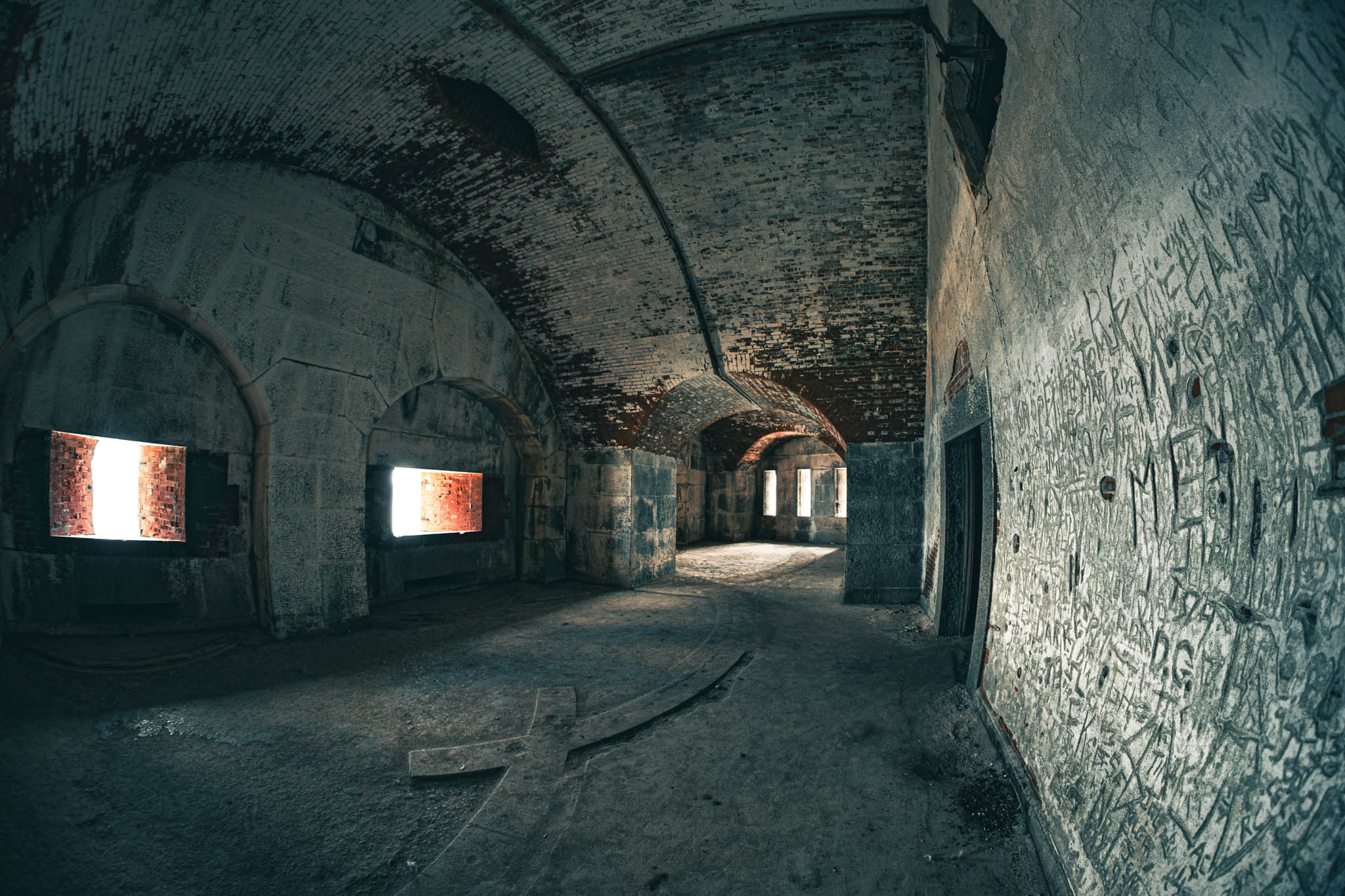
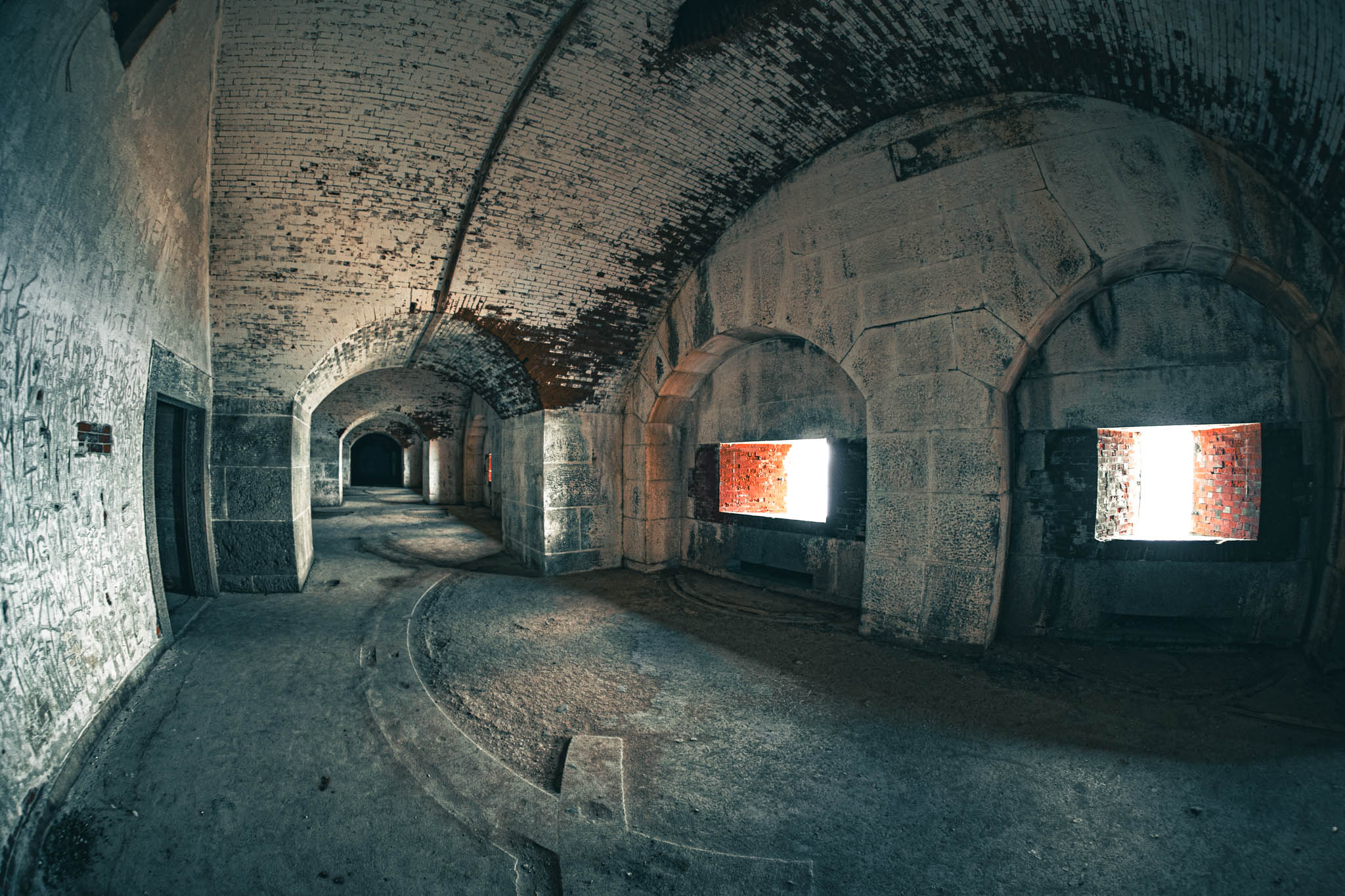
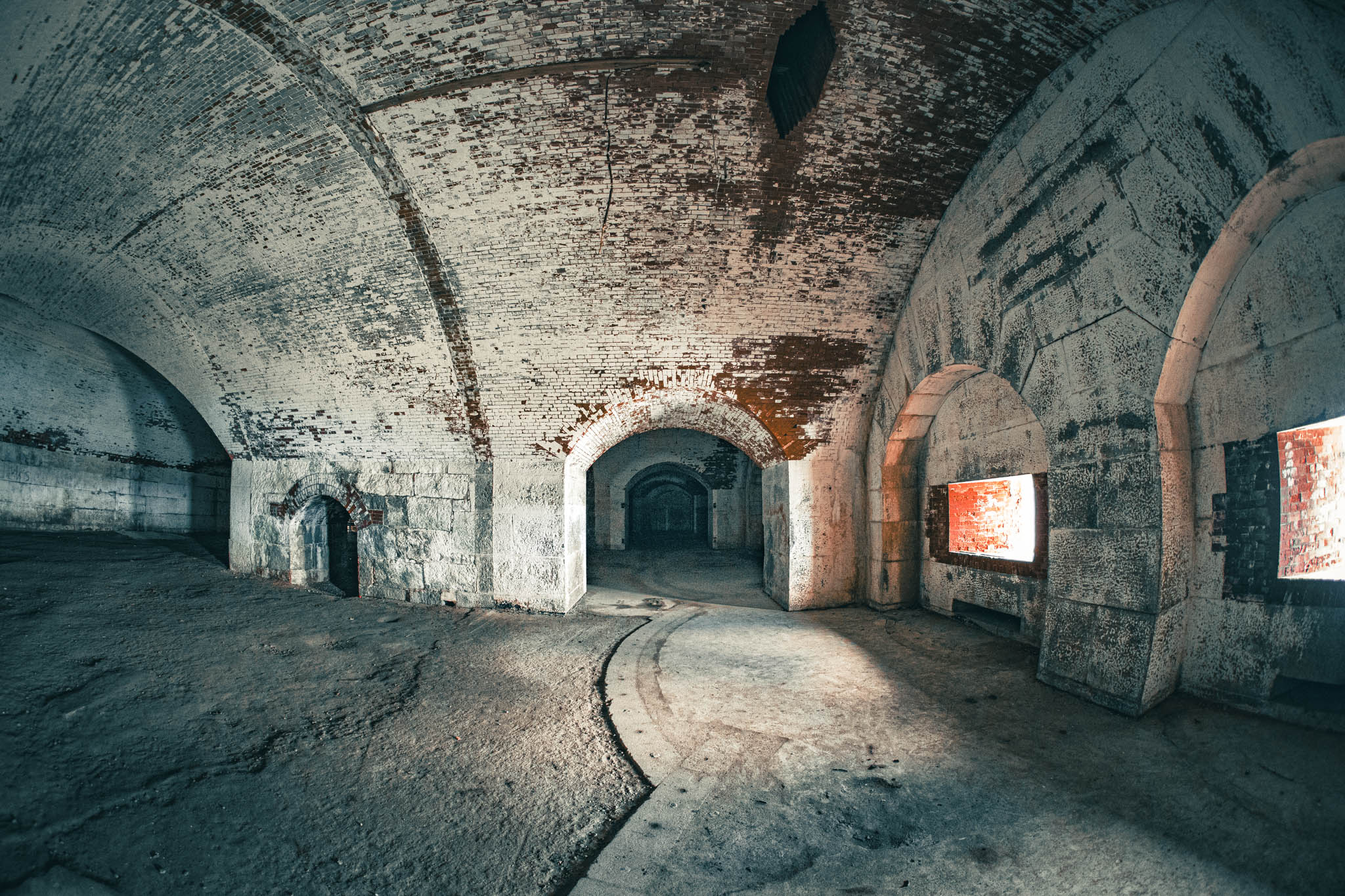
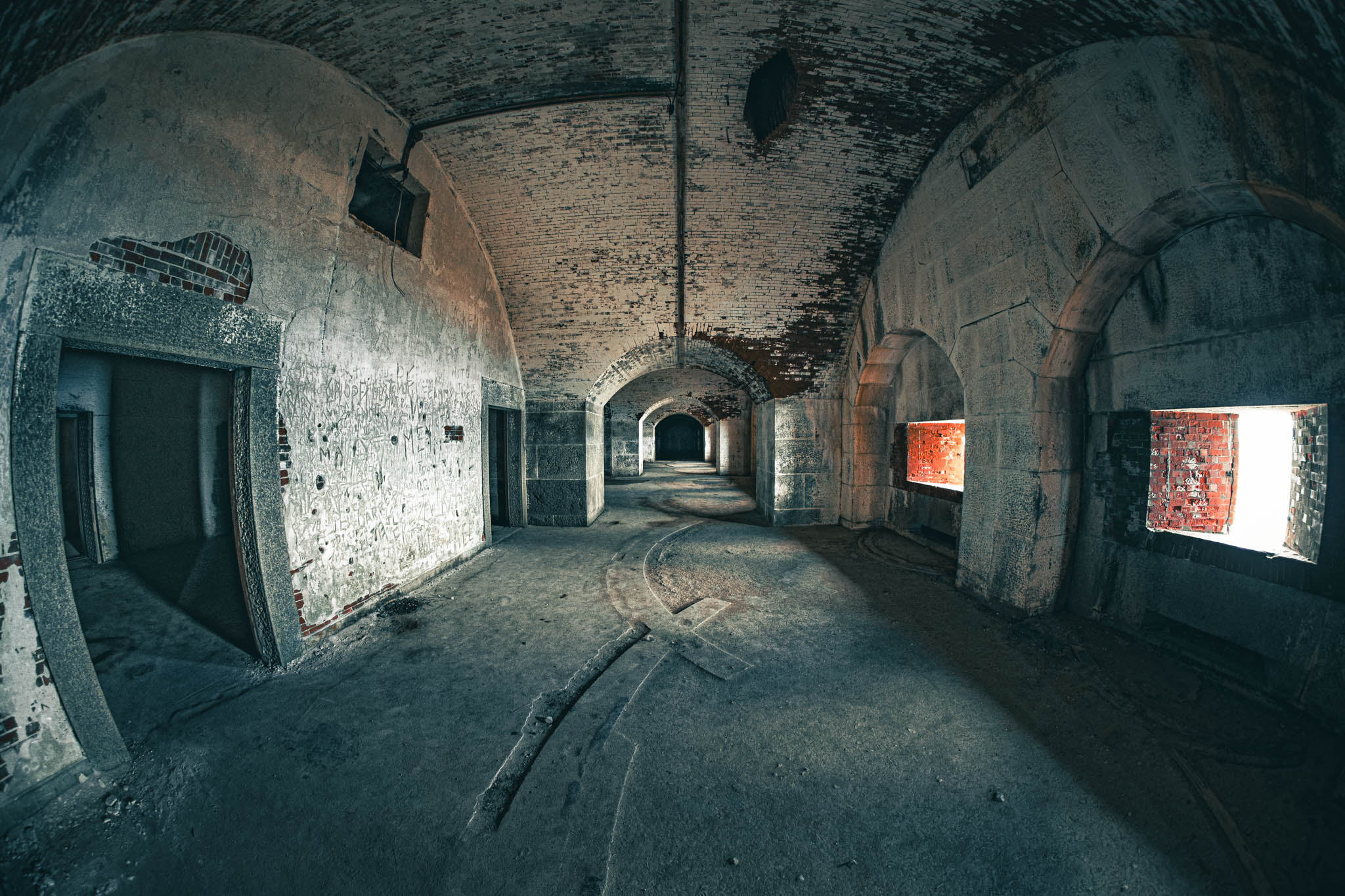
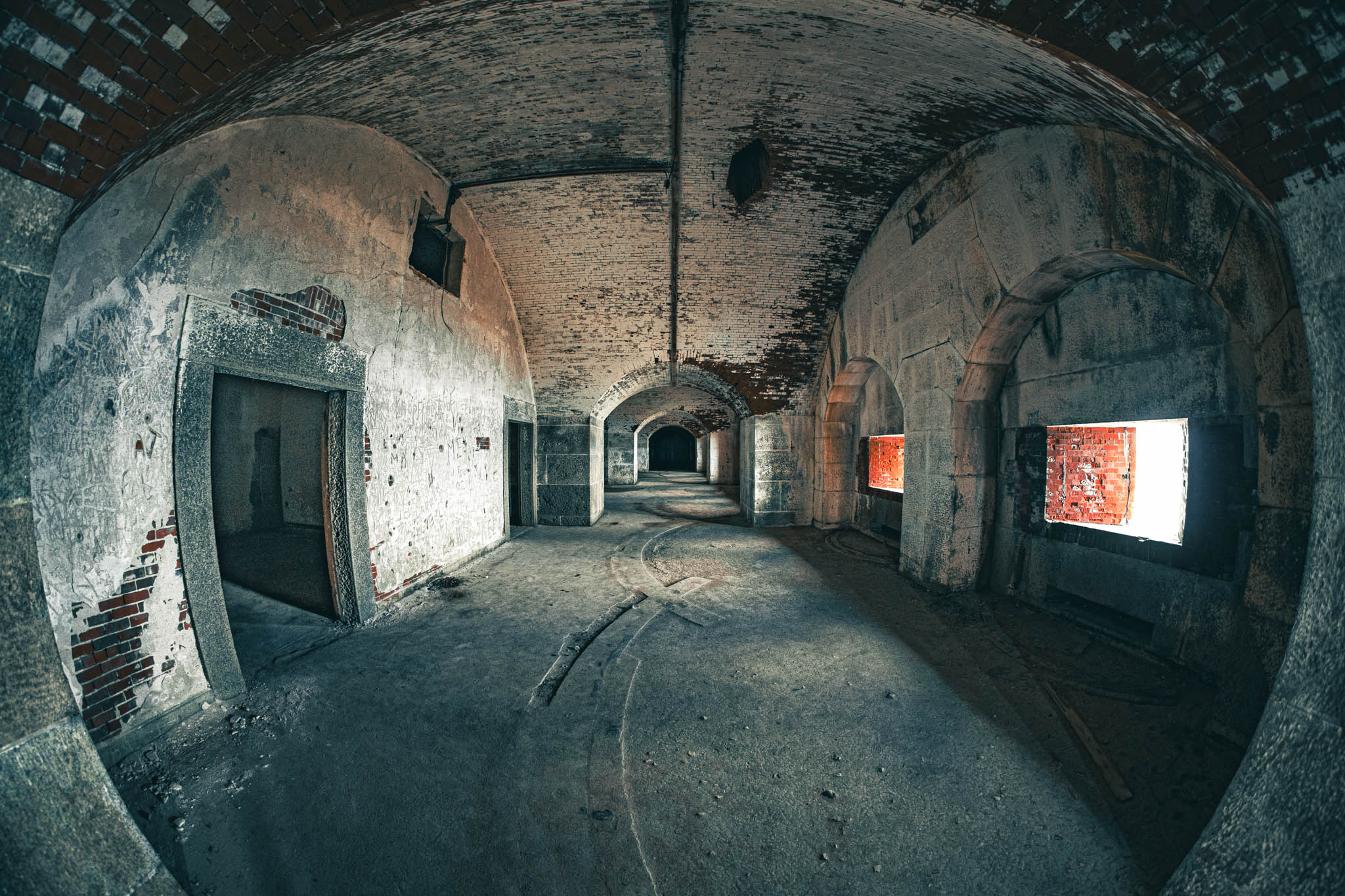
It was in one of these appropriately-dusky vaults that the young ranger concluded his spiel with the tragic account of “The Woman in Black”, which can be found here <link> on the park’s website. It’s just a legend, a ghost story, of course: the ranger was careful to point out that there were no official reports of a young Confederate POW named Samuel Lanier nor of his desperate wife Melanie’s attempt to liberate him. The Union kept meticulous records of prisoners, escape attempts, and executions: there’s nothing about a failed escape attempt that resulted in the prisoner’s demise after his would-be rescuer accidentally shot him. Nor is there a record of the execution by hanging of the inadvertent mariticide, whether in borrowed widow’s weeds or not.
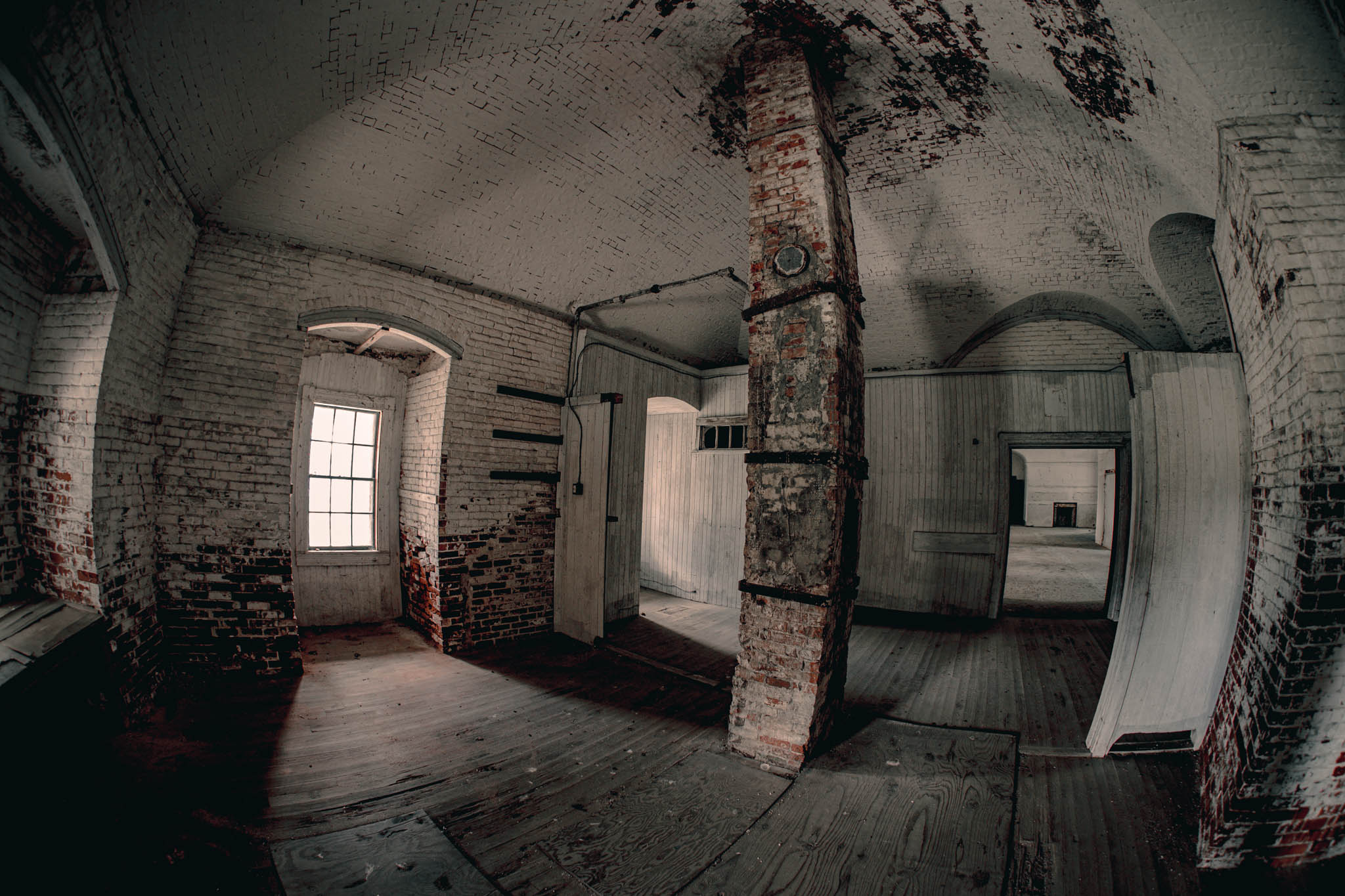
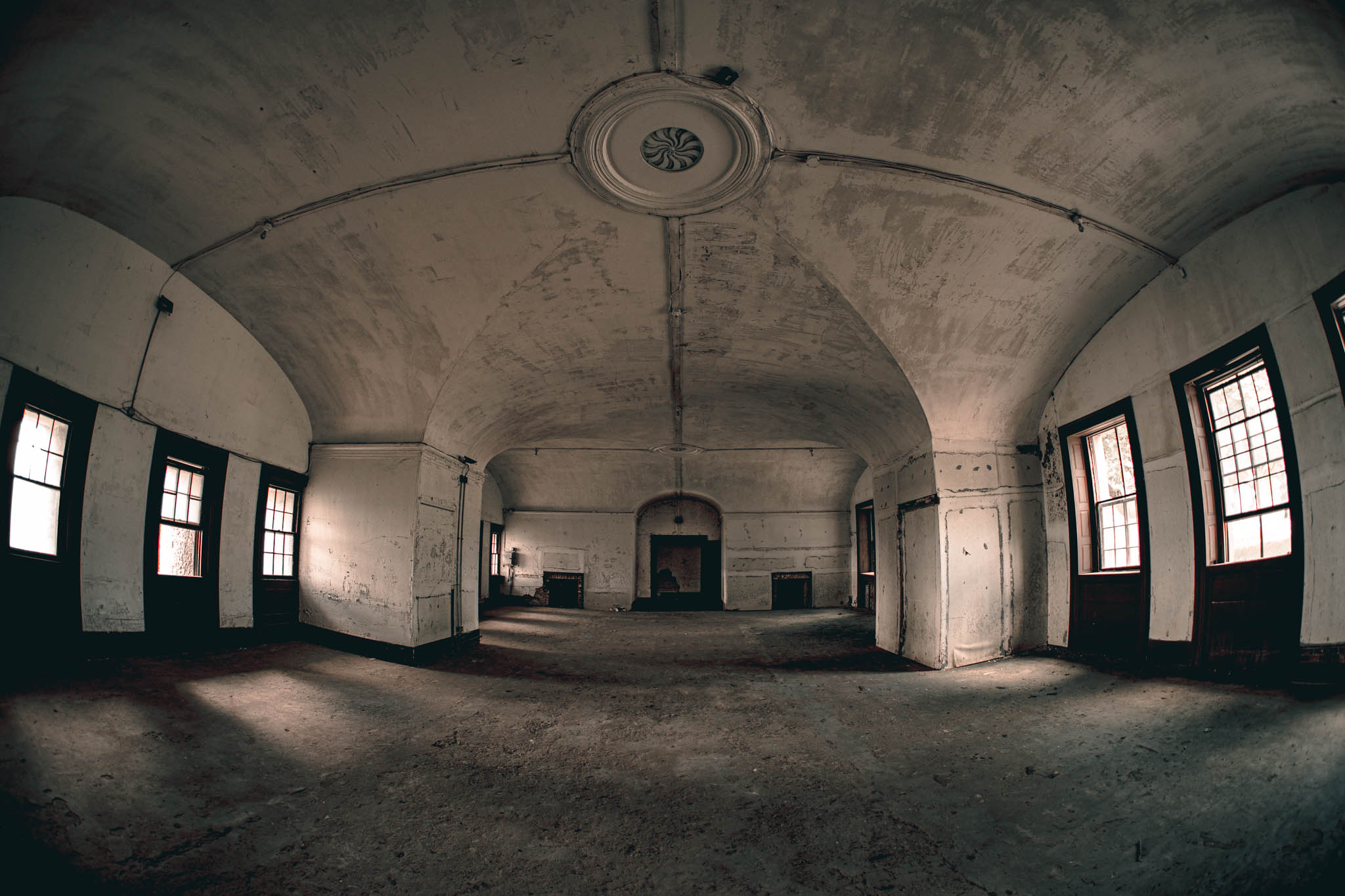
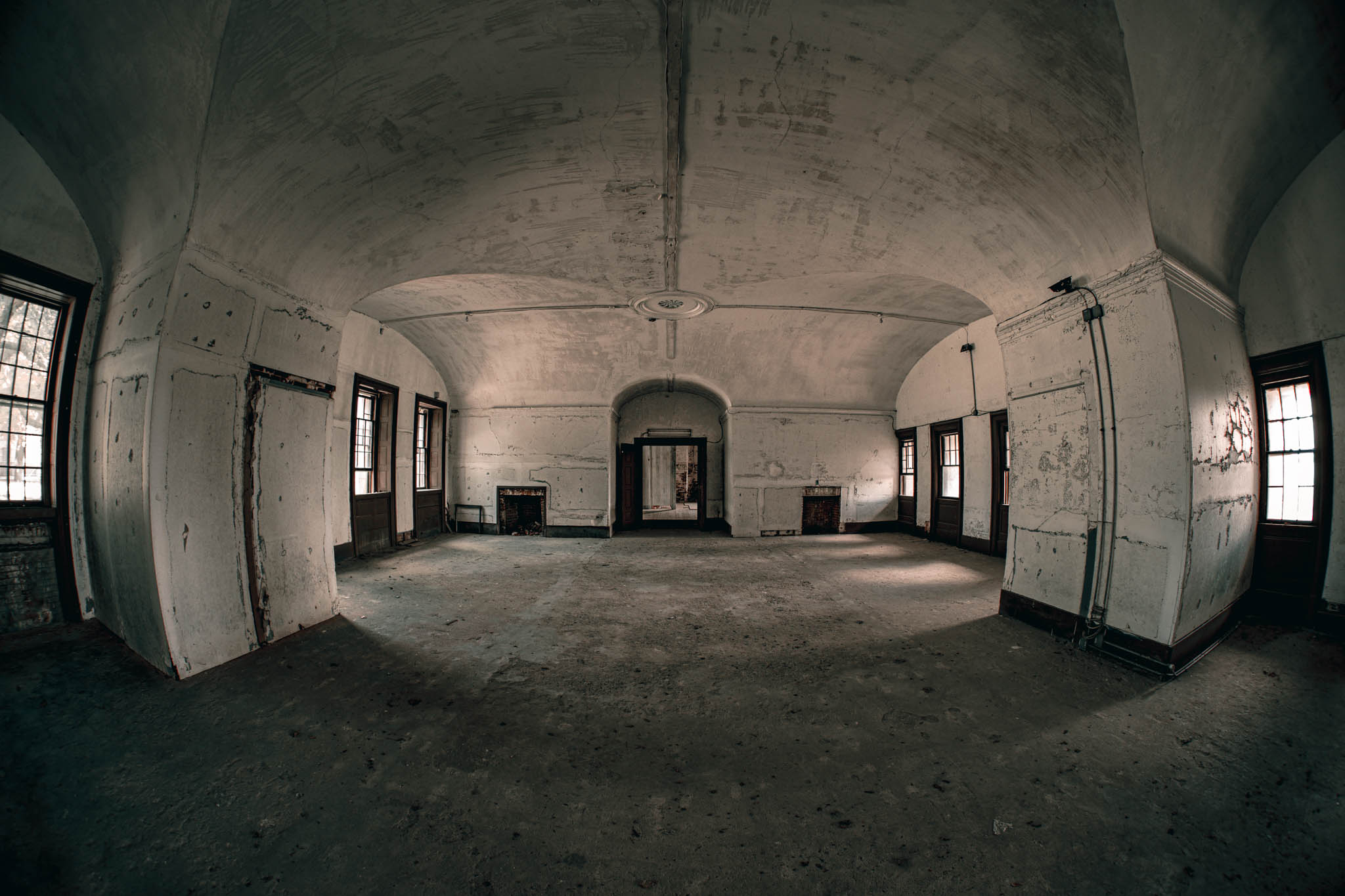
Years later a lonely sentry on duty on a dark moonless night at Fort Warren fired on a threatening ghostly figure; this is in fact documented, but there’s nothing to connect the specter to any particular prisoner or execution. I have a theory that haunted locales, particularly buildings, are subject to something like the Japanese concept of tsukumogami 付喪神, which holds that tools and artifacts made and used by humans inevitably develop a sort of indwelling spirit or kami after a hundred years. To be agnostic about it, perhaps to have a haunted house (or an old building that seems haunted) all one needs to do is make sure it lasts long enough, no tragedies required. And perhaps no indwelling spirits, either.
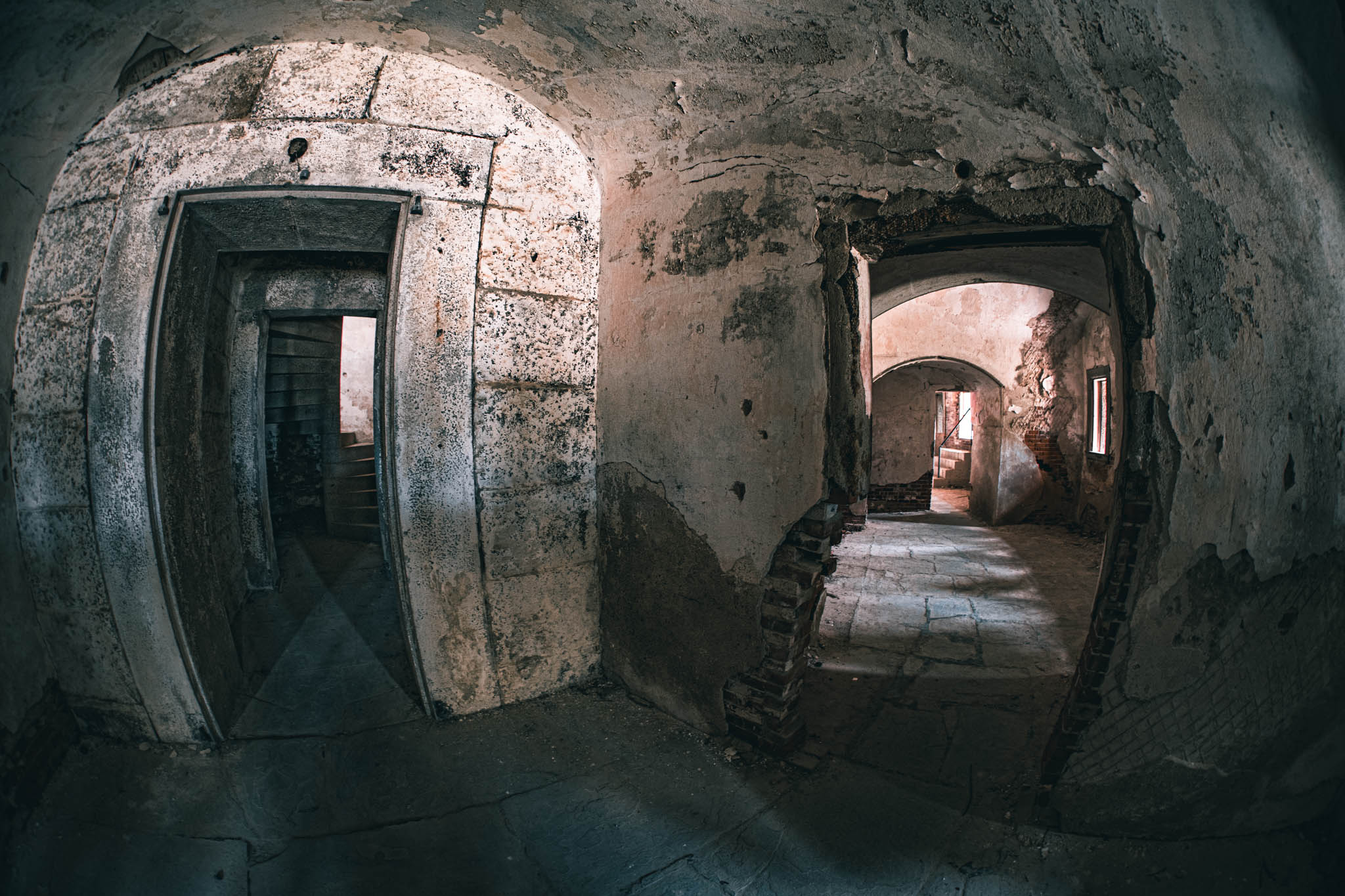
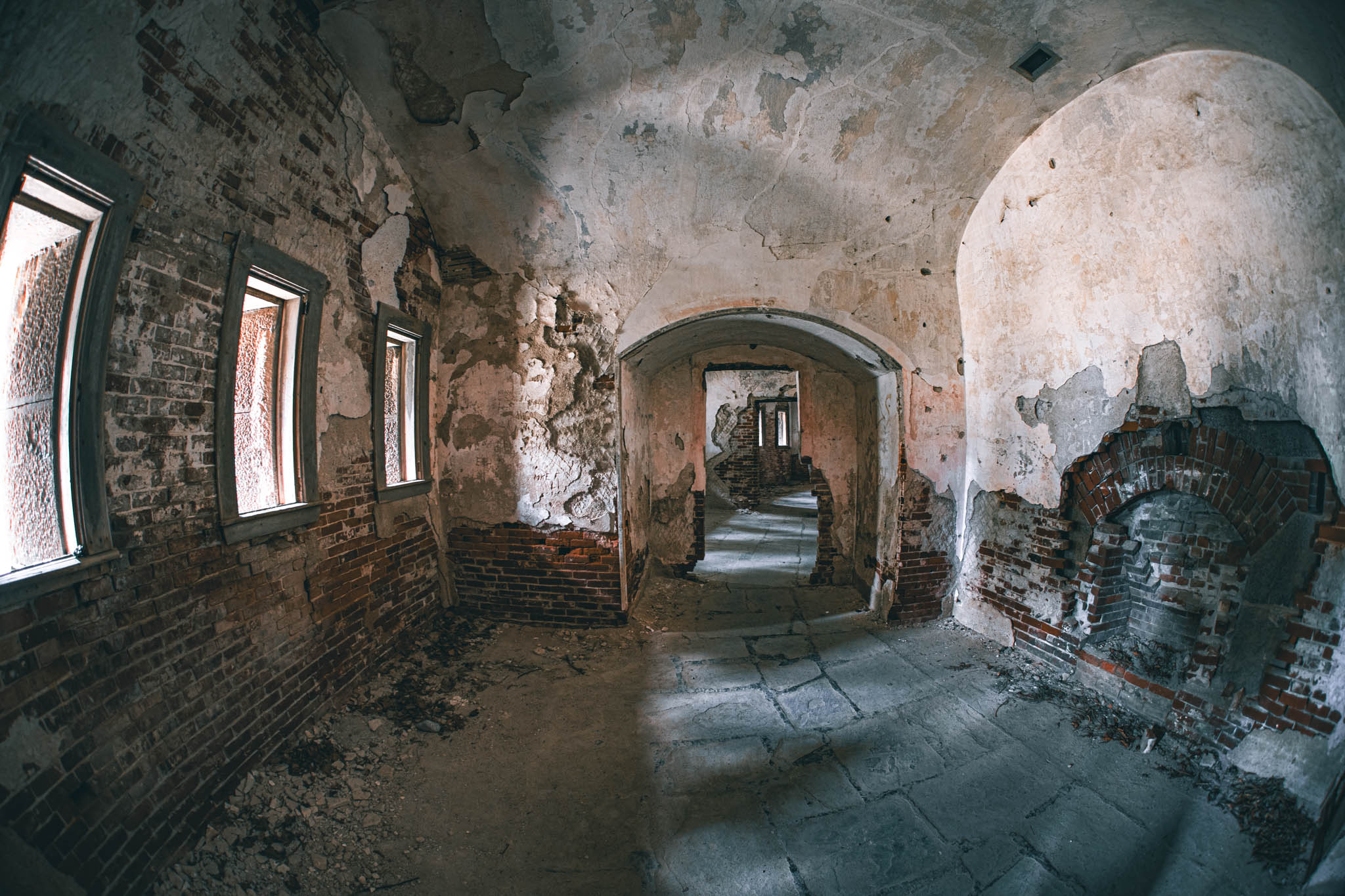
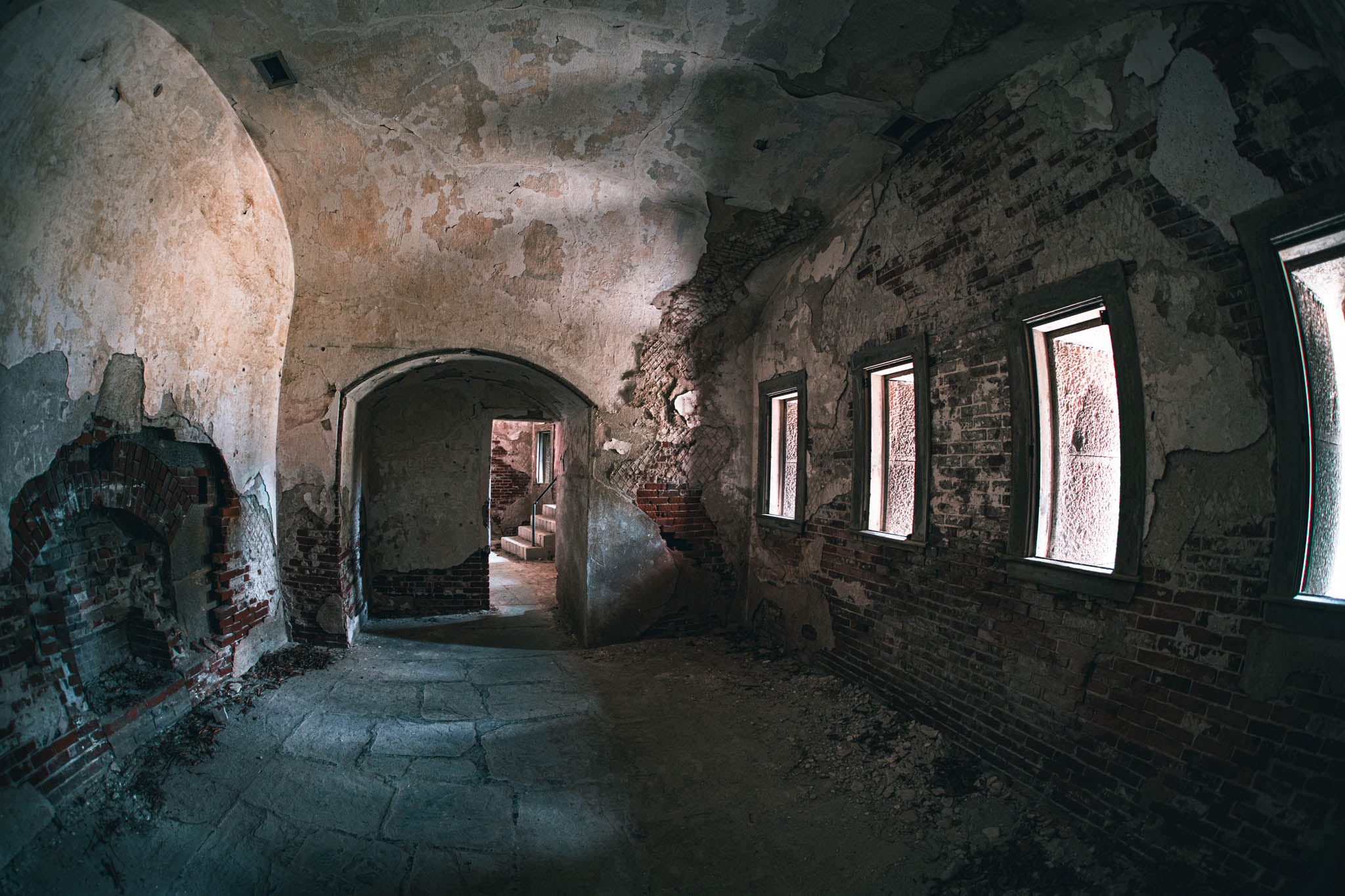
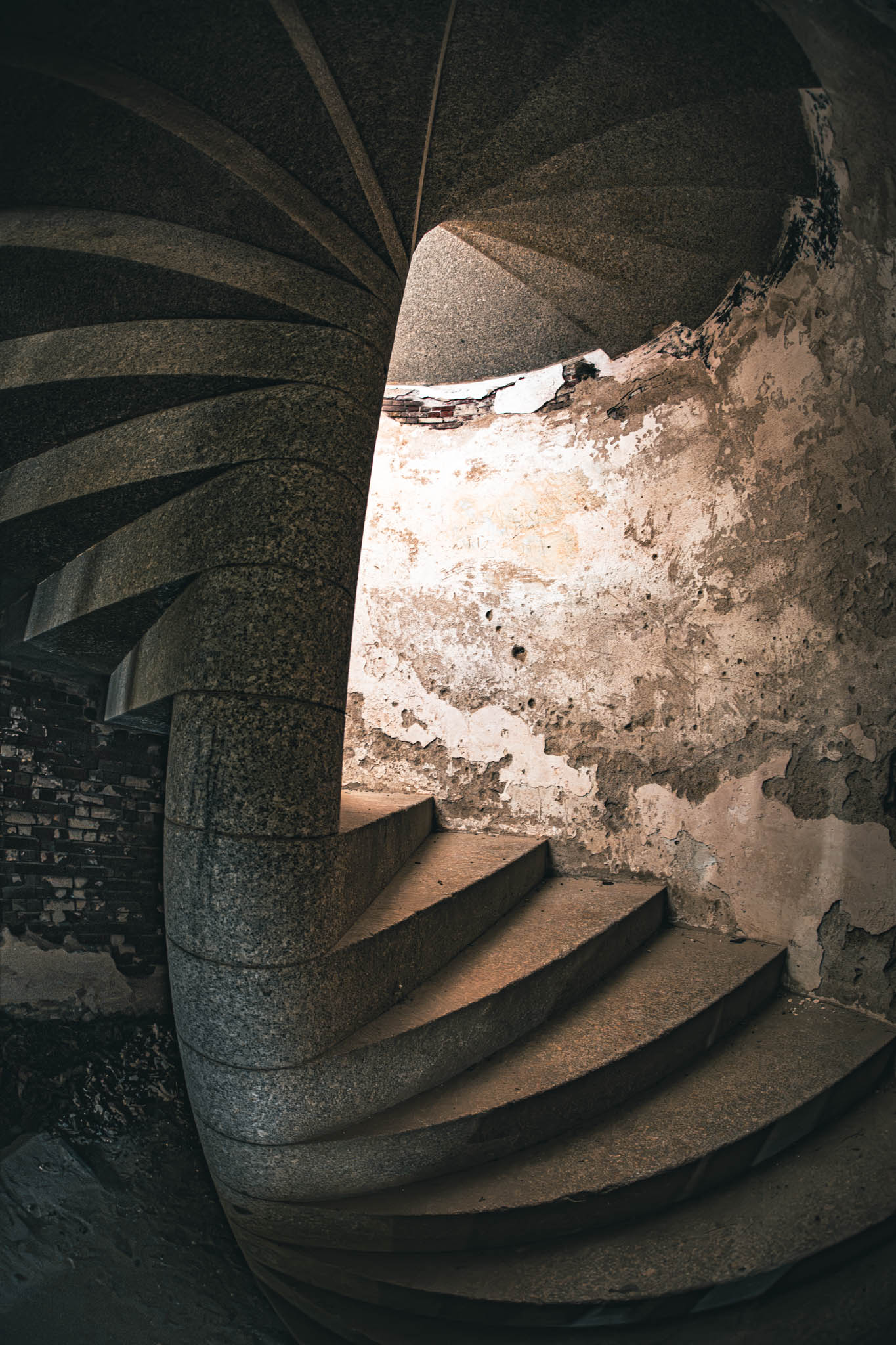
So I suppose that what most disturbed me about the story then was not the supernatural element but its overriding theme of imprisonment and lives squandered unknowingly.
Unnecessarily.
Carelessly.
Fatally.
If Lanier had been real and a prisoner — and Melanie more thoughtful and patient — he would have walked free in a few months just like my Lassiter great great grandsire from Hart Island.
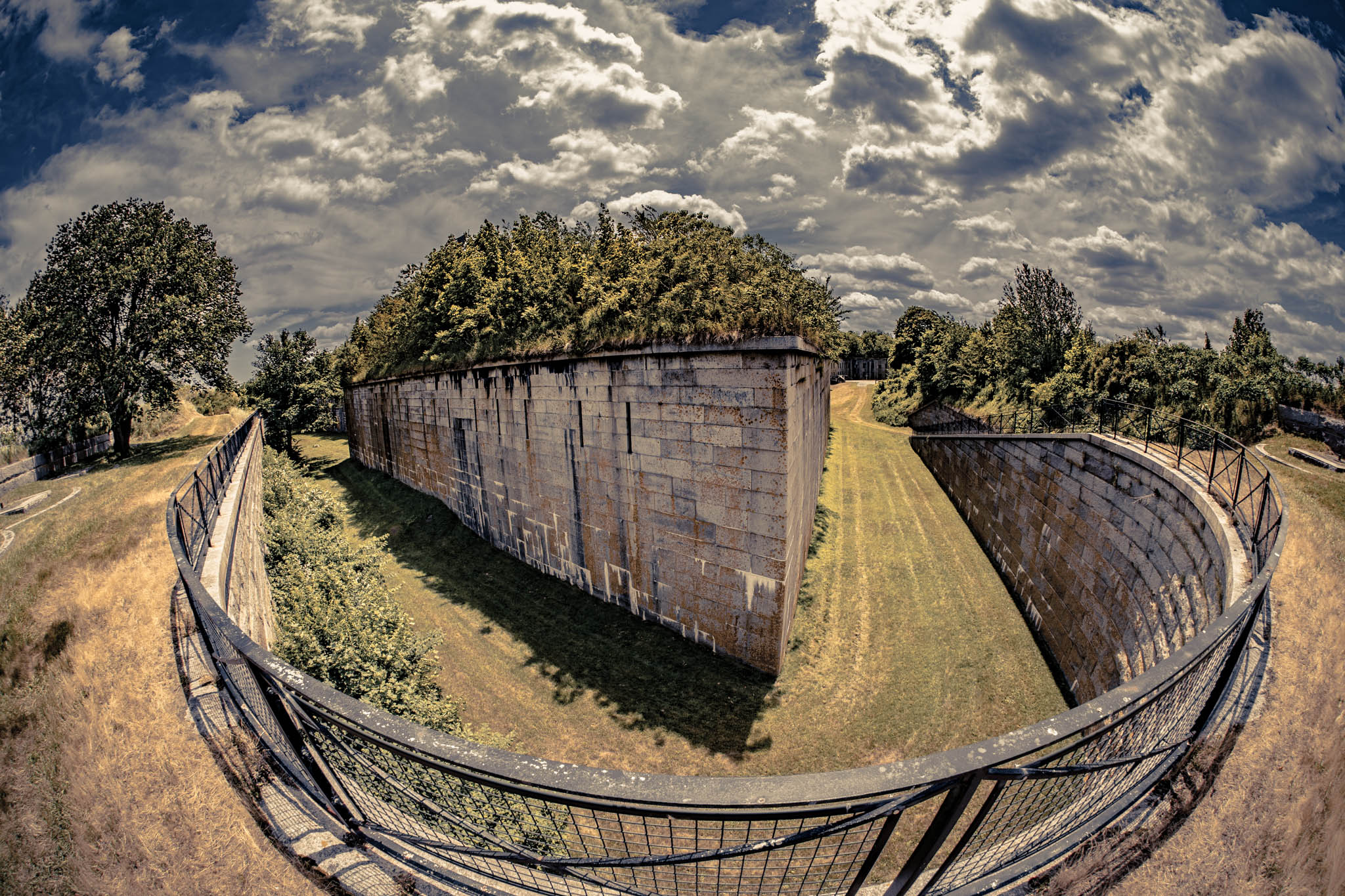
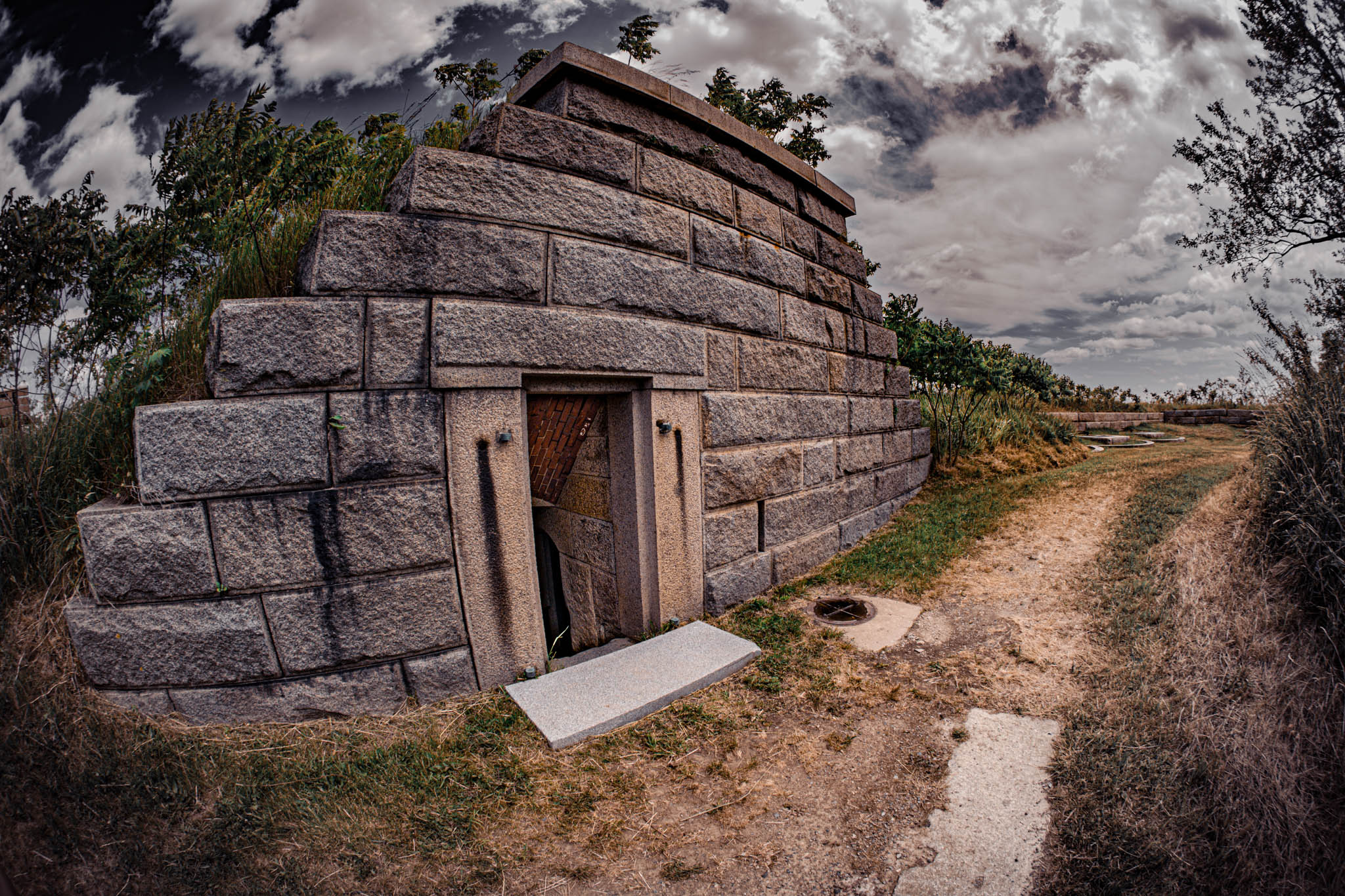
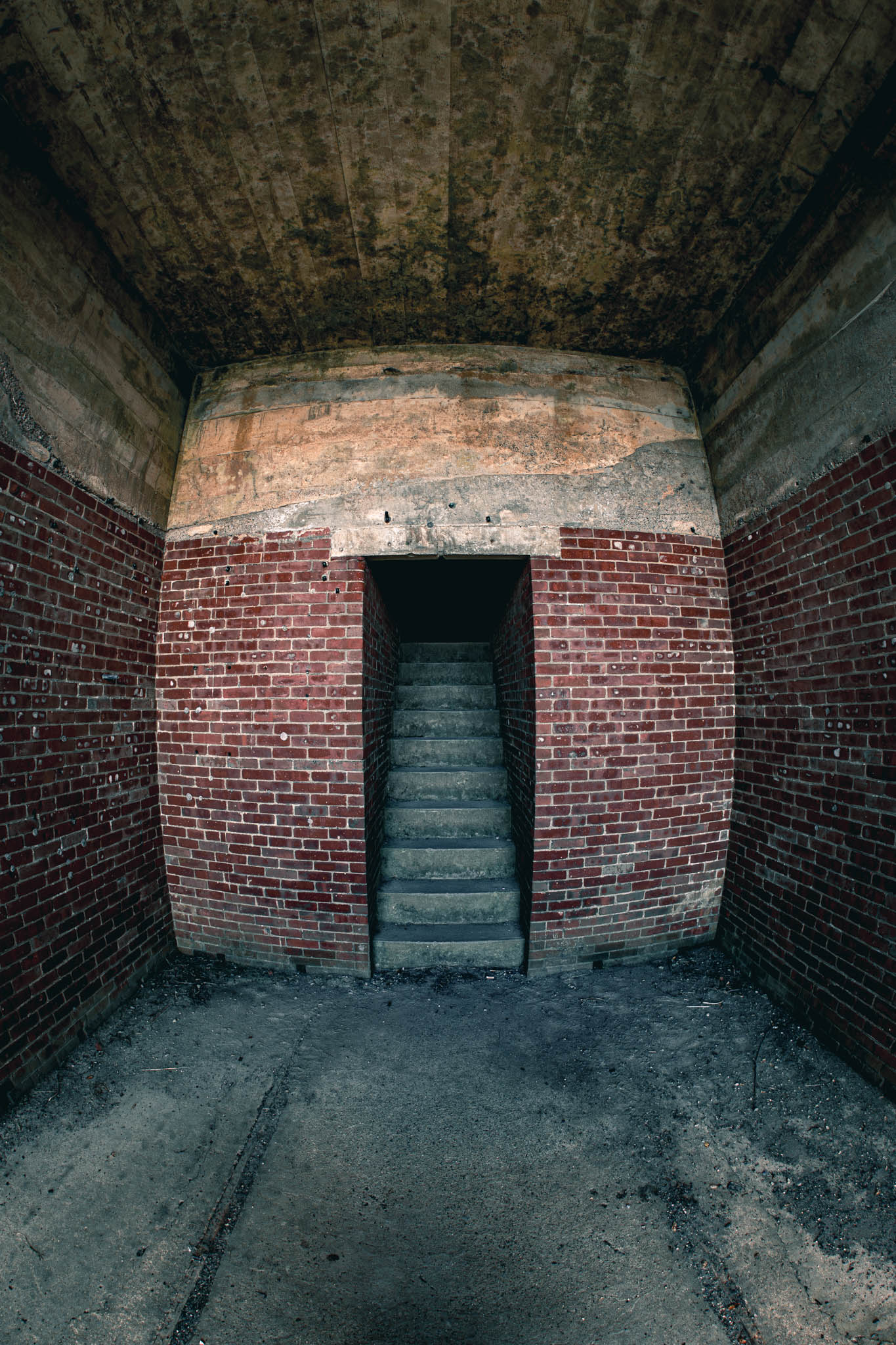
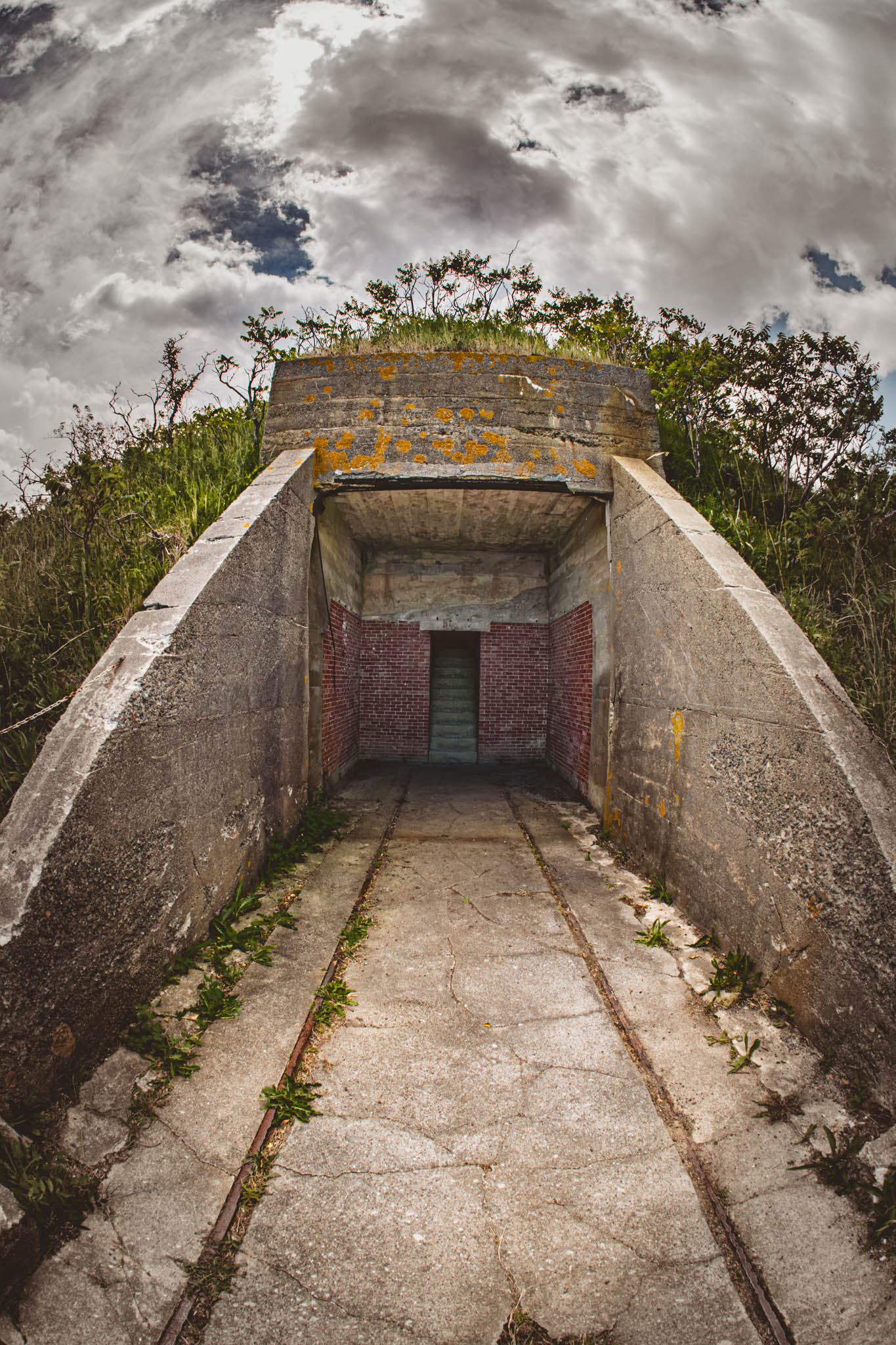
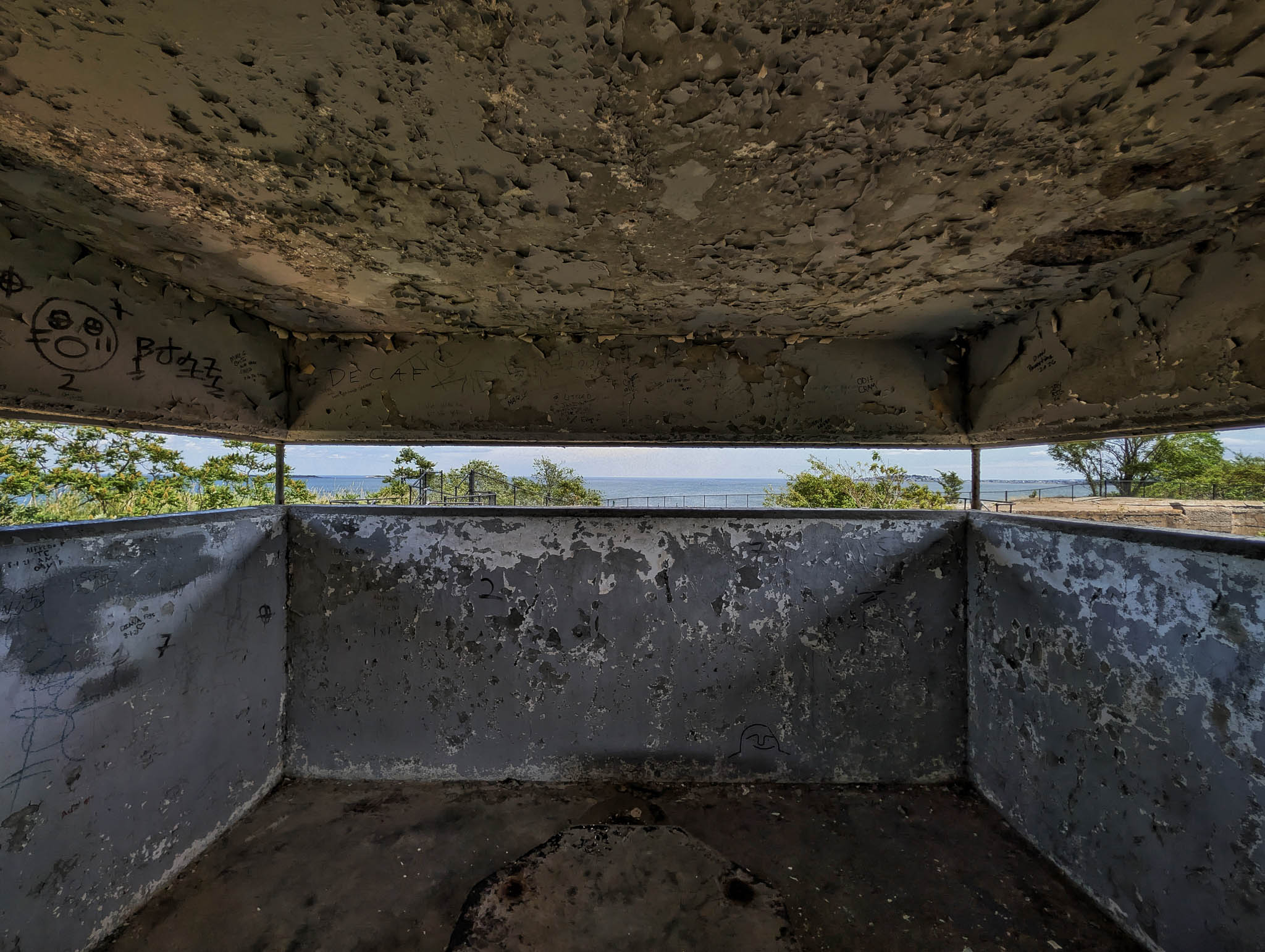
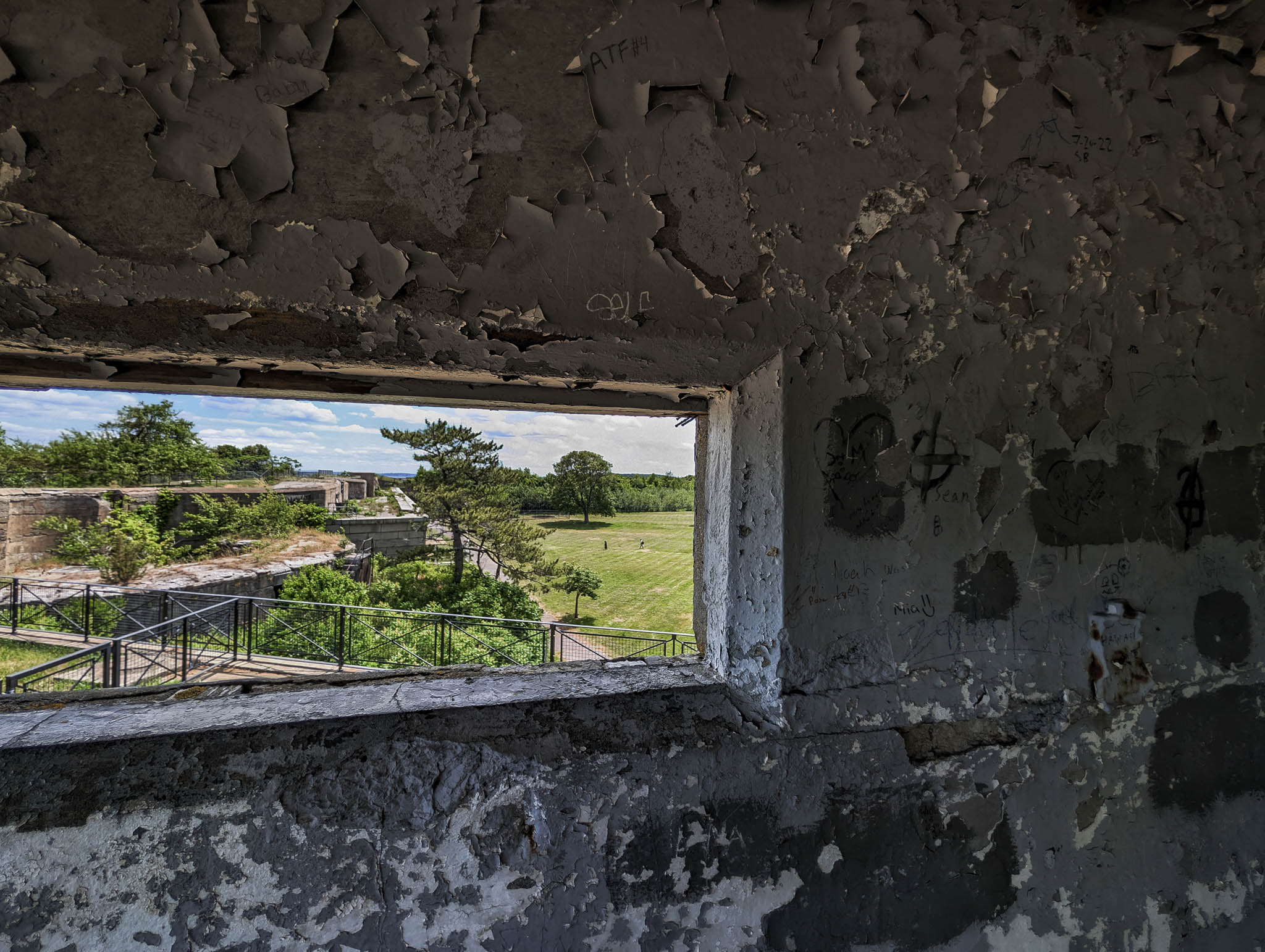
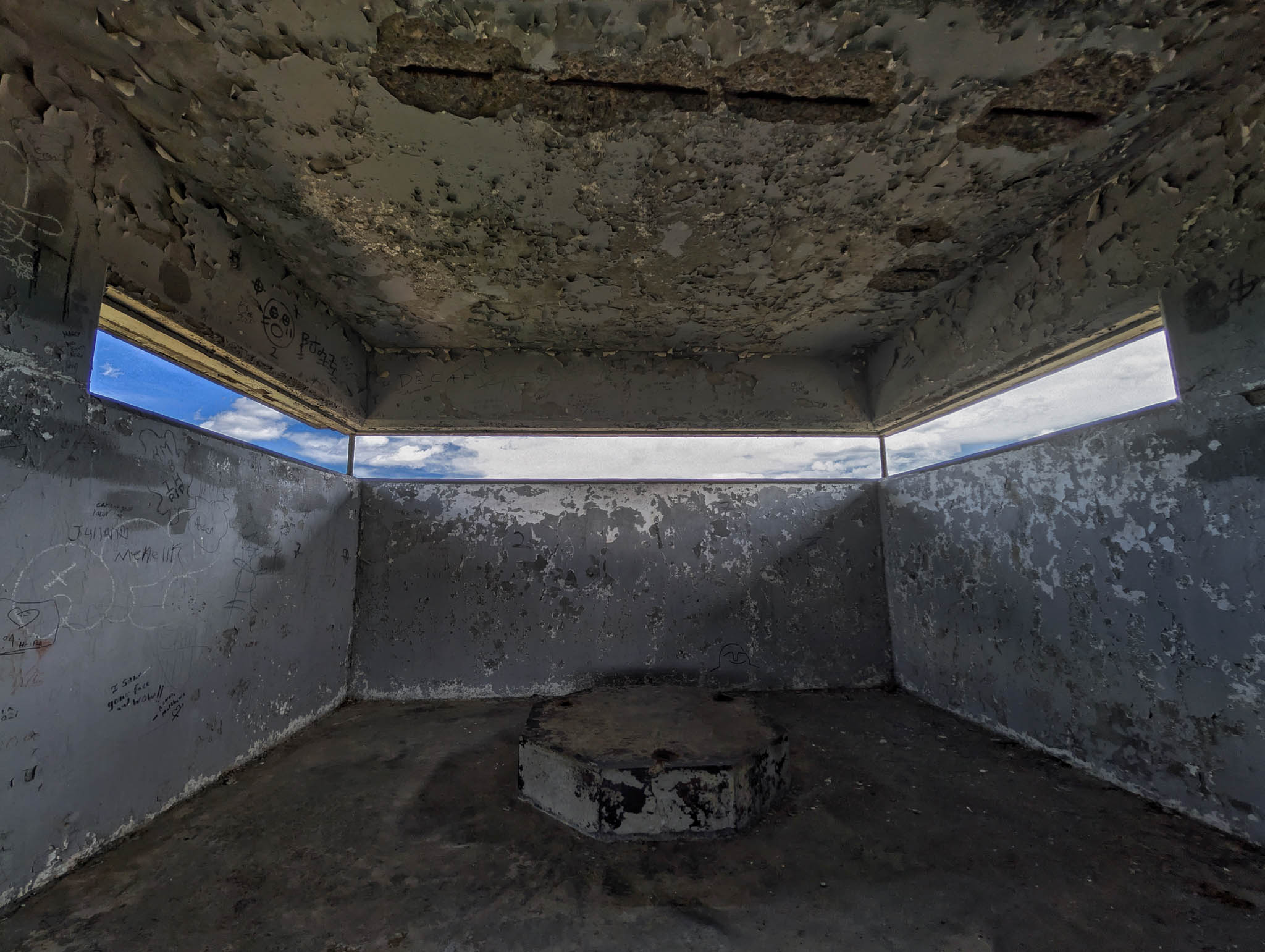
That’s not what I wanted to spend the ferry ride back to Boston thinking about. And (despite being someone without musical training, I always have remembered songs playing in my head) I hear again those lines from Thompson’s Gethsemane:
Who sucked out the freedom? Days without end
Under the weight of it all you must bend
‘O be something, be something fine!
Be something, be something fine!'