
And yet here I was, finally, late afternoon of a late fall day.
Walter Gropius, the “Silver Prince” (to use the sobriquet coined for him by artist Paul Klee) of architecture <link> — inventor of that most-typical motif of most-modern building, the glass curtain wall, and even more importantly founder of that crazed, short-lived expressionist art school that somehow set the pattern for every facet of Design-with-a-capital-D, everywhere in the twentieth century <link> — notoriously could not or would not draw. To compensate he professionally partnered with a succession of talented figures who could, beginning with Adolph Meyer, his colleague from Peter Behrens’ office, and later including former Bauhaus student-then-teacher Marcel Breuer. At least one text I read suggested his disability was a result of shell shock from his experiences on the Western Front, which apparently included the Battle of the Somme and earned him the Iron Cross twice.
In other biographical works he insists the issue was congenital: when he picked up the pencil his hand would just cramp (or something). Or something? What does that even mean, that he couldn’t draw? By drawing, does he mean all drawing, including sketching, perspectival rendering, and hard-line architectural work? Or could he do some sorts of drawings, but not all? So what did he do? How did Gropius design anything, if he didn’t draw — or for that matter collage or build models or otherwise force the vague concepts in his head into actual images that he could share with builders and consultants and the whole army of trades it takes to make a building design into the real thing?

I have this alarming suspicion that he leaned over his draughtsman like some sort of German-accented gargoyle, pointing at the marks on the vellum with hooked claw-fingers. No, move this one here — curve this one that way — no, more, to here — and that, rotate that like this [twirling a digit]— and make that sill deeper, here — and bring the window up here —


There’s something horrible about that, as if WG’s design method required his supposed-collaborators to function like a sort of biological CAD system, in the process converting human beings into a sort of prosthetic drafting system. We can only be thankful that Gropius’ lifespan did not intersect with the prompt-driven LLM-based artificial intelligences that are so rapidly devaluing human talent — and human lives — in this sad century.
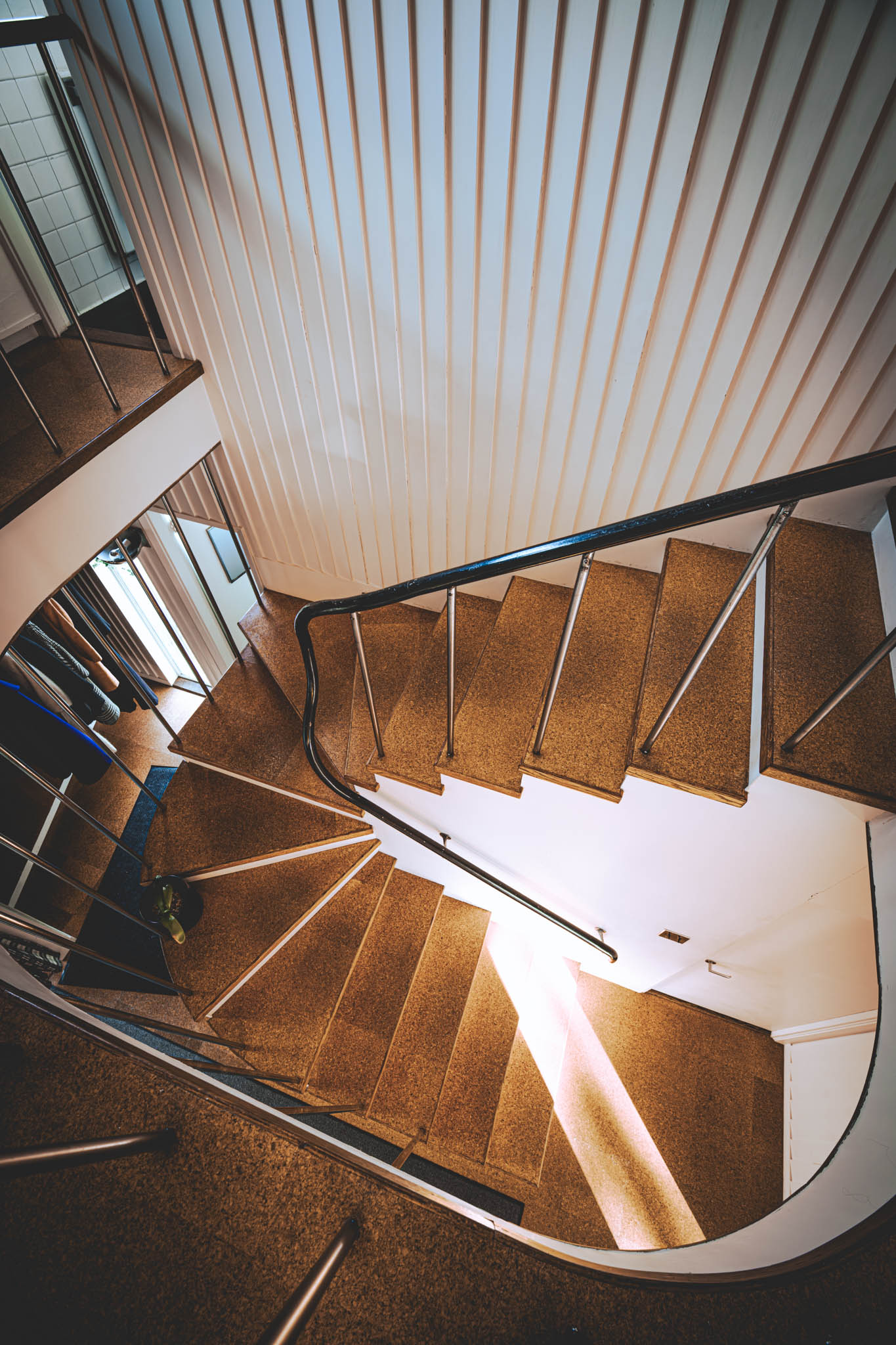
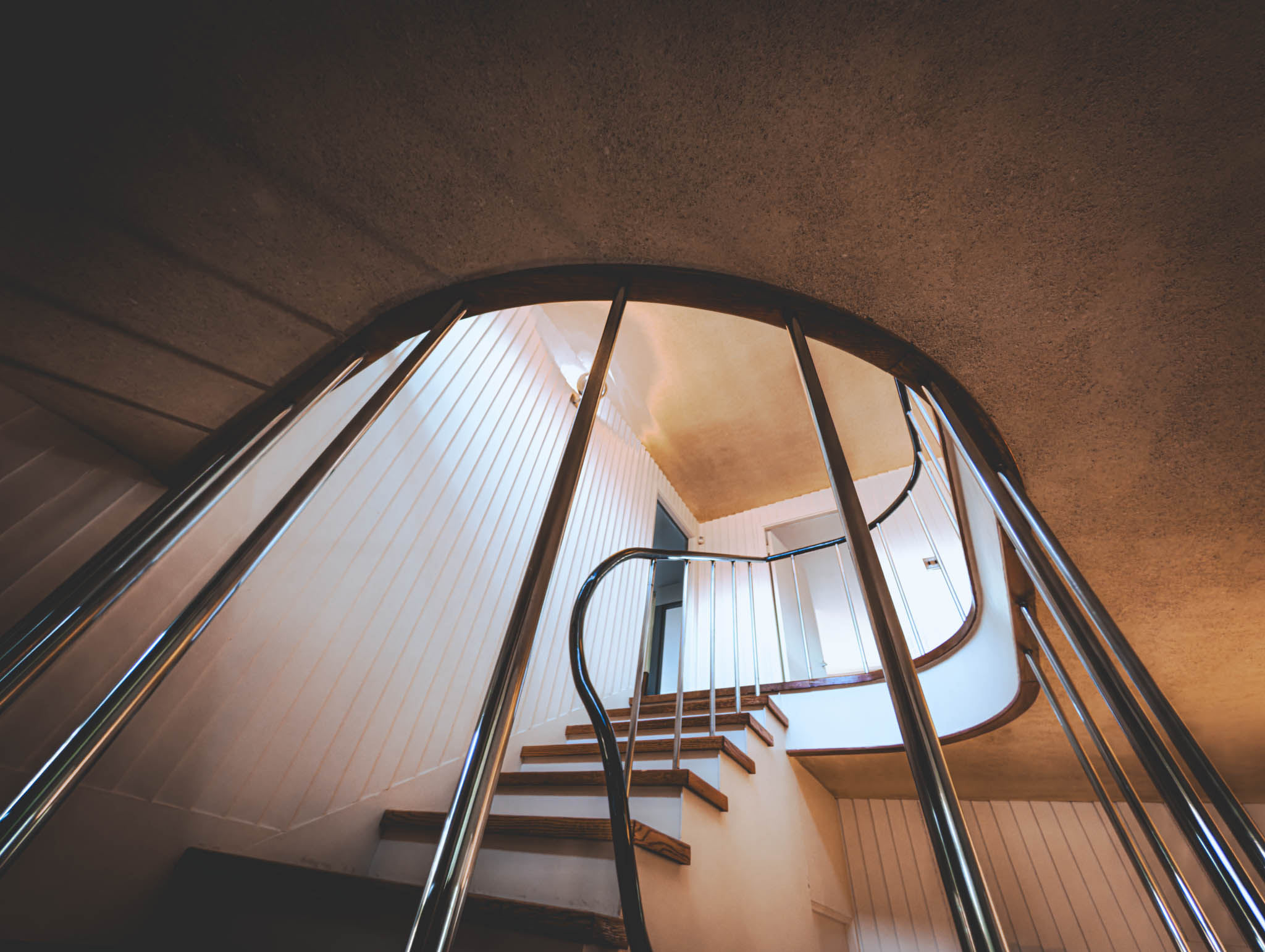
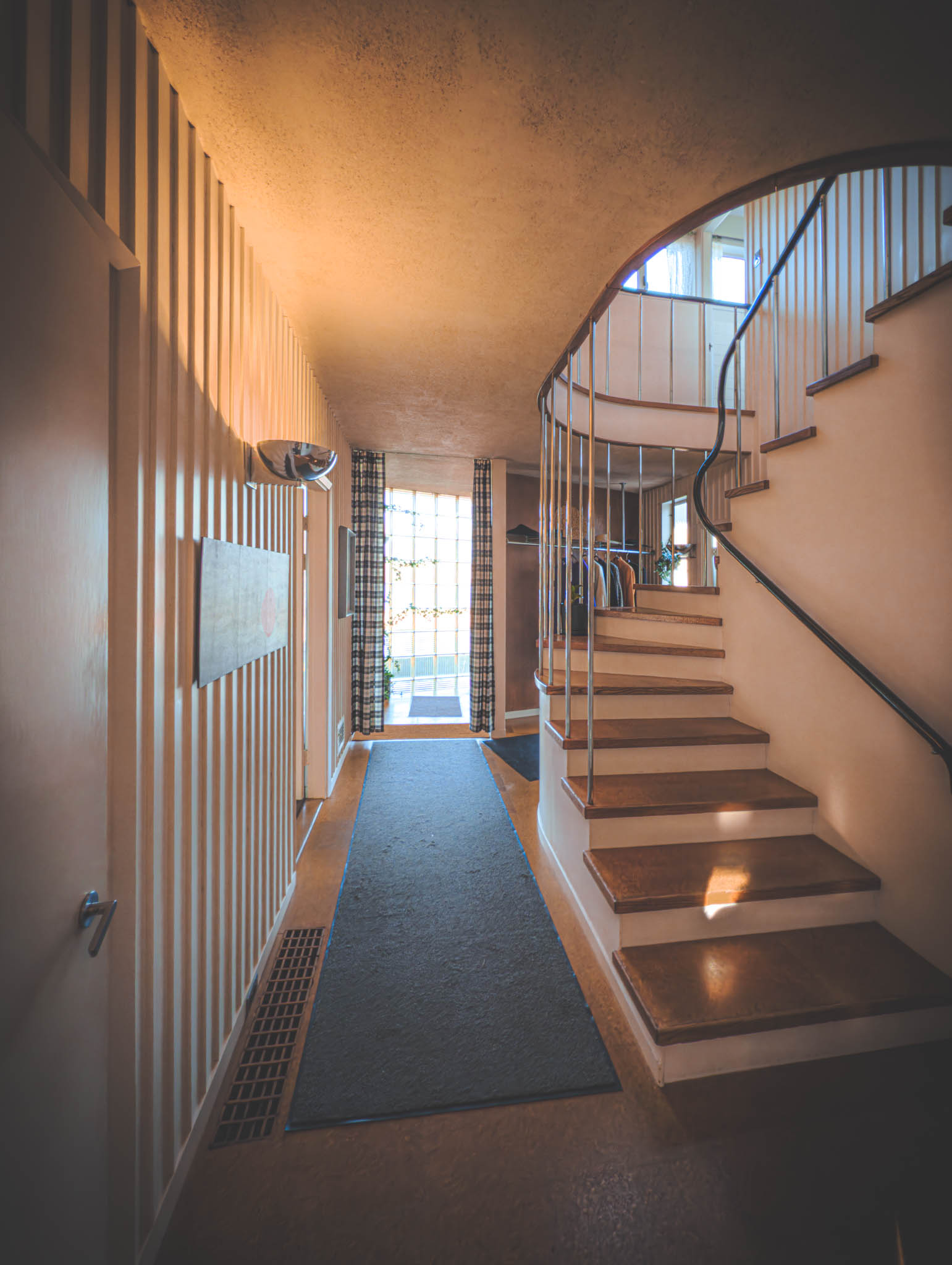
Perhaps it was less intrusive and potentially abusive though. Maybe he was the king of charette pin-ups, forcing everyone to constantly tack their daily production up in front of him. I like this from this version but this [pointing] from this one, so put them together in the next round — and take the windows from this one, with the doors and stairs from this one —
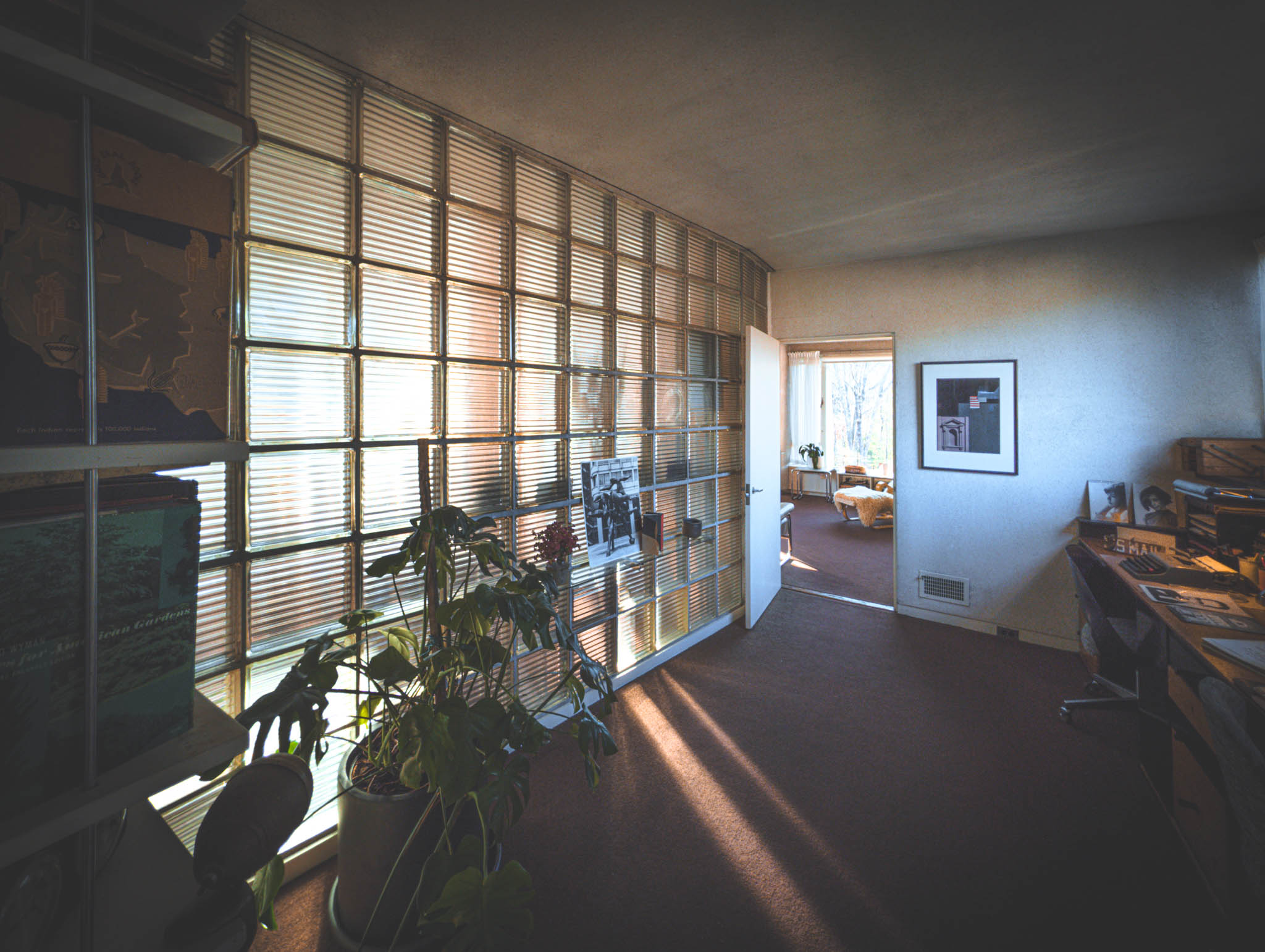

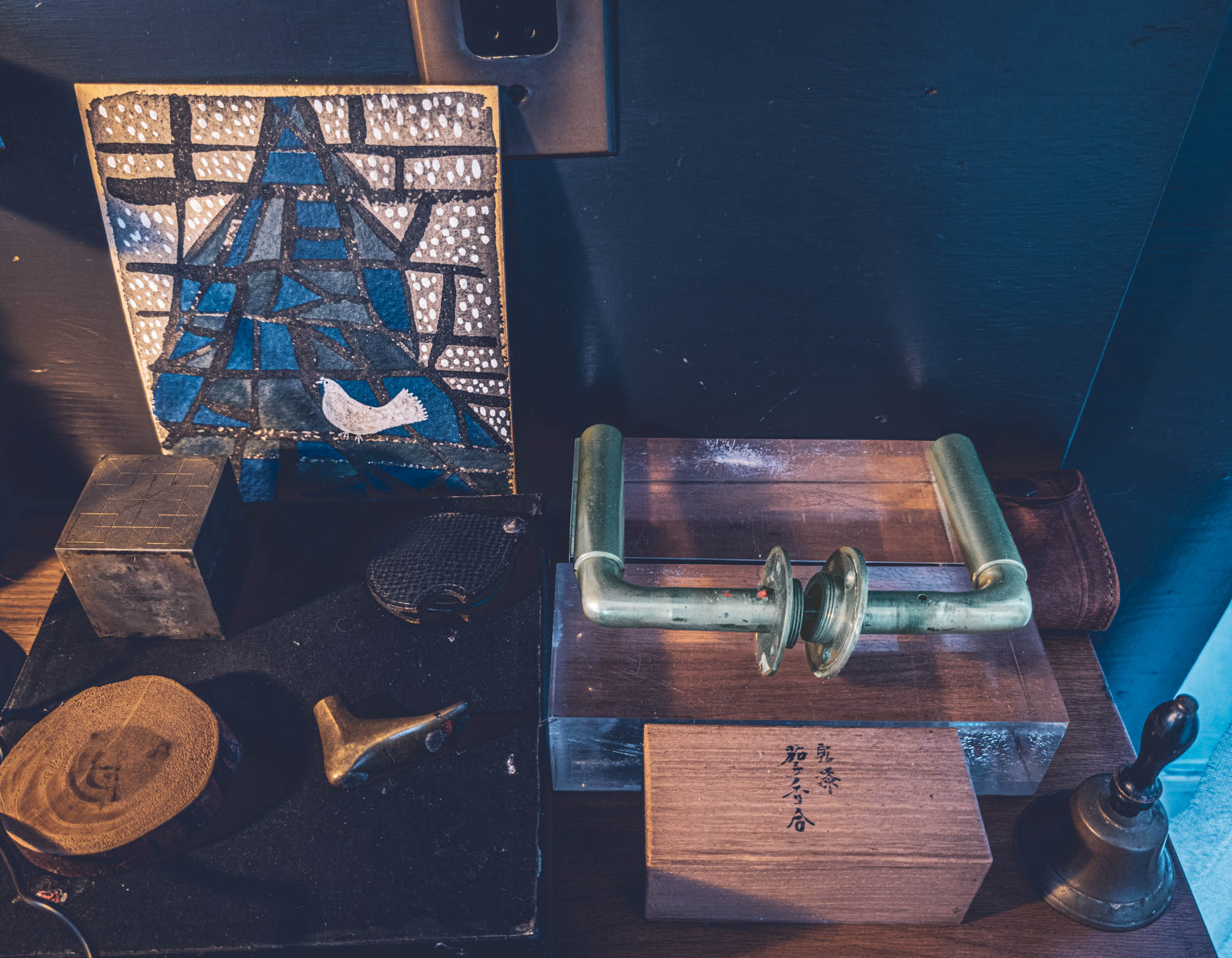
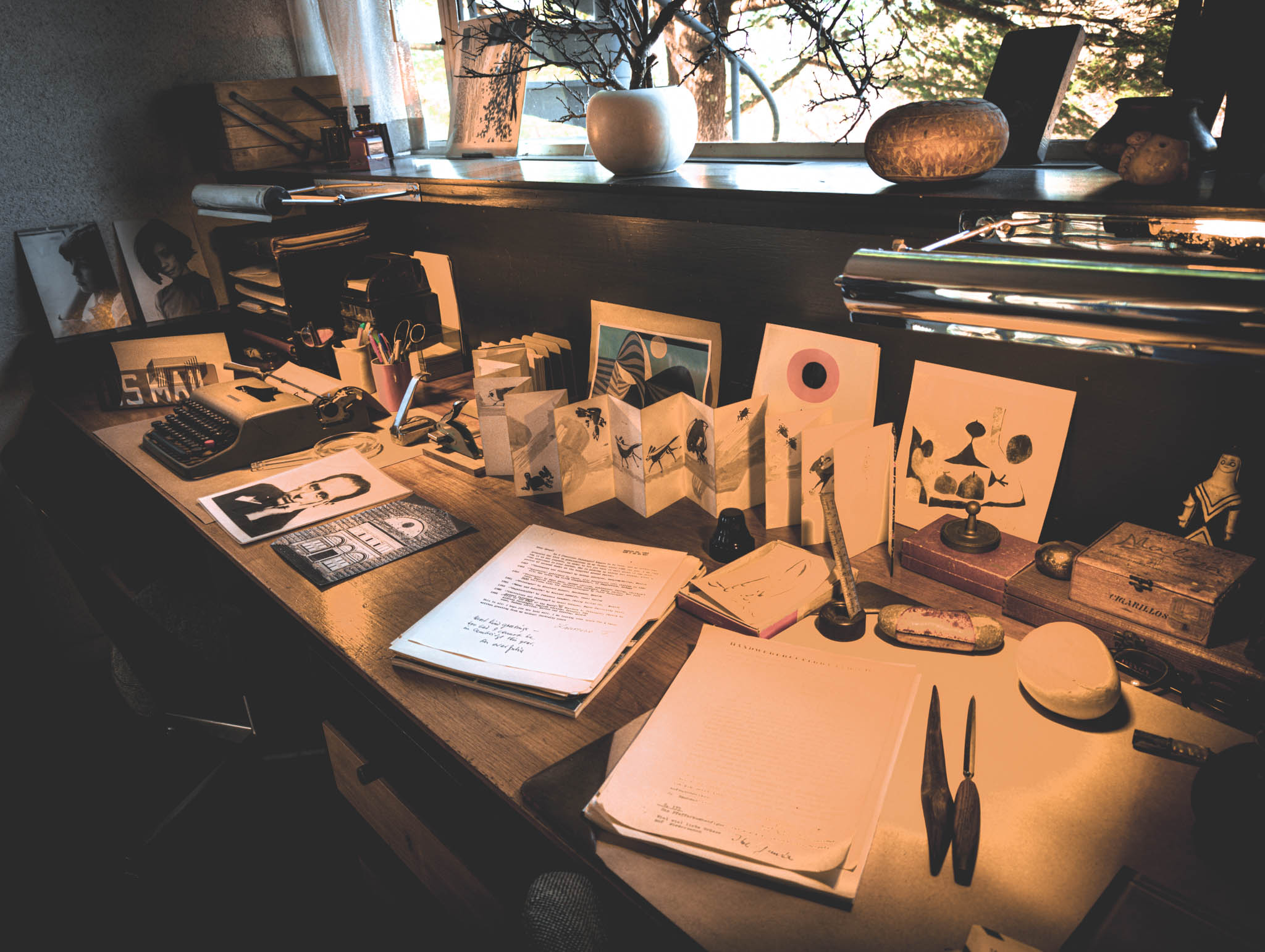
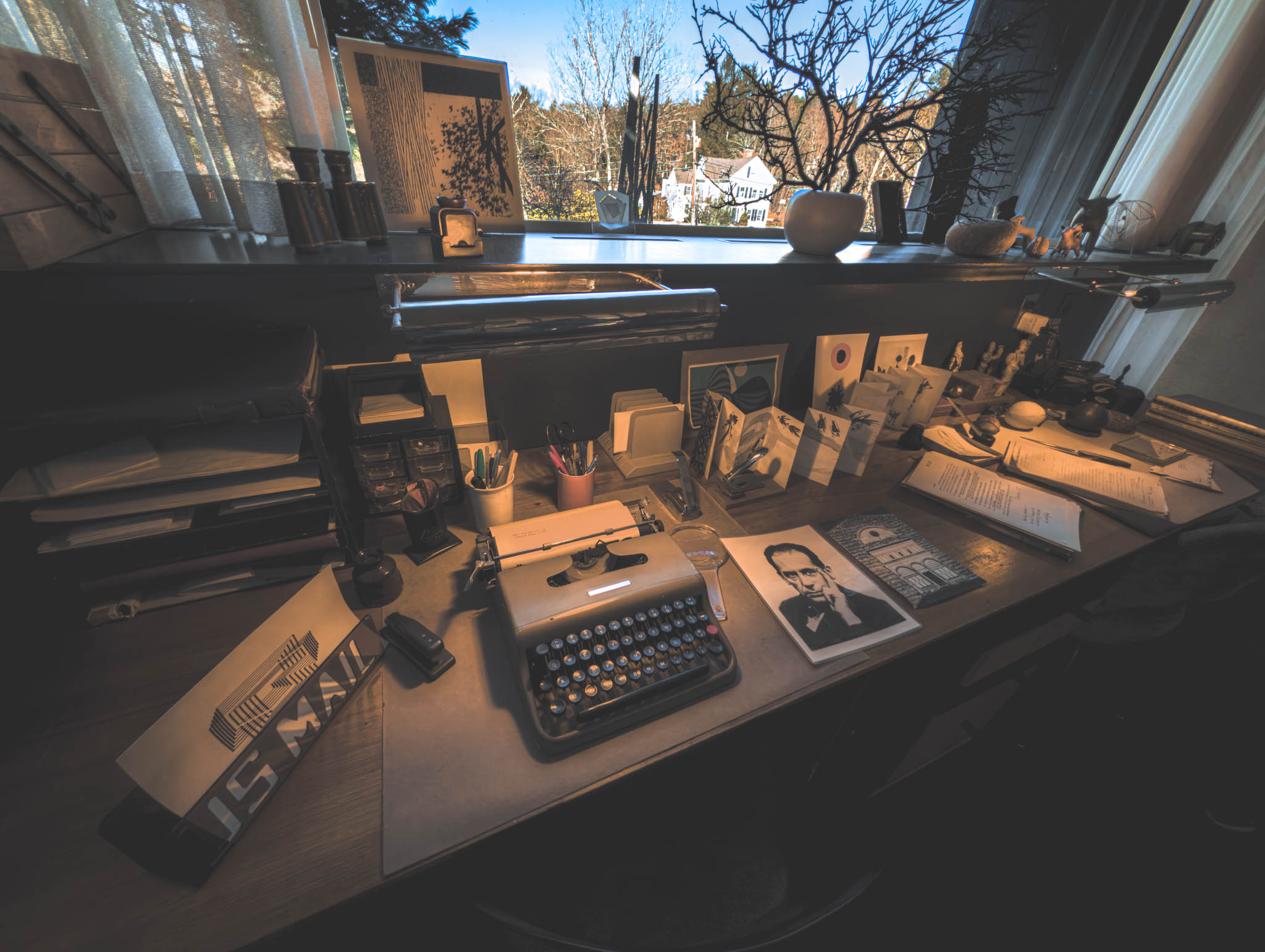
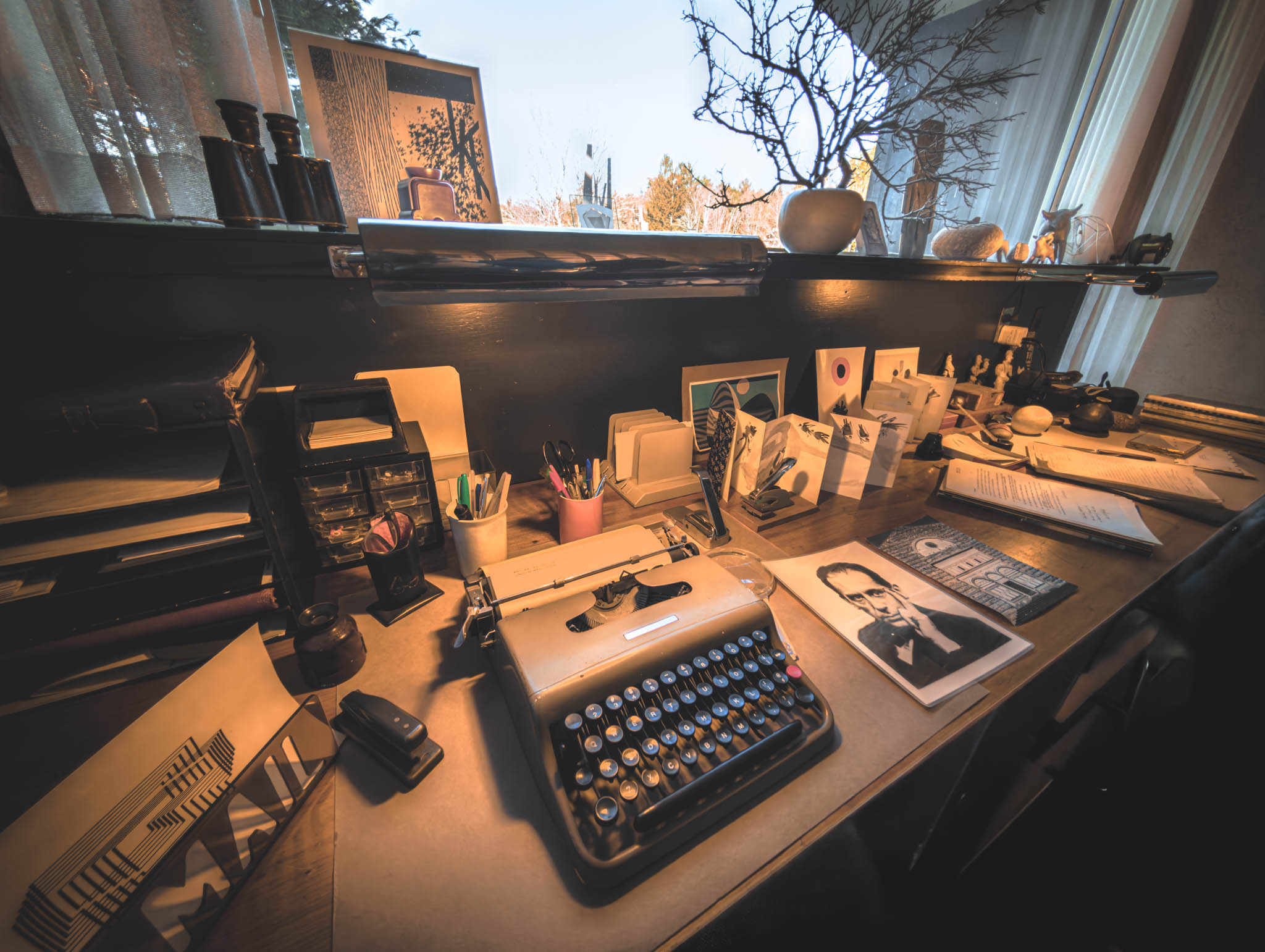
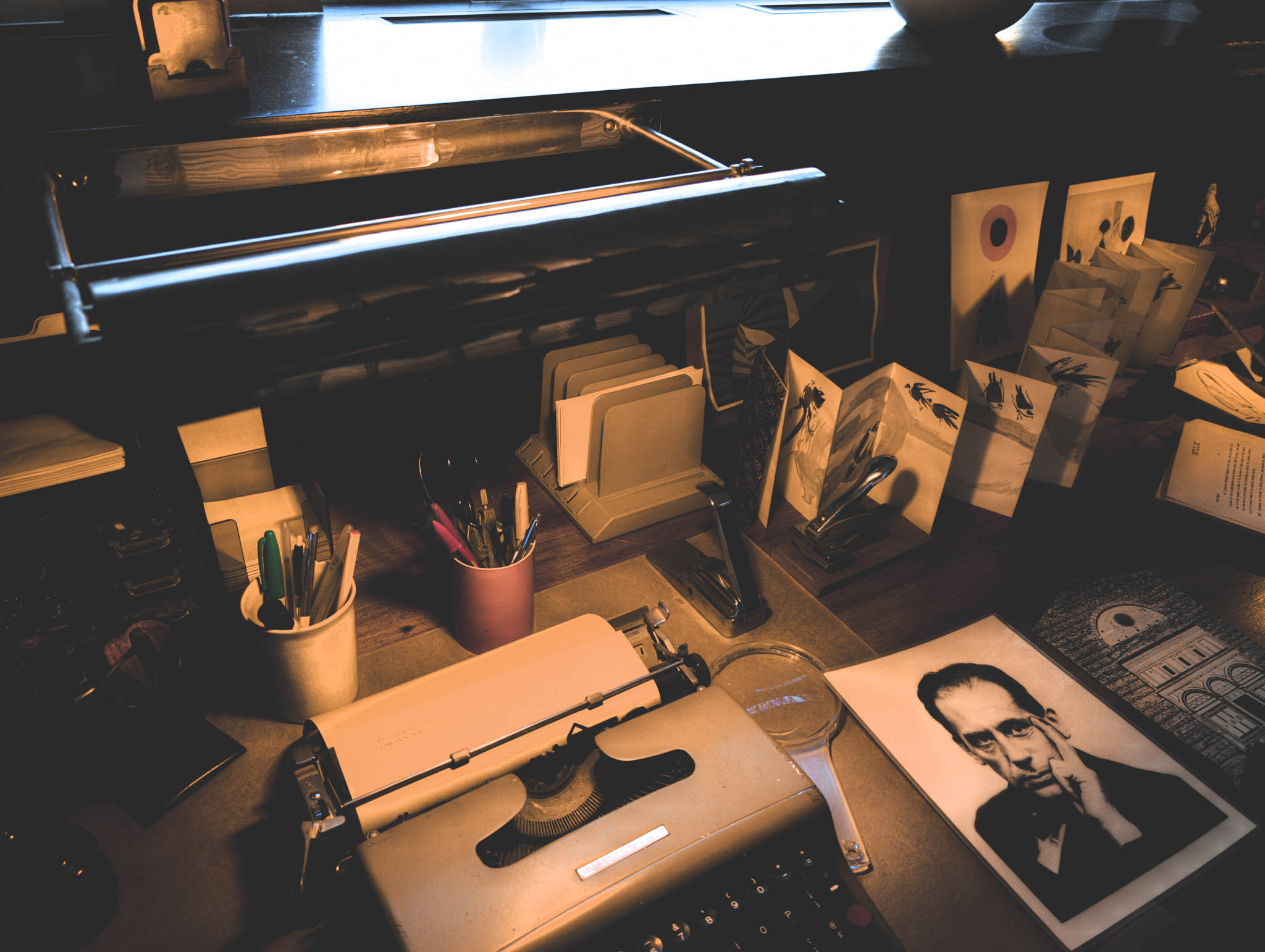
Still, even that possibility makes him seem more of a hands-on critic, as opposed to an architect, cherry-picking across the graphite expanse of others’ labor. There’s something about this concept that suggests professional exaggeration, or even a sort of fraud, as if for the sake of status and ego he was fudging the distinctions between the two roles.
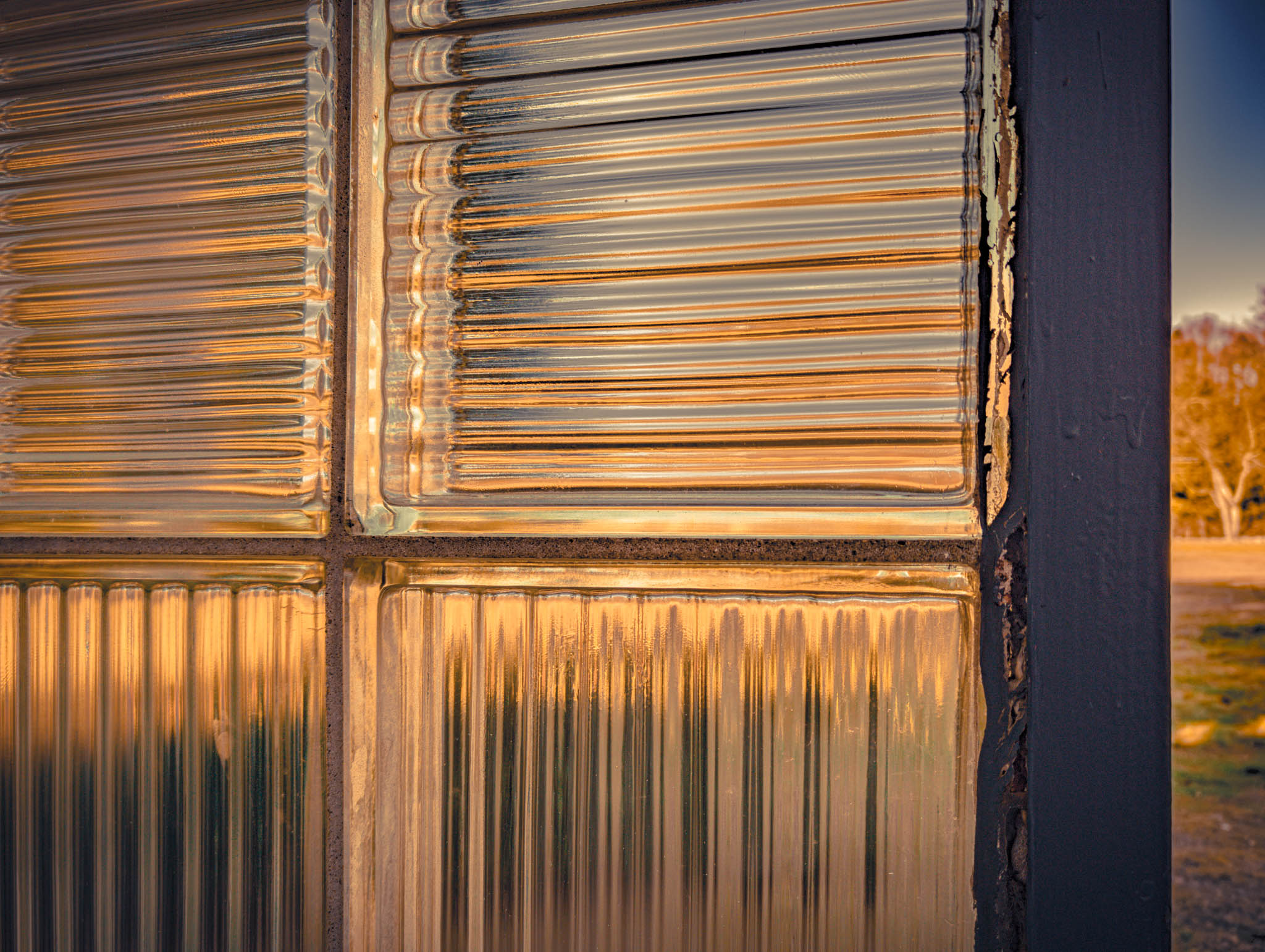
Be that as it may, the restored glass curtain walls in of the workshop block at the Dessau Bauhaus gleam in the sun.
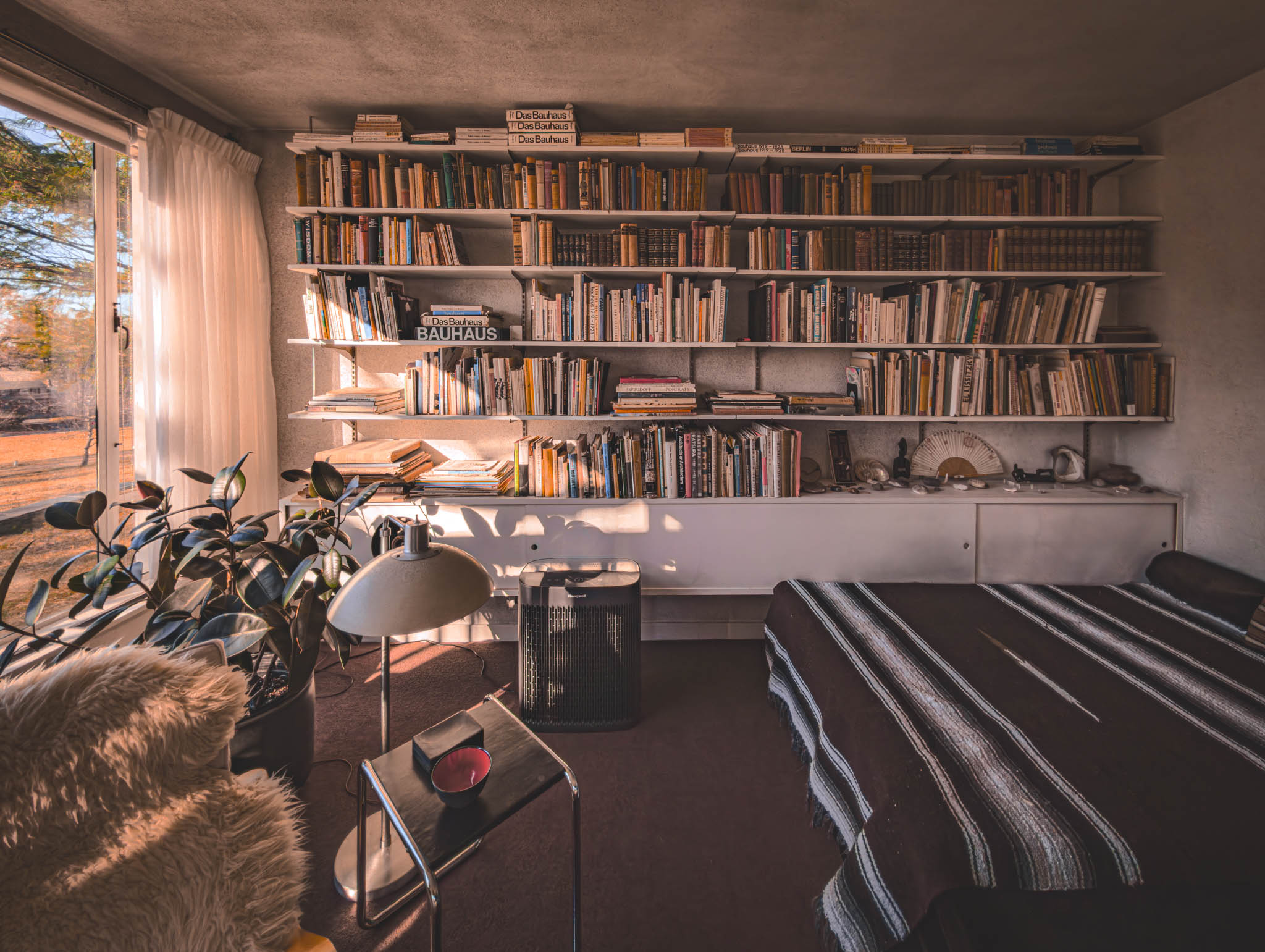

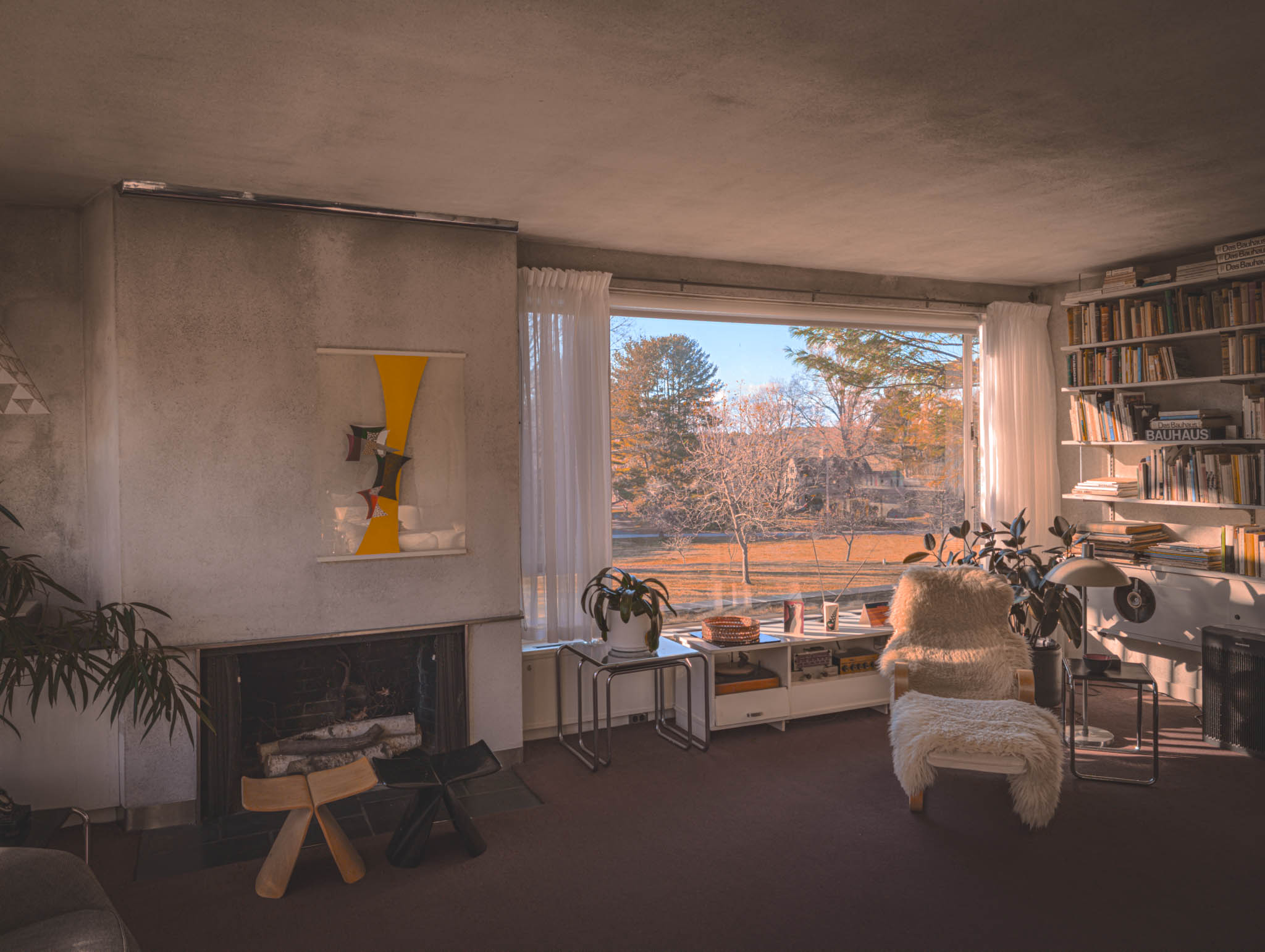

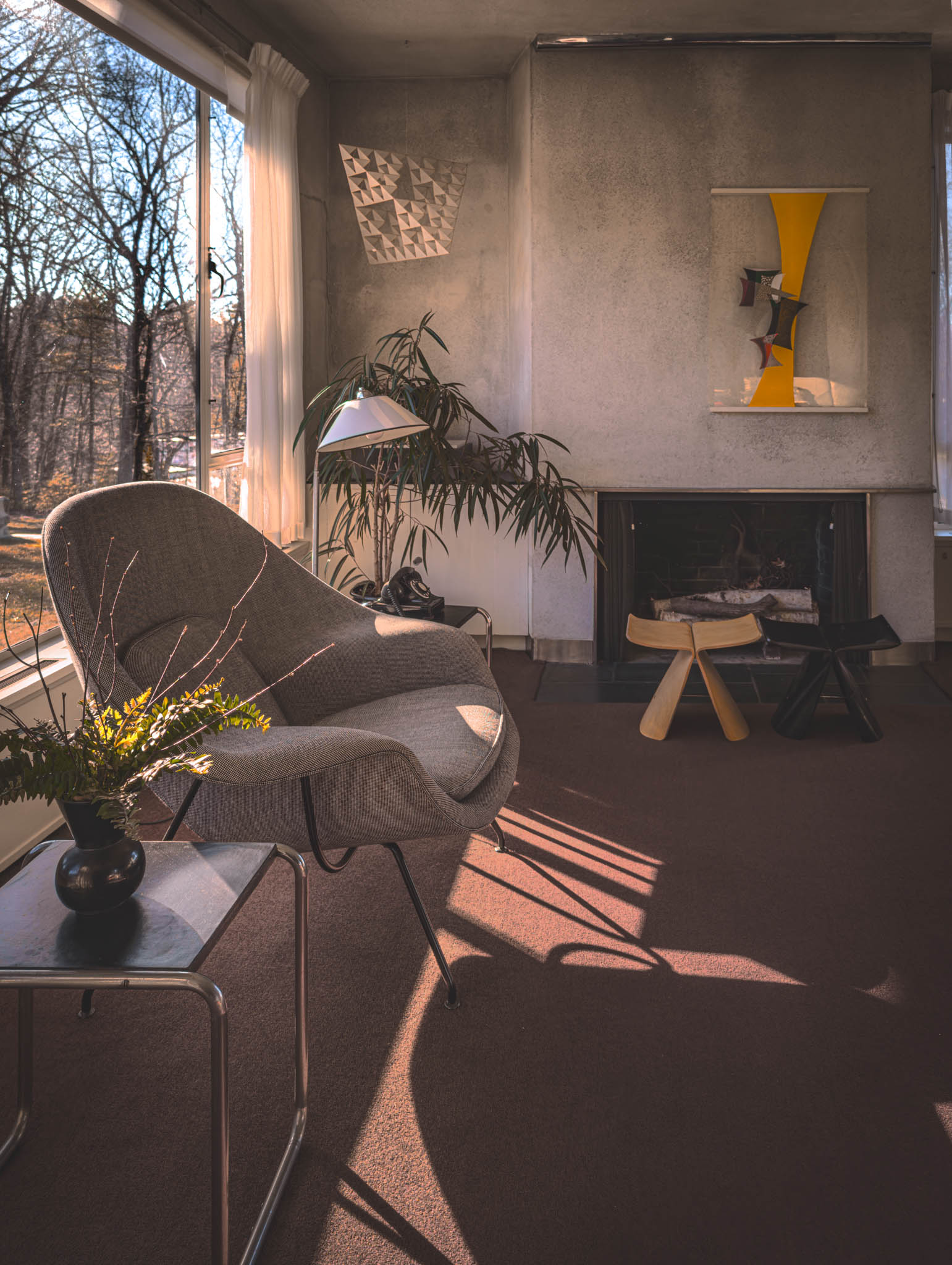
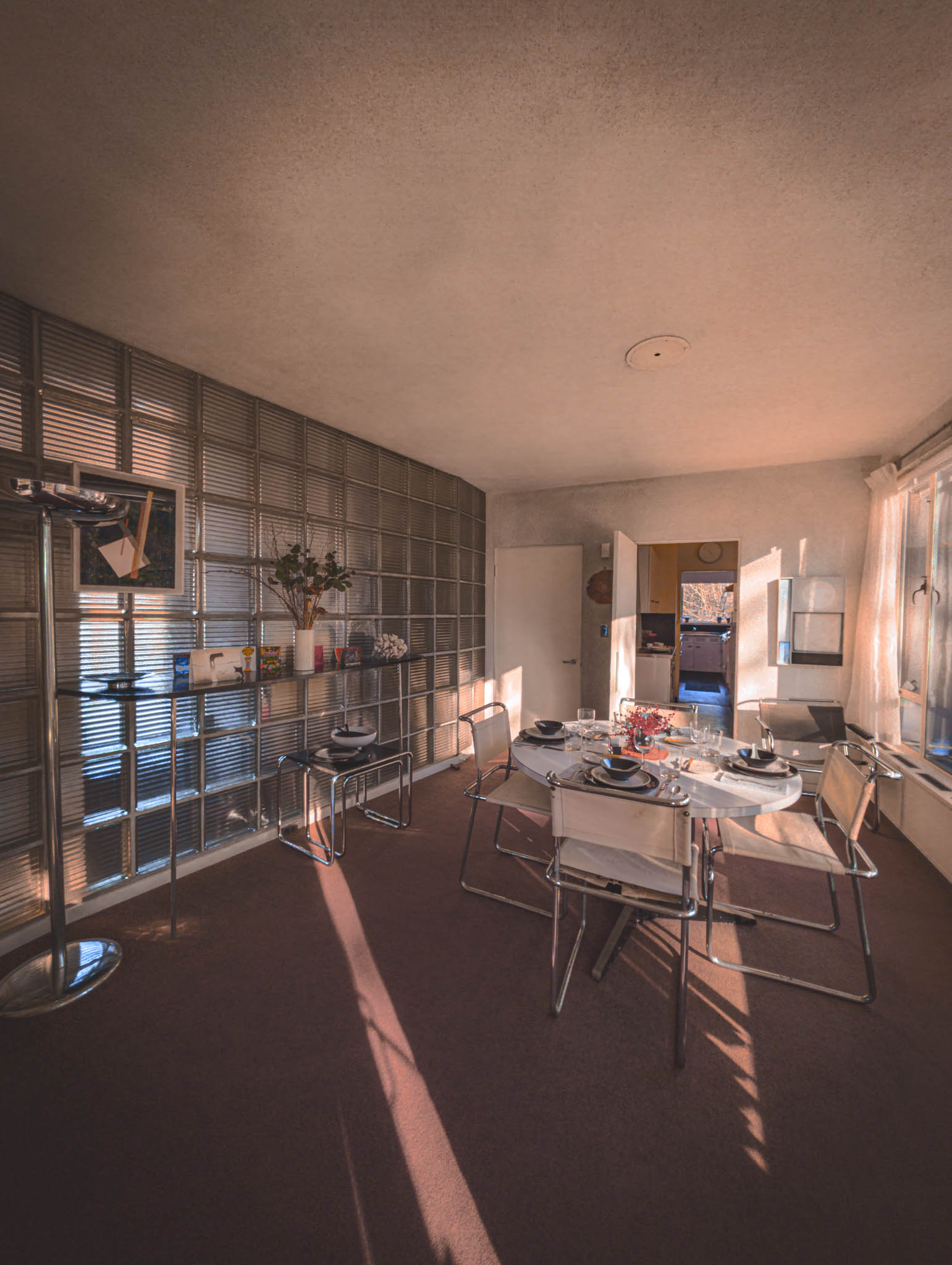
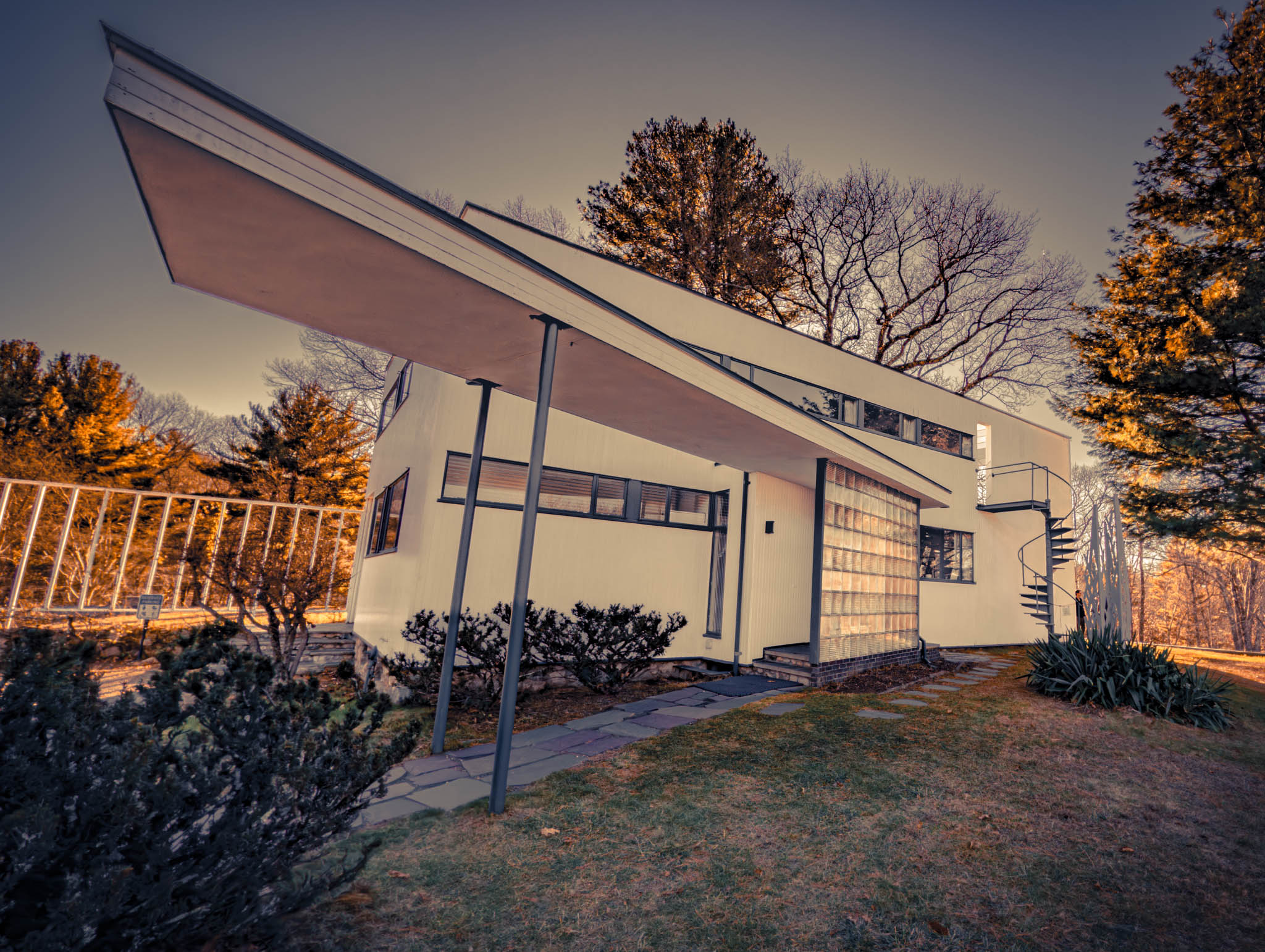
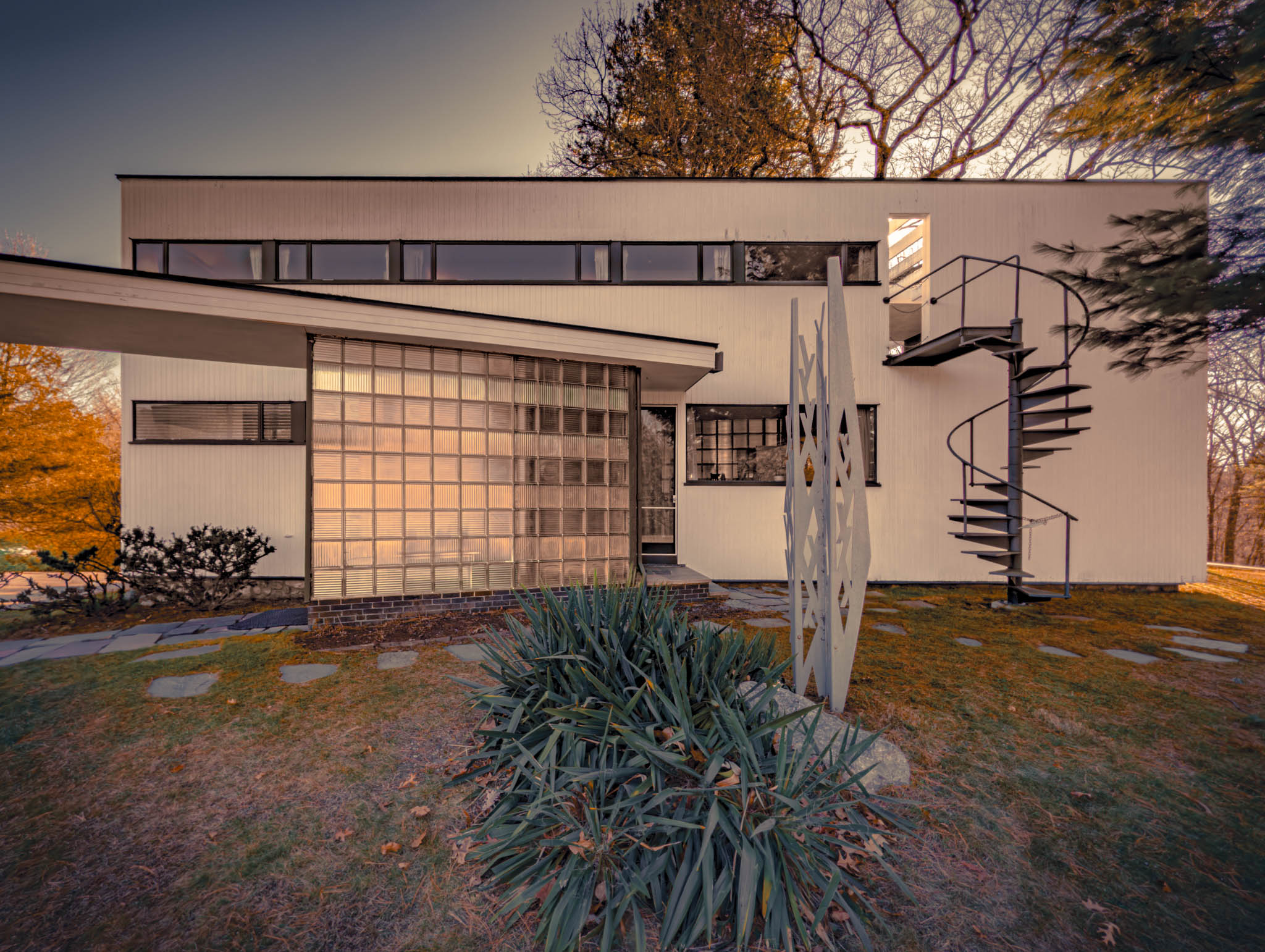
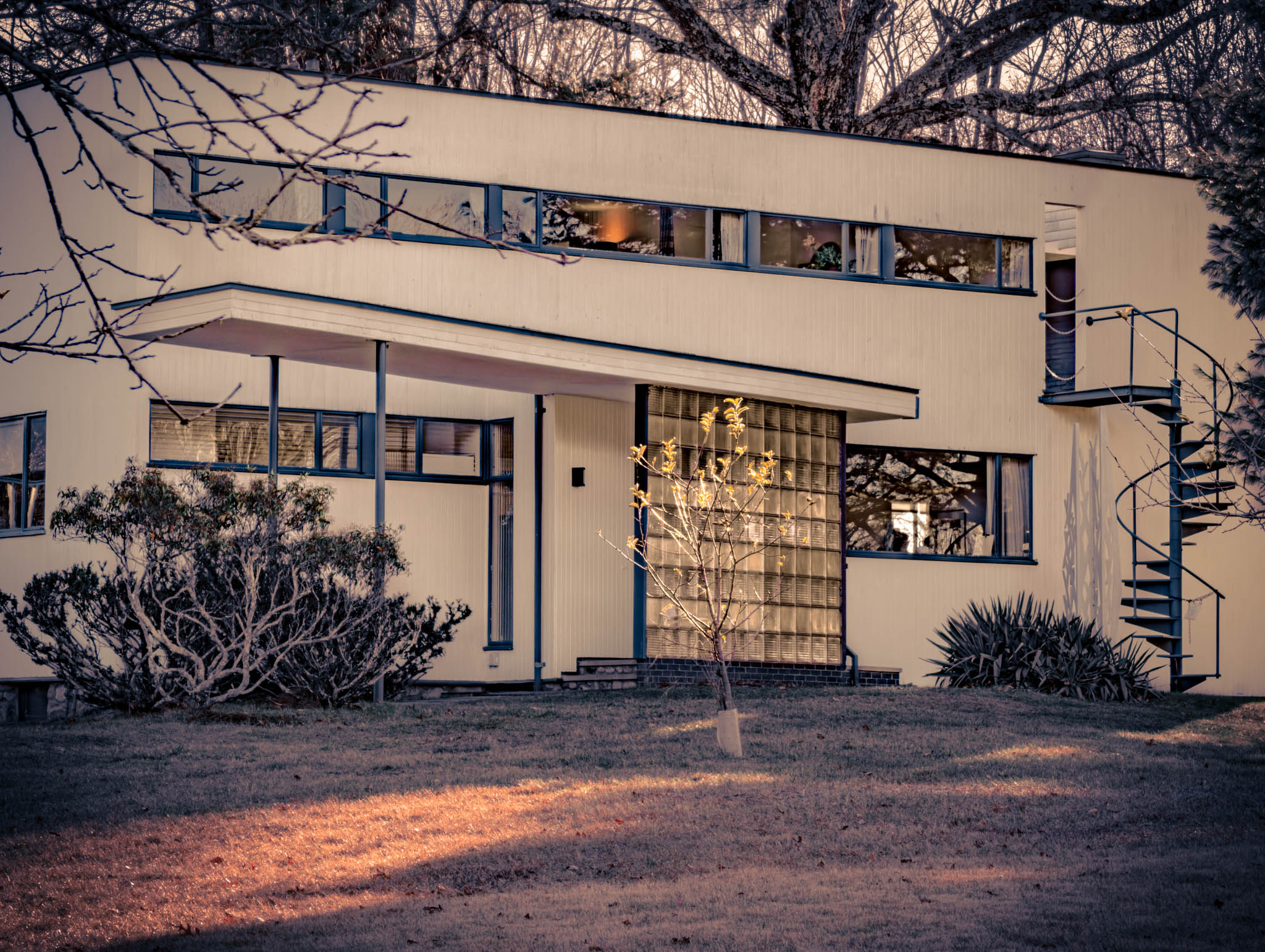
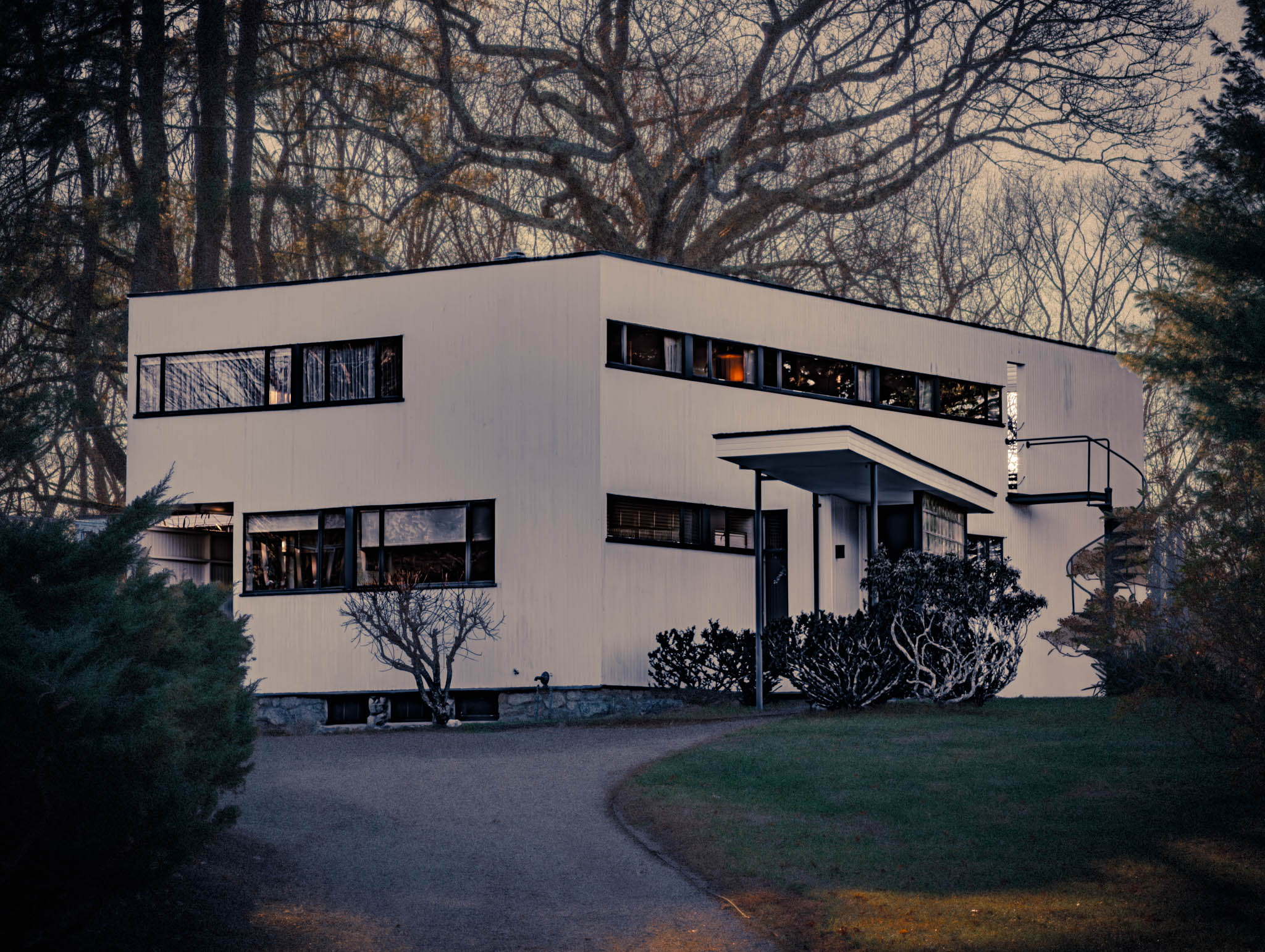
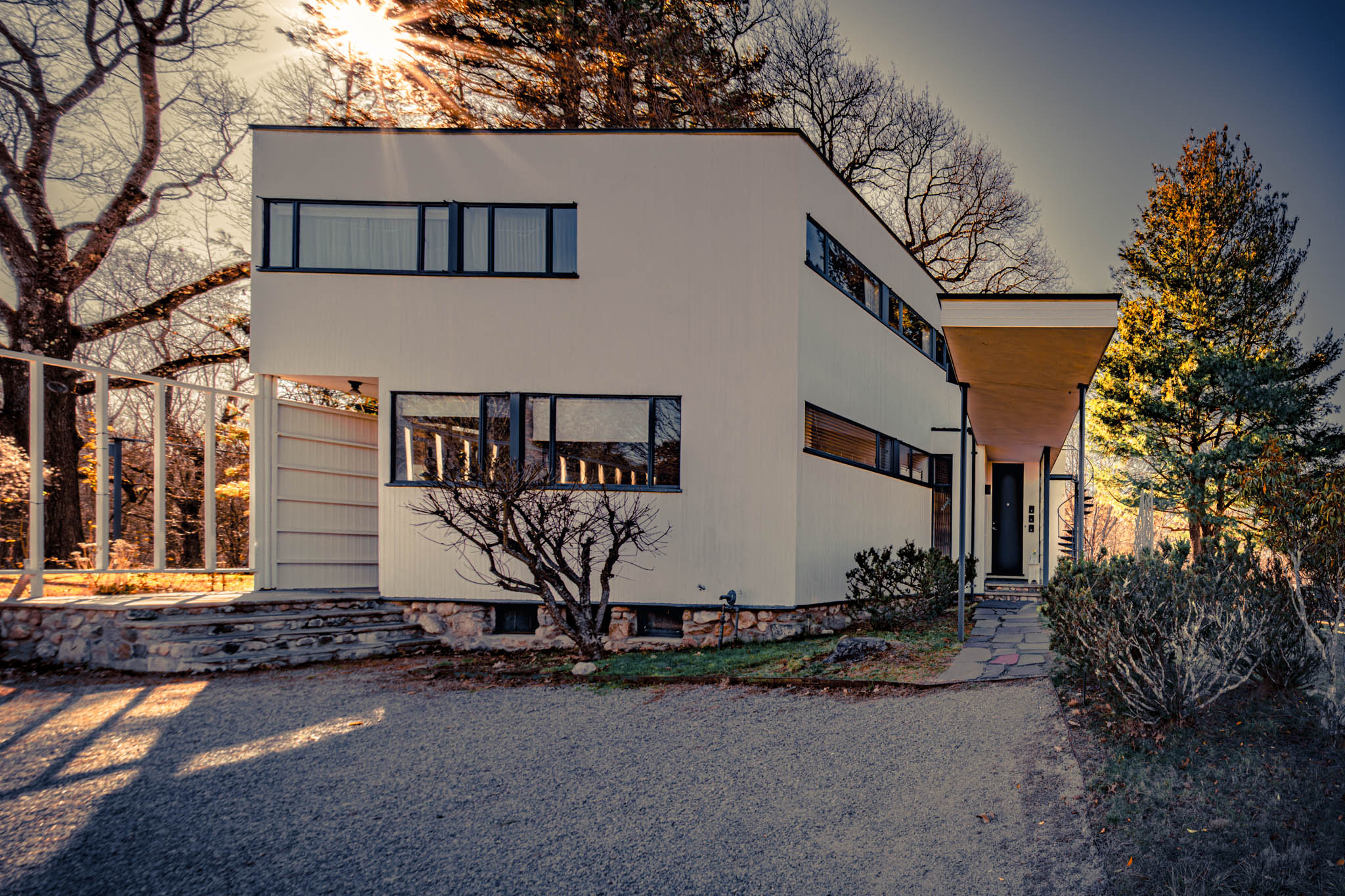
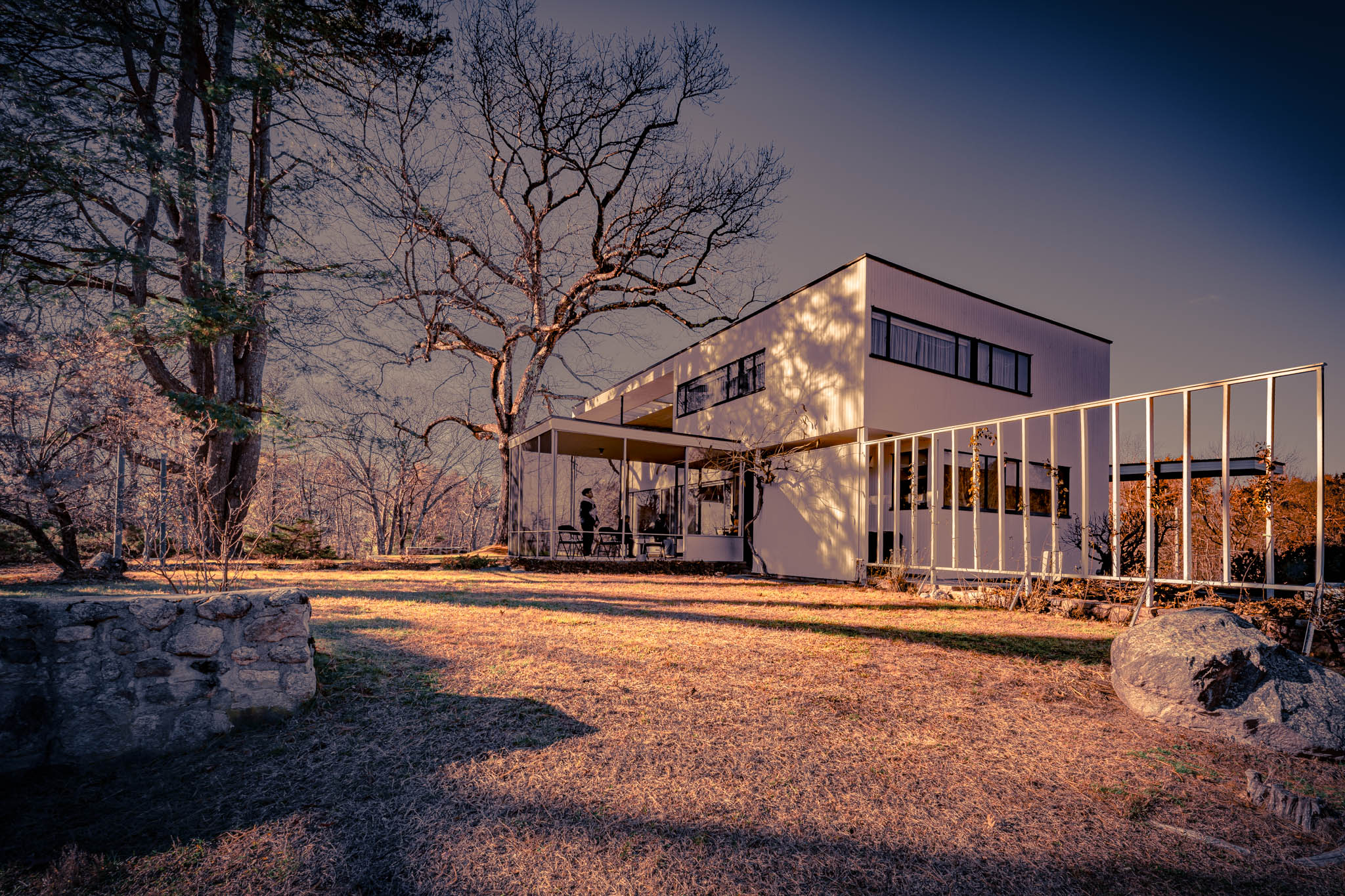
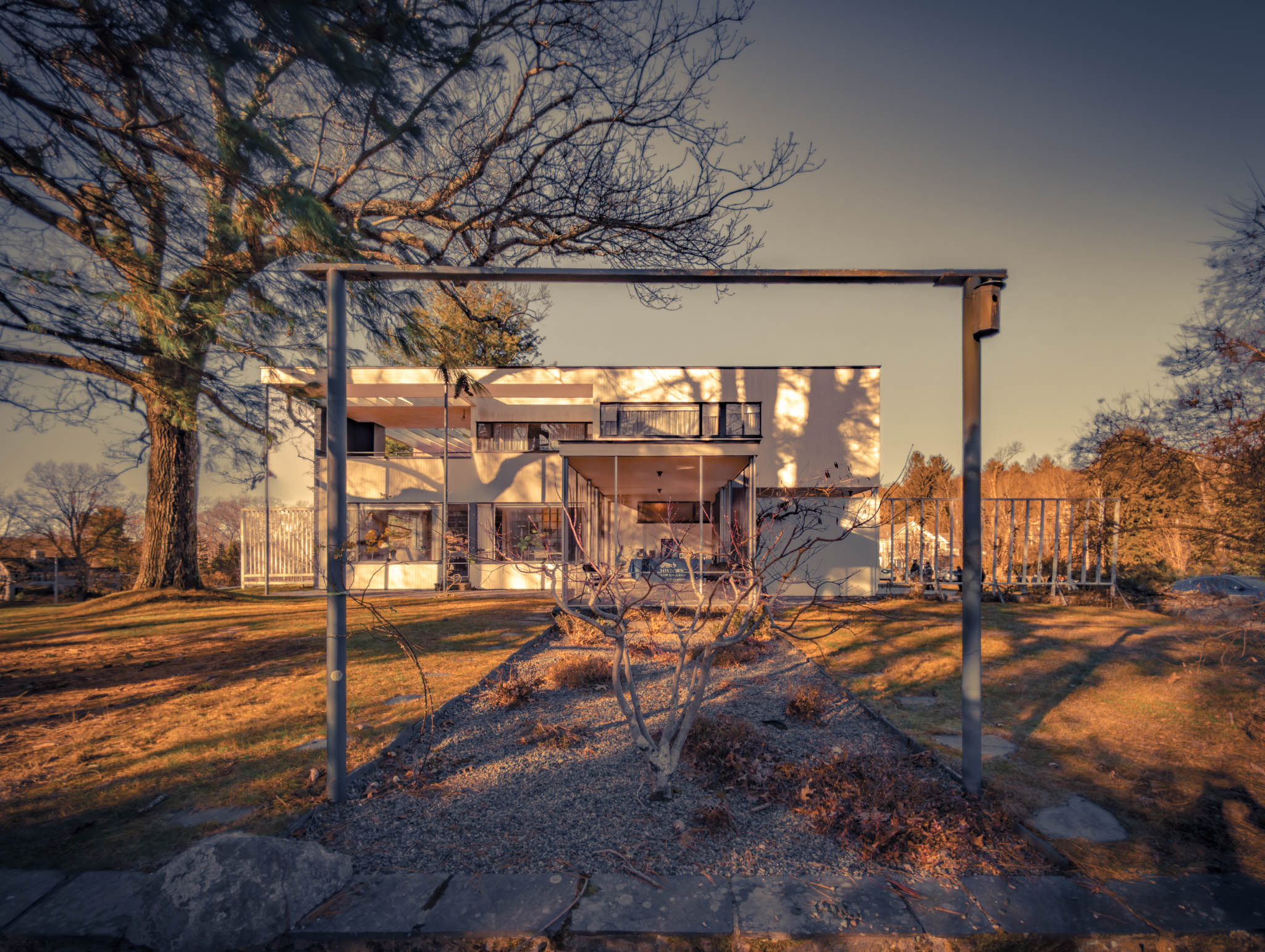
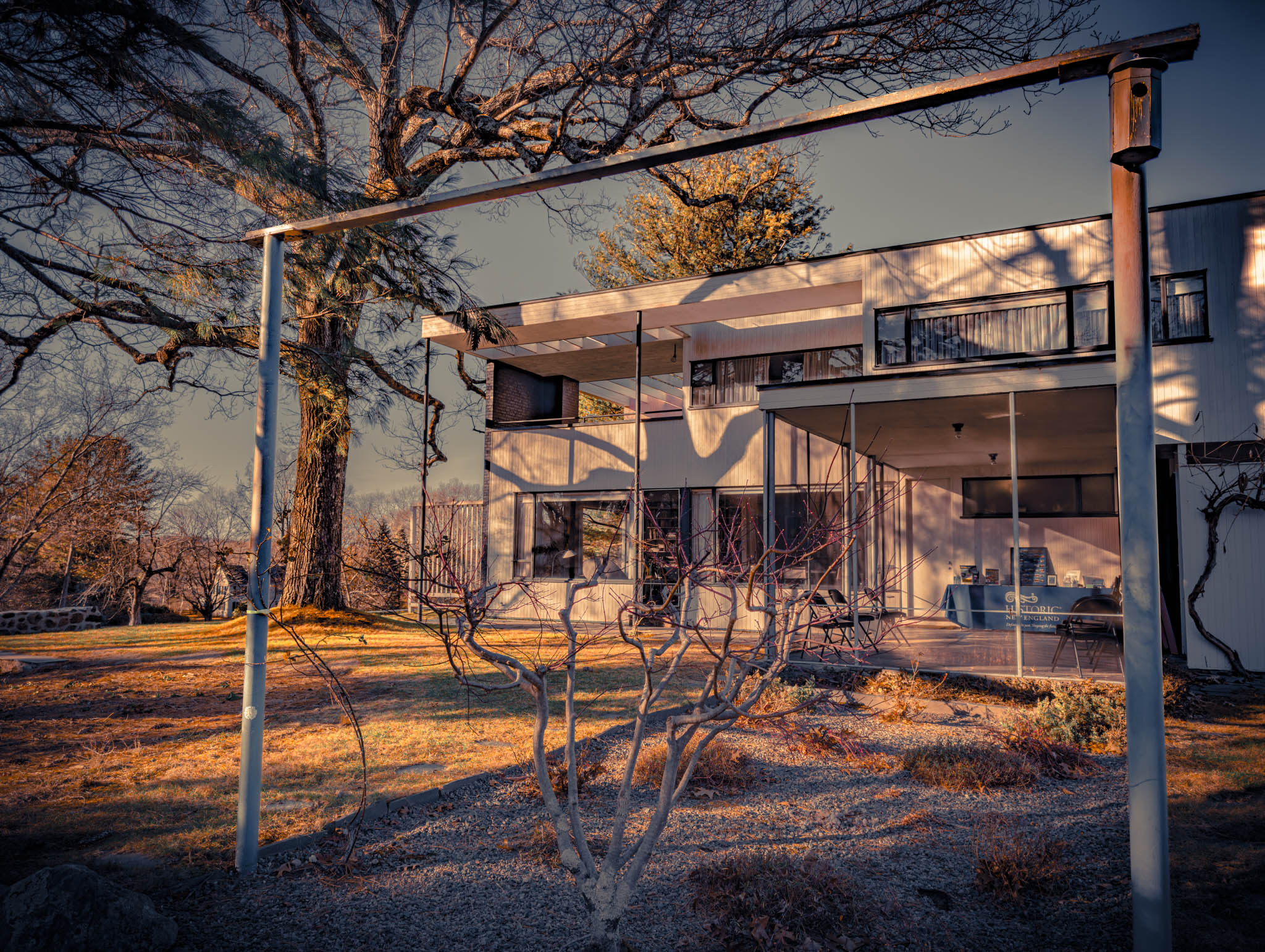
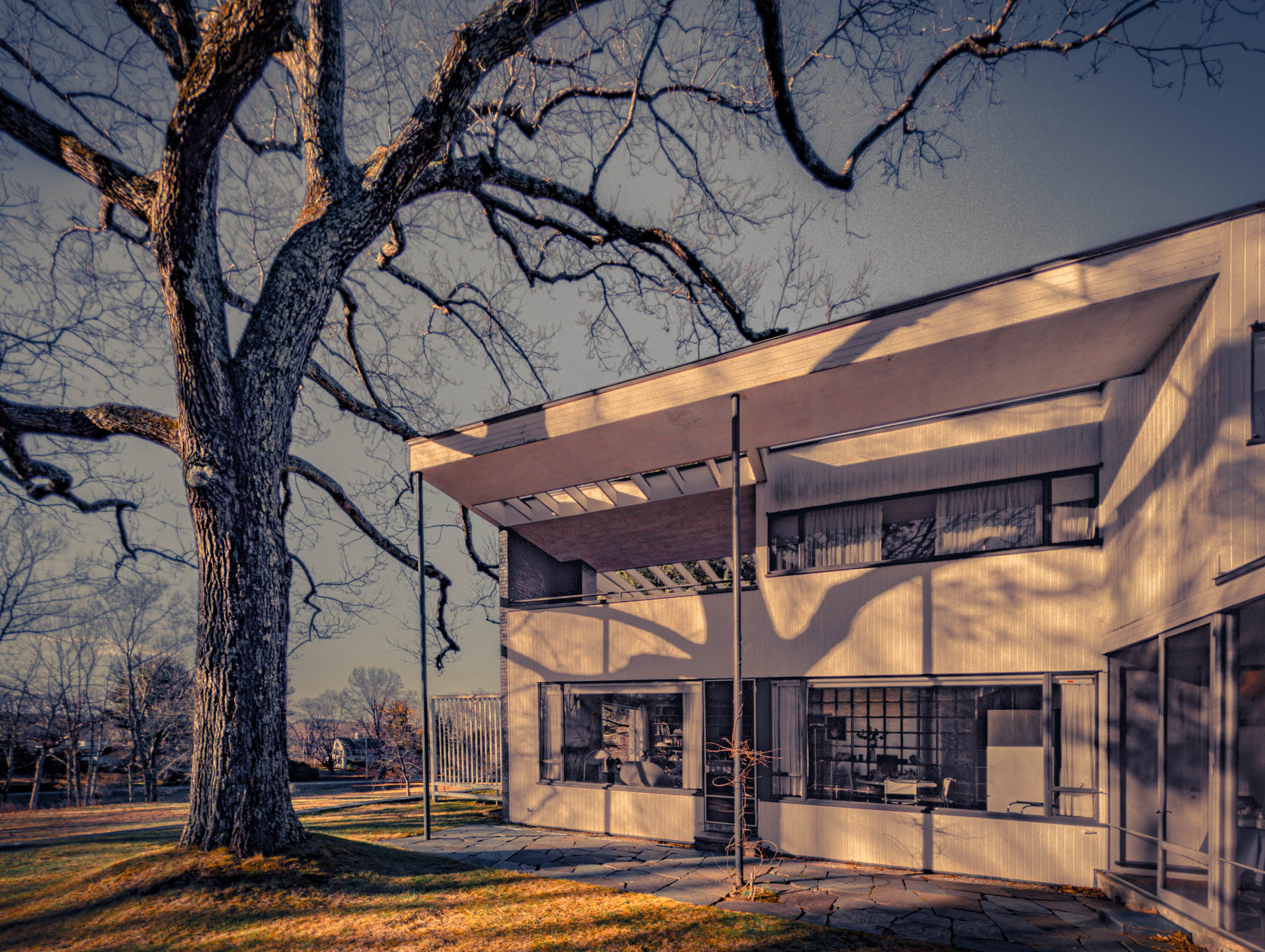
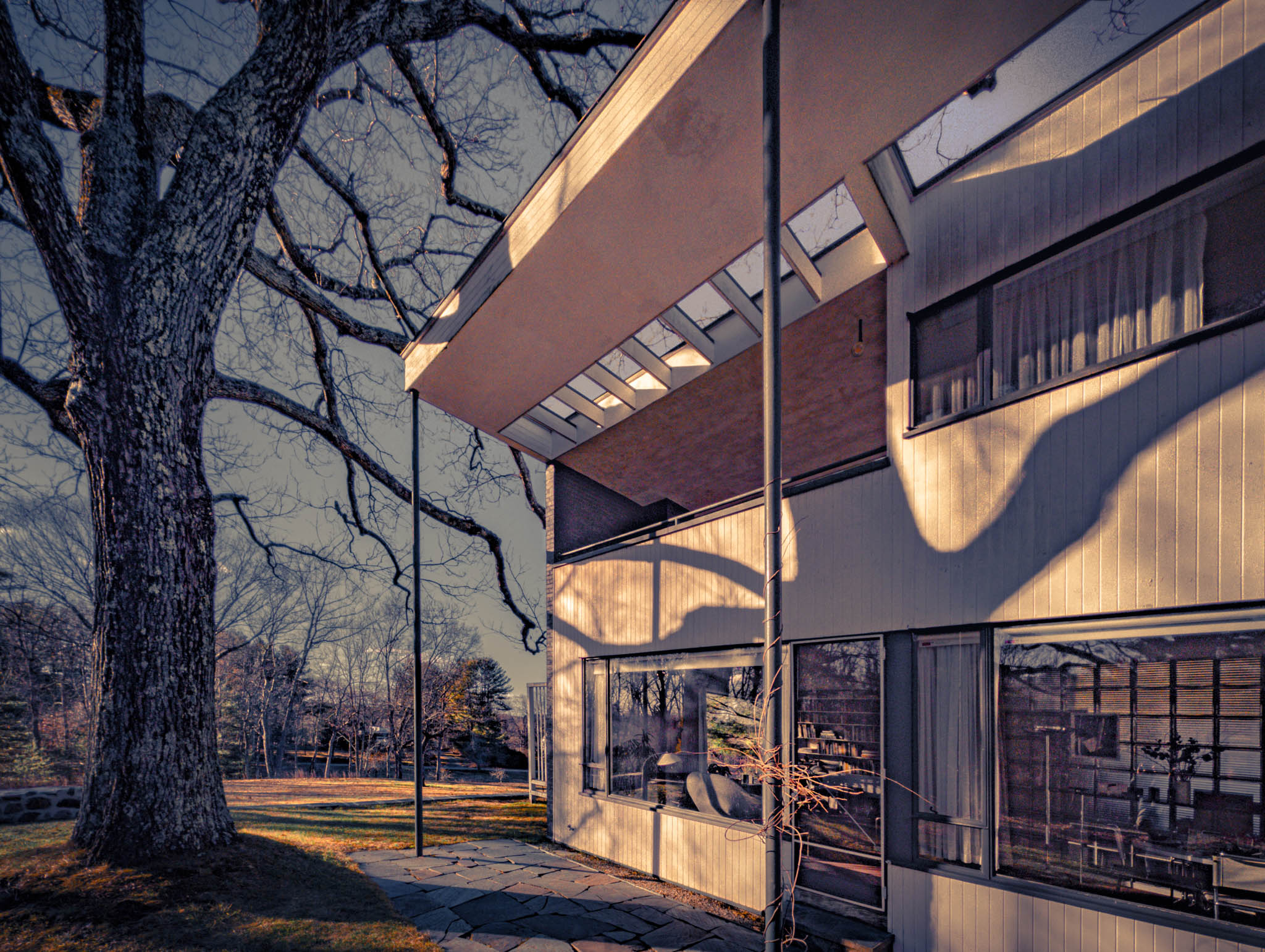
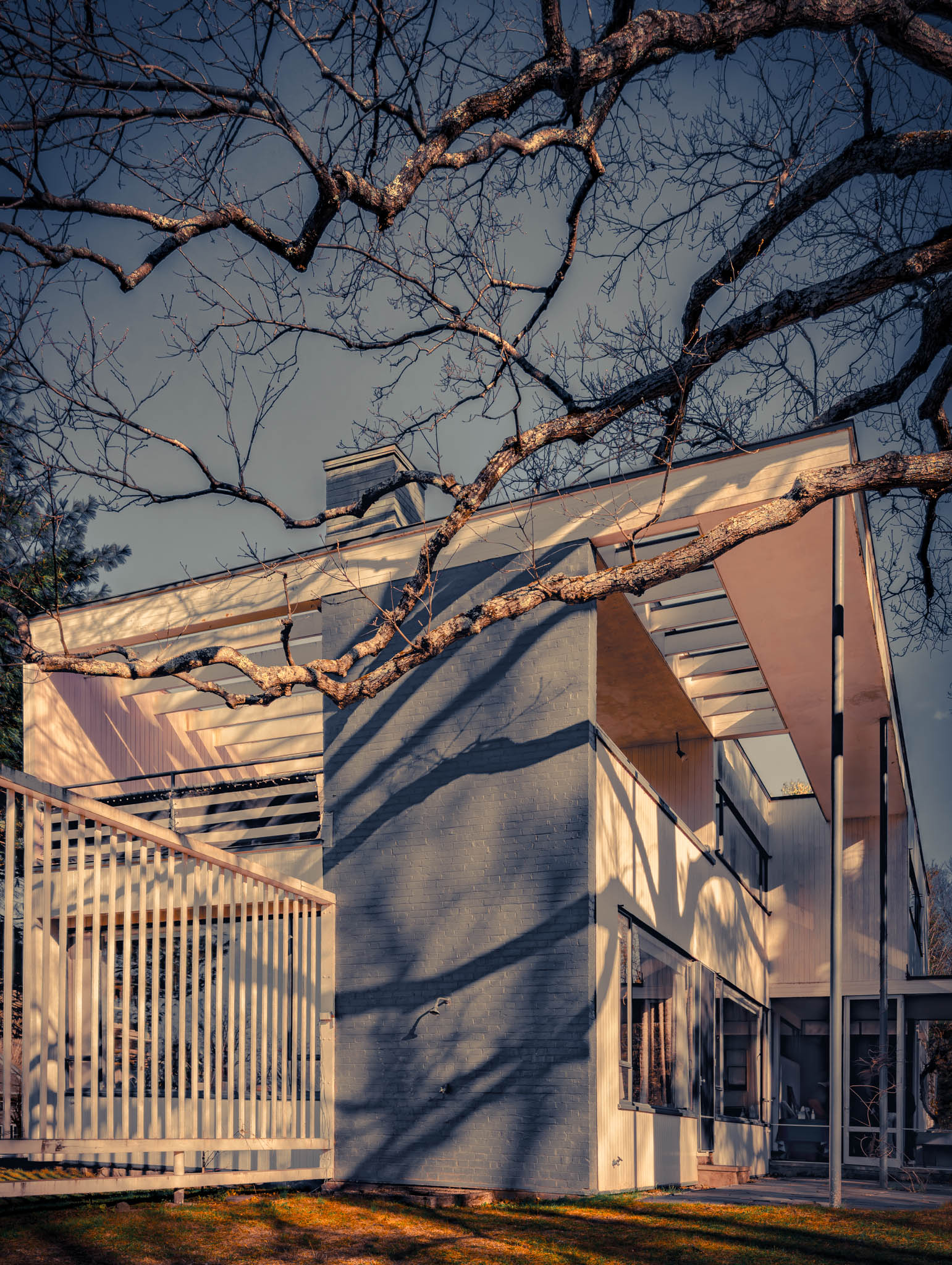
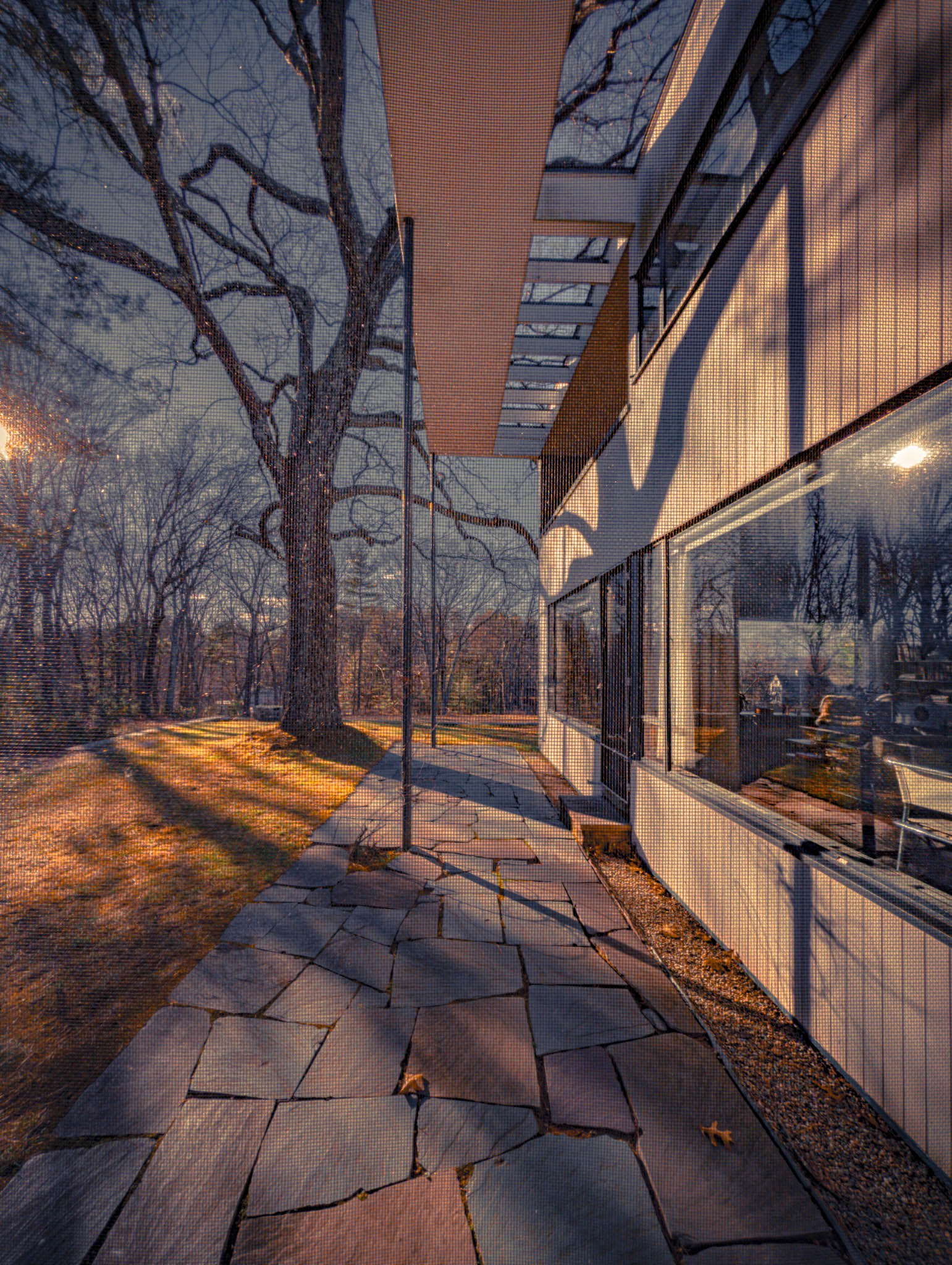
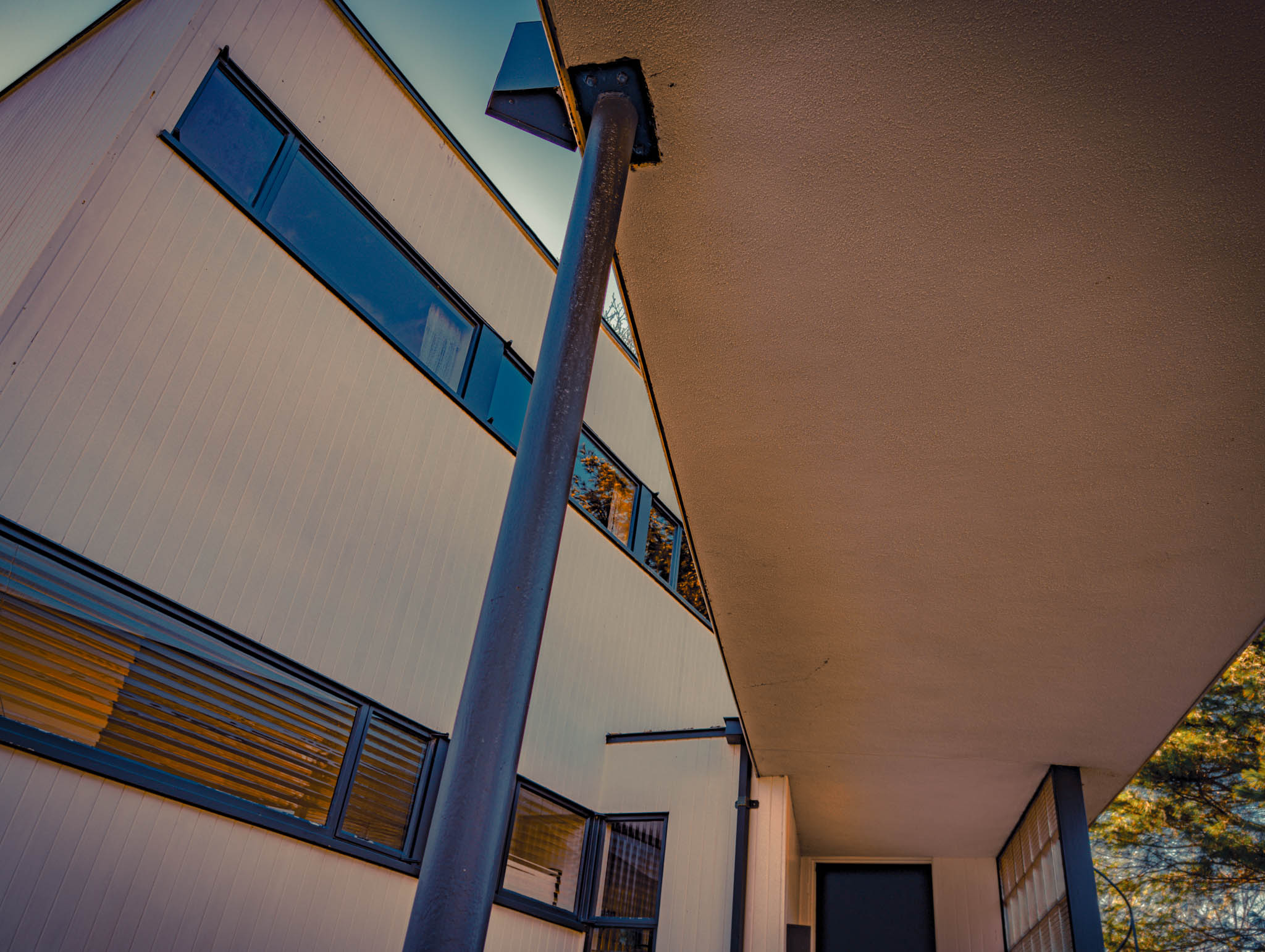
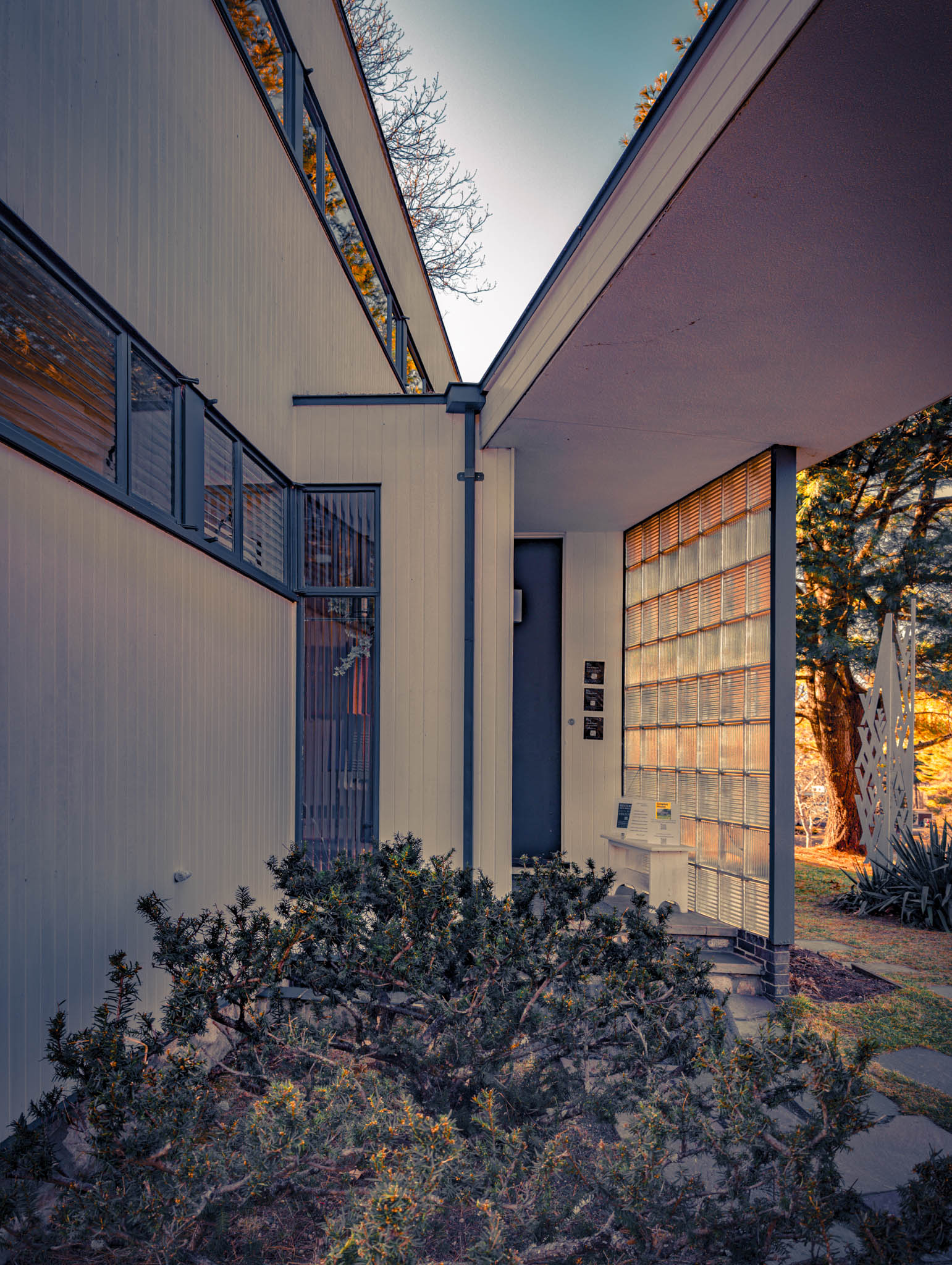
And his little house in Lincoln, backlit on its hillside by the same sun at its setting and glowing palely against the remaining golden autumn foliage, seems infinitely more precious than any immigrant refugee’s rented home in a neglected orchard has any right to be, more just-so correct in its situation and its formal lines than any other house anywhere in New England.
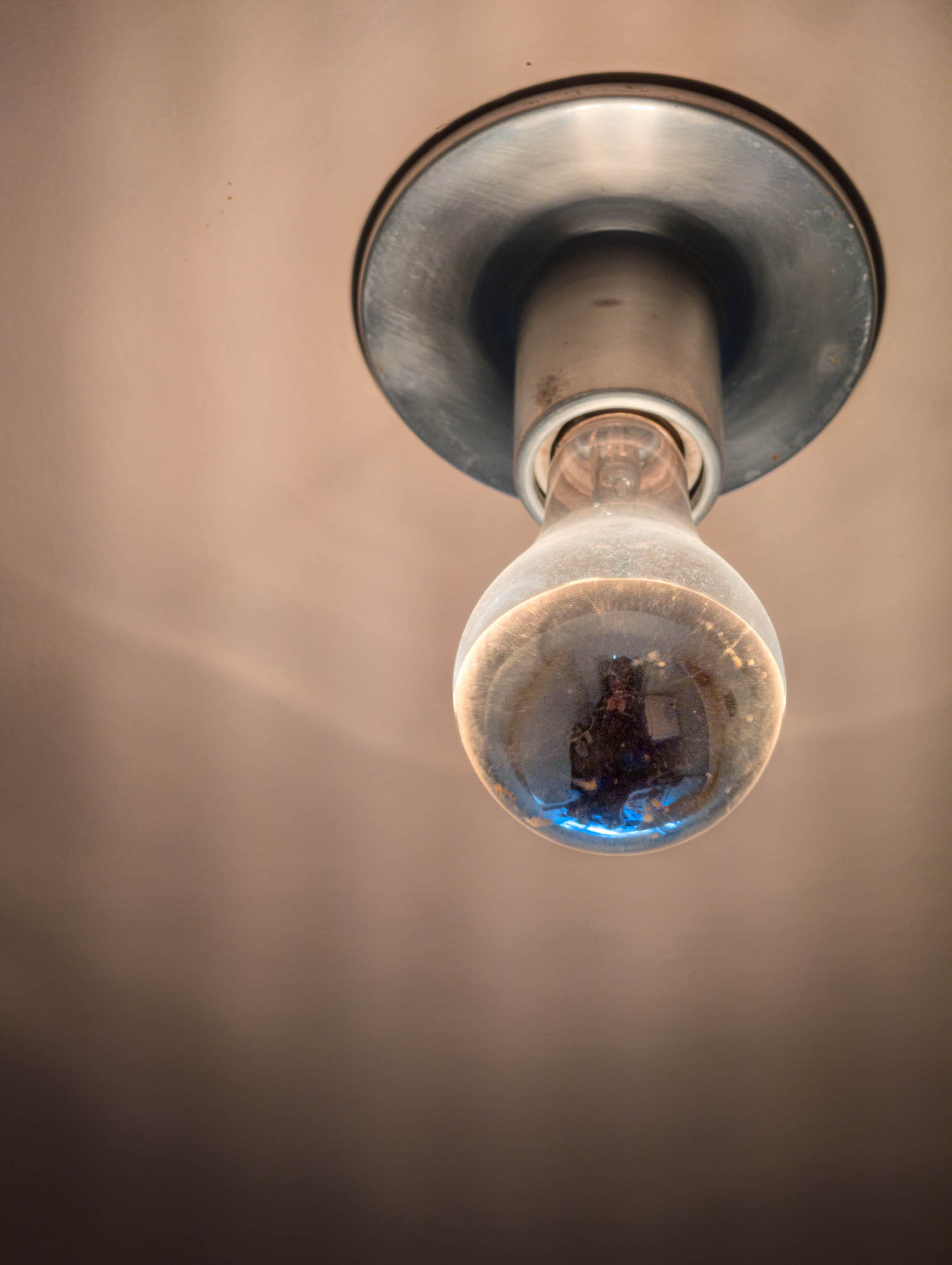
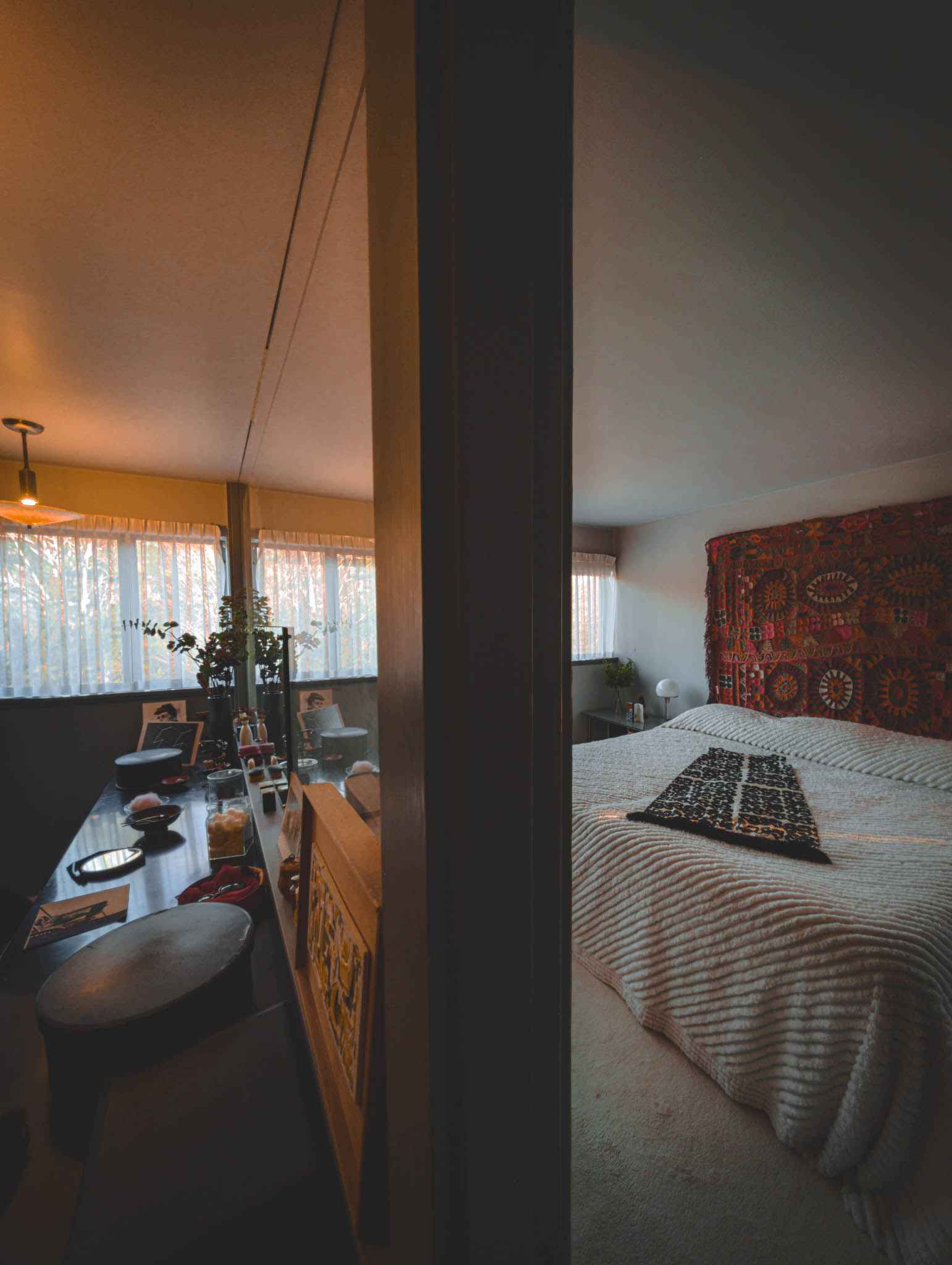
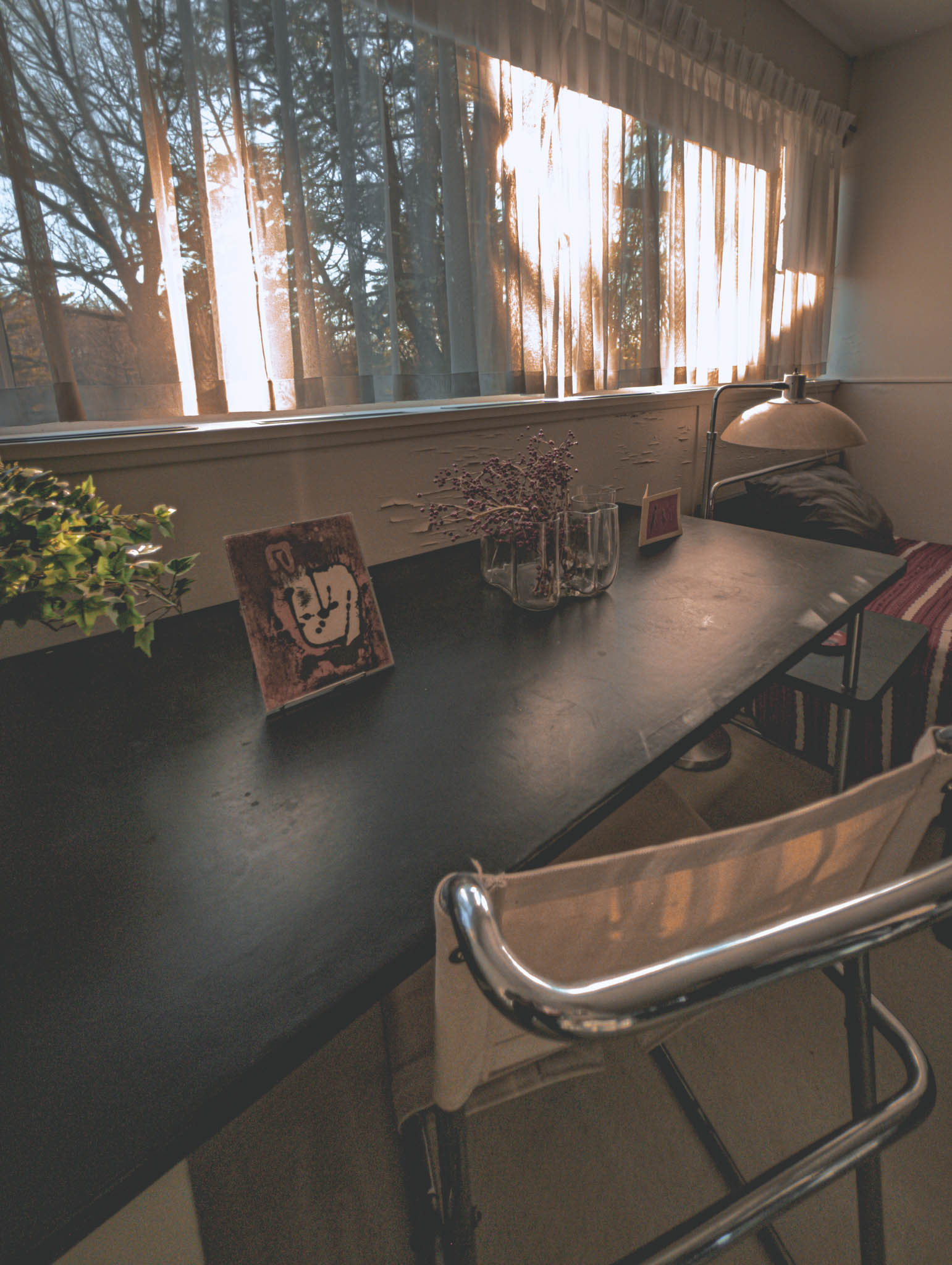
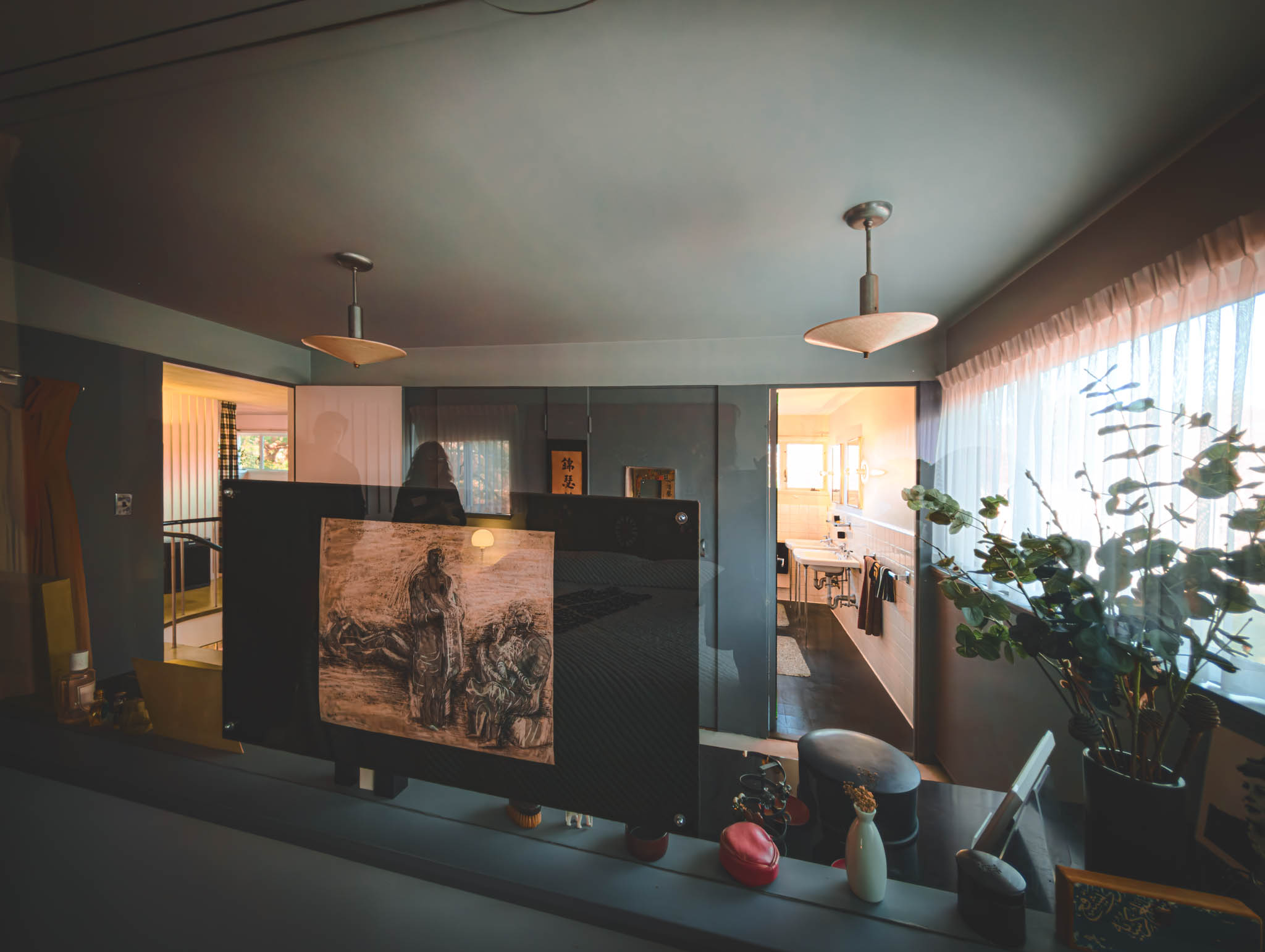
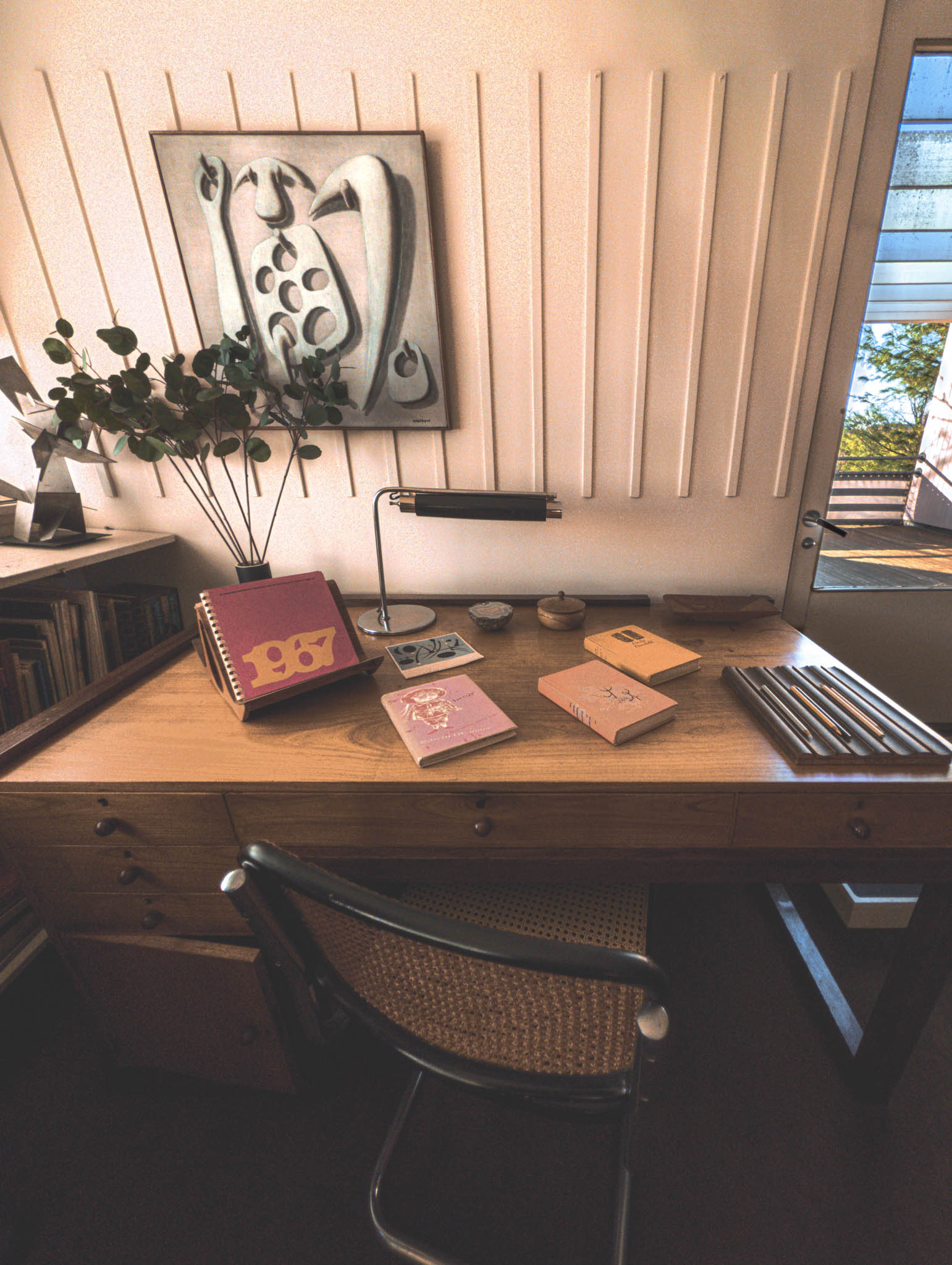
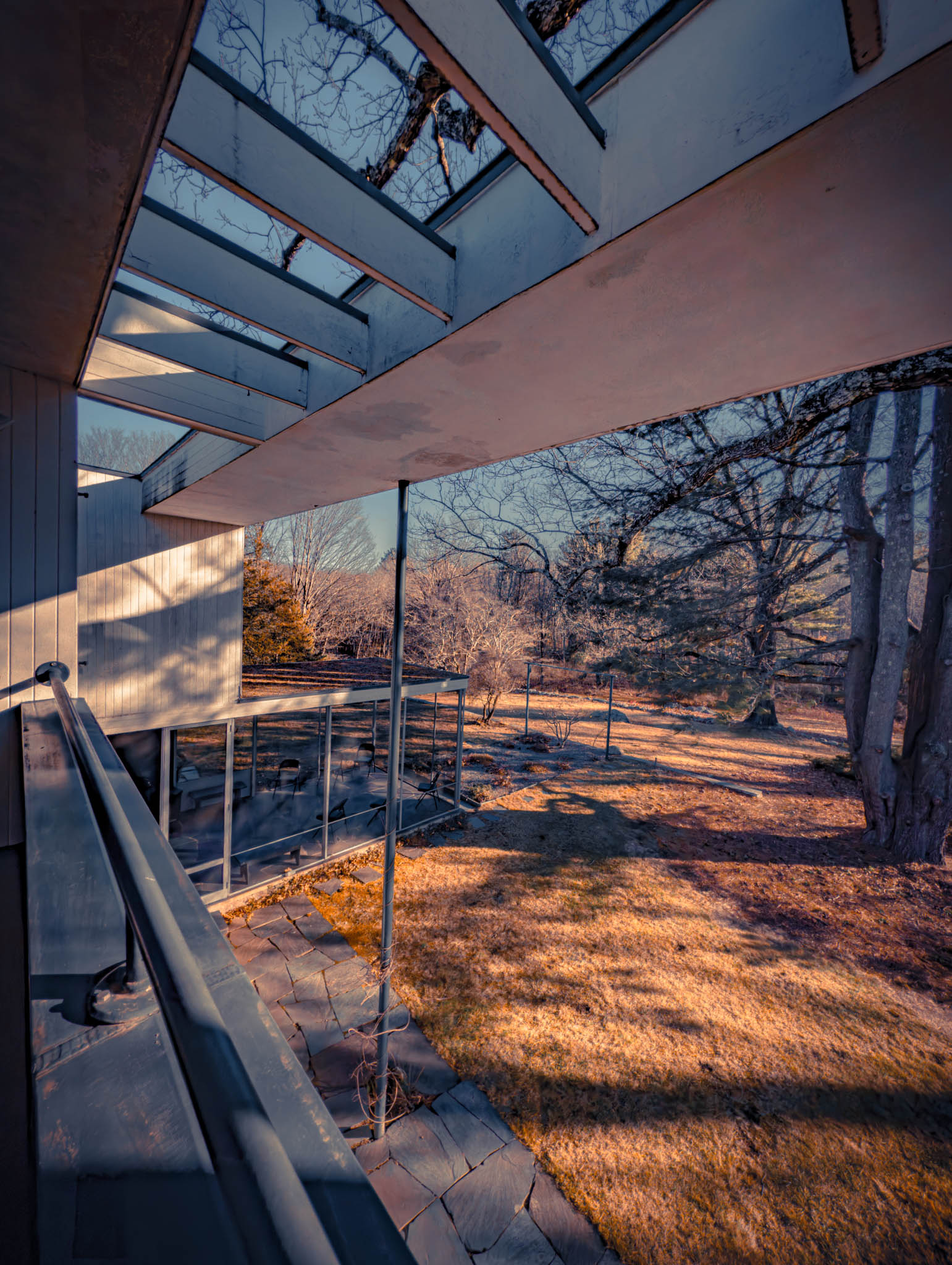
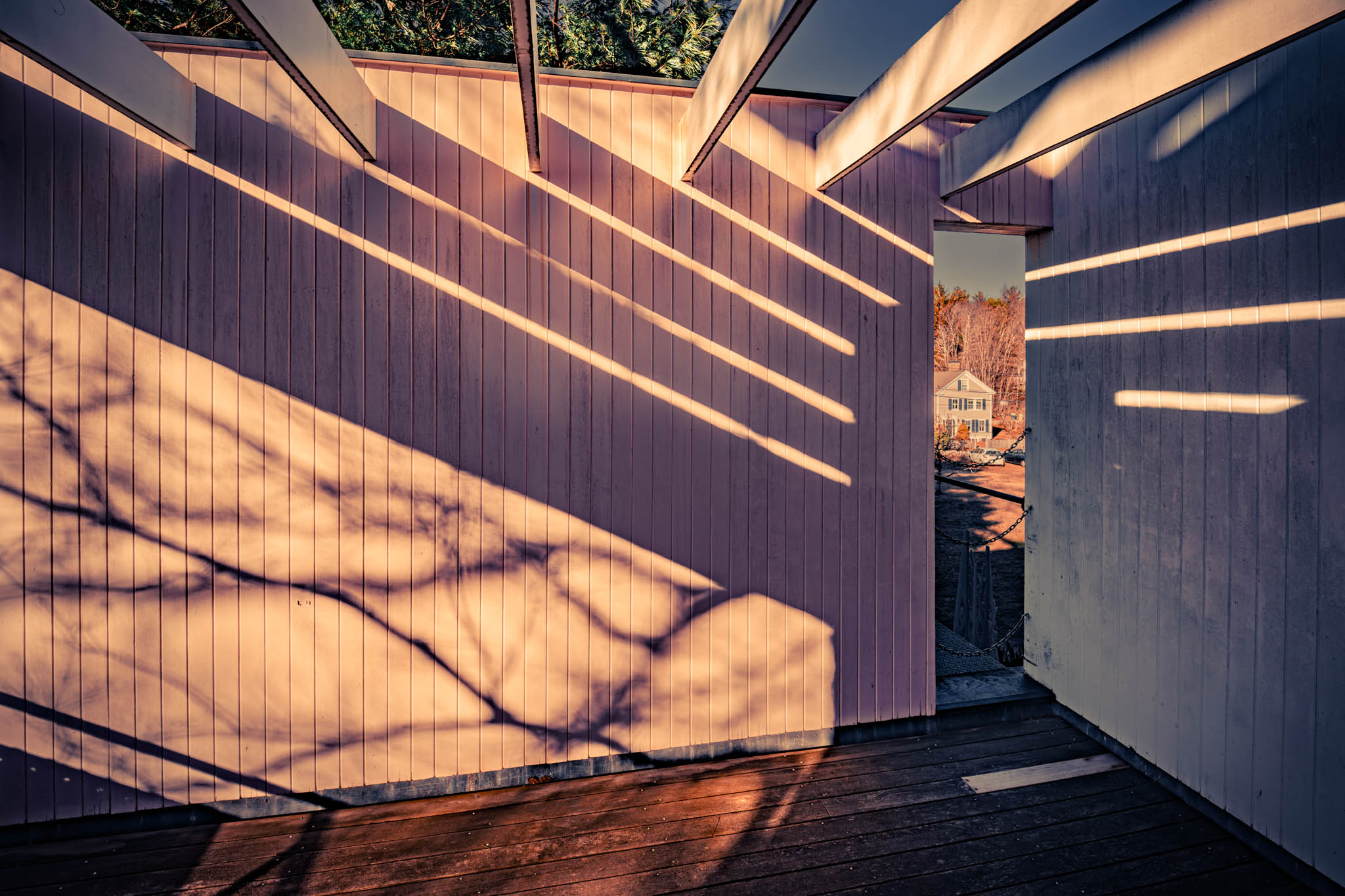
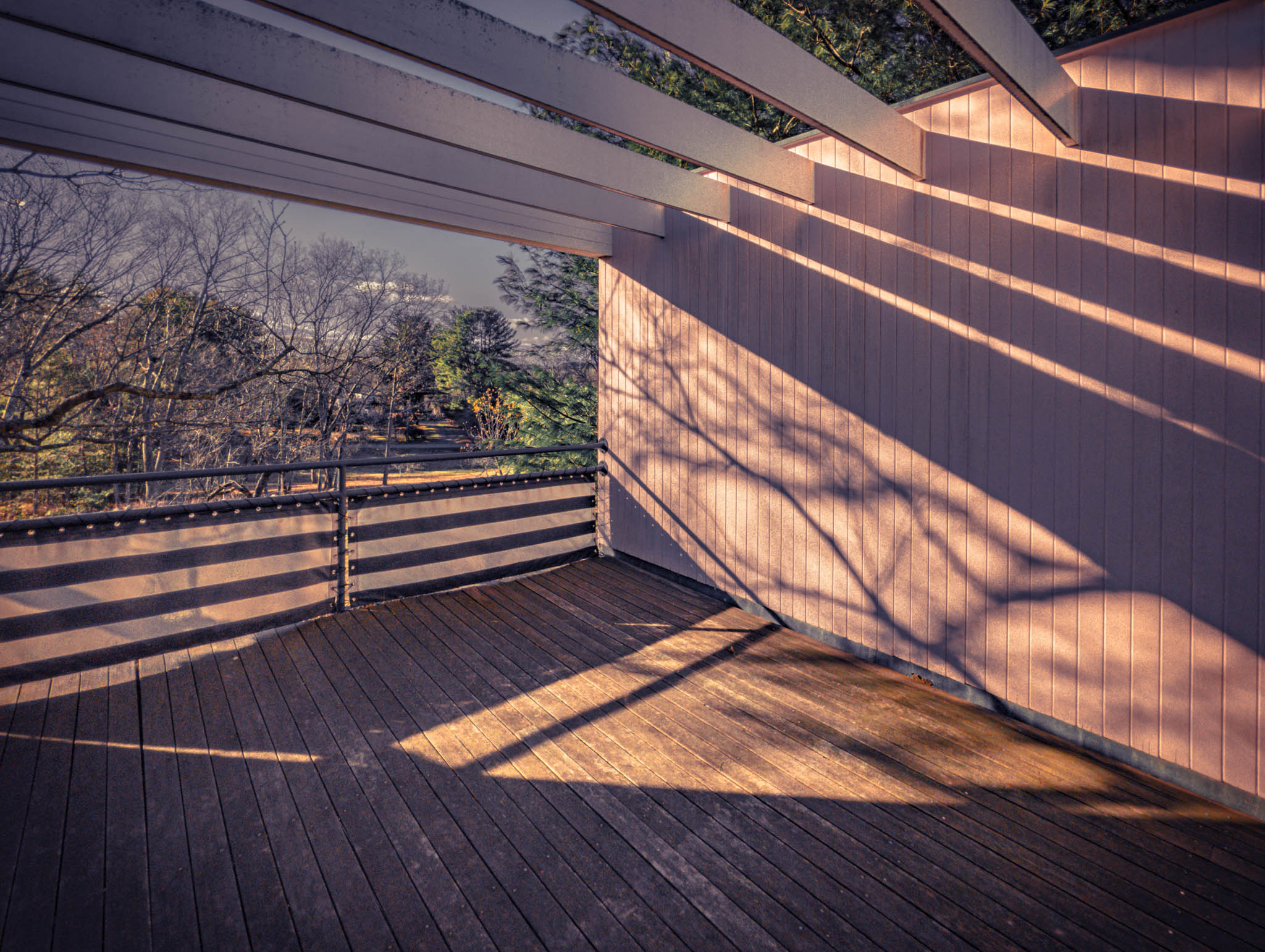
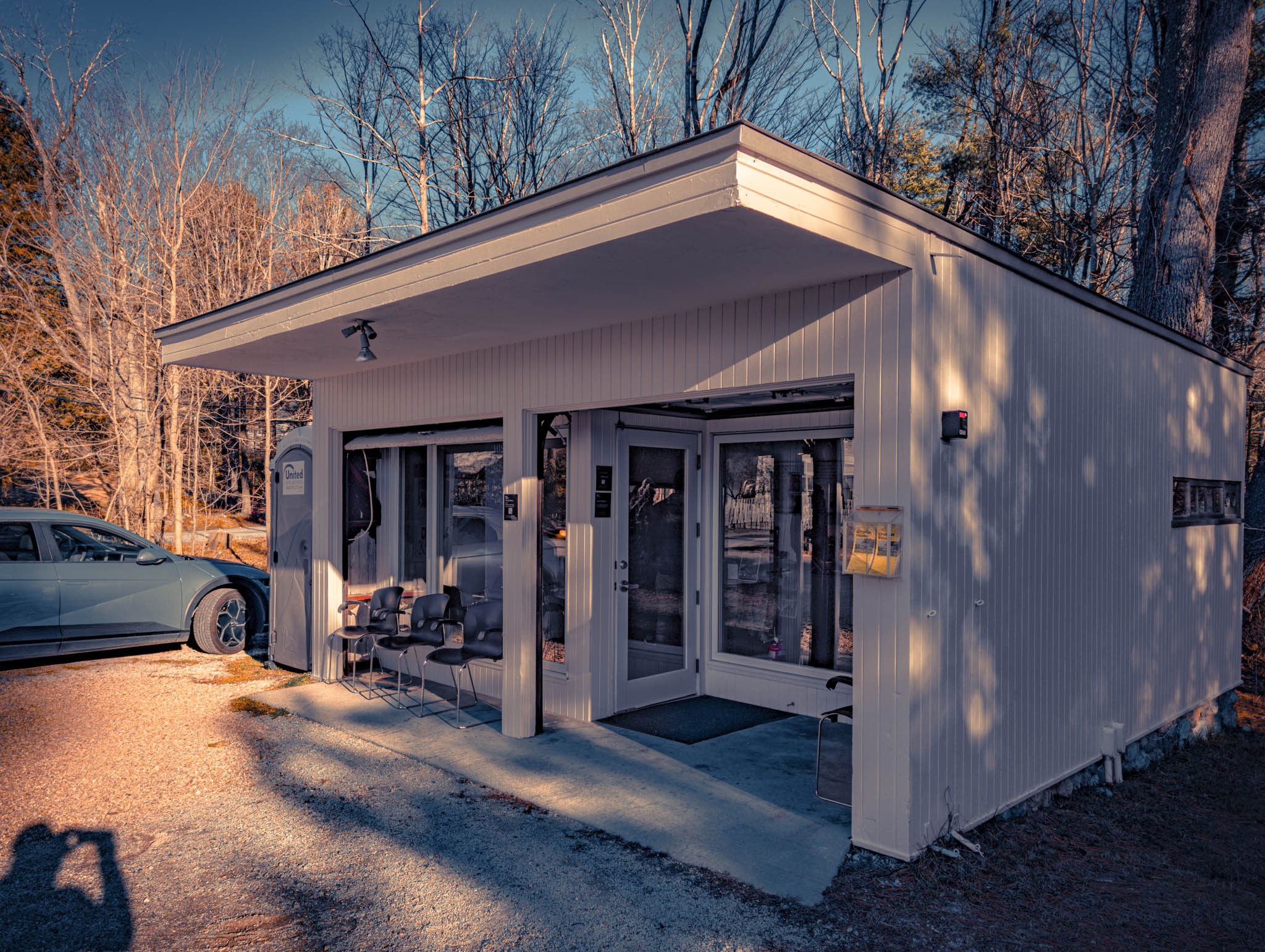
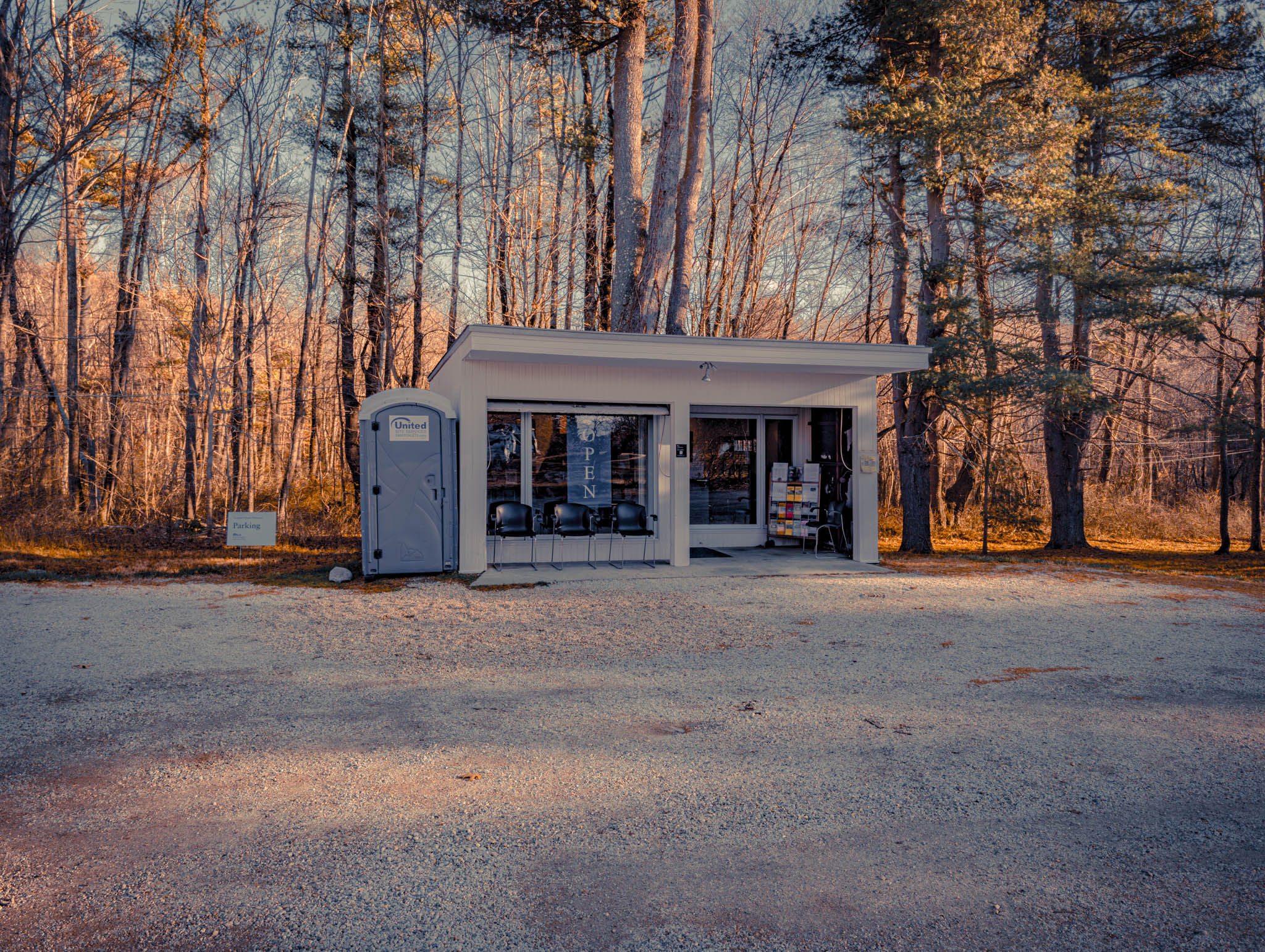
So, I’m here this afternoon because of that competition described the other day in The Boston Globe, the “Bauhaus Bathroom”. That sounds like a super-metaphor for super-irony when in fact it’s a fairly simple brief for a new visiting center — to replace or supplement the current one in Gropius’ original little garage — most importantly with a plumbed, ADA-compliant restroom as opposed to an adjacent precarious and odorous polyethylene “port-a-potty”.
Before I made the drive out here from Boston, I wondered about riding that competition brief into a true flight of ad absurdum criticism, something that might constitute a sort of meta-critique of the whole of “modern architecture” or even of Design-with-a-capital-D. (In case it isn’t obvious: I often despise my profession, and often I despise myself for having chosen it.)

Perhaps [I thought before arriving at the House] I could try to simulate what would-have-could-have happened, if old Gropius had access to a prompt-driven twenty-first century AI in his long-ago-lifetime. Throw some crazy Bauhaus prompts in, generate a ton of crazed and inhuman imagery, and cut-paste-critique it into something that (while still crazy) could be realized. Techno-Gropius: the architect rendered largely unnecessary!
But now, having gone through and around the house, and having thought about Gropius and what he achieved (even if he was some sort of genial fraud) — I don’t know that I can take that route.