In 1570 the daimyo Matsudaira Ieyasu, with the permission of the Ashikaga shogun and the emperor, adopted the uji (lineage name) of 徳川 Tokugawa, which is composed of the two characters toku “virtue” and kawa “river”. Besides its aspirational meaning, the name referred back to a supposed-ancestor of the daimyo, a prince of the famous Minamoto lineage, which of course was the cadet branch of the imperial family that emerged victorious in the epic Genpei civil war of the late 12th century and then established the first ruling Shogunate. Only descendants of the Minamoto could take the title of shogun, in theory. Ieyasu — at the point when he changed his name to “River of Virtue” — was a significant but still-somewhat-lesser vassal of the feudal warlord Oda Nobunaga, who was taking apart the remnants of the Ashikaga Shogunate’s Muromachi polity with military campaigns of demonic ferocity.
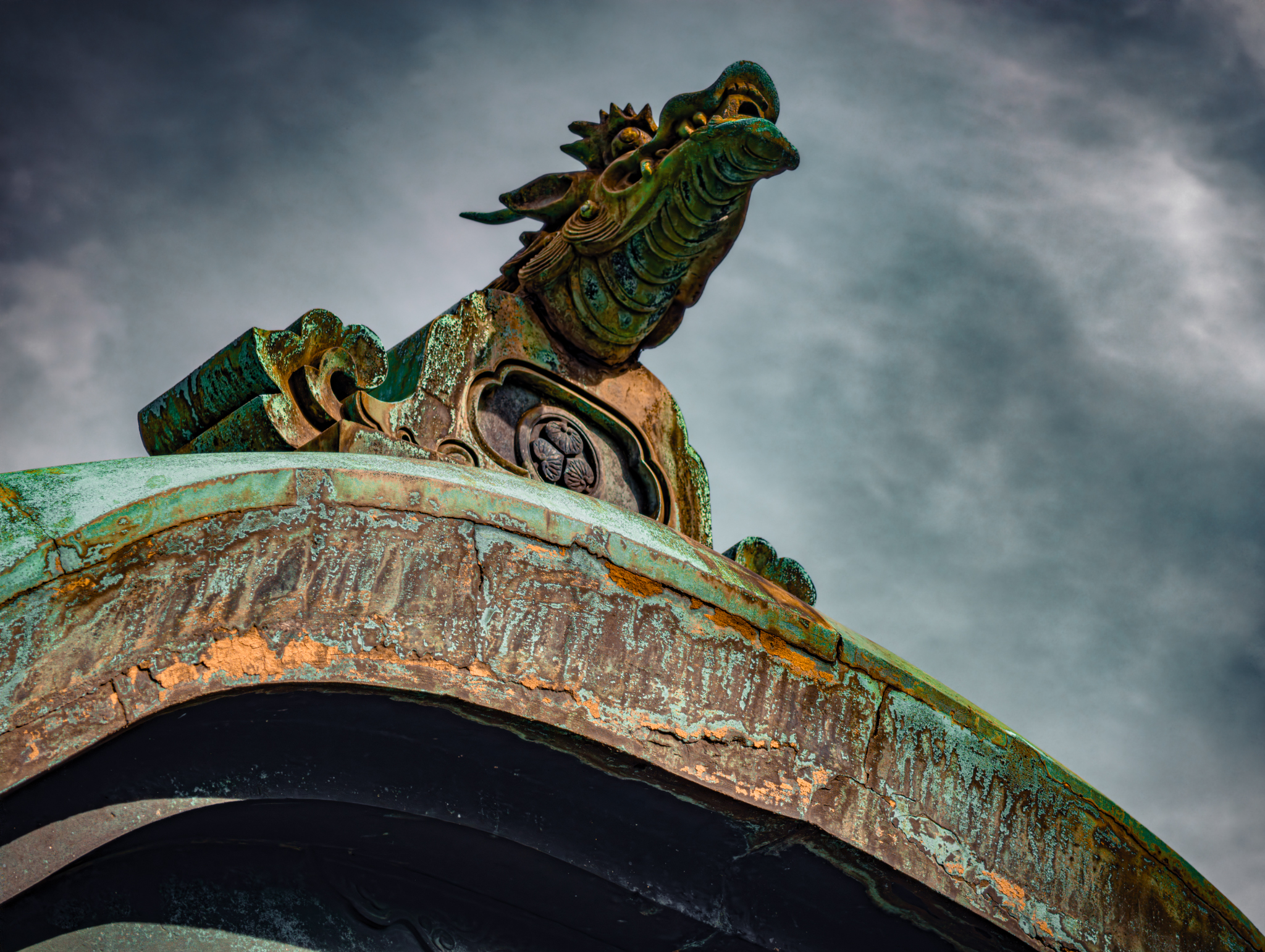
But in life and after, the renamed daimyo had a reputation as a brilliant planner of infinite patience. And within thirty years of the change, Ieyasu was shogun himself. His “triple hollyhock” (actually depicting the heart-shaped leaf of a type of wild ginger) mon or family crest still adorns countless location in his old capital and throughout Japan, even though the Tokugawa dynasty lost control of the country in 1867 with the Meiji Restoration of imperial rule.
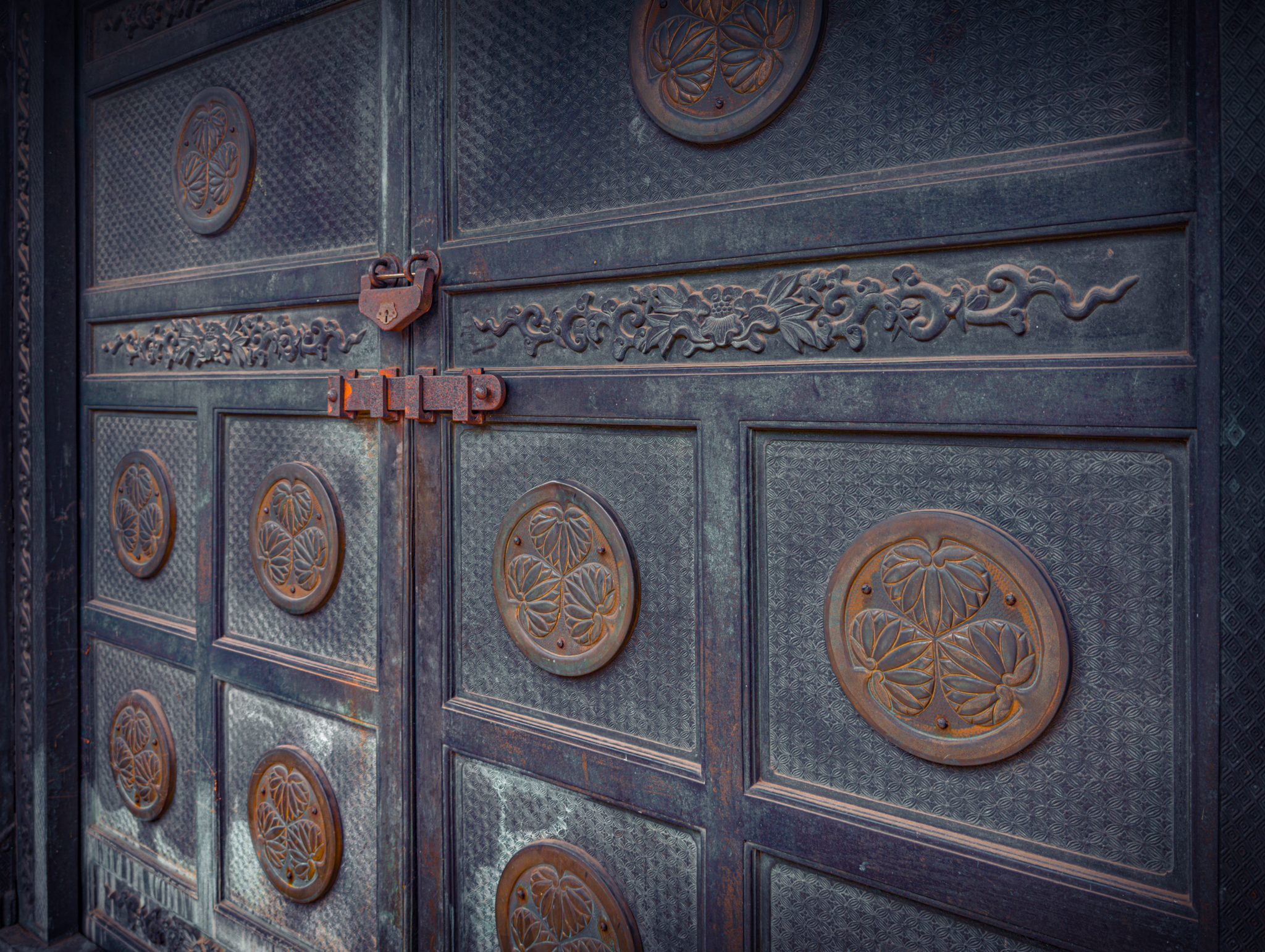
I think we are all a bit besotted by the Tokugawa Shogunate. For instance, just recently I watched a video <link> extolling the Tokugawa’s careful management of Japan’s resources during its two-and-a-half-century reign. To attribute an environmentalist motivation to the Tokugawa’s “circular economy” is really a sort of back-facing utopian foolishness. The shogunate was an intolerant papers-please-comrade totalitarian autarky dressed up with feudal titles and pretty silk kimonos, closed to most exterior trade and influence and apparently the last government on the planet to utilize public crucifixion as its preferred means of capital punishment. It had no moral or political underpinning, despite the whole River-of-Virtue business, except the rule of self-preservation. If some resource became scarce, there was no way to replace it, and goodness knows what might happen then if everyone got upset at the lack! It is only this sort of pragmatism that led to the purported Tokugawa environmental stewardship, not any sense of obligation.
Everything the Tokugawa did, every law and initiative and (occasional) sudden eruption of extreme slice-you-in-two-with-a-katana violence was motivated by an ideal of total stability, or even outright stasis. The bakufu (perpetual military dictatorship) was forged by careful, careful Ieyasu and his immediate descendants as a response to the previous chaotic two centuries of continual internecine conflict known as the Sengoku Jidai, the Age of Warring States. Damned if they were going to let that come back! And for a while, given the alternatives, the oppressed classes seemed more than relieved to go along with their system. Is that all people really need? For all the oppression, Edo became the first city on earth with a million inhabitants…soon to have time and money, many of them, for kabuki drama and bright ukiyo-e prints and sharebon appreciation clubs and the beautiful if somewhat sordid fashions of the great courtesans of the Yoshiwara pleasure quarter.
I suppose there might be a lesson in that.
Of course, stasis is said to lead a vulnerability, to stagnation and presumably sudden dissolution in favor of some more active principle. And so it went with Ieyasu’s dynasty, which came apart in confusion and hand-wringing not too long after the rather alarming visits from Commodore Perry.
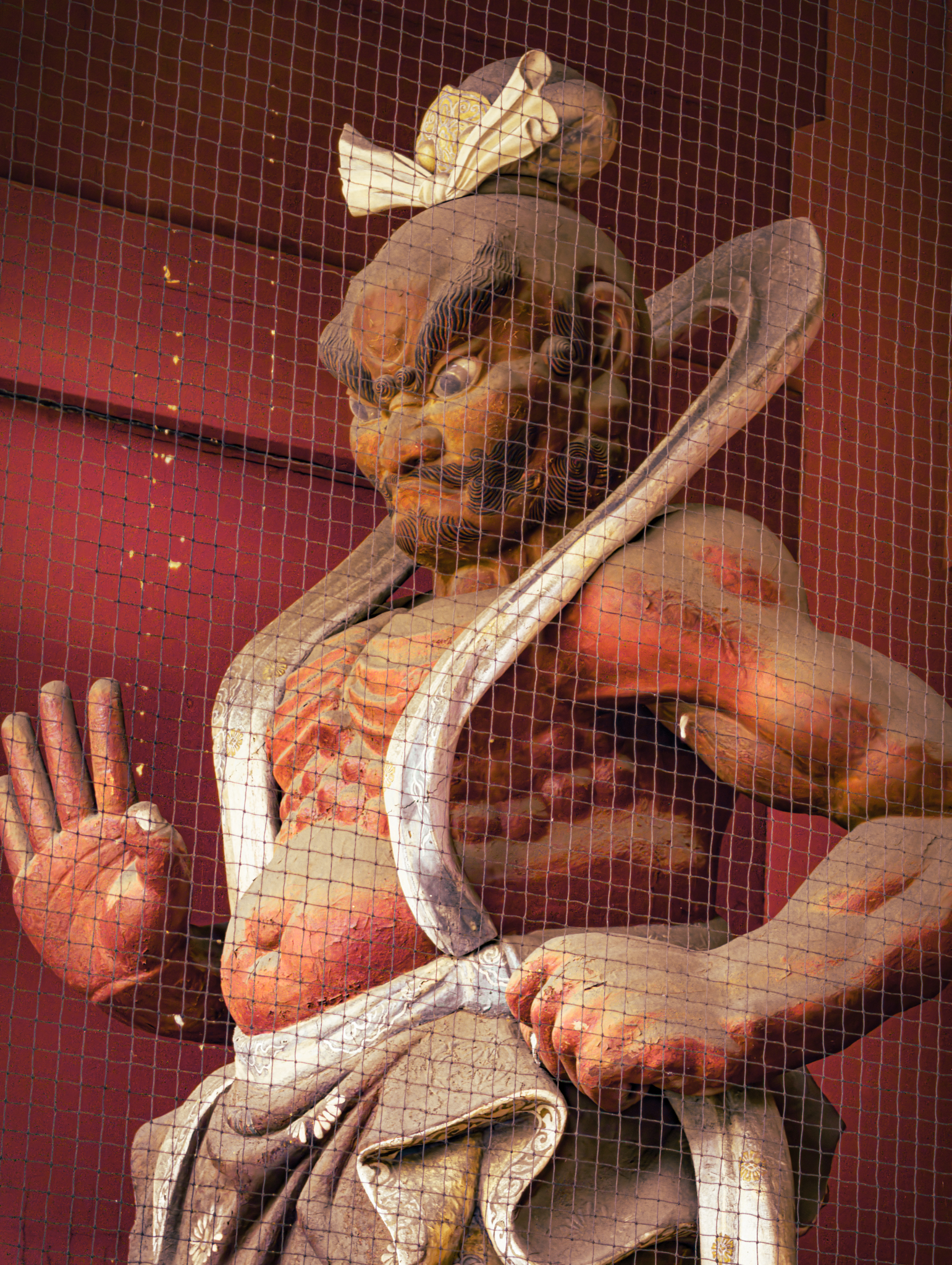
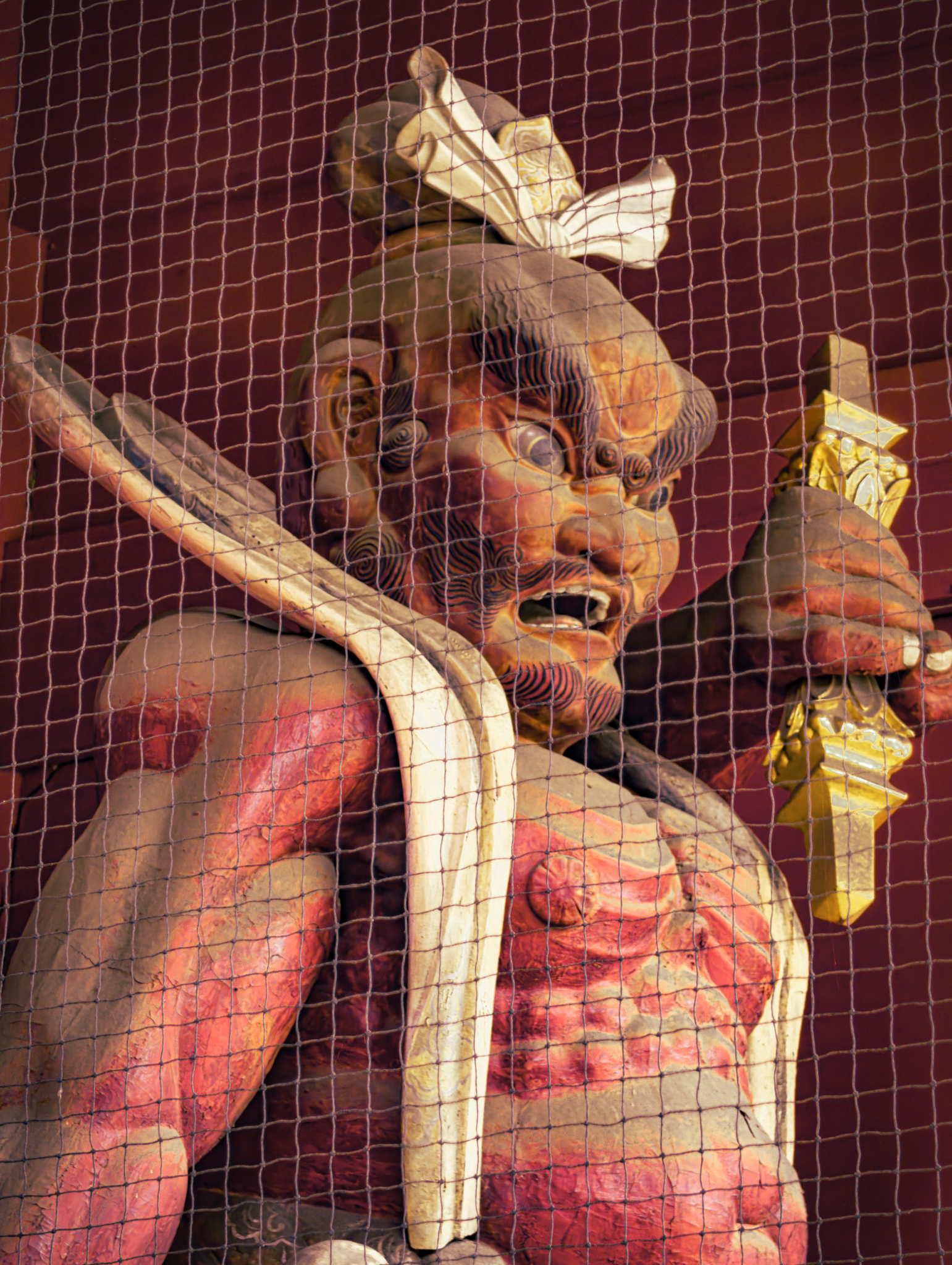
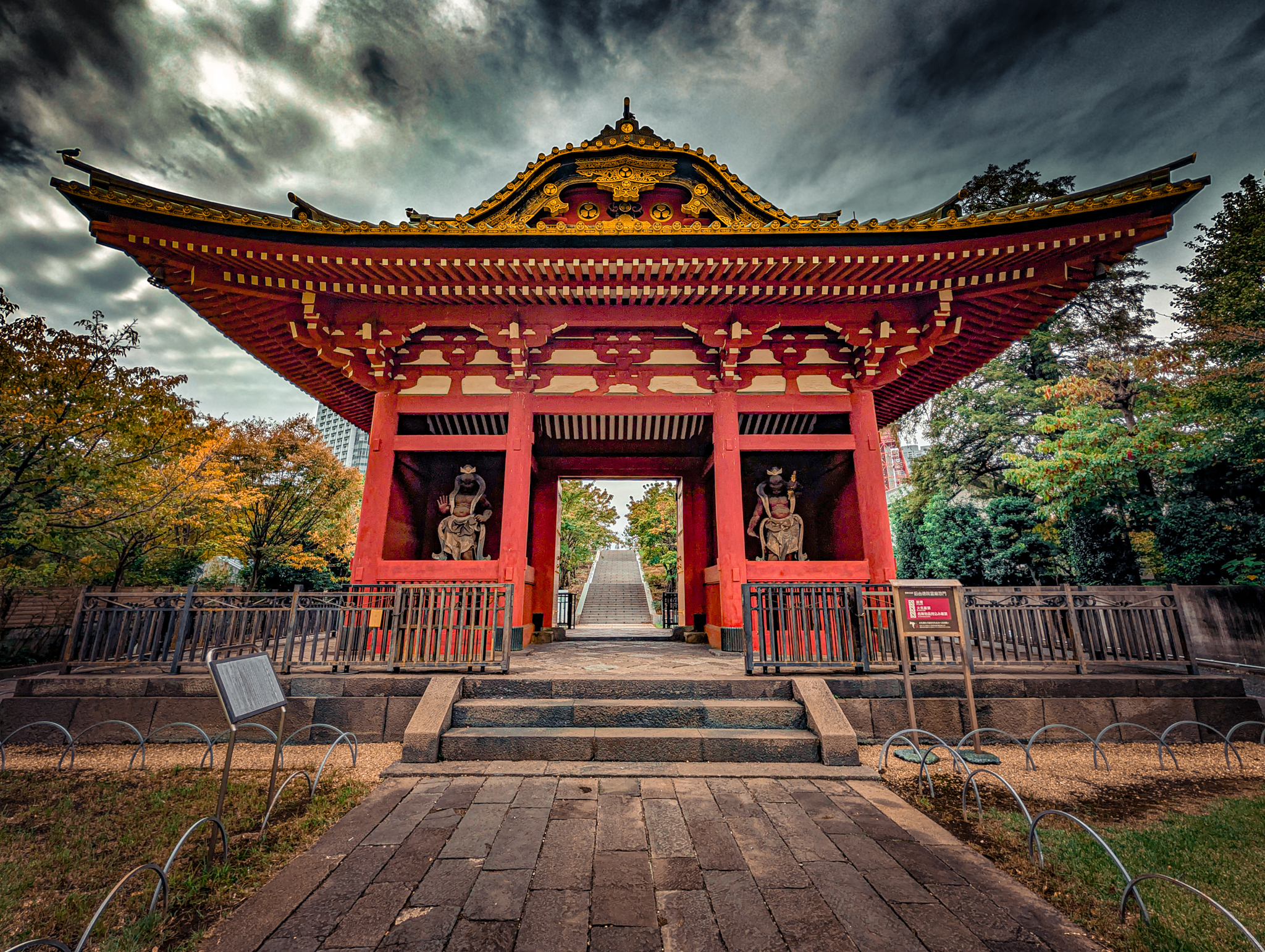
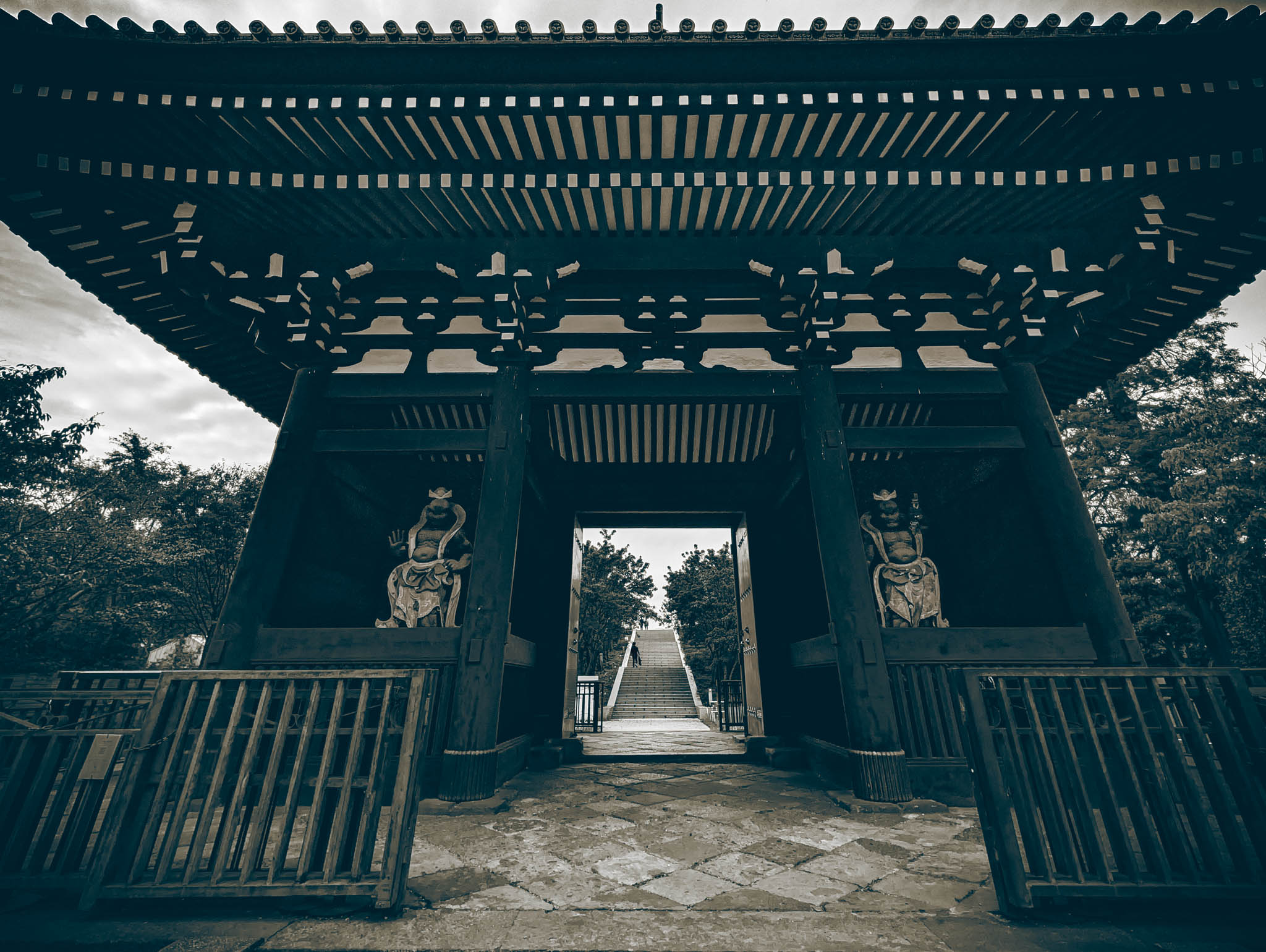
Actually, the whole south Edo funeral complex of the Tokugawa, once a bright confection of baroque mausoleums, was obliterated by the next set of visiting military Americans in 1945 — who went on to win the war and thus weren’t war-criminally responsible for incinerating a wooden city and its inhabitants with inextinguishable bombs, carefully deposited with the prevailing winds in mind for maximized murder by conflagration. Only the restored Daitokuin Reibyo Somon Gate, which once led to the funerary temple of the second Shogun Hidetada and his celebrated wife Gou, remains in Shiba Park with its two dusty Nio guardians glaring at passing joggers and tourists from behind wire mesh.
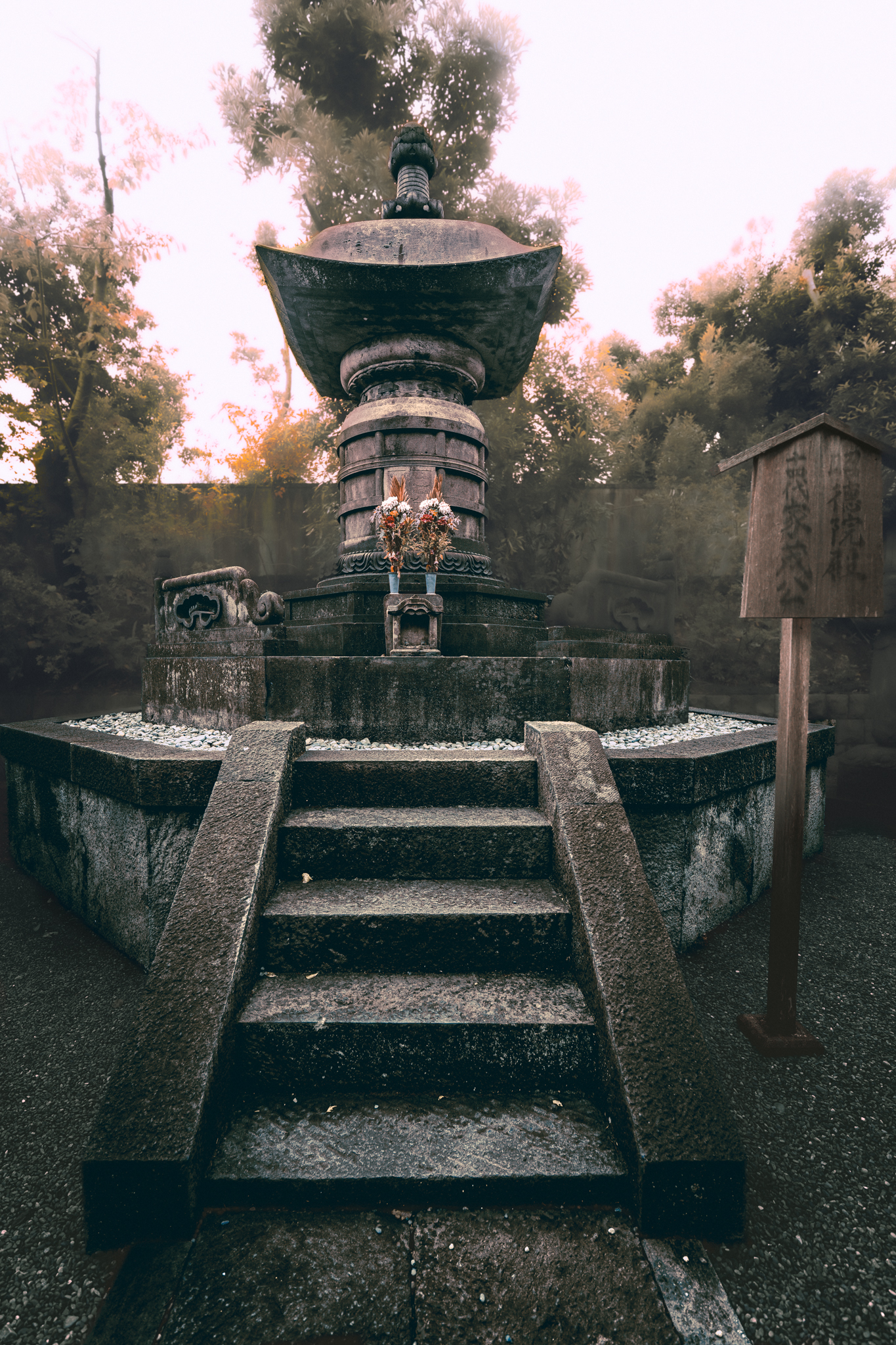
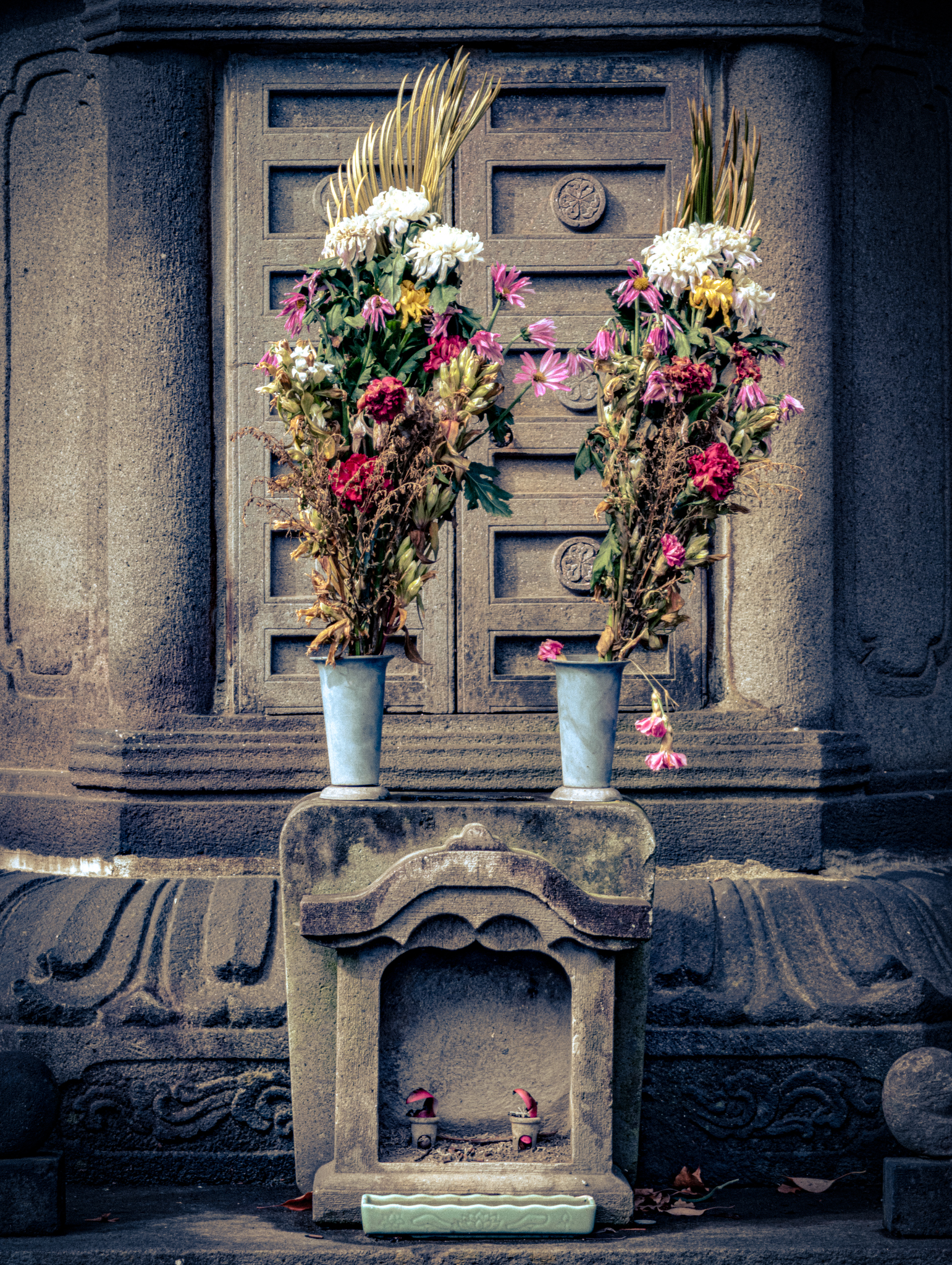
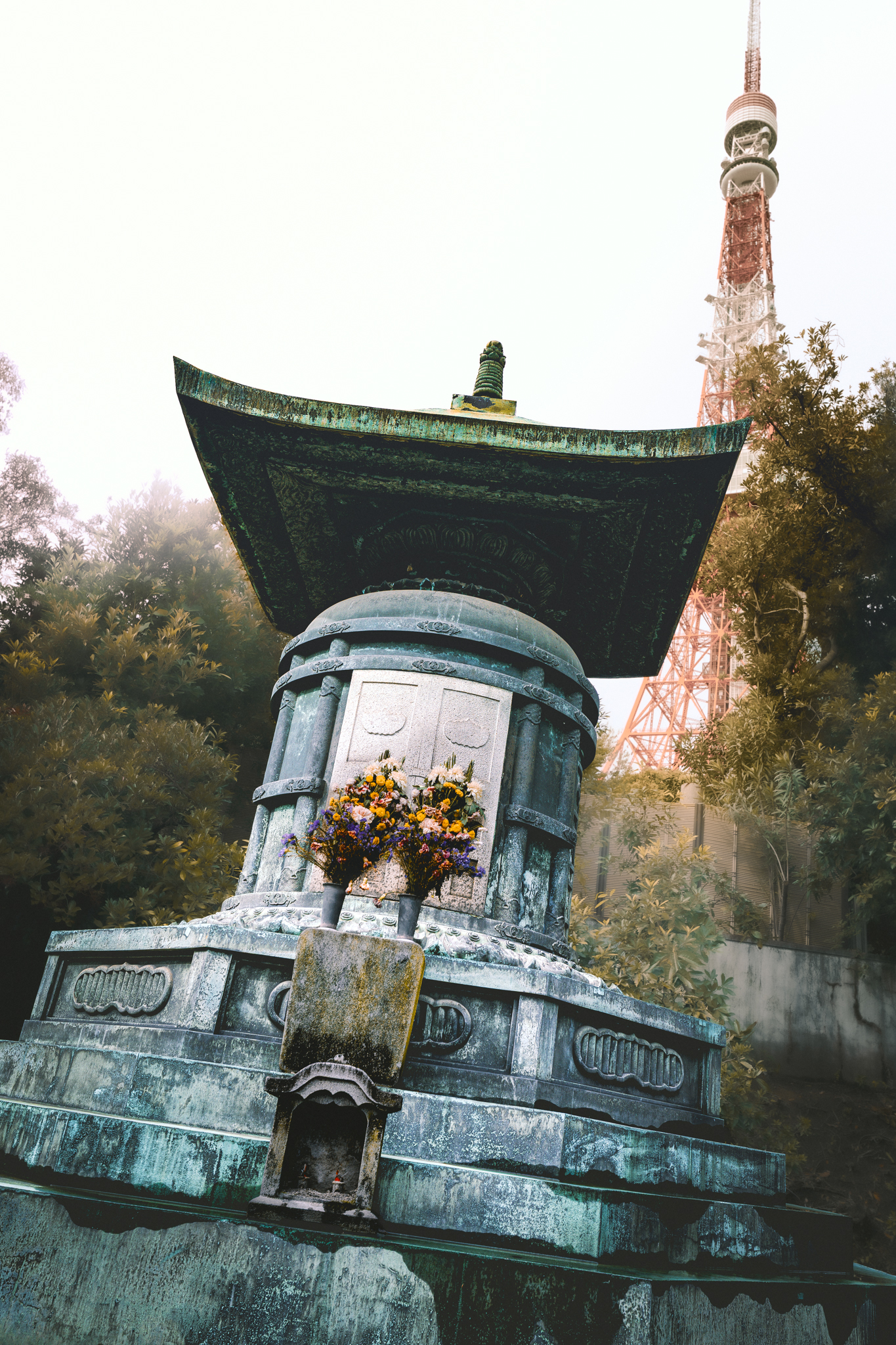
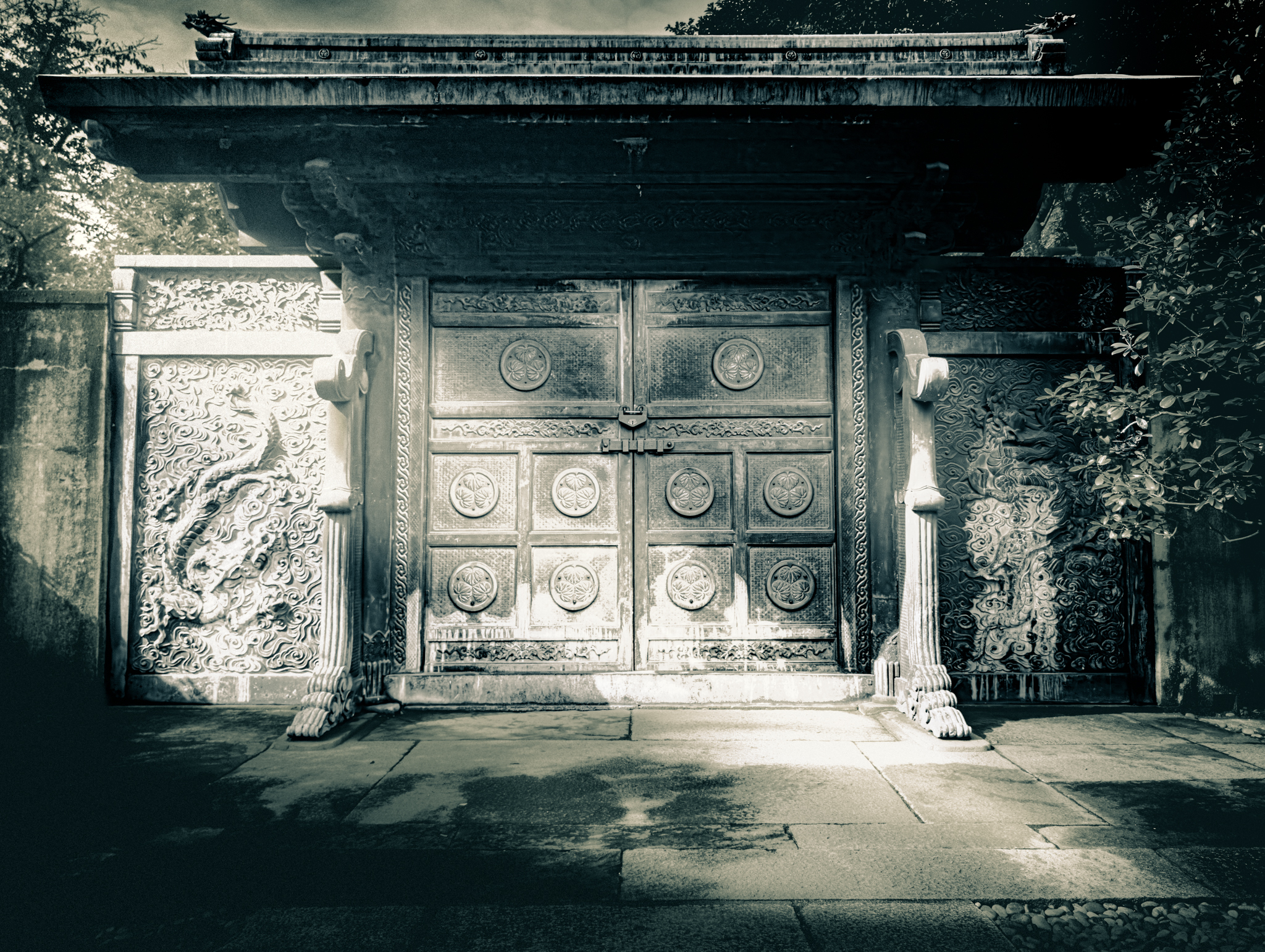
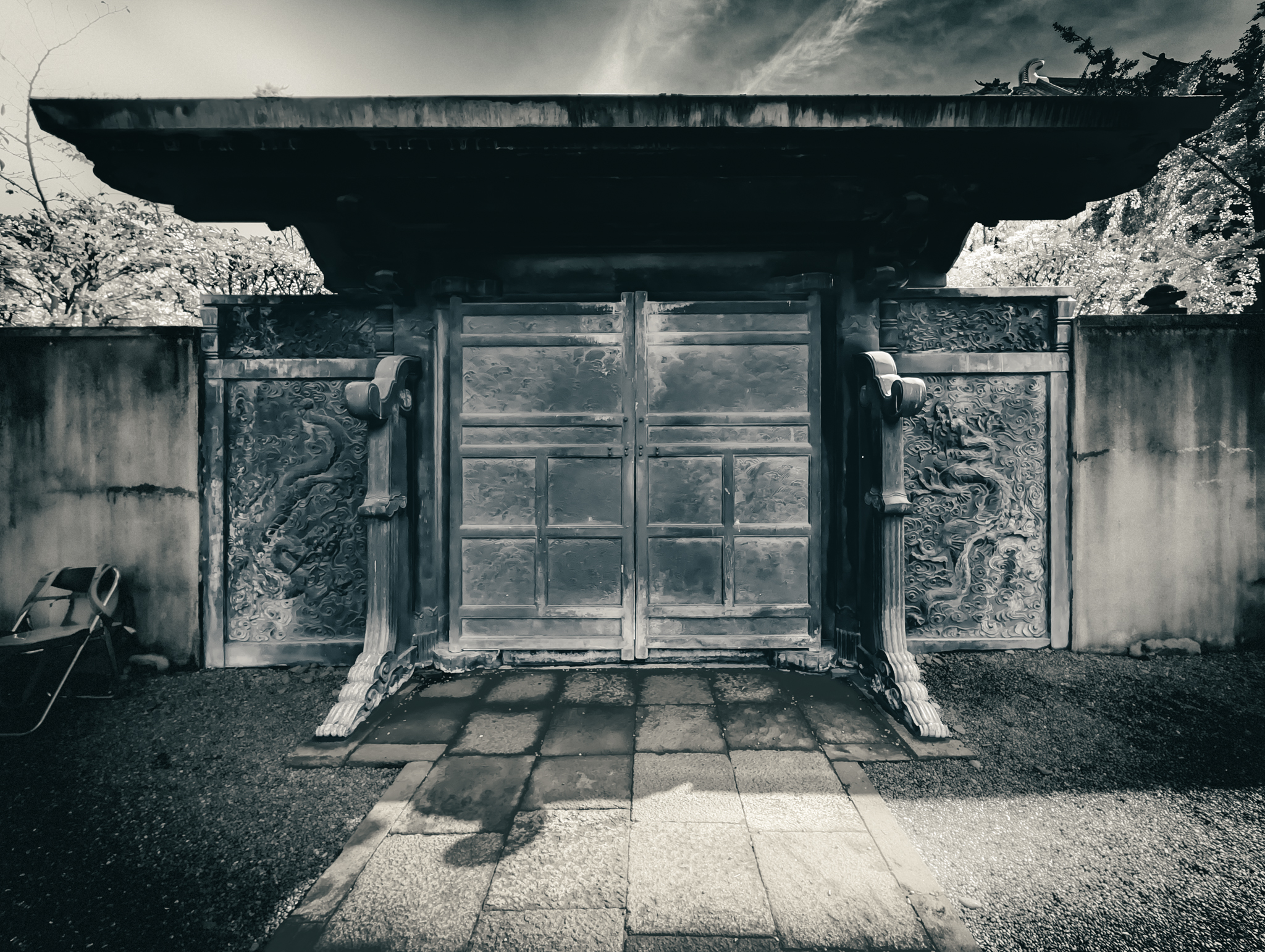
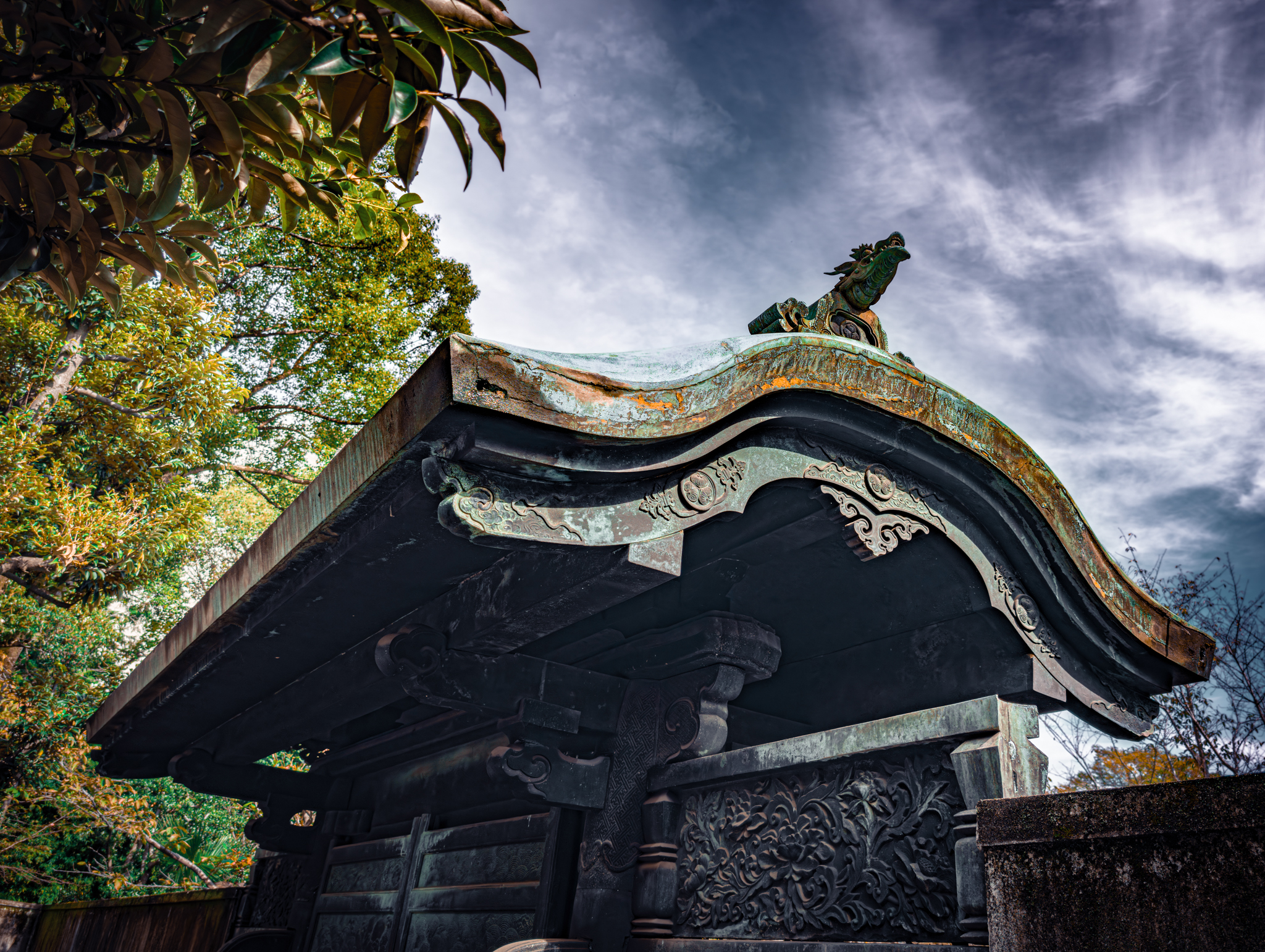
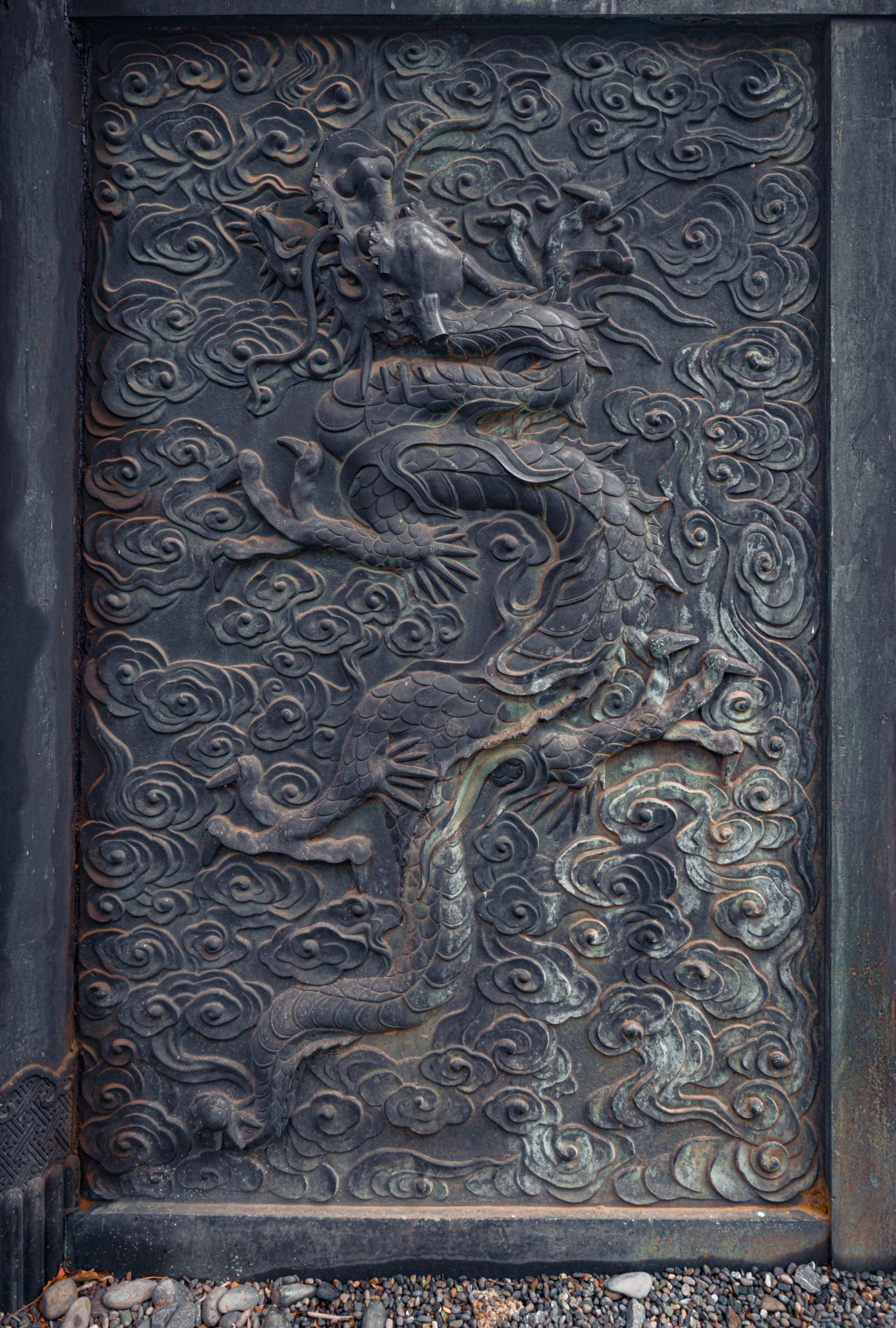
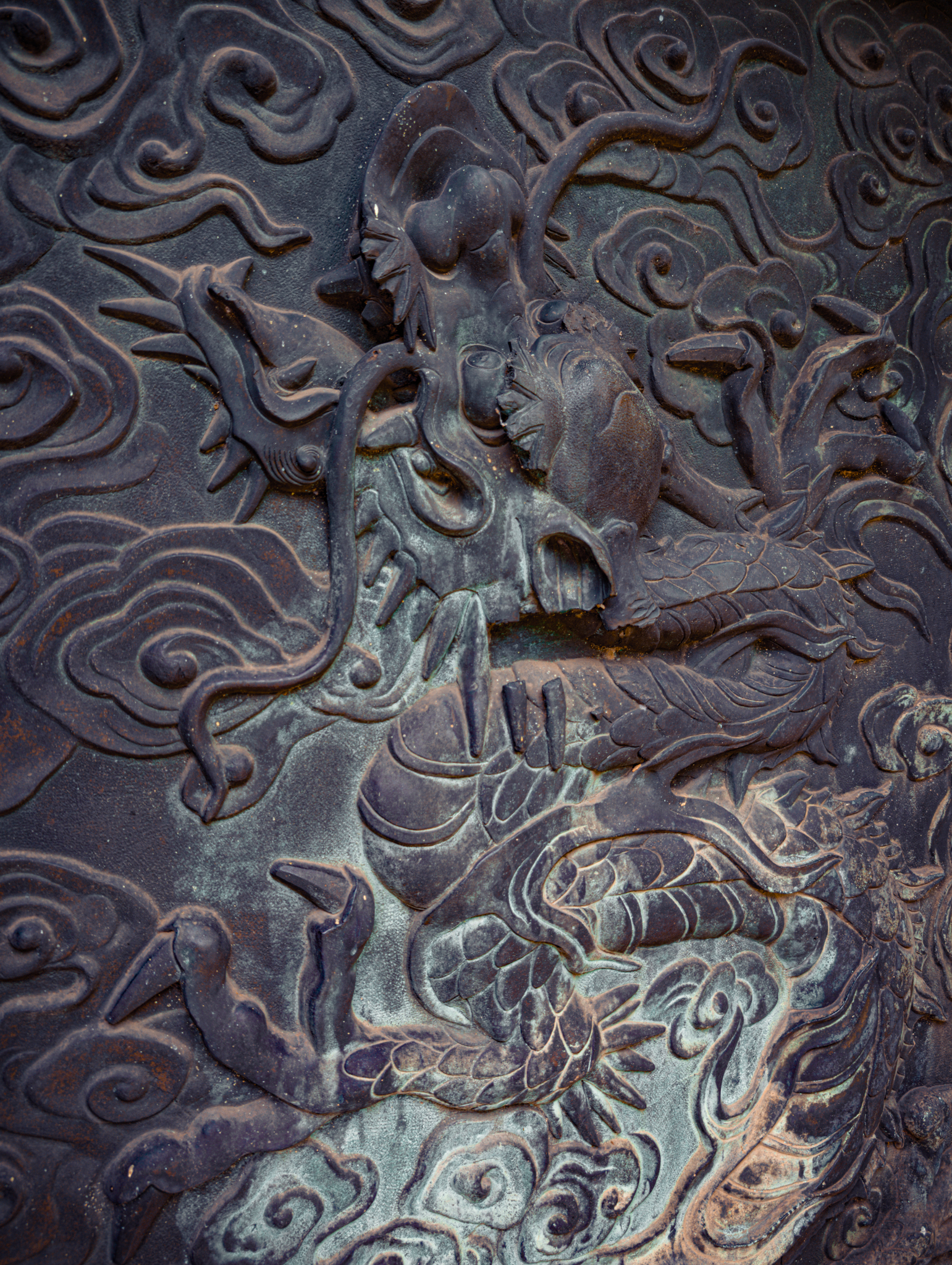
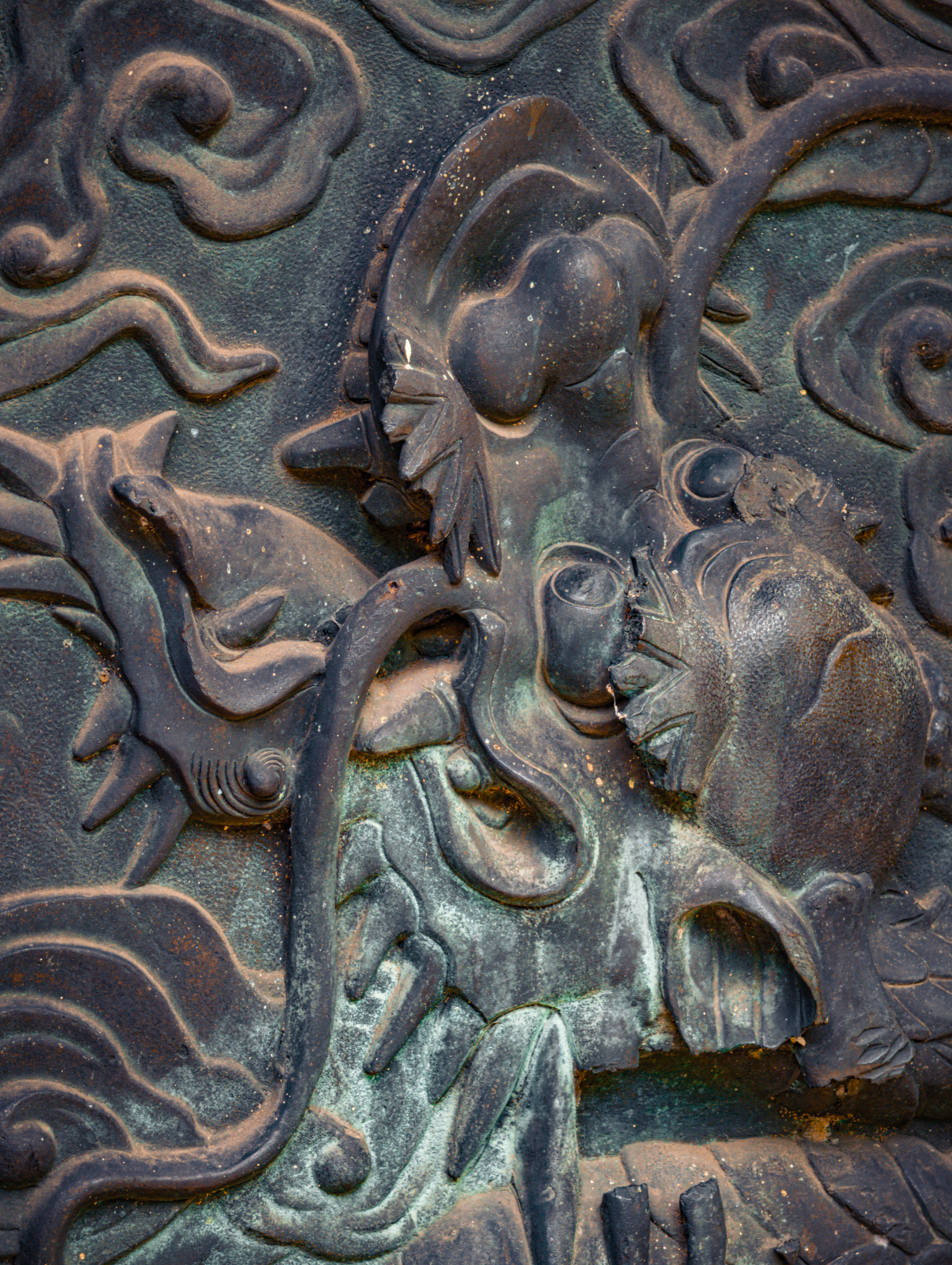
North of the main Zojo-ji temple, the gravel-paved “Tokugawa Cemetery” is entered through the dragon-ornamented Inuki Gate of the mausoleum of Ienobu (reigned 1709-1712). The tiny graveyard is composed of salvaged fragments of the original monuments; the cremated remains of shoguns (including Hidetada and Gou) and their retainers were re-interred here during the post-war development of the area in 1959.
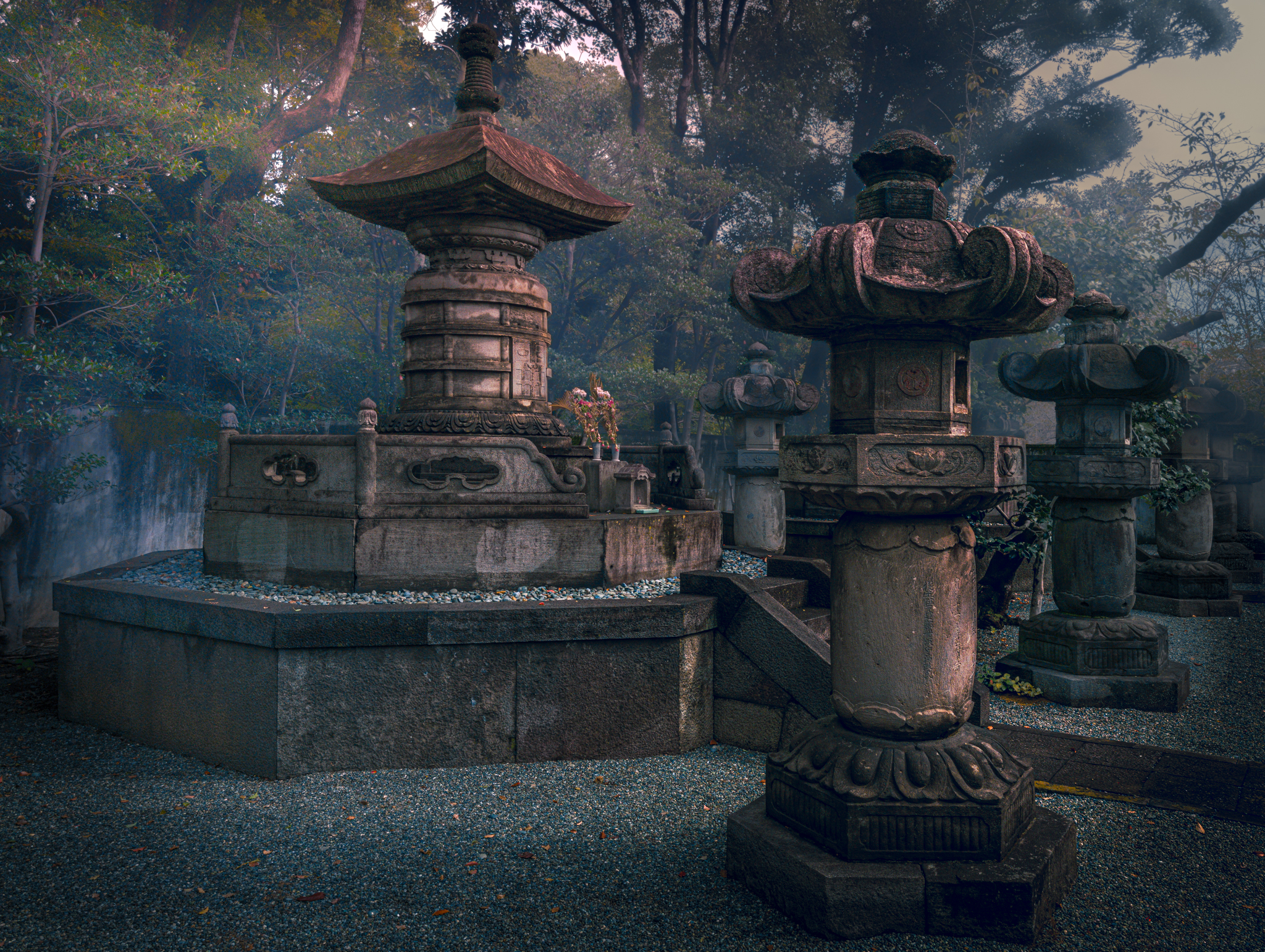
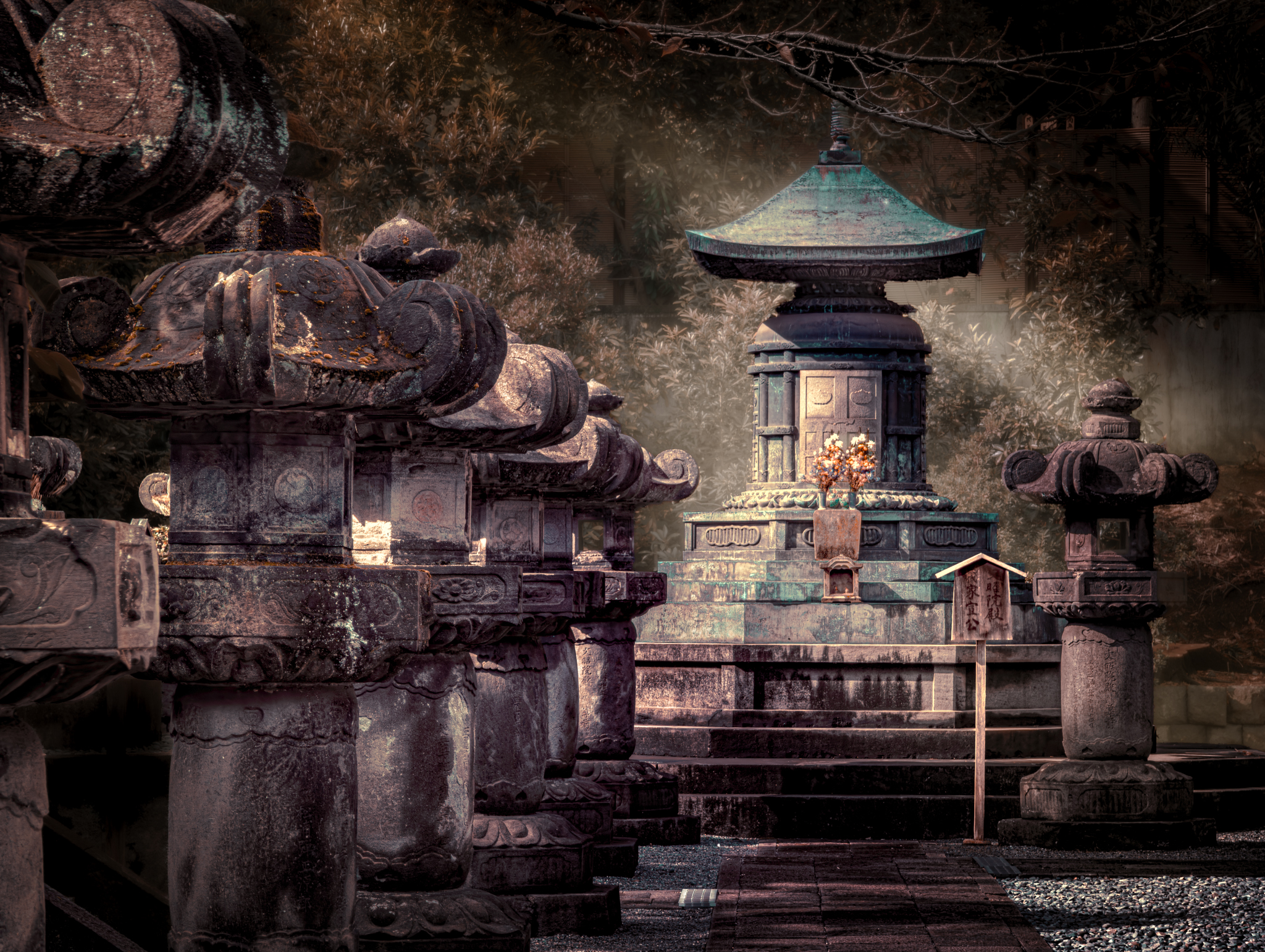
An elderly volunteer historian sits inside the dragon gate. “It wasn’t like this. Go see the graves of Ieyasu and Iemitsu in Nikko. Before the War, this was like Nikko, but even grander,” he says, after complementing my (rather basic) Japanese. He gestures at the handful of salvaged gorintō stupas and the ishidōrō lanterns positioned against the cemetery walls, a much-diminished stasis for Ieyasu’s descendants.
“Then you will be able to imagine the beauty.”