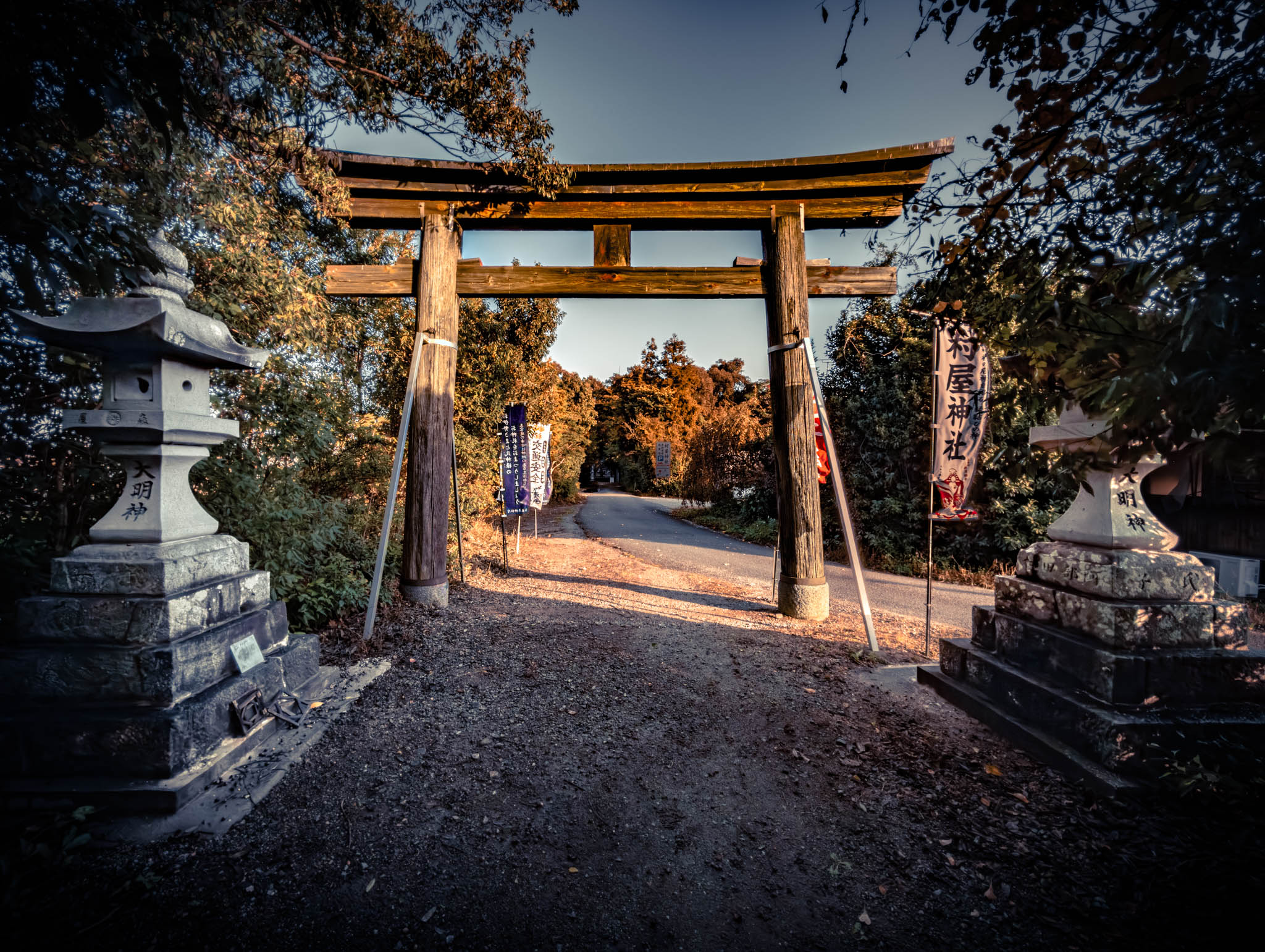
This part of Nara — once the heartland of the ancient Yamato polity which grew up to become the Japanese Empire fourteen centuries ago — consists of a low plain of farmland and rectangular ponds which might have been borrow pits, enmeshed by a rough grid of slightly-raised, featureless roadways that (judging by the drive last night) are only “two-lane” in the most generous sense of the word. At certain crossroads anonymous clusters of houses and old industrial facilities sharply crowd the intersections. Despite his satellite navigation our taxi driver became hopelessly lost last night trying to find our hotel (a surprisingly elegant affair concealed inside the outbuildings of a historic soy-sauce factory) and scraped the side of his van trying to back out of an unexpected cul-de-sac.
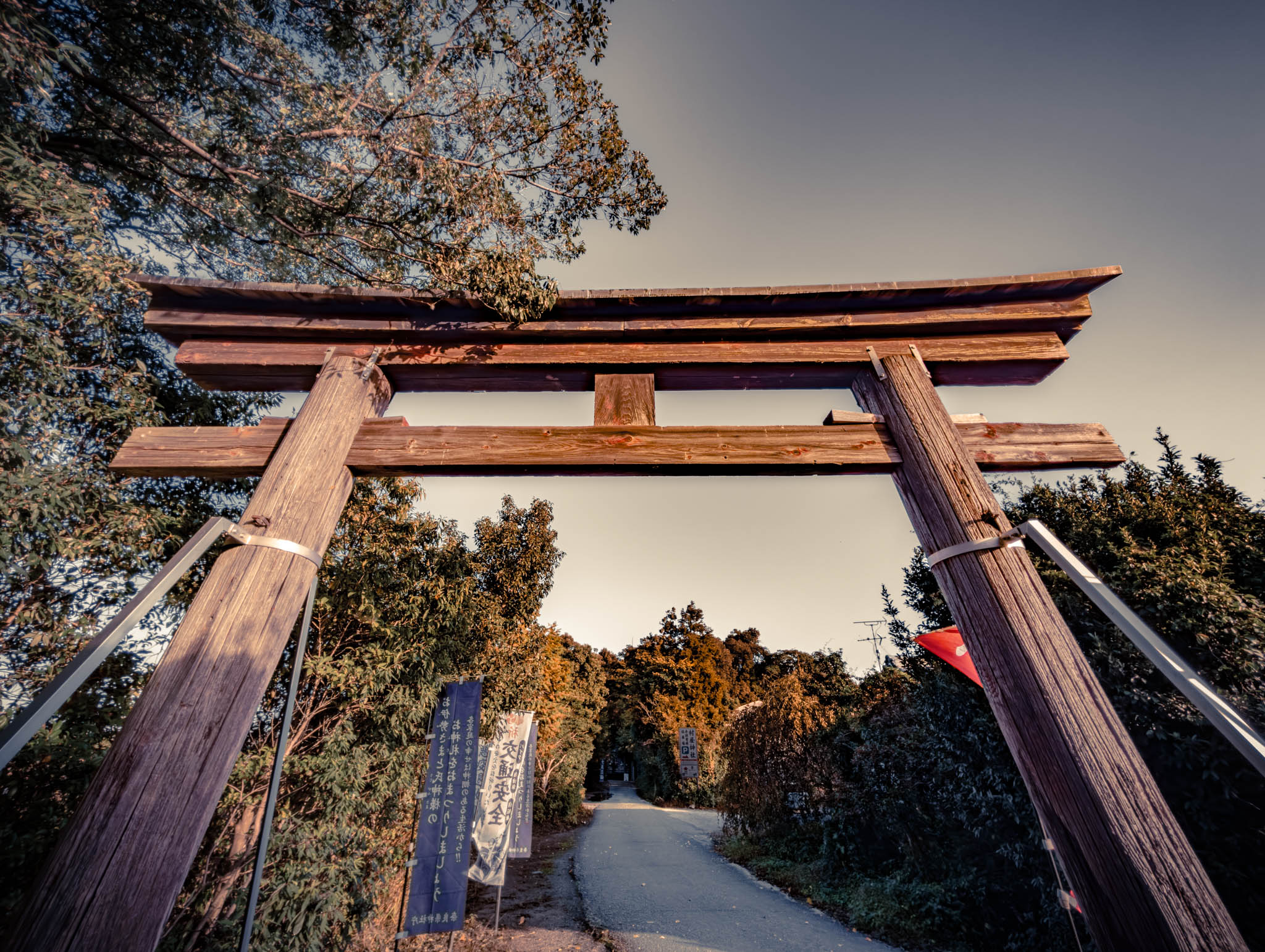
Small clumps of trees occasionally erupt and interrupt the monotonous agricultural geometry. If Google Maps is to be believed, these inevitably indicate the kofun barrow of an ancient aristocrat or else the precincts of a Shinto shrine. One of these remnant-forested shrines — in fact, one of the largest in the immediate area — is situated within a few yards of the former soy-sauce factory.
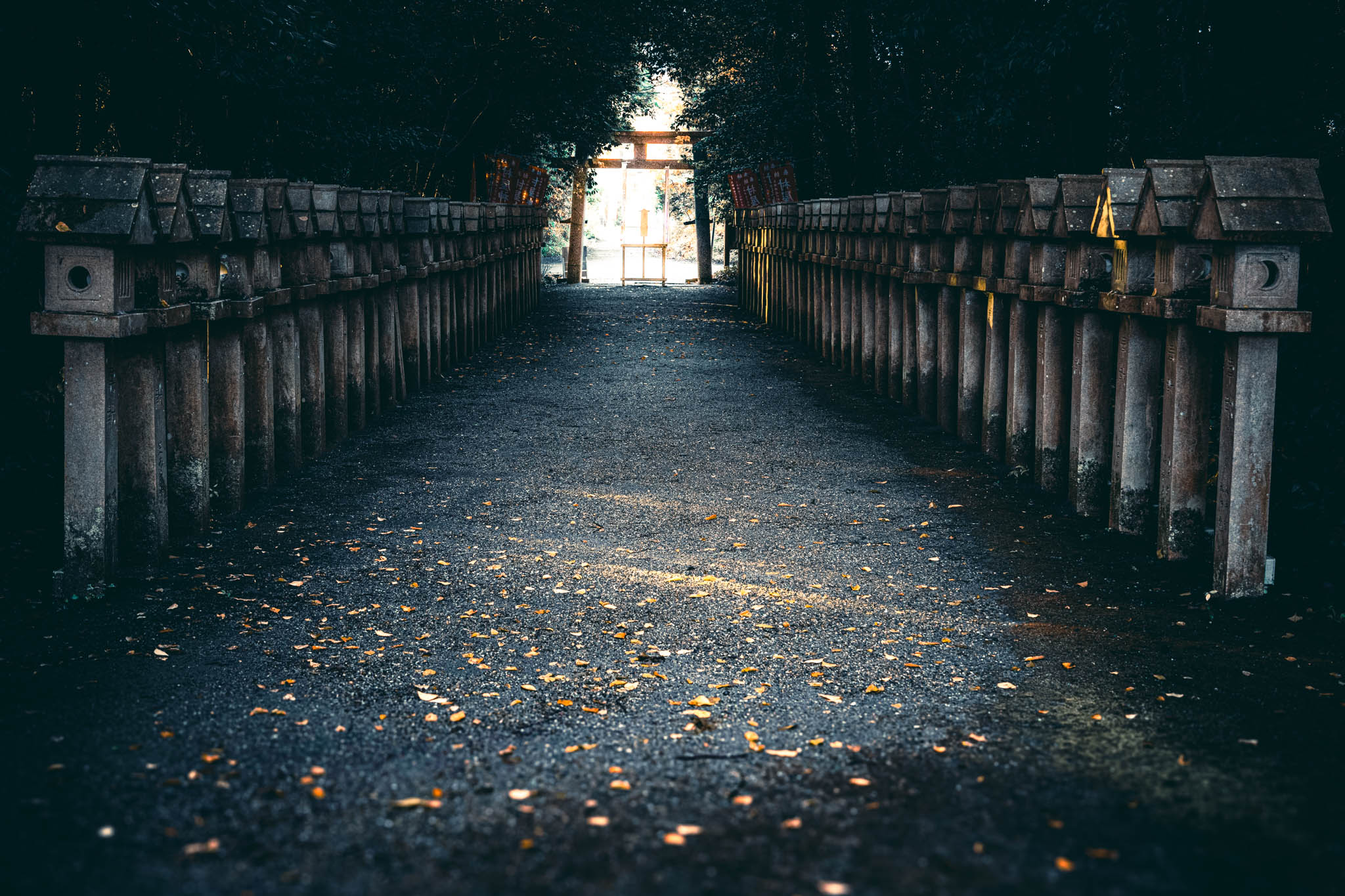
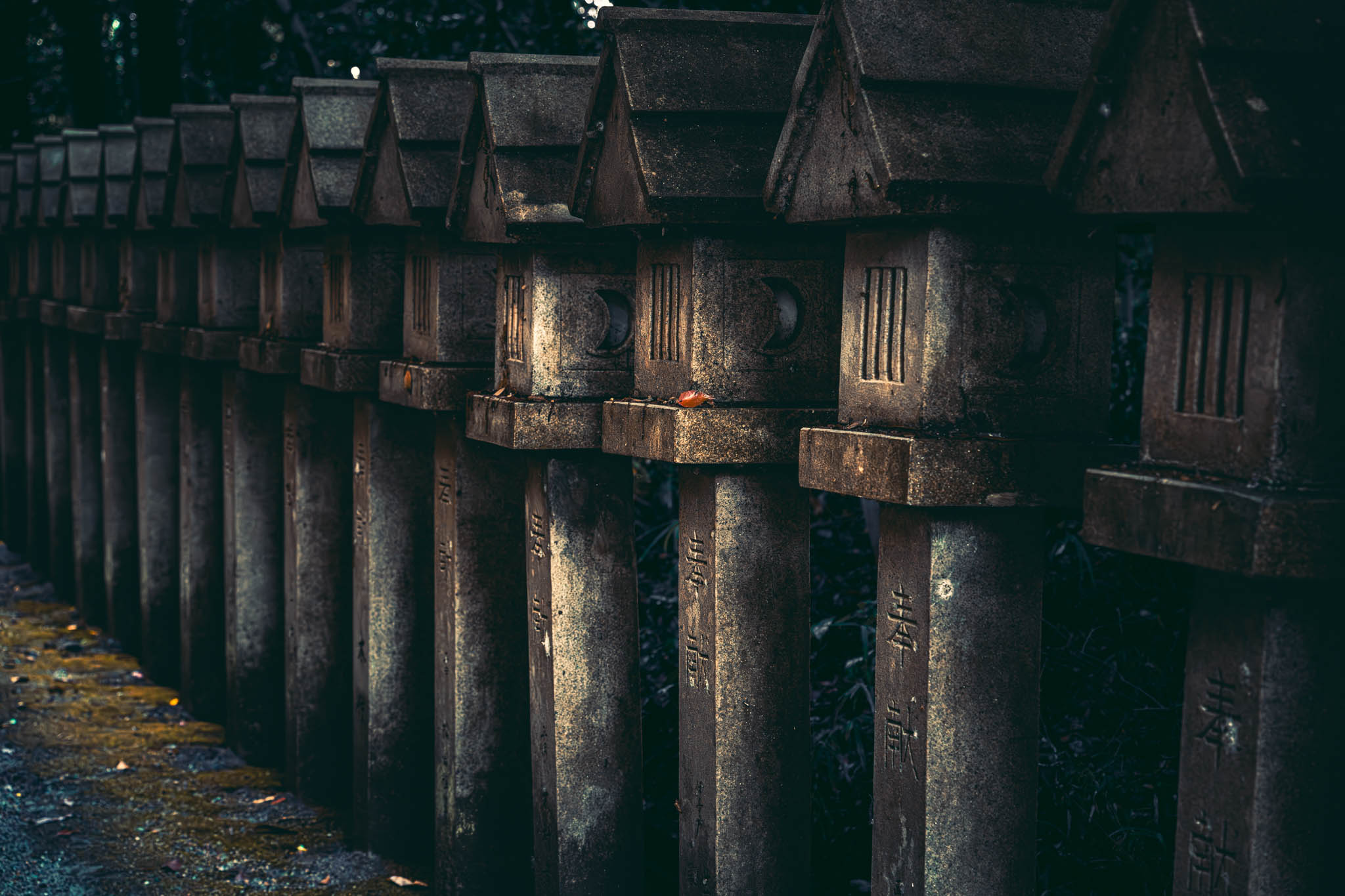
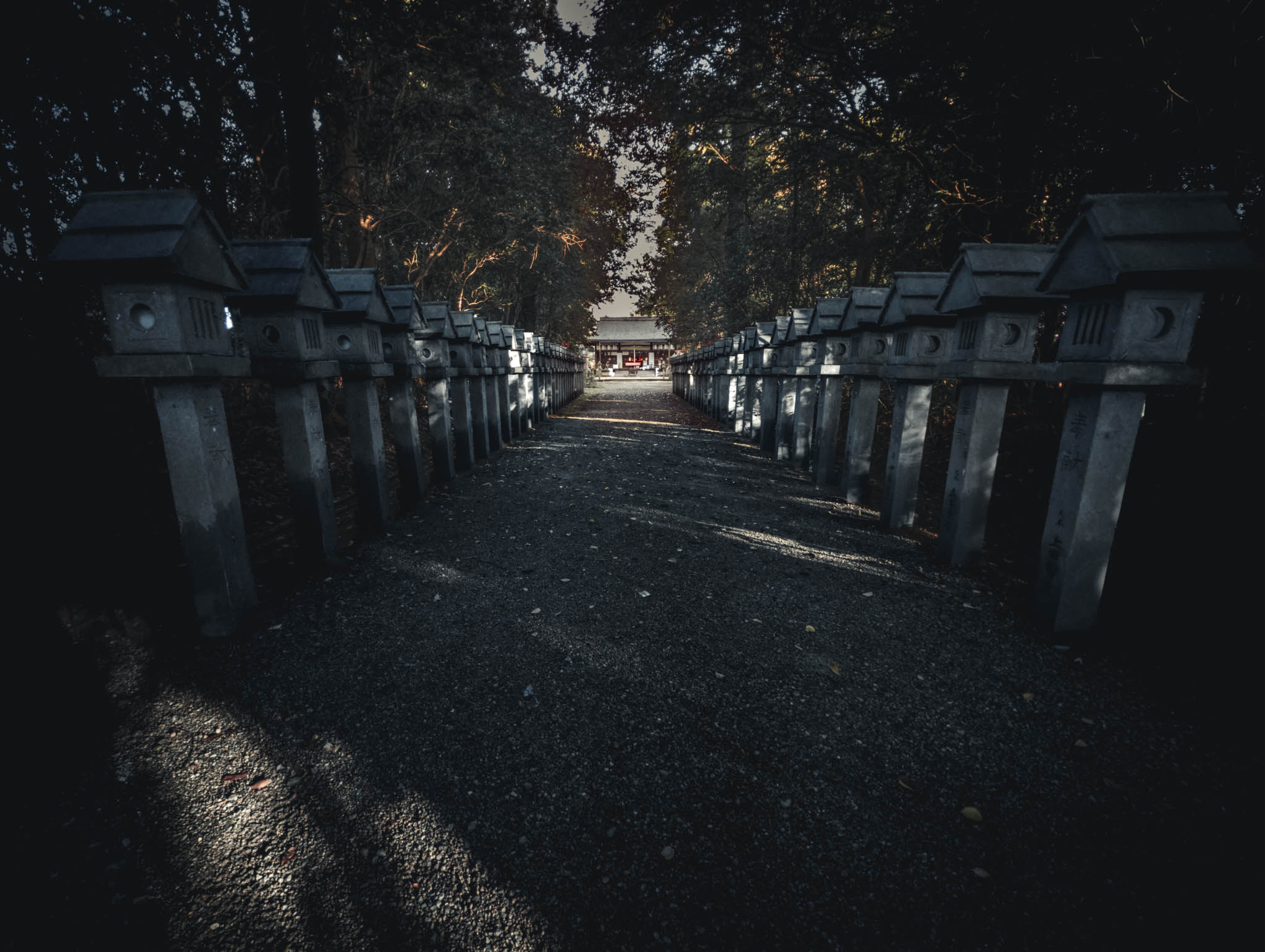
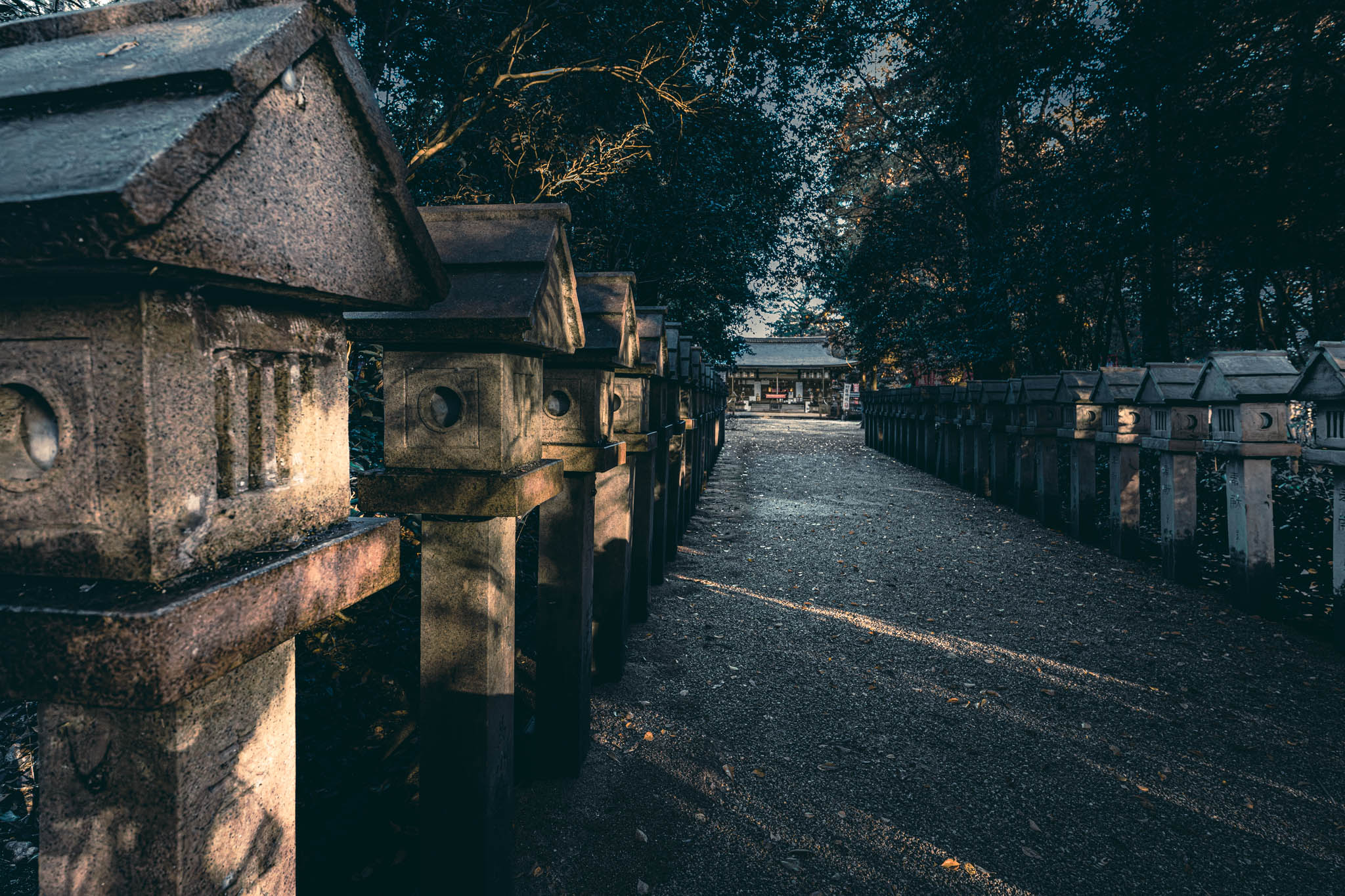
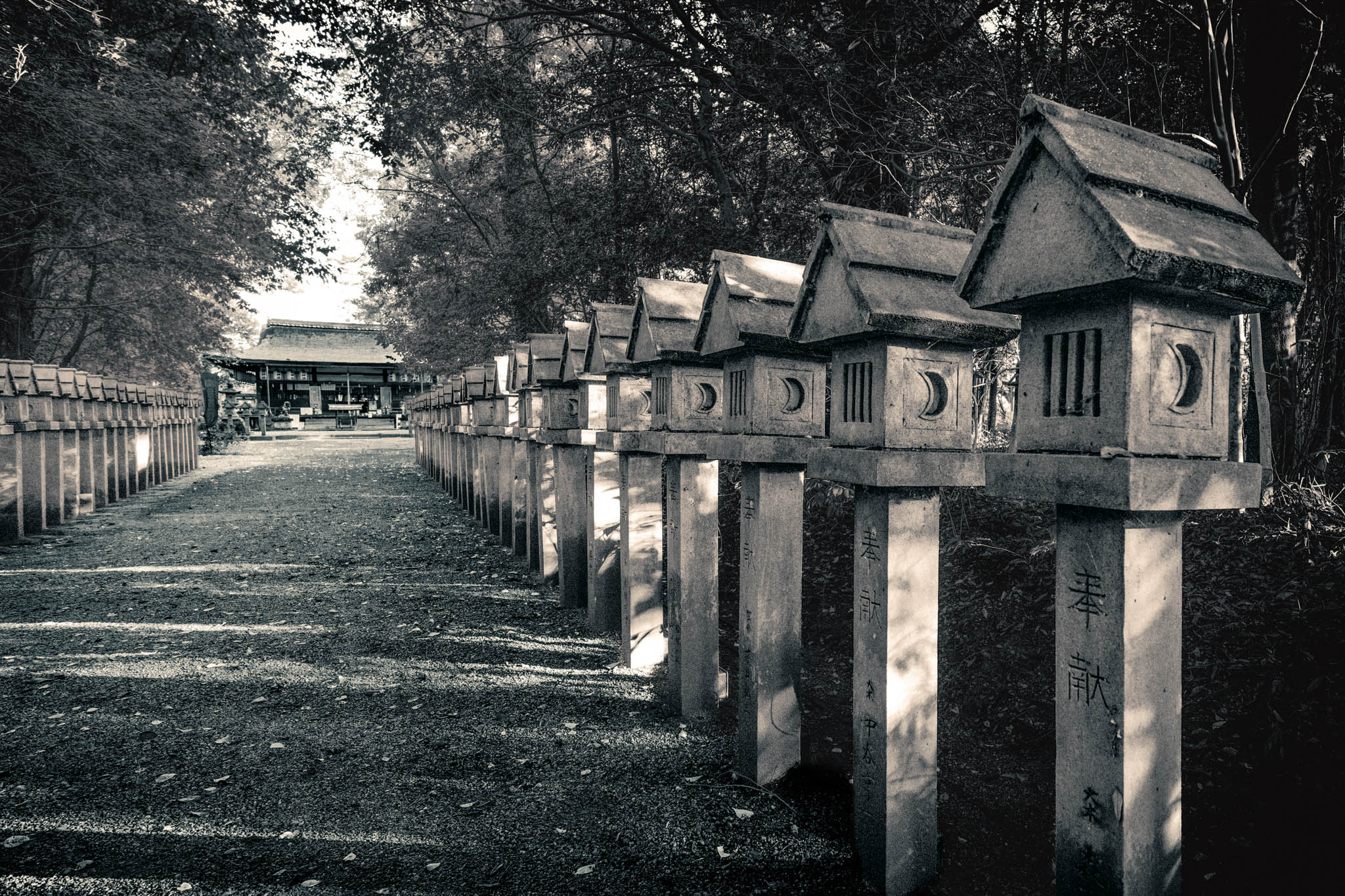
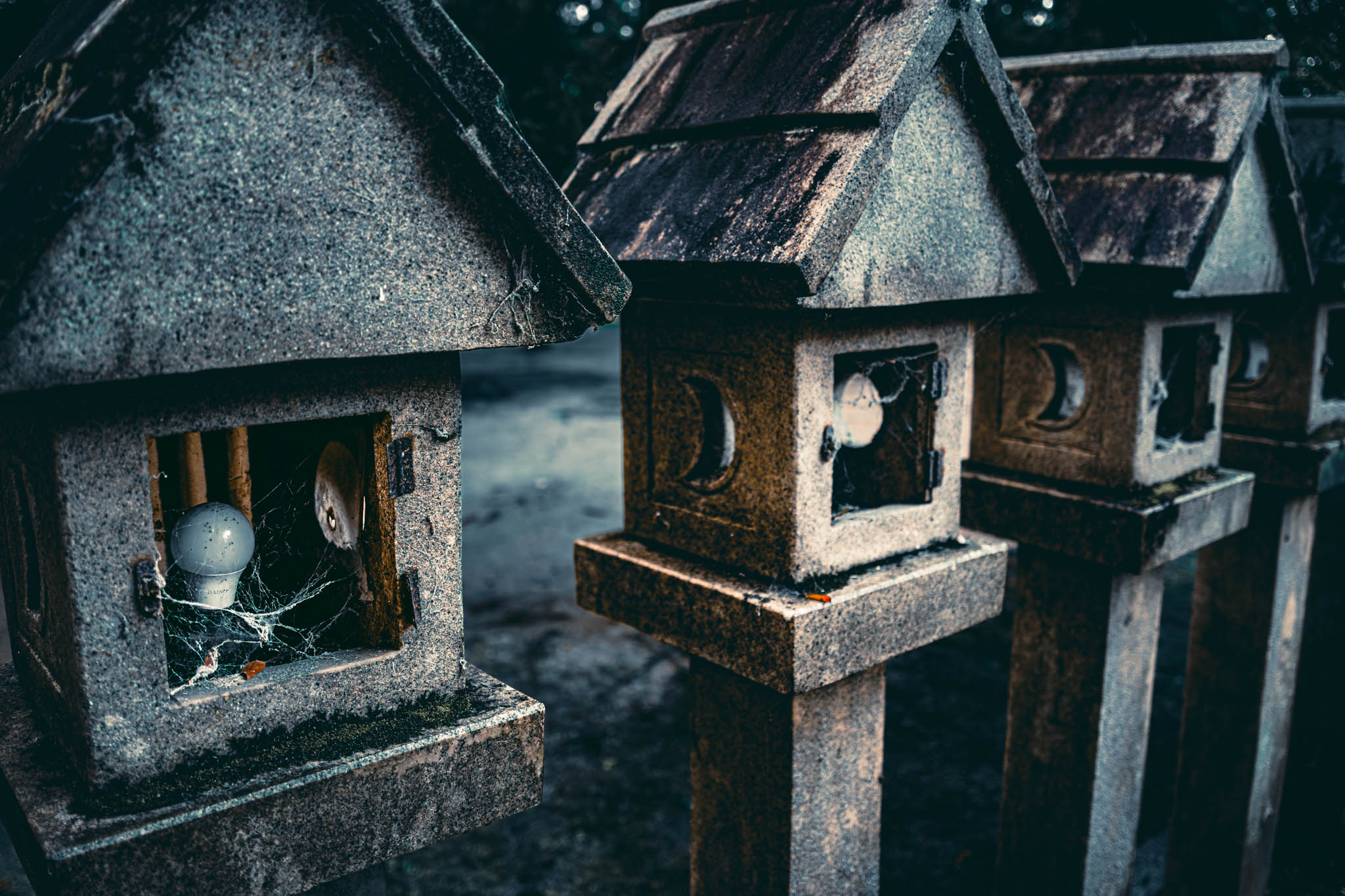
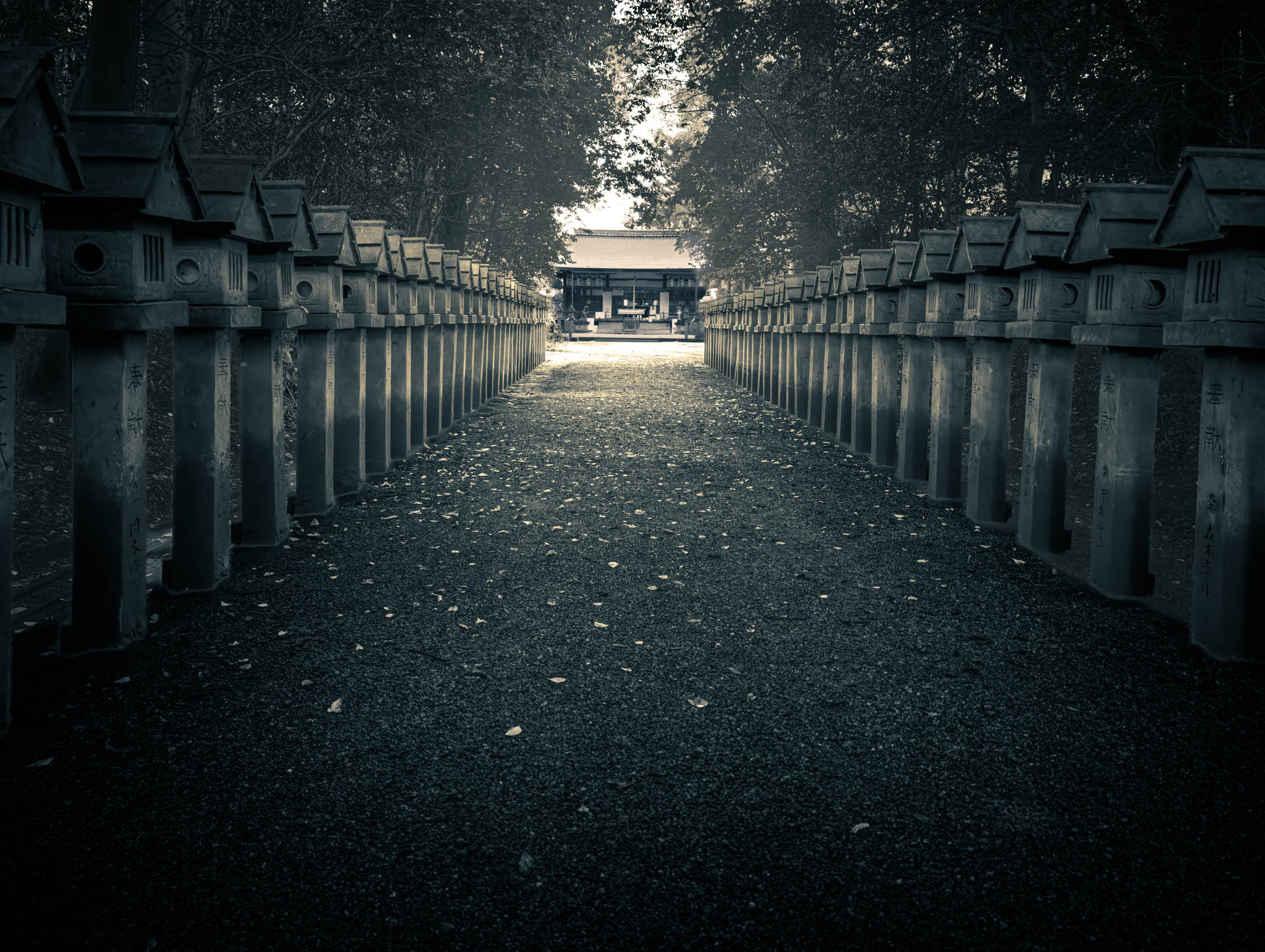
The people I am traveling with are probably thoroughly tired of my habit of ruining casual tourism through tedious, fastidious photographic documentation, so I resolved to let them sleep. Thus before breakfast — and braving the current Japanese “wild bear crisis” — early this morning at dawn I stole away to visit by myself.
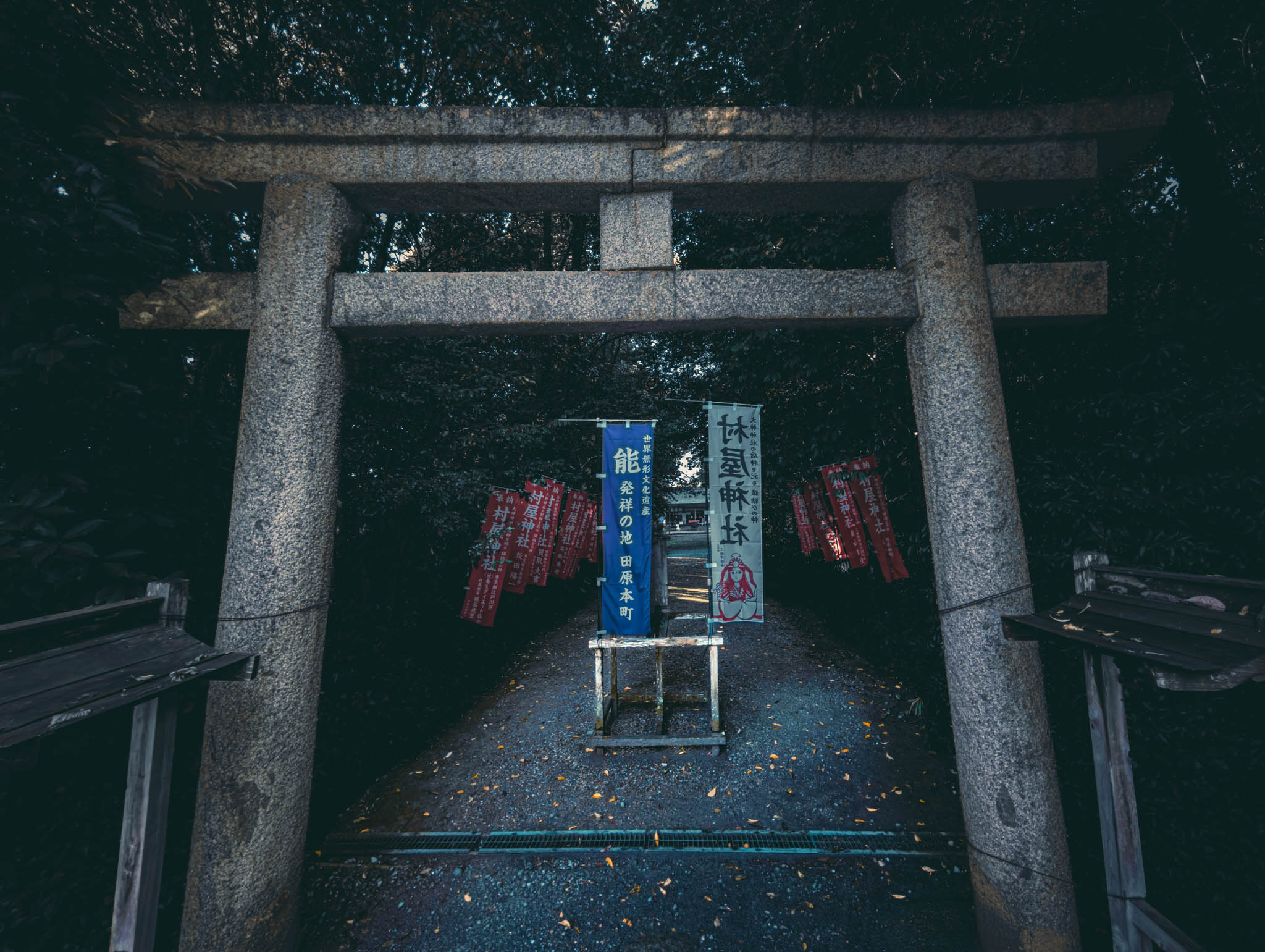
Oddly enough, even on the English version of Google Maps the shrine complex is labelled with kanji: 村屋坐彌冨都比賣神社. No hiragana anywhere, and only the last two characters (じんしゃ “jinja”, shrine) immediately recognizable to the poor student of the language such as myself. On the Web, that could be apparently translated in several different ways, for instance “Muraya-no-Isami-Yatomi-tsuhime Shrine” or “Murayazaya Tomihime Shrine” or ”Muraya-no-Izumi-Futsuhime-jinja” or “Muraya-ni-masu-Mifutohime-jinja”. The Japanese comments on the Google Map location suggest that many locals refer to the place simply as “Muraya Shrine” or even “Muraya-san”, among other familiarities.
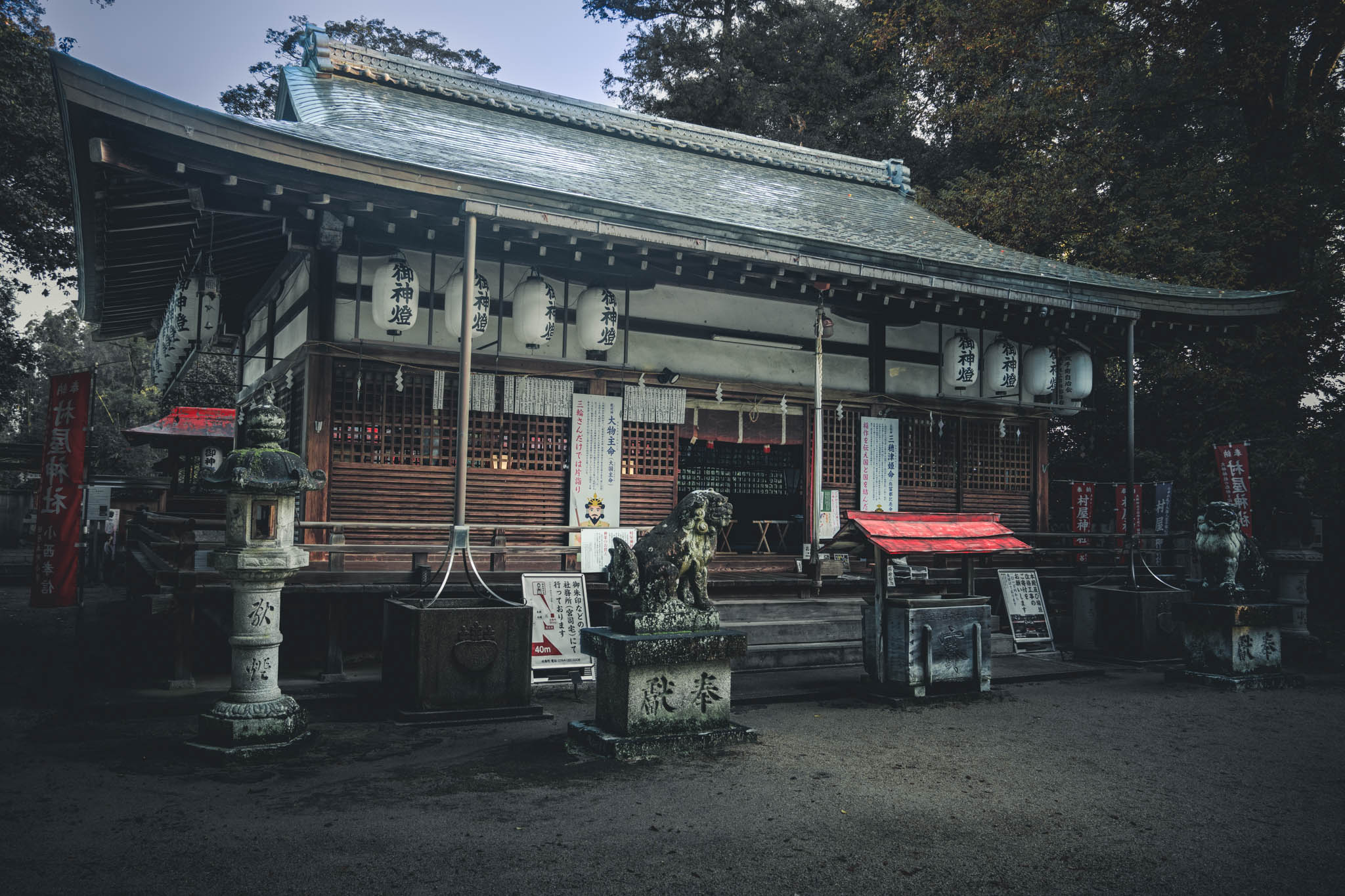
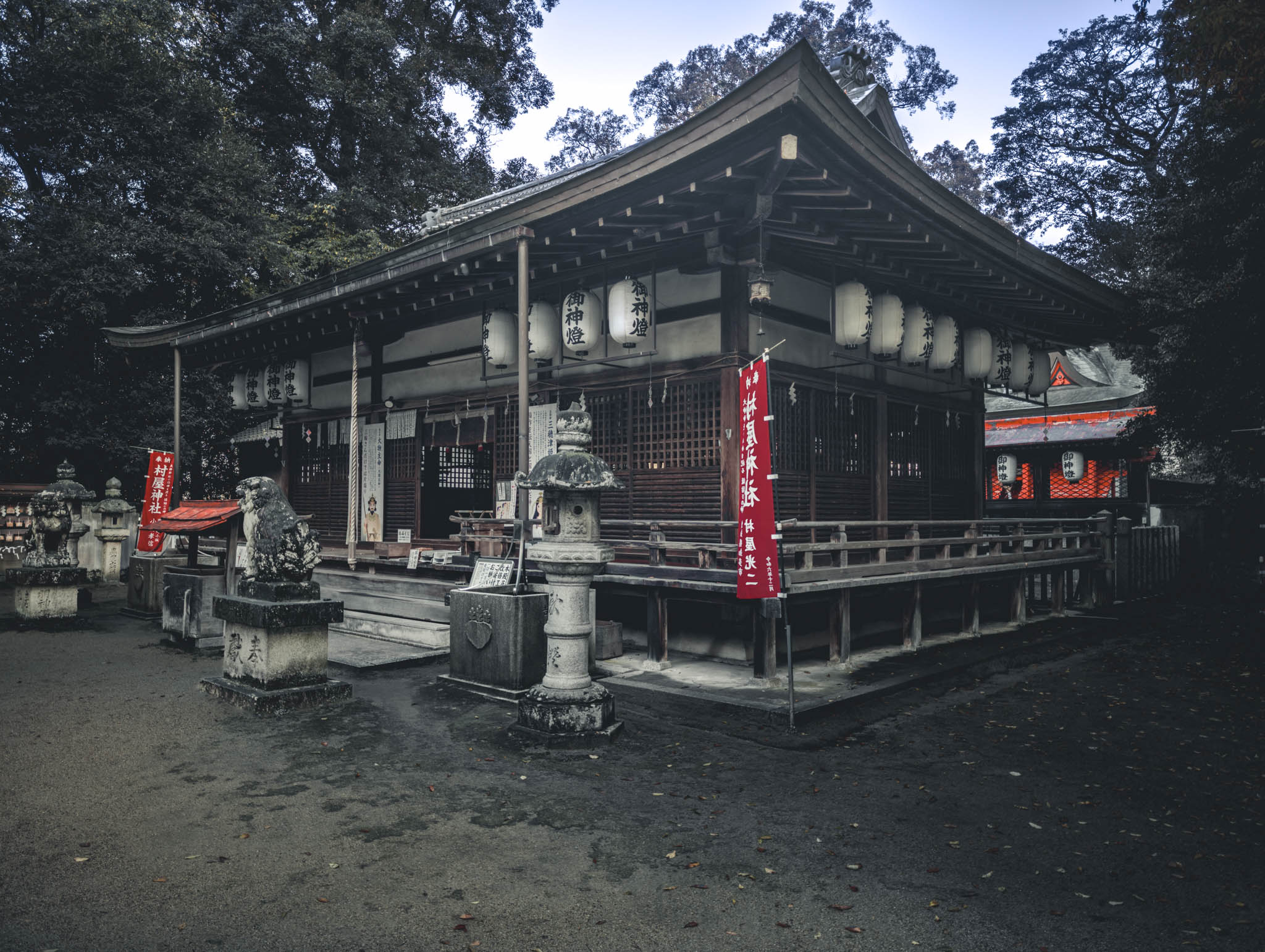
This is all the more confusing, because one of the precinct’s subsidiary shrines (to a pair of war gods) is clearly identified as “Muraya Shrine”. The deity of the principal shrine in any case is Princess Mihotsu or Mihotsuhime, the daughter of the primordial kami Takamimusubi no Mikoto. Although poorly documented in the usual ancient sources (according to the Japanese version of Wikipedia, which I carefully consult later in the day) she is a “heavenly deity”, who was forcibly married to the prominent “earthly deity” and divine lothario Ōkuninushi (a.k.a. Omononushi-no-Mikoto, also enshrined here) to insure the latter’s good behaviour after the kami of heaven forcibly annexed the earthly plane that Ōkuninushi had previously ruled.
Naturally Princess Mihotsu is now considered a goddess of matrimony and that default category of divine sponsorship, grain.
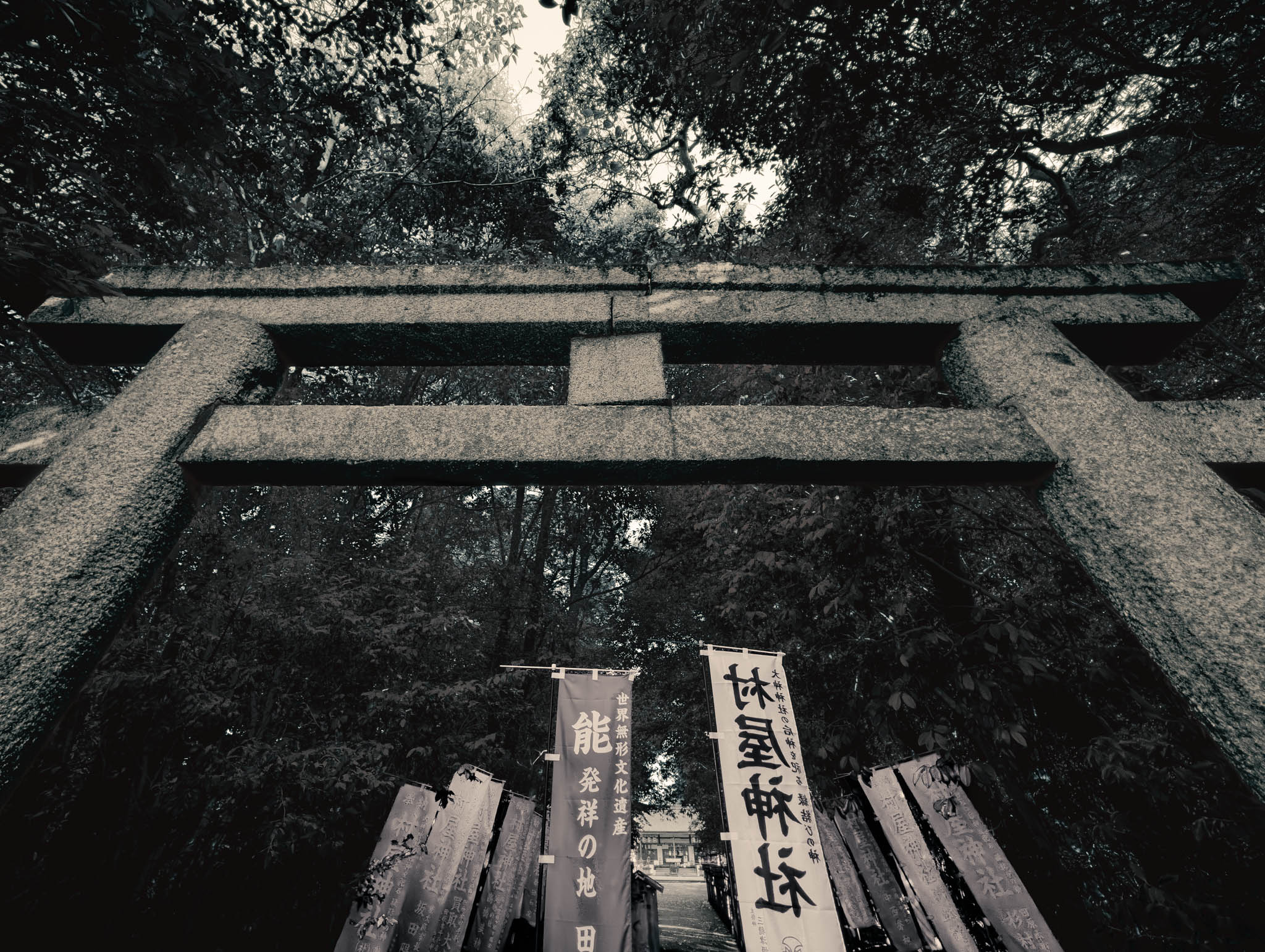
I am sure this would make much more sense if I had had the time to read and translate to my own satisfaction the many beautifully-illustrated manga-style posters and calligraphic Japanese-language explanations that helpfully label the various parts of the shrine precinct. (I later learn that these are the work of the current priest, a graphic artist and a descendant of the martyred sixth-century patriot of Shintoism, Mononobe no Moriya. And I briefly wish that I collected goshuin shrine stamps so that I would have an excuse to buy one as an example of his work.)
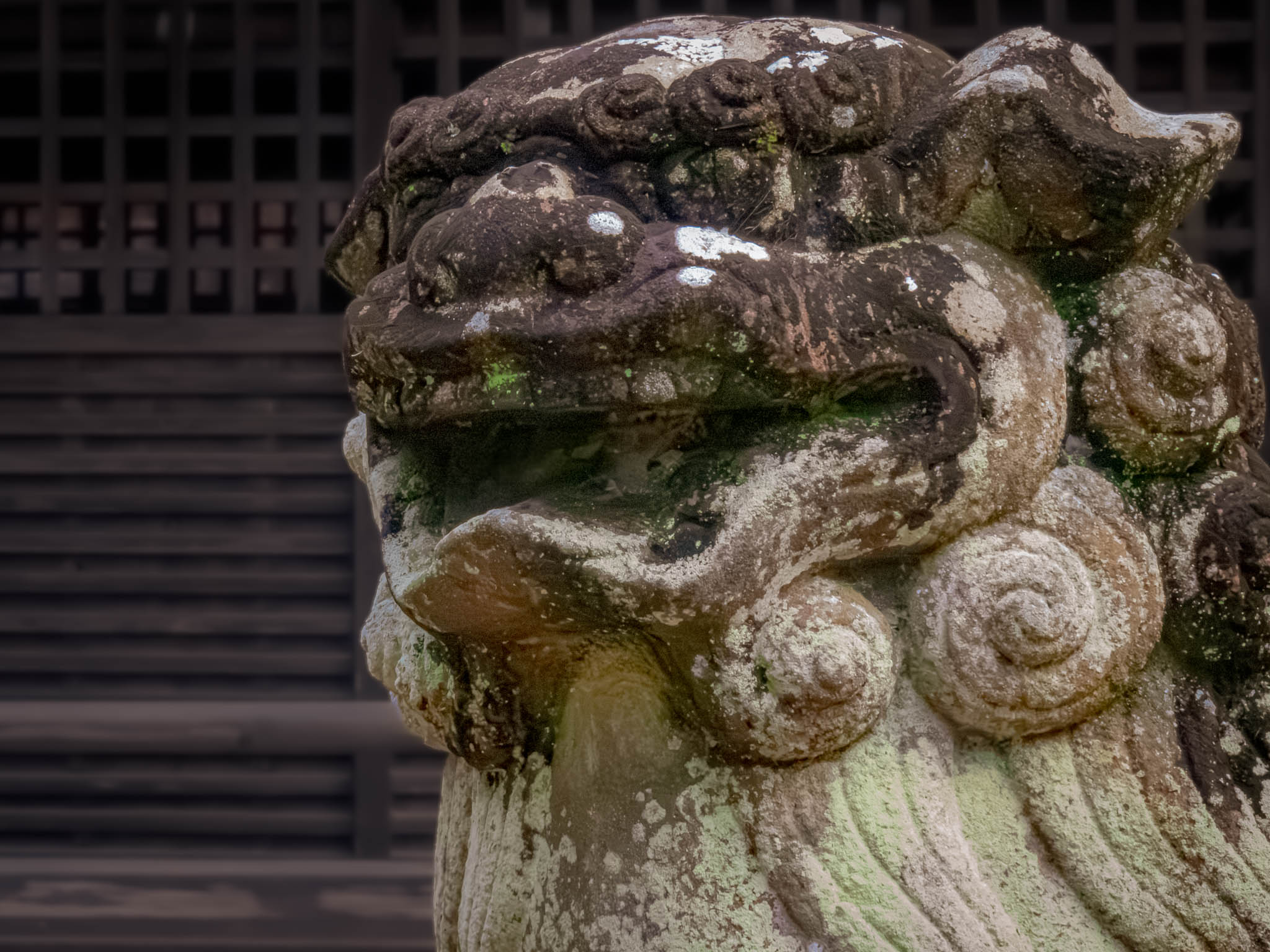
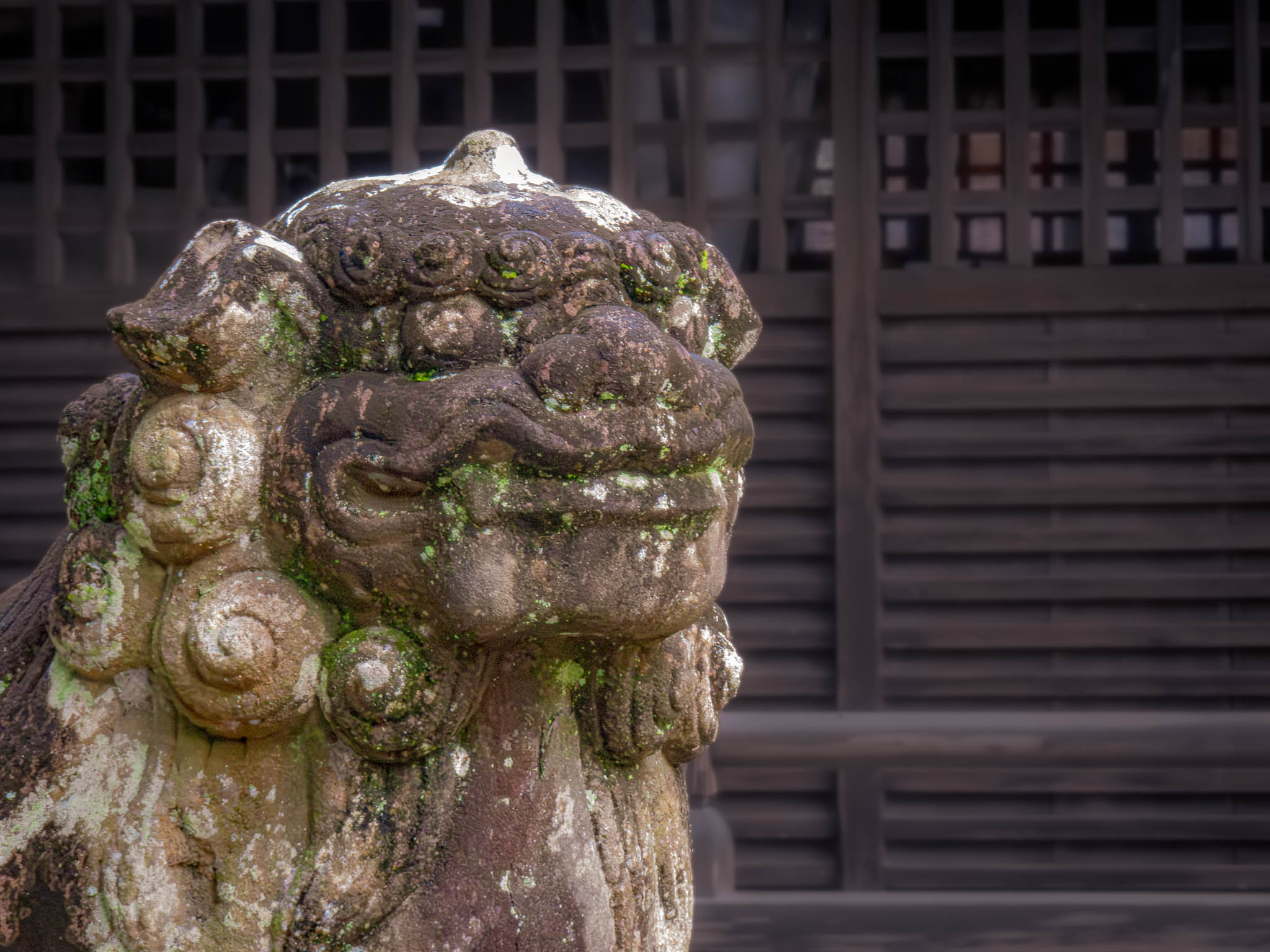
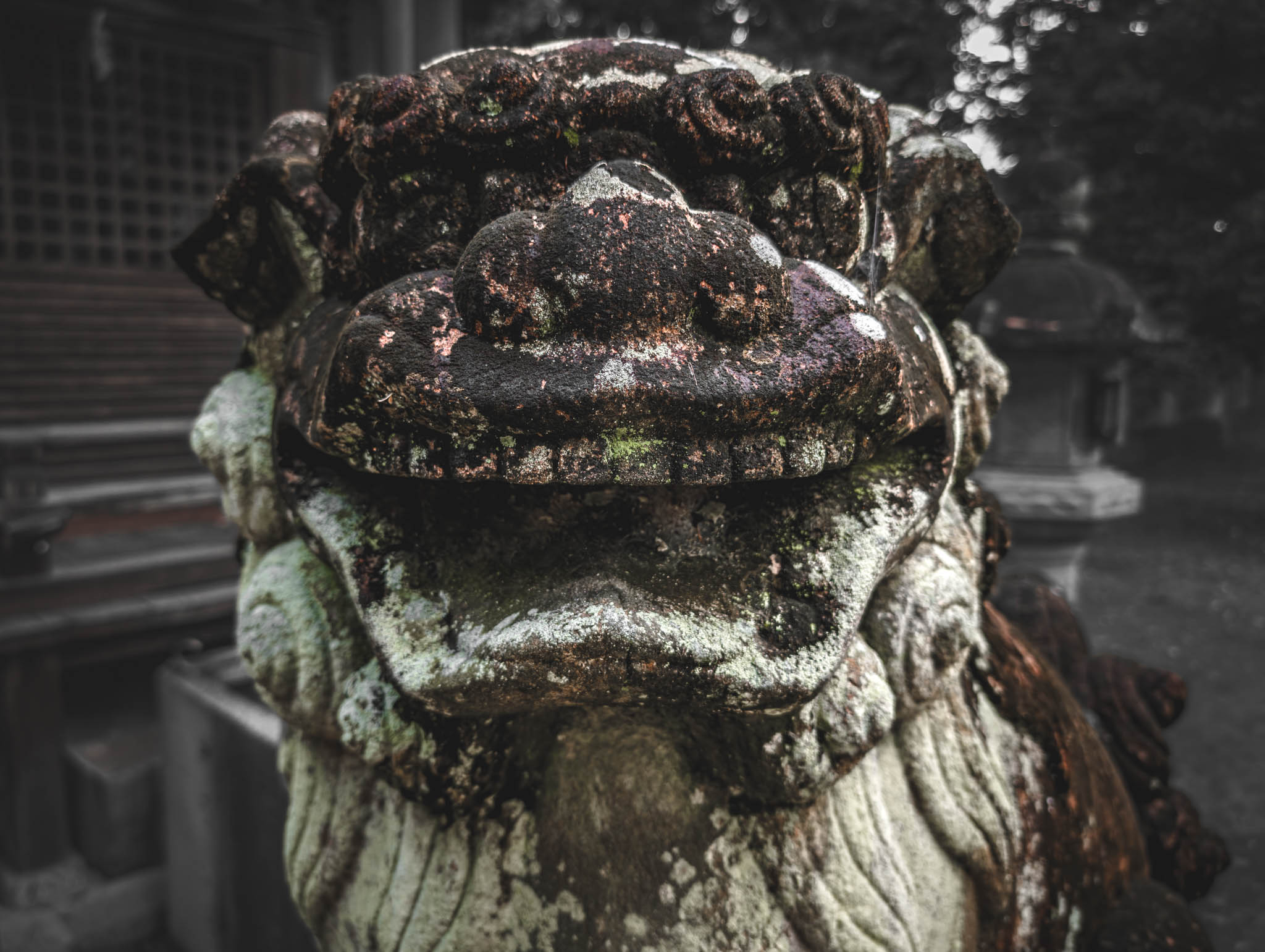
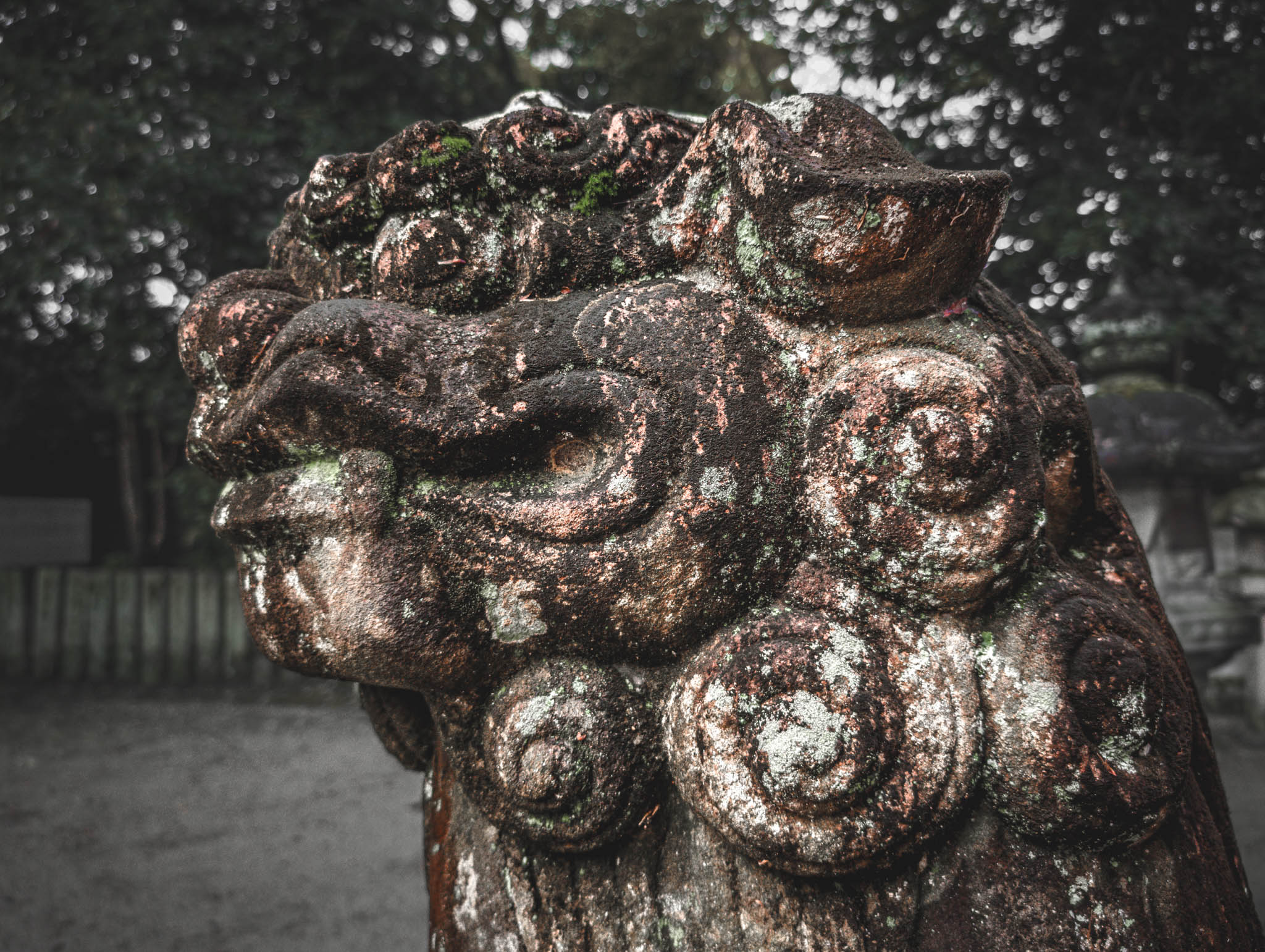
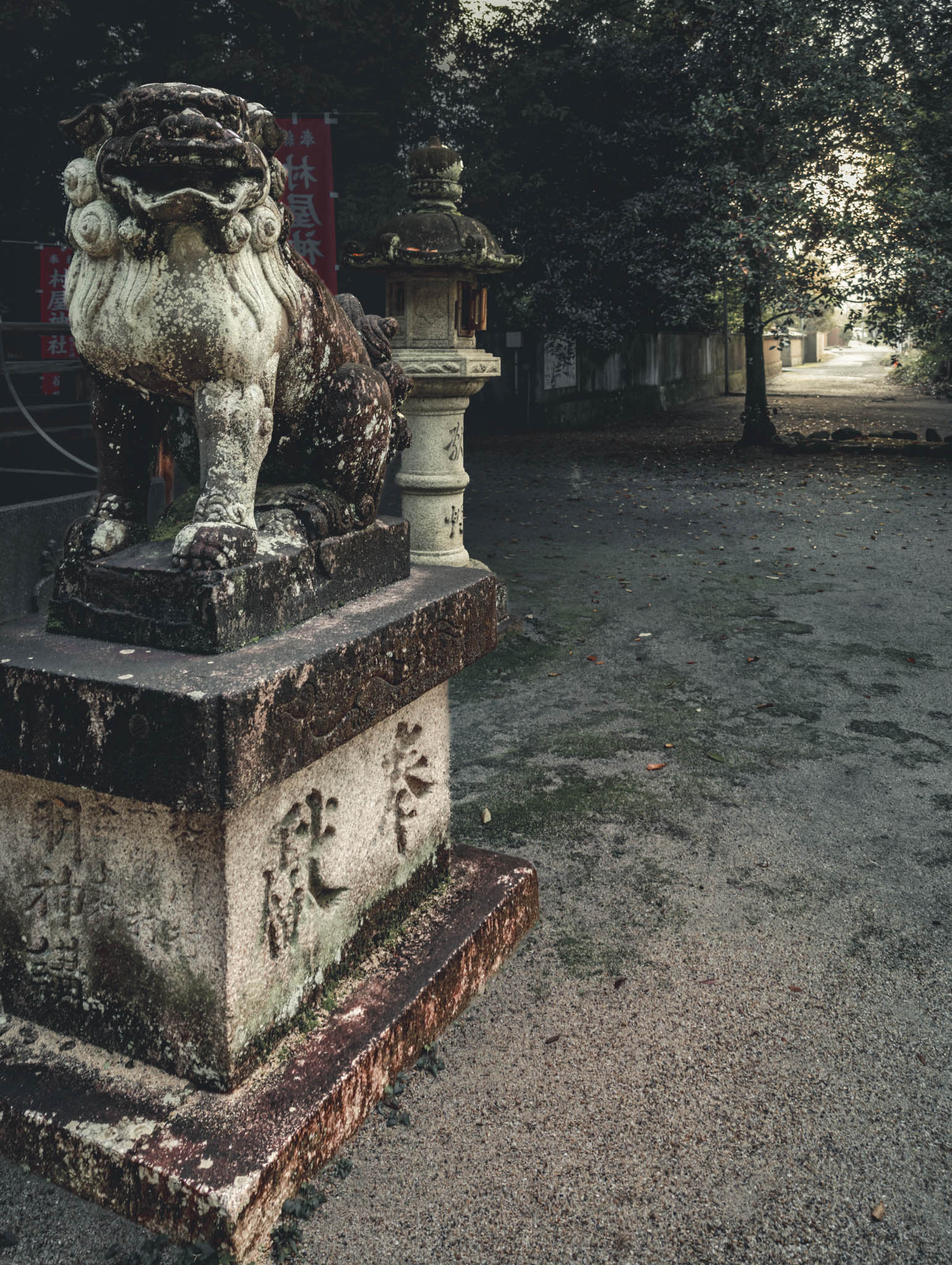
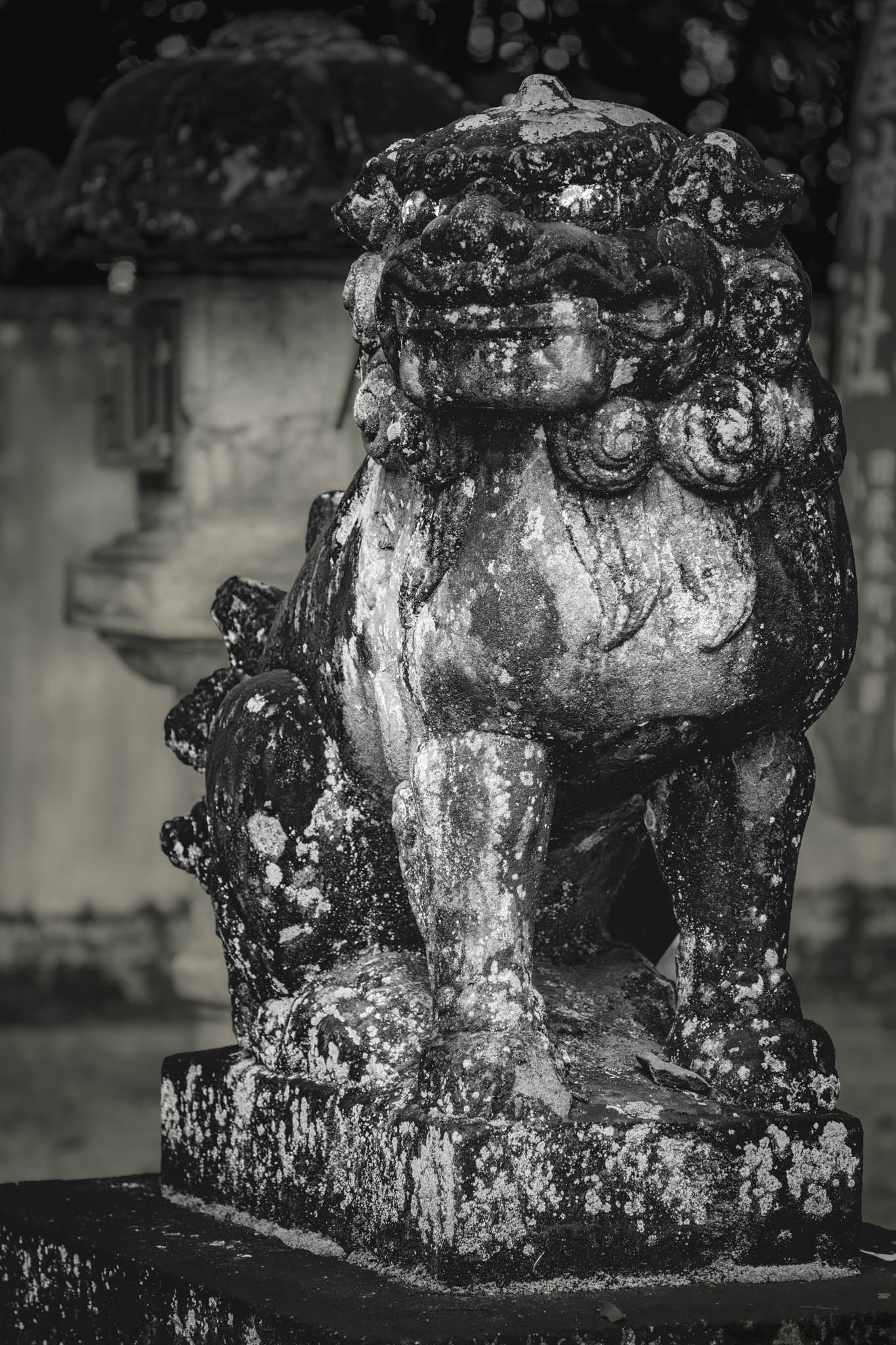
But I seem to have the precinct to myself at this time in the morning, and I’m nervous and feeling like a trespasser. Even though we are talking about the kami-equivalent of distantly historical Titans and Olympians, not the dryads and elemental-level of kami that one finds in other Shinto shrines, alone in the dawn I am troubled by a strange sense of the uncanny, that I have previously felt in more crowded locations near the shrines of lesser Shinto divinities. I feel that I am in danger of intruding on or interrupting a potentially-irritable Being busy with inscrutable tasks that I would not want to interrupt.
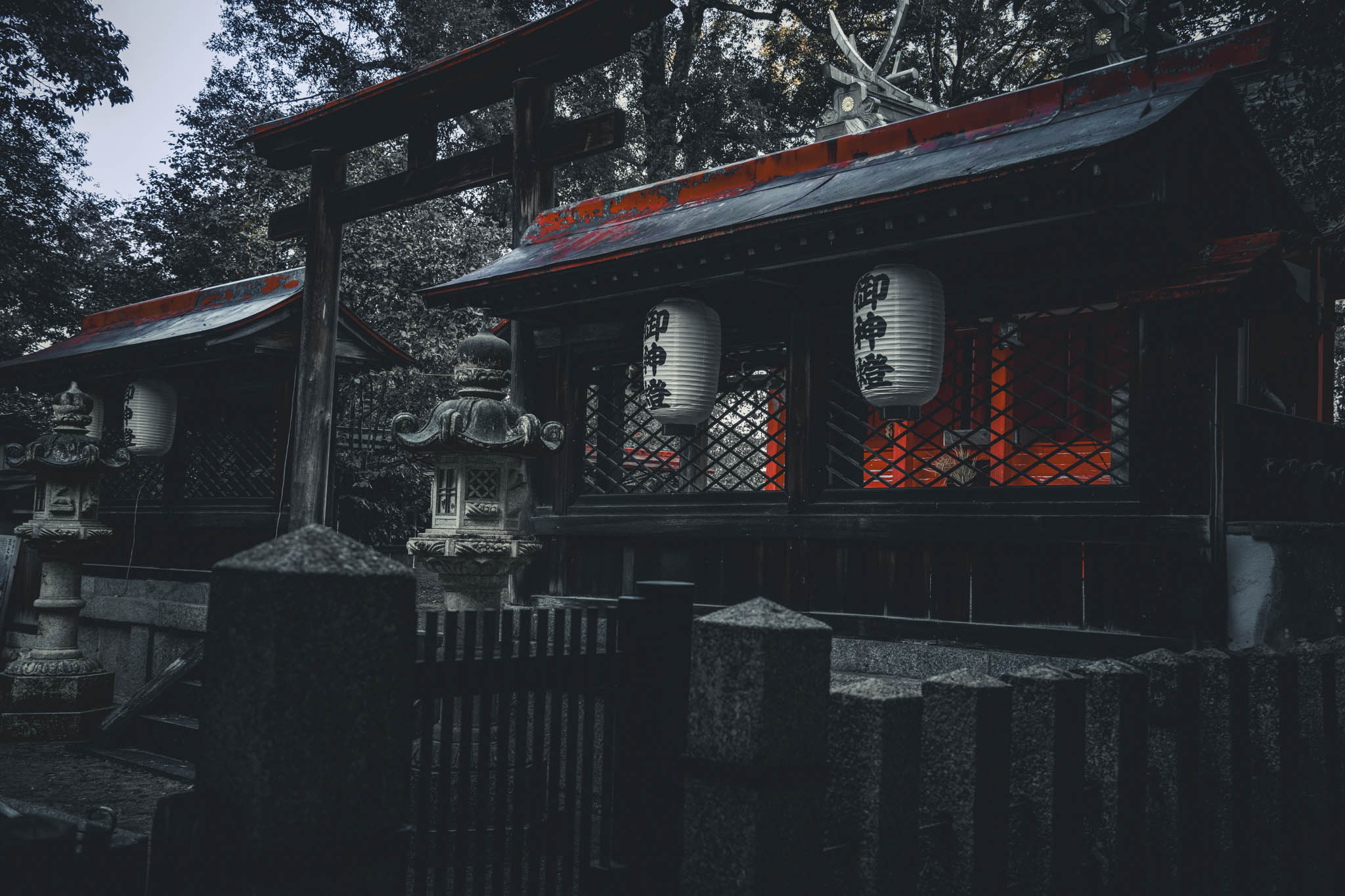
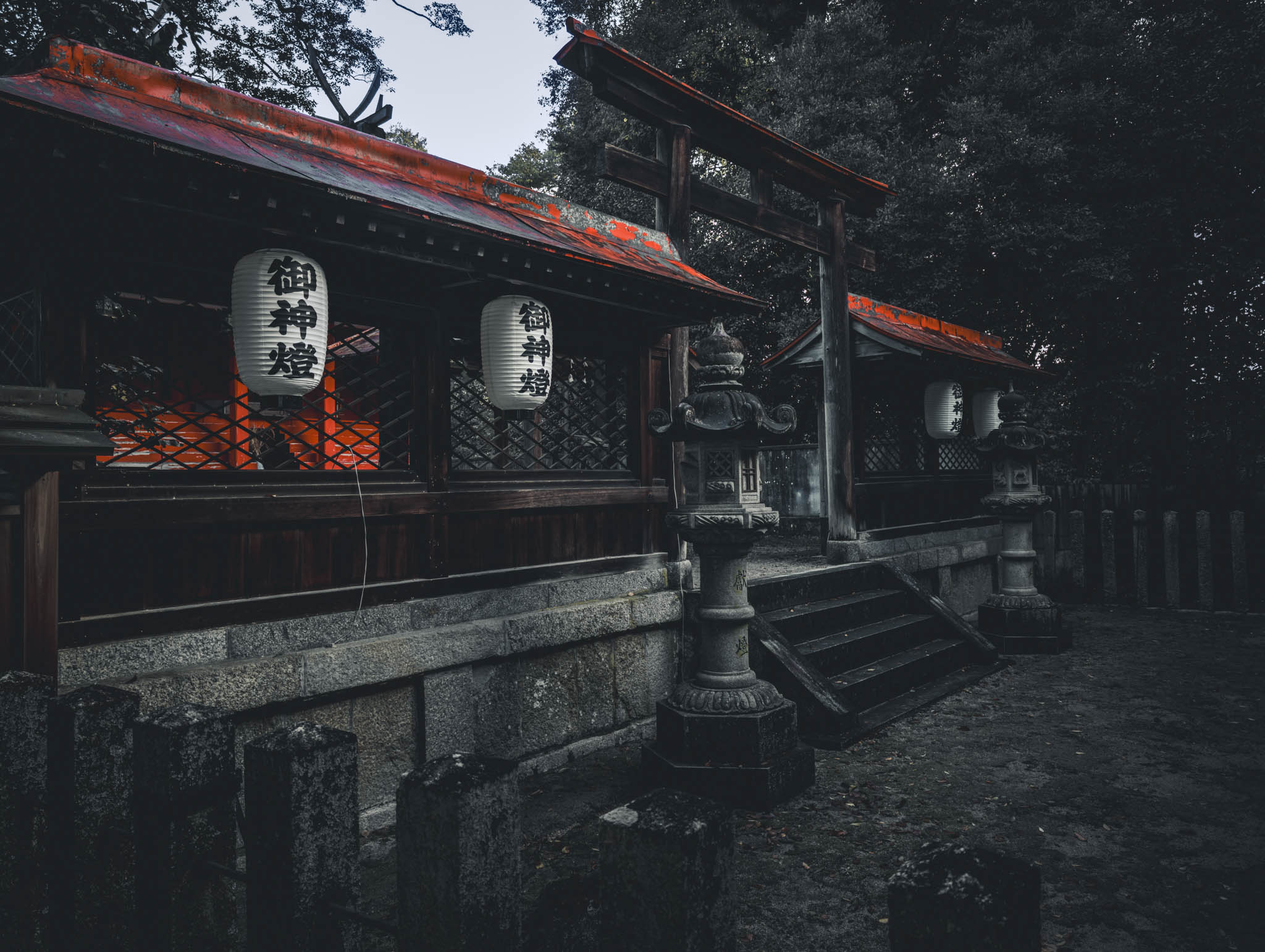
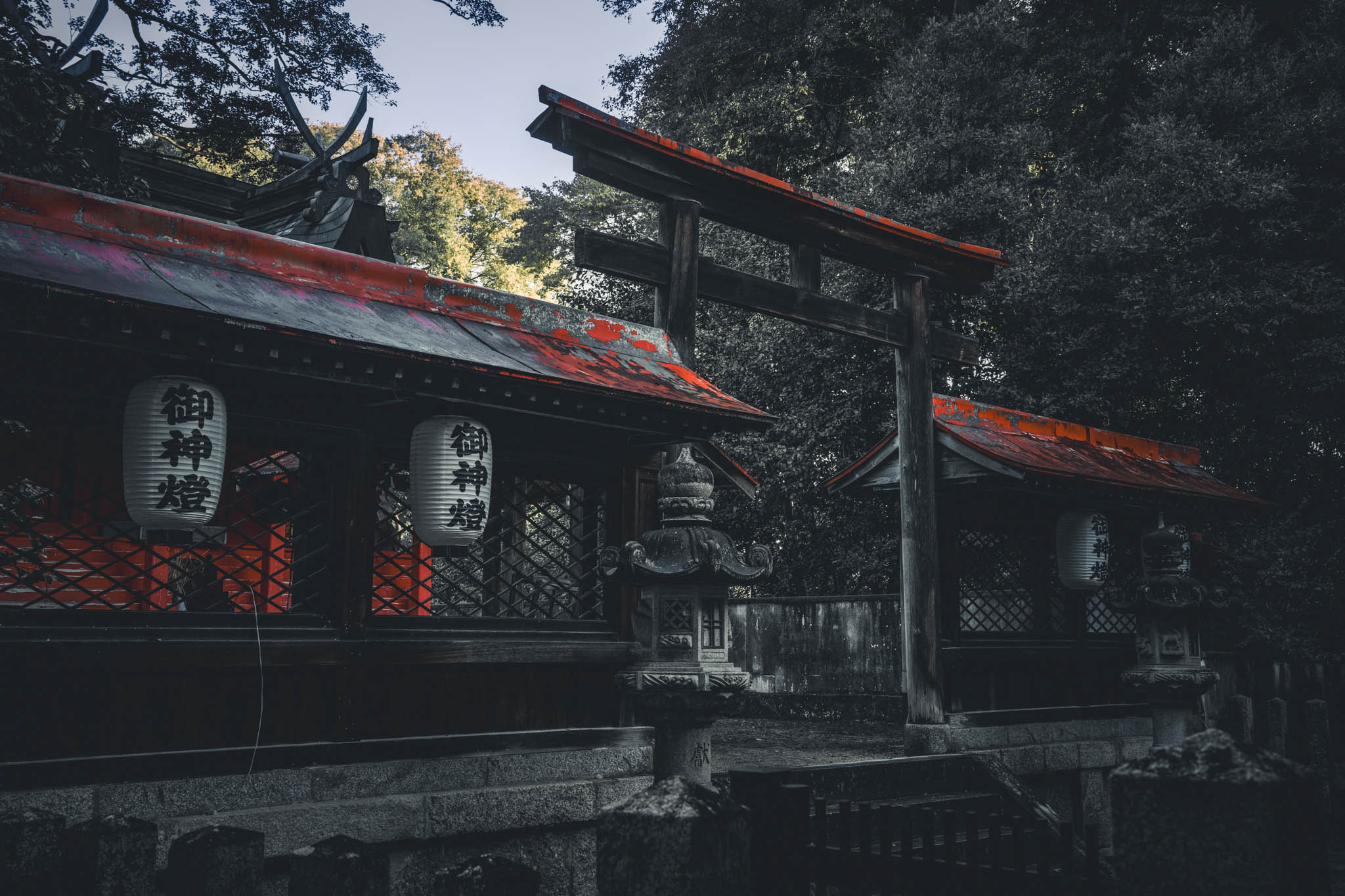
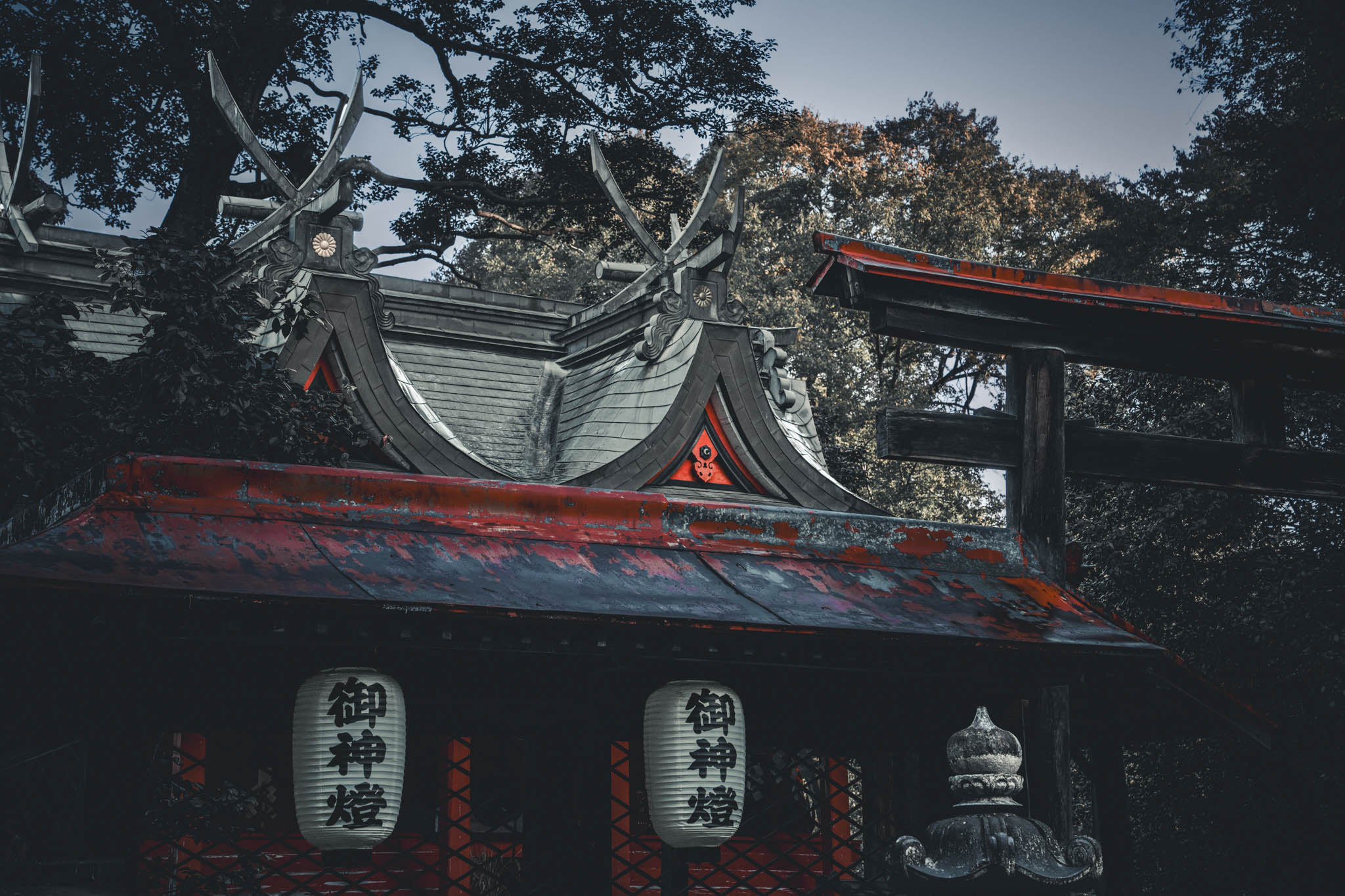
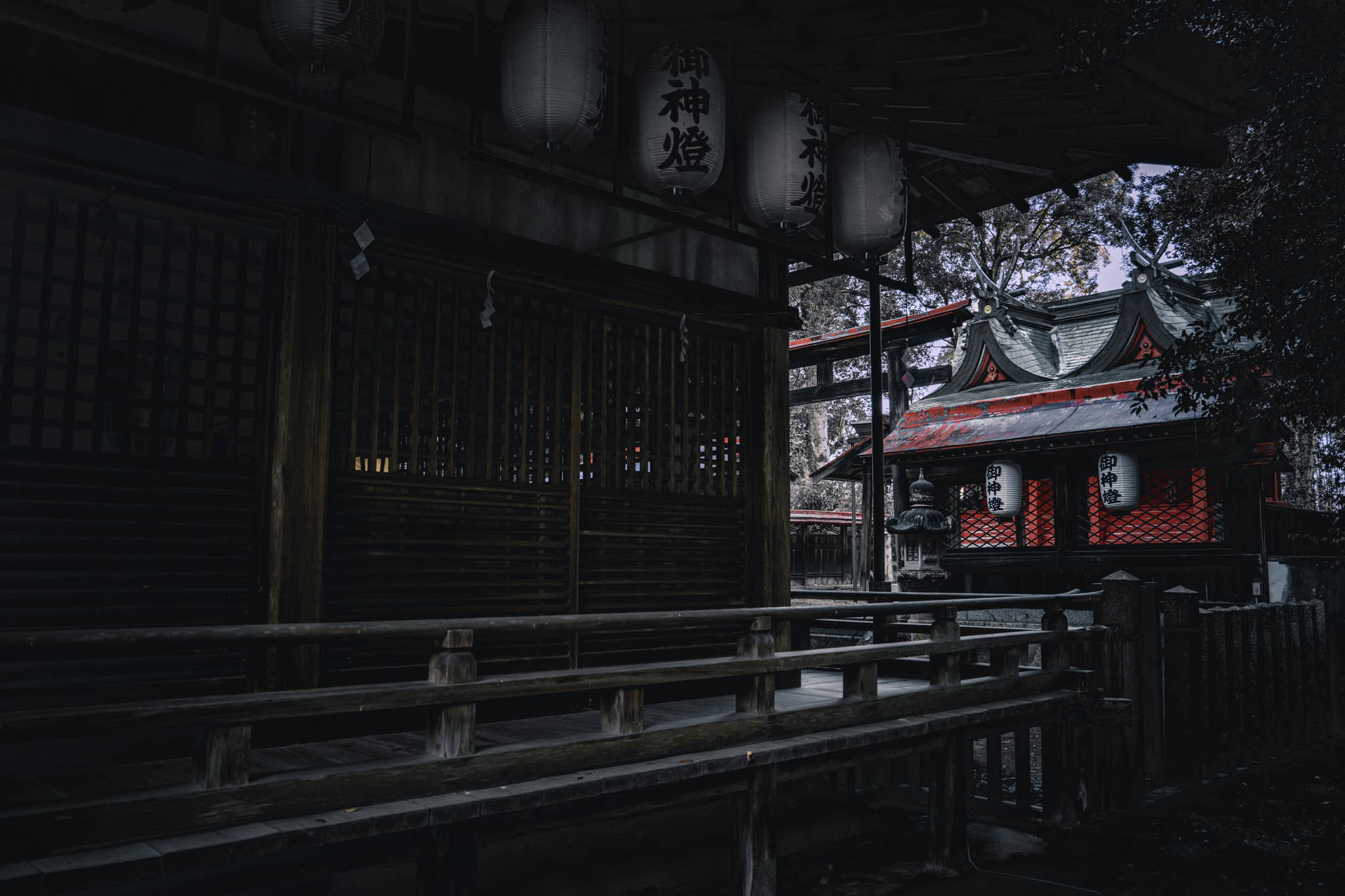
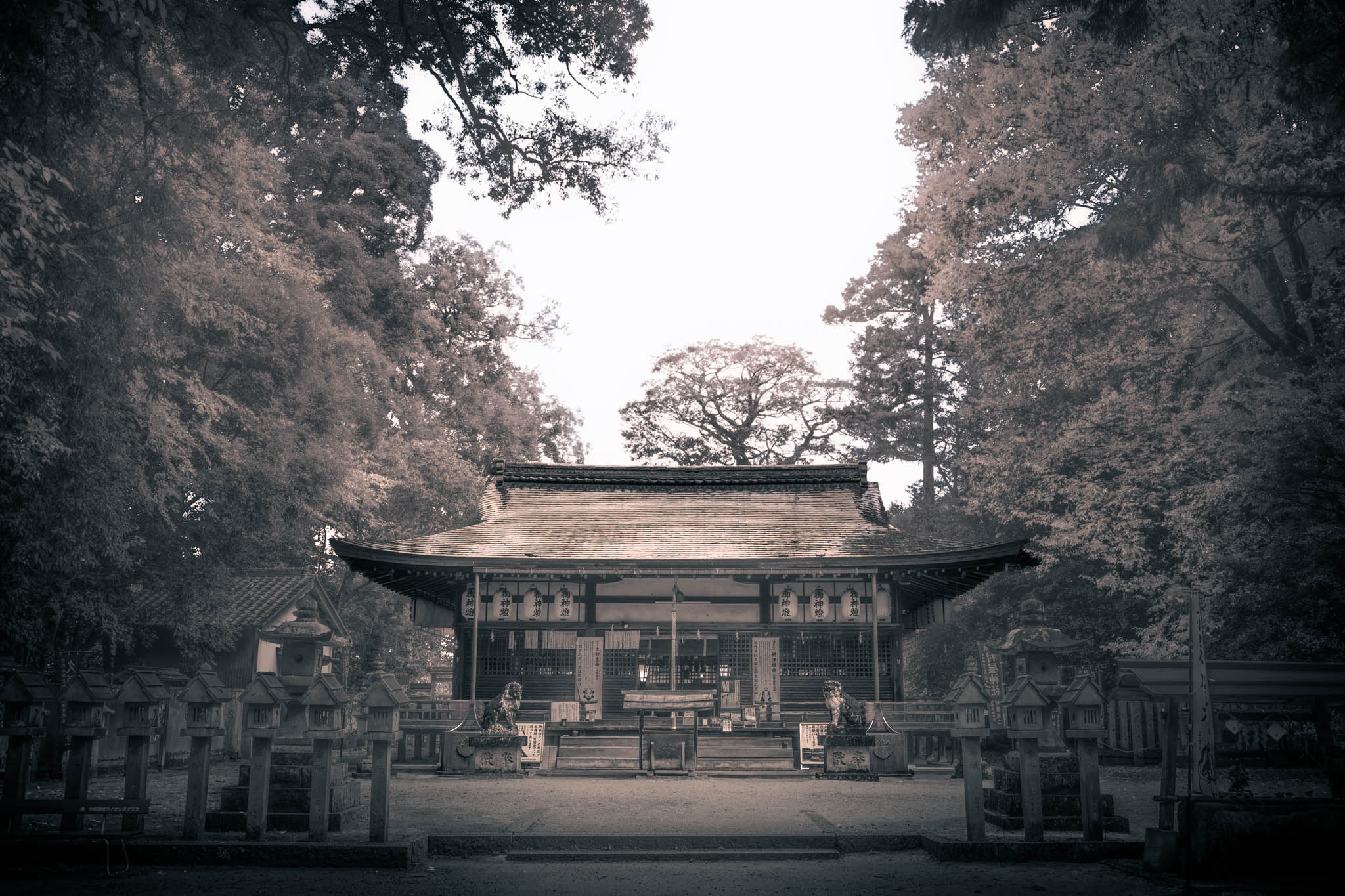
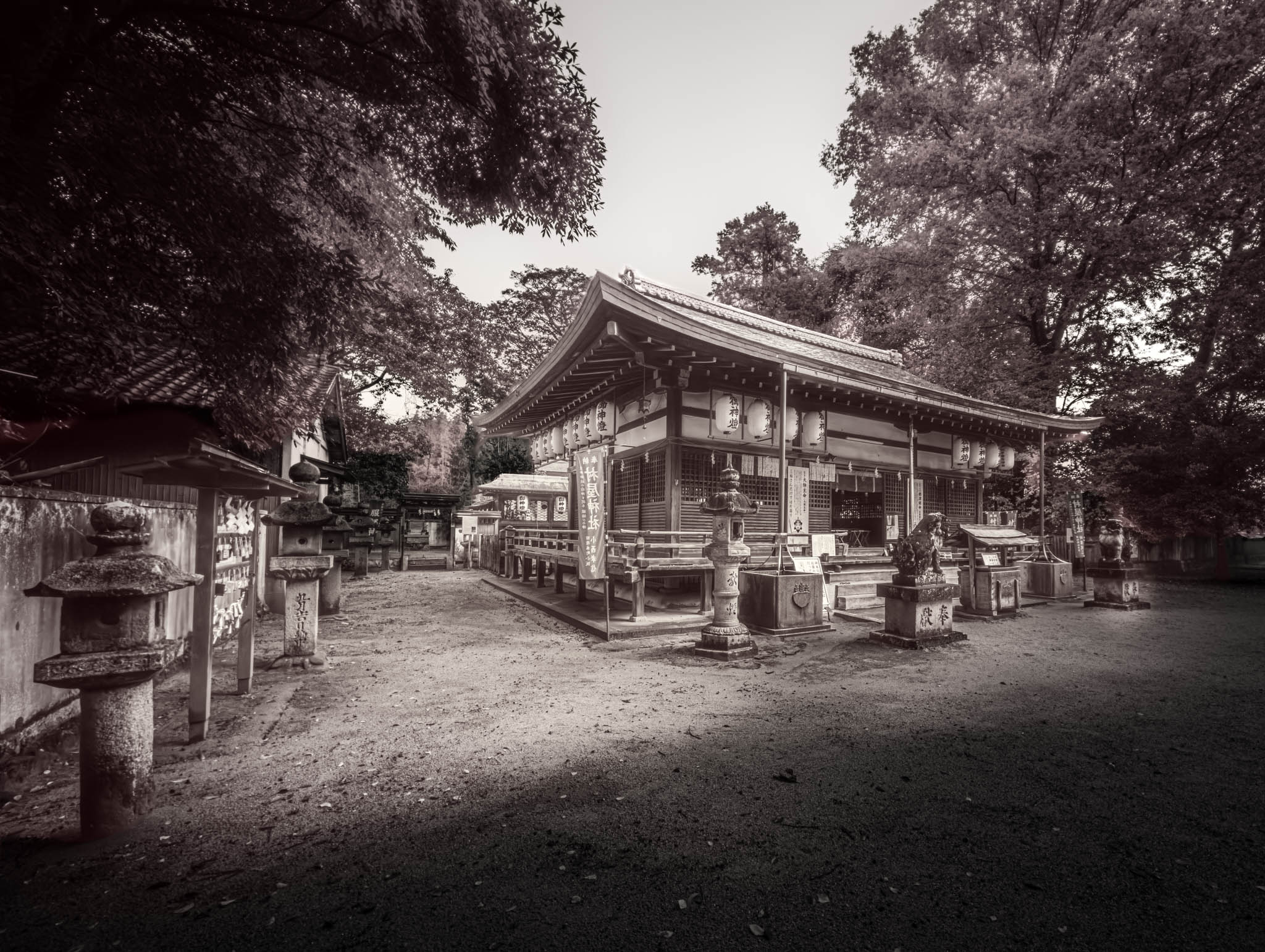
For instance, I find myself incapable of approaching the haiden oratory — let alone the honden sanctuary — closer than indicated in these photographs. I can’t help but recall that kami are said to be actually resident in their sanctums, in a more immediate and less symbolic fashion than Western deities are in their respective places of worship.
I almost hear — and am sure that in a moment I will hear — divine fingers drumming with impatience on the surface of a polished zelkova desk.
Someone wishing that I would hurry away.
Soon to wish me gone.
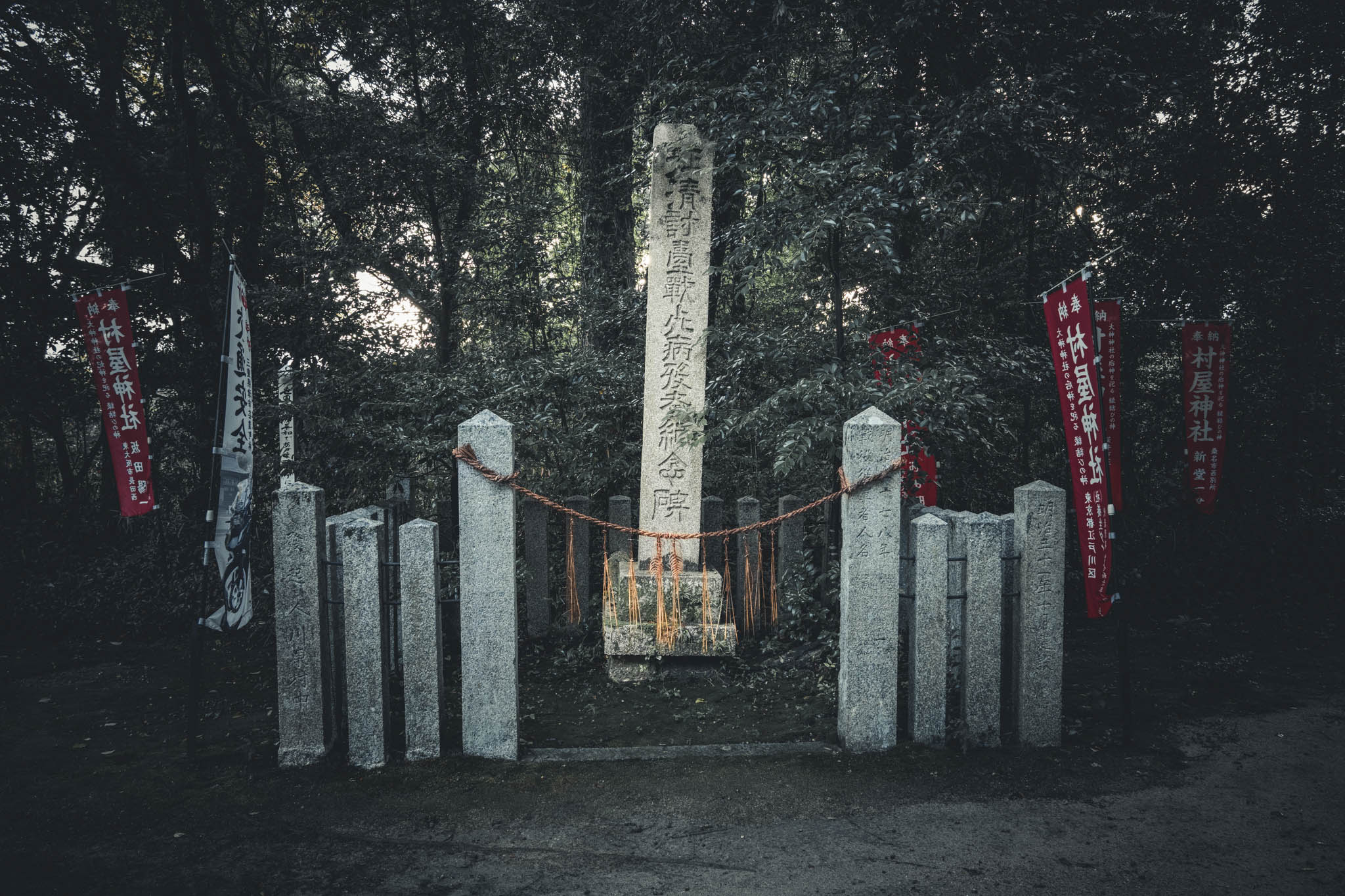
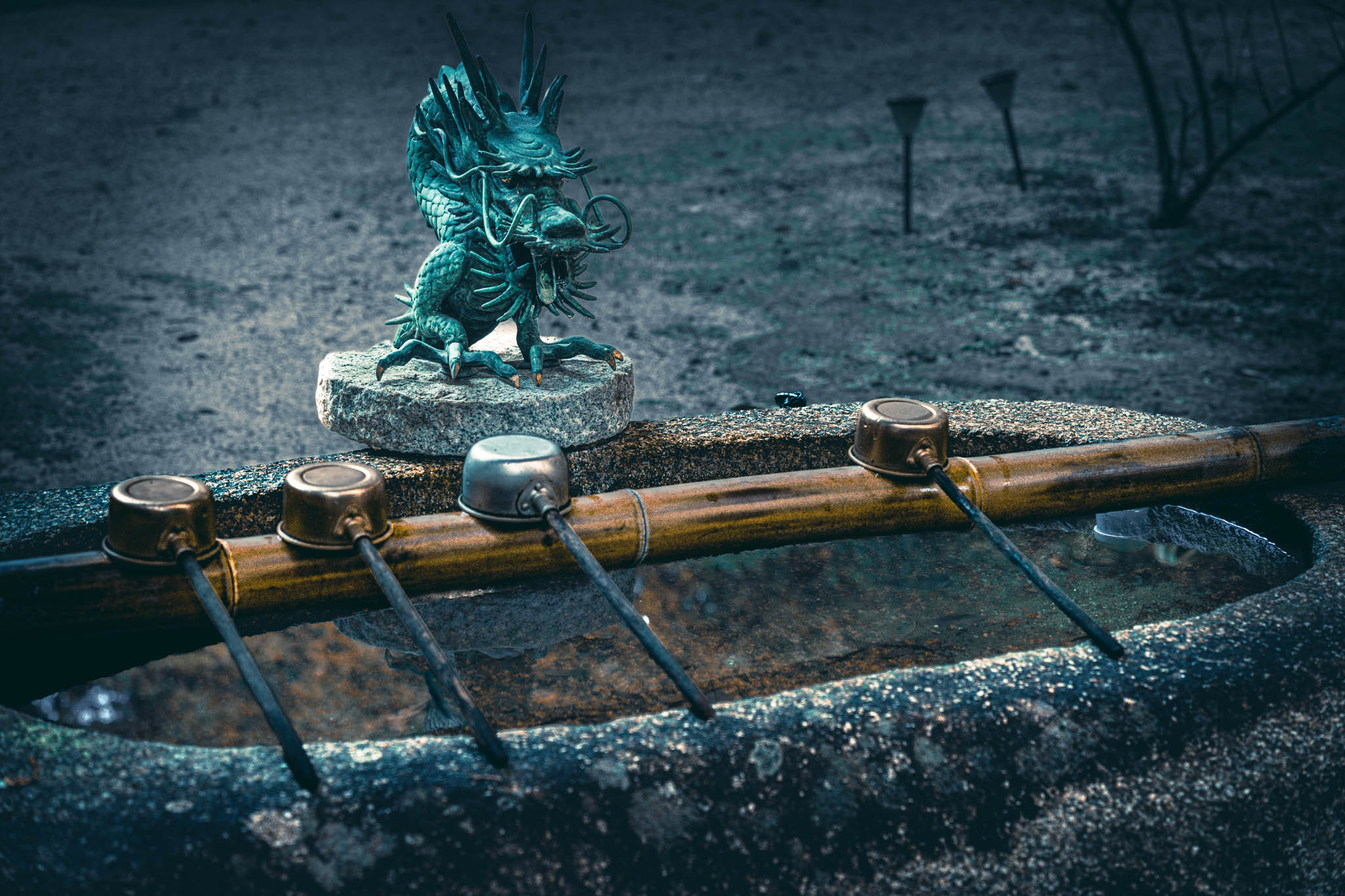
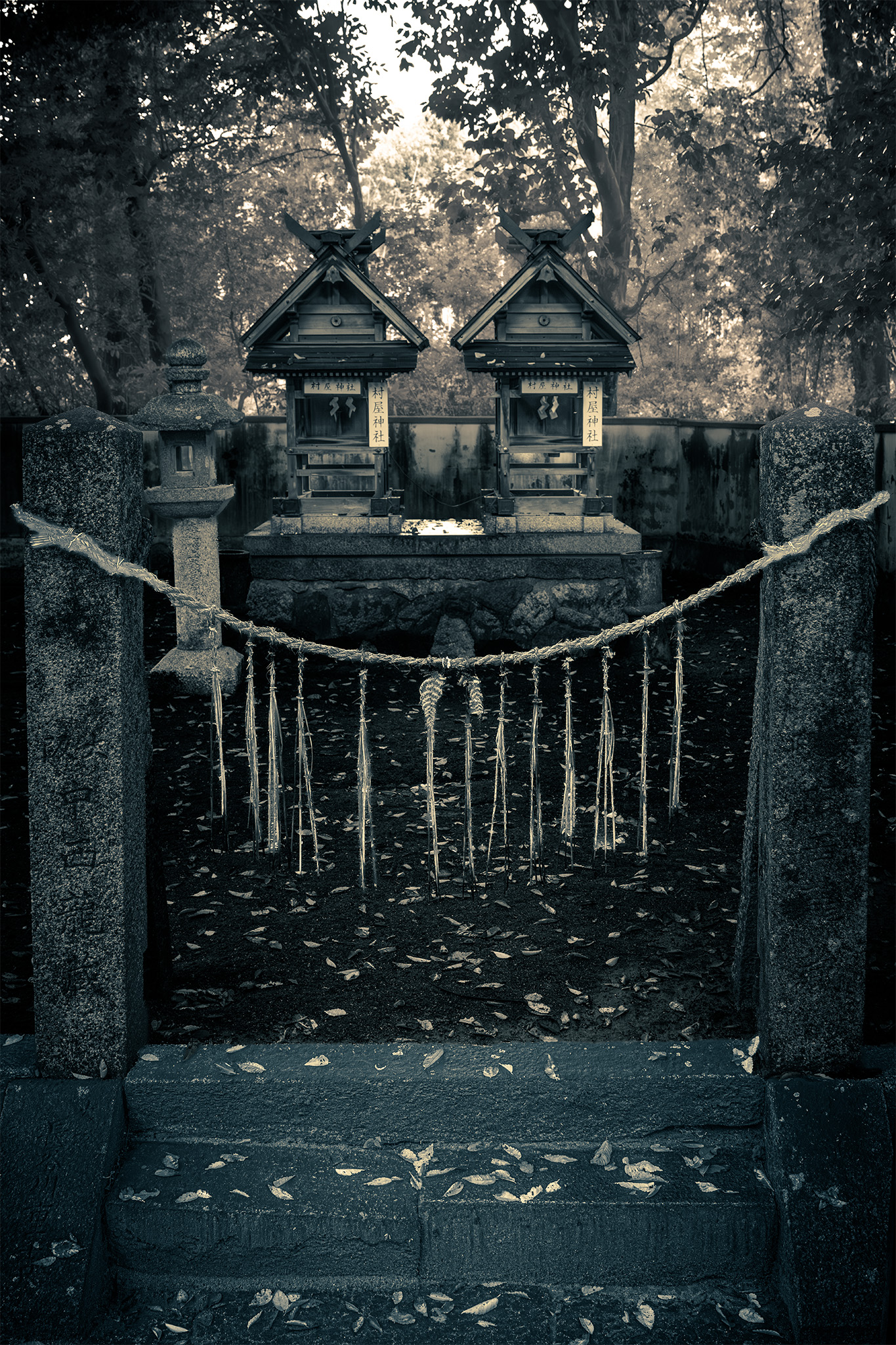
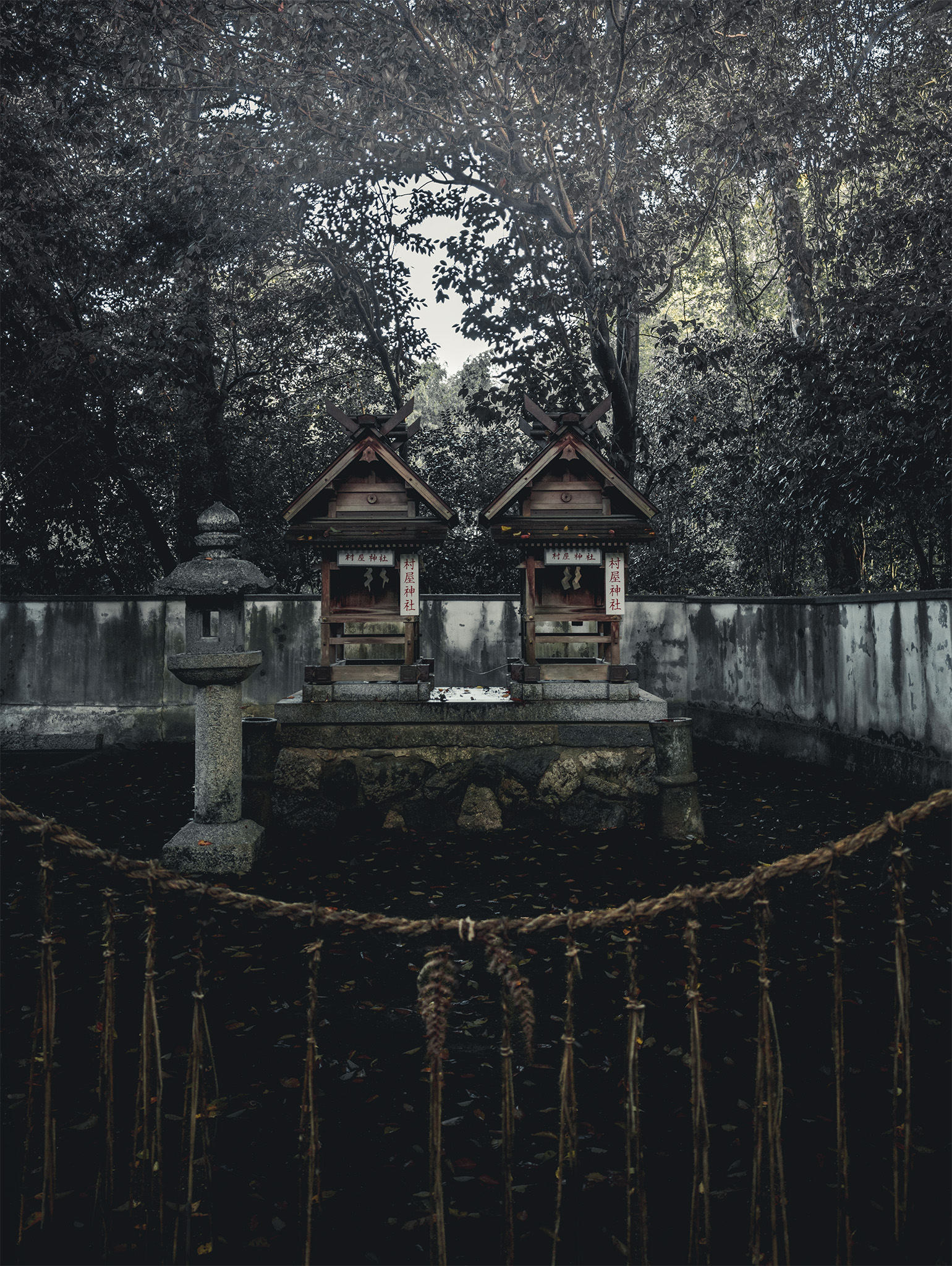
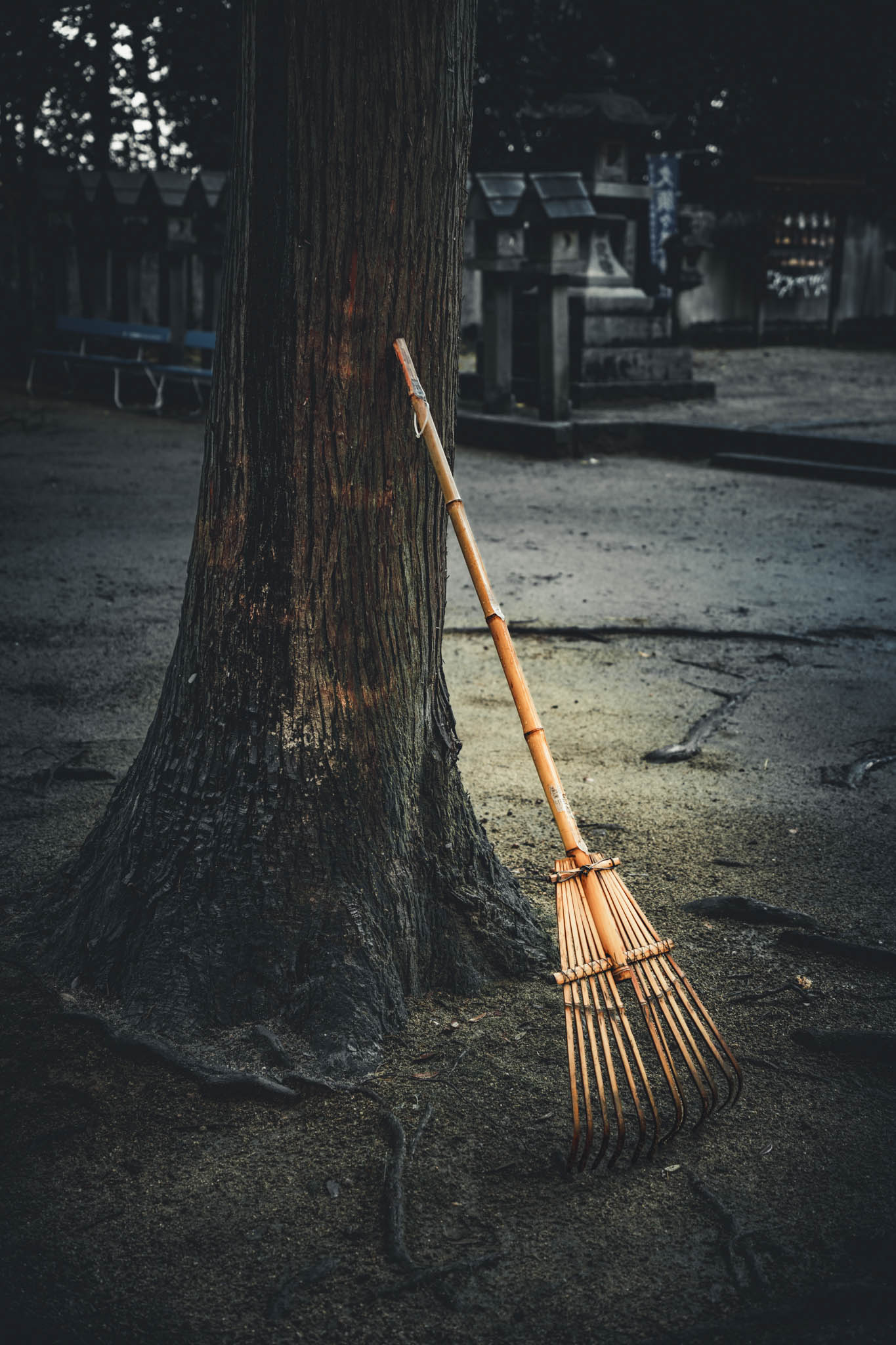
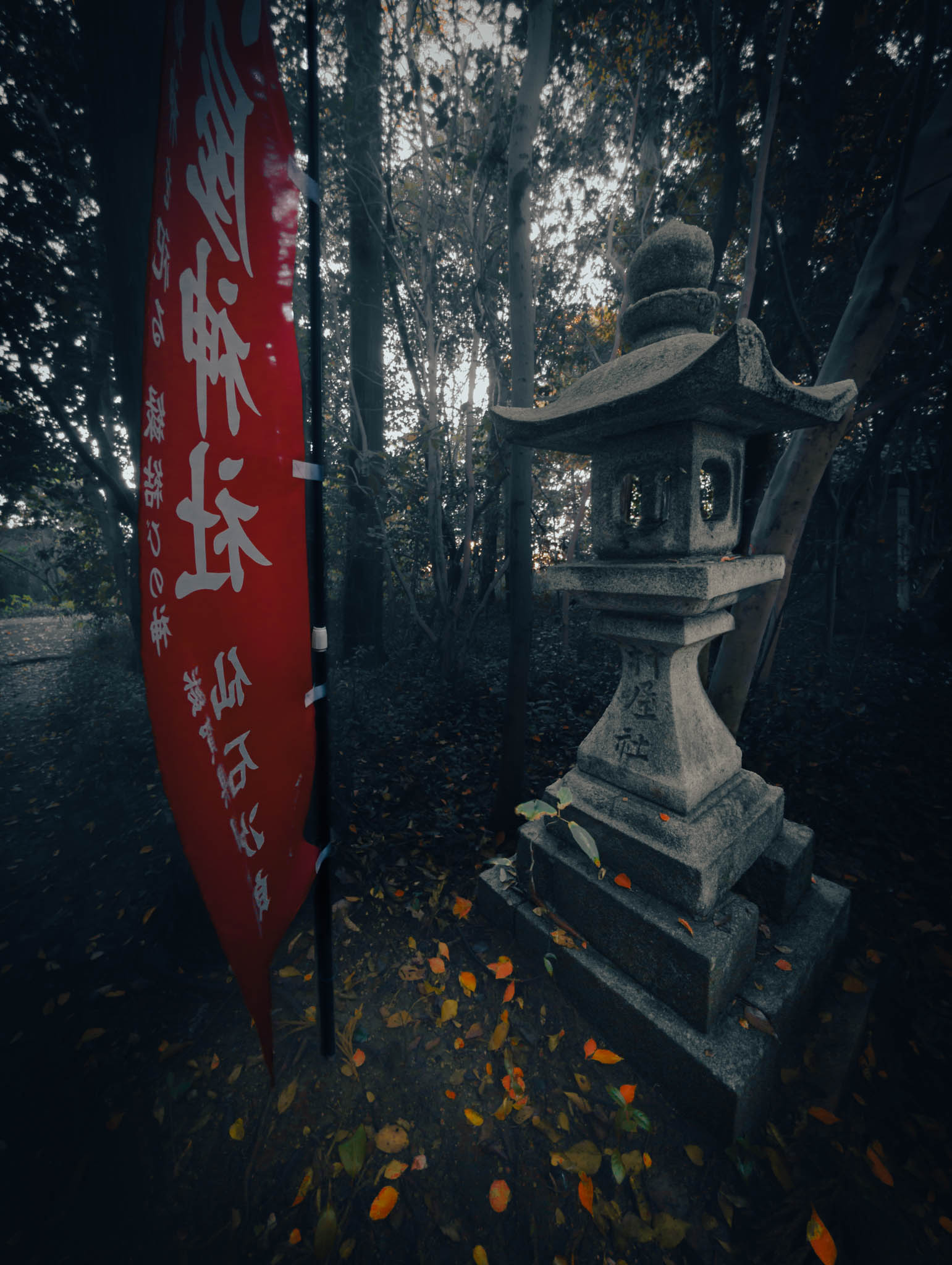
So it is with something of a relief that on rounding back to the front of the haiden I encounter the maître d’ of our hotel, guiding some of his Japanese guests around the shrine precinct. He has limited English, but wishes me a smiling “Good Morning!” Smiling back I reply, “おはようございます”, which causes him to laugh. And I walk quickly back to breakfast in his converted soy-sauce factory.