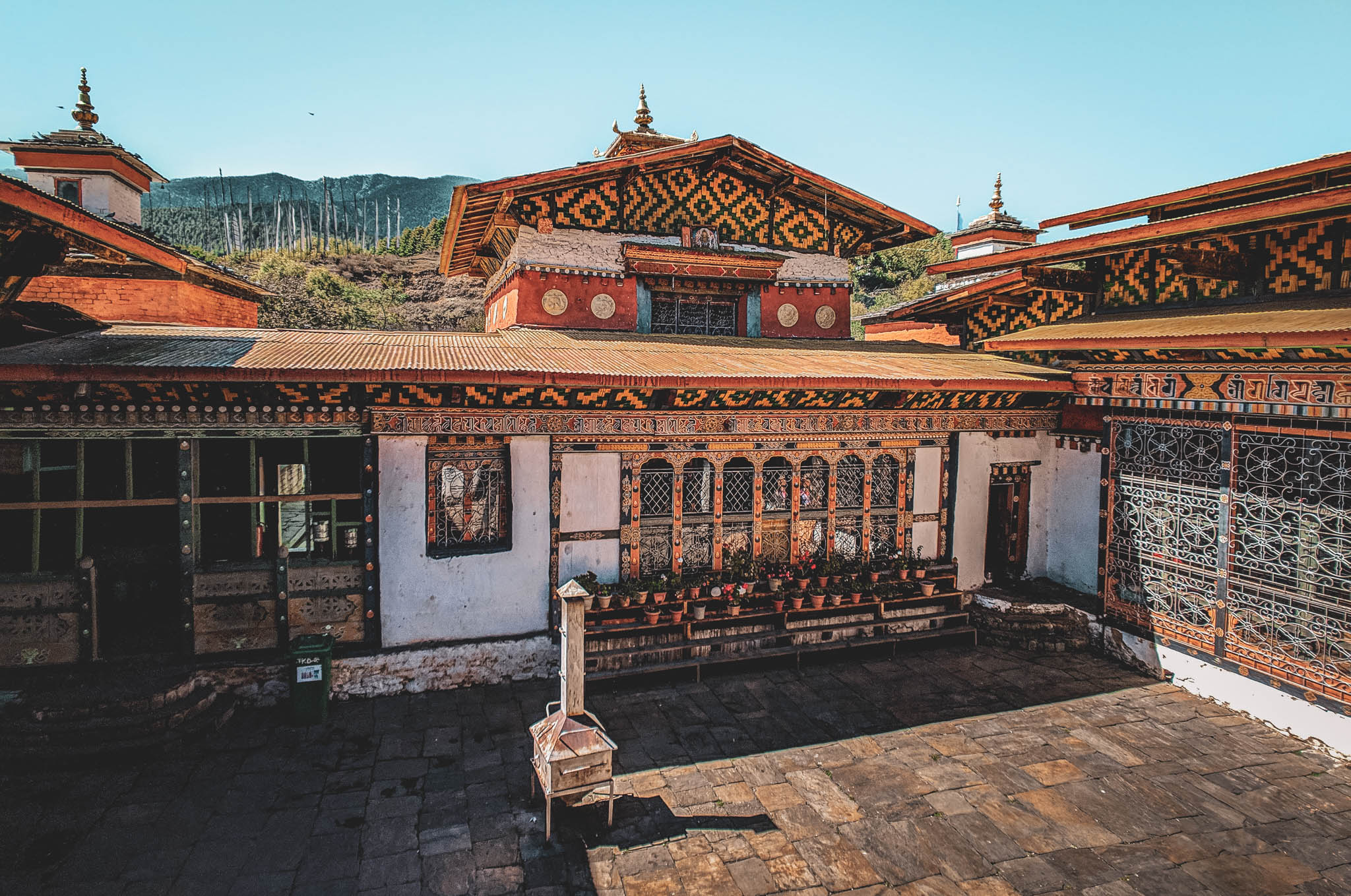
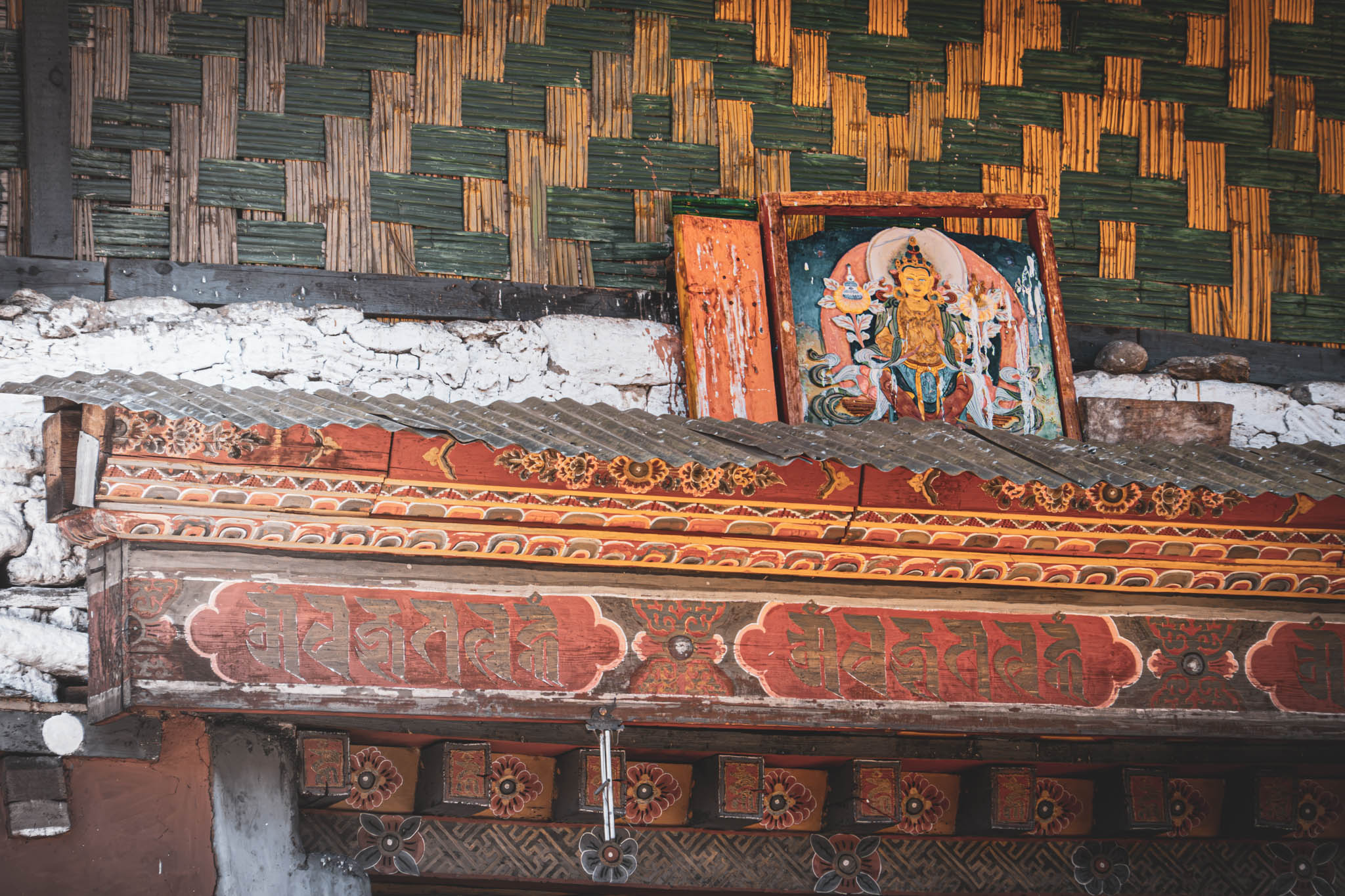
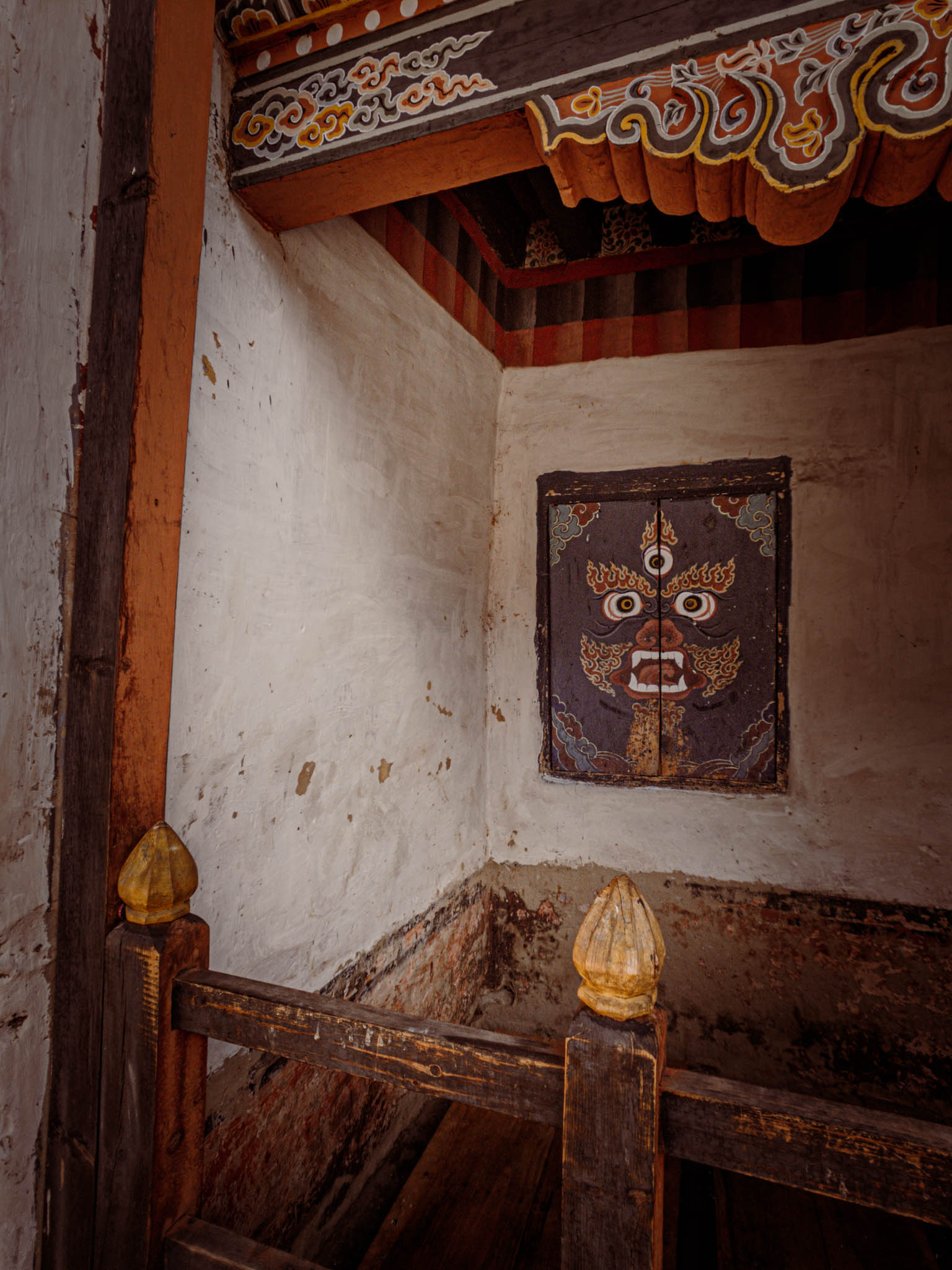
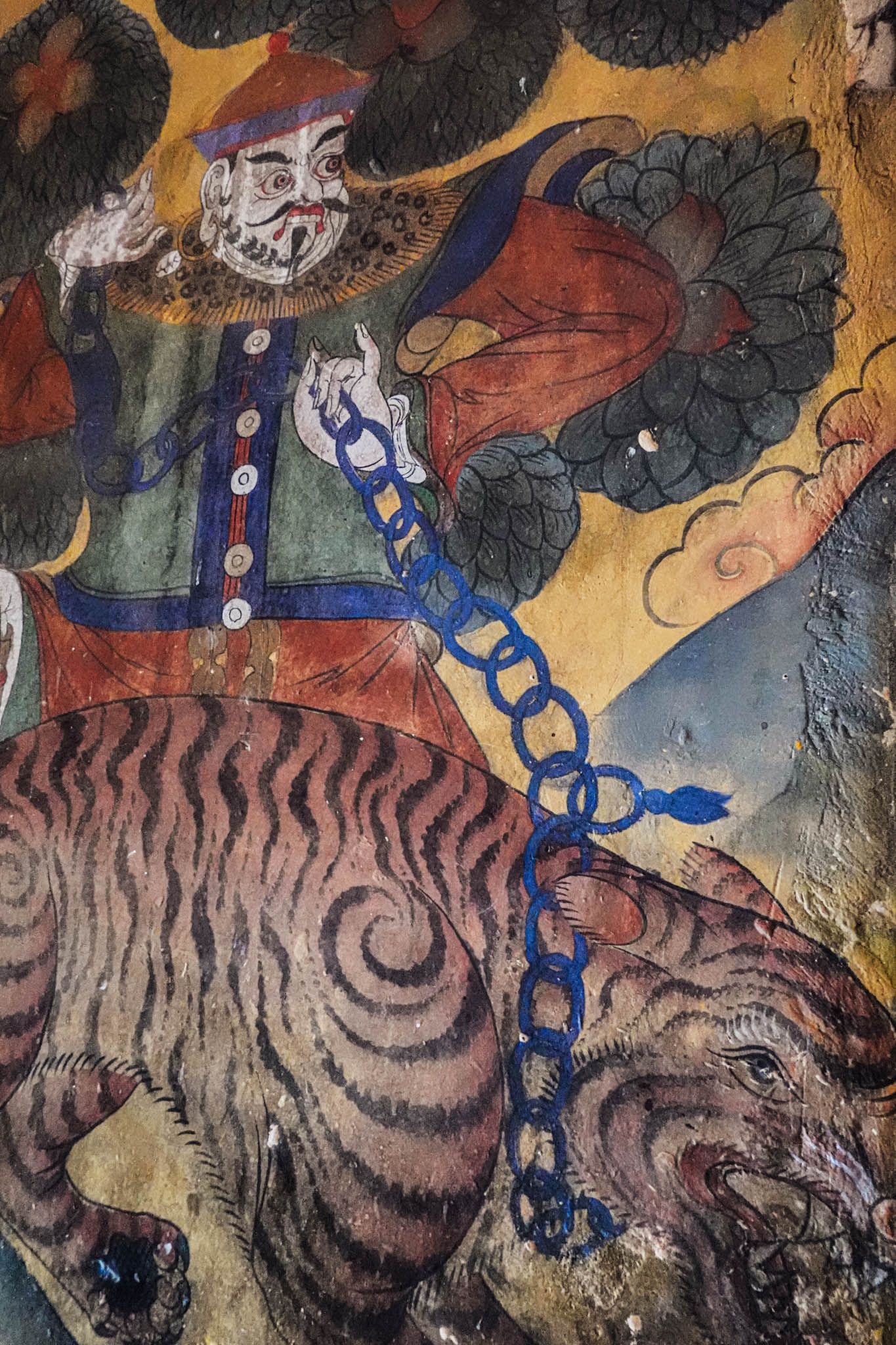
Jambay Lhakhang, dedicated to Maitreya the Buddha of the future, was originally established in Bumthang in the seventh century by Songtsen Gampo, the first Tibetan Emperor of the Yarlung Dynasty, as one of 108 temples built to secure or “pin down” a giant unseen ogress that was preventing the spread of Buddhism within the Empire. As with almost every sanctified site in Bhutan and the Tibet in general, a century later the Lhakhang was reconsecrated / reestablished / made simply more awesome by the immaculately-conceived and tiger-riding Padmasambhava, the Second Buddha of the Himalayas, presumably during one of the intervals in which the Guru wasn’t quelling the mountain gods, consorting with dakini (sky fairies), establishing the Dharma, or hiding Buddhist treasures (terma) for the future faithful to find in their time of greatest need. Or perhaps the restoration was carried out by a rajah whose stolen soul had been returned to him by Padmasambhava.
All around busybody, that Padmasambhava.
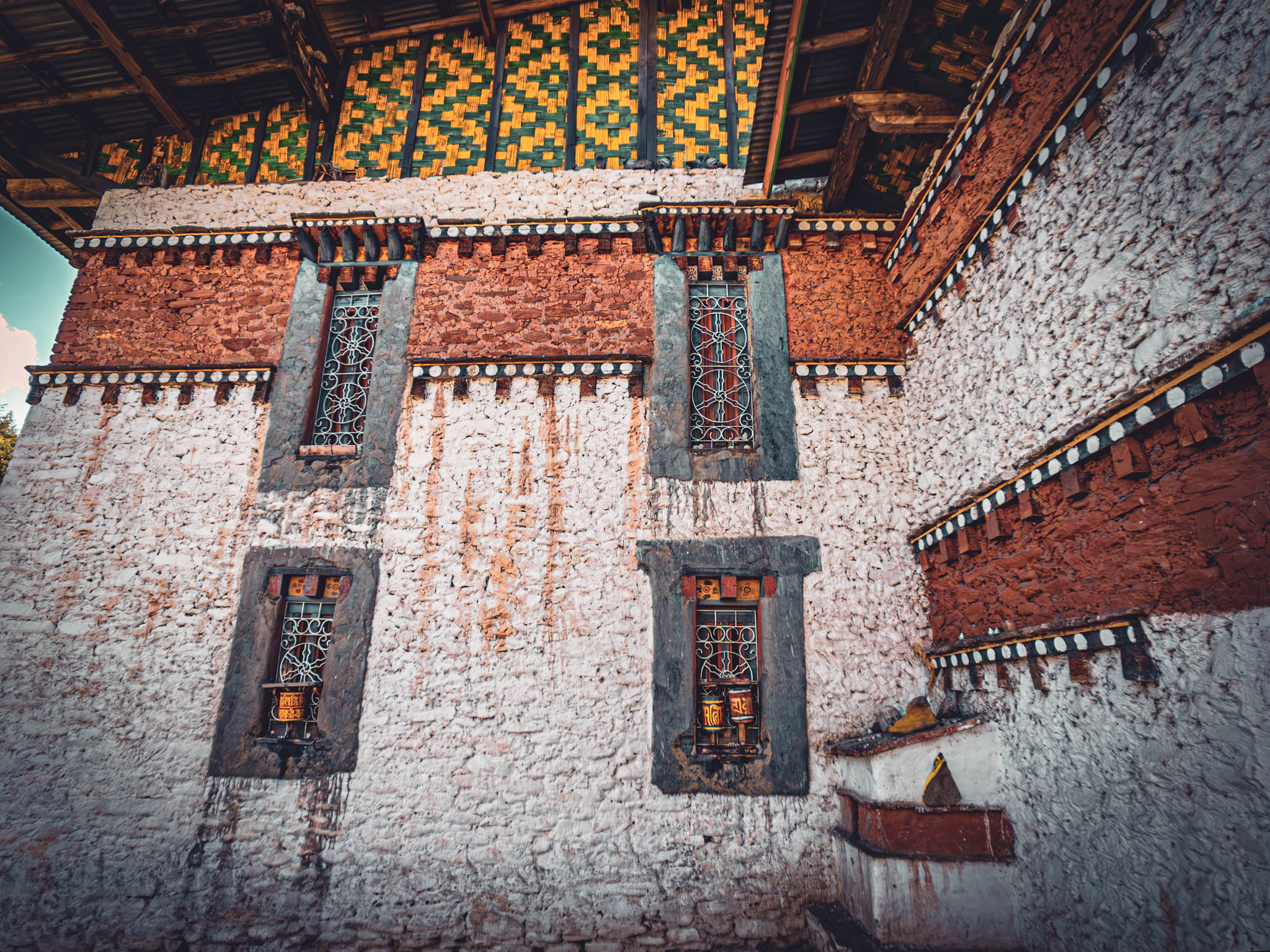
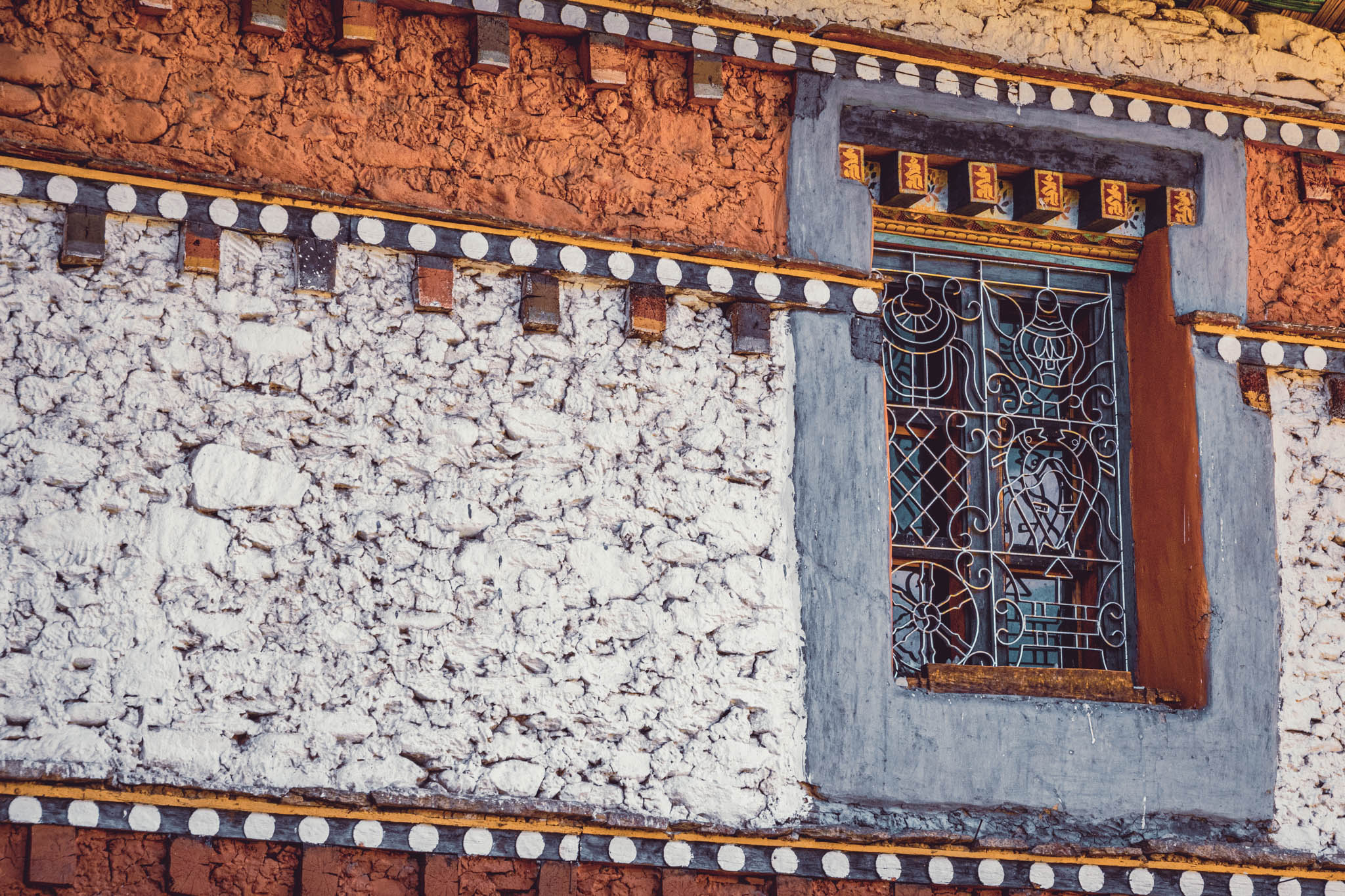
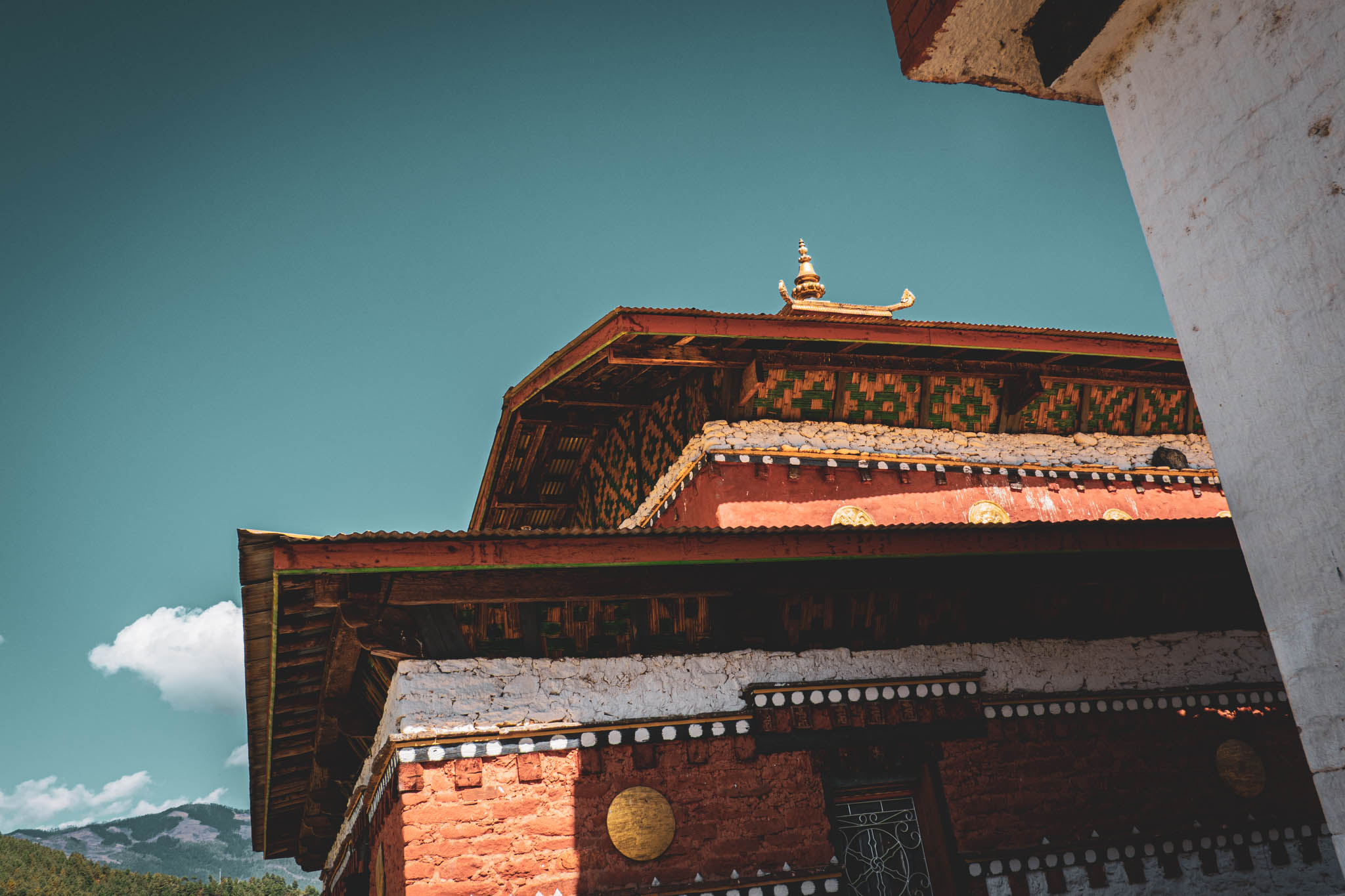
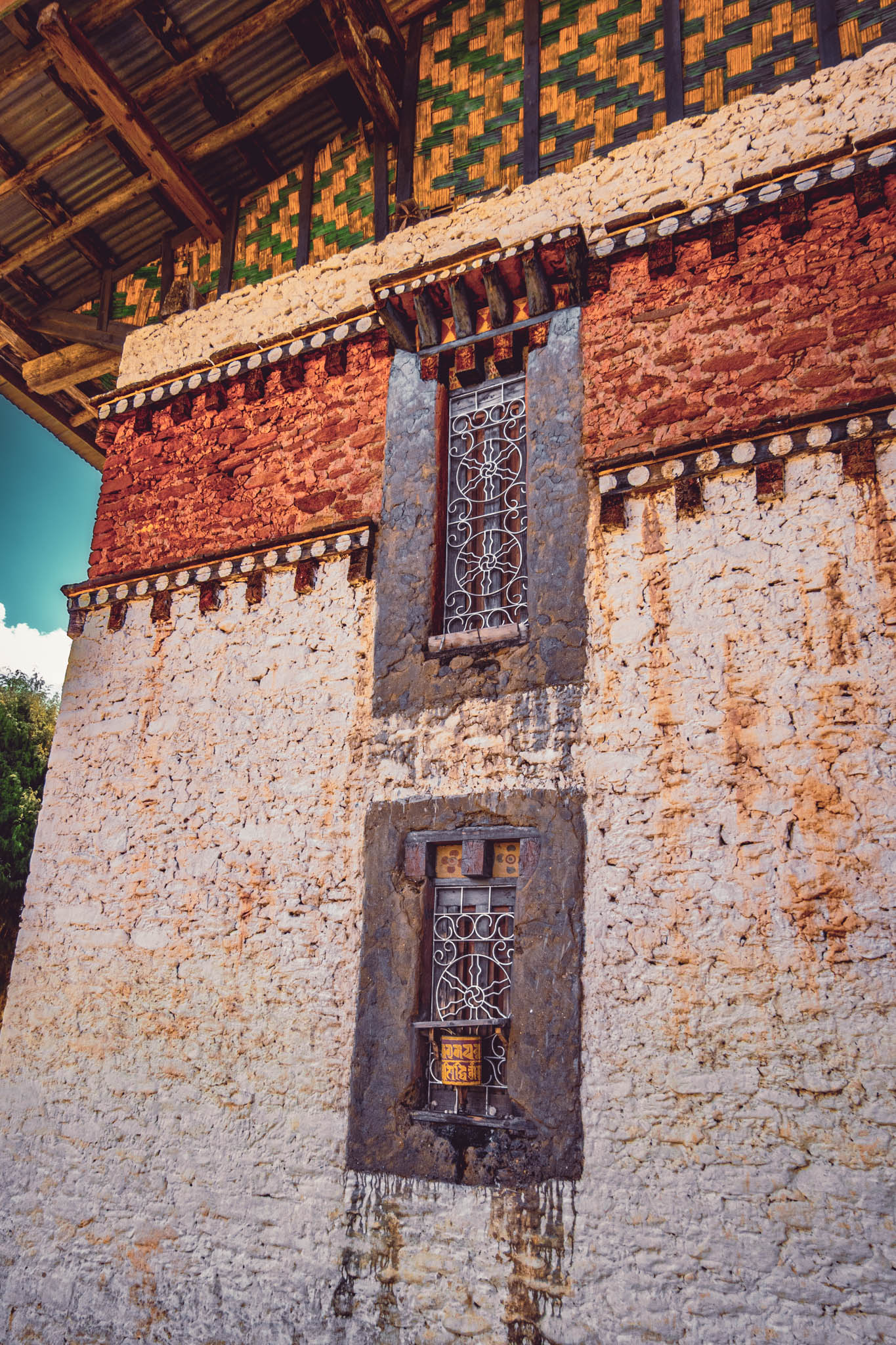
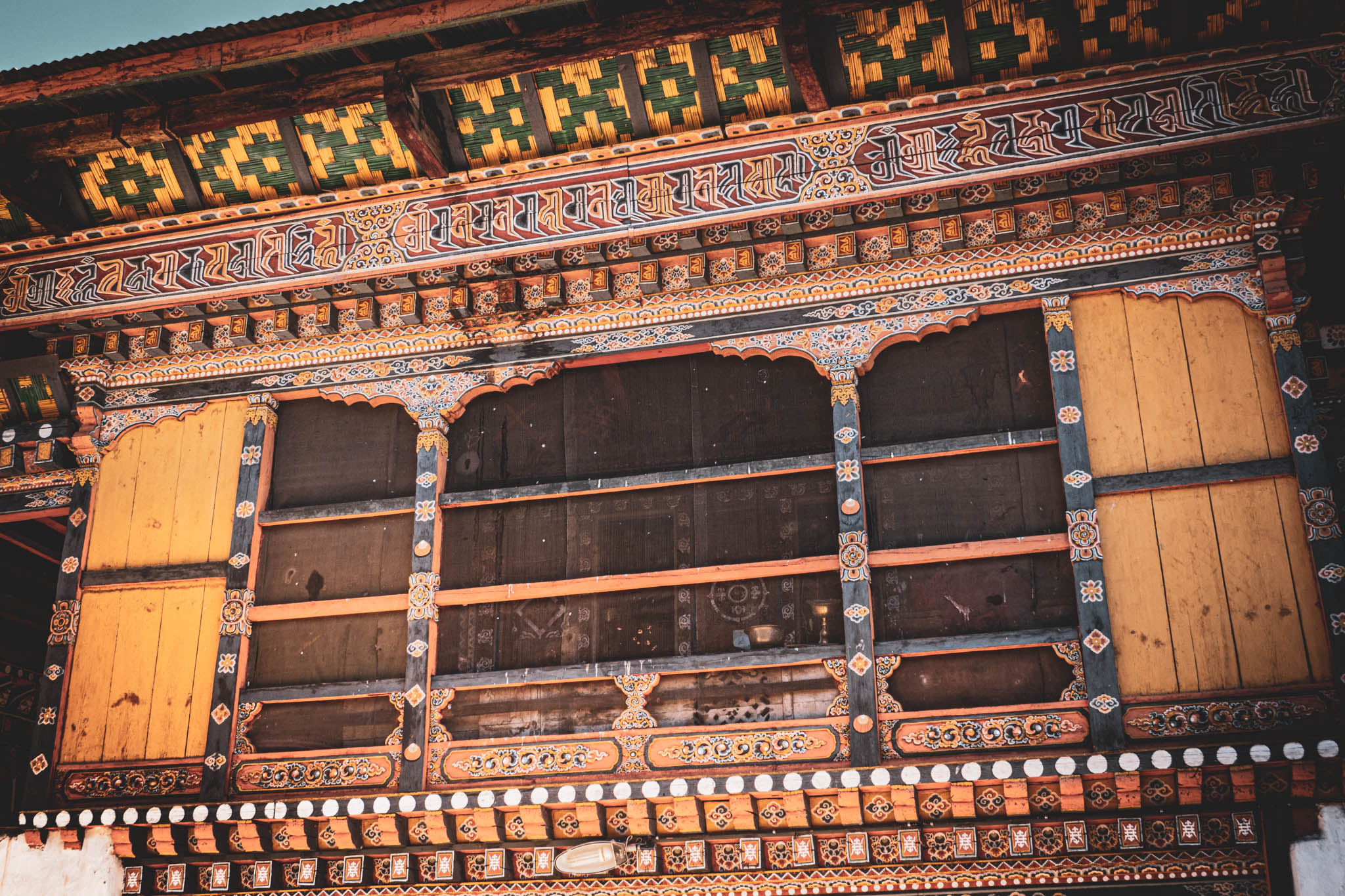
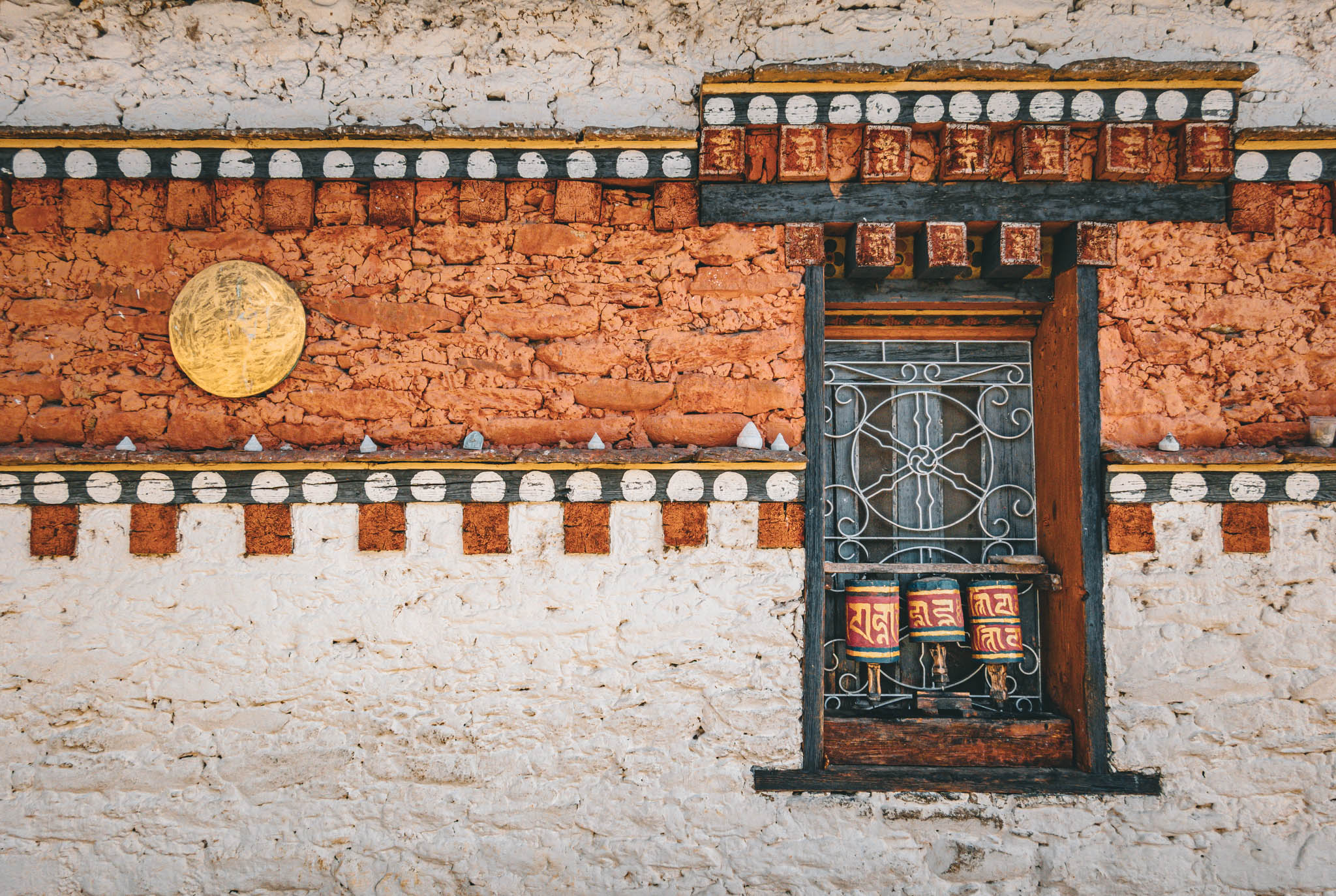
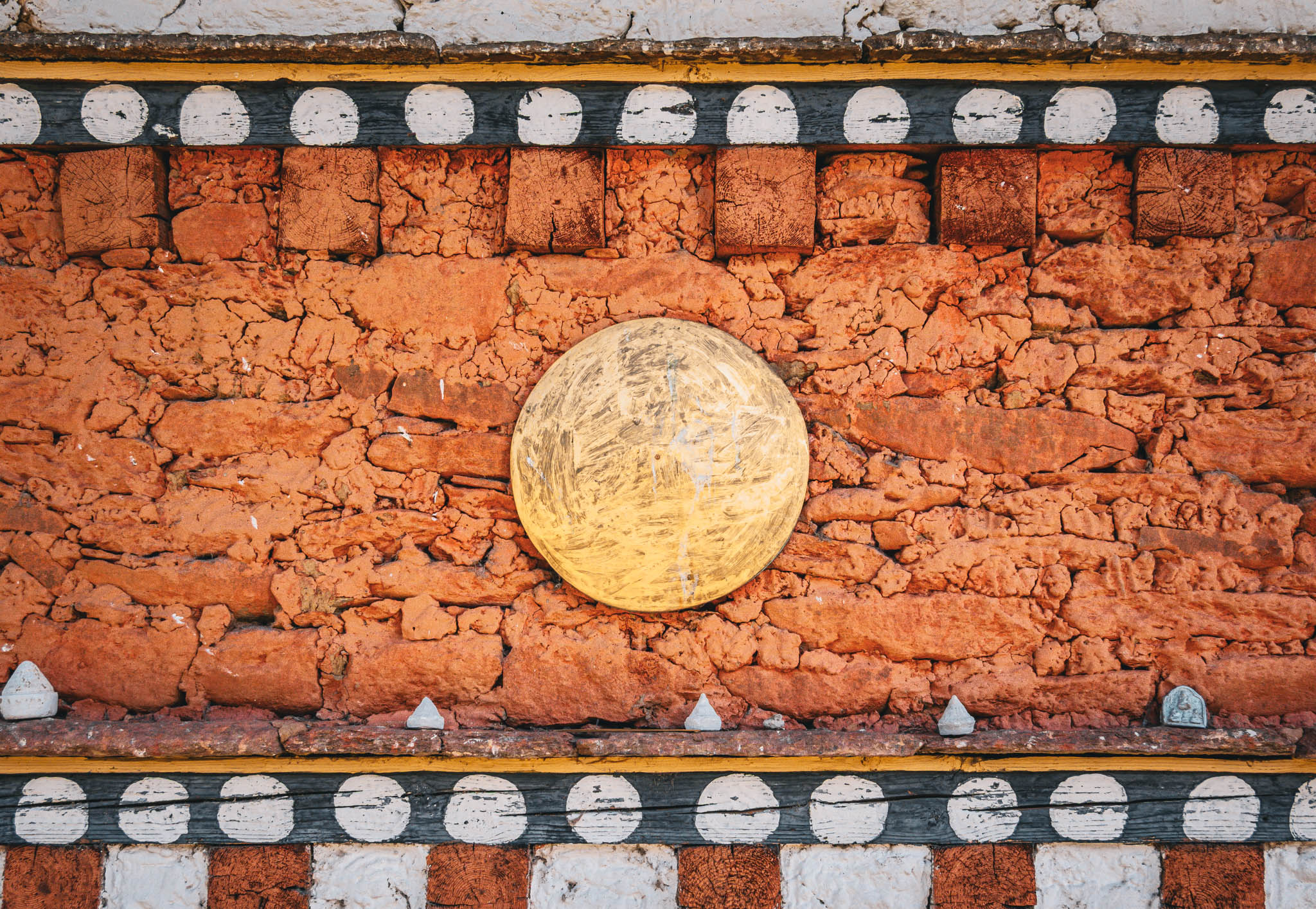
![Jambay Lhakhang, Bumthang Valley, Bhutan, orig. 659 AD (photo Oct. 26, 2018) sealed "geykar" archaic exterior window painted in sacred orange-red [plastic trash erased from image using AI, 2026].](https://www.lewis-wadsworth.com/wp-content/uploads/2026/08/20181025-DSC01475.jpg)
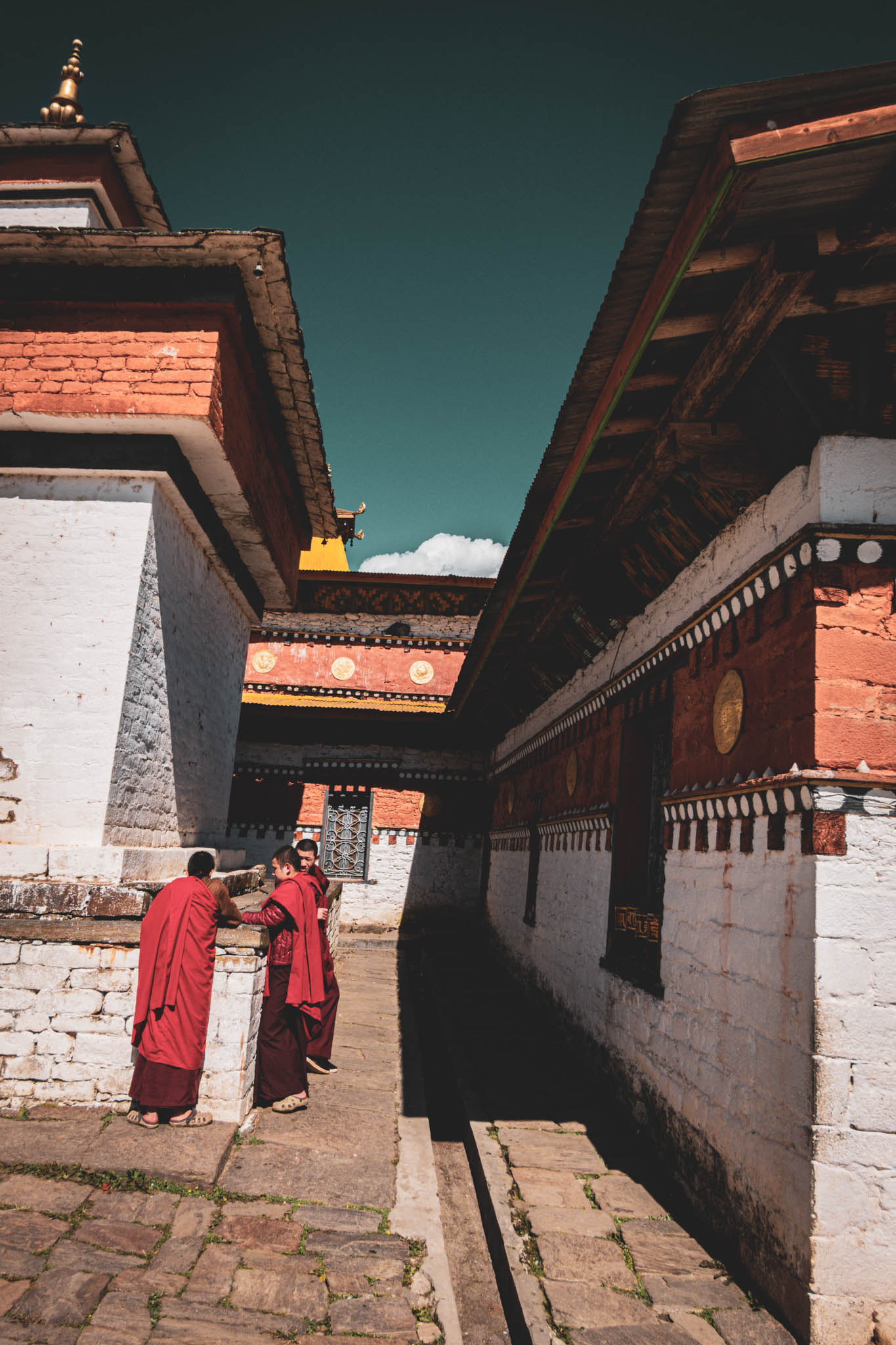
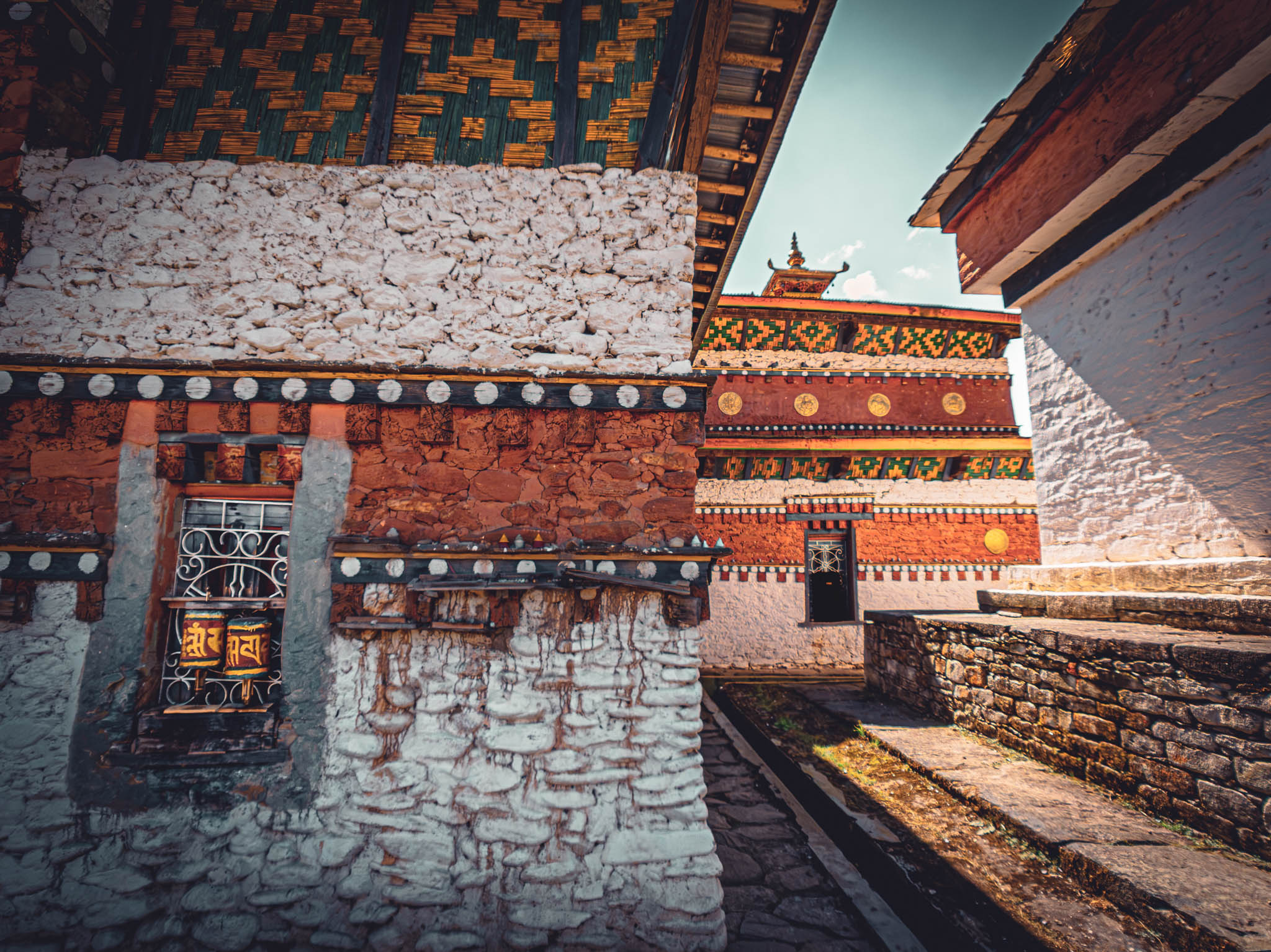
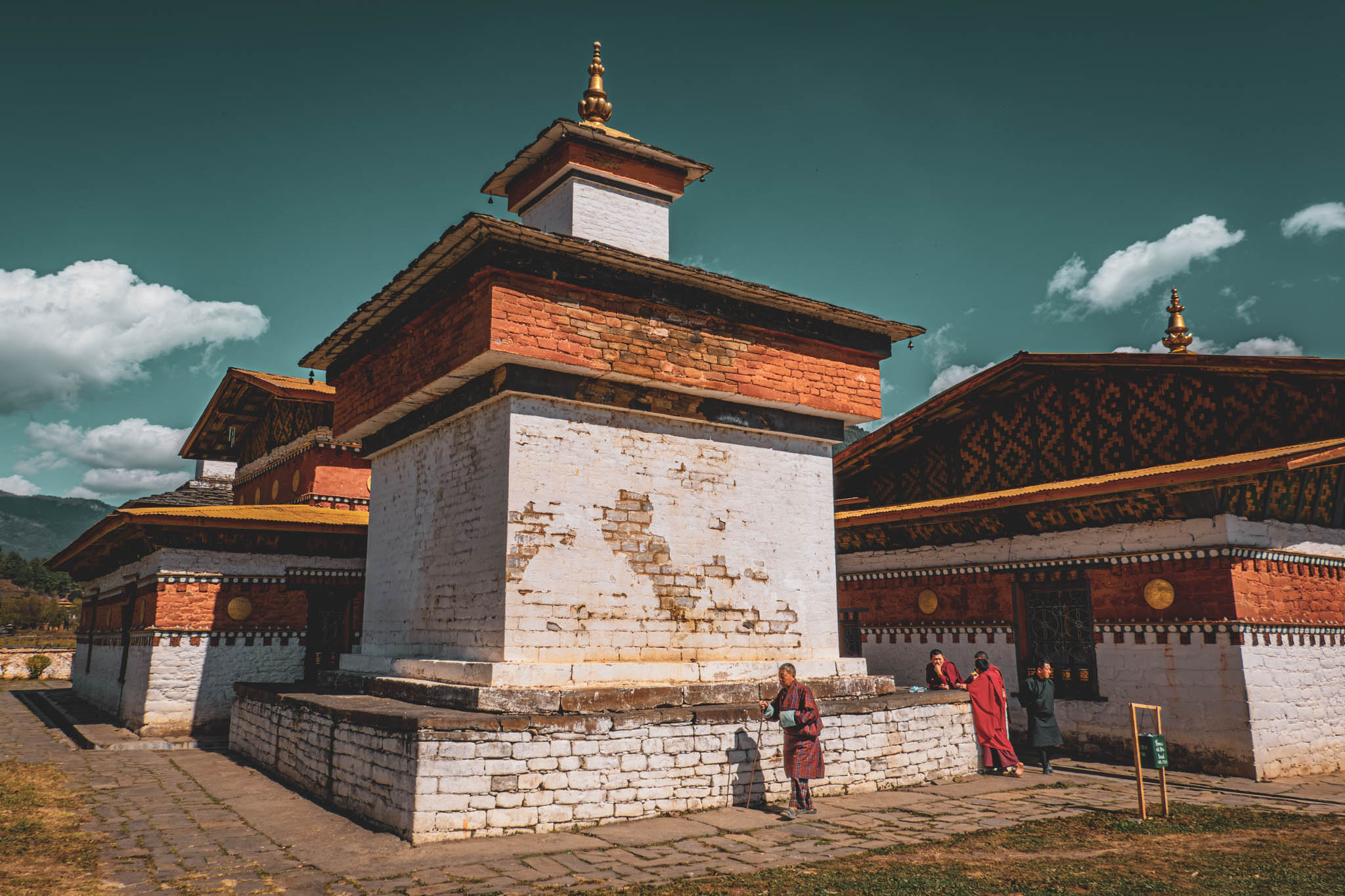
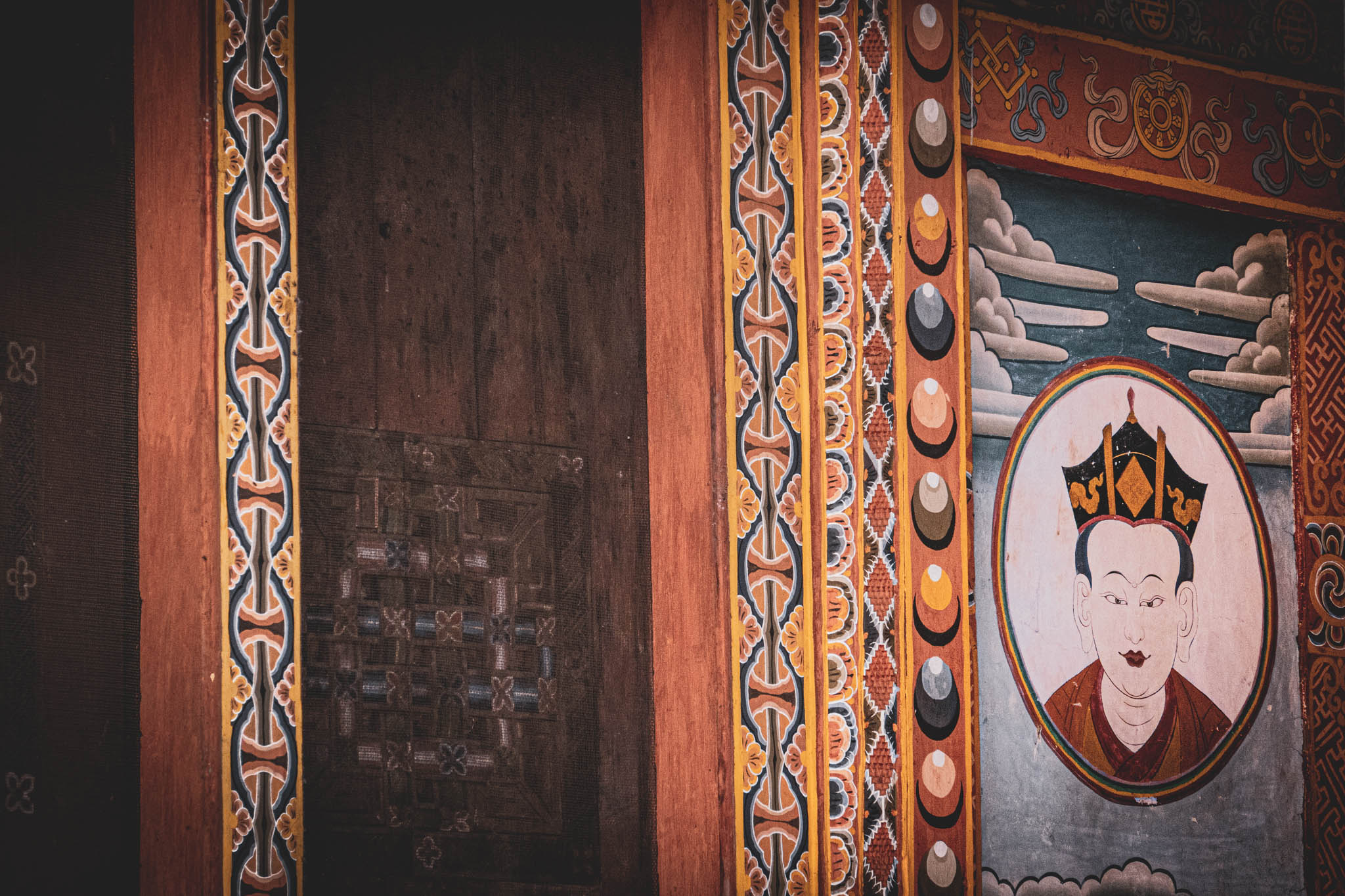
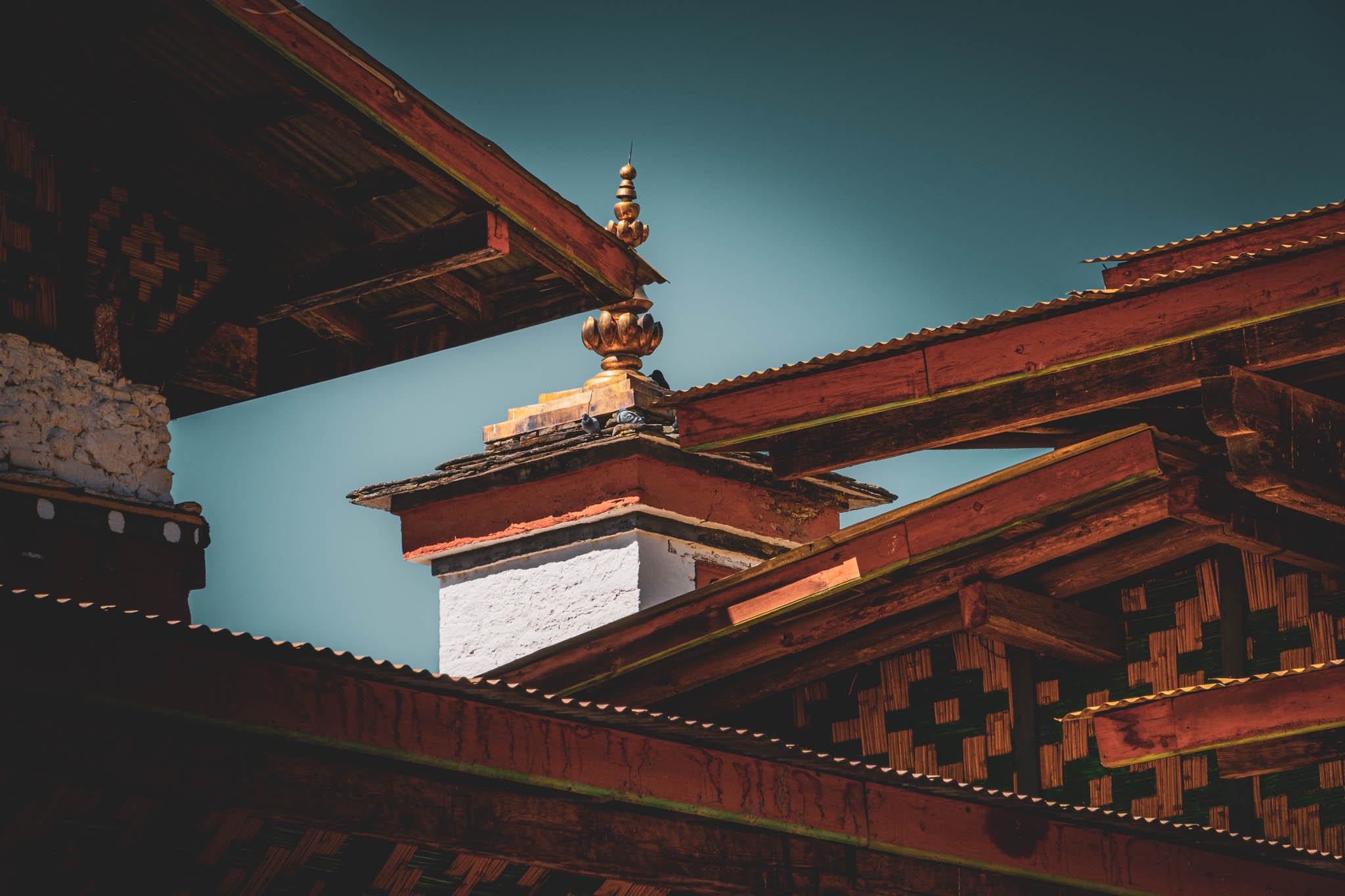
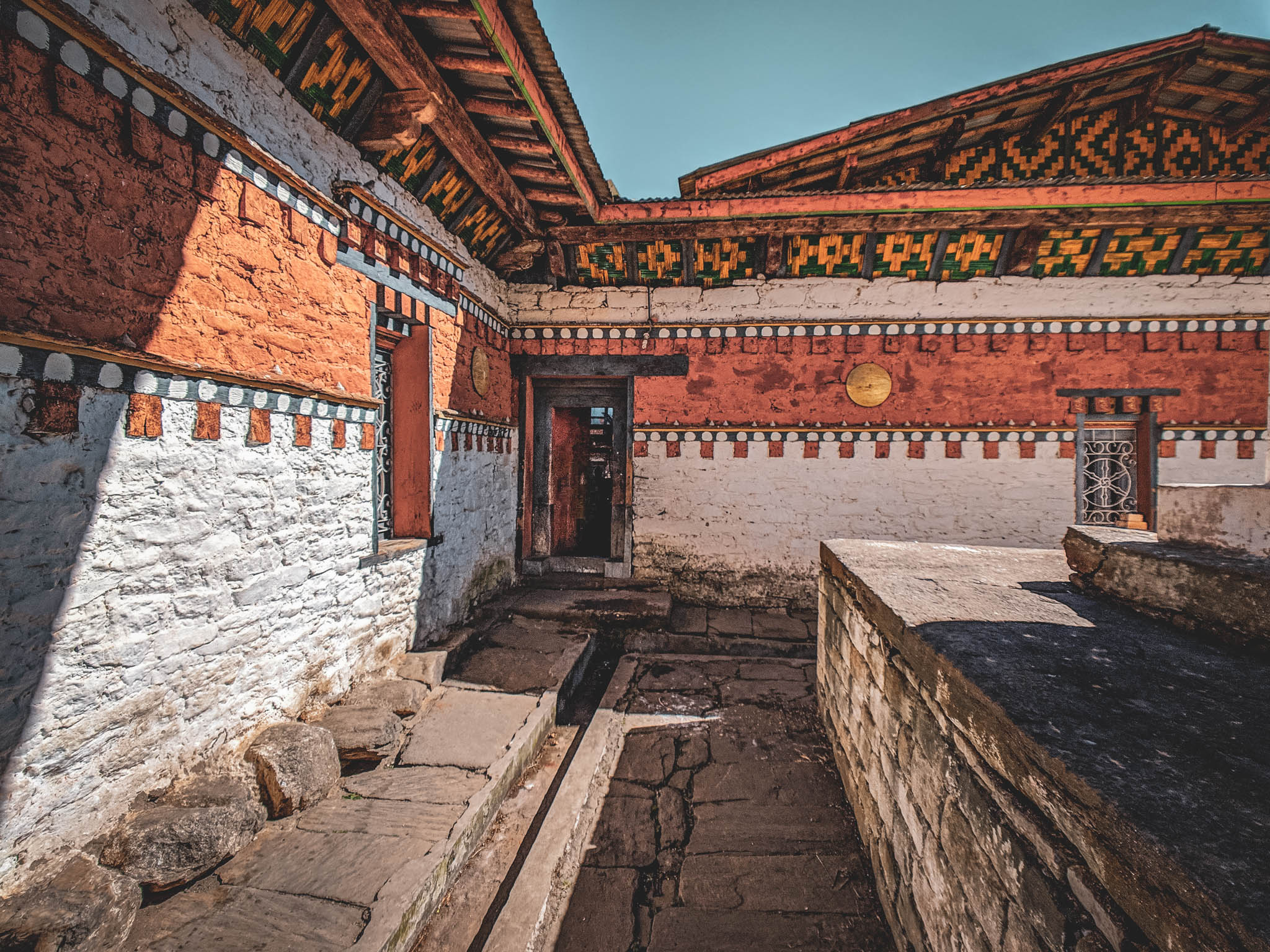
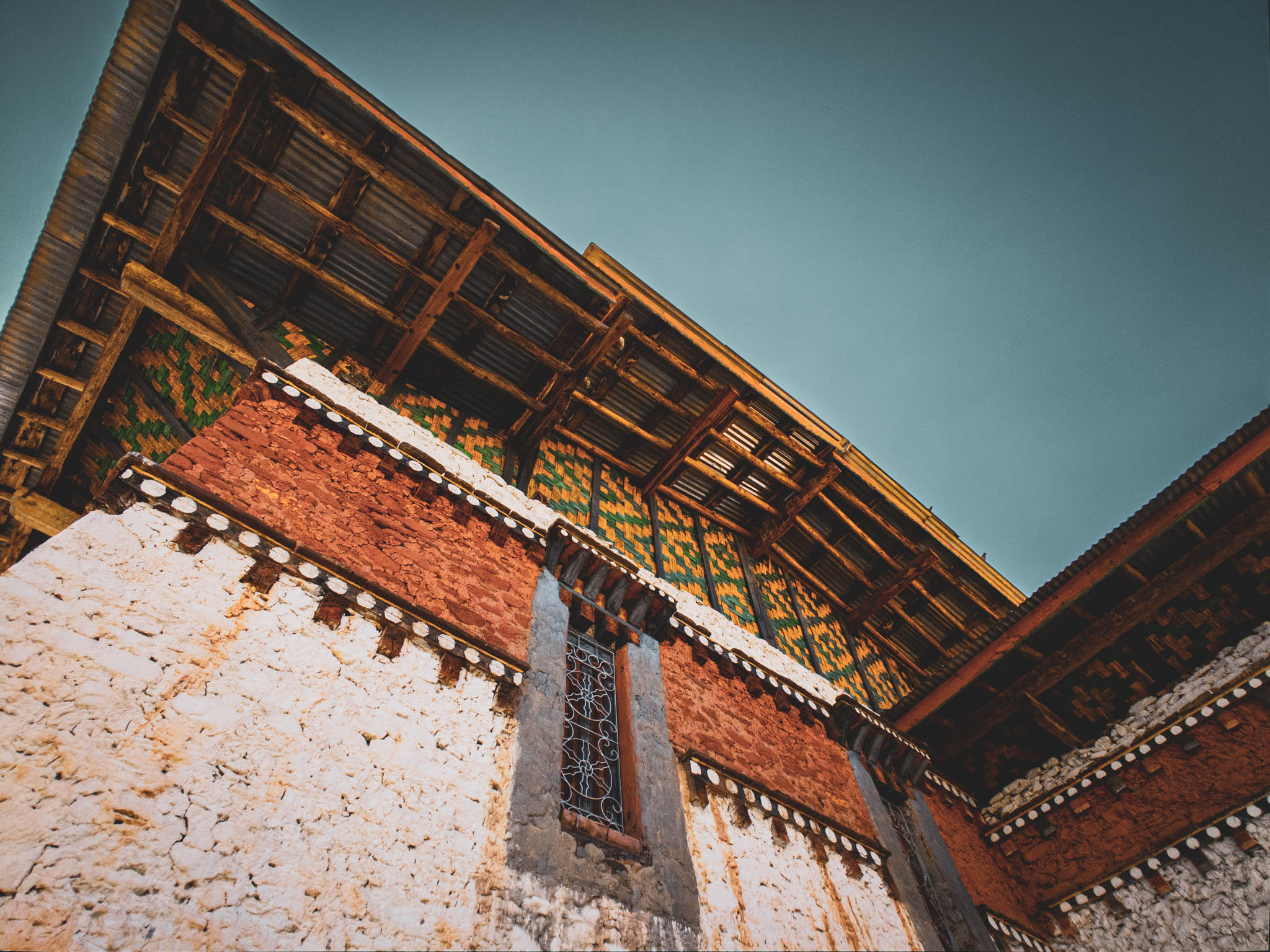
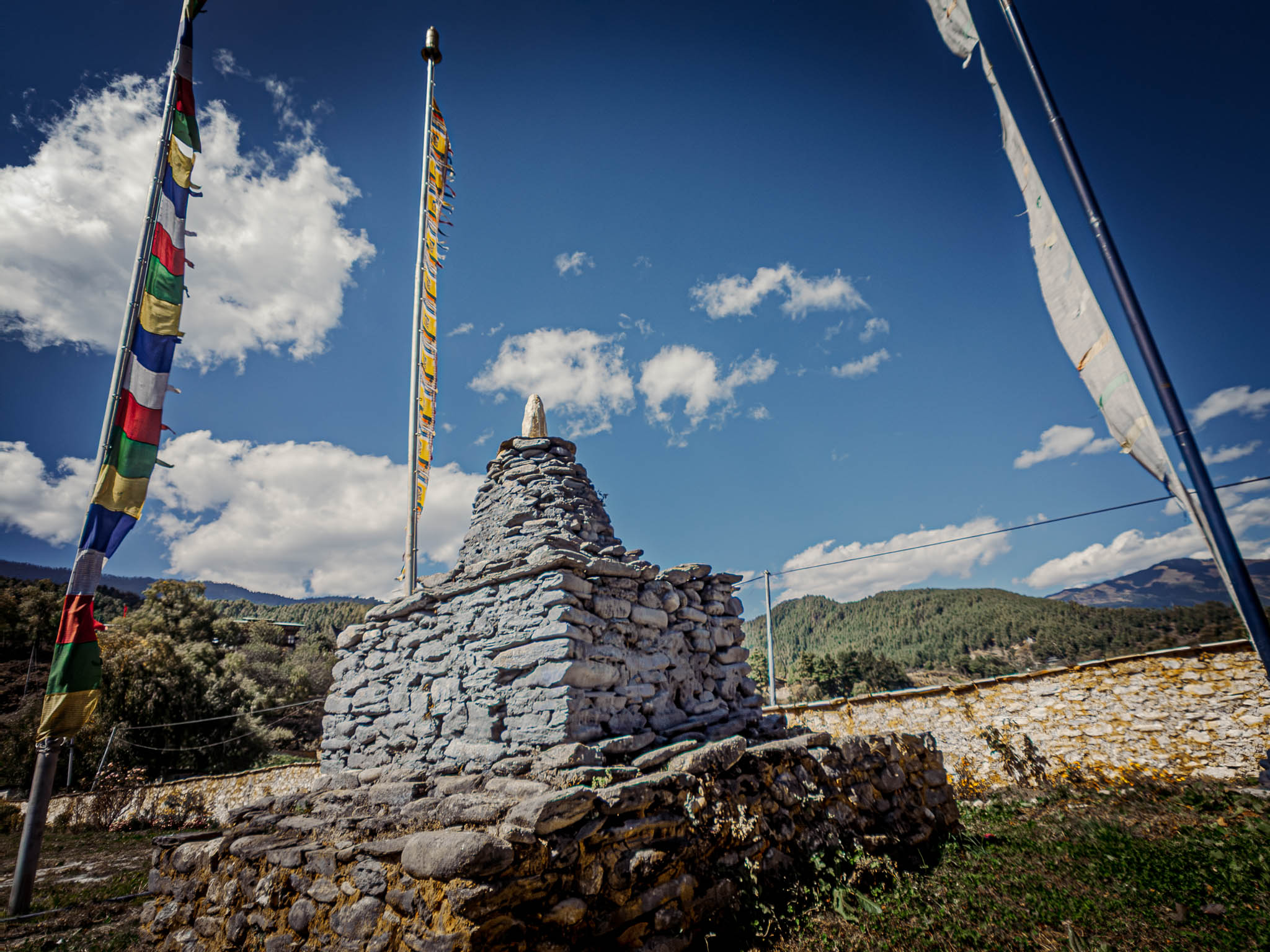
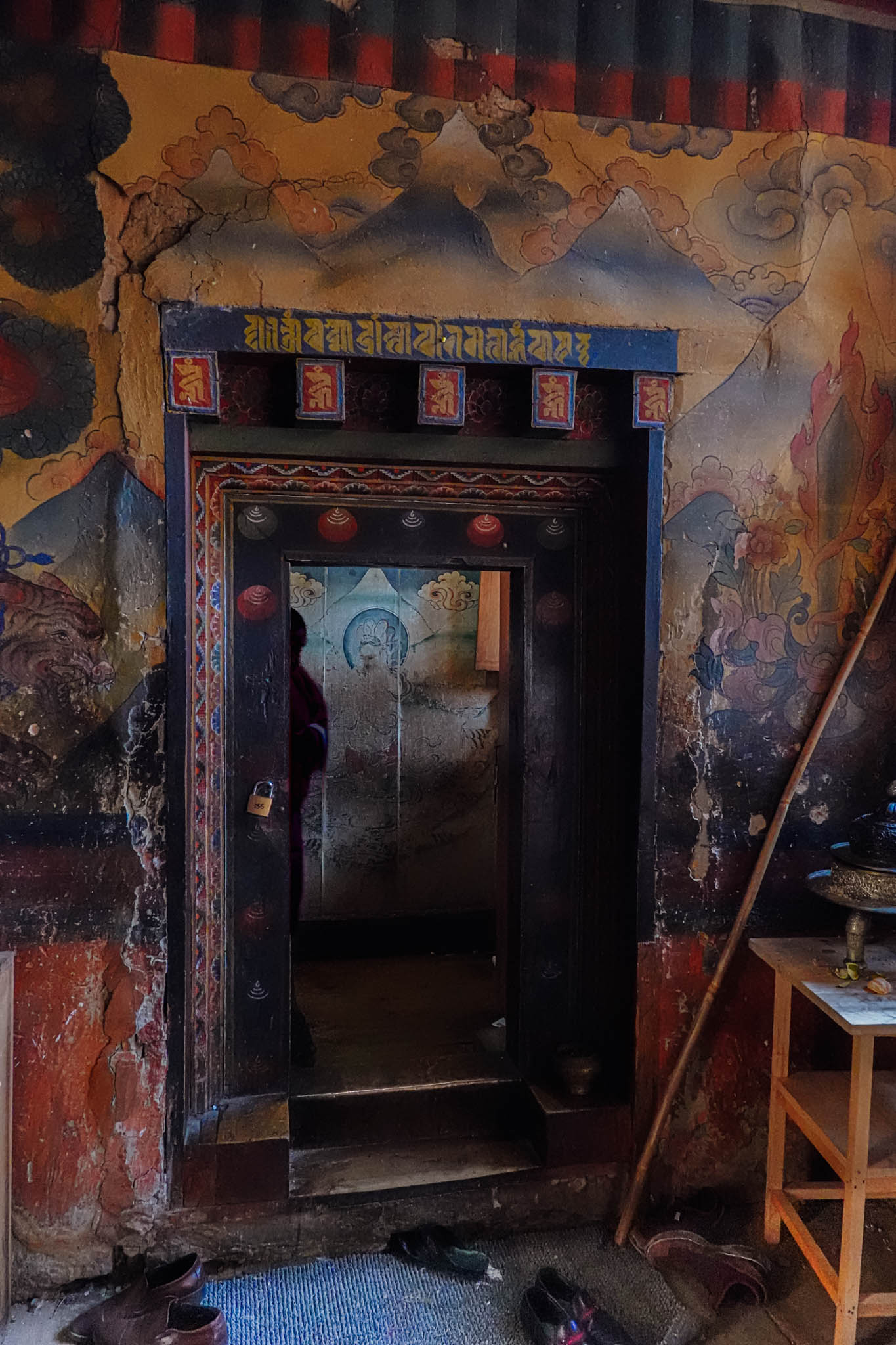
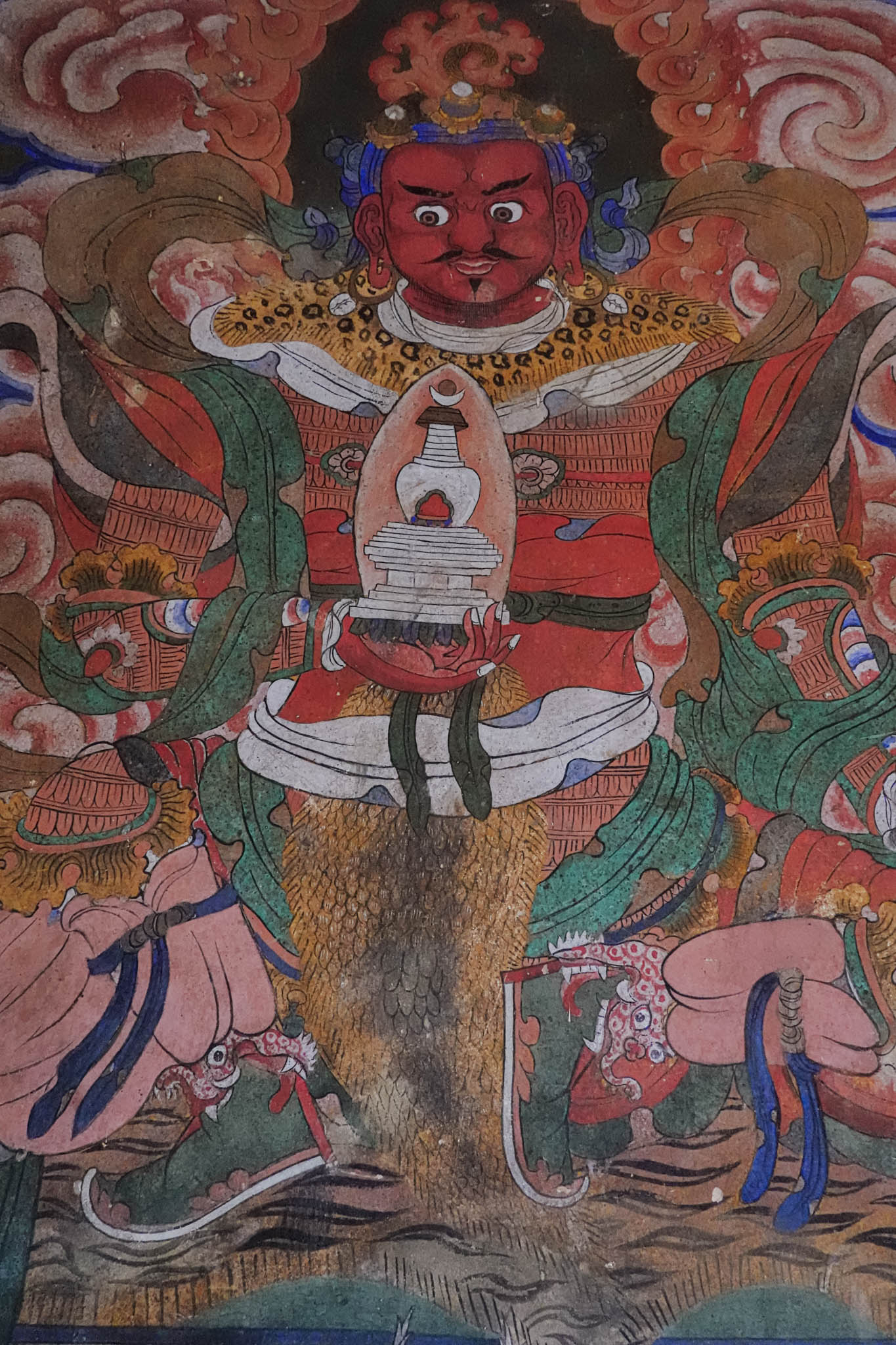
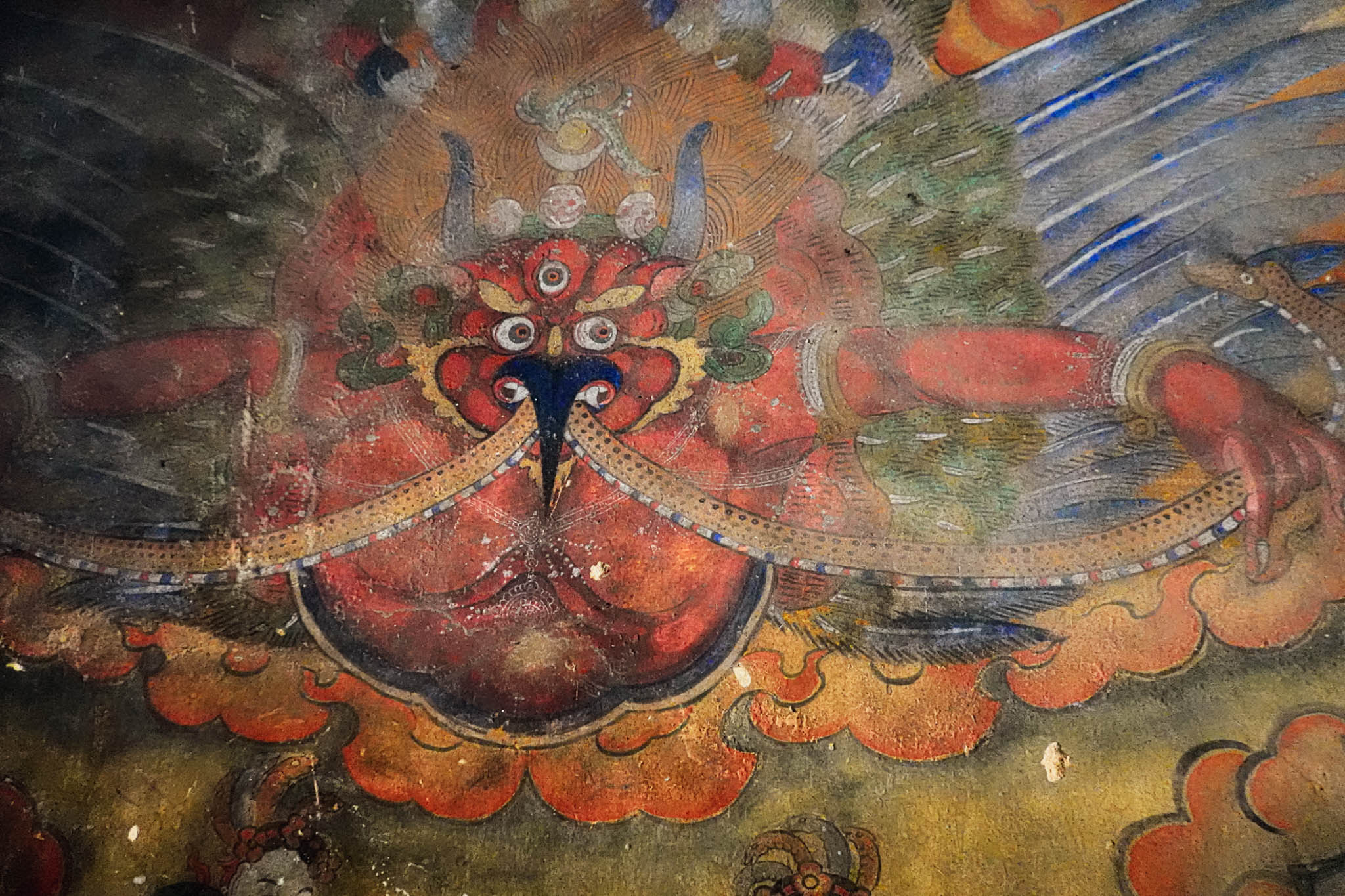
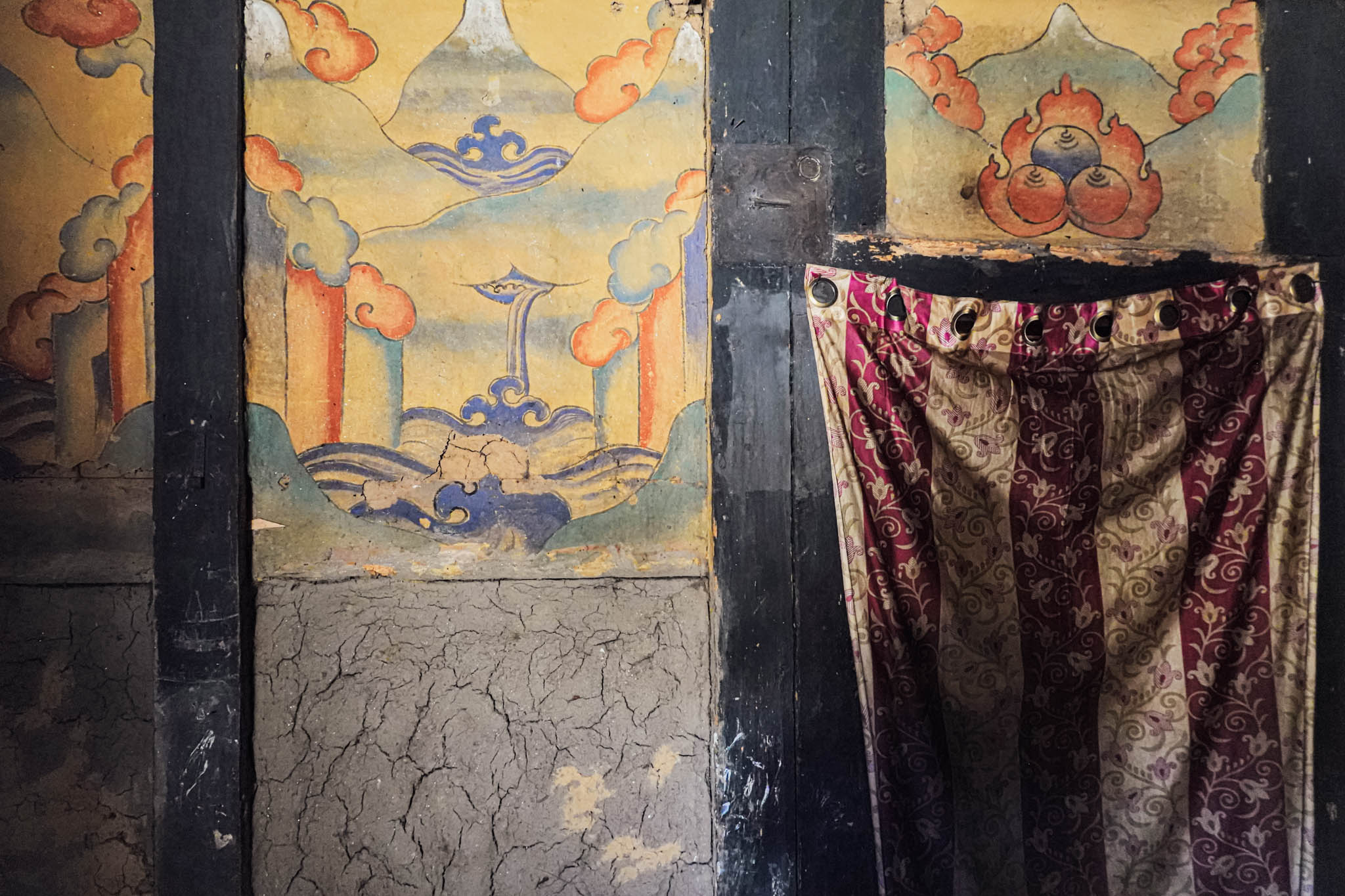
Much of that description seems like a metaphor mistaken for history. But the Lhakhang does seem more archaic than almost any other built cultural site we have visited in Bhutan. There’s a kind of Land of the Lost wildness and primitiveness to the structure — as if it was the product of an alternative and alien version of the Stone Age — to the rough masonry and polychrome timberwork, to the various orange and white tints apparently poured and splashed across the walls rather than painted on them. In fact, the temple architecture reminds me of the famous Earth Door Sky Door illustrations <link> prepared by Australian architect Robert Powell and illustrating the built environment of the once-closed Tibetan Buddhist kingdom of Mustang, a few hundred miles to the west in arid Nepalese foothills of the Himalayas quite unlike the verdant forested elevations of Bhutan.
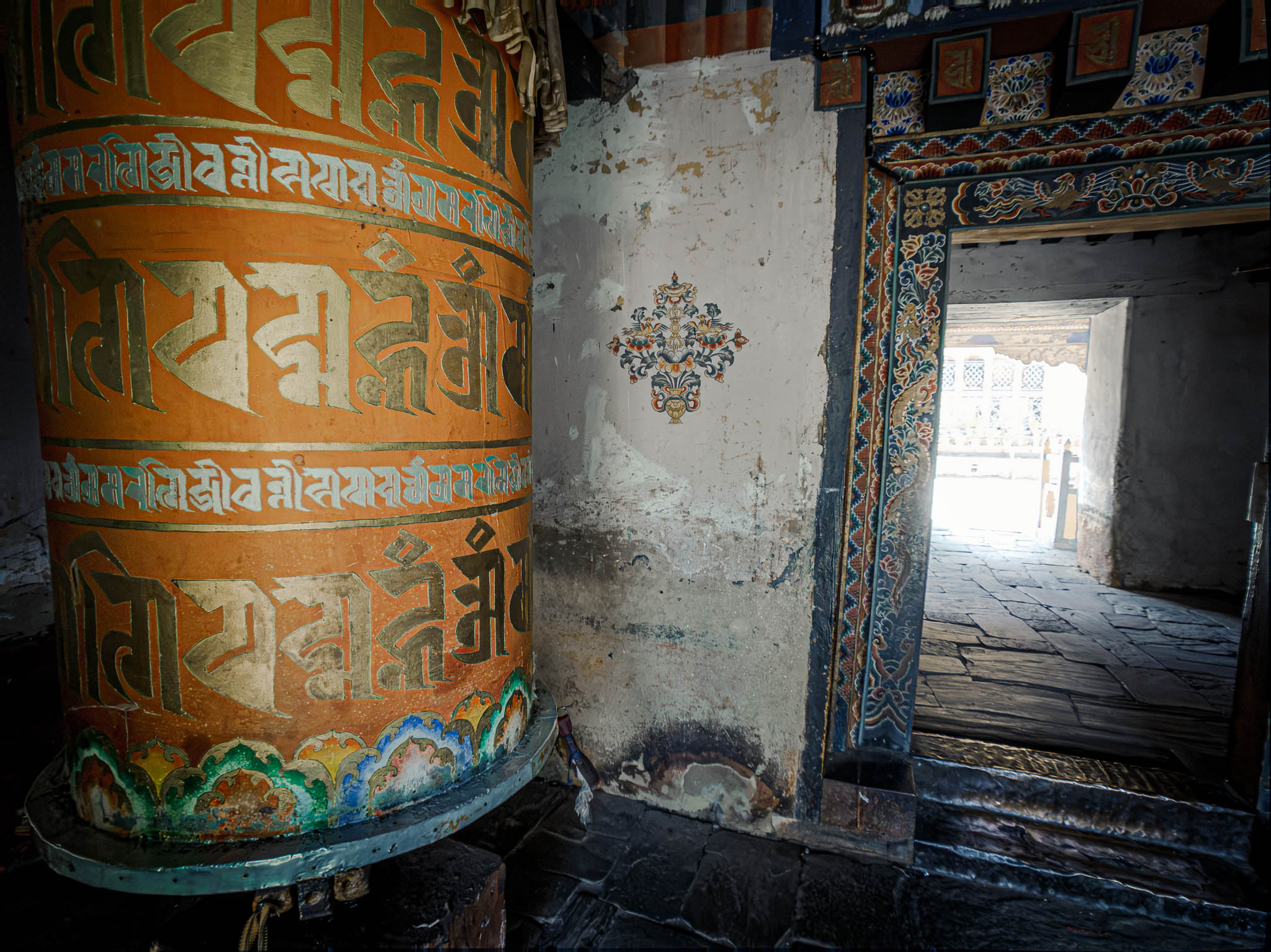
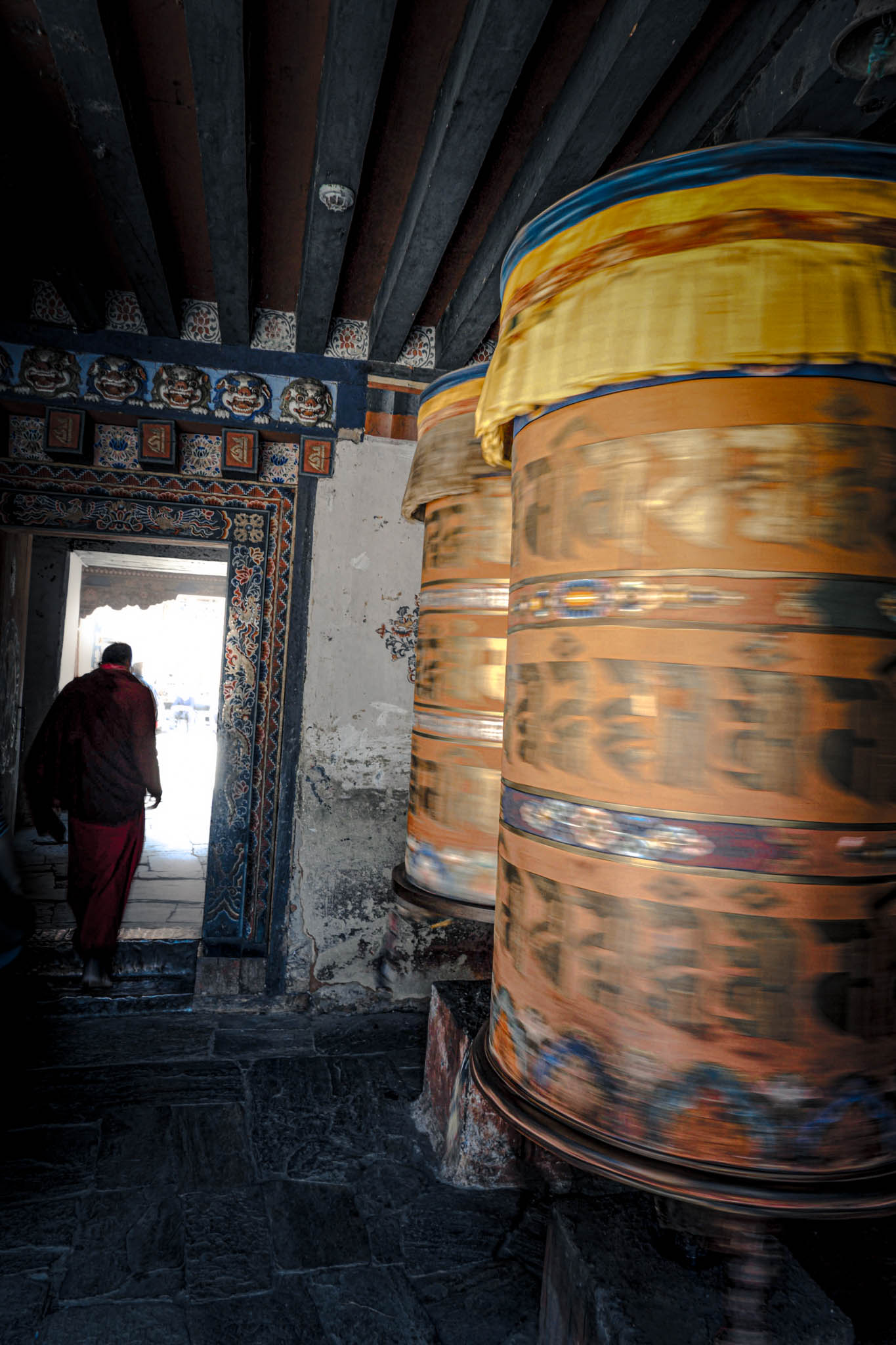
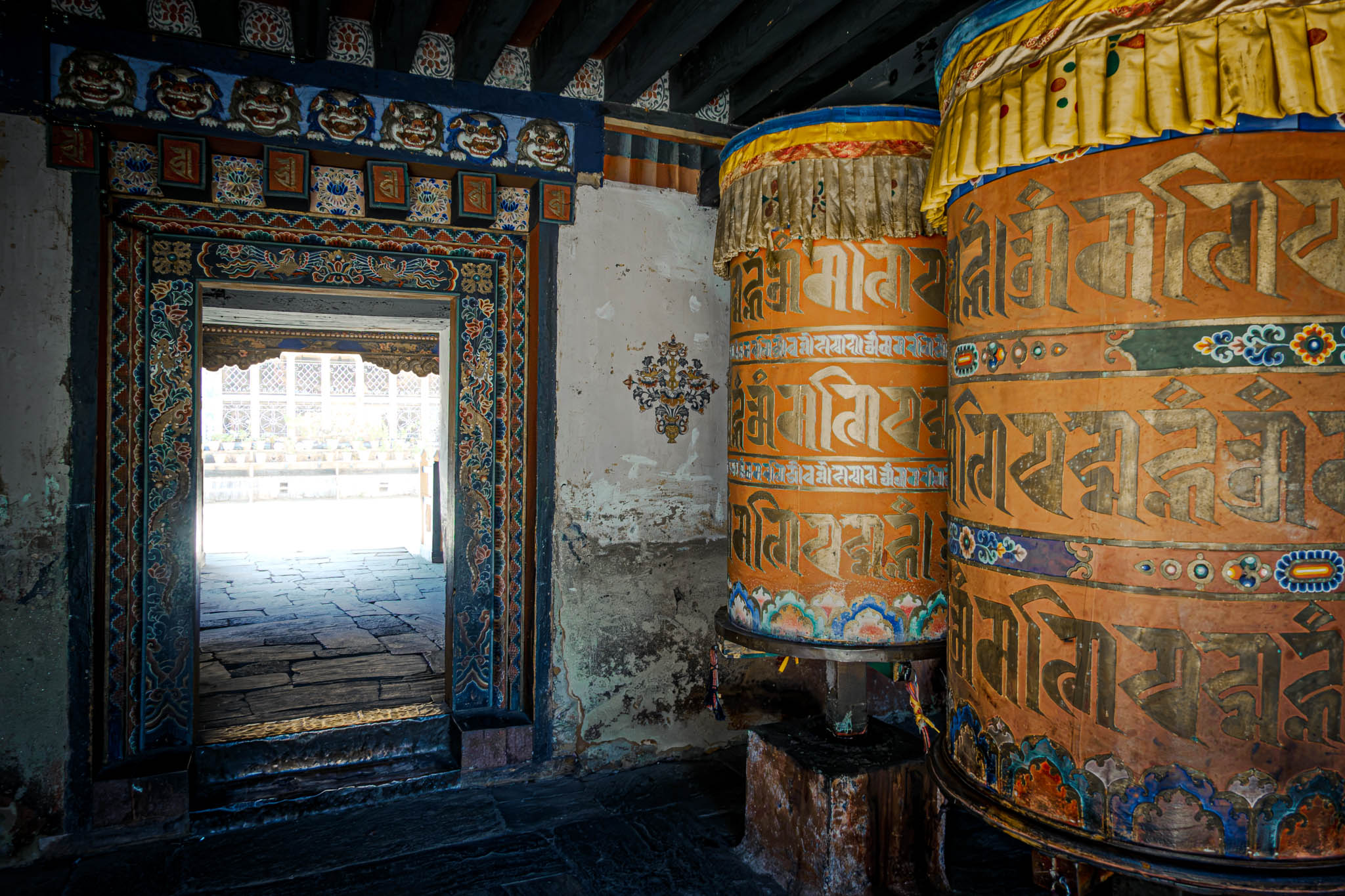
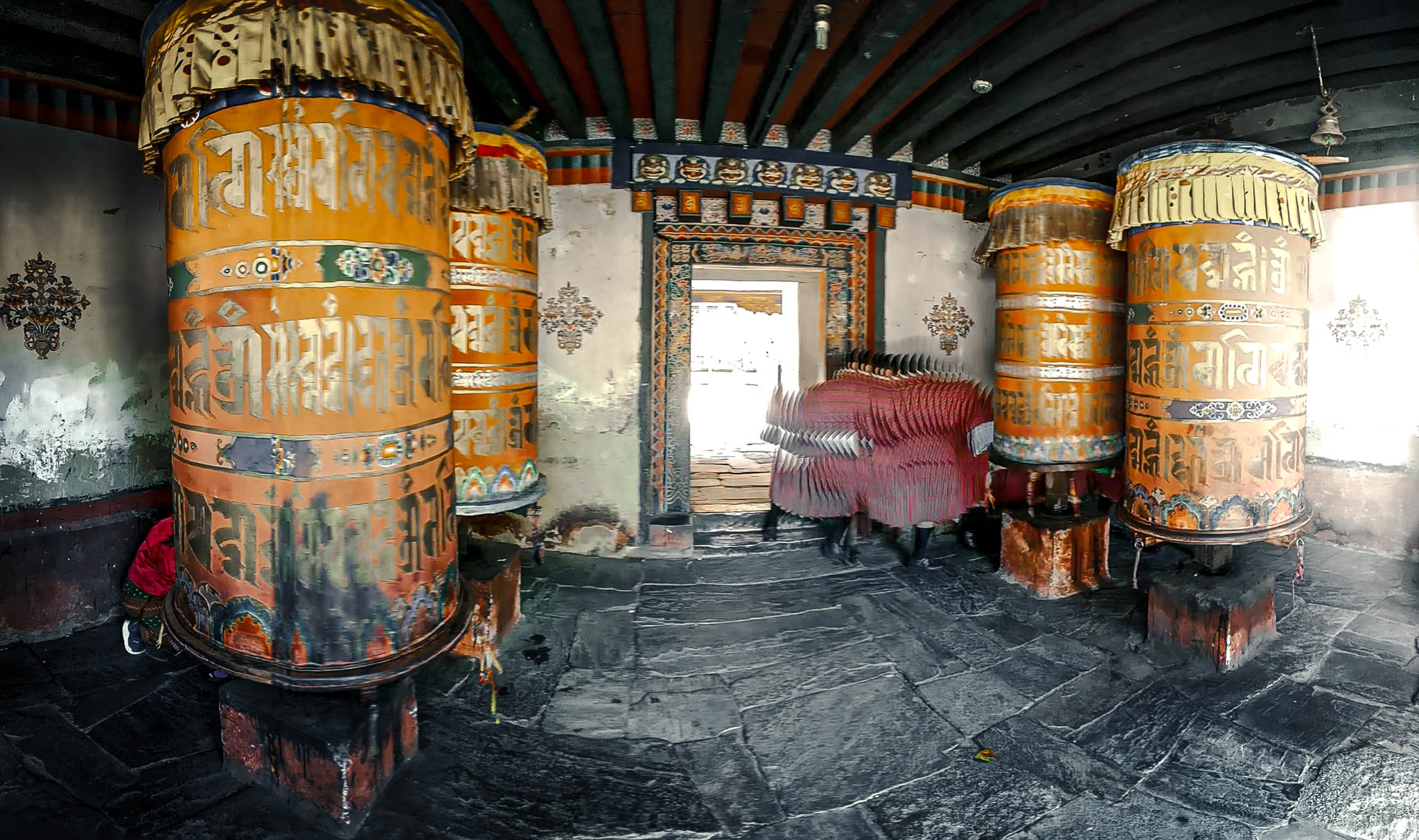
Unfortunately, much of the Jambay Lhakhang interior is currently restricted (at least in terms of photography), or closed off to visitors, or simply obscured by milling groups of Bhutanese in their Sunday-best gho and kira as well as wilting foreigners in their Mount Everest-ready travel gear. The restrictions and the visitors are both the consequence of the ongoing religious dance festival (tsechu) referred to as the Jambay Lhakhang Drub.
The state-approved tour I have joined bills the yearly Drub as its centerpiece and highlight. And the individual cham or dances, held in a demarcated section of the temple yard, do have a certain appeal, presenting in dramatic visual form that unlikely conflation of rigorous fifth-century-BCE Indian metaphysics and soteriology with Himalayan mountain tribe necromancy that I find so striking and oddly appealing in Tibetan Buddhism. But I had no idea what I was watching at the Drub, most of the time: charnel skull-masked figures with bejeweled crowns. Monstrous stag-human hybrids swinging swords. Clowns wearing suspiciously European-featured masks and waving wooden phalli the size of billy clubs.
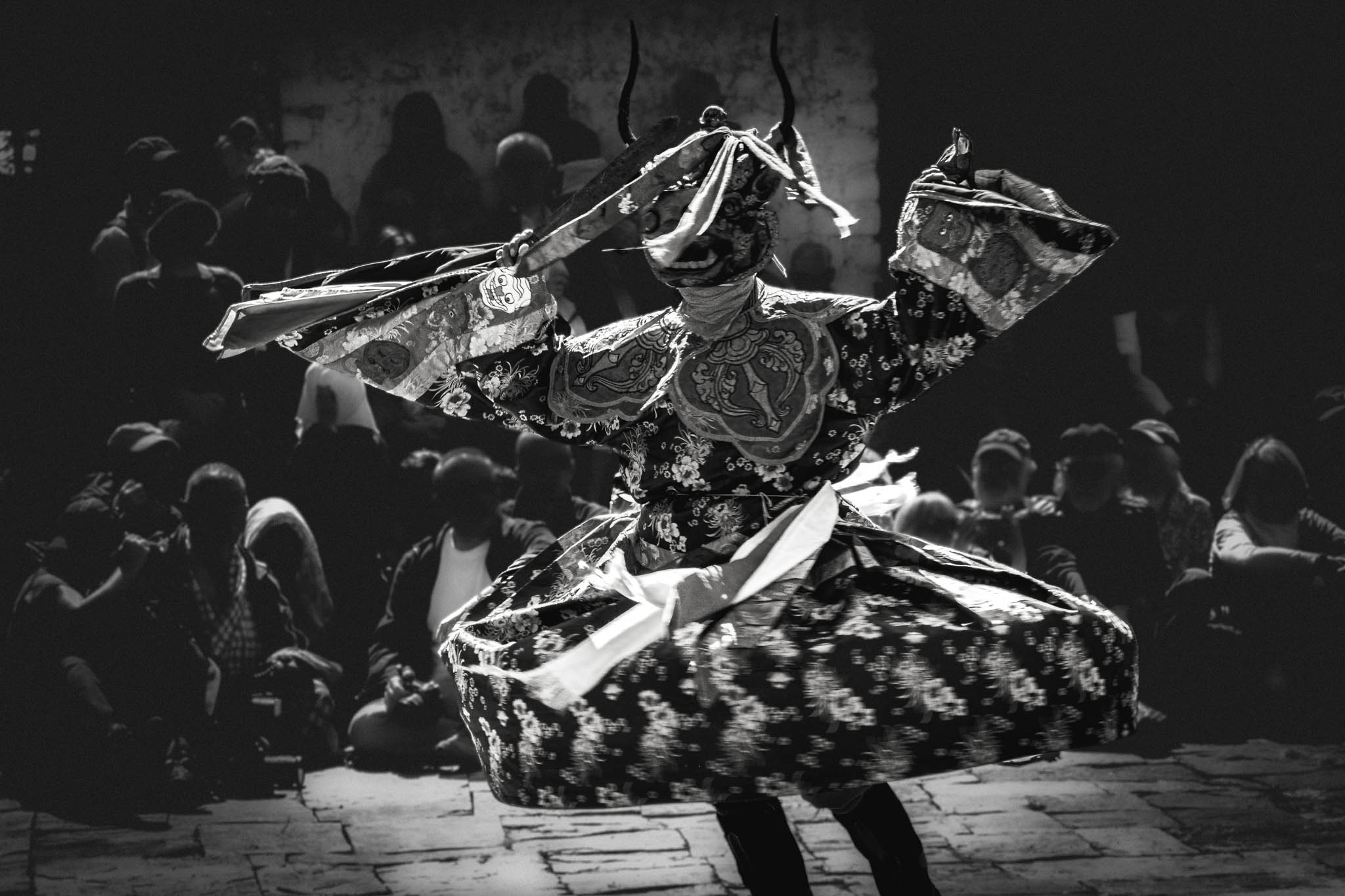
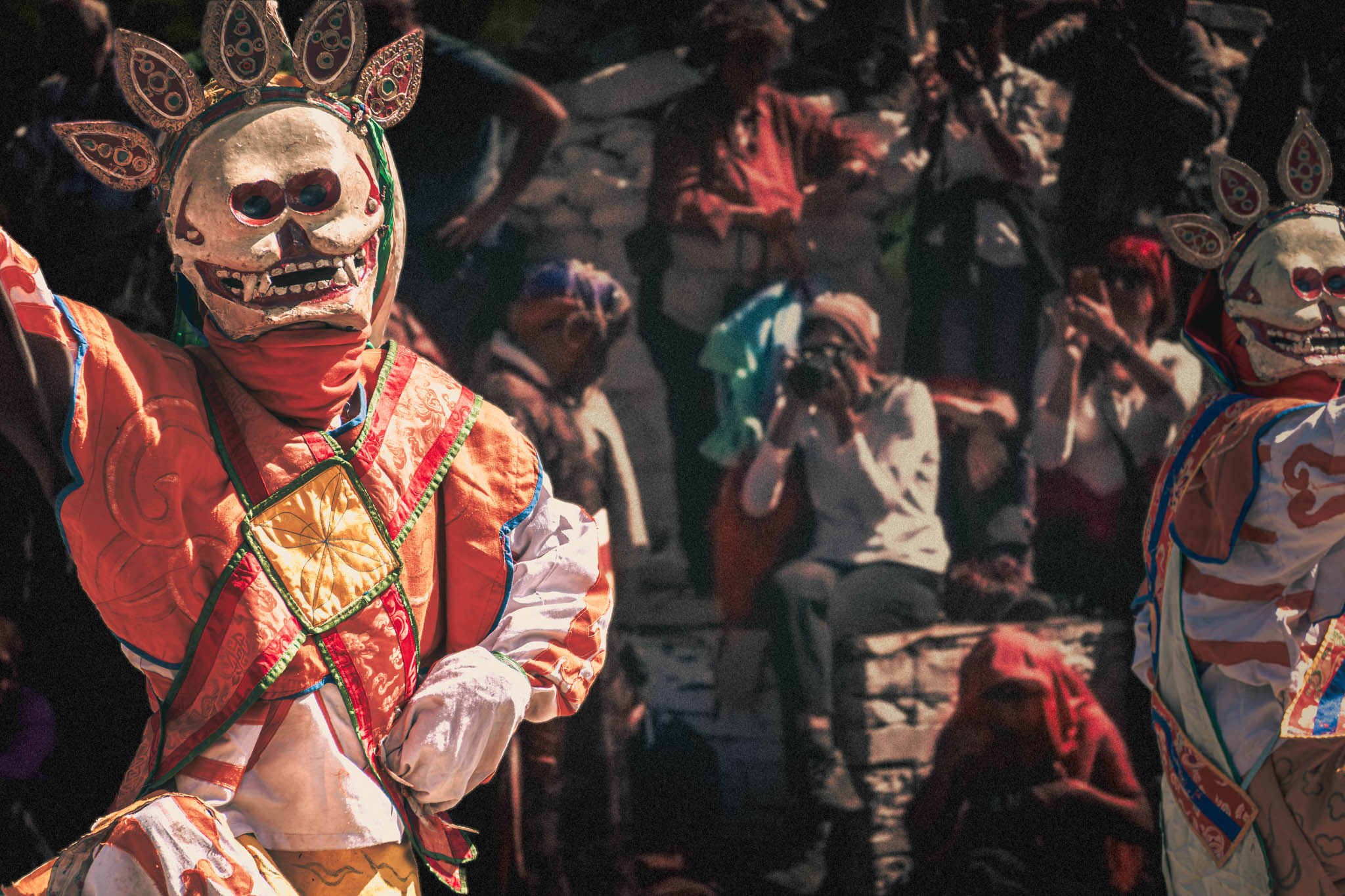
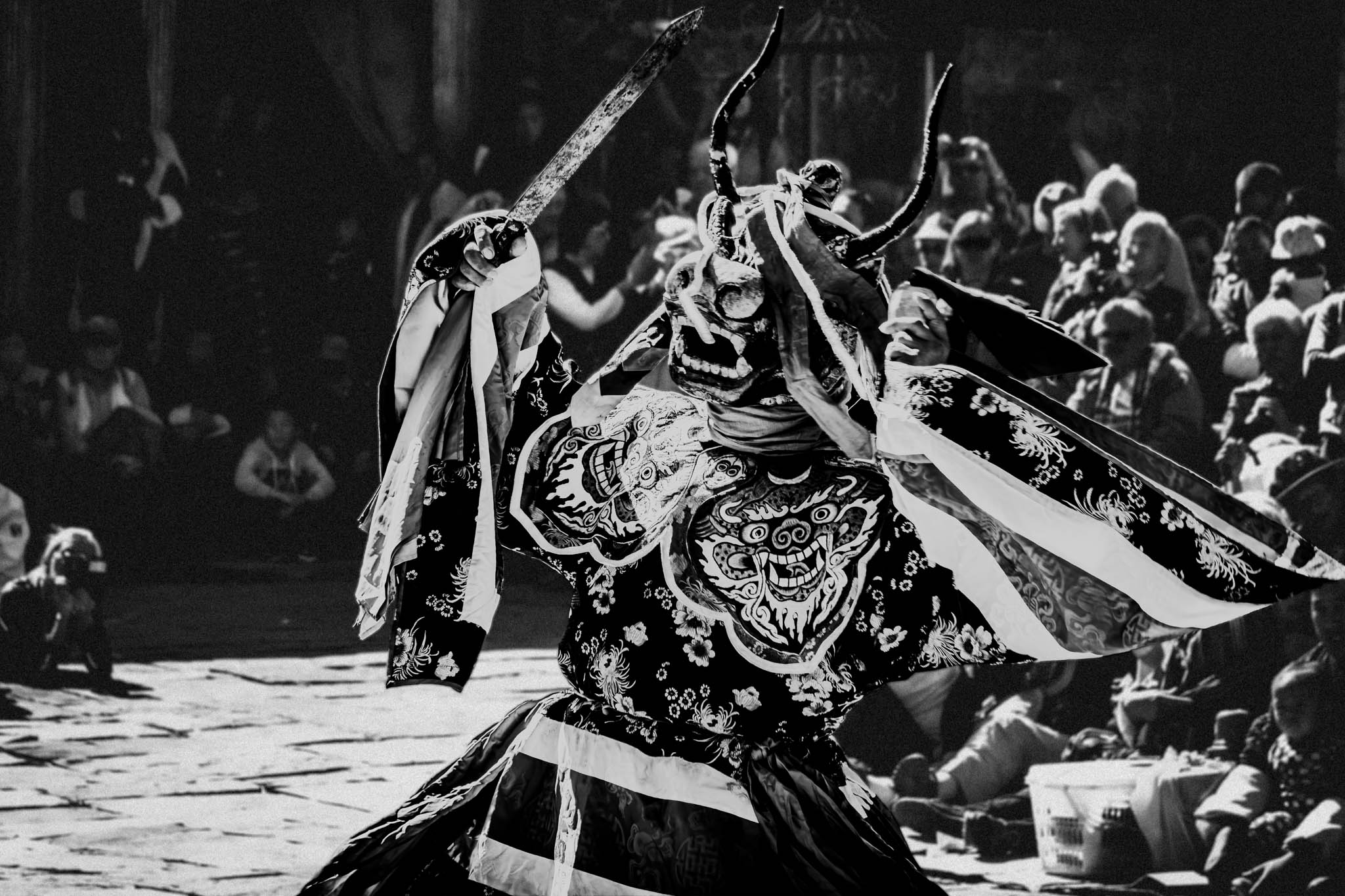
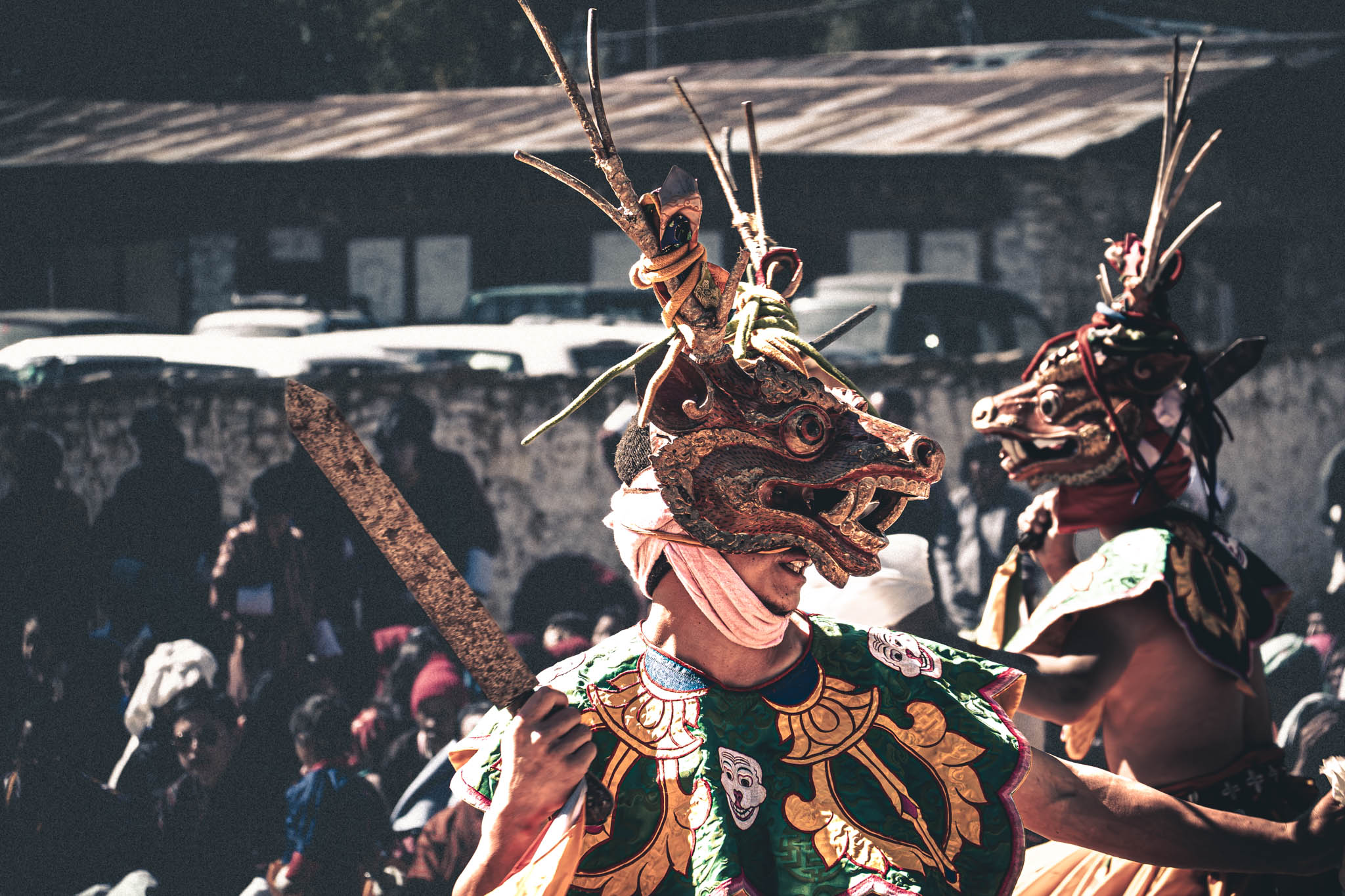
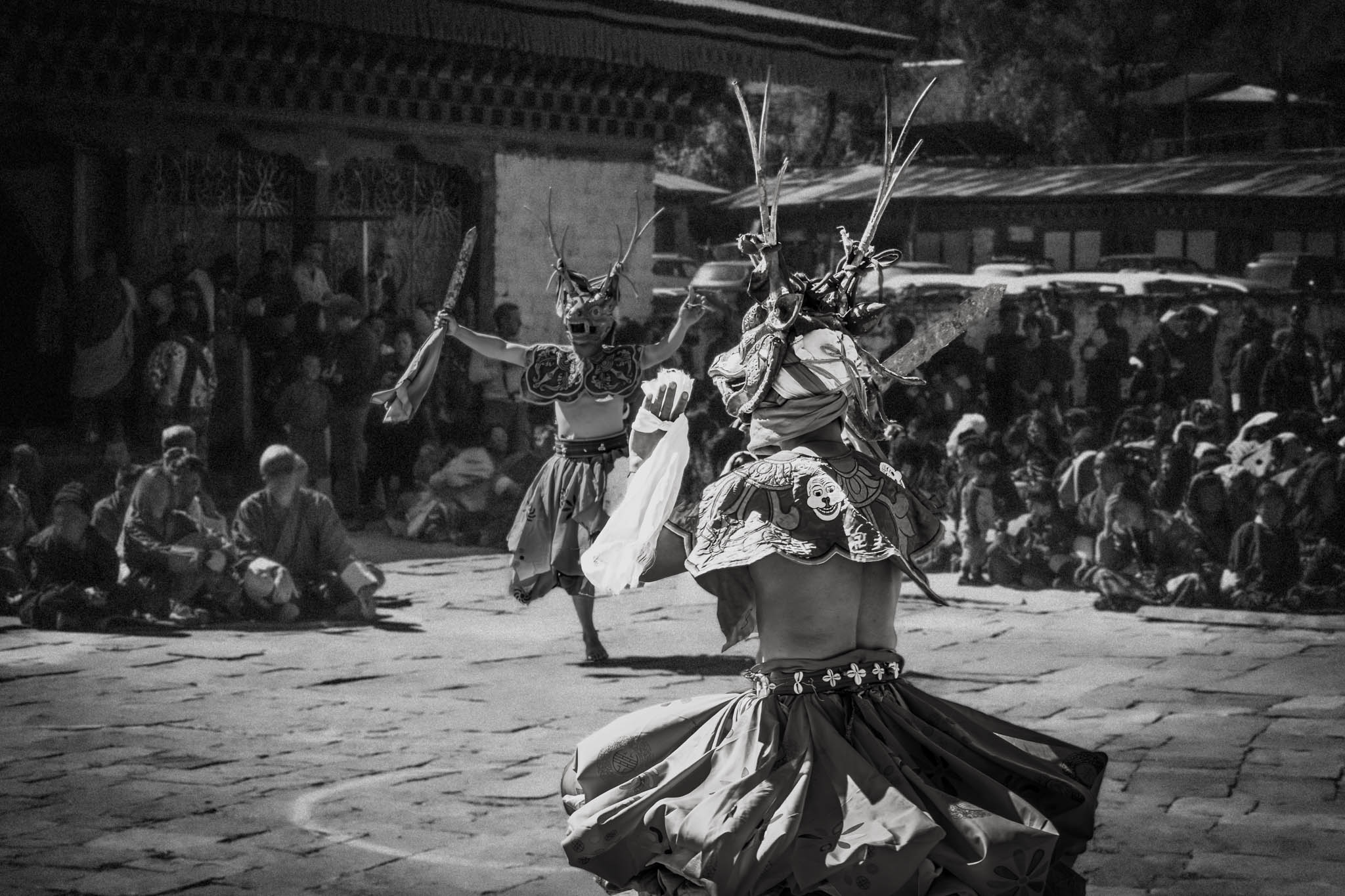
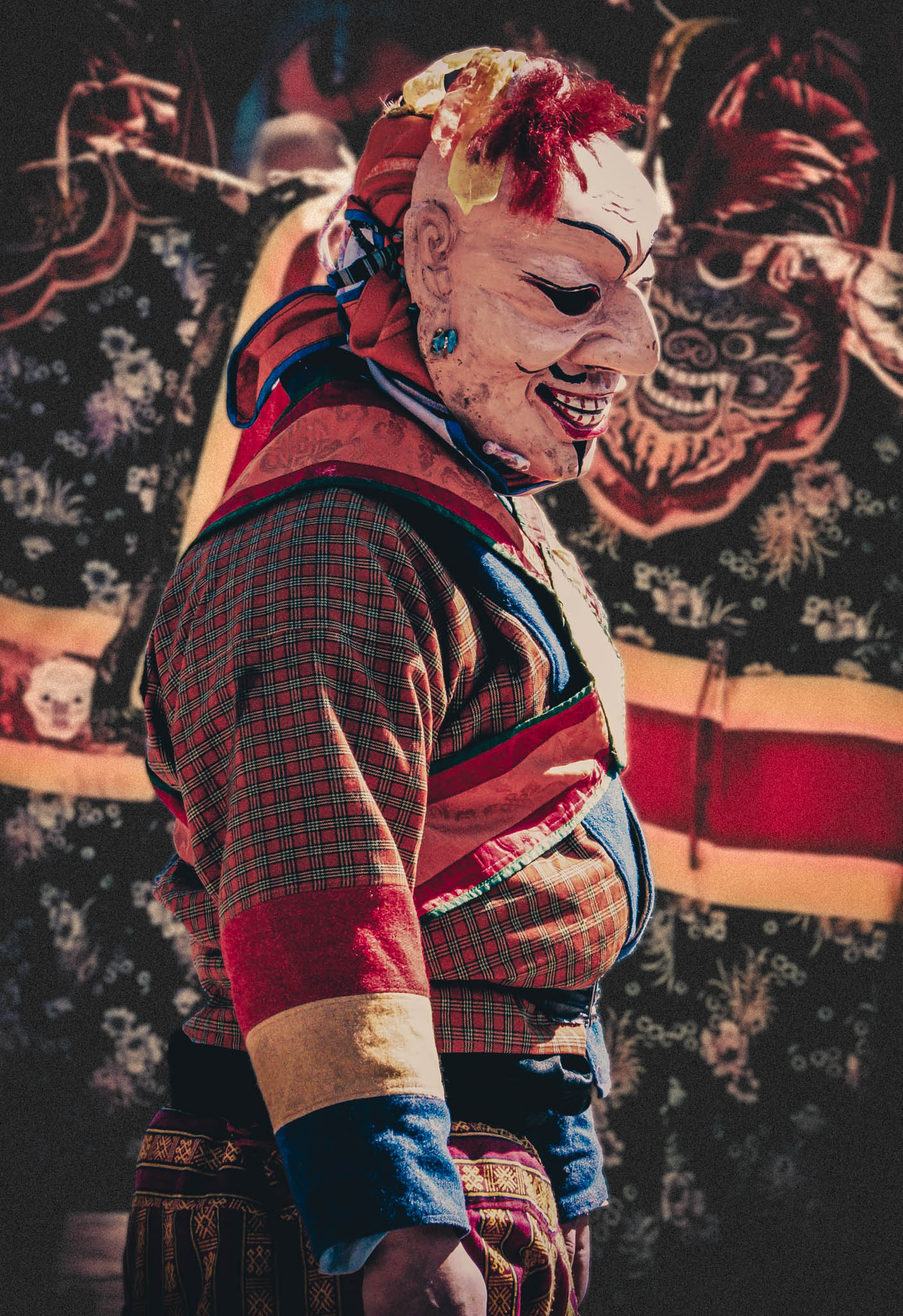
[A/N: eventually someone pressed into my hands an English-language programme for the multi-day Drub. I didn’t think to consult it until much later. The order presented for the various cham seemed to diverge from what I witnessed, but I have here labeled my photographs of the various dances using the descriptions contained in that pamphlet.]
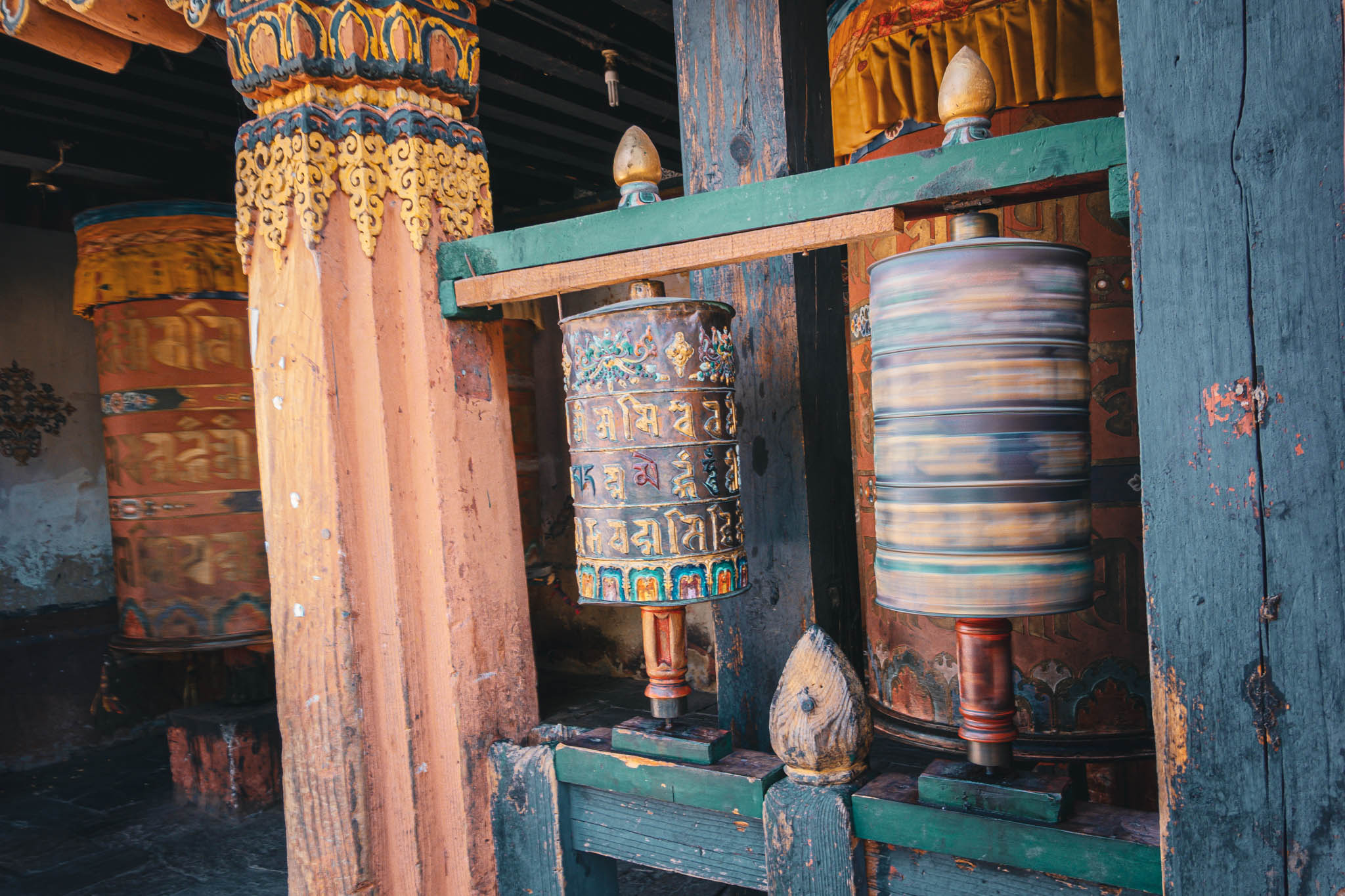
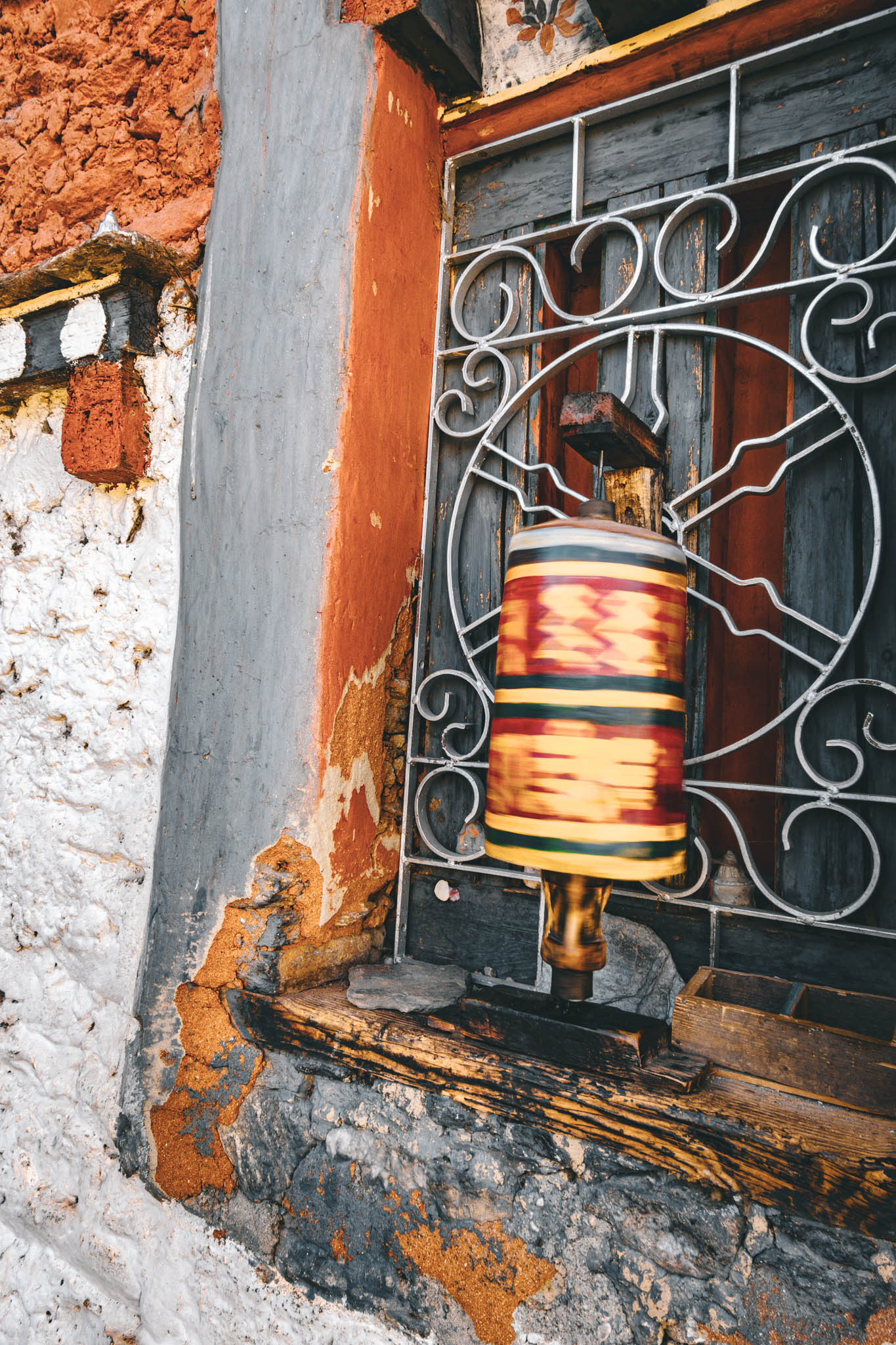
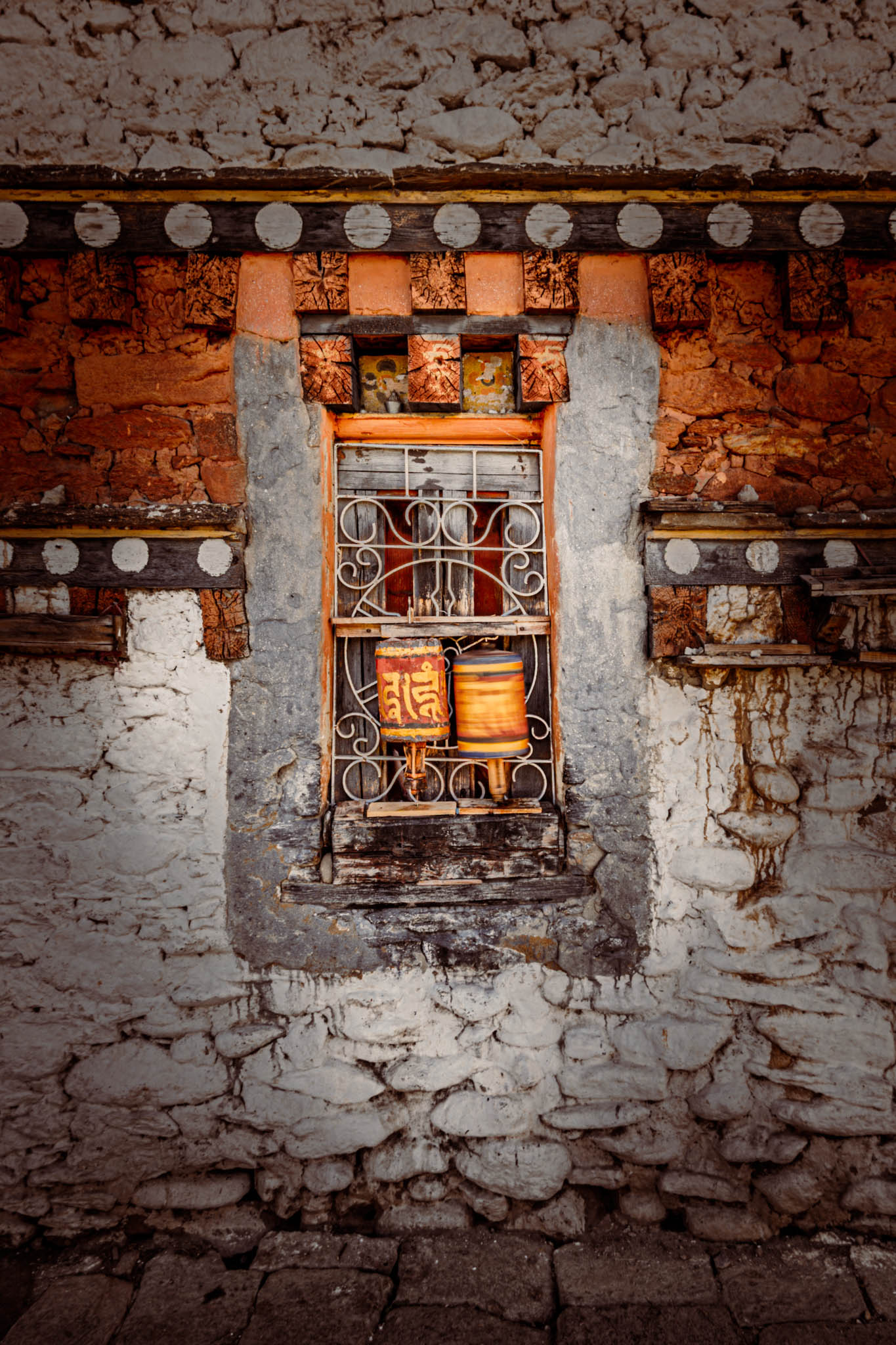
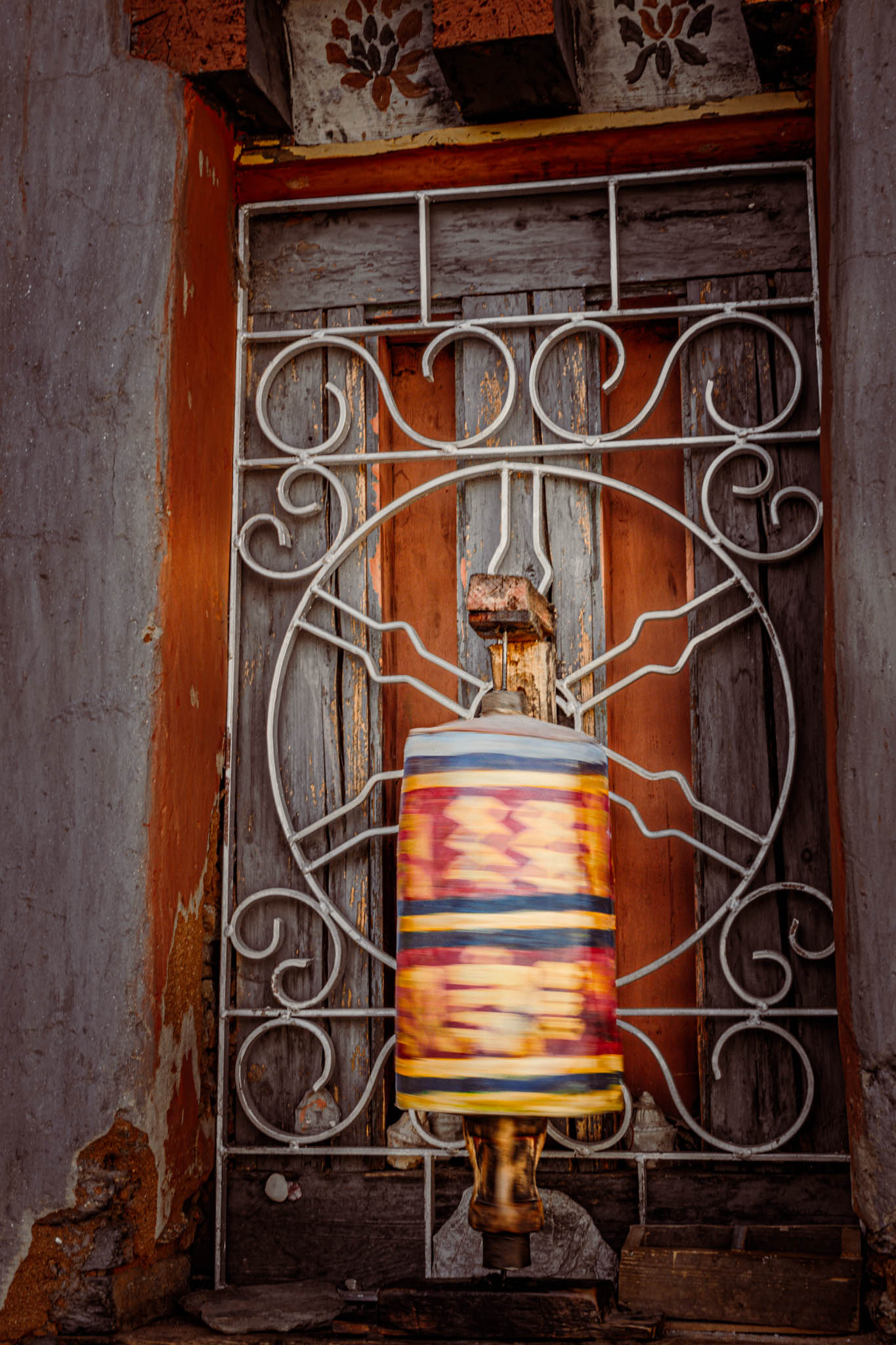
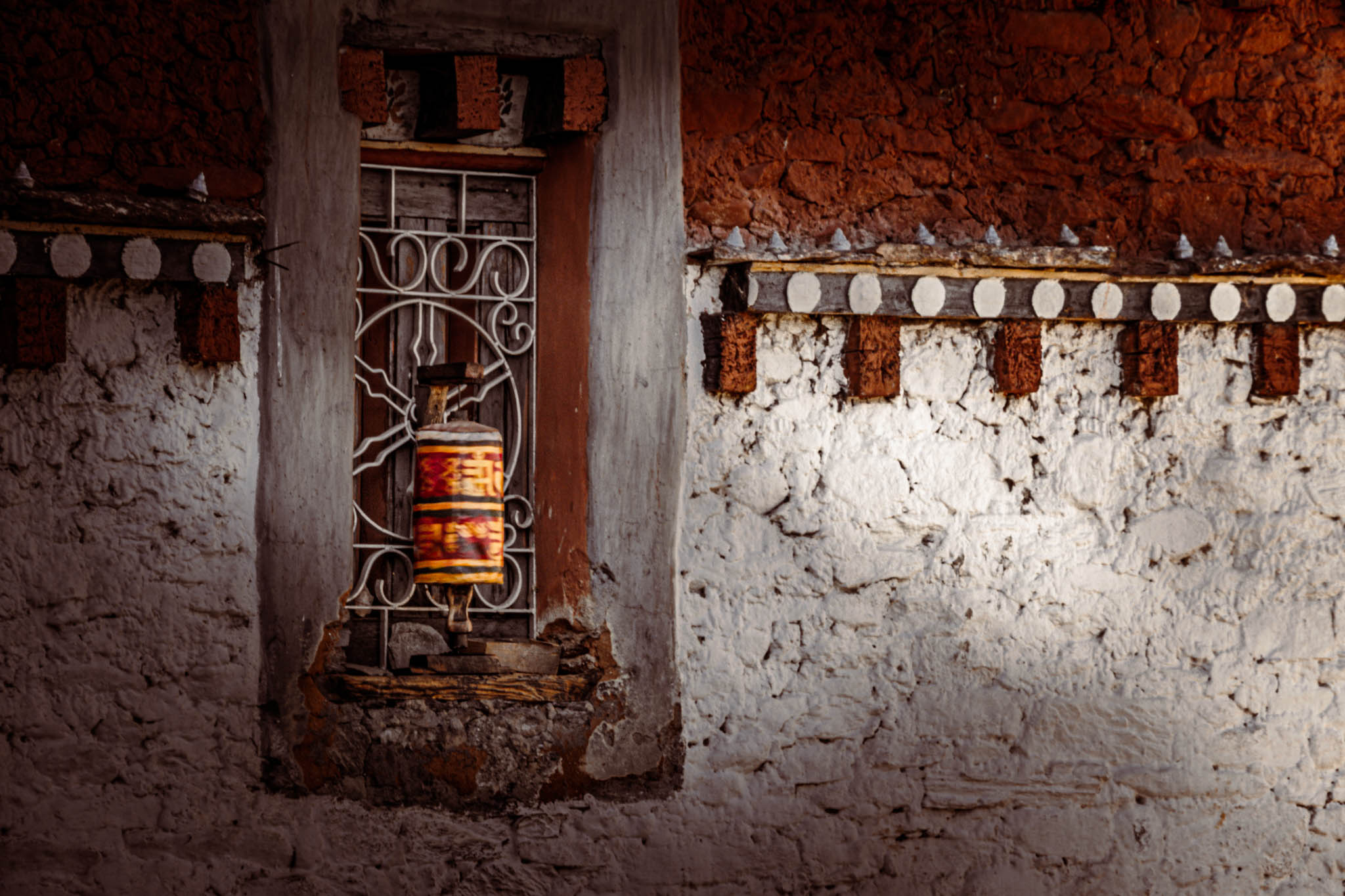
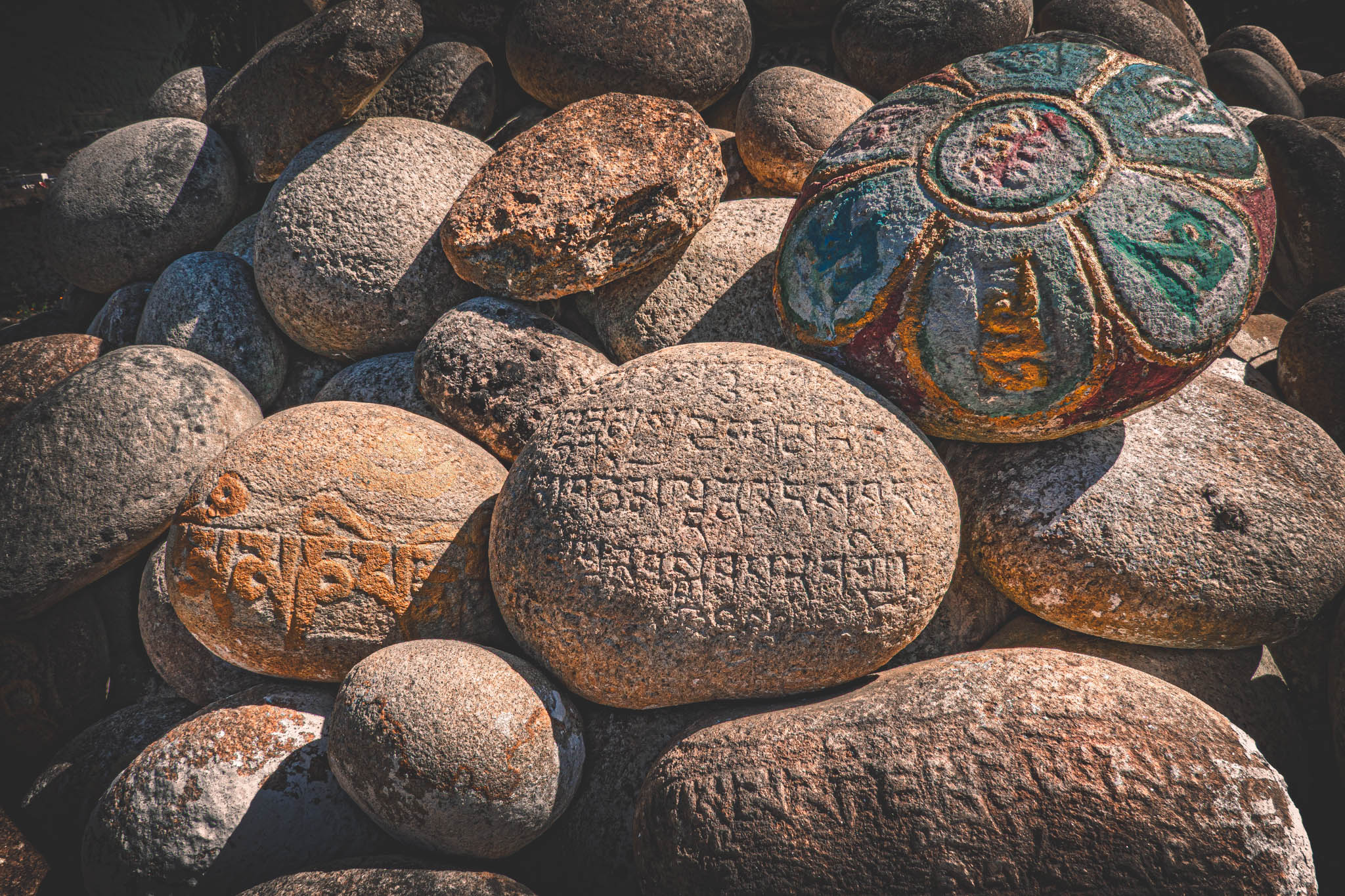
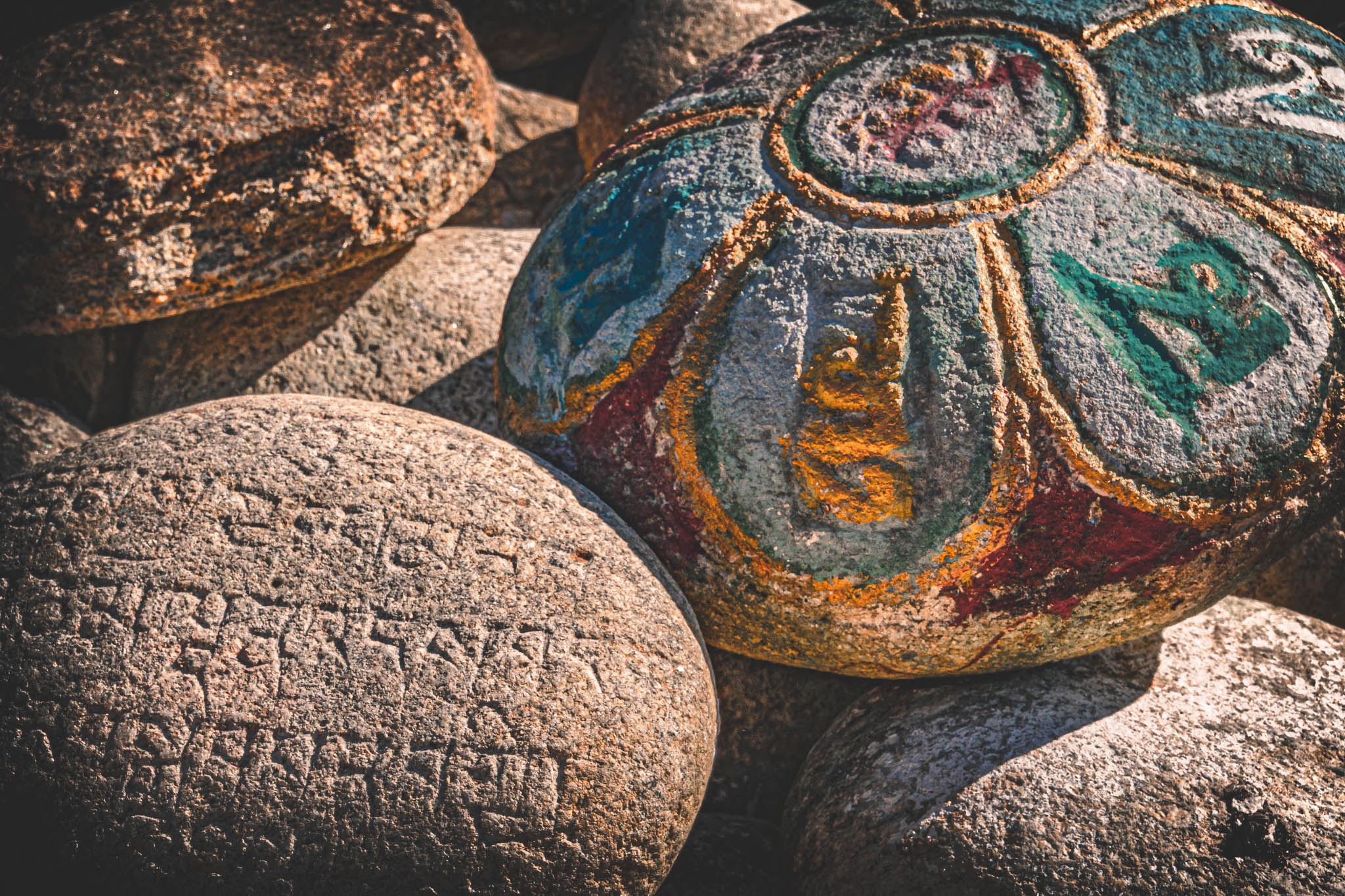
When not confusedly observing the various cham, I spent much of my afternoon circumambulating (in a clockwise direction, of course) the exterior of the temple. The lower windows almost inevitably served as a mount for one or more prayer wheels (‘khor lo), instances in various sizes of that ubiquitous mantra-labeled (and mantra-filled, apparently) Tibetan appliance for manufacturing virtue and good karma. I was able to confirm that almost no exterior light is able to enter through these plank-, grate-, and virtue-secured apertures.
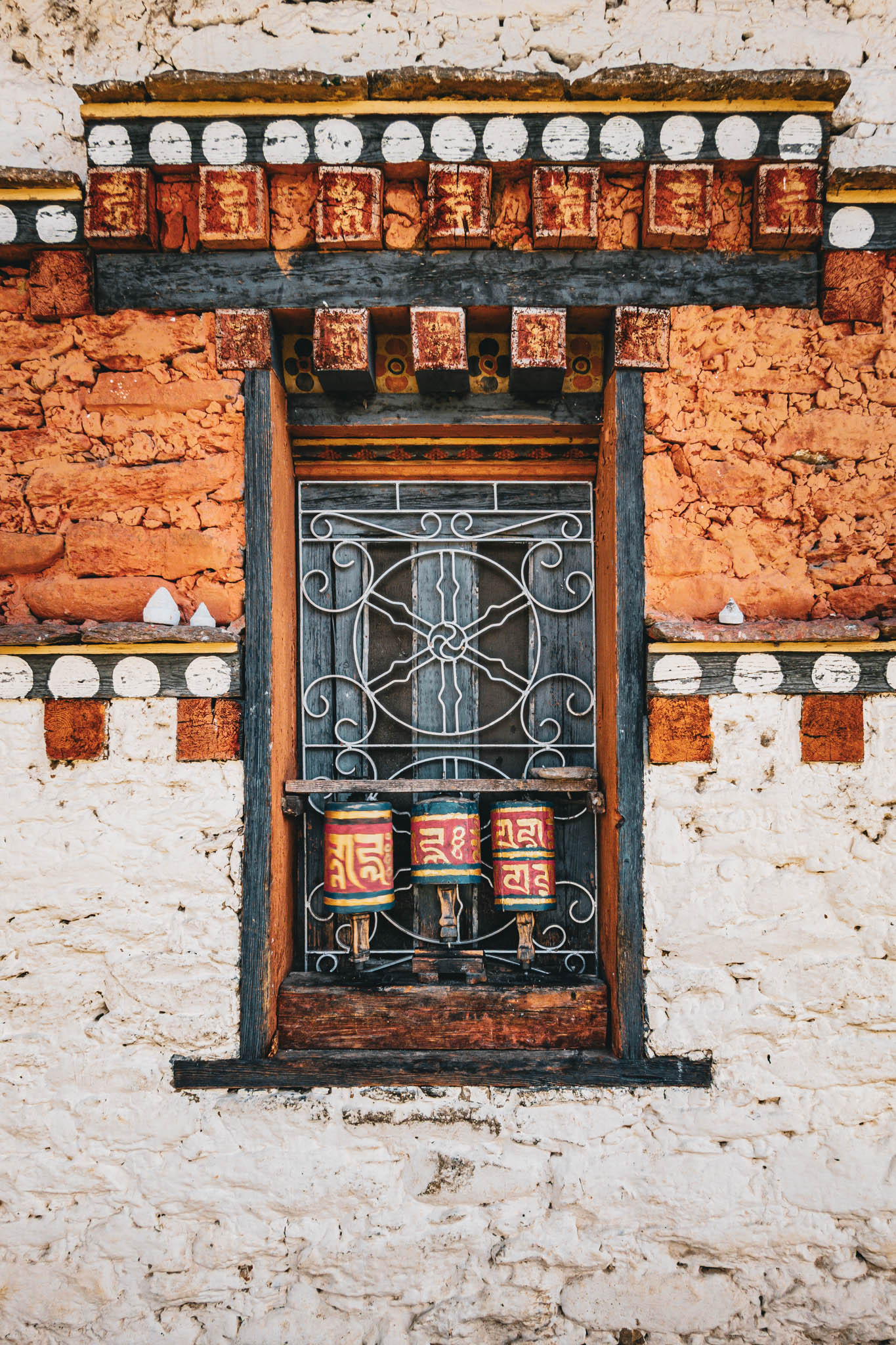
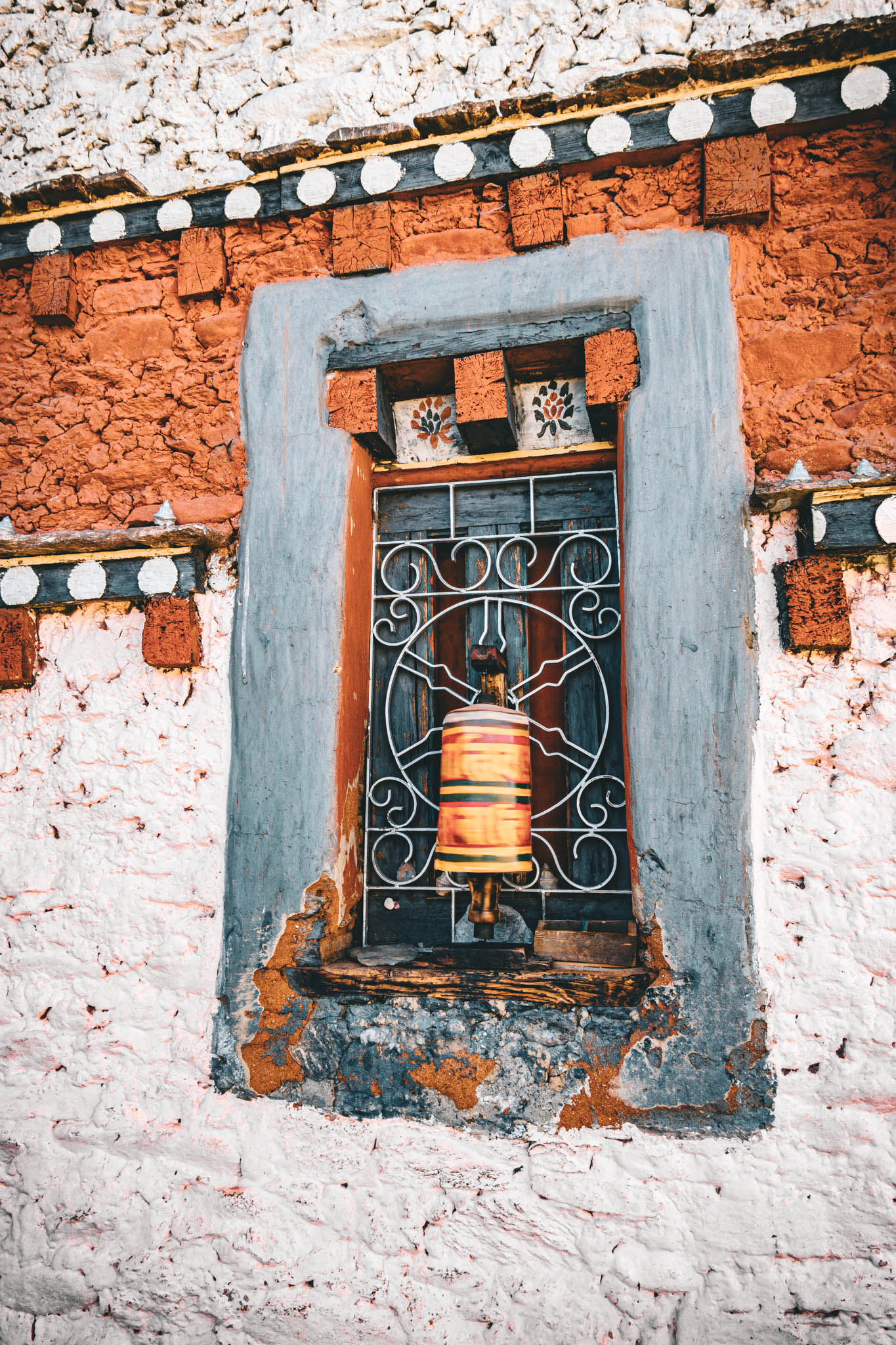
On and on the tshechu went. Eventually, we returned briefly to our hotel (which I thought of as the Inn of Perilous Concrete Stairs for rather obvious reasons) for a quick supper before walking back to the Lhakhang to witness one last dance. The Drub, my little state-approved tourist group was told, would end with the famous (or notorious) Ter Cham, a unique performance at midnight by sixteen naked men. This last piece supposedly traces its origins to the 8th Century when it was performed — as apparently prophesied by Padmasambhava a.k.a. Guru Rinpoche — by the local saint Terton Dorji Lingpa to distract demons that were delaying the construction of a monastery by destroying it every night. I had been under the impression that Guru Rinpoche had converted all of the mountainside ogres and devils to wrathful protectors of the Dharma, but whatever.
We were warned by our tour guide not to even think about photographing the Ter Cham. I like our government-licensed guide. He is very fond of the English phrase Believe it or not!
Believe it or not, people who took a picture of the Naked Man Dance were beaten up and — believe it or not! — had to be driven to the hospital!
The Naked Man Dance will bring you such good fortune! added the innkeeper’s irrepressible teenage daughter, resplendent in bright embroidered silk kira and toego, as well as stylish Thai movie-star sunglasses, that she had selected to wear in honor of the Drub. While waiting for our devoted group of cham aficionados to assemble, I took advantage of the hotel’s spotty wifi to do a quick websearch and confirmed her pronouncement concerning the Ter Cham:
The Naked Man Dance symbolises purity, rebirth, and the stripping away of ego, representing a raw connection to the divine. It is believed to bring fertility, prosperity, and spiritual cleansing to the land and its people. [Source Website Unknown]
…as well as operating as a sort of blood sport, possibly. I began to suspect from the gleeful emphasis placed on the potential beating of any photographers — some of locals seemed close to rubbing their hands together in anticipation as they admonished us with increasing frequency, Remember, don’t take any pictures! Don’t even take your phones out! — that the violence had become the de facto concluding element of the whole tsechu ritual.
Back at the temple and well after the witching hour the putative Naked Man Dancers finally worked up the courage (or rather, the requisite blood-alcohol content) to honor Padmasambhava and Dorji Lingpa with the long-awaited Ter Cham. Or rather, as some of my tour group took to calling it, with the “staggering drunk naked idiot dance.”
As if it could be mistaken for was anything else.
It was actually difficult to discern the intoxicated cavorting through the press of the crowd in the darkness of the temple yard, which was punctuated (as opposed to illuminated) only by the banked low flames and embers of a central fire. One had a sense rather than a true view of spastic movement among the shadows and the transient flickerings of reflected firelight off the fine silks of the appreciative Bhutanese members of the audience. I would have been more appreciative of the bizarre primitiveness of the experience if I hadn’t been — despite thermal underwear and jacket — flirting with hypothermia in the suddenly stabbing cold of a cloudless late-fall Himalayan night.
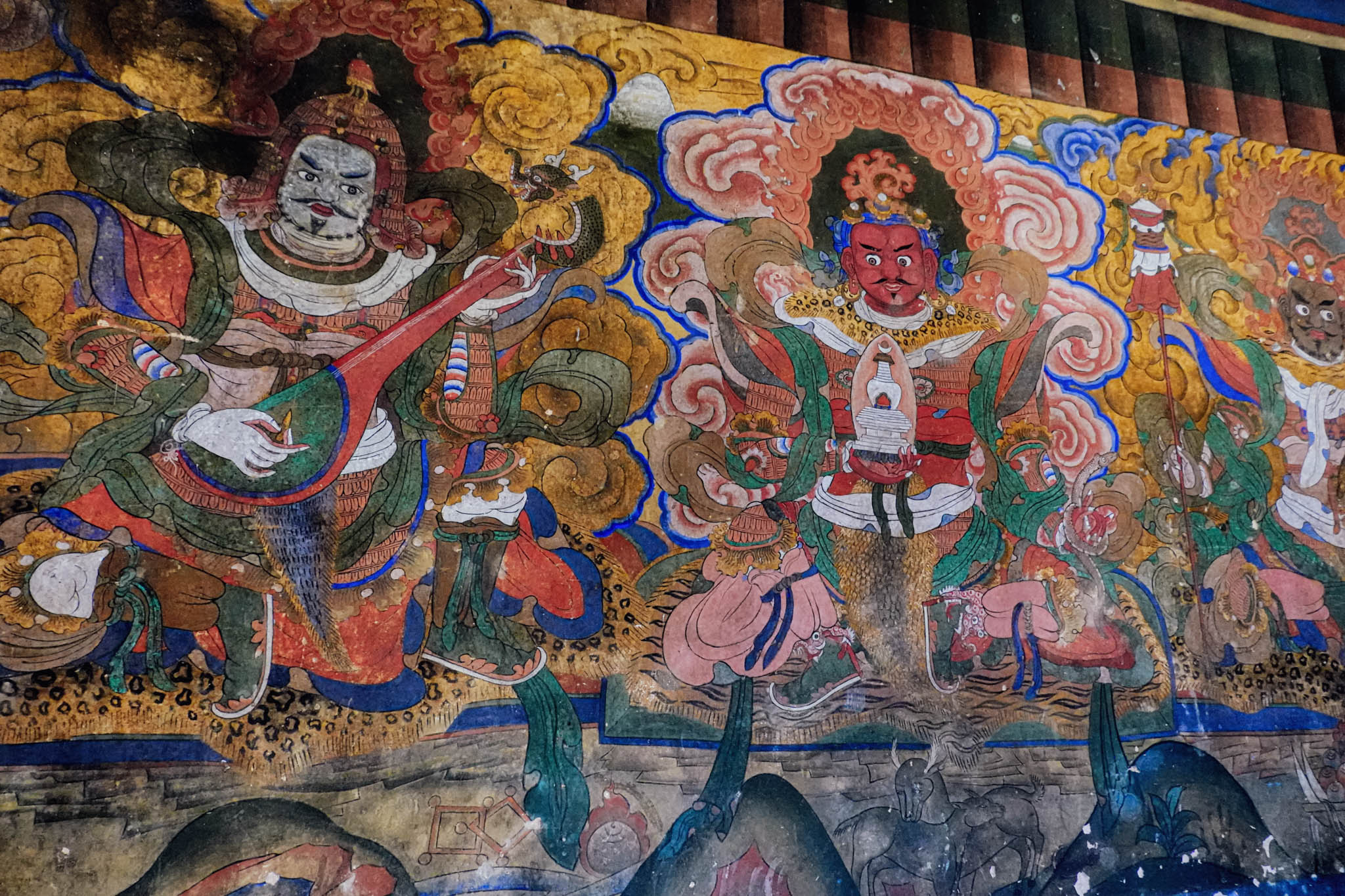
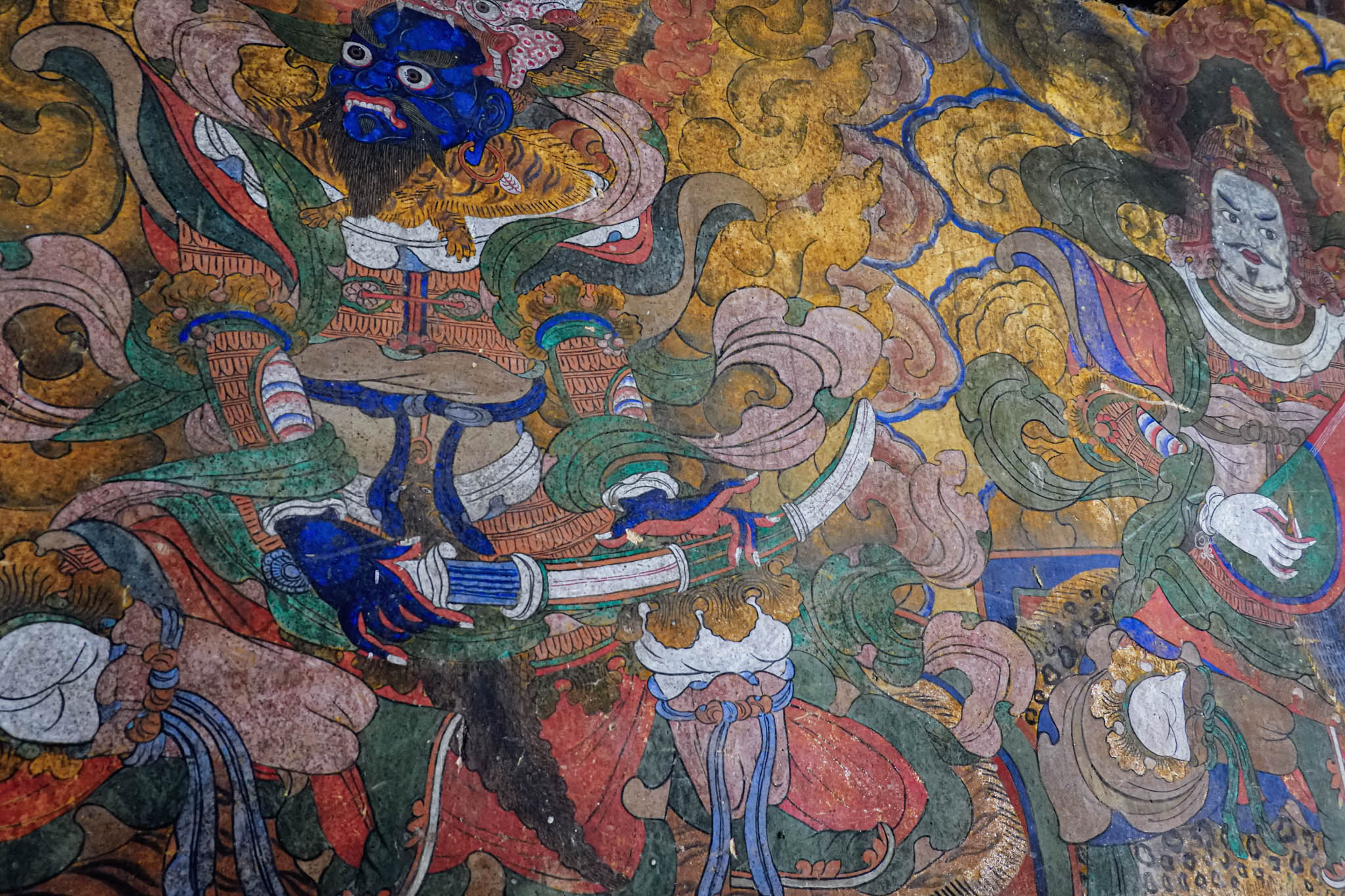
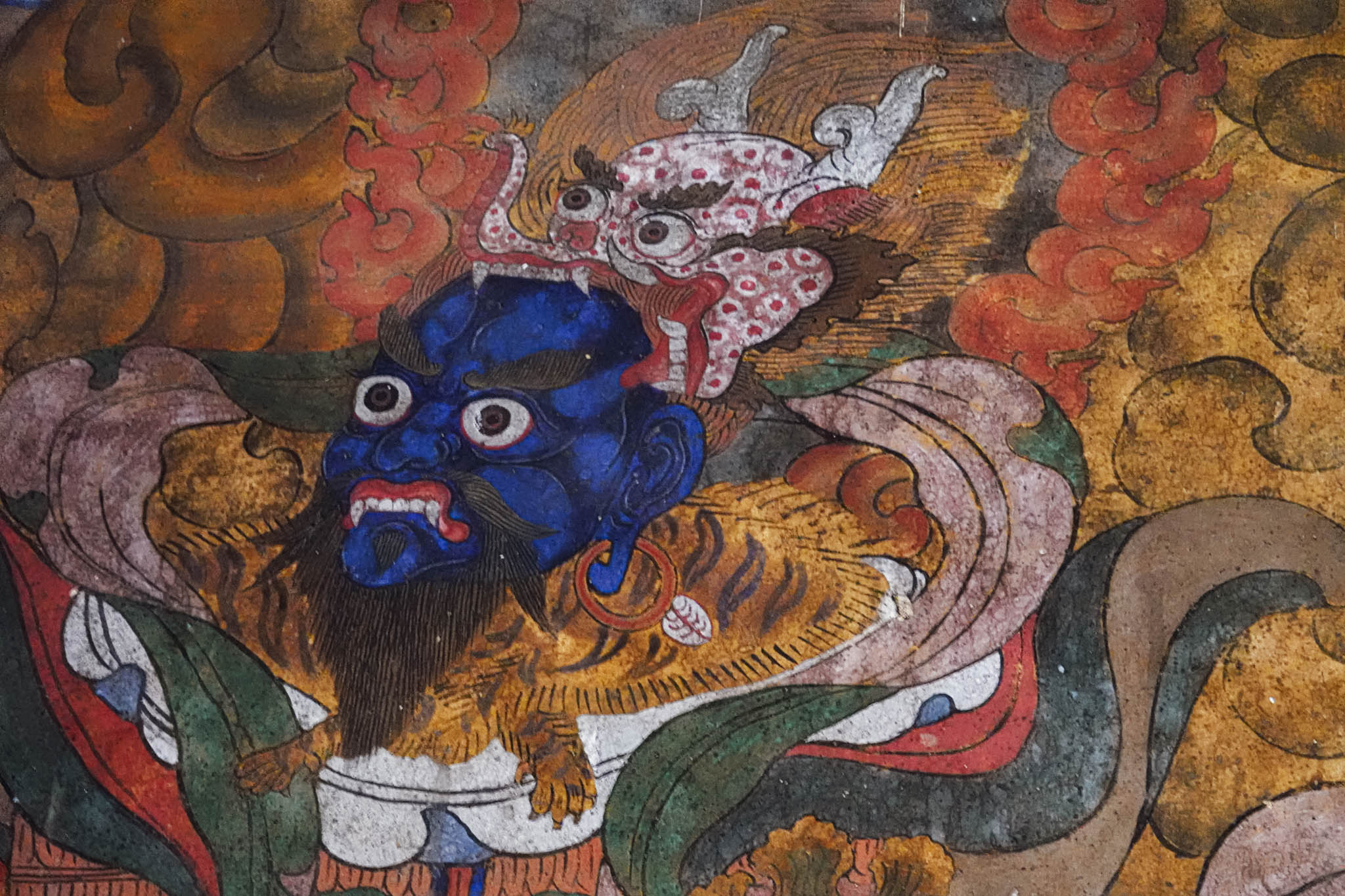
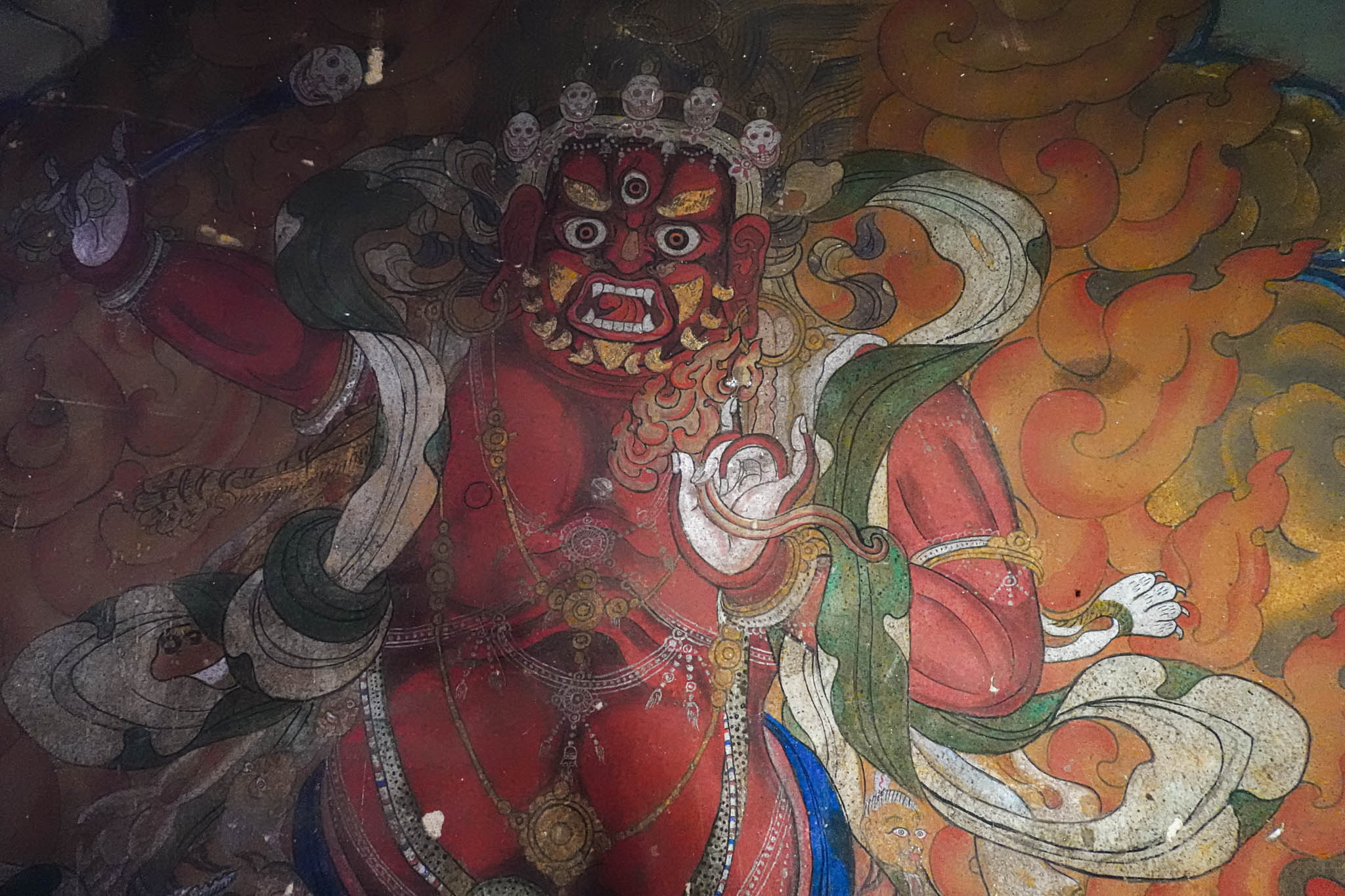
I couldn’t imagine how anyone could begin to photograph the inebriated performance, even if they were willing to risk the repercussions. Blast the whole thing with a flash unit on maximum, perhaps? There would be no way to be subtle about it. Wouldn’t that completely spoil any of the magic of the scene? Actually, what am I doing here anyway? Cold! I am so cold!
After a few minutes, by sudden implicit agreement most members of our shivering little tour groped their way through the crowd to the temple gate and began stumbling down the dark country lanes towards the light and warmth of the Inn of Perilous Concrete Stairs.
In the morning, from a stalwart who had remained until the conclusion of the event, I learned that — Believe it or not! — a would-be paparazzo (a Bhutanese, not a foreigner!) did in fact meet with a righteous whomping at the hands of the dancing drunks, concluding the Drub and satisfying all of the relevant buddhas, wrathful protectors, and saints.
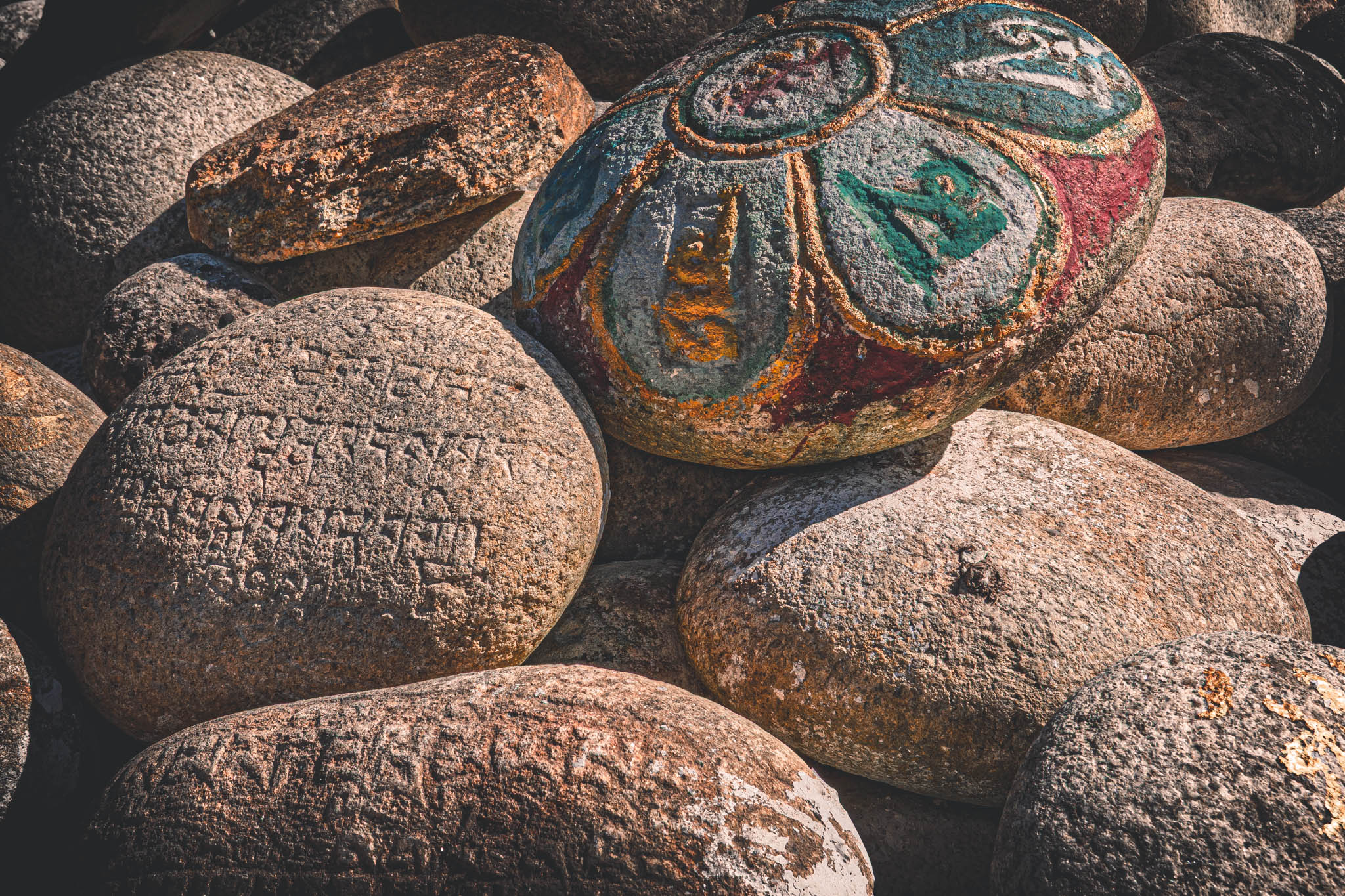
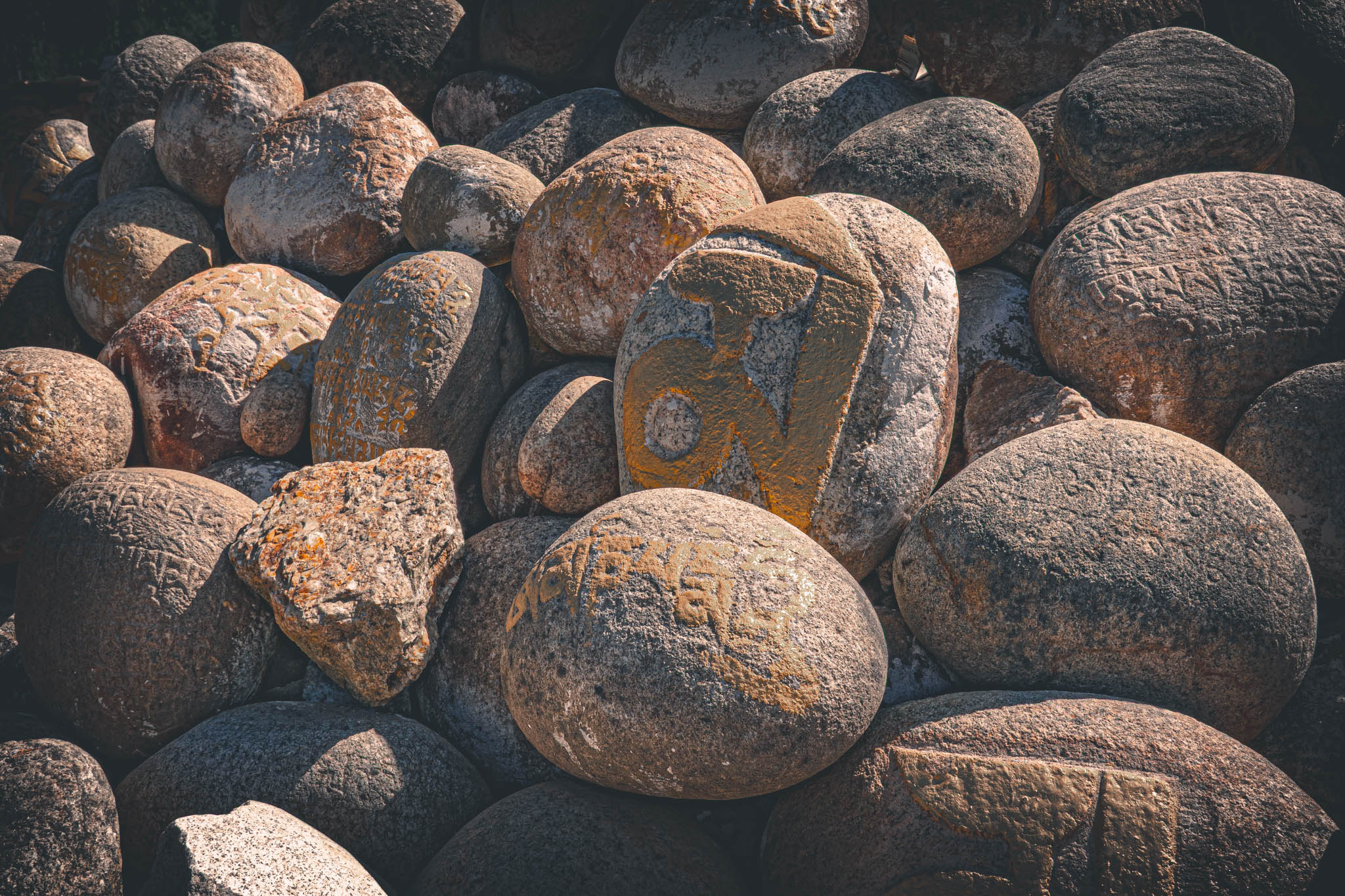
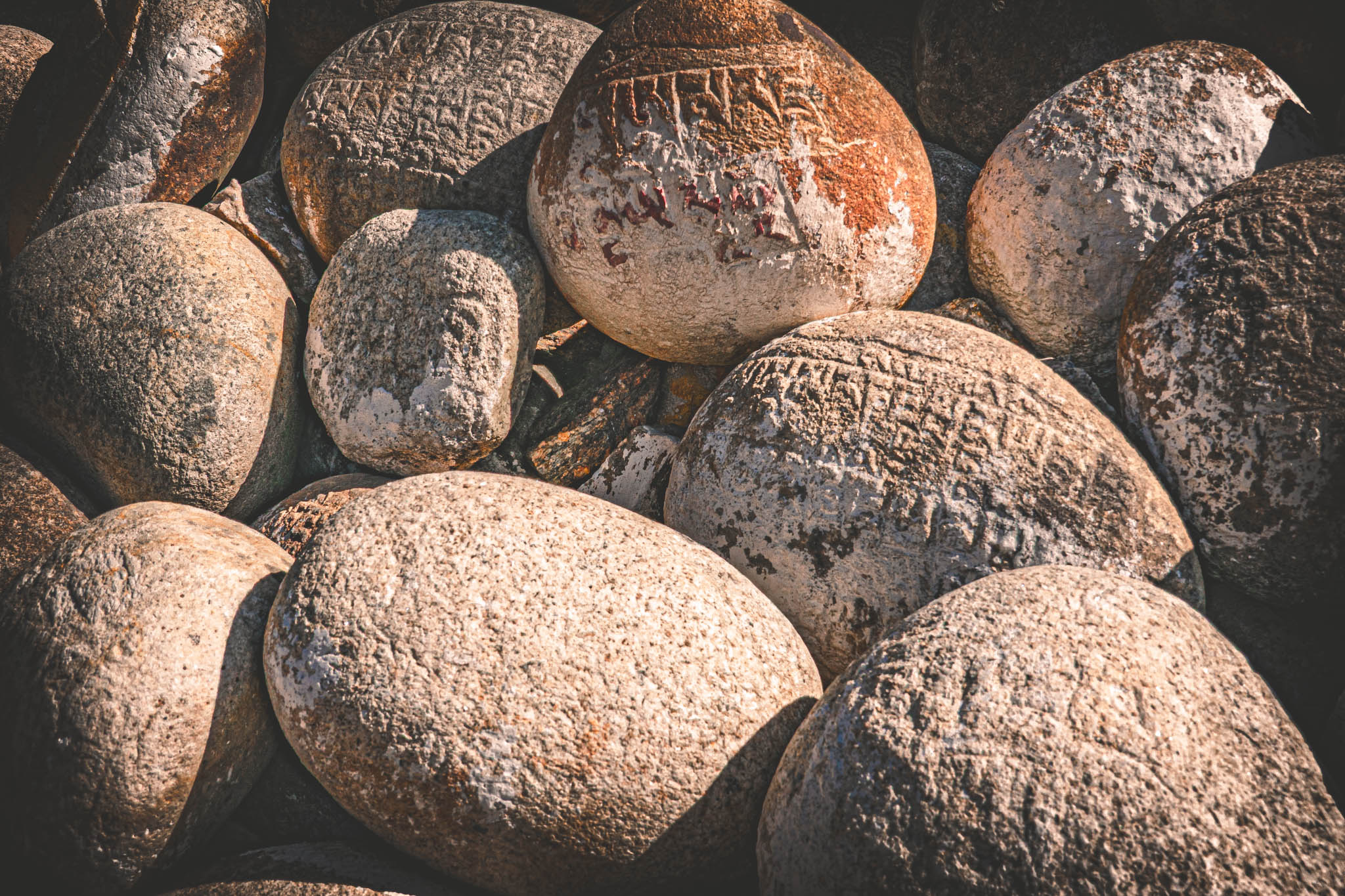
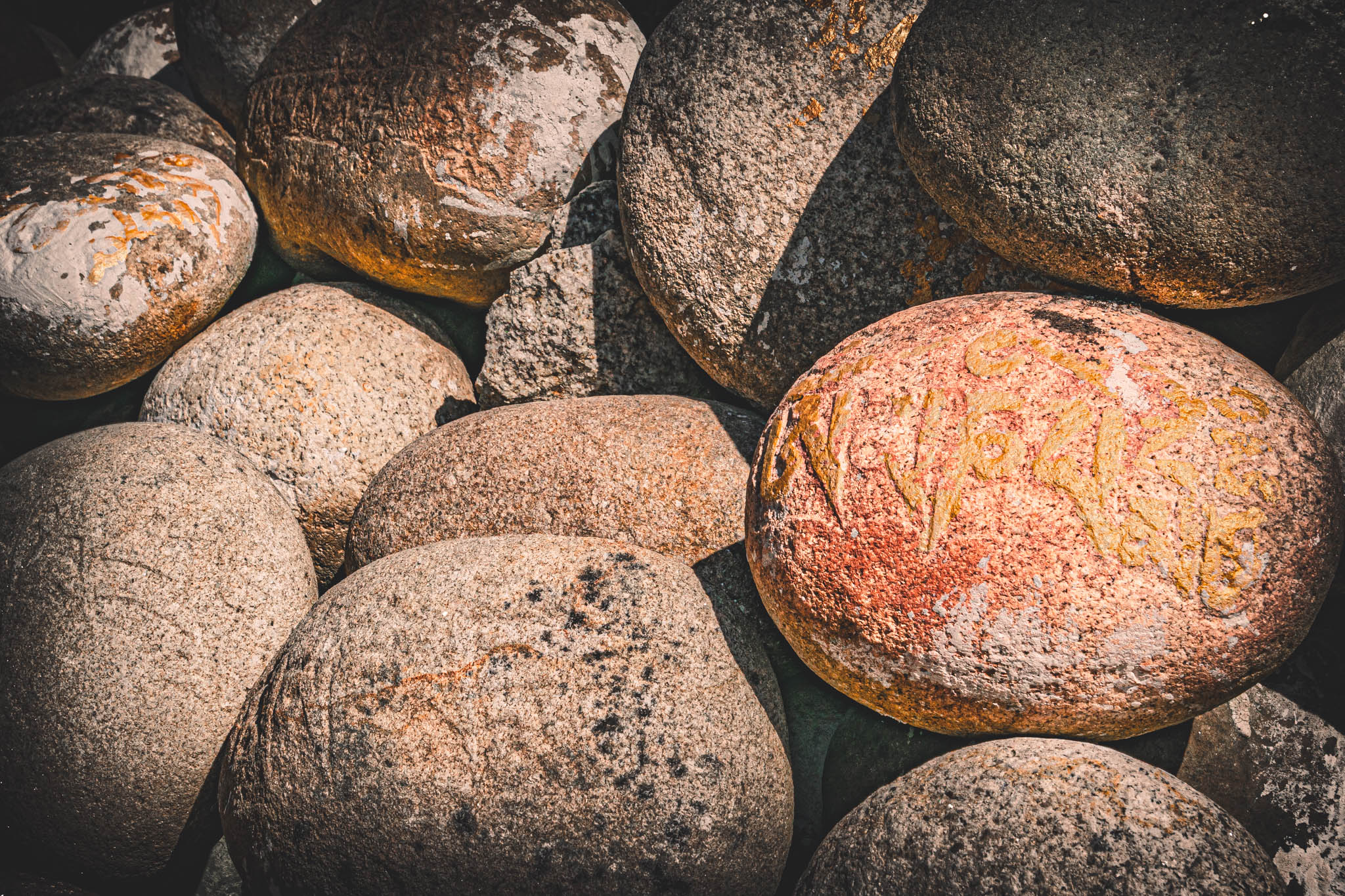
Thereby bestowing good fortune on all and sundry — except of course for the battered shutterbug.